
คู่มือการบำรุงรักษาและซ่อมแซมเครื่องจักรอาหารประจำวัน
ในโลกที่วุ่นวายของการผลิตอาหาร ประสิทธิภาพและสุขอนามัยเป็นสิ่งสำคัญยิ่ง เครื่องจักรอาหารซึ่งเป็นกระดูกสันหลังของการดำเนินการแปรรูปอาหารใดๆ จำเป็นต้องได้รับการดูแลอย่างพิถีพิถันเพื่อให้มั่นใจถึงประสิทธิภาพสูงสุดและความปลอดภัยของผลิตภัณฑ์ การละเลยการบำรุงรักษาและซ่อมแซมประจำวันอาจนำไปสู่การหยุดทำงานที่มีค่าใช้จ่ายสูง การปนเปื้อนของผลิตภัณฑ์ และแม้แต่ภัยพิบัติด้านความปลอดภัย คู่มือฉบับสมบูรณ์นี้จะช่วยให้คุณมีความรู้และแนวทางปฏิบัติที่ดีที่สุดในการทำให้เครื่องจักรอาหารของคุณทำงานได้อย่างราบรื่นและปลอดภัย
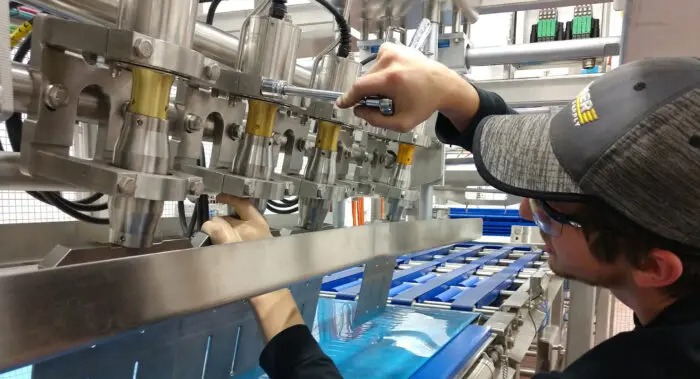
1. ความสำคัญของการบำรุงรักษาประจำวัน:
คิดว่าการบำรุงรักษาประจำวันเป็นยาป้องกันสำหรับเครื่องจักรอาหารของคุณ การทำความสะอาด การหล่อลื่น และการตรวจสอบอย่างสม่ำเสมอสามารถป้องกันปัญหาเล็กน้อยไม่ให้ลุกลามไปสู่การเสียครั้งใหญ่ได้
Increased Efficiency: Well-maintained machinery operates at peak efficiency, maximizing output and minimizing waste.
Extended Lifespan: Regular maintenance extends the lifespan of your equipment, saving you money on costly replacements.
Enhanced Safety: Properly maintained machinery reduces the risk of accidents and injuries.
2. งานบำรุงรักษารายวันที่สำคัญ:
การทำความสะอาด:
Sanitation is Key: Thoroughly clean all surfaces that come into contact with food, using approved sanitizers and following strict hygiene protocols.
Disassemble and Clean: Regularly disassemble removable parts for thorough cleaning and inspection.
Drainage Systems: Ensure drainage systems are clear of debris to prevent clogs and bacterial growth.
การหล่อลื่น:
Follow Manufacturer Recommendations: Consult your equipment manuals for specific lubrication requirements and schedules.
Use Food-Grade Lubricants: Only use lubricants approved for food contact to prevent contamination.
Grease Fittings: Regularly lubricate grease fittings to reduce friction and wear.
การตรวจสอบด้วยสายตา:
Look for Wear and Tear: Inspect belts, chains, and other moving parts for signs of wear and tear.
Check for Leaks: Look for leaks in hoses, seals, and connections.
Listen for Unusual Noises: Unusual noises can indicate a problem that requires attention.
3. การจัดการกับการซ่อมแซมเล็กน้อย:
Tighten Loose Bolts and Screws: Regularly check for loose bolts and screws and tighten them as needed.
Replace Worn Parts: Replace worn belts, seals, and other components promptly to prevent further damage.
Adjust Settings: Make necessary adjustments to ensure equipment is operating at optimal settings.
4. การเก็บบันทึก:
Maintenance Logs: Maintain detailed records of all maintenance activities, including dates, tasks performed, and parts replaced.
Troubleshooting Logs: Keep a log of any issues encountered and the steps taken to resolve them.
5. เมื่อใดที่ควรเรียกผู้เชี่ยวชาญ:
ในขณะที่การบำรุงรักษารายวันสามารถป้องกันปัญหาต่างๆ ได้มากมาย แต่การซ่อมแซมบางอย่างจำเป็นต้องใช้ความเชี่ยวชาญของช่างเทคนิคที่มีคุณสมบัติ
Complex Repairs: Leave complex repairs to trained technicians who have the knowledge and tools to diagnose and fix problems effectively.
Safety Concerns: If you encounter any safety concerns, such as electrical issues or malfunctioning safety features, immediately contact a qualified technician.
6. การฝึกอบรมทีมของคุณ:
Invest in Training: Provide comprehensive training to your team on proper maintenance procedures and safety protocols.
Empower Employees: Encourage employees to report any issues they notice, fostering a culture of proactive maintenance.
7. การเลือกอุปกรณ์ที่เหมาะสม:
Durability and Reliability: Invest in high-quality equipment from reputable manufacturers known for durability and reliability.
Ease of Maintenance: Choose equipment designed for easy cleaning and maintenance.
8. การนำตารางการบำรุงรักษาเชิงป้องกันไปใช้:
Scheduled Downtime: Schedule regular downtime for preventative maintenance, minimizing disruptions to production.
Inspection Checklists: Develop detailed checklists for each piece of equipment, ensuring all critical components are inspected.
9. ประโยชน์ของการดำเนินงานที่ได้รับการดูแลอย่างดี:
Increased Productivity: Well-maintained machinery operates efficiently, maximizing output and minimizing downtime.
Improved Product Quality: Clean and well-maintained equipment helps ensure product quality and safety.
Reduced Costs: Preventative maintenance reduces the risk of costly breakdowns and repairs.
สรุป:
การบำรุงรักษาและซ่อมแซมเป็นประจำทุกวันเป็นสิ่งจำเป็นเพื่อให้มั่นใจถึงการดำเนินงานที่ราบรื่นของโรงงานแปรรูปอาหารของคุณ การนำโปรแกรมบำรุงรักษาที่ครอบคลุมมาใช้จะช่วยให้คุณยืดอายุการใช้งานของอุปกรณ์ให้ยาวนานที่สุด มั่นใจในความปลอดภัยของผลิตภัณฑ์ และลดเวลาหยุดทำงานให้น้อยที่สุด โปรดจำไว้ว่าการดำเนินงานที่ได้รับการดูแลอย่างดีคือการดำเนินงานที่ทำกำไร
บล็อกที่เจ้าของร้านอาหารเชนต้องอ่าน

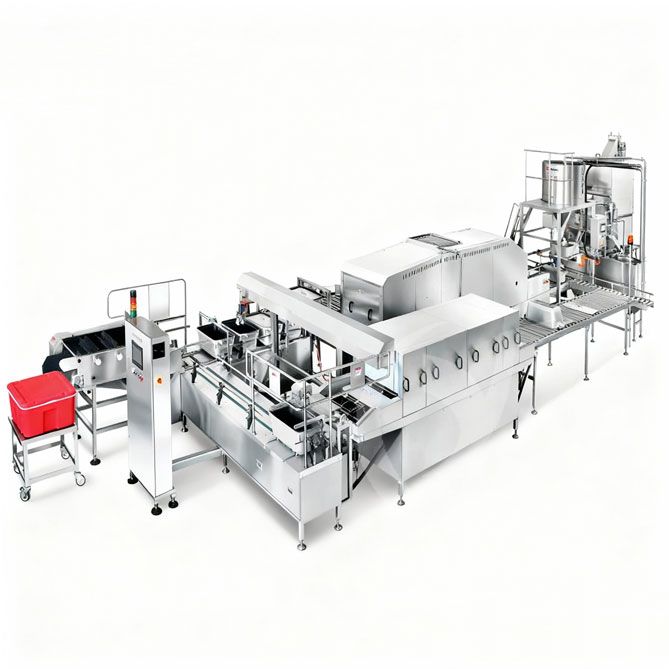
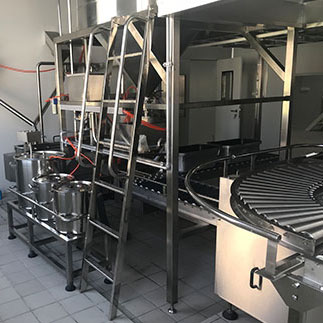 สายการผลิตข้าวแบบ Cold Chain
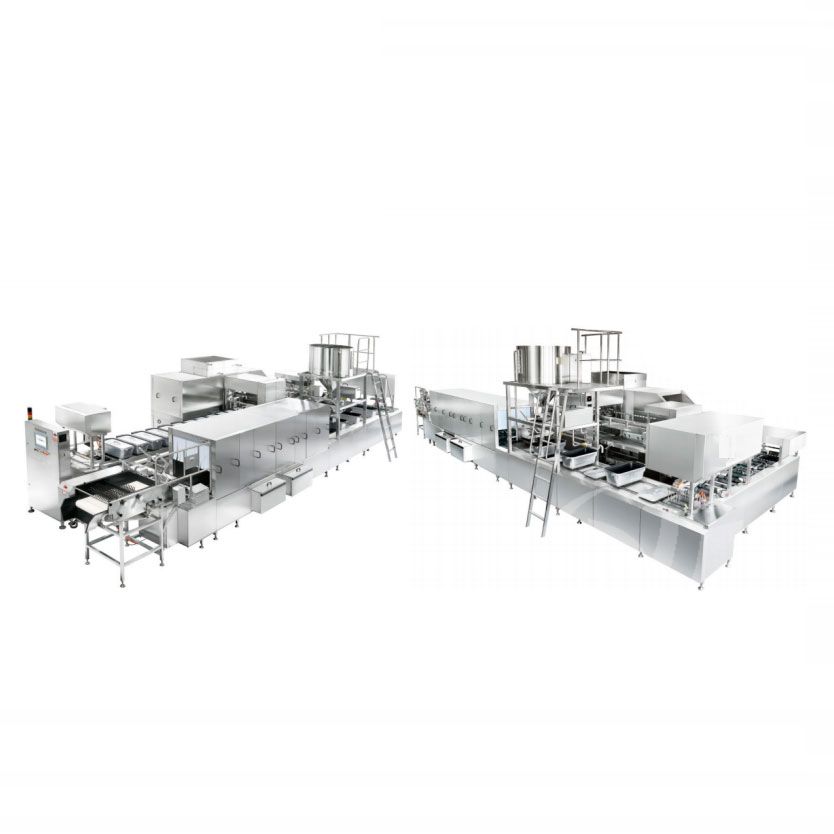 สายการผลิตข้าวอัจฉริยะไร้คนขับ
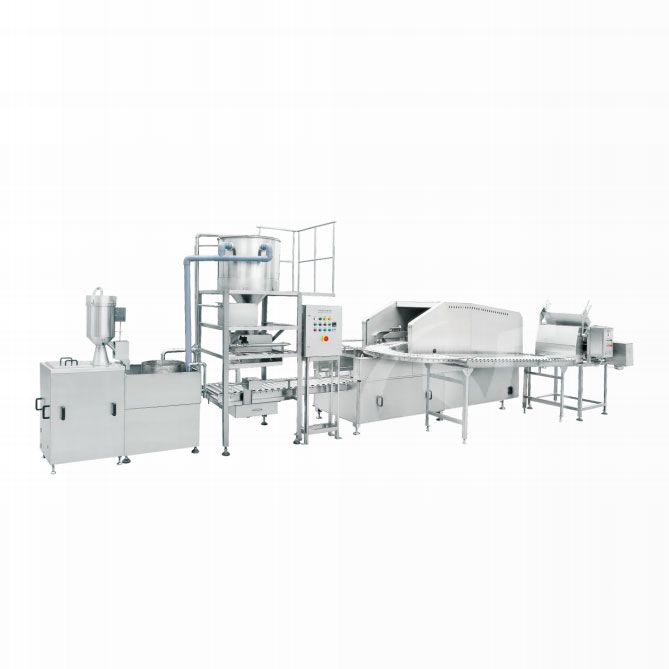 สายการผลิตข้าวอัตโนมัติ
พร้อมที่จะเริ่มต้นหรือยัง