
จากไร่สู่โต๊ะอาหาร: สำรวจโลกของอุปกรณ์แปรรูปถั่วเขียว
ถั่วเขียว—ฝักกรอบอร่อยที่อัดแน่นไปด้วยสารอาหาร—เป็นอาหารหลักในอาหารนานาชาติ แต่คุณเคยหยุดคิดถึงเส้นทางที่ผักเหล่านี้เดินทางจากฟาร์มมาสู่จานของคุณหรือไม่
การเปลี่ยนแปลงจากถั่วที่เก็บสดใหม่ไปเป็นผลิตภัณฑ์ที่สม่ำเสมอและพร้อมรับประทานที่วางเรียงรายอยู่บนชั้นวางของร้านขายของชำนั้นเกิดขึ้นได้ด้วยเวทมนตร์ของอุปกรณ์แปรรูปถั่วเขียว เครื่องจักรพิเศษนี้มีความสำคัญอย่างยิ่งต่อการรับประกันคุณภาพ ความปลอดภัย และความสะดวกสบายของถั่วเขียวที่เราบริโภค ไม่ว่าคุณจะเป็นมืออาชีพด้านการแปรรูปอาหาร ผู้ประกอบการที่ต้องการ หรือนักชิมที่อยากรู้อยากเห็น มาร่วมสำรวจโลกที่น่าสนใจของอุปกรณ์แปรรูปถั่วเขียวไปกับเรา
ขั้นตอนที่ 1: การรับและการทำความสะอาด – จากความสดใหม่ในฟาร์มสู่ความพร้อมในโรงงาน
กระบวนการเริ่มต้นด้วยถั่วเขียวสดที่ส่งตรงจากไร่มาถึงโรงงานแปรรูป
Unloading & Receiving: Specialized equipment is used to gently unload and receive the green beans, minimizing damage and preserving their freshness.
Cleaning & Sorting: Next comes a critical step – removing any foreign material and ensuring that only the highest-quality beans proceed. This typically involves:
Dry Cleaning: Rotating drums or air blowers remove dirt, debris, and loose leaves.
Washing & Fluming: Gentle washing systems, utilizing water baths or sprays, thoroughly clean the beans. Flumes with flowing water help transport the beans and further remove any remaining debris.
Inspection & Sorting: Skilled workers or automated optical sorting machines identify and remove any discolored, damaged, or misshapen beans, ensuring only the best continue to the next stage.
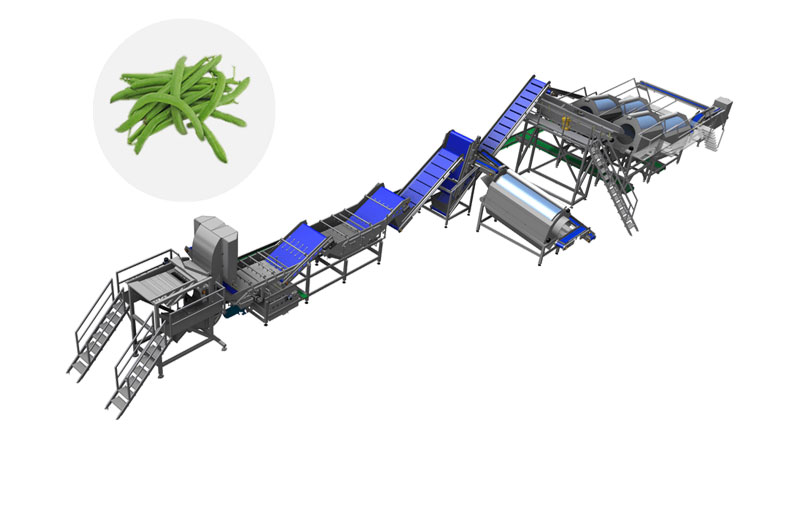
ขั้นตอนที่ 2: การเตรียมพร้อมเพื่อความสมบูรณ์แบบ – การคัดขนาด การเด็ด และการตัด
เมื่อถั่วเขียวสะอาดและคัดแยกแล้ว ก็ถึงเวลาเตรียมถั่วให้พร้อมสำหรับรูปแบบสุดท้าย
Sizing: This step involves separating the beans based on their length, creating a more uniform final product. Sizing can be done manually or by utilizing automated systems with rollers or belts.
Snapping & Cutting: To remove the stem ends and, if desired, cut the beans into preferred lengths, specialized machinery comes into play:
Snappers: These machines efficiently remove the stem ends of the green beans, ensuring consistency and minimizing waste.
Cutters: If desired, green beans can be cut into specific lengths using rotary cutters or dicers.
ขั้นตอนที่ 3: พลังแห่งการถนอมอาหาร – การลวกและการทำให้เย็น
ขั้นตอนนี้มีความสำคัญอย่างยิ่งในการช่วยรักษาสีสันที่สดใส รสชาติที่สดใหม่ และสารอาหารที่จำเป็นของถั่วเขียว เพื่อให้ได้รับความเพลิดเพลินอย่างยาวนาน
Blanching: Green beans are briefly immersed in hot water or steam. This process deactivates enzymes that can cause spoilage and color deterioration during storage. Blanching also helps to preserve nutrients and reduce microbial load.
Cooling: After blanching, rapid cooling is essential to halt the cooking process and preserve the desired texture. This is typically achieved by utilizing cold water baths or air chilling systems.
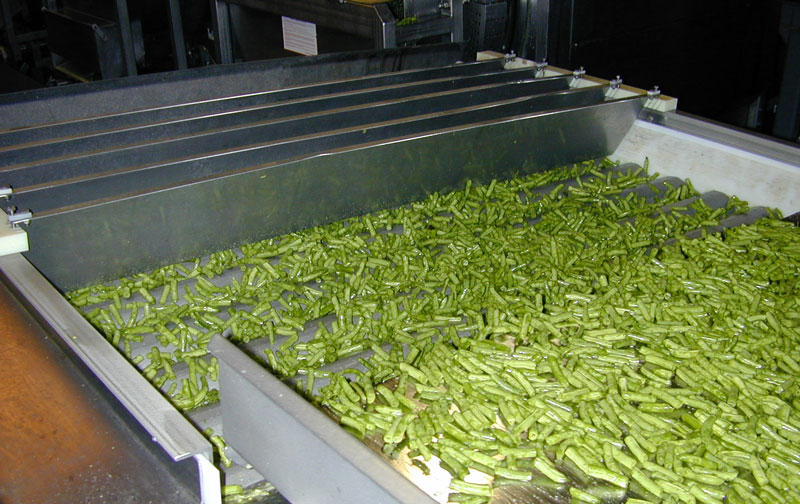
ขั้นตอนที่ 4: สัมผัสสุดท้าย – การบรรจุและการแปรรูปเพิ่มเติม
Packaging: The processed green beans are now ready for packaging. Depending on the intended use and market demand, this might involve:
Canned: Packed in cans and sterilized for extended shelf life.
Frozen: Individually quick frozen (IQF) to preserve optimal texture and freshness.
Fresh-Cut: Packaged for refrigerated retail sale.
Further Processing: In some cases, green beans undergo additional processing after blanching and cooling, which can include:
French Cutting: Cut lengthwise into thin strips.
Dicing: Cut into small, uniform cubes.
Slicing: Sliced into round or diagonal pieces.
การเลือกอุปกรณ์ที่เหมาะสม - ข้อควรพิจารณาที่สำคัญ
การเลือกอุปกรณ์แปรรูปถั่วแขกที่เหมาะสมขึ้นอยู่กับปัจจัยสำคัญหลายประการ ได้แก่:
Production Volume: Small-scale operations might opt for manual or semi-automated equipment, while large-scale facilities require high-capacity, automated systems.
Desired Product: The intended final product format (canned, frozen, fresh-cut) will heavily influence equipment choices.
Budget & Space Constraints: Equipment costs vary significantly, as do space requirements for operation.
Maintenance & Sanitation: Easy-to-clean and easy-to-maintain equipment is vital for ensuring food safety and minimizing downtime.
นวัตกรรมที่ทันสมัยในการแปรรูปถั่วเขียว
โลกของการแปรรูปถั่วเขียวกำลังพัฒนาอย่างต่อเนื่อง ขับเคลื่อนด้วยความก้าวหน้าทางเทคโนโลยี และการให้ความสำคัญกับการเพิ่มประสิทธิภาพและความยั่งยืน
Optical Sorting: Advanced optical sorting machines, equipped with cameras and sensors, can identify and remove defective beans with remarkable accuracy, significantly reducing waste and enhancing product quality.
Water & Energy Efficiency: Modern processing equipment is often designed with sustainability in mind, incorporating water-saving features and energy-efficient technologies.
Automation & Robotics: Automated systems and robotics are becoming increasingly prevalent in green bean processing, streamlining operations, reducing labor costs, and improving consistency.
จากขั้นตอนง่ายๆ อย่างการทำความสะอาดและการคัดแยก ไปจนถึงเทคนิคการตัดและบรรจุภัณฑ์ที่ซับซ้อน อุปกรณ์แปรรูปถั่วเขียวมีบทบาทสำคัญในการนำผักที่มีคุณค่าทางโภชนาการและใช้งานได้หลากหลายเหล่านี้จากไร่มาสู่โต๊ะอาหารของเรา ไม่ว่าจะรับประทานแบบสด แช่แข็ง หรือบรรจุกระป๋อง ในครั้งต่อไปที่คุณลิ้มรสถั่วเขียว โปรดสละเวลาสักครู่เพื่อชื่นชมการเดินทางที่ซับซ้อน และเครื่องจักรที่น่าทึ่ง ที่เกี่ยวข้องกับการนำมันมาสู่จานของคุณ
บล็อกที่เจ้าของร้านอาหารเชนต้องอ่าน

 สายการผลิตข้าวแบบ Cold Chain
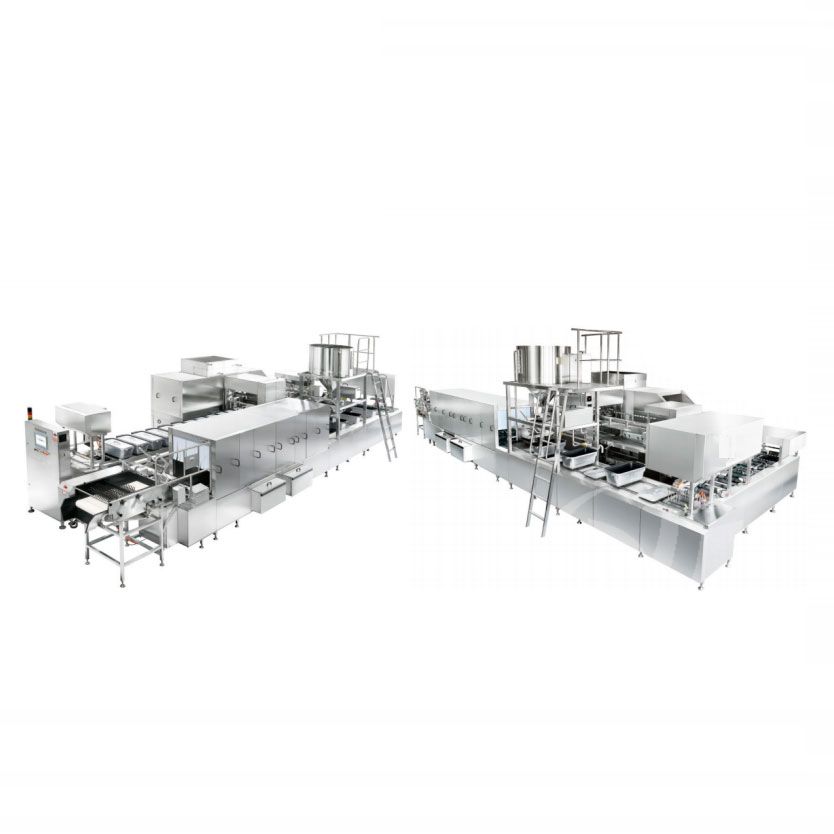 สายการผลิตข้าวอัจฉริยะไร้คนขับ
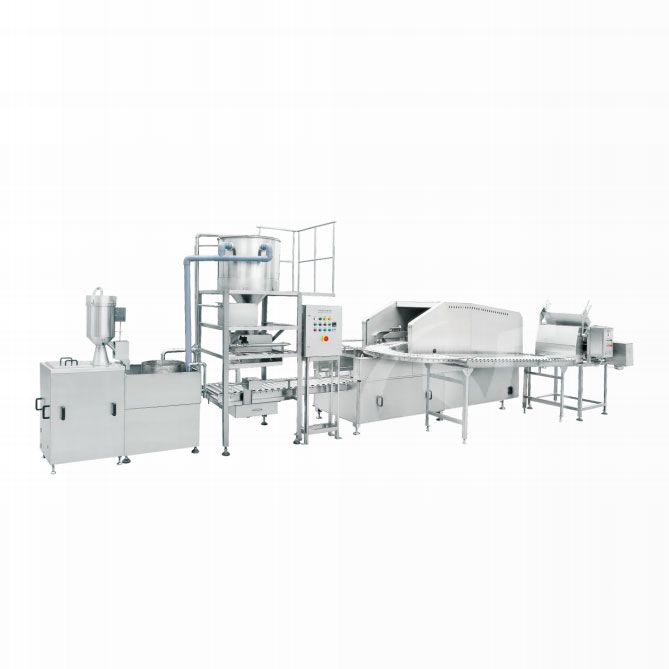 สายการผลิตข้าวอัตโนมัติ
พร้อมที่จะเริ่มต้นหรือยัง