
Hướng dẫn Bảo trì và Sửa chữa Máy móc Thực phẩm Hàng ngày
Trong thế giới sản xuất thực phẩm đầy hối hả, hiệu suất và vệ sinh luôn là những yếu tố tiên quyết. Máy móc thực phẩm, vốn là xương sống của mọi quy trình chế biến, đòi hỏi sự chăm sóc tỉ mỉ để đảm bảo vận hành tối ưu và an toàn thực phẩm. Việc lơ là bảo trì và sửa chữa hàng ngày có thể dẫn đến tình trạng ngừng hoạt động gây tốn kém, nhiễm bẩn sản phẩm, thậm chí là các rủi ro về an toàn. Bản hướng dẫn toàn diện này sẽ trang bị cho bạn những kiến thức và phương pháp tối ưu nhất để duy trì hệ thống máy móc thực phẩm luôn hoạt động trơn tru và an toàn.
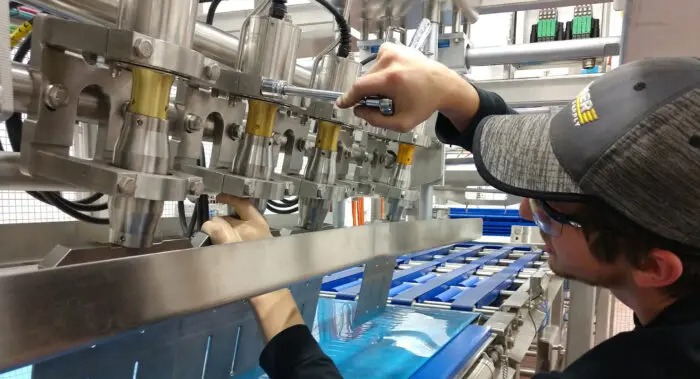
1. Tầm quan trọng của việc bảo trì hàng ngày:
Hãy coi việc bảo trì hàng ngày giống như việc dùng "thuốc phòng bệnh" cho máy móc chế biến thực phẩm của bạn. Việc vệ sinh, bôi trơn và kiểm tra định kỳ sẽ giúp ngăn chặn những trục trặc nhỏ trở thành những sự cố hỏng hóc nghiêm trọng.
Increased Efficiency: Well-maintained machinery operates at peak efficiency, maximizing output and minimizing waste.
Extended Lifespan: Regular maintenance extends the lifespan of your equipment, saving you money on costly replacements.
Enhanced Safety: Properly maintained machinery reduces the risk of accidents and injuries.
2. Các công việc bảo trì thiết yếu hàng ngày:
Vệ sinh:
Sanitation is Key: Thoroughly clean all surfaces that come into contact with food, using approved sanitizers and following strict hygiene protocols.
Disassemble and Clean: Regularly disassemble removable parts for thorough cleaning and inspection.
Drainage Systems: Ensure drainage systems are clear of debris to prevent clogs and bacterial growth.
Bôi trơn:
Follow Manufacturer Recommendations: Consult your equipment manuals for specific lubrication requirements and schedules.
Use Food-Grade Lubricants: Only use lubricants approved for food contact to prevent contamination.
Grease Fittings: Regularly lubricate grease fittings to reduce friction and wear.
Kiểm tra bằng mắt thường:
Look for Wear and Tear: Inspect belts, chains, and other moving parts for signs of wear and tear.
Check for Leaks: Look for leaks in hoses, seals, and connections.
Listen for Unusual Noises: Unusual noises can indicate a problem that requires attention.
3. Giải quyết các hư hỏng nhỏ:
Tighten Loose Bolts and Screws: Regularly check for loose bolts and screws and tighten them as needed.
Replace Worn Parts: Replace worn belts, seals, and other components promptly to prevent further damage.
Adjust Settings: Make necessary adjustments to ensure equipment is operating at optimal settings.
4. Lưu trữ hồ sơ:
Maintenance Logs: Maintain detailed records of all maintenance activities, including dates, tasks performed, and parts replaced.
Troubleshooting Logs: Keep a log of any issues encountered and the steps taken to resolve them.
5. Khi nào cần gọi chuyên gia hỗ trợ:
Dù việc bảo trì hàng ngày có thể giúp ngăn ngừa nhiều vấn đề, nhưng vẫn có những lỗi hỏng hóc cần đến tay kỹ thuật viên chuyên nghiệp mới có thể xử lý được.
Complex Repairs: Leave complex repairs to trained technicians who have the knowledge and tools to diagnose and fix problems effectively.
Safety Concerns: If you encounter any safety concerns, such as electrical issues or malfunctioning safety features, immediately contact a qualified technician.
6. Đào tạo đội ngũ của bạn:
Invest in Training: Provide comprehensive training to your team on proper maintenance procedures and safety protocols.
Empower Employees: Encourage employees to report any issues they notice, fostering a culture of proactive maintenance.
7. Lựa chọn thiết bị phù hợp:
Durability and Reliability: Invest in high-quality equipment from reputable manufacturers known for durability and reliability.
Ease of Maintenance: Choose equipment designed for easy cleaning and maintenance.
8. Triển khai kế hoạch bảo trì định kỳ nhằm phòng ngừa sự cố:
Scheduled Downtime: Schedule regular downtime for preventative maintenance, minimizing disruptions to production.
Inspection Checklists: Develop detailed checklists for each piece of equipment, ensuring all critical components are inspected.
9. Lợi ích của việc duy trì vận hành ổn định:
Increased Productivity: Well-maintained machinery operates efficiently, maximizing output and minimizing downtime.
Improved Product Quality: Clean and well-maintained equipment helps ensure product quality and safety.
Reduced Costs: Preventative maintenance reduces the risk of costly breakdowns and repairs.
Kết luận:
Việc bảo trì và sửa chữa định kỳ là yếu tố then chốt để đảm bảo nhà máy chế biến thực phẩm của bạn luôn vận hành trơn tru. Bằng cách triển khai một chương trình bảo dưỡng toàn diện, bạn có thể tối ưu hóa tuổi thọ của thiết bị, đảm bảo an toàn thực phẩm và giảm thiểu thời gian gián đoạn sản xuất. Hãy luôn nhớ rằng, một quy trình vận hành được bảo trì tốt chính là chìa khóa để tối ưu hóa lợi nhuận.
Những Blog Không Thể Bỏ Qua Dành Cho Chủ Chuỗi Nhà Hàng

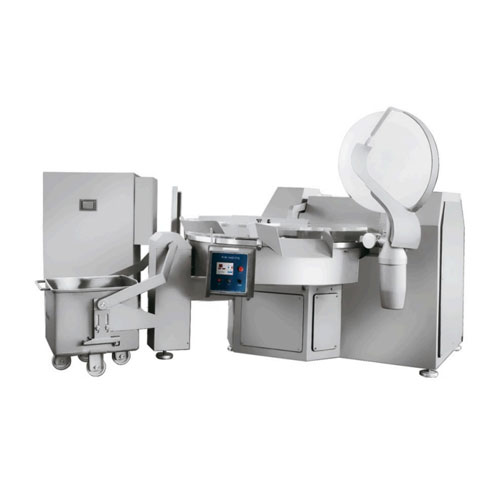
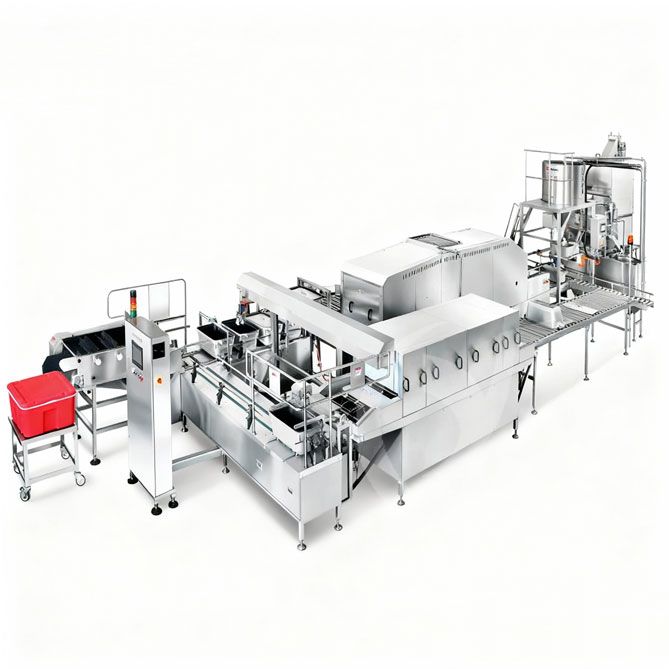
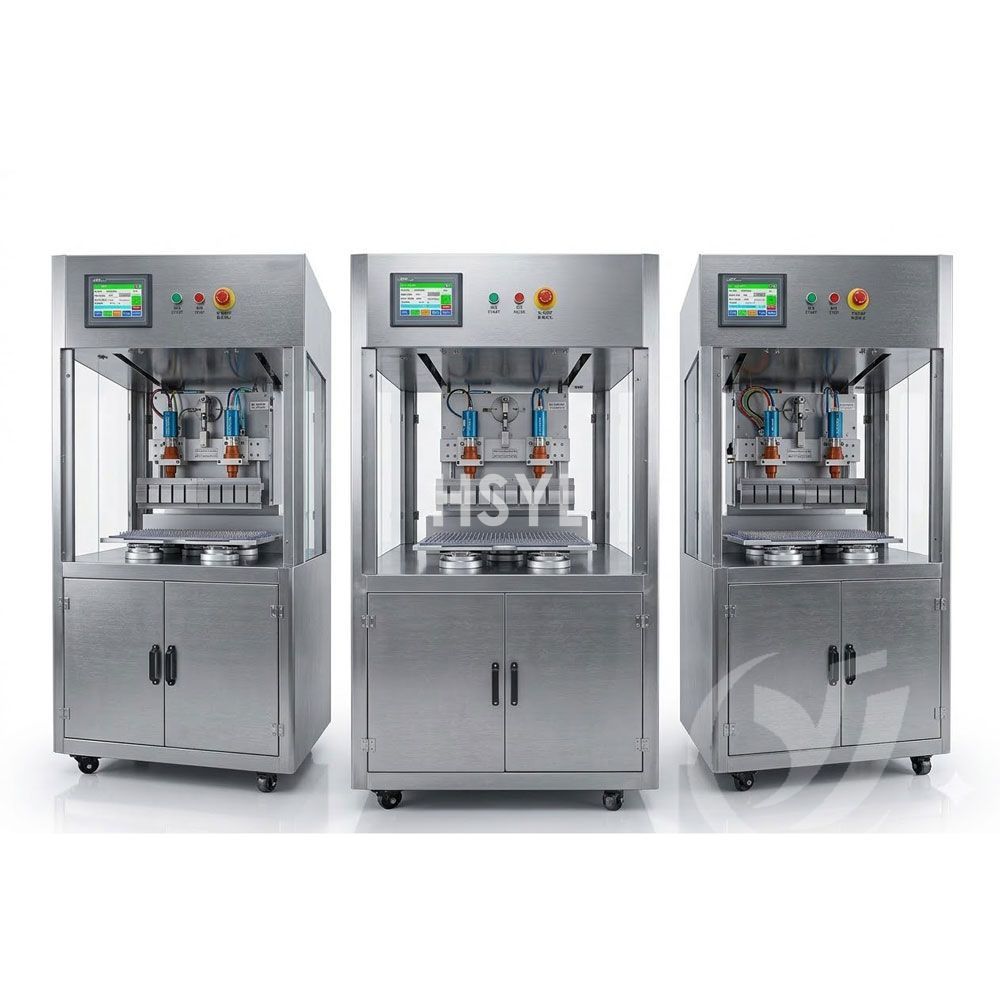 Máy cắt bánh mì gối bằng sóng siêu âm tự động
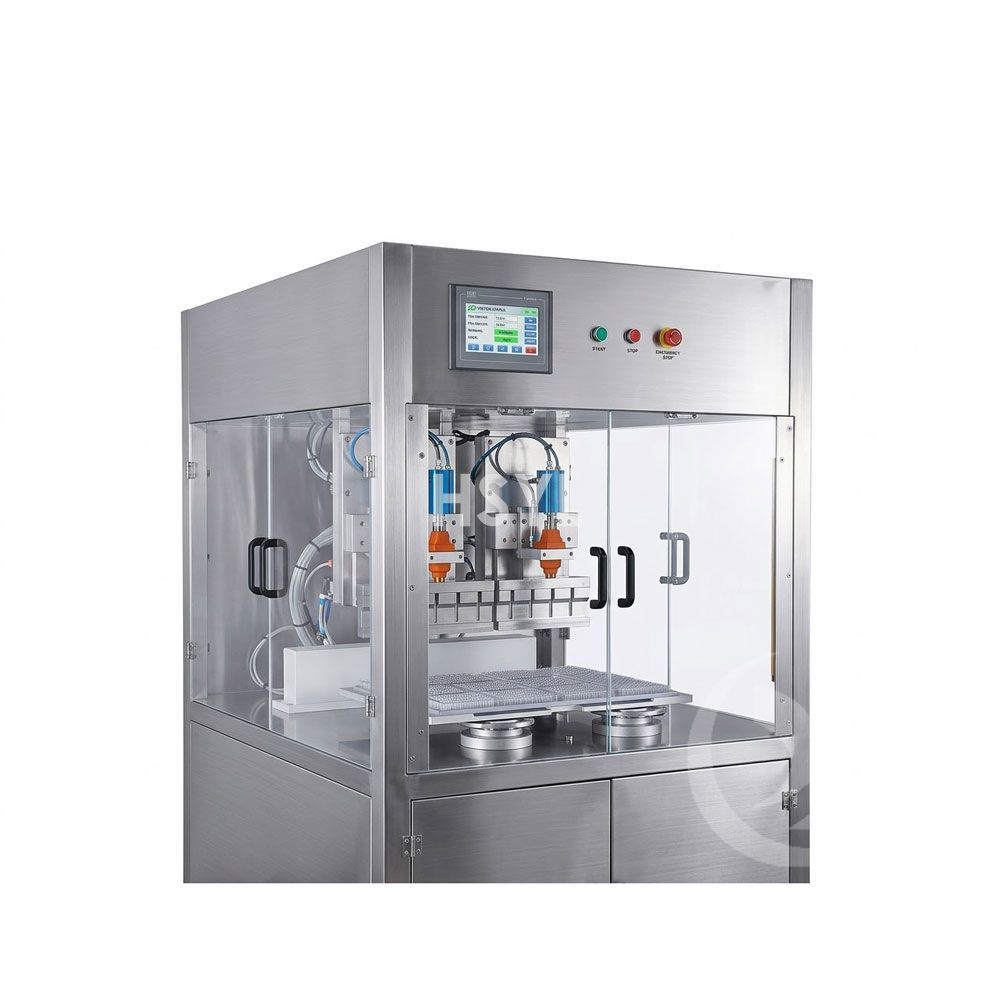 Máy cắt siêu âm mini
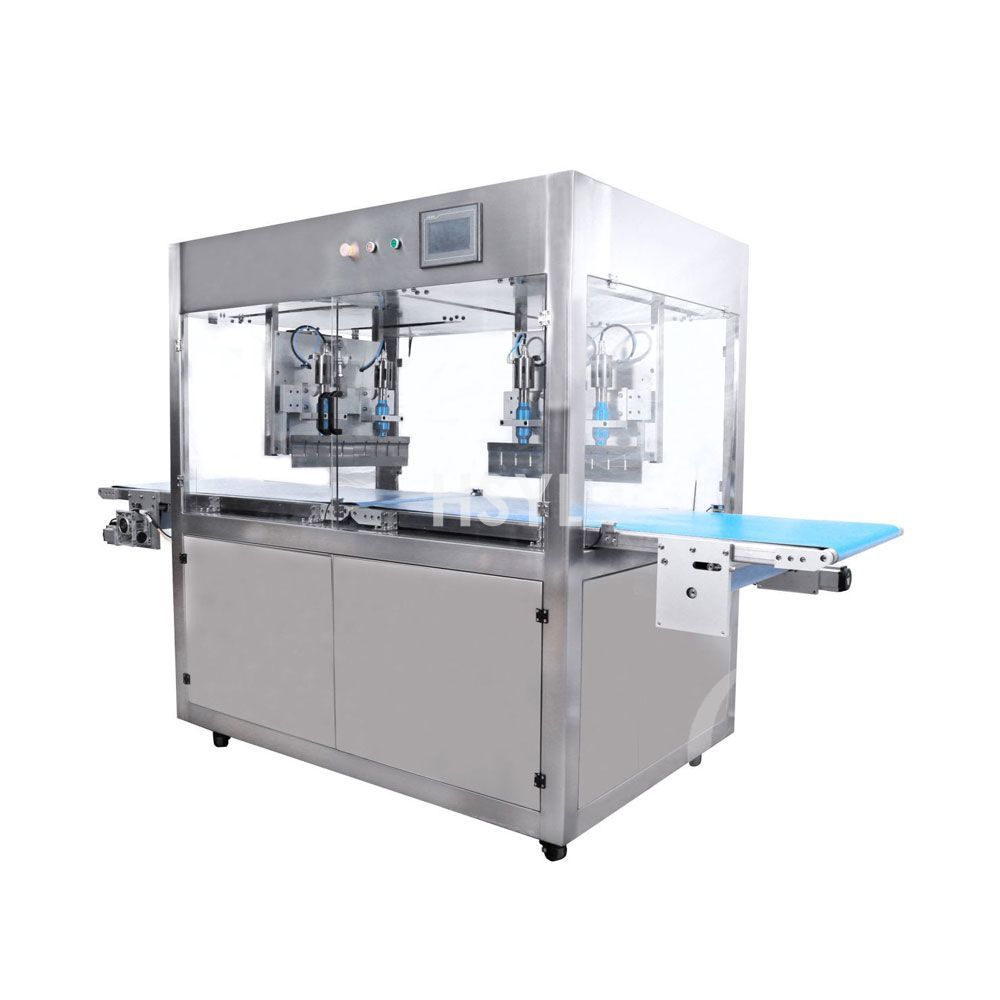 Máy cắt bánh cuộn Swiss Roll bằng sóng siêu âm
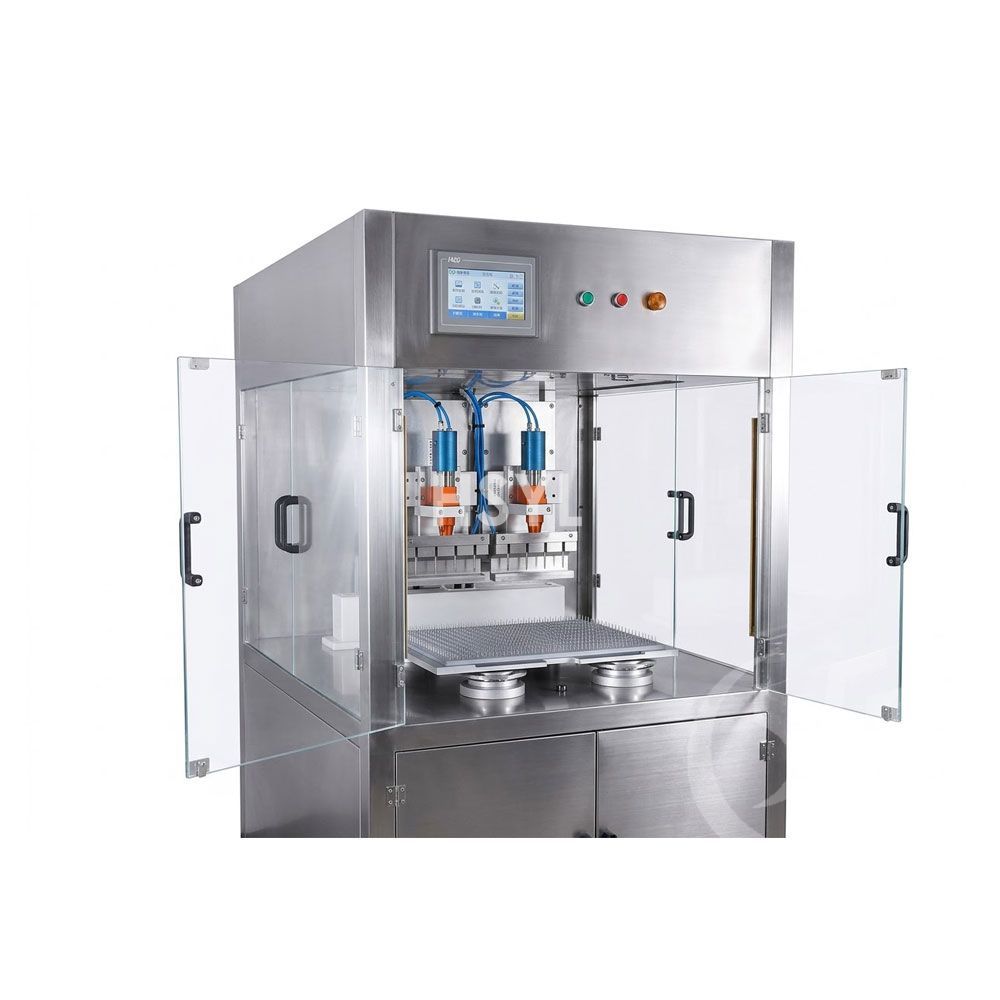 Máy cắt bánh mì bằng sóng siêu âm
Bạn đã sẵn sàng bắt đầu chưa?