
Hướng dẫn dây chuyền sản xuất dưa chuột muối lên men: Ngăn chặn gỉ sét
1. Giới thiệu: Cái giá đắt ẩn sau sự gỉ sét trong ngành công nghiệp dưa muối
The global pickled vegetable market is projected to reach unprecedented heights by 2030, driven by consumer demand for healthy, probiotic-rich shelf-stable foods. For factory owners, this presents a massive opportunity. However, scaling up from artisanal production to an industrial pickled cucumber production line comes with a formidable enemy that destroys profit margins more effectively than any competitor: Corrosion.
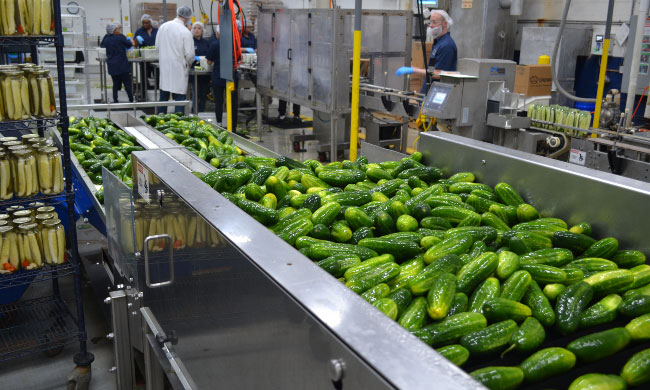
Hãy tưởng tượng tình huống này: Bạn vừa mới lắp đặt một dây chuyền chiết rót và đóng nắp tự động mới tinh, trông cực kỳ hoàn hảo. Thế nhưng, sáu tháng sau, bạn bắt đầu thấy những vết ố màu nâu đỏ xuất hiện trên khung băng tải. Một tháng sau đó, một động cơ servo bị hỏng hoàn toàn do hơi axit đã xâm nhập vào bên trong vỏ máy. Và rồi đột ngột, toàn bộ dây chuyền của bạn phải dừng hoạt động ngay đúng vào cao điểm mùa thu hoạch dưa leo.
This is the reality for 40% of new pickle factories that prioritize low initial equipment costs over material suitability.
Trong ngành chế biến thực phẩm, sự xuất hiện của rỉ sét không đơn thuần chỉ là vấn đề về thẩm mỹ, mà nó còn là một thảm họa thực sự.
Food Safety Risk: Rust particles can contaminate the product, leading to recalls. Corroded surfaces become breeding grounds for bacteria like Listeria and Salmonella.
Regulatory Nightmare: FDA, EFSA, and local health inspectors will shut down a line that shows visible corrosion in food contact zones.
Operational Bleed: Every hour of downtime due to a seized bearing or a snapped chain costs thousands of dollars in wasted raw material and labor.
At HSYL, we don't just assemble machines; we engineer solutions for hostile environments. This guide is the culmination of our 10 years of experience fighting corrosion. We will take you deep into the engineering principles of building a pickle production line that lasts not just for the warranty period, but for a decade.
2. Khoa học về sự ăn mòn: Tìm hiểu cơ chế giấm muối & tấn công kim loại
Muốn đánh bại kẻ thù, trước hết bạn phải hiểu rõ về nó. Tại sao việc vận hành máy móc tại một nhà máy sản xuất dưa muối lại khó khăn và khắc nghiệt hơn nhiều so với một nhà máy bánh quy hay một nhà máy đóng chai nước?
Mối hiểm họa kép: Khi Chloride kết hợp với Acid
Dưa leo muối thường được chế biến trong dung dịch nước muối bao gồm:
Salt (Sodium Chloride): Concentration ranges from 6% to 15%.
Acetic Acid (Vinegar): pH levels often drop below 3.5.
Cơ chế 1: Ăn mòn lỗ rỗ (Kẻ sát nhân thầm lặng)
Standard stainless steel relies on a microscopic "passive layer" of chromium oxide to protect itself. Chloride ions from the salt are aggressive enough to penetrate this layer at specific weak points. Once the layer is breached, the corrosion burrows downward, creating tiny pits.
The Danger: On the surface, the metal might look fine, but structurally, it is becoming a sponge. This is common in low-quality storage tanks and filler bowls.
Cơ chế 2: Ăn mòn kẽ hở
This occurs in tight spaces—under gaskets, bolt heads, or overlapping metal plates—where the liquid gets trapped and becomes stagnant. The stagnant liquid becomes highly acidic over time, eating away the metal from the inside out. This is why machine design is just as important as material selection.
Cơ chế 3: Ăn mòn cắt do ứng suất (SCC)
Khi các ứng suất kéo (như hiện tượng rung lắc trên sàng lọc hoặc áp suất trong bình chứa) kết hợp cùng môi trường có chứa clorua và nhiệt độ cao (như quá trình thanh trùng), thép không gỉ có thể bị nứt gãy đột ngột mà không có bất kỳ dấu hiệu báo trước nào.
Vai trò của Nhiệt độ
In the Pasteurization Tunnel, temperatures rise to 85°C-95°C. For every 10°C increase in temperature, the corrosion rate of chemical reactions roughly doubles. A material that survives cold brine might fail catastrophically in hot steam.
3. Kỹ thuật vật liệu: So sánh SUS304, SUS316L và Polymer
The most common question we get is: "Do I really need SUS316, or is SUS304 enough?"
The answer is: It depends on the zone. A smart engineering approach uses a hybrid of materials to balance cost and durability.
SUS304 (Tiêu chuẩn ngành)
Composition: 18% Chromium, 8% Nickel.
Verdict: Excellent for general food processing (washing leafy greens, fruits).
In Pickle Lines: We use SUS304 for the structural frames (legs, supports) that do not directly touch the brine, and for the initial cucumber washing section (where fresh water is used).
Warning: Never accept SUS201. It is magnetic, contains low nickel, and will rust within weeks in a humid factory.
SUS316L (Chuyên gia chống axit)
Composition: 16% Chromium, 10% Nickel, 2% Molybdenum.
The Magic Ingredient: Molybdenum is the game-changer. It drastically improves resistance to pitting corrosion from chlorides. The "L" stands for "Low Carbon," which prevents corrosion at weld points.
In Pickle Lines: This is non-negotiable for:
Brine Filling Nozzles: High velocity brine wears down weaker metals.
Brine Storage Tanks: Constant contact requires 316L.
The Brine Mixing System: The most aggressive zone.
Titanium (Lựa chọn cuối cùng)
Đối với các trường hợp đặc biệt (ví dụ: nồng độ nước muối đạt mức >20% hoặc nước muối đang sôi), người ta thường sử dụng bộ trao đổi nhiệt bằng Titanium. Tuy nhiên, đối với các dây chuyền ngâm muối tiêu chuẩn, việc này thường là quá mức cần thiết và gây tốn kém không đáng có.
Polyme cao cấp (UHMWPE & Delrin)
Không phải lúc nào kim loại cũng là giải pháp tối ưu.
UHMWPE (Ultra-High Molecular Weight Polyethylene): We use this for guide rails and wear strips. It has self-lubricating properties, meaning less friction and no need for grease (which attracts dirt). It is completely immune to salt and acid.
4. Vượt xa giới hạn vật liệu: Thiết kế vệ sinh và & Công nghệ hàn
You can build a machine out of pure gold, but if the design is poor, it will still fail. In the world of Sanitary Design, geometry is everything.
Triết lý "Tự đào thải"
Khi quan sát máy HSYL, bạn sẽ thấy rằng không hề có bất kỳ bề mặt phẳng nằm ngang nào.
Sloped Surfaces: All structural tubes are diamond-oriented or sloped to ensure water and brine run off immediately.
No Dead Legs: In our piping systems for the brine filler, we eliminate "dead legs" (sections of pipe where liquid doesn't flow). Stagnant brine is a corrosion accelerator.
Nghệ thuật Hàn: So sánh kỹ thuật hàn TIG và MIG
Mối hàn kém chất lượng là nguyên nhân hàng đầu gây ra tình trạng rỉ sét ở các loại máy móc Trung Quốc.
The Problem: Rough welds create microscopic crevices where salt crystals form. The heat from welding also destroys the protective layer of the steel.
Quy trình của chúng tôi:
Pulse TIG Welding: Creates a smooth, "fish-scale" uniform weld.
Full Penetration: We don't just spot weld; we seal the joint completely to prevent liquid from entering the hollow tubes of the frame.
Pickling & Passivation: This is the most critical step. After welding, we bathe the entire component in an acid bath. This removes the "heat tint" and chemically regenerates the chromium oxide protective layer. If a machine looks dull or grey at the welds, it hasn't been passivated. Do not buy it.
Xử lý bề mặt: Phun cát hay Đánh bóng?
Sandblasting (Bead Blasting): Creates a matte finish. Good for structural parts as it hides fingerprints.
Mirror Polishing (Ra < 0.8µm): We use this for all food contact surfaces. A mirror-smooth surface leaves nowhere for bacteria or salt to hide. It makes CIP (Clean-in-Place) twice as effective.
5. Trái tim dễ tổn thương: Bảo vệ động cơ, linh kiện điện tử và cảm biến
Một khung máy cơ khí có thể bền bỉ tới 20 năm, nhưng các linh kiện điện tử lại rất dễ hư hỏng. Trong khi đó, không khí tại các nhà máy sản xuất dưa muối luôn đầy rẫy các hạt sương axit có tính dẫn điện cao.
Bảo vệ Động cơ
Các loại động cơ cảm ứng tiêu chuẩn thường có quạt làm mát để hút không khí vào nhằm hạ nhiệt cho động cơ. Thế nhưng, tại một nhà máy sản xuất dưa muối, chúng lại đang hút phải axit.
Our Solution: We use Stainless Steel Washdown Motors (completely sealed, non-ventilated) or motors with Epoxy Paint coatings rated for IP66.
Shaft Seals: The point where the motor shaft exits the housing is a weak spot. We use reinforced oil seals to prevent brine ingress.
Tủ điện điều khiển (Bộ não trung tâm)
Material: The cabinet itself must be SUS304 (minimum), not painted carbon steel.
Sealing: Double-layer EPDM gaskets.
Positive Pressure System: For high-humidity environments, we recommend a system that pumps clean air into the cabinet, creating positive pressure. This ensures that even if a seal leaks, air pushes out, preventing acid air from coming in.
Cảm biến & Khí nén
Cylinders: We strictly use Festo (Clean Design) or SMC stainless steel cylinders. Standard aluminum cylinders will corrode and seize within months.
Photoelectric Sensors: Must be rated IP69K (capable of withstanding high-pressure, high-temperature washdowns).
6. Phớt chặn, Gioăng cao su và Băng tải: Những linh kiện tiêu hao thường bị bỏ qua
Đây là những bộ phận rẻ tiền nhất trong máy móc, thế nhưng khi chúng hỏng hóc thì lại gây ra những hậu quả khôn lường.
Lựa chọn loại cao su
NBR (Nitrile Rubber): Good for oil, but degrades quickly in ozone and UV light.
EPDM: Excellent for water and steam, but weak against oil.
FKM (Viton): The gold standard for acidic, oily, and high-temperature environments.
Our Strategy: We use FKM/Viton gaskets in the filling valves and heating tunnels. They cost 3x more than rubber, but they last 10x longer.
Băng chuyền
Modular Plastic Belts: We prefer Intralox-style modular belts (made of Polypropylene or Acetal) over PVC fabric belts.
Why? Fabric belts can fray. Once the brine gets into the fabric layer, it breeds bacteria and creates a permanent smell. Modular belts are easy to wash and repair (you just replace the broken link, not the whole belt).
7. Quy trình vận hành tiêu chuẩn (SOP) về bảo trì: Bí quyết kéo dài tuổi thọ máy móc
Buying a high-quality machine is only half the battle. How you treat it determines the other half. Here is the Standard Operating Procedure (SOP) we teach our clients.
Quy tắc "Không chứa Clo"
Many factories use Chlorine (Bleach) for sanitization. Chlorine is the kryptonite of stainless steel. It attacks the protective layer aggressively.
Recommendation: Use Peracetic Acid (PAA) or Quaternary Ammonium compounds for sanitization. They are effective against bacteria but gentle on steel.
Quy trình vệ sinh hàng ngày
Pre-Rinse: Use warm water (45-50°C) to melt away salt deposits.
Foam Cleaning: Apply an alkaline detergent foam and let it sit for 15 minutes.
Scrub: Use soft nylon brushes. NEVER use steel wool (it leaves iron particles that cause rust).
Final Rinse: Thoroughly rinse with fresh water.
Sanitize: Apply PAA.
Dry: Run the conveyor for 10 minutes to fling off excess water.
Bôi trơn
You cannot use standard WD-40. You must use H1 Food Grade Lubricants that are water-resistant. We recommend greasing bearings after the washdown to push out any water that might have entered.
8. Kiểm tra nhà cung cấp: 10 câu hỏi then chốt dành cho đơn vị cung ứng máy móc của bạn
Before you sign the contract for your pickled cucumber production line, ask these questions. Their answers will tell you if they are professionals or just assemblers.
Bạn có thể cung cấp chứng chỉ xuất xưởng (mill certificate) cho loại thép không gỉ này không (trong đó phải thể hiện rõ hàm lượng Niken và Molypden)?
Các mối hàn đều được thực hiện thụ động hóa hết chứ?
Anh/chị đang sử dụng dòng động cơ và hộp số của thương hiệu nào, và chỉ số chống bụi, chống nước (IP) của chúng là bao nhiêu?
Các tủ điện này được thiết kế theo dạng áp suất dương hay có gioăng làm kín kép?
Liệu hệ thống nạp nước muối có thể xử lý được nước muối nóng (90°C) mà không làm hỏng bộ phận làm kín hay không?
Vật liệu chế tạo nhông xích băng tải là gì? (Nên sử dụng thiết kế nhông đôi/nhông tách rời để dễ dàng vệ sinh).
Anh/Chị có sử dụng phương pháp hàn TIG (hàn ngón) cho các hệ thống đường ống không?
Có thể tháo rời hoàn toàn máy để vệ sinh chuyên sâu mà không cần dùng đến dụng cụ chuyên dụng không?
Chính sách bảo hành cụ thể đối với lỗi ăn mòn là gì?
Cho tôi hỏi thăm một khách hàng đã sử dụng máy của bên mình được hơn 3 năm được không?
At HSYL, we welcome these questions. In fact, we encourage them.
9. Phân tích ROI: Bài toán kinh tế giữa "Mua đồ tốt một lần" và "Mua đồ rẻ hai lần"
Hãy cùng xem xét về khía cạnh tài chính. Tại sao bạn lại phải trả thêm 20% cho dòng sản phẩm "Phiên bản Chống ăn mòn" của chúng tôi?
Scenario: A standard pickle line running at 3,000 jars/hour.
| Yếu tố chi phí | Dòng hàng phổ thông giá rẻ ($80.000) | Dòng Cao Cấp ([Your Brand]) ($100,000) |
| Chi phí ban đầu | 80.000 USD | 100.000 USD |
| Bảo trì năm thứ nhất | 2.000 USD (Sửa lỗi nhỏ) | 500 USD (Mỡ/Dầu nhờn) |
| Bảo trì năm thứ 2 | 8.000 USD (Thay thế động cơ, sửa chữa rỉ sét) | 1.000 USD (Thay thế phớt chặn) |
| Chi phí gián đoạn hoạt động năm thứ 3 | 15.000 USD (Dừng dây chuyền 3 ngày/tháng) | 2.000 USD (Chỉ bao gồm bảo trì định kỳ) |
| Lifespan | 4-5 Năm (Giá trị thanh lý) | 10-12 Năm |
| Tổng chi phí trong 5 năm | $105,000 + Sản xuất thất thoát | $103,500 + Sản xuất nhất quán |
The Verdict: The cheap machine actually costs more by year 3. And this doesn't even calculate the brand damage if a customer finds a speck of rust in their pickle jar.
Đầu tư vào kỹ thuật chất lượng chính là một hình thức bảo hiểm cho uy tín thương hiệu của bạn.
10. Kết luận & Kiến nghị cuối cùng
Quy trình sản xuất dưa leo muối, dưa chuột muối và dưa chuột nhỏ đòi hỏi một nghệ thuật tinh tế để cân bằng hoàn hảo giữa hương vị và khả năng bảo quản. Để vận hành được quy trình này, hệ thống máy móc phía sau cần sự kết hợp chặt chẽ giữa các nguyên lý hóa học và kỹ thuật cơ khí.
Đừng để muối và axit ăn mòn nhà máy của bạn.
Choose the right materials: Demand SUS316L for brine contact zones.
Inspect the details: Look at the welding, the seals, and the cabinet design.
Maintain with care: Stop using chlorine; start using PAA.
At [Your Brand Name], we specialize in the "Hard Stuff." We build machines for high-acid, high-salt, and high-humidity environments. Whether you are in Turkey, Russia, Germany, or the USA, we design our lines to survive.
Bạn đã sẵn sàng để nâng tầm quy trình sản xuất của mình chưa?
Đừng đoán mò. Hãy để kỹ thuật dẫn lối.
Những Blog Không Thể Bỏ Qua Dành Cho Chủ Chuỗi Nhà Hàng

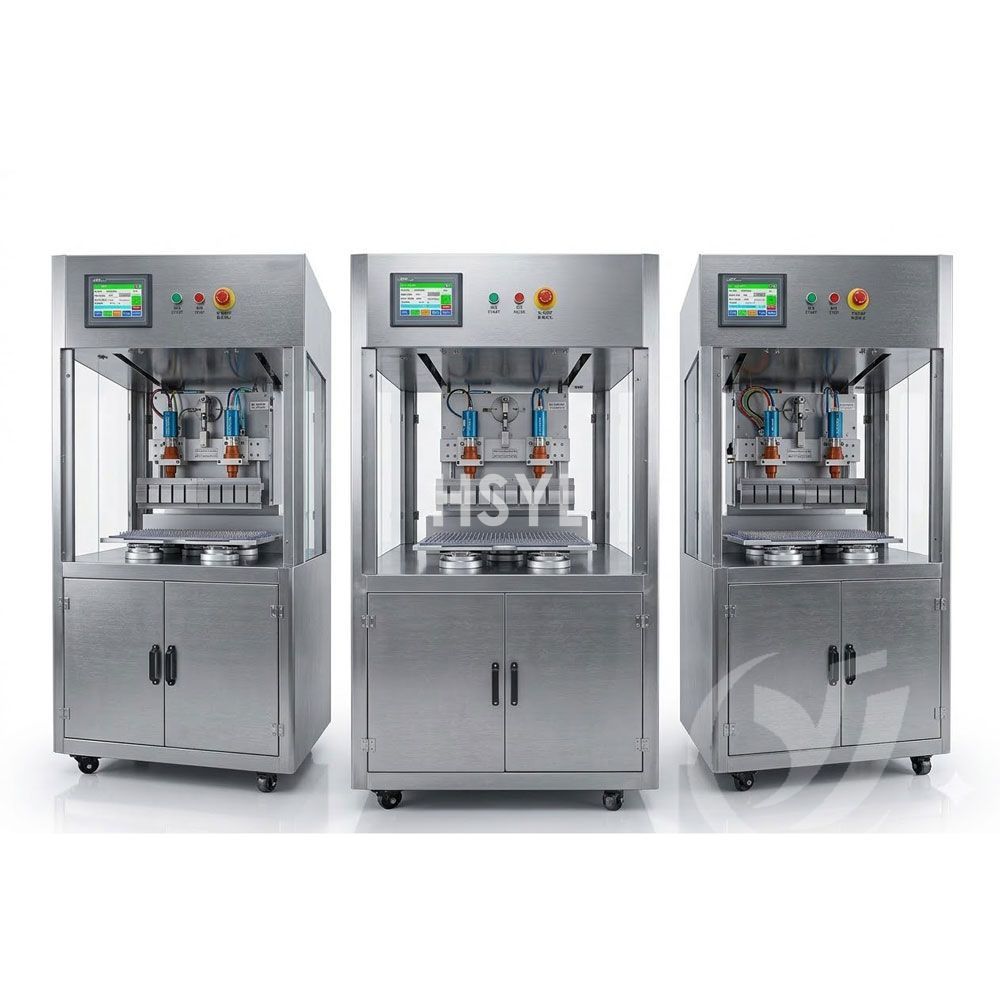 Máy cắt bánh mì gối bằng sóng siêu âm tự động
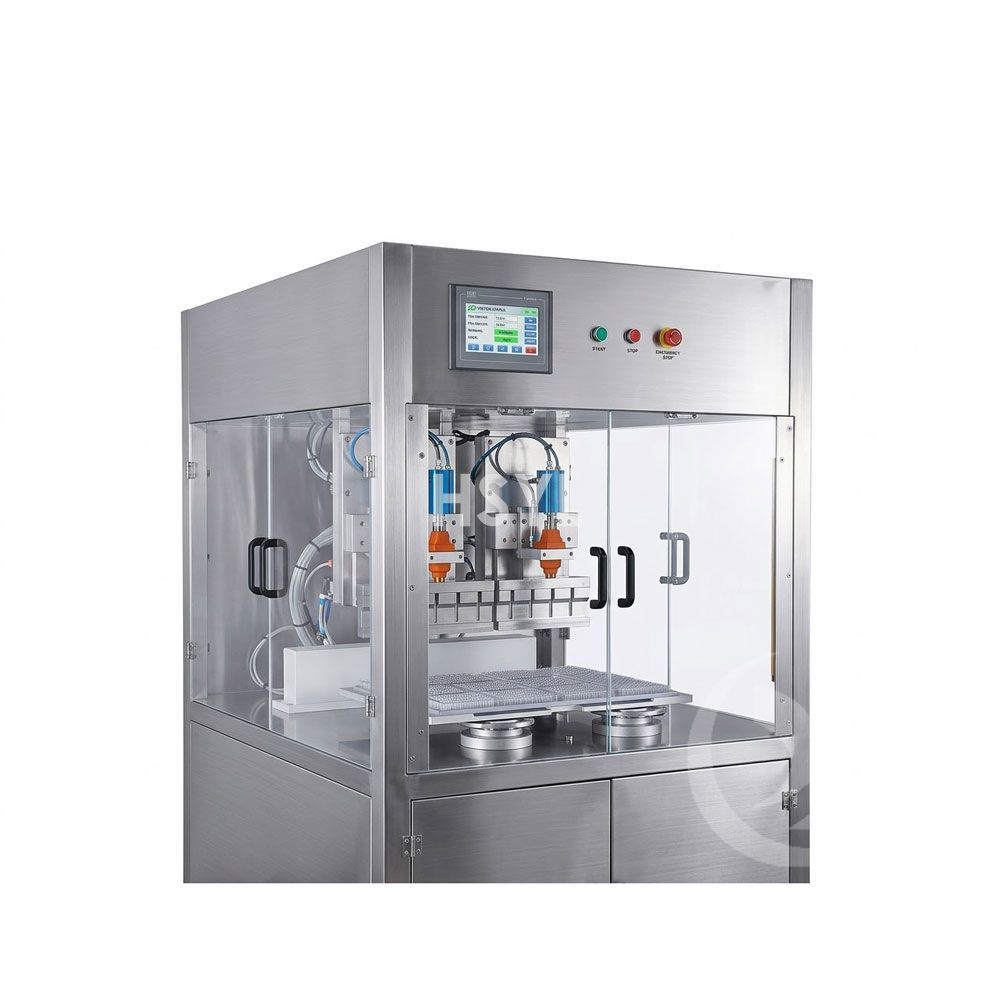 Máy cắt siêu âm mini
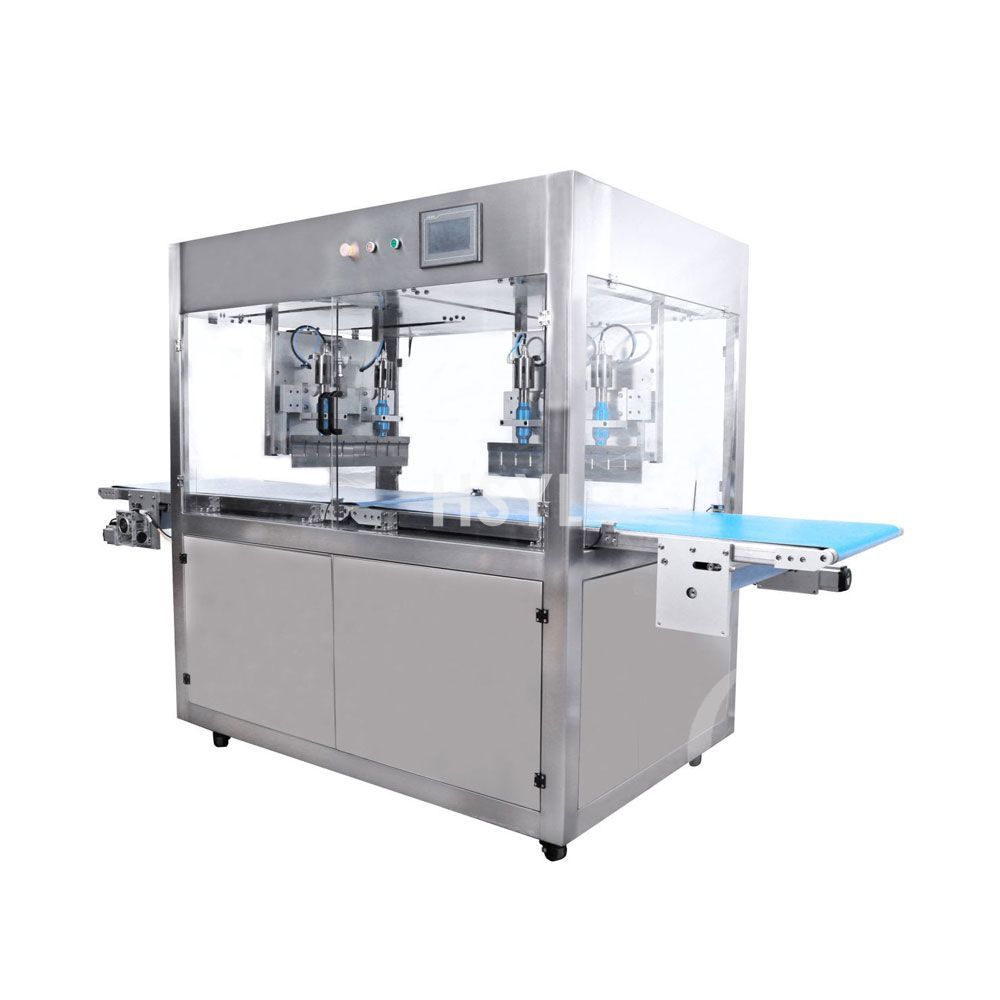 Máy cắt bánh cuộn Swiss Roll bằng sóng siêu âm
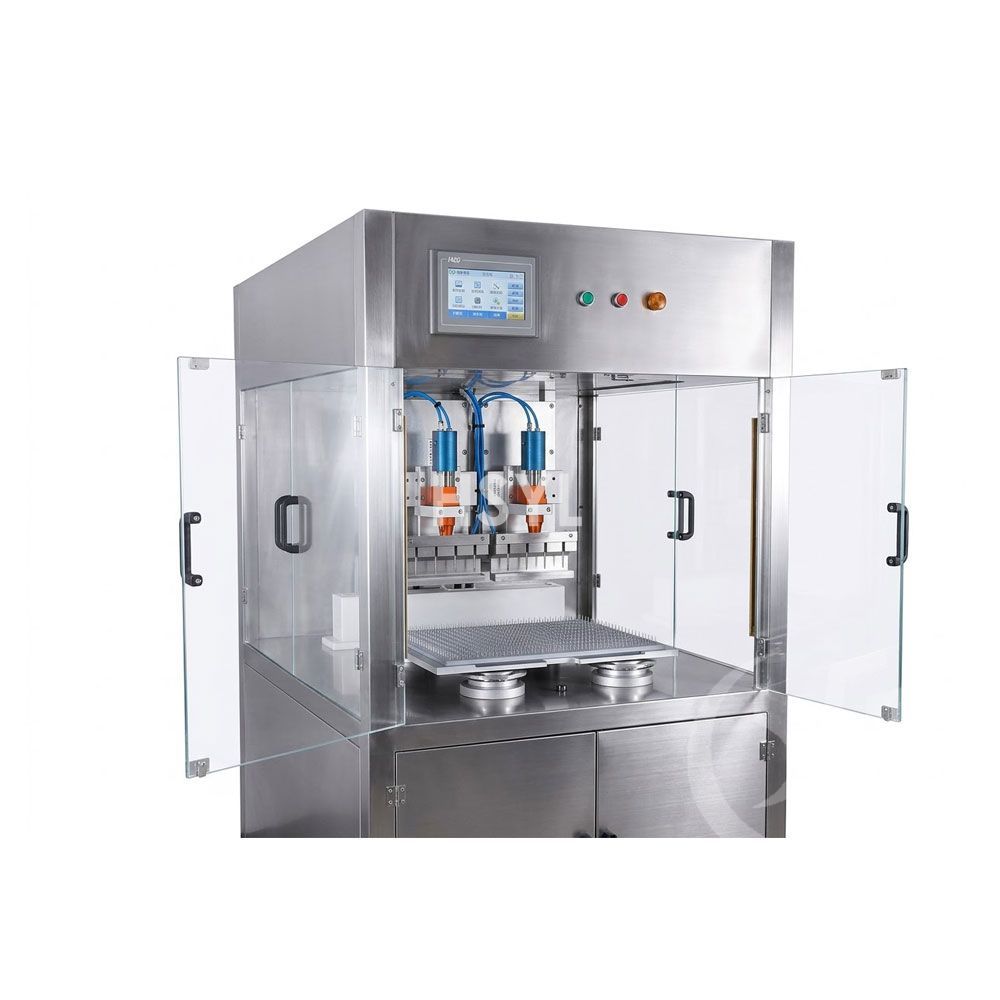 Máy cắt bánh mì bằng sóng siêu âm
Bạn đã sẵn sàng bắt đầu chưa?