
Kommercielt vandrensningsudstyr til vand med højt hårdhedsindhold
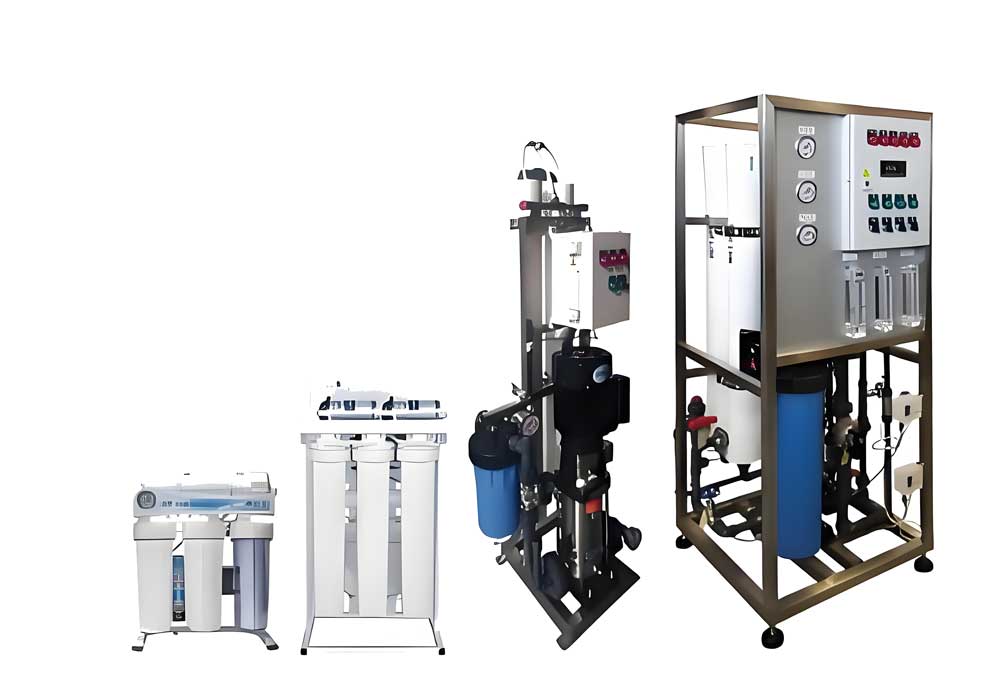
For companies struggling with the issues caused by hard water, investing in the right purification systems is more than just a matter of convenience; it is a strategic necessity to ensure operational efficiency, effective cost control, and long-term sustainability. Hard water, defined by high concentrations of dissolved calcium and magnesium, can cause widespread damage to commercial operations that goes far beyond the mere nuisance of limescale buildup.
The Economic Toll of Hard Water: It’s More Than Just Limescale
Hard water can have a wide-ranging impact on commercial operations, affecting numerous aspects of a business in various ways:
- Reduced Equipment Efficiency and Shortened Lifespan:Limescale buildup within the heating elements and internal piping of appliances—such as water heaters, boilers, coffee machines, and ice makers—creates an insulating layer. This makes the machines less efficient, forcing them to consume more energy to maintain the same temperature, which ultimately drives up utility bills. Over time, this constant thermal stress and mineral accumulation can lead to premature wear and tear, significantly shortening the lifespan of expensive equipment and resulting in more frequent repairs and replacements.
- Verstopte Rohre und eingeschränkter Wasserfluss:Mineral deposits gradually build up on the inner walls of pipes, narrowing the internal diameter and restricting water flow. This can disrupt production processes, diminish the efficiency of water-reliant equipment, and, in extreme cases, lead to blockages or even bursts, resulting in expensive downtime and repairs.
- Higher cleaning and maintenance costs:Removing stubborn limescale buildup is a real chore that takes a lot of time and effort, and often requires specialist cleaning products. In the hospitality and catering sectors, hard water can also hinder cleaning efficiency, leaving unsightly water spots on crockery, glassware, and fittings, which can leave a bad impression on customers.
- Increased use of detergents and chemical products:Hard water prevents soaps and detergents from lathering properly, which significantly reduces their cleaning power. Consequently, more cleaning agents are required to achieve a satisfactory result, leading to higher operational costs.
- Qualitätseinbußen beim Produkt:For companies in the food and drink, textile, or chemical manufacturing sectors, water quality is a vital factor in determining the quality of their output. The mineral content found in hard water can alter the colour, flavour, texture, or chemical makeup of products, resulting in inconsistencies, defects, and the risk of product recalls.
- Degraded Customer Experience:For service-based businesses such as hotels, gyms and salons, hard water can lead to complaints about dry skin, brittle hair and a poor shower experience, which ultimately undermines customer satisfaction and brand loyalty.
Een diepere duik in de principes en types van commerciële waterontharders
As previously mentioned, commercial water softeners are the main way to tackle hard water problems using ion exchange. Let’s take a closer look at how this process works and the different types of softeners available.
- Ionutrucata procesului de schimb de ioni:De harskralen in een waterontharder bestaan doorgaans uit een polystyreenmatrix met negatief geladen functionele groepen. Aanvankelijk worden deze negatieve ladingen in evenwicht gehouden door positief geladen natriumionen (Na+) of kaliumionen (K+). Wanneer hard water door het harsbed stroomt, worden de tweewaardige calciumionen (Ca2+) en magnesiumionen (Mg2+), die een sterkere positieve lading hebben, bij voorkeur aangetrokken door de negatief geladen harsplaatsen. Zij verdringen de natrium- of kaliumionen, die vervolgens in het behandelde water worden afgegeven. Deze uitwisseling zorgt voor een effectieve verwijdering van de mineralen die de waterhardheid veroorzaken.
- Resin efter regenerering: 2R-Na + Ca²⁺ → R₂-Ca + 2Na⁺
- Resin efter regenerering: 2R-Na + Mg²⁺ → R₂-Mg + 2Na⁺
- Resin verzadigd, in regeneratie: R₂-Ca + 2NaCl → 2R-Na + CaCl₂
- Resin verzadigd, in regeneratie: R₂-Mg + 2NaCl → 2R-Na + MgCl₂
- Vereenvoudigde chemische reactievergelijkingen (Natriumionuitwisseling):
- Vælg mellem forskellige blødgøringsharpikser:Although standard cation exchange resins are the norm, there are specialised resins tailored for specific uses, such as those engineered to remove iron or other heavy metals that may be present alongside water hardness.
- Detailed Breakdown of Commercial Water Softener Types:
- Enkeltanks-blødgørere:Deze systemen zijn voorzien van een enkele harsvat en zijn relatief eenvoudig en kostenefficiënt, wat ze geschikt maakt voor kleinere bedrijven of toepassingen waarbij het waterverbruik niet constant is. Tijdens de regeneratiecyclus, die doorgaans enkele uren duurt, kan er echter geen zacht water worden geleverd. Deze regeneratie wordt meestal gepland tijdens de daluren.
- Twin-tank alternating water softeners:Dank der Ausstattung mit zwei separaten Harztanks gewährleisten diese Systeme eine kontinuierliche Versorgung mit weichem Wasser. Während ein Tank aktiv das Wasser aufbereitet, befindet sich der andere entweder im Standby-Modus oder durchläuft gerade die Regeneration. Sobald das Harz im aktiven Tank gesättigt ist, schaltet das System automatisch auf den regenerierten Tank um, wodurch ein unterbrechungsfreier Fluss an weichem Wasser sichergestellt wird. Dies ist die ideale Lösung für Unternehmen mit einem konstanten Wasserbedarf, wie zum Beispiel Hotels, Krankenhäuser und Produktionsbetriebe.
- Multi-Tank Softeners:Deze systemen bestaan uit meerdere harsreservoirs die parallel met elkaar zijn geschakeld. Dit biedt een nog grotere capaciteit en redundantie voor toepassingen met een extreem hoog waterverbruik, zoals grote industriële complexen of commerciële gebouwen. Het systeem kan het aantal actieve reservoirs automatisch aanpassen op basis van de actuele watervraag, wat zorgt voor een optimale efficiëntie en betrouwbaarheid.
An In-depth Look at the Key Factors in Choosing a Commercial Water Softener
To select the most suitable commercial water softener, you need to carefully consider several key factors:
- Vandets hårdhed:It is essential to accurately test water hardness. This level, usually measured in parts per million (ppm) or grains per gallon (gpg), directly determines both the required resin capacity and the overall treatment capability of the softener. Higher hardness levels demand larger, more robust systems.
- Vandeforbrug:It is essential to carry out a thorough assessment of both average and peak water consumption. You must take into account seasonal fluctuations and any potential rise in water demand in the future. Furthermore, the softener's capacity must be sufficient to cope with the maximum anticipated water usage between regeneration cycles.
- Krav til gennemstrømningshastighed:不同商業應用對流量的要求各異。例如,大型洗衣廠所需的流量遠高於小型辦公大樓。請務必確保所選用的軟水器能夠提供所需的流量,且不會造成明顯的壓力降。
- Regenerationscyklus:
- Tidsregistreringens nulstilling:這種再生程序是在預設時間啟動,而不論實際用水量多少。雖然操作簡單,但效率較低,若樹脂尚未完全飽和,可能會導致鹽分與水資源的浪費。
- 计量再生(需求触发式再生 - DIR):這套更有效率的方法是透過水表來監控實際處理過的總水量。系統會根據測得的用水量,在樹脂容量接近飽和時才觸發再生程序。DIR 系統在鹽與水的消耗上更具經濟效益,因此普遍推薦用於大多數商業應用場景。
- Saltslagerkapacitet:De omvang van de zouttank bepaalt hoe vaak u deze moet bijvullen met zout voor de waterontharder. Kies een capaciteit die aansluit bij uw onderhoudsinterval en de hardheid van het water.
- Pladsvariabler:Ensure you accurately measure the total space required for the water softener system, accounting for the resin tank, brine tank, all plumbing connections, and sufficient clearance for maintenance access.
- Vedligeholdelseskrav:Make sure you’re familiar with the routine maintenance required, such as regularly checking and topping up the salt levels, giving the brine tank an occasional clean, and keeping an eye out for any leaks or faults. You’ll also need to keep the lifespan of the resin in mind, as it will eventually need to be replaced.
- Cost Analysis:Perform a comprehensive cost analysis, taking into account the initial purchase price of the water softener, installation fees, the recurring cost of salt, water consumption during the regeneration cycle (if applicable), electricity usage for the control valve, and any potential maintenance costs. Carrying out a long-term cost-benefit analysis will help you identify the most economically viable solution.
- Lokale regelgeving:Let op de lokale voorschriften met betrekking tot het lozen van pekelwater (zout water) na de regeneratiefase van de waterontharder. In bepaalde regio's kunnen er beperkingen gelden voor het natriumgehalte in het afvalwater. In dat geval is het mogelijk noodzakelijk om kaliumchloride als regenerant te gebruiken of om te kijken naar zoutvrije wateronthardingssystemen.
もっと先へ:硬水対策のための総合的な浄水ソリューション
Although water softeners are highly effective at tackling hardness, they may not address all water quality concerns. To achieve a more complete purification system, you might consider integrating additional technologies:
- Pre-Sediment Filtration:It is highly recommended to install a sediment filter upstream of the water softener. This filter removes suspended particles, such as sand, silt, and rust, which prevents them from fouling the softener's resin bed, thereby improving the unit's overall efficiency and extending its service life.
- Aktivt kolfiltrering:Carbon filters can be installed either upstream or downstream of a water softener. When positioned before the softener, they effectively remove chlorine and chloramines, preventing them from oxidizing and damaging the softener's resin. Installing a carbon filter after the softening process can further enhance the water's taste and odour by eliminating any remaining chlorine or organic compounds. Depending on your needs, different types of activated carbon, such as granular activated carbon (GAC) or carbon block filters, offer varying levels of filtration efficiency.
- Omgekeerde osmose (RO) systemen:For industries where ultra-pure water is critical, such as food and drink production, pharmaceuticals, and laboratory research, an RO system can be integrated following a water softener. In this setup, the softener serves as a pre-treatment stage, eliminating hardness minerals that might otherwise cause scaling or damage to the RO membrane. RO systems are highly effective at stripping away virtually all dissolved solids, including any residual traces of calcium and magnesium, along with other impurities. Depending on the specific purity standards required, a variety of RO membrane types and multi-stage configurations are available.
- Dosieringssystemen voor schaalremmers:In large-scale industrial recirculating water systems, even following a softening process, scale inhibitors are often automatically dosed into the water to prevent mineral buildup on heat exchangers and other vital components. These chemicals function by disrupting the crystallization process of scale-forming minerals.
- Ultraviolet (UV) Desinfektion:Hvis vandkilden er sårbar over for mikrobiel kontaminering, kan man installere et UV-desinfektionsanlæg efter blødgørings- og filtreringstrinnene for at sikre, at vandet er fri for skadelige bakterier og vira.
行业特定的硬水处理注意事项
Hard water presents unique challenges, and the most effective treatment solutions can vary considerably depending on the specific commercial sector:
- Restauranter og fødevarevirksomhed:Softened water is essential for preventing limescale buildup in coffee machines, ice makers, dishwashers and combi ovens, ensuring they perform optimally and last longer. It also enhances the taste and quality of drinks and prevents water spots on crockery and glassware. Carbon filters are frequently employed to remove any chlorine taste.
- Hotels and HospitalitySoftened water elevates the guest experience by preventing limescale buildup on showers and taps, enhancing laundry results with softer linens and more vibrant colours, and making bathroom cleaning much easier.
- Sundhedsfaciliteter:Vandkvalitet er altafgørende inden for sundhedssektoren. Blødgjort vand er en grundlæggende forudsætning for en række anvendelser, herunder steriliseringsprocesser, laboratorieanalyser og patientpleje. Ved brug af specifikt medicinsk udstyr og visse procedurer kan det være nødvendigt med yderligere rensning via omvendt osmose eller deionisering.
- Produktion und Industrie:Hard water can cause serious issues in boilers, cooling towers, and processing equipment, resulting in diminished heat transfer efficiency, increased energy consumption, and higher maintenance costs. The specific treatment requirements will depend on the nature of the manufacturing process.
- Landbouw:In irrigation systems, hard water can cause mineral deposits that clog emitters and reduce overall efficiency. Furthermore, the hardness of the drinking water supplied to livestock can also have a negative impact on both their health and productivity.
Nye teknologier og bæredygtighed inden for vandbehandling af hårdt vand
The water treatment sector is in a state of constant flux, driven by technological advancements and an increasing focus on sustainable practices:
- 无盐式软水装置(防垢剂):These technologies, including template-assisted crystallisation (TAC) and electronic descalers, do not actually remove hardness minerals; instead, they change their structure to prevent them from sticking to surfaces and forming limescale. Although they aren't true water softeners, they offer a practical alternative for specific uses where the main aim is to prevent scale buildup without relying on salt.
- Effektivare regenereringsmetoder:Water softener technology has seen significant improvements, such as the development of more efficient upflow regeneration methods, which use less salt and water than traditional downflow systems.
- Bæredygtig vandforvaltning기업들은 점차 지속 가능성에 집중하고 있습니다. 연수기 설비를 선택할 때는 에너지 효율성, 재생 과정에서의 용수 사용량, 그리고 고농도 염수 배출이 환경에 미치는 영향 등을 반드시 고려해야 합니다.
Long-term cost-benefit analysis: quantifying the savings
Investing in a well-designed and regularly maintained commercial water softening system can lead to substantial long-term savings:
- Lower energy consumption:Preventing limescale buildup in heating systems boosts energy efficiency, which in turn helps to keep utility bills down.
- Længere levetid for udstyr:Protecting your appliances and plumbing from limescale will extend their lifespan, saving you from the expense of frequent replacements.
- Lower Maintenance and Repair Costs:By minimising scale build-up, you can reduce the frequency of cleaning and repairs, while also cutting down on costly downtime.
- Reduction in detergent and chemical usage:Softened water improves the effectiveness of cleaning agents, resulting in lower consumption and reduced running costs.
- Verbeterde productkwaliteit en klanttevredenheid:In relevant industries, high-quality softened water leads to superior product quality and a better overall customer experience.
Do-it-yourself or hire a professional? A comparison of installation and maintenance options
Although smaller commercial water softeners might look like a straightforward DIY job, it is generally best to leave the installation and upkeep of most commercial-grade systems to qualified water treatment specialists. These professionals have the necessary expertise, specialised tools, and up-to-date knowledge of local regulations to ensure that everything is installed correctly, performs optimally, and meets all safety standards. Furthermore, regular professional maintenance can help spot and resolve potential issues before they turn into expensive repairs.
Troubleshooting Common Hard Water Issues: Maintaining System Performance
Even with a well-maintained water softener, you might still run into the odd issue with hard water:
- Poor Softening Performance:This could suggest that the resin needs regenerating, the brine tank is low on salt, or the resin is reaching the end of its working life and needs to be replaced.
- 盐桥作用:A hard crust of salt can form in the brine tank, which prevents the salt from dissolving properly. It is necessary to inspect the tank regularly and break up any salt bridges that may form.
- Resin Fouling:Waterborne minerals, such as iron and manganese, can cause fouling of the resin bed over time, which diminishes its softening capacity. This may necessitate the use of specialised resin cleaners or a complete replacement of the resin.
Miljømæssige overvejelser: Minimering af det økologiske aftryk
Traditional salt-based water softeners release brine during the regeneration cycle, which can pose environmental risks. Businesses can reduce these impacts by:
- Selecting metered regeneration systems to minimise salt and water consumption.
- Exploring the potential of using potassium chloride as a regenerant, as it tends to be more environmentally friendly than sodium chloride in certain areas.
- Where suitable, salt-free water softening technologies should be taken into consideration.
Conclusie: Investeren in kwalitatief water voor een duurzame toekomst
Selecting the right commercial water purification system for hard water is a complex process that demands a thorough assessment of your specific requirements, water quality, and operational demands. Although water softeners are the essential foundation for treating hard water, you may also need to integrate additional filtration and disinfection technologies to achieve the highest standards of water purity. It is vital to consult with experienced water treatment specialists to ensure you implement the most effective and efficient system for your business; this will ultimately lead to long-term cost savings, streamlined operations, and increased customer satisfaction. Ultimately, investing in high-quality water is an investment in the long-term viability and success of your commercial enterprise.
Essential Reading for Fast Food and Restaurant Chains Owners
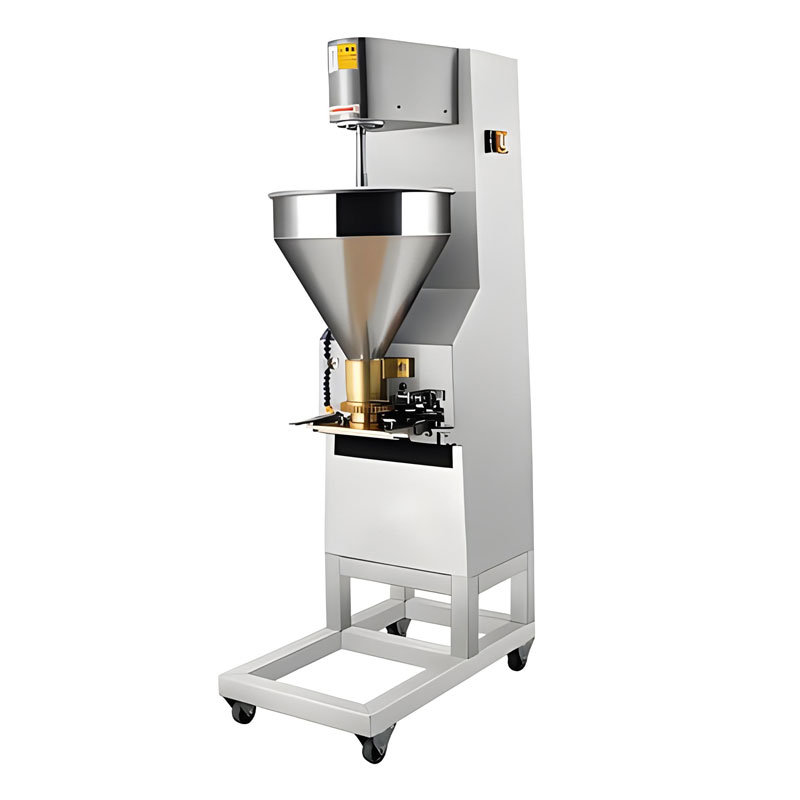
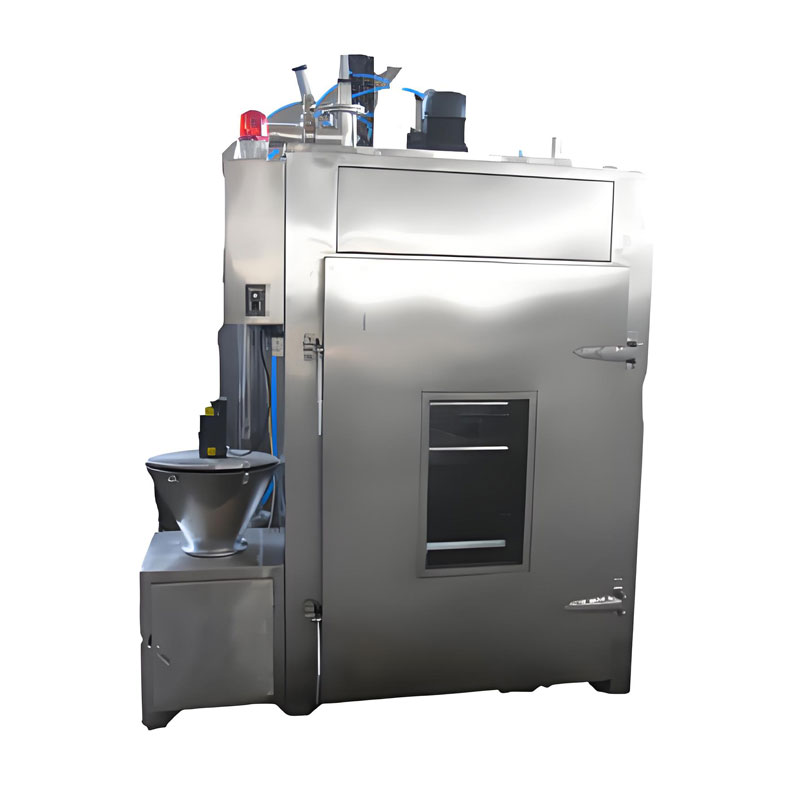
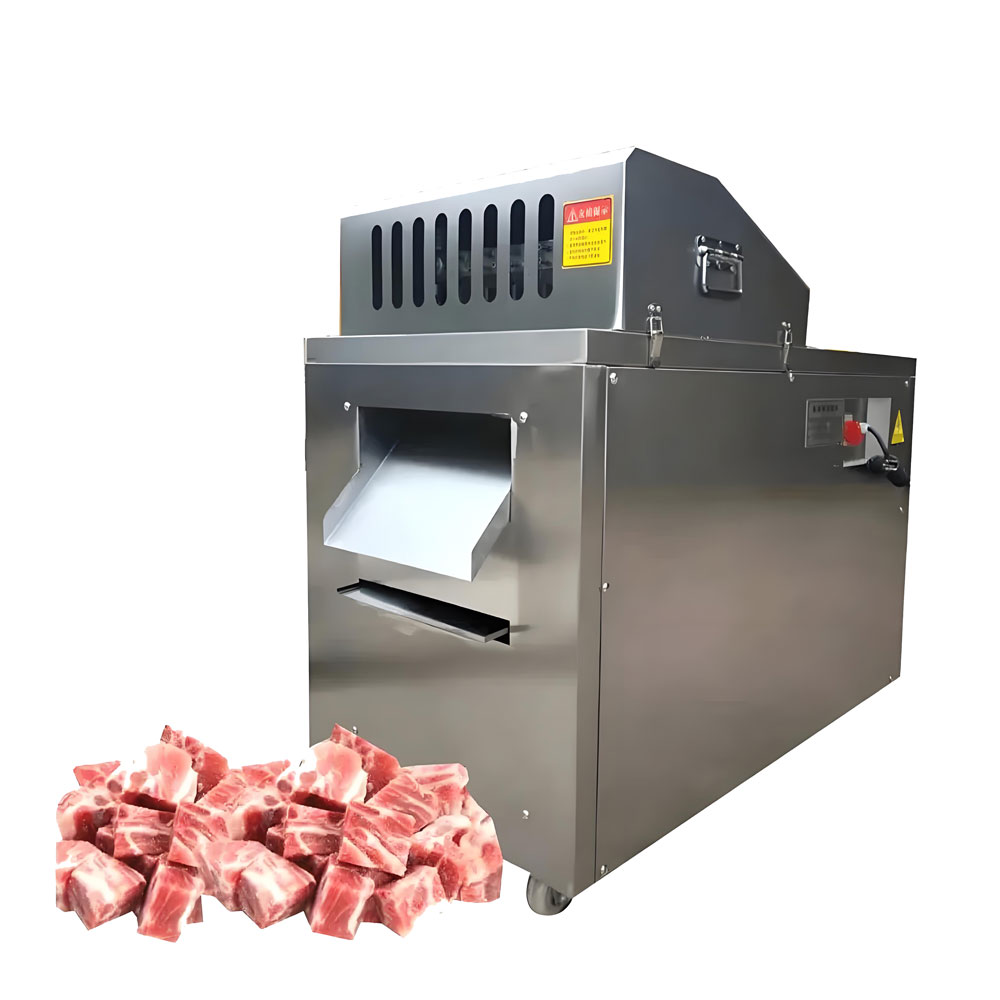

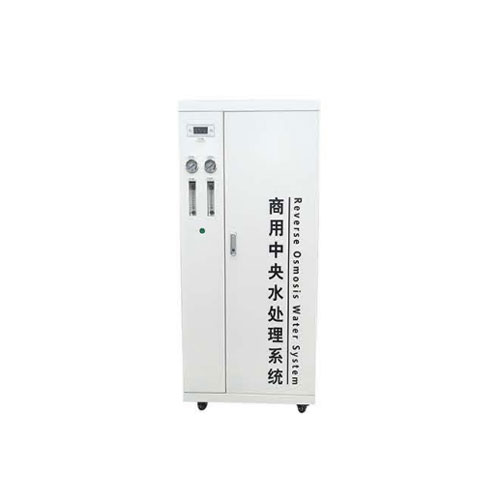 YL-W-06 商业级净水设备
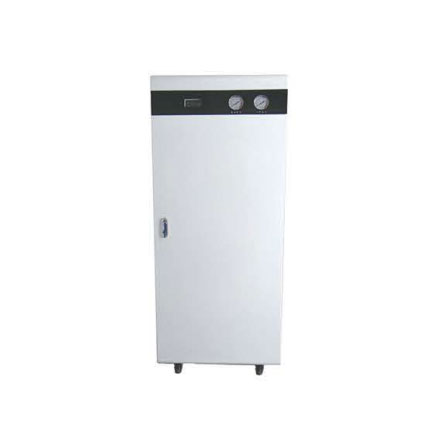 YL-W-05 商业用水净化设备
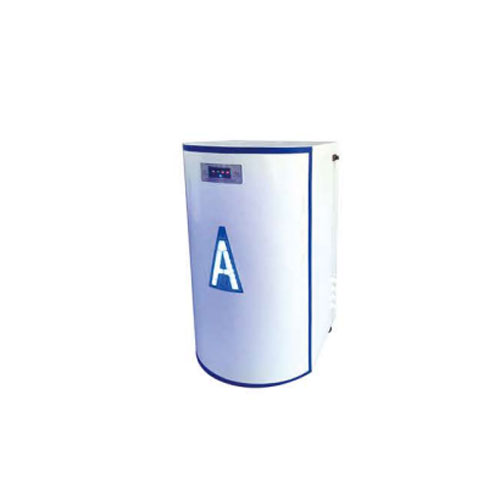 YL-W-04 商用净水设备
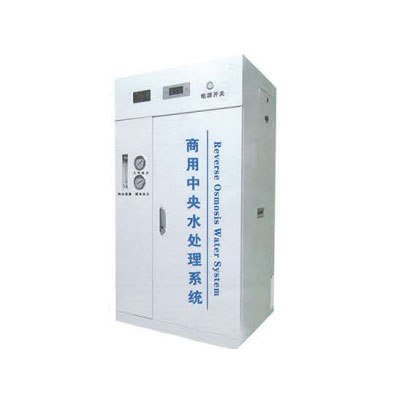 YL-W-03 商业级水净化设备
Ready to go?