
RO Reverse Osmosis vs. Ultrafiltration Membrane Commercial Water Purification Equipment: A Comparative Analysis of Advantages and Disadvantages
1. Omgekeerde osmose (RO) membraan waterzuiveringsinstallaties voor commercieel gebruik
工作原理
Reverse osmosis is a pressure-driven membrane separation process. It involves applying pressure greater than the osmotic pressure to force water molecules through a semi-permeable membrane. This process effectively rejects the vast majority of dissolved salts, inorganic substances, organic matter, heavy metals, bacteria, viruses, and other contaminants, which are then discharged alongside the concentrated brine. The pores of an RO membrane are exceptionally small, typically less than 0.0001 microns, ensuring an incredibly high level of filtration precision.
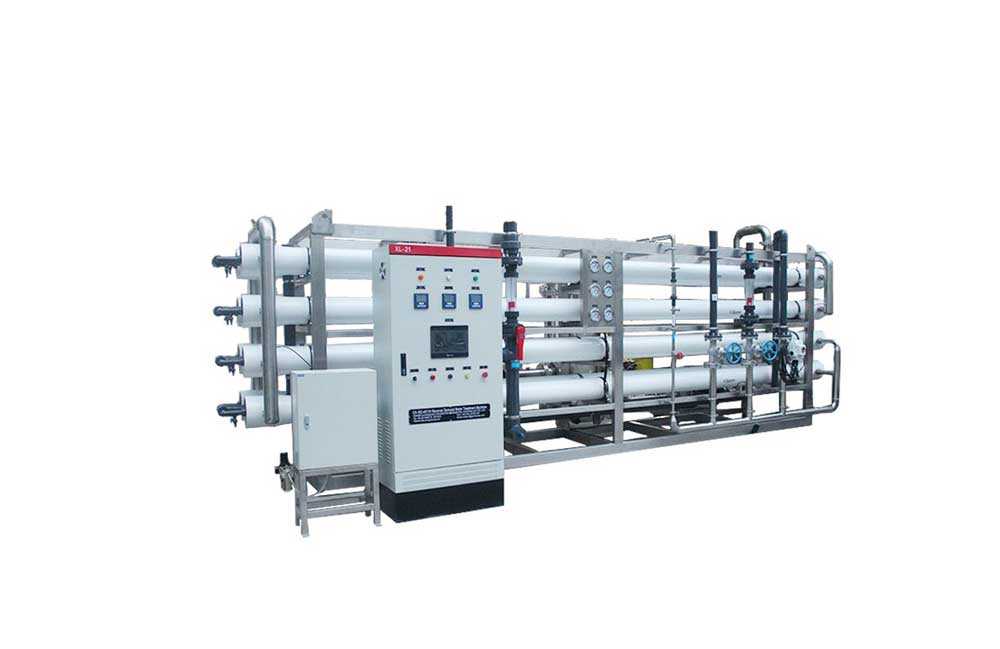
Key Benefits
- Extremely high purification capacity:RO-membranar kan fjerne stort set alle urenheder fra vandet, herunder opløste salte (såsom calcium- og magnesiumioner, der medfører vandets hårdhed), tungmetaller, pesticider, herbicider, flygtige organiske forbindelser (VOC'er), samt bakterier og vira. Det rensede vand er som regel ekstremt rent og nærmer sig kvaliteten af destilleret vand.
- 广泛适用性:Suitable for a wide range of water sources, such as mains, well water, and surface water; particularly effective in areas where water quality is poor and contains various contaminants.
- Ideal for applications where exceptionally high water purity is critical:This includes sectors such as pure water production, the food and drink industry, pharmaceuticals, laboratory-grade water, and the electronics industry, all of which demand exceptionally high standards of water purity.
- Effektiv fjerning af lugt og farve:RO-membraner kan effektivt fjerne stoffer, der skaber lugt og misfarvning i vand, hvilket forbedrer dets sensoriske kvalitet.
Nedes
- Højere omkostninger:
- Høje startomkostninger:RO-udstyr har en relativt kompleks opbygning, og komponenter som membranmoduler og højtrykspumper er kostbare.
- Høje driftsomkostninger:RO systems demand high pressure to function, which drives up energy consumption. Furthermore, the need for intricate pre-treatment processes to safeguard the RO membrane often leads to increased operational costs. The regular replacement of membrane modules also represents a persistent overhead.
- Generering af koncentreret spildevand:During the purification process, RO systems generate a certain amount of concentrated wastewater (also known as reject water) that contains the captured contaminants. This wastewater typically needs to be discharged, which results in some water loss. Although some systems incorporate recycling technology, this adds to both the complexity and the cost of the system.
- Kan medføre tab af gavnlige mineraler:Whilst stripping away harmful substances, RO membranes also filter out essential minerals and trace elements that are beneficial to human health. For drinking water applications, it may be necessary to consider using post-mineralisation filters to replenish these nutrients.
- 需要复杂的预处理:To avoid clogging or damaging the RO membrane, a multi-stage pre-treatment system—typically comprising sediment and activated carbon filters—is usually necessary beforehand to strip out suspended solids, residual chlorine, and other impurities. This adds to the overall complexity and upkeep costs of the system.
- Mogelijk effect op de smaak van het water:As most minerals have been stripped away, RO pure water may taste somewhat flat and lack the natural character of regular water.
2. Ultrafiltration (UF) membrane-based commercial water purification systems
工作原理
Ultrafiltration is a pressure-driven membrane separation process, utilising a membrane with a pore size between 0.01-0.1 microns. Under pressure, water is forced through the UF membrane, while suspended solids, colloids, bacteria, viruses, and large organic molecules are retained on the membrane surface. Water molecules and dissolved small molecules, including minerals and trace elements, are able to pass through. The filtration precision of UF membranes is higher than that of traditional sand or activated carbon filtration, but lower than that of RO membranes.
Key Benefits
- Lower Cost:
- Lägre startkapital:UF equipment is relatively straightforward in design, and because the membrane modules and operational processes have lower pressure requirements, the initial capital expenditure is typically lower than that of RO systems.
- Reducere a costurilor operaționale:UF系統通常能在較低的運作壓力下執行,因此更節能。此外,其前處理要求也相對簡單,有助於降低營運成本。
- Højere vandgenvindingstilbageholdelse:UF membranes have a lower filtration accuracy, which allows water molecules to pass through more easily; consequently, the water recovery rate is typically higher than that of RO systems, leading to reduced wastewater production and more efficient water resource utilisation.
- Retaining essential minerals and trace elementsUF membranes are highly effective at filtering out harmful substances while preserving the essential minerals and trace elements that benefit human health, ensuring the purified water closely resembles its natural state.
- Effektiv fjerning af svævepartikler og mikroorganismer:UF-membraner kan effektivt fjerne turbiditet, svævestoffer, kolloider, bakterier og vira fra vand, hvilket sikrer, at det bliver både klart og hygiejnisk.
- Lägre arbetstryck:UF系統通常只需較低的運作壓力即可達到有效的過濾效果,從而降低能耗並減輕設備的壓力負擔。
Nedes
- Begrænset rensningskapacitet:UF-membranen zijn niet in staat om opgeloste zouten, zware metalen of kleine organische moleculen uit het water te filteren. Voor gebieden met hard water of een hoge concentratie zware metalen is de zuiveringscapaciteit van UF-filtratie daarom beperkt.
- 不适用于对水质要求极高的应用场景For industries that need to eliminate dissolved substances to reach high-purity water standards, UF alone is not sufficient.
- 可能在去除特定病毒方面的效果不如逆滲透(RO)技術:While UF membranes are effective at removing most bacteria and viruses, RO membranes generally offer a more thorough filtration of certain smaller viruses.
- May not fully eliminate odours or discolouration:UF-membraner fjerner primært partikler og mikroorganismer, men de er ofte ikke tilstrækkelige til at fjerne lugt og misfarvning forårsaget af opløste stoffer.
3. Comparison of RO Reverse Osmosis and Ultrafiltration Membrane Commercial Water Purification Equipment: Pros and Cons
To provide a clearer distinction between RO and UF within the commercial water purification sector, the following table offers a comparative summary:
| Kendetegn | Omgekeerde osmose (RO) membraan waterzuiveringsinstallaties voor commercieel gebruik | Ultrafiltration (UF) membrane commercial water purification systems |
|---|---|---|
| Filtration Precision | Extremely High ( <0.0001 microns) | Høj (0.01-0.1 mikrometer) |
| Vigtigste urenheder | Næst um allar óhreinindi (þar á meðal leystum saltum, þungum málmum, lífrænum efnum, líffrænum agnum o.fl.) | Suspended solids, colloids, bacteria, viruses, and macromolecular organic matter |
| Prijs | Høje opstartsomkostninger og høje driftsomkostninger | Low upfront costs and minimal running expenses |
| Vandgendvindingsrate | Lav, hvilket medfører mere koncentreret spildevand | Højt, producerer mindre spildevand |
| Mineral Retention | Fjerner de fleste mineraler | Retains essential minerals and trace elements beneficial to human health |
| Forbehandlingskrav | Complex, typically necessitating multi-stage pre-treatment | Quite straightforward |
| Driftslag | Høj | Lav |
| Scope of Application | 適於各種水源,特別是針對水質較差或對水質要求極高的應用場景。 | Ideal for applications where water quality is relatively good, primarily focused on the removal of suspended solids and microorganisms. |
4. Commercially Viable Use Cases
Taking the pros and cons outlined above into account, the following are some typical commercial applications and the recommended water purification technologies for each:
Recommended applications for RO reverse osmosis membrane commercial water purification systems:
- Pure water production plants
- Food and drink sector (e.g., soft drinks, beer, dairy) with stringent water quality standards for production processes
- Lægemiddelindustrien (produktion af vand til injektion, renset vand m.m.)
- 超纯水实验室用水
- Elektronikindustrien, der hochreines Wasser für die Produktionsprozesse benötigt
- Områder med dårlig vandkvalitet i kilden (f.eks. høj hårdhed, tungmetaller over grænseværdierne eller kraftig forurening)
- Anvendelser, der kræver fjernelse af opløste salte og mineraler (f.eks. forbehandling af fødevand til kedler for at undgå belægninger)
Recommended applications for Ultrafiltration (UF) membrane commercial water purification systems:
- Regions where tap water quality is already high, where treatment is primarily focused on removing suspended solids, colloids, bacteria and viruses to enhance both the taste and safety of the drinking water.
- Als Vorbehandlung für Umkehrosmoseanlagen (RO) kann die Ultrafiltration (UF) effektiv Schwebstoffe und Kolloide entfernen, wodurch die RO-Membran geschützt und deren Lebensdauer verlängert wird.
- For direct drinking water systems in environments such as schools and office buildings where the source water quality is relatively high, Ultrafiltration (UF) offers a cost-effective way to ensure a safe and healthy water supply.
- Bisse fassmen am Verarbeidungsprozess vu Lebensmittel (beispillweis d'Klärung an d'Steriliséierung bei der Produksioun vun Fruchtgeschmeck an Dränker)
- Water circulation and filtration systems for water parks, swimming pools, and similar facilities, designed to remove suspended solids and microorganisms.
5. Conclusões e Recomendações
Both reverse osmosis (RO) and ultrafiltration (UF) membrane systems for commercial water purification offer distinct advantages and drawbacks. RO technology provides exceptional purification, making it ideal for areas with poor water quality or for applications requiring extremely high purity standards; however, it is more costly and generates a significant amount of concentrated wastewater. In contrast, UF technology is more cost-effective and offers a higher water recovery rate while retaining beneficial minerals. This makes it a suitable option for treating relatively good quality water, where the primary goal is the removal of particulates and microorganisms.
When selecting commercial water purification systems, businesses should take the following factors into account:
- Vandkvalitet i kildevand:Get a full picture of the types and concentrations of pollutants in the water with a comprehensive water quality analysis report.
- Purified water quality standards:明確界定純淨水的用途以及具體的品質要求(例如:總溶解固量 TDS、硬度及微生物指標)。
- Budget:Take a full account of the initial capital outlay, as well as the ongoing operational and maintenance costs of the equipment.
- Vandeforbrug:Assess the business's water requirements and select equipment with a suitable treatment capacity.
- Miljømæssige faktorer:Take into account wastewater discharge and the efficient use of water resources.
Ultimately, the decision should rest on a thorough evaluation of your specific requirements alongside a clear understanding of both technologies. Before committing to a choice, it is highly advisable to seek guidance from professional water purification suppliers or water treatment specialists, who can offer expert advice and bespoke solutions tailored to your particular circumstances.
Essential Reading for Fast Food and Restaurant Chains Owners

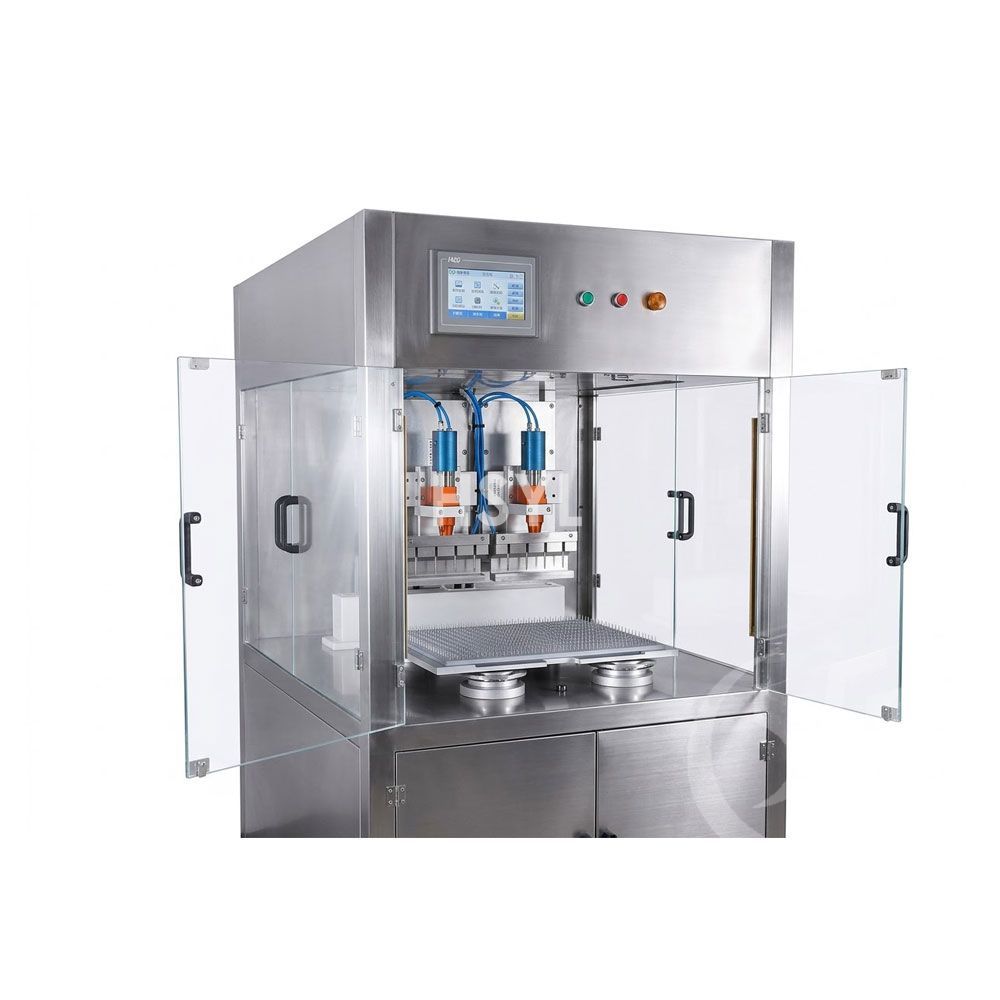 Ultrasonische snijmachine voor koekjes en biscuitjes
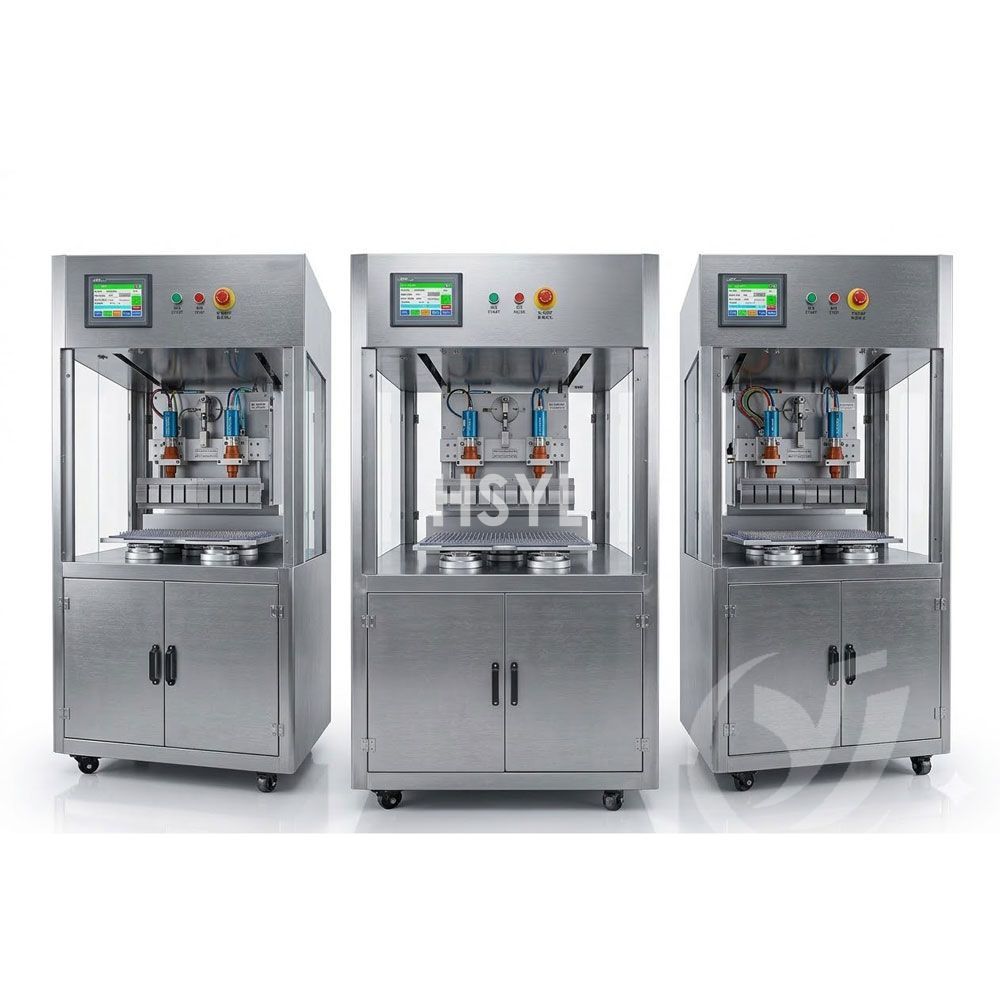 Ultrasonic Automatic Candy Cutting Machine for Bakeries
Ready to go?