
How to tackle excessive noise in commercial water purification systems
1. Pumpljud – En djupdykning i orsaker och lösningar
Kavitation - Detaljeret forklaring og forebyggelsesstrategier
Cavitation occurs when the pressure inside the pump drops below the vapor pressure of the liquid being pumped, causing vapor bubbles to form. As these bubbles move into higher-pressure zones within the pump, they collapse violently, creating shockwaves that produce a distinctive knocking or popping sound. Cavitation does more than just create noise; it can also cause significant damage to the pump's impeller and casing. To prevent cavitation, it is essential to ensure adequate suction pressure at the pump inlet. This can be achieved by:
- Strategische Platzierung der Pumpe
- Clear Suction Lines
- Temperaturstyring
- Choosing the Right Pump
Rutine vedligeholdelse af pumpe
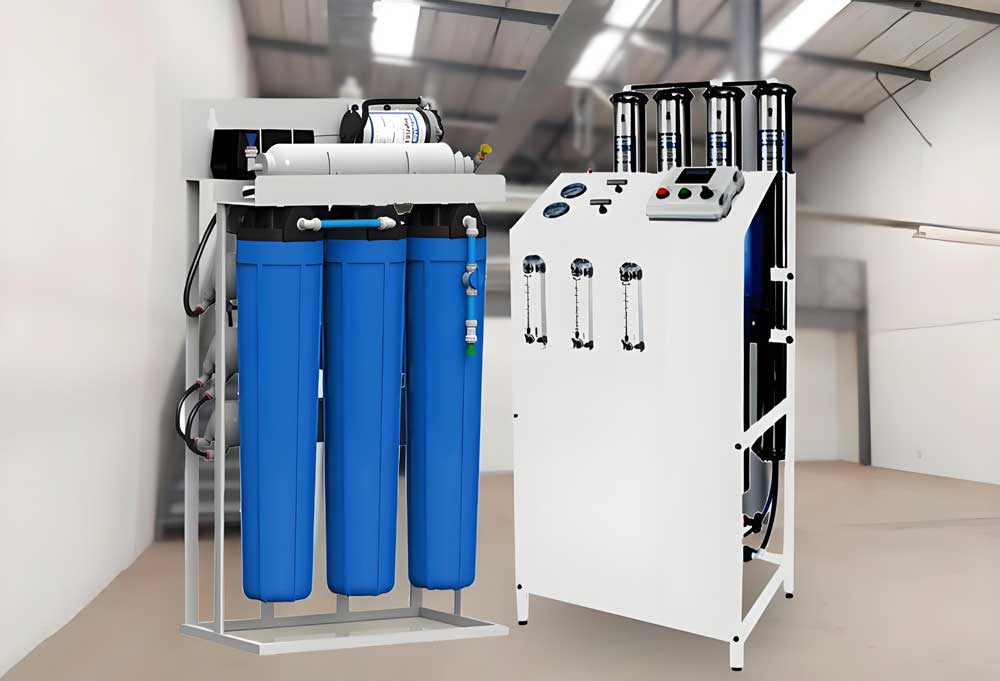
Vibration: Types, Impacts and Comprehensive Isolation Techniques
Pump vibration, whether stemming from mechanical issues like unbalanced rotating parts or misalignment, or hydraulic factors such as turbulent or pulsating fluid flow, is a major source of noise. Excessive vibration does more than just create audible noise; it can also lead to accelerated wear on the pump, damage connected piping, and even compromise the structural integrity of the entire installation. Effective vibration isolation techniques include:
- Suitable Vibration Isolation Mounts
- Flexibla kopplingar
- Reinforcing the Pump Foundation
- Dynamisk afbalancering
轴承磨损:早期识别与预防性维护
Bearings are vital parts of the pump, and any wear and tear can lead to increased friction, resulting in a constant humming, squealing, or even a grinding noise. It is essential to detect worn bearings early to prevent further damage to the pump. Signs of bearing wear include increased noise levels, excessive vibration, and abnormal temperature rises in the pump housing. Regularly lubricating the bearings with the correct type and amount of lubricant, as specified in the pump's manual, is crucial for extending their lifespan and minimising noise.
Loose Fixings: Inspection Intervals and Correct Tightening Procedures
It is vital to regularly check the pump's mounting bolts and base connections for any signs of looseness. Loose components can cause the pump to wobble, leading to excessive noise and instability. When tightening the bolts, ensure you use the correct tools and strictly follow the manufacturer's recommended torque specifications to guarantee a secure fit without over-tightening.
Pump sizing errors: why assessing system demand is critical
Choosing a pump that is either too small or too large for the system's requirements can result in inefficient operation and excessive noise. An undersized pump may struggle to meet demand, causing noisy operation under strain, whereas an oversized pump may operate at an inefficient point on its performance curve, generating unnecessary noise. A thorough assessment of the system's flow rate, head pressure, and other operating parameters is essential to selecting the most suitable pump.
Pump Materials and Design: Effects on Noise Levels
The materials used in the pump's construction and its overall design can also affect its noise levels. For instance, pumps with thicker casings and a more robust build tend to operate more quietly. Some manufacturers even offer specialised low-noise models that incorporate features such as optimised impeller designs, dampened casings and noise-absorbing materials.
2. Ventielgeluid - Het implementeren van fijnmazige oplossingen
Water Hammer - Full Protection Measures
Besides installing water hammer arrestors, there are several other ways to help tackle this problem:
- Langzame afsluiting van de klep
- Strategisk rørføringslayout
- Luftkammern
- Choosing the Right Valve
Valve malfunction: proactive maintenance protocols
Regular inspection and maintenance of valves—such as cleaning the valve bodies, lubricating the stems, and replacing worn seals—can prevent malfunctions that cause noisy operation.
Høje gennemstrømningshastigheder – optimering af rørføringens design
Hvis det er for høj gennemstrømningshastighed, der er hovedårsagen til støjen i ventilen, bør man overveje at udskifte dele af rørføringen med større diametre eller installere flowbegrænsere for at sænke vandets hastighed gennem ventilerne.
Ventiltyper og støjeffekter – Sådan vælger du støjsvage løsninger
不同类型的阀门在运作时,天生就会产生不同程度的噪音。例如,电磁阀在动作时经常会发出明显的咔哒声,而气动阀通常则比较安静。在对噪音敏感的环境中,建议优先选用低噪音类型的阀门。
3. Filterhusetstøj – avancerede støjdæmpningsteknikker
Selection and Application of Vibration Damping Materials
Apart from standard rubber pads, materials such as neoprene and silicone provide much better vibration damping. Make sure these are positioned strategically between the filter housing and its support structures to ensure vibrations are effectively absorbed.
Arkitektur og Materialevalg
The thickness and material of the filter housing itself are critical factors in determining how susceptible it is to vibration and resonance. Housings constructed from thicker, denser materials or advanced composites are generally less prone to generating noise. Furthermore, certain purpose-built filter housings may feature internal reinforcing ribs or sound-absorbing liners to further mitigate noise levels.
Acoustic Enclosures for Filter Housings
If the noise from the filter housing is a constant issue, you might want to look into installing custom-built acoustic enclosures. These are designed with sound-absorbing materials to effectively deaden any noise coming from the unit.
4. Reverse Osmosis (RO) System Noise: A Comprehensive Analysis and Mitigation Guide
Permeation Pump Vibration - Advanced Isolation Techniques
除了標準的隔振底座外,針對極度敏感的噪音控制需求,還可採用更先進的技術,例如利用感測器與驅動器來主動抵消震動的主動隔振系統。
Membrane Vibration - System Parameter Optimisation
By fine-tuning the RO system's operating parameters—for instance, by marginally lowering the feed water pressure and flow rate within an acceptable range—you can effectively minimise membrane vibration.
Gorgeling in de afvoer – Professionele aanpassingen aan de leidingen
To resolve issues with gurgling drain pipes, professional plumbing adjustments are often necessary. Increasing the pipe diameter, ensuring a correct gradient, and installing dedicated vent pipes can help prevent air from becoming trapped, which is the common cause of the noise.
RO系統設計與噪音考量
When designing an RO system, it is essential to minimise sharp bends and long horizontal pipe runs, while also ensuring that components are strategically positioned to reduce noise transmission.
5. 液体流经管道產生的噪音 — 深入探討管道優化方案
Rørmateriale og lydtransmission
Different pipe materials have different levels of sound transmission. For instance, metal pipes tend to transmit the noise of water flow more easily than plastic ones. In environments where noise control is crucial, it may be beneficial to opt for materials with better sound-dampening properties.
Pipe Supports and Isolation - Preventing Structural Vibration Transmission
Ensuring pipes are correctly supported with suitable hangers and incorporating vibration isolation mounts will prevent them from knocking against the building structure, which can otherwise amplify the noise from water flow.
6. Luft im System – Vorbeugung und effektive Strategien zur Beseitigung
Sources of Air Leakage
Common sources of air within water purification systems include faulty fittings, inadequate pump priming following maintenance, and dissolved air in the influent.
Automated Air Vent Applications
Installing automatic air vents at the highest points in the system ensures that trapped air is constantly released without the need for manual intervention.
Extensive bleeding following initial startup and maintenance
Once the system has been started for the first time, or following any maintenance that requires opening the unit, it is essential to follow the manufacturer's instructions to bleed the system thoroughly and ensure all trapped air is removed.
7. Whole-unit vibration – a holistic approach to noise reduction
Balancering van de componenten
To minimise overall vibration, it is essential to ensure that all rotating components within the unit, such as motors and fans, are properly balanced during both manufacturing and maintenance.
应用柔性连接器
Installing flexible connectors on the unit's inlet and outlet water lines, as well as on any electrical conduits, helps to prevent the unit's vibrations from being transmitted to the surrounding structure.
Installation of Acoustic Barriers
Installing acoustic barriers or screens around the unit can help block or absorb the noise radiating from the equipment.
8. Avanceret fejlfinding
Using a sound level meter
A sound level meter can provide precise, quantitative data on noise levels, making it possible to pinpoint the most significant sources of noise and evaluate how effectively noise reduction strategies are working.
Vibrationsanalyse
对于复杂的振动问题,可以利用专业的振动分析工具来精准定位振动的确切来源及其特性,从而提供更具针对性的解决方案。
9. Skræddersyede støjdæmpningsstrategier til specifikke erhvervsmiljøer
Kontormiljøer
Whenever possible, opt for water purification equipment that is naturally quiet. To further minimise disruption, the unit should ideally be installed in a separate utility room or cupboard away from main workspaces, and ideally housed within a soundproof enclosure.
Restaurant Ambience
Place water purification equipment in back-of-house areas, such as the kitchen or the basement, and ensure appropriate soundproofing is in place to prevent any noise from disturbing the dining area.
Sundhedsfaciliteter
Select ultra-quiet water purification systems that comply with strict healthcare noise regulations. Ensure thorough soundproofing and vibration isolation are in place to foster a tranquil, restorative environment for patient recovery.
Laboratorieomgivelser
Make sure that the water purification equipment doesn't cause any vibrations that might disrupt sensitive experiments. It's worth looking into specialised low-vibration models and ensuring the equipment is properly isolated from any delicate instruments.
10. Understanding Relevant Noise Regulations and Standards
请务必留意当地或特定行业针对噪音水平的法规及标准,以确保您的商业运营符合相关要求。针对净水设备采取有效的降噪措施,将有助于您达标合规。
11. 预防性维护对确保静音运行的重要性
Regular preventative maintenance is the most effective way to stop noise issues arising in your commercial water purification systems. By strictly adhering to the manufacturer's recommended service schedules for all components—including pumps, valves, filters, and motors—you can ensure optimal performance and keep noise levels to an absolute minimum.
Conclusie: Investeren in een rustige omgeving voor een optimale bedrijfsvoering
Tackling excessive noise from commercial water purification systems requires a systematic approach, starting with pinpointing the source and then implementing the right solutions. By understanding the common culprits and applying the detailed strategies outlined above, businesses can significantly lower noise levels, fostering a more comfortable, productive, and customer-friendly environment. Should you face persistent or complex noise issues, it is highly recommended to seek the expertise of qualified water treatment professionals. Ultimately, investing in a quieter operating environment is an investment in the well-being of your staff and customers, as well as the long-term success of your business.
Essential Reading for Fast Food and Restaurant Chains Owners

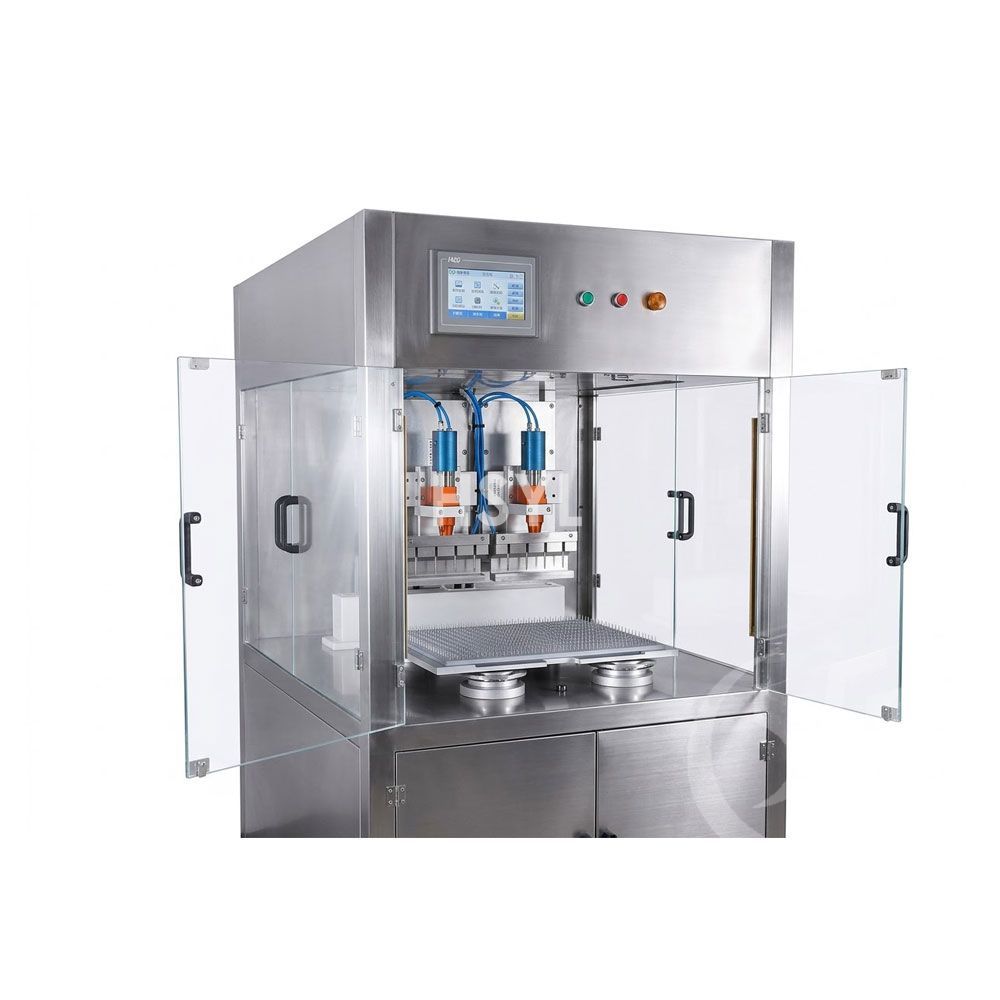 Ultrasonische snijmachine voor koekjes en biscuitjes
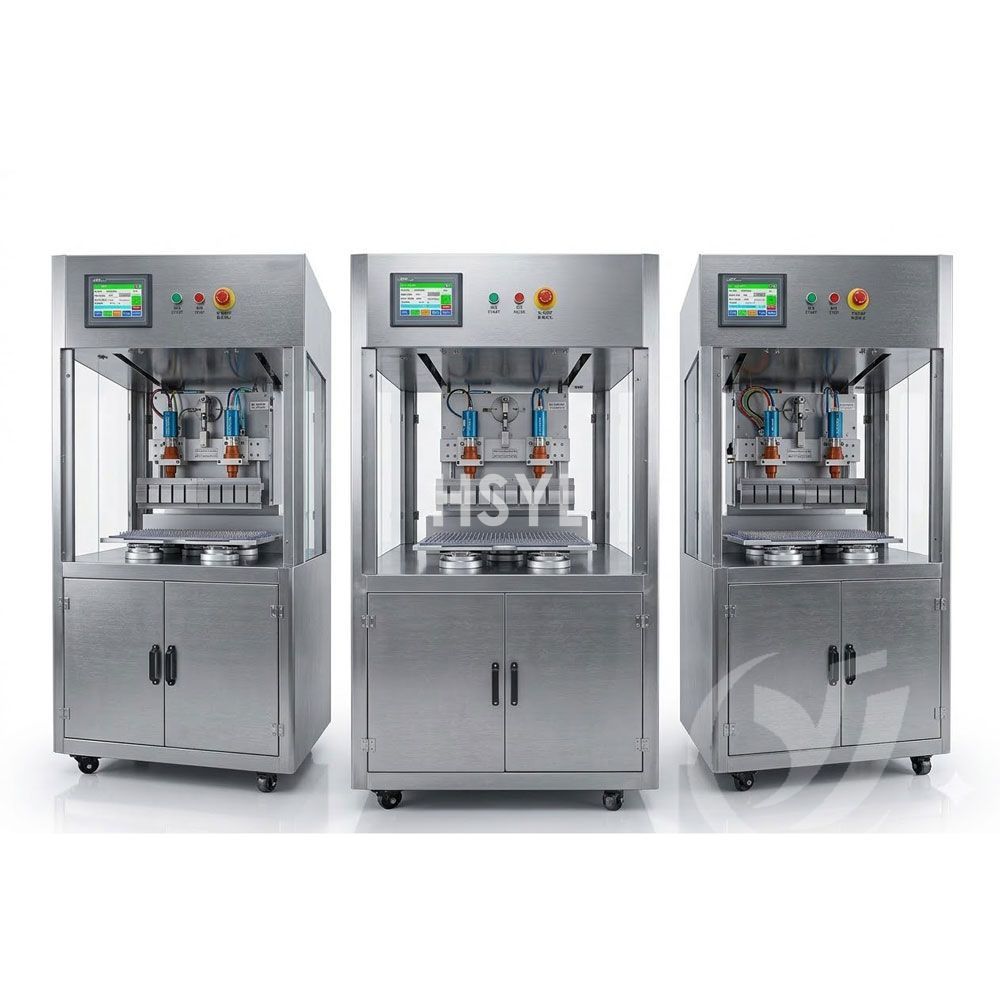 Ultrasonic Automatic Candy Cutting Machine for Bakeries
Ready to go?