
Hoe kies je het juiste waterzuiveringssysteem voor commercieel gebruik?
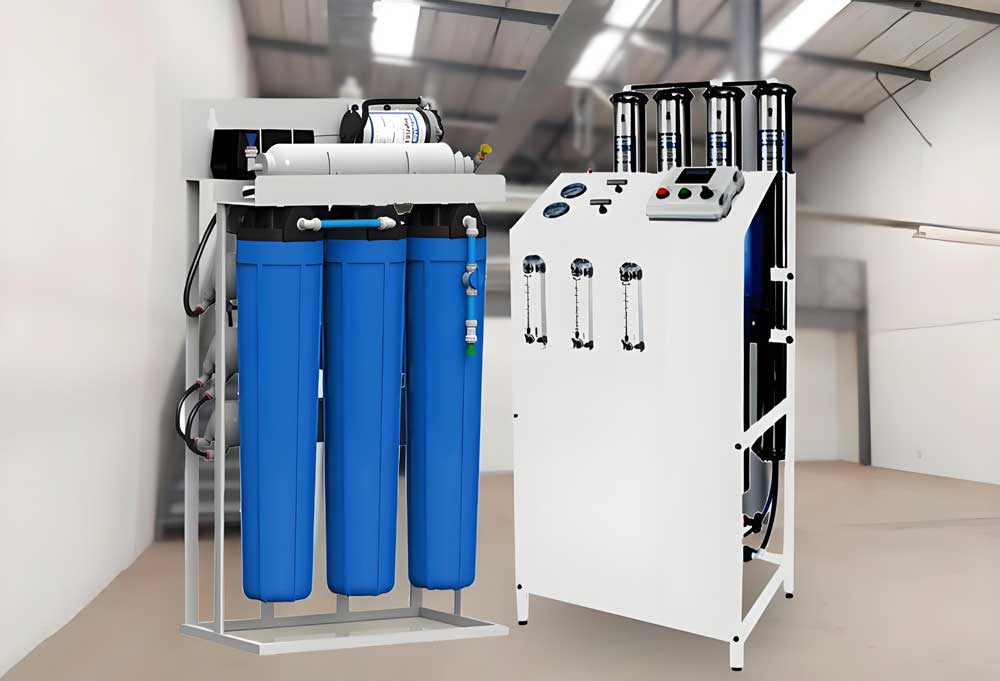
Choosing the right commercial water purification system is a critical decision that will directly impact your business operations, product quality, and the health of both your customers and staff. As there is no one-size-fits-all solution, the best option depends entirely on your specific requirements. This comprehensive guide is designed to help you make an informed choice:
1. Determine what you actually need: This is the most vital step!
Before investing in a water purification system, it is essential to fully understand both your specific water requirements and the quality of your current water supply.
Where do you get your water from?
- Municipal tap waterHoewel het water doorgaans een eerste behandeling ondergaat, kan het nog steeds sporen van chloor, chloramines, desinfectiebijproducten, sediment en metalen uit verouderde leidingen bevatten.
- Brøndvand:Vandkvaliteten kan variere betydeligt afhængigt af det geografiske område og kan indeholde højere koncentrationer af mineraler (såsom calcium, magnesium, jern og mangan) samt bakterier, vira, pesticider, nitrater og lignende.
- Oberflächenwasser (Flüsse, Seen):Water quality fluctuates significantly and may be characterised by elevated levels of organic matter, suspended solids, bacteria, and viruses.
- 海น้ำ หรือ น้ำกร่อย:Requires more sophisticated desalination technology.
Hoe is de huidige waterkwaliteit?
- Fysische parameters:Uklarheid, kleur, geur, totale opgeloste stoffen (TDS).
- Chemische Parameter:pH-værdi, hårdhed (kalcium, magnesium), klor, kloraminer, tungmetaller (bly, arsen, kviksølv osv.), flygtige organiske forbindelser (VOC), pesticider, nitrat, nitrit osv.
- Biologiske parametre:Samlede koliforme bakterier, E. coli, andre patogene bakterier m.v.
- Perform a water quality test:This is the crucial step. You must commission a professional, independent laboratory to carry out a comprehensive analysis of your water supply. The resulting report should detail various contaminant levels, including:
- まずは、お使いの水質に関する問題を正確に把握することが、最適な浄水システムを選ぶための第一歩となります。
How much water do you require?
- Geschat dagelijks of per uur waterverbruik:Take into account your business type, staff numbers, production requirements and so on.
- Take peak water demand into account:Your water consumption may increase during certain periods.
- Prognosticere fremtidigt vandbehov:Are there any plans to scale up your operations?
What is the intended use for the purified water?
- Drikkevand:Eliminates odours, discolouration, chlorine, heavy metals, bacteria, and other impurities.
- Food and Drink Manufacturing:Extremely high water quality standards may be required to eliminate specific minerals and microorganisms, ensuring both product quality and safety.
- Medicinsk anvendelse:Skal overholde kravene til medicinsk rent vand, herunder fuldstændig fjernelse af alle mikroorganismer, ioner og lignende.
- For laboratory use only:Requires an extremely high level of water purity, often necessitating the use of ultrapure water.
- 锅炉给水:Requires softened water or mineral removal to prevent limescale buildup.
- Make-up water for cooling tower:Microbial and mineral control is required to prevent equipment corrosion and scale build-up.
- Specifikke industrielle processer:Verschillende industriële processen hebben uiteenlopende eisen aan de waterkwaliteit.
What's your budget?
- Initial investment cost:Inklusive Anschaffungskosten für das Wasserreinigungssystem.
- Driftsomkostninger:Inklusive Strom, Kosten für den Filterwechsel, Wartungsgebühren, Chemikalien etc.
- Langetermijn kosteneffectiviteitsanalyse:Consider the potential cost savings offered by the purification system, including reduced equipment wear and tear, enhanced product quality, and so on.
How much storage space do you have left?
- Measure the area for the water purification system installation, taking into account the equipment's dimensions and the required plumbing connections.
Are there any industry-specific or local regulatory requirements?
- Bepelkie branże (np. spożywcza czy medyczna) podlegają rygorystycznym normom dotyczącym jakości wody. Kluczowe jest nie tylko zrozumienie tych wymogów, ale także pełne dostosowanie się do nich.
2. Get to grips with the most common types of commercial water purification systems:
Depending on your specific requirements and the quality of your water supply, here are the most common types of commercial water purification systems:
- Sedimentfilters:Dient dazu, Partikel wie Sand, Schmutz und Rost aus dem Wasser zu entfernen, um nachfolgende Filter zu schützen.
- Aktivkohlefilter:Effectively removes chlorine, chloramines, unpleasant odours, discolouration, and certain volatile organic compounds (VOCs) from the water.
- Vandblødgøringsanlæg:Eliminate calcium and magnesium ions via ion exchange to prevent limescale build-up and protect pipes and equipment.
- Omgekeerde osmose (RO) systemen:This process employs a semi-permeable membrane to force water molecules through under high pressure, effectively filtering out dissolved solids, heavy metals, bacteria, viruses, and other impurities to produce exceptionally pure water.
- Ultraviolet (UV) Desinfektion:Uses ultraviolet light to kill bacteria, viruses and other microorganisms in the water, providing a chemical-free disinfection method.
- Vanddestillationsapparater:Bring the water to a boil and then condense the steam, which effectively removes most impurities, such as minerals and microorganisms.
- Deioniseringsanlæg (DI):利用离子交换树脂去除水中的带电离子,以制得超纯水;此种工艺广泛应用于实验室及特定工业领域。
- Særtækni síðar:Specially engineered to filter out particular contaminants, such as arsenic, lead, or fluoride.
3. Selecting the ideal system for your requirements:
Match the requirements you identified in the first step with the relevant water purification systems outlined above:
- Hvis din største bekymring ersediment...dan zijn één of meerdere sedimentfilters noodzakelijk.
- Hvis dit vand fra hanen erchlorine taste or odouret et aktivt kulfilter er et ideelt valg.
- Hvis dit vand erhigh hardness, en water softener zal noodzakelijk zijn.
- Hvis din ansøgning kræverultra-pure waterwhether it's for drinking water, food production, or laboratory requirements, a reverse osmosis system is typically the superior choice.
- Hvis din vandkilde kan være inficeret medbakteriel eller viral kontamineringeen UV-desinfectiesysteem is een noodzakelijke veiligheidsmaatregel.
- Til brug i applikationer, der kræverultrapure waterdet kan være nødvendigt at kombinere systemer til både omvendt osmose og deionisering.
- Hvis vandkvalitetstesten viser tegn påspecifikke forurensningerdu skal derefter vælge specialiserede filtre, der er effektive til at fjerne de pågældende urenheder.
In many cases, a full-scale commercial water purification system relies on a combination of several different filtration technologies, creating a multi-stage process to ensure the highest possible water quality.
4. Belangrijke factoren bij het kiezen van een systeem:
- Systemkapazität und Durchflussrate:Make sure the system you select has the capacity to handle your peak water demands and provides a consistent, sufficient flow.
- Vedligeholdelseskrav:Get a clear picture of how often you'll need to replace filters and the costs involved, as well as the requirements for system cleaning and general maintenance. Keep in mind that some systems may demand more regular servicing.
- Energie-efficiëntie:Keep the system's power consumption in mind. Opting for an energy-efficient model can help lower your running costs.
- Systeembetrouwbaarheid en duurzaamheid:Choose well-established brands and systems engineered from premium materials to guarantee dependable, long-term performance.
- Garantie en na售后 service:Make sure to check the manufacturer's warranty and whether technical support is available should any problems occur.
- Skalérbarhed:If you're expecting your business to grow, it's worth looking for a system that's easy to scale up or upgrade.
- Automationsgrad:Some high-end systems feature automatic monitoring and cleaning functions, which help to minimise the need for manual intervention.
5. Installation and Maintenance:
- Professional installation required:Installing commercial water purification systems can be a complex undertaking. We recommend hiring a professional water treatment equipment installation firm to ensure everything is set up and operating correctly.
- Routine Maintenance:Follow the manufacturer's guidelines regarding regular filter changes, system cleaning, and any other essential maintenance to ensure the system maintains its purification efficiency and optimal service life.
6. Seeking Professional Advice:
Selecting the appropriate commercial water purification system can be a daunting task. We strongly advise consulting with professional water treatment equipment suppliers or specialists. They can:
- Get expert advice tailored to your specific circumstances.
- Vi hjálpum þér við að greina ábendingar í vatnsgæðaskýrslu þinni.
- Find the perfect water purification system tailored to your needs.
- We provide system installation and maintenance services.
Konklusion:
Choosing the right commercial water purification system involves a careful assessment of your specific requirements, a clear understanding of your current water quality, and a thorough weighing of the advantages and disadvantages of different purification technologies. By systematically evaluating these factors and seeking professional advice, you can select an efficient, reliable, and cost-effective system that offers long-term value to your business. Ultimately, investing in a high-quality water purification system is a responsible step towards safeguarding the health of your staff, your customers, and your business alike.
Essential Reading for Fast Food and Restaurant Chains Owners

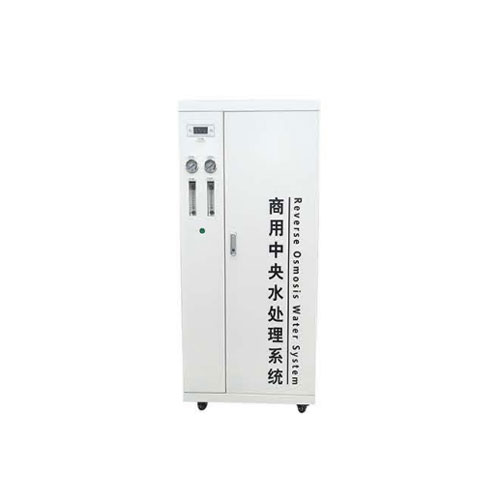 YL-W-06 商业级净水设备
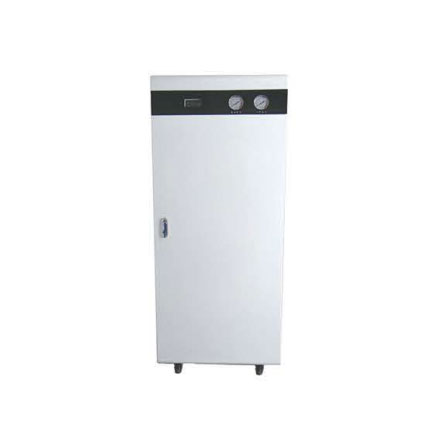 YL-W-05 商业用水净化设备
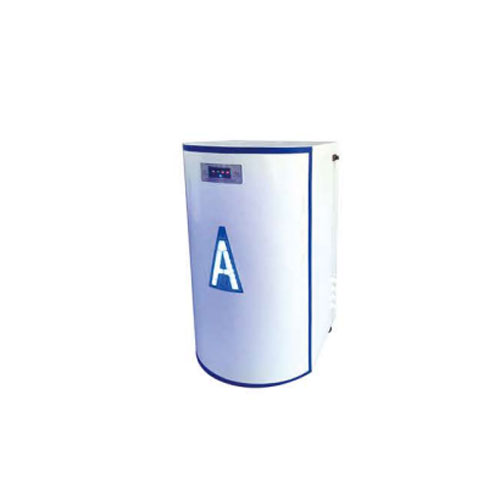 YL-W-04 商用净水设备
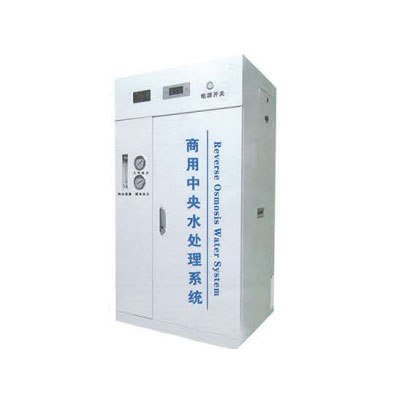 YL-W-03 商业级水净化设备
Ready to go?