
Proces produkcji konserw rybnych w Azji Południowo-Wschodniej – koszty, funkcje & przewodnik po wyposażeniu fabryki, Southeast Asian Fish Canning Production Line – Cost Analysis, Inclusief & handleiding voor de fabrieksinstellingen
Southeast Asia is one of the world's most dynamic and rapidly expanding seafood markets. Driven by its abundant marine resources, a growing population, and a rising appetite for convenient seafood products, theconserves industryplays a crucial part in local economies. Nations such asIndonesië, de Filipijnen, Vietnam en Thailandare not only leading producers of fish but also major exporters of canned sardines, mackerel and tuna to the global market.
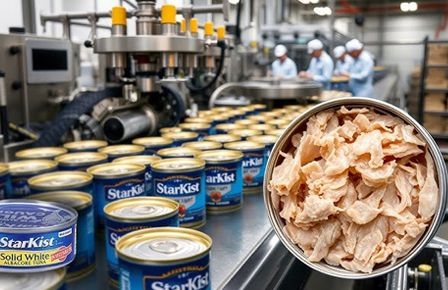
不过,該地區仍有不少中小型魚類加工廠面臨著以下挑戰:lav produktionseffektivitet, svingende kvalitet og problemer med overholdelse af fødevaresikkerheden.
De oplossing?
In de moderne tijd鱼类罐头生产线,专为东南亚市场设计, som tilbyr automatisering, bedre hygiejne og produkter, der overholder eksportkrav.
Denne omfattende guiden vil føre deg gjennom:
Marknadstrender och möjligheter i ASEAN-regionen
主要特點:魚類罐頭生產線
Cost breakdown and ROI calculations
Fabrikopstillingskrav
How to choose the right supplier
By the end, you'll have a clear roadmap for setting up or scaling up your canned fish business.
1. Why Southeast Asia is a global hub for canned fish
Southeast Asia boasts some of the world's most bountiful fishing grounds and thriving seafood industries. Data from the FAO indicates that countries such asIndonesië, Vietnam en de Filipijnenrepresents a substantial proportion of the world's canned fish exports.
Vigtige markeder i fokus:
印尼:One of the world's leading producers of sardines and tuna, enjoying a rapidly expanding market both at home and abroad.
菲律賓:Het staat bekend om zijn sardine-industrie, met name in regio's zoals Zamboanga.
Vietnam:A major producer of tuna and mackerel, with a primary focus on exporting to European and American markets.
泰國:A leading exporter of tuna and other canned seafood products.
Despite this potential, many factories are still relying onmanuelle of semi-manuelle processen, which makes it difficult for them to comply with international food safety standards such asHACCP、ISO 22000 與 FDA.
2. De uitdagingen waar lokale conservenfabrieken voor staan
Before looking at potential solutions, we first need to grasp the typical challenges faced by fish processing plants across Southeast Asia.
| Uitdaging | Impact | Automated Solution |
|---|---|---|
| Stijgende loonkosten | Højere driftsomkostninger | Replace manual processes with automated machinery |
| Variations in product quality | Variations in weight and seal | Precise filling and sealing systems |
| Food safety breach | Afvisninger af forsendelser, eksportforbud | Steriliseret udstyr med HACCP-certificering |
| Begrænset fabriksplads | Hard to scale up production | Kompakt produktionslinje design |
| 缺乏技术诀窍 | 闲置时间与设备利用率不足 | Levering af leverandøren af træning og support |
範例:
I Indonesië vertrouwen veel sardijnfabrieken nog steeds op handmatige processen voor het vullen en verzegelen. Dit vertraagt niet alleen de productie, maar verhoogt ook het risico op besmetting. Door over te stappen op een semi-automatische of volledig automatische productielijn, kunnen fabriekento double their output while still meeting export standards.
3. 东南亚工厂产能方案选择
Det første skridt i valget af en produktionslinje er at fastlægge jeresdagelijk productieplafondThis will have an impact on the scale of the equipment, the level of investment, and the amount of floor space required in the factory.
| Linjetype | Dagelijk vermogen (blikjes) | Ideal for |
|---|---|---|
| Lille linje | 1.000 – 3.000 | Startups, cooperatives, and pilot plants |
| Mellemstore linje | 5.000 – 15.000 | Regionale Marken, lokale Exporteure |
| Grootschalige automatische lijn | 20,000+ | Nationale merken, grote exporteurs |
Fokus på nøgleord:
东南亞小型魚類罐頭加工廠, indonesische sardines de productieafdeling, 越南鲭鱼罐头生产设备
4. 核心設備:魚罐頭生產線
A modern fish canning line integrates various types of machinery to streamline production, enhance product quality, and reduce labour costs. The following outlines a typical workflow alongside the required equipment.
| Verwerkingsfase | Hovedudstyr | Voordelen |
|---|---|---|
| Fish Reception & Cleaning | 鱼类清洗机、除鳞机 | Fjerner snavs og belægninger, og forbedrer hygiejnen |
| & 前處理切割 | Skæreværktøj og trimmeudstyr | Uniform fish sizes, reduced manual labour |
| Cooking/Pre-Cooking | Dampkoker, kookvat | Enhances the flavour and prepares it for the filling |
| 正在填寫 | Semi-automatisk eller automatisk fyldningsmaskine | Precise weight control to minimise waste |
| 封存 | Automatisk dobbeltinddåsemaskine | Hermetisk lukket for at forhindre lækage |
| Sterilisering | High-pressure retort steriliser | Voldoet aan de HACCP- en exportnormen |
| Cooling & Packaging | Afkoelband, etiketteermachine, kartonverzegelmachine | Klar zur Auslieferung |
5. De voordelen van het automatiseren van uw inmaakproces
Moving to a modern production line offers several competitive edges:
1) Øget produktivitet
Automatisering kandubbel of drievoudige opbrengstcompared with manual processes, this allows you to fulfil large orders without the need for extra staff.
2) Verbeterde voedselveiligheid
Controlled sterilisation ensures full compliance with HACCP, ISO22000, and FDA standards.
Limiting human contact reduces the risk of contamination.
3) Besparinger på lønomkostninger
Reduced dependence on skilled labour.
Makes operator training much more straightforward, which helps tackle high staff turnover.
4) Fleksibel produktion
Switch seamlessly between various types of fish, such as sardine, mackerel, and tuna.
Pas de tenir compte des différentes tailles de boîtes (100 g, 180 g, 250 g).
5) Ruimteoptimalisatie
Compact layout is ideal for smaller factories, making it perfect for urban or coastal areas where space is at a premium.
6. Kostenspecificatie en ROI-analyse
The cost of a fish canning production line depends on its level of automation, the quality of materials used, and its production capacity. The following figures provide a general overview for the Southeast Asian market.
Priisklasse:
| Linjetype | Geschat De Kosten (USD) |
|---|---|
| 小型规模(每日 1,000–3,000 罐) | £15,000 – £30,000 |
| Middelgroot (5.000–15.000 blikjes/dag) | £30,000 – £80,000 |
| Grootschalige automatisering (20,000+ dozen per dag) | £100,000 – £200,000+ |
注:
Prices may fluctuate depending on specific customisation requirements, the grade of stainless steel used (for instance, SUS304 versus SUS316L), and any necessary certifications.
Eksempel på beregning af ROI
假设:
Dagelijkse productie:3,000 dåser
Winst per blik:£0.25
Arbejdsdage pr. måned: 30
| Måleenhed | Value |
|---|---|
| Maandelijkse productie | 90,000 dåser |
| Maandelijkse winst | £22,500 |
| Total investering amount | £30,000 |
| Terugverdientijd | 4 – 6 måneder |
由於回本速度快,這種小規模生產線對新創企業及合作社來說極具吸引力。
7. Fabriekruimte en nutsvoorzieningen
Make sure your premises meet the following specifications before purchasing any equipment.
| Capaciteit | Required Floor Area |
|---|---|
| 1,000 dåser om dagen | 80 – 120 m² |
| 5.000 dåser om dagen | 150 – 250 m² |
| 10.000 dåser om dagen | 300 – 500 m² |
| 工具 | Krav |
|---|---|
| Stroomvoorziening | 380V, 50Hz (kan aangepast worden) |
| Water usage | 2 – 3 m³/dag |
| Steamverbrauch | 0.3 – 0.5 t/dag |
| Arbejdskraft | 3 – 5 个人員/班次 |
Tip:
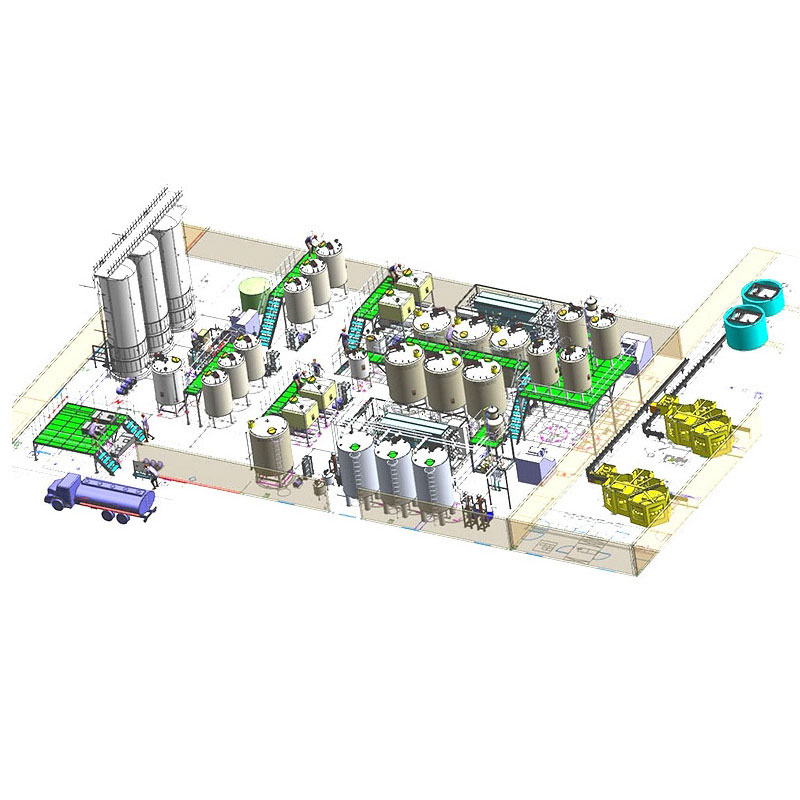
An efficient layout reduces movement and ensures a smoother workflow.
8. Hoe kies je de juiste leverancier?
Choosing a dependable supplier is vital for long-term success. Keep the following factors in mind:
| Criteria | Waarom dit belangrijk is |
|---|---|
| Certificeringsstandarder (CE, ISO, HACCP, FDA) | Garanteret overholdelse af eksportreglerne |
| Beweiste Fallstudien | Proven real-world performance |
| After-sales service | Rapid response for maintenance and spare parts |
| Personalisation options | Skræddersyede løsninger til de lokale fiskearter |
| 即插即用功能 | From plant design through to equipment installation |
Anbefaling:
Request the following from suppliers:
请提供您需要翻译的**英文文本内容**,我将立即按照您的要求(精通英语与德语/英语[be需明确具体语言,假设您指的是德语Deutsch或某种特定方言,但通常指代语言代码,若指代英语/德语等请补充]、意译优先、无原文残留等规则)进行高质量的翻译。gratis fabrieksplattegrond
Inspirations from similar projectsIndonesië, Vietnam of de Filipijnen
A detailed breakdown of costs prior to purchase
9. Veelgestelde vragen (FAQ)
Q1: Kan denne linjen håndtere ulike fiskearter?
Ja, hij is geschikt voor sardines, makreel, tonijn, ansjovis en vergelijkbare kleine tot middelgrote vissoorten.
Q2: Hoeveel medewerkers zijn er nodig voor een productielijn van 1.000 blikjes per dag?
Somewhat normally,3–5 operatørerper skift er tilstrækkeligt.
Q3: Leverer I både installation og træning?
Yes, we provide both.on-site installationogafstandsonderwijs.
Q4: Hoe lang duurt de levering van de apparatuur?
As a rule30–45 dageafhankelijk van de aanpassingen en de bestemming.
Q5: Hvilke standarder overholder maskinerne?
Our machinery is up to standardHACCP、ISO22000、CE 及 FDA 認證standarder.
10. Conclusie: Hoe u een duurzame conserveringsonderneming opbouwt in Zuidoost-Azië
Anlage inmodern visproduktionslinje til konservering af fiskis a strategic step forward for the Southeast Asian seafood industry. Whether you are running a small-scale cooperative or a large-scale export business, automation will help you:
Boost productivity and profitability
Ensure compliance with international food safety standards for global exports
Cut labour costs and simplify operations
Get a quick return on your investment
With the right partner, you can transform your fish processing facility into a competitiveness en export-ready mode.
Call to Action:
Are you looking to upgrade your fish canning facility in Southeast Asia?
Get in touchcontact us today for a free consultation, a bespoke factory layout plan, and a detailed quotation tailored specifically to your local market requirements.
Essential Reading for Fast Food and Restaurant Chains Owners
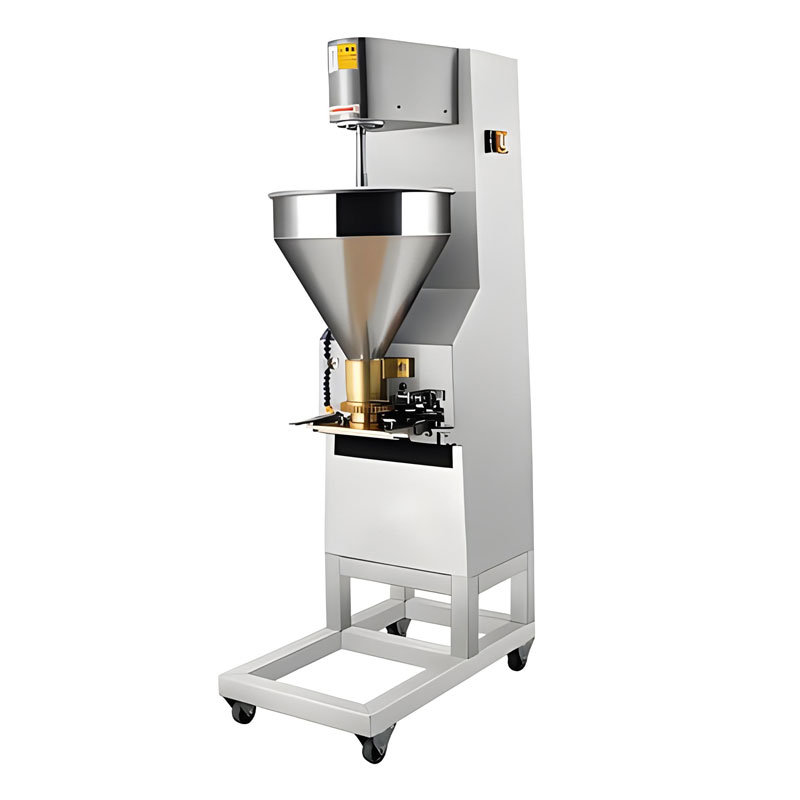
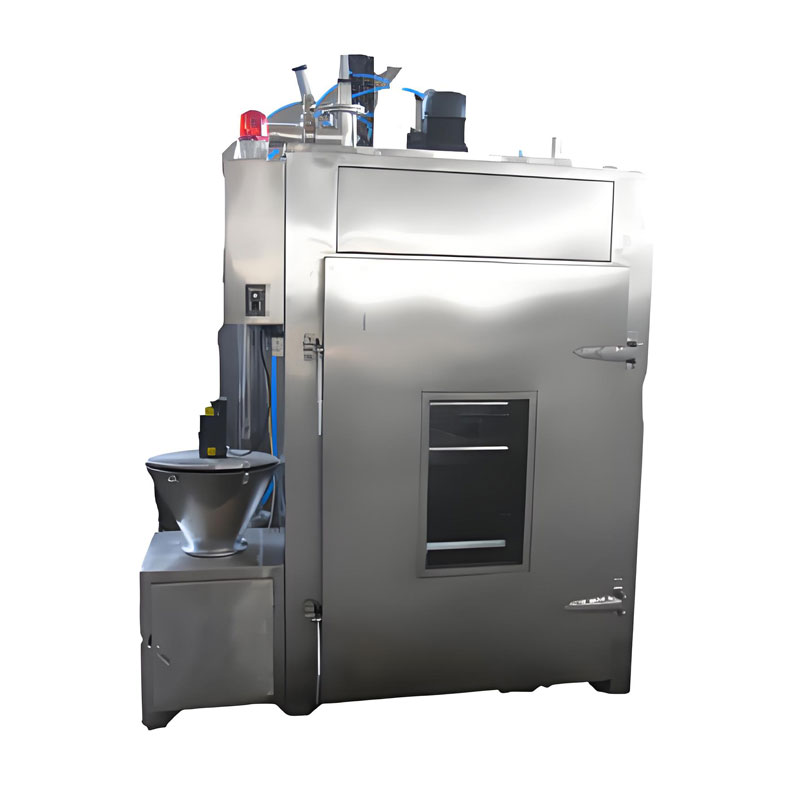
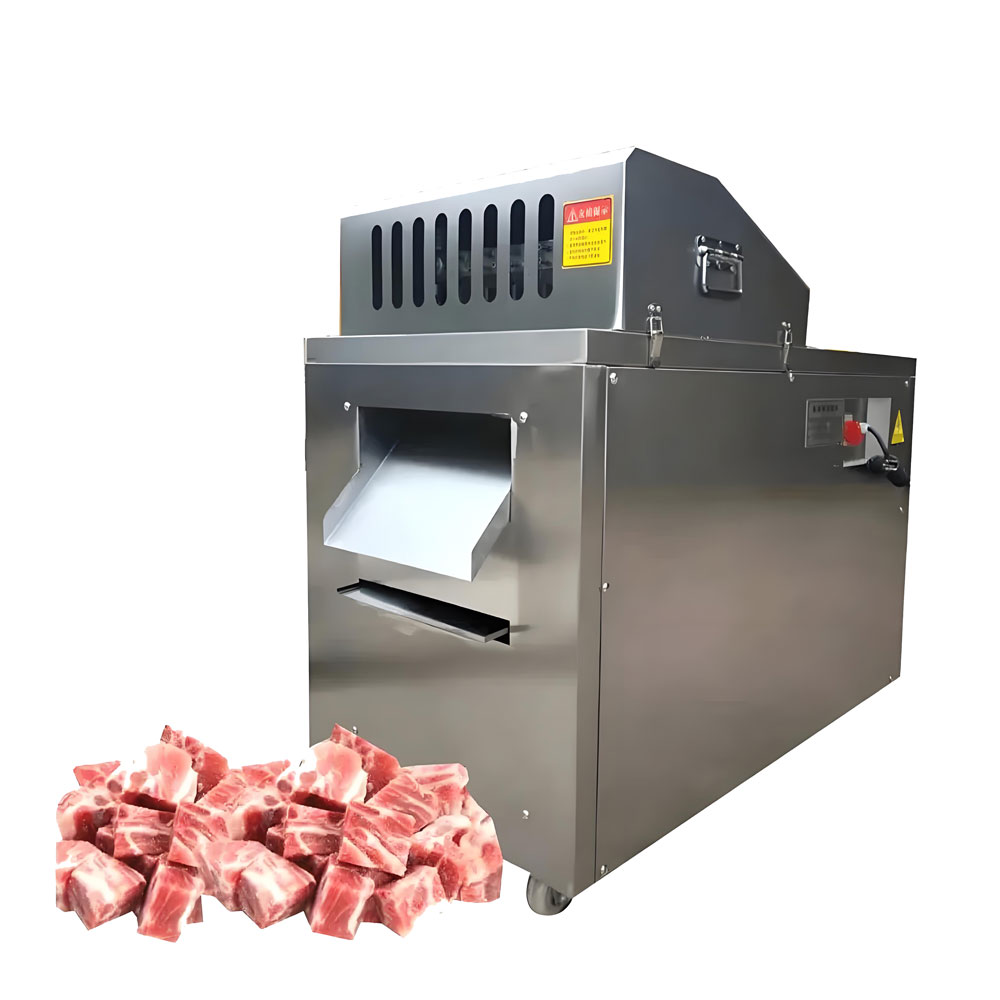
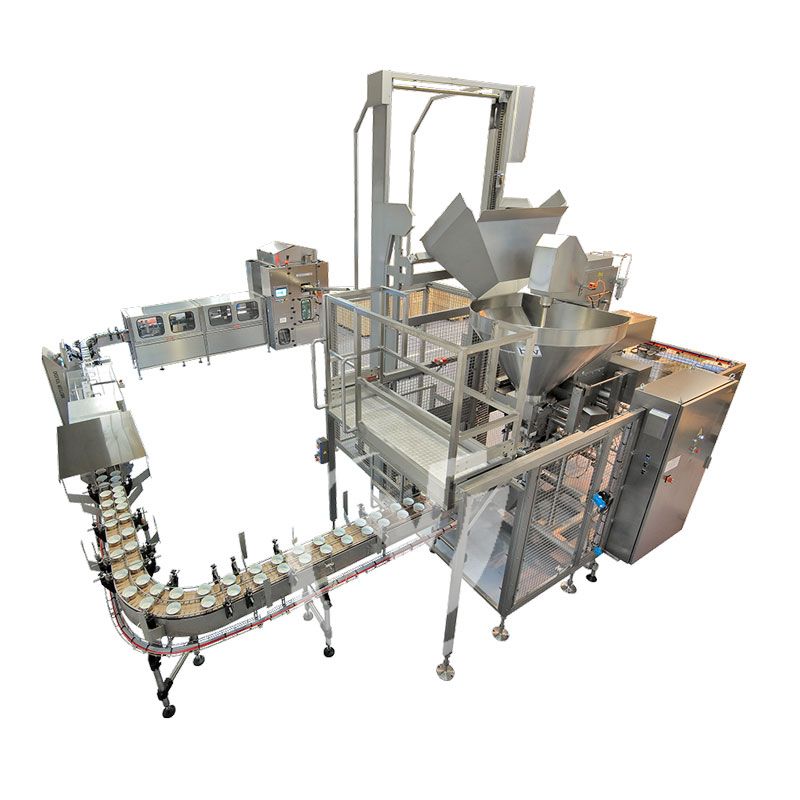
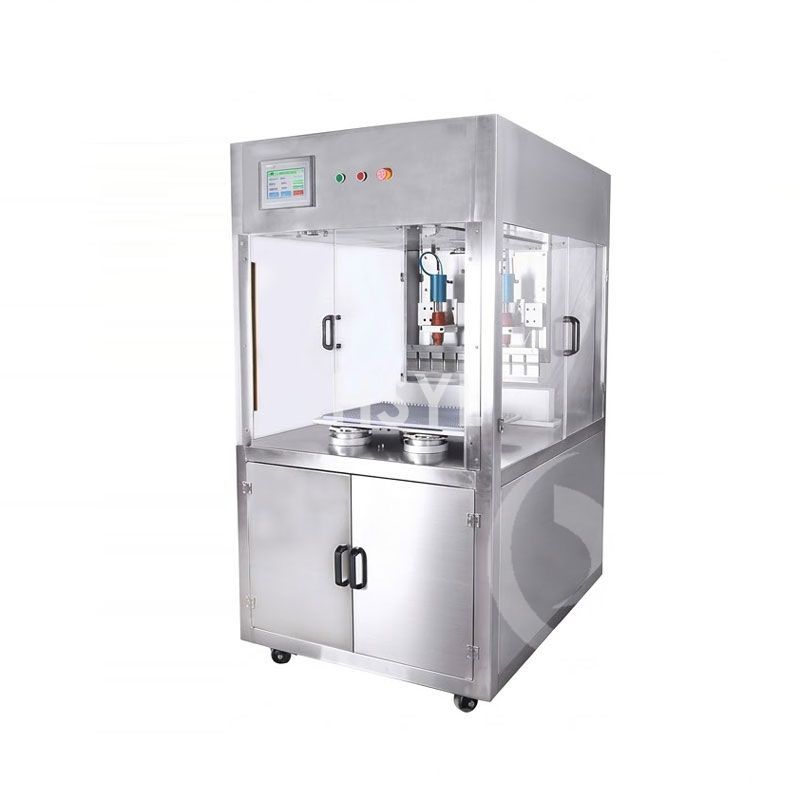

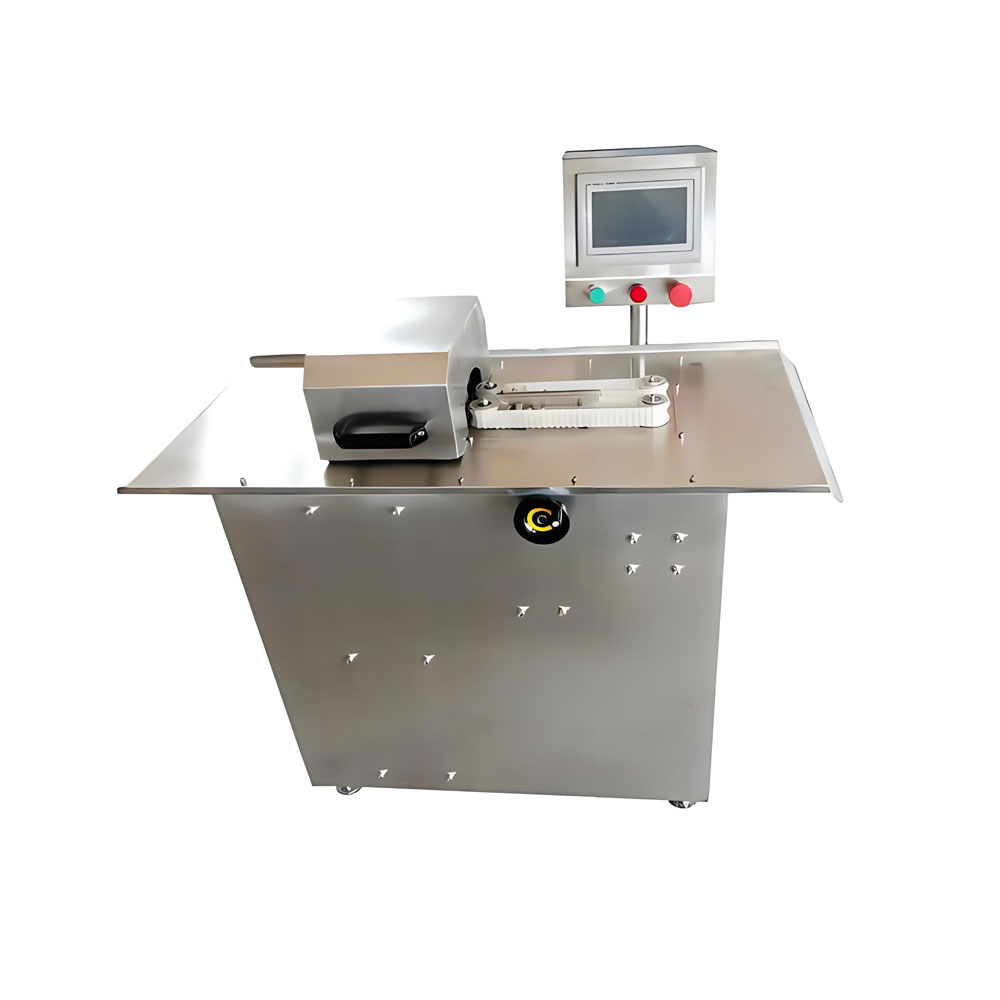
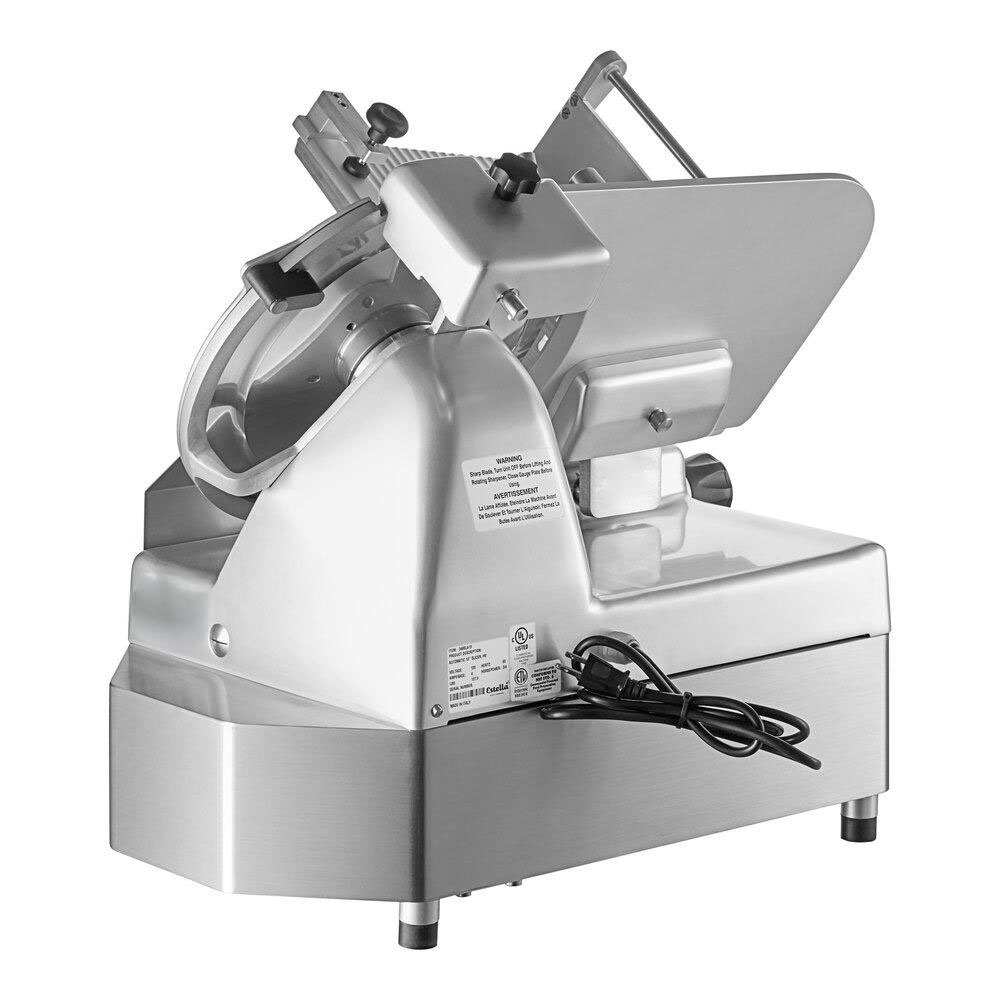
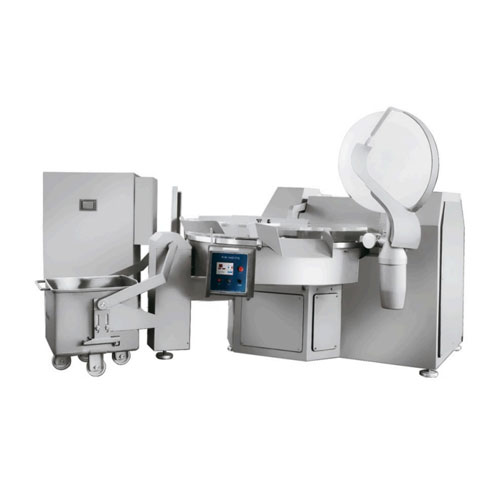
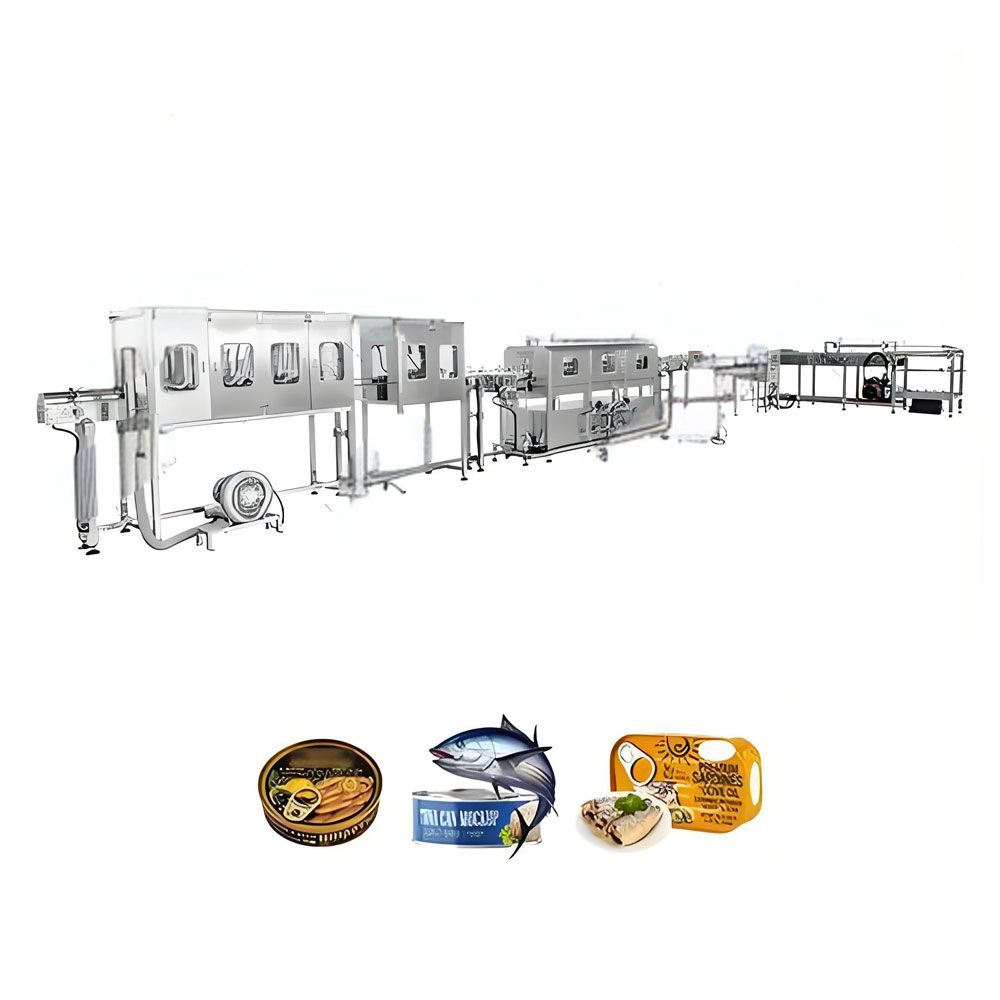 Blackfish 罐头生产線
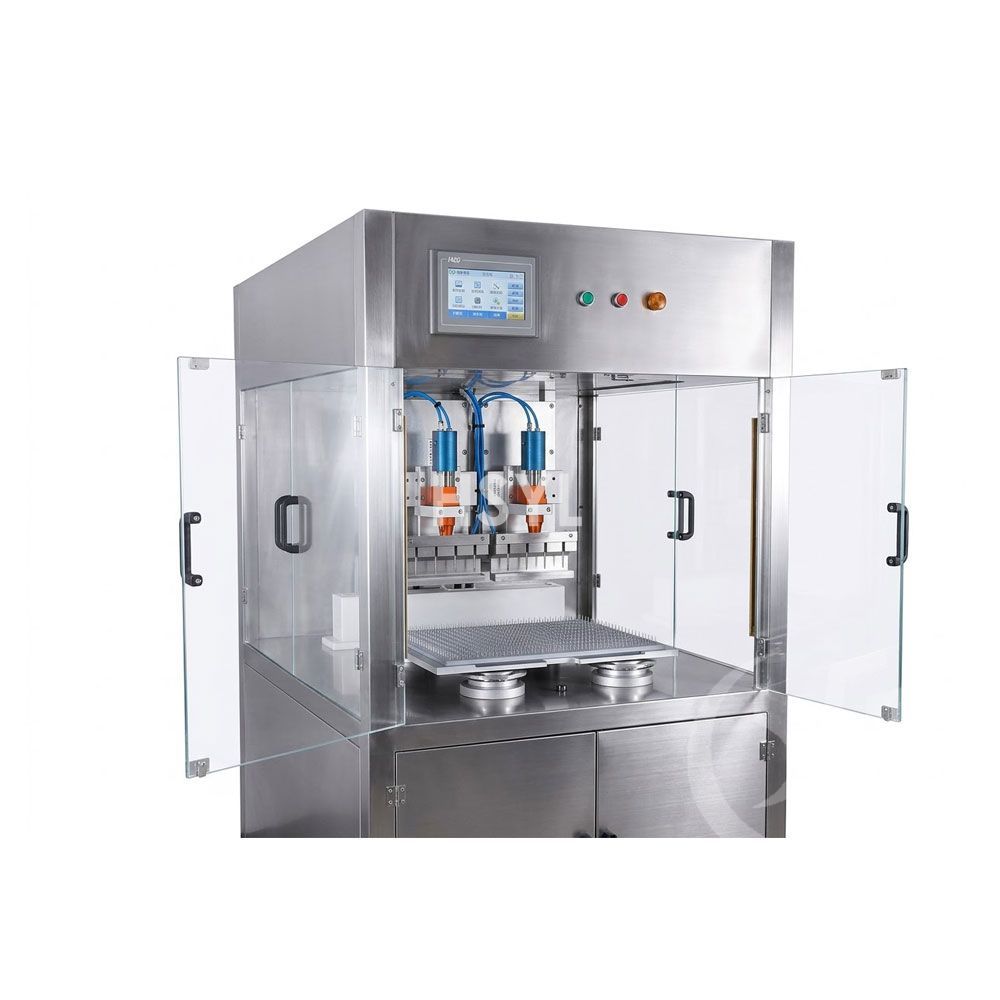 Ultrasonische snijmachine voor koekjes en biscuitjes
Ready to go?