
Wat is de dagelijkse productiecapaciteit van een visinpaklijn in aantal blikken?
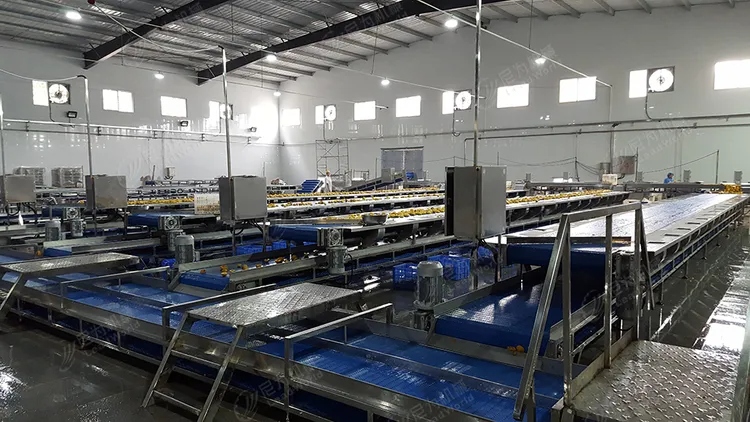
The global demand for canned fish—such as tuna, sardines, mackerel, and other seafood—has been on the rise, driven by its convenience, long shelf life, and widespread availability. For food manufacturers and processing plants, understandingwat is de dagelijkse productiecapaciteit van een visinbakkingslijn in aantal blikken?is vital for planning, investment, and ensuring a solid return on investment (ROI).
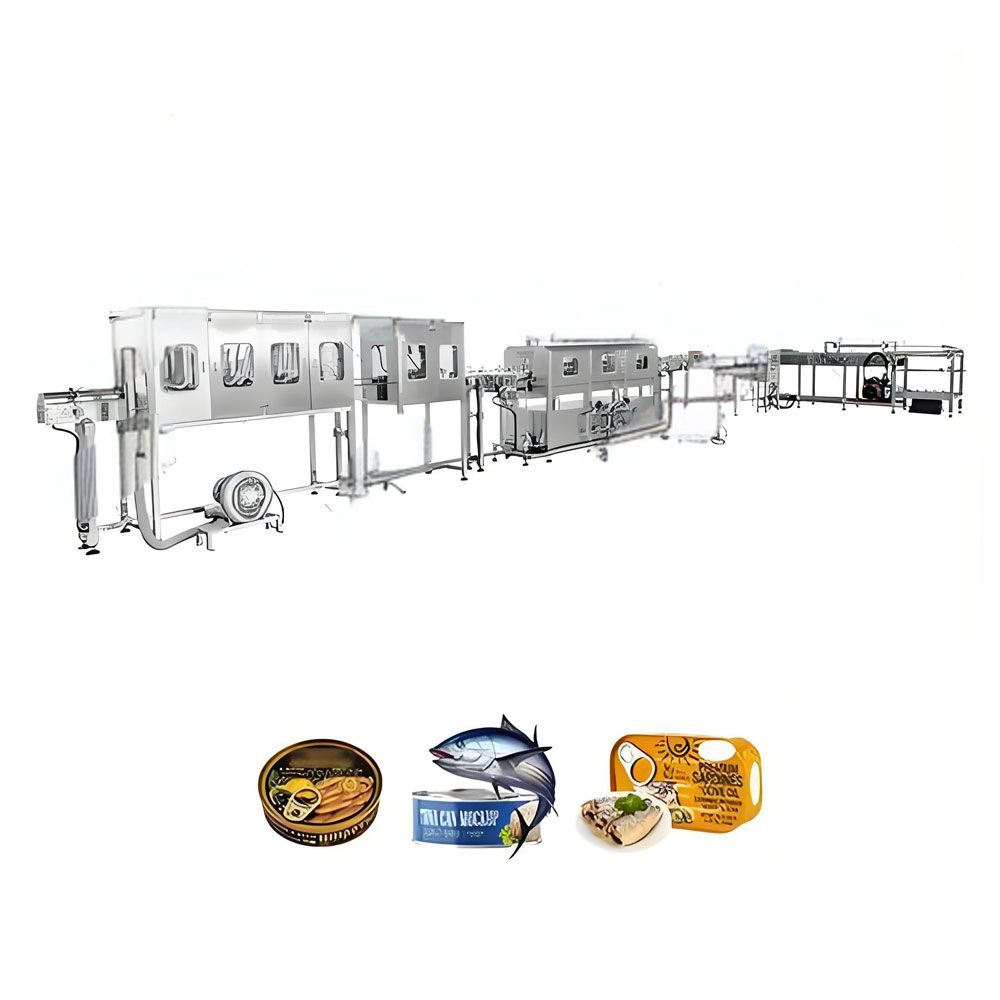
Kina, als vooraanstaande centrale hub voorfish canning machinery... offers a comprehensive selection of fully automatic and semi-automatic production lines, designed to accommodate various can dimensions, fish varieties, and production volumes. This article examines the primary factors influencing production capacity, outlines typical output benchmarks, and provides practical advice on maximising daily can yields.
Related products:Automated Sardine Canning Line Equipment
1. Factors Affecting Daily Can Production
The production capacity of a fish canning line is determined by several interconnected factors:
1.1 Automatiseringsgrad
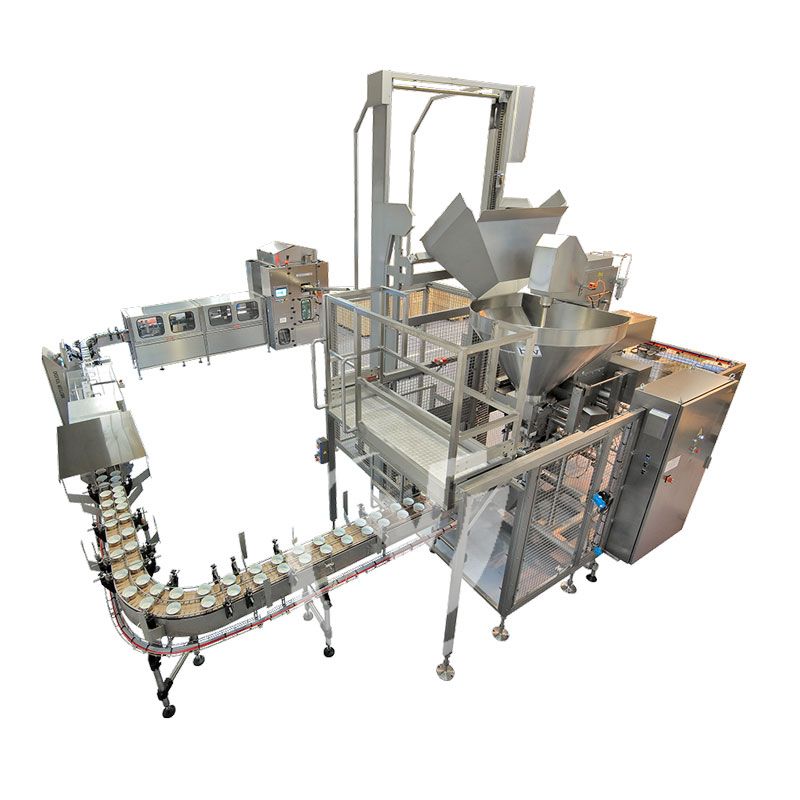
Volledig automatische productielijnenEquipped with integrated systems for washing, filleting, cutting, filling, seaming, sterilising, cooling, labelling and packaging. These lines require minimal human intervention and are designed for high-efficiency, high-volume production.
Semi-Automatic LinesDeze machines vereisen meer handmatige arbeid voor het vullen, verzegelen of labelen. Ze zijn uitermate geschikt voor kleinschalige en middelgrote ondernemingen en vormen een kosteneffectieve oplossing voor fabrieken die net beginnen in de visblikindustrie.
1.2 罐体尺寸
Små dåser (100–155 g)Sneller vullen en verzegelen, wat zorgt voor een hogere dagelijkse productie.
Middling cans (200–250g)De productiecapaciteit is licht gedaald doordat het vullen en steriliseren langer in beslag neemt.
Grosse blikjes (400–500g)Takes longer as the cooking and sealing processes are more extensive.
1.3 Soort vis en bereiding
Using pre-cooked, pre-cut, or filleted fish makes filling the orders much quicker.
The presence of whole or complex species can slow down throughput, as they require more extensive preparation time.
1.4 Integreerde productiestappen
By integrating all processes—washing, cutting, filling, seaming, sterilisation, and labelling—into a single production line, bottlenecks are minimised and throughput is maximised.
Lines that haven't been pre-processed require additional manual effort and time, which ultimately brings down daily productivity.
1.5 变动持续时间
A single-shift production schedule results in a lower daily output.
Introducing multiple shifts (for instance, 2–3 shifts) or moving to 24-hour continuous operation can substantially boost total daily output.
2. Typical dagliga produktionskapacitet
Depending on the type of equipment, can dimensions and the level of automation, daily output can vary significantly. The following table provides typical production figures:
| Produktionslinientyp | 容量大小 | Geschatte Tagesleistung |
|---|---|---|
| Højhastighedsfuldautomatisering | 100–155g | 20,000 – 40,000 tins |
| Fuldautomatisk mellemhastighed | 200–250g | 15,000 – 25,000 blikjes |
| Semi-automatisk linje | 100–155g | 5.000 – 12.000 blikken |
| Semi-automatisk linje | 200–250g | 3.000 – 8.000 dåser |
| Grote industriële productielijn | 400–500g | 8,000 – 15,000 blikjes |
Disse estimater er baseret påday shifts onlyBy running continuously 24 hours a day, you can scale up the output proportionally.
3. Produktionskapazität nach Fischarten
| Fisketype | 容量大小 | Linjetype | Dagelijk rendement (blikjes/dag) |
|---|---|---|---|
| Sardines | 155g | Volledig automatisch | 30,000 |
| Tuna | 200g | Volledig automatisch | 20,000 |
| Mackerel | 155g | Semi-automatisk | 8,000 |
| Anchovies | 100g | Volledig automatisch | 35,000 |
| 混合魚類 | 250g | Semi-automatisk | 5.500 |
Afhægt afvis storle, dåsestørrelse, tilberedningsmetode og linjehastighed.
4. Key factors affecting line capacity
Filling Speed– Bepaalt hoe snel de blikken met vis en saus worden gevuld.
缝纫机效率– A tight seal prevents leaks and ensures a long shelf life.
Steriliseringstid (autoklave)– Larger cans or denser fish require a longer heat treatment process.
Transportband-systeem– Een soepele materiaalflow minimaliseert de stilstand tussen de stations.
Kølesystem– Effektiv køling bevarer dåsernes integritet og forhindrer flaskehalse.
Etiketterings- en pakkeautomaterAutomated labelling and case packing enhance overall throughput.
5. Tips for boosting your daily output
Optimising line layout– Reduce the distance between stations to avoid congestion.
Gebruik voorbewerkte vis– Pre-cut or cooked fish speeds up the filling process.
Routine Maintenance– Prevent downtime by carrying out regular inspections and lubrication.
Automatisering upgraden– By incorporating servo-driven filling systems, conveyors, and labelling machines, you can increase production output by 20–40%.
多重位移操作– Running two or three shifts a day boosts total output.
Gebruik snelle retorten– Kortere sterilisatiecycli zonder de voedselveiligheid in gevaar te brengen.
6. Faktorer for eksportorienteret produktion
For manufacturers aiming for global markets, production capacity is also determined by:
Certifications:符合 CE、FDA、ISO 22000 及 HACCP 等出口合规性标准。
Preferred can sizes for export markets:Smaller cans (100–155g) for the European market; medium cans (200–250g) for the Middle East.
Packaging Standards:Case dimensions, labelling requirements, and traceability systems.
Overvejelser vedrørende klimaet:Indien die Ausrüstung nach Südostasien exportiert wird, müssen die verwendeten Materialien (Edelstahl SUS304/316) unbedingt gegen die dortige tropische Luftfeuchtigkeit beständig sein.
Related products:Equipment for shrimp canning lines
7. FAQ – Capacité de production des lignes de mise en conserve de poisson
Q1: Wat is de dagelijkse productiecapaciteit van een volledig automatische lijn in aantal blikjes?
A1:Dagsens produktion ligger typisk på mellem 15.000 og 40.000 dåser om dagen, afhængigt af dålestørrelse, fisketype og automatiseringsgrad.
Q2: Wat is de output van een semi-automatische visbliklijn?
A2:Typical output is 3,000–12,000 cans per day, making it ideal for small to medium-sized factories.
Q3: Kan de output worden verhoogd zonder de apparatuur aan te passen?
A3:Yes, you can increase output by optimising the production line workflow, using pre-processed fish, and running multiple shifts.
Q4: 如何影响生产规模?
A4:Smaller cans are quicker to fill, seal and sterilise, leading to a higher daily output.
Q5: Is the estimated output influenced by the type of fish species?
A5:Yes. Processing whole or large fish takes longer than small fillets, which slows down the overall throughput.
8. Conclusie
理解wat is de dagelijkse productiecapaciteit van een visinbakkingslijn in aantal blikken?is fundamental to factory planning, ROI analysis, and meeting market demand.
Fully automated production lines15,000–40,000 罐/日(适用于中小规格)
Halvautomatiske linjer3.000–12.000 blikjes per dag.
Taking into account factors such asautomatiseringsgrad, dåbsstørrelse, fisketype og workflow-effektivitet, producentów pozwala to zmaksymalizować wydajność i zapewnić stałą jakość. Co więcej,export-led factoriesskal tage højde for certificeringer, emballagestandarder og klimavenlige materialer.
By investing in a high-quality fish canning production line, streamlining workflows, and utilising pre-processed raw materials, businesses can大幅提升日常产量, thereby securing a competitive edge in the expanding global canned seafood market.
Essential Reading for Fast Food and Restaurant Chains Owners

 Blackfish 罐头生产線
 Ultrasonische snijmachine voor koekjes en biscuitjes
Ready to go?