
Hoe vaak moet een vleessnijmachine worden gereinigd en gedesinfecteerd?
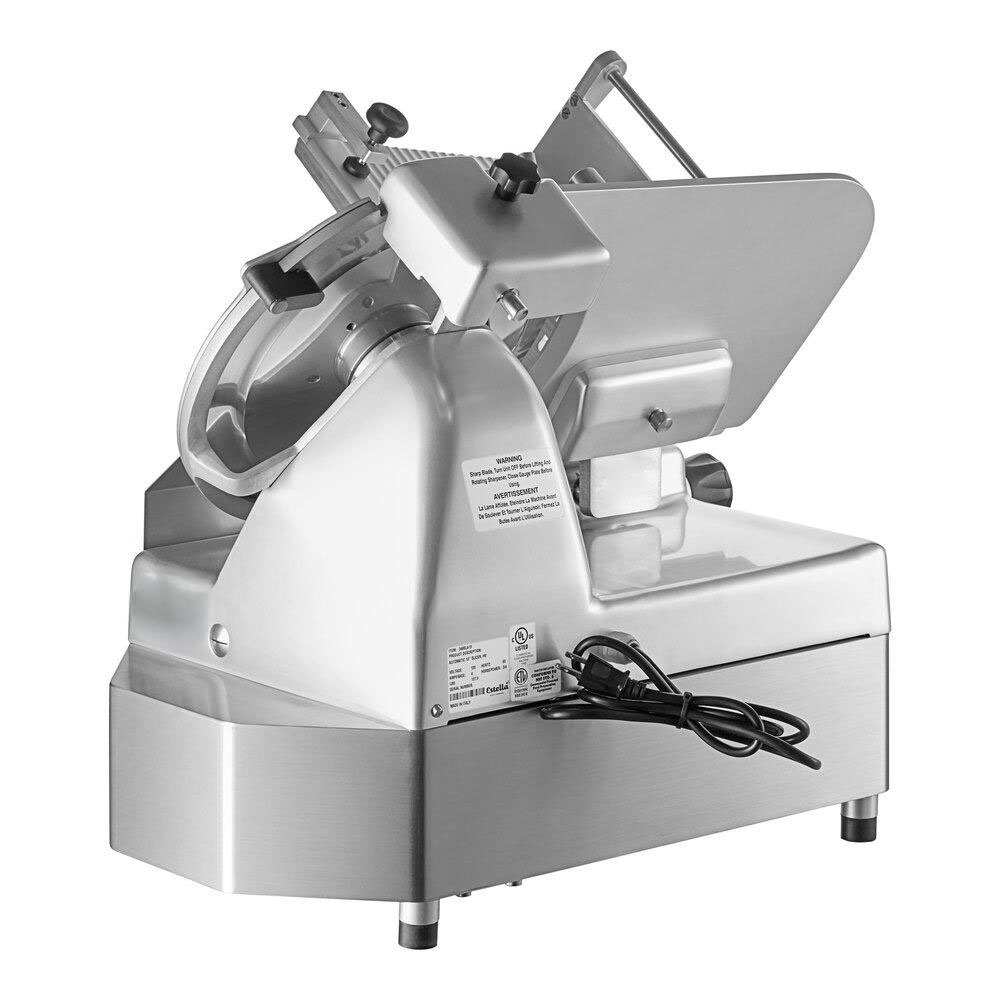
Keeping food processing equipment impeccably clean is vital, not only for food safety but also to ensure your machinery lasts as long as possible. In any meat processing setting, the meat slicer is one of the most essential pieces of kit, playing a central role in preparing products for consumption. However, neglecting proper maintenance can lead to cross-contamination, bacterial growth, and equipment failure—all of which can seriously compromise the safety and quality of your goods. In this blog, we will outline the best practices for cleaning and sanitising a meat slicer, tackle the crucial question of how often it actually needs to be cleaned, and offer practical tips to keep your slicer in peak working condition.
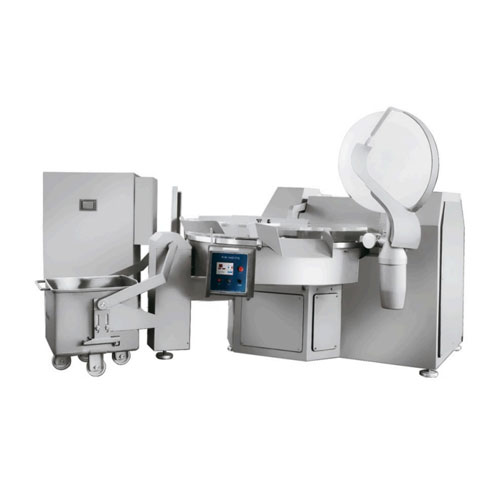
![Hoe vaak moet een vleessnijmachine worden gereinigd en gedesinfecteerd? [afb1]](https://www.chinaequipmentsupplier.com/uploads/allimg/20230802/1-230P221493O17.jpg "Hoe vaak moet een vleessnijmachine worden gereinigd en gedesinfecteerd? [afb1]")
Waarom is schoonmaken en desinfecteren zo belangrijk?
Before we get stuck into the specifics of how often you should be cleaning, it is vital to understand why maintaining high standards of cleanliness and hygiene is so important inkødskærereDisse maskiner er i direkte kontakt med råt kød, som er ekstremt modtageligt for bakterieforurening. Knivene, bakkerne og andre dele af skæremaskinen kan ophobe madrester, fedt og bakterier, hvilket skaber et miljø, hvor skadelige patogener somSalmonella, 大肠杆菌, ogListeriakan blomstre.
Besides preventing food poisoning, regular cleaning ensures your meat slicer stays in good working order and lasts much longer. If left uncleaned, slicers are prone to issues like rusting, blunt blades and motor strain, all of which lead to poor performance and expensive repairs. Ultimately, keeping your equipment clean is about more than just hygiene; it’s a vital way to boost productivity and get the best possible life out of your machinery.
Hoe vaak moet u een vleessnijmachine reinigen?
How often you need to clean and sanitise a meat slicer depends on a few different factors, such as the type of meat you're slicing, how much use it gets, and whether it's being used for different food items. Below is a breakdown of the recommended cleaning intervals based on these variables:
1. Efter brug:
The most vital part of keeping things hygienic is to clean your slicer straight after every use. Although it might seem like a bit of a chore, it is by far the best way to stop bacteria from building up and prevent cross-contamination. This is particularly important if you are slicing raw meat, as raw meat carries a much higher risk of contamination.
Cleaning instructions after each use:
- Blades:The sharp edges of the slicing blades are particularly prone to food buildup, which can become a breeding ground for bacteria. Always ensure the blades are thoroughly cleaned after every use to prevent any risk of contamination.
- Tray og holder:这些部位通常会直接接触肉类,因此很可能会沾染上油脂和肉类残渣。
- 肉类抓取器与推料器:Deze accessoires komen vaak in direct contact met het vlees en moeten grondig worden gereinigd om de ophoping van resten te voorkomen.
- Resten af Sliceren:Wipe the rest of the slicer with a damp cloth to ensure all remaining debris or grease is removed.
It is just as important to use a sanitiser after cleaning, as this ensures all surfaces are fully disinfected and safe for preparing the next batch of meat.
2. Dagelijkse schoonmaak:
If you use your meat slicer on a daily basis, it is vital to give it a thorough clean at the end of every day, even if you have already cleaned it after each individual use. This end-of-day routine should involve a more deep-seated clean to ensure that all parts of the machine, particularly those hard-to-reach spots, are properly sanitised.
Daily cleaning checklist:
- Underside of the Blade:Man overser, det underside af bladet kan ofte samle kødrester, fedt og bakterier. Sørg for at rengøre dette område grundigt.
- Food Chute and Guard:These components ought to be removed and thoroughly cleaned, as they can trap tiny particles that are easily overlooked during standard cleaning routines.
- Slicer frame and baseClean the base of the slicer to remove any crumbs, oils, or buildup that may have accumulated throughout the day.
The daily cleaning routine should also include a thorough check of the slicer for any signs of wear, rust, or faulty parts. If anything looks off, it is best to sort it out straight away to prevent any future breakdowns.
3. Wekelyzna čiščenja:
Besides the standard daily cleaning, a more thorough deep clean should be carried out at least once a week, particularly during busy periods. This routine is essential to prevent long-term build-up and to ensure the slicer continues to operate at peak performance.
Weekly cleaning checklist:
- Blade- og drivenhed:For a more thorough clean, remove the blade assembly to clean behind the blade, around the drive gear, and in other hard-to-reach areas.
- 零件拆解:拆解機器時,請依照製造商建議的程度進行,並個別清洗每個零件。這包括拆除所有可拆卸部件,例如托架、刀片和送料口。請使用專用刷具清潔所有縫隙與死角。
- Smør bevægelige dele:Once cleaned, apply a suitable food-grade lubricant to all moving parts to prevent wear and ensure smooth operation.
Sanitisationsteknikkar
Whilst cleaning involves the physical removal of food scraps, grease, and grime, sanitising is specifically about eliminating bacteria and other pathogens. Even if a meat slicer appears spotless, bacteria can still be lurking on surfaces that look perfectly clean. Sanitising is the essential step to kill off any bacteria or viruses that might be present.
Best practices for cleaning and sanitising a meat slicer:
- Använd godkända desinfektionsmedel:Zorg er altijd voor dat u alleen desinfectiemiddelen gebruikt die goedgekeurd zijn voor gebruik in de voedingsmiddelenindustrie. Volg strikt de instructies van de fabrikant met betrekking tot de juiste verdunning en de wijze van aanbrengen.
- Leave the disinfectant on for the required contact time:Once you've applied the sanitiser, leave it on for the recommended amount of time before wiping it off or rinsing. This ensures that any harmful pathogens are thoroughly neutralised.
- Rinse Thoroughly:Når du har desinficeret sliceren, skal den altid skylles grundigt med rent vand for at fjerne eventuelle rester af kemikalier eller desinfektionsmidler, der kan påvirke kødets smag eller fødevaresikkerheden.
Tegn på, at din kødhakker kræver hyppigere rengøring
Depending on how often the appliance is used, you may occasionally need to adjust your regular cleaning routine. Here are a few signs that your slicer might require more frequent cleaning:
- Strong Odour:If you notice any unpleasant or sour smells coming from the slicer, it could be a sign of bacterial build-up, meaning it needs to be cleaned more frequently.
- 肉类残留物堆积:If you notice meat residue stuck on the slicer that regular cleaning won't shift, it's a sign that you need to deep clean it more thoroughly or increase the frequency of your cleaning routine.
- Ændring i kødets kvalitet:If you notice any changes in the appearance or quality of the sliced meat, it may be a sign of contamination or that the slicing equipment is not clean.
How to properly clean and maintain a meat slicer: a step-by-step guide
Trin 1: Sluk maskinen og træk stikket ud
For safety reasons, always ensure the slicer is switched off and unplugged before you begin cleaning it.
Trin 2: Fjernt de løse dele
Dismantle the slicer following the manufacturer’s instructions, ensuring you remove all components, including the blade, carriage, meat pusher, and tray. Each of these parts must be cleaned separately.
Trin: Rengør bladene
Clean the blade thoroughly with a mild soapy solution, using a soft cloth or brush to remove any food debris. Be extremely careful not to damage the edge while cleaning.
Step 4: Wipe Down the Frame
Use a damp cloth to wipe down the frame and base of the slicer, making sure to clean any areas where food debris might collect.
Stap 5: Reinig alle oppervlakken
Når du har gjort rent, skal du bruge en fødevaregodkendt desinfektionsmiddel til at sterilisere alle overflader, der har været i kontakt med kødet. Lad desinfektionsmidlet virke i den anbefalede tid, og tør derefter snitteren af med en ren klud.
Trin 6: Samling og kontrol
Once everything has dried, reassemble the slicer and carry out a thorough check to ensure it is working properly and shows no signs of wear or damage.
Conclusie
Keeping your meat slicer clean and sanitised is a vital task that must never be neglected. While how often you clean it depends on how much you use it, the best practice is to give it a wipe down after every use, carry out a thorough clean every day, and perform a deep clean once a week. By sticking to a regular cleaning routine, you can ensure your slicer stays in top condition, your food remains safe to eat, and your operations run without a hitch.
Keep in mind that proper sanitation isn't merely about ticking the boxes for hygiene regulations; it's also about getting the most out of your kit and boosting the overall efficiency of your meat processing. With the right upkeep, your meat slicer will continue to serve your business well into the future.
Essential Reading for Fast Food and Restaurant Chains Owners

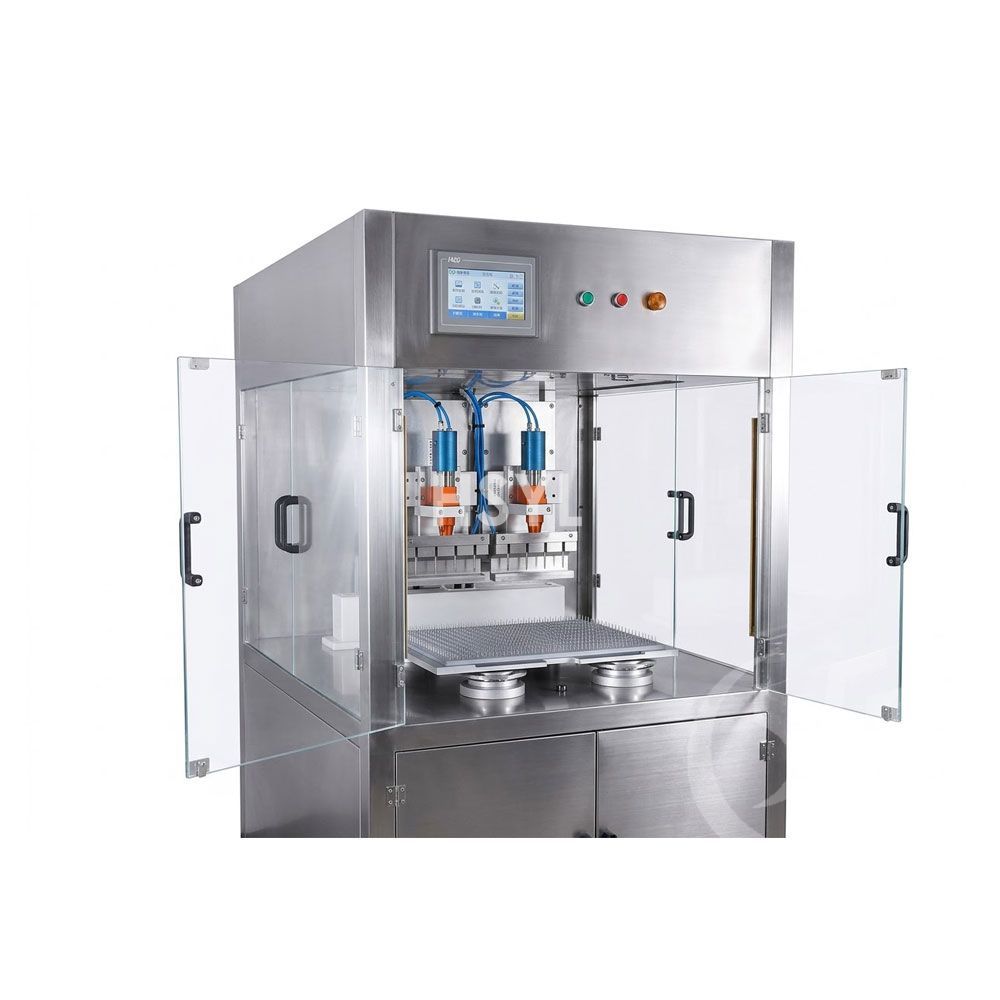 Ultrasonische snijmachine voor koekjes en biscuitjes
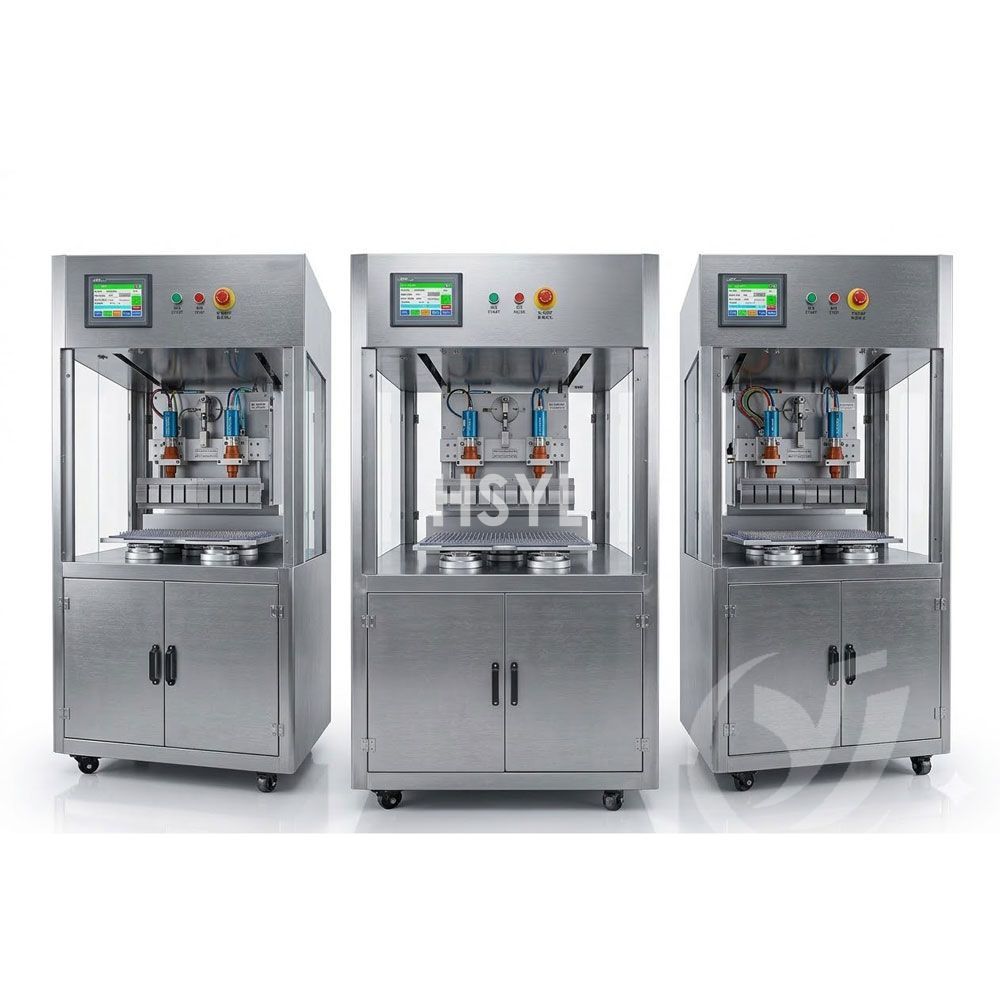 Ultrasonic Automatic Candy Cutting Machine for Bakeries
Ready to go?