
Hoe vaak moet een vleessnijmachine worden gereinigd?
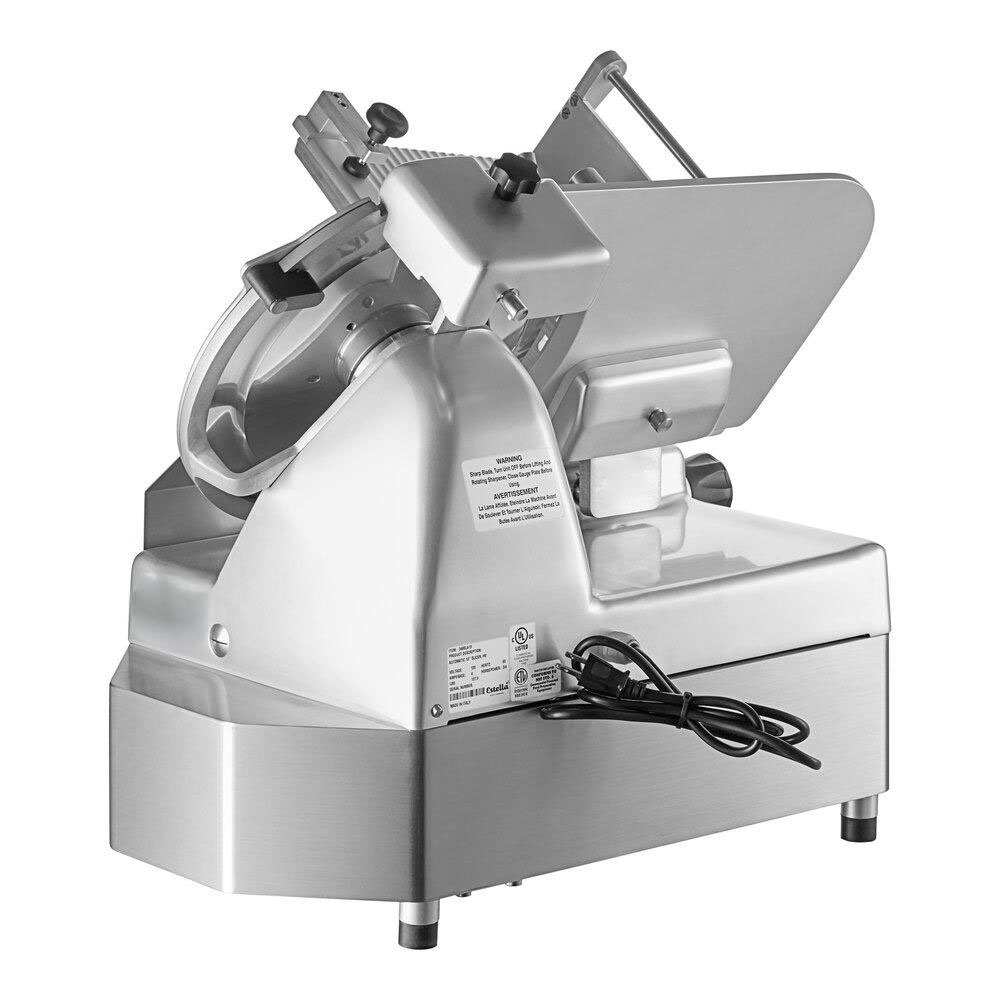
Maintaining strict hygiene standards is vital in any food processing environment, particularly when dealing with equipment used for raw meat. A meat slicer—a staple in butcher shops, delis, and restaurants—is a high-use appliance that comes into constant contact with meat, fats, and juices. Consequently, regular cleaning and maintenance are essential to prevent cross-contamination, ensure food safety, and extend the machine's service life.
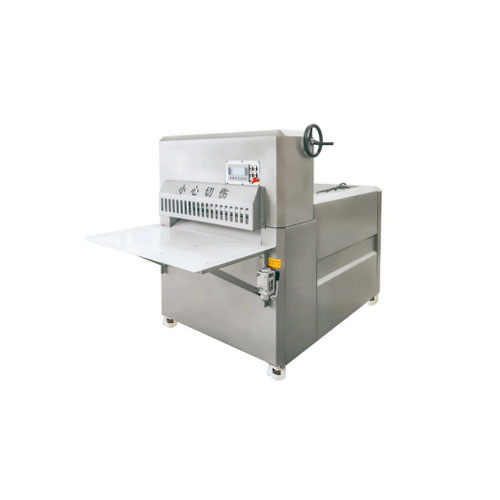
In this comprehensive guide, we will explore how often a meat slicer這套設備必須定期清潔,我們將深入探討清潔程序、妥善保養帶來的益處,以及忽視肉類切片機衛生所導致的後果。此外,我們也會詳細介紹相關專業術語、最佳實踐準則,並分享讓您的切片機始終保持最佳狀態的小撇步。
Waarom is het belangrijk om een vleessnijmachine schoon te maken?
Before we get stuck into the cleaning schedule, it’s worth understanding why keeping a meat slicer clean on a regular basis is so vital. Here are a few of the main reasons:
Prevention of Cross-Contamination当肉片切割机接触到生肉时,极易携带沙门氏菌或大肠杆菌等细菌。若未进行彻底清洁,这些有害微生物便会通过切割过程在不同肉块之间传播,从而造成严重的卫生安全隐患。
Keeping things cleanRaw meat can leave traces of fat, blood, and juices on the slicer's blade and surface. If not cleaned regularly, these residues can build up, posing a serious food safety risk and causing unpleasant odours.
Maximising Equipment LifespanRegular cleaning helps maintain the slicer’s sharpness, preventing food from sticking to the blade and extending its lifespan. A slicer that is well-maintained is more efficient and less likely to require costly repairs.
Optimising performanceA clean meat slicer operates much more effectively. Built-up debris, grease, and food particles can hinder the mechanism, leading to jerky movements and a loss of cutting precision. Regular maintenance is essential to ensure the machine continues to produce clean, consistent slices.
Hoe vaak moet je een vleessnijmachine schoonmaken?
How often you need to clean your meat slicer depends on a few things, including how much meat you're slicing, the type of meat, and whether the machine is used for anything else. That being said, here is a general guide on how frequently a meat slicer should be cleaned:
1. Efter brugDaily Cleaning
It is standard practice to thoroughly clean the slicer after every use. This is particularly vital when slicing raw meat, as this poses the highest risk of cross-contamination. After each use, the slicer should be:
- Afsluit en stekker uit het stopcontact gehaaldThis ensures safety while cleaning.
- DemontéRemove the blade, the food pusher, and any other detachable components. This ensures that every part is thoroughly cleaned and helps prevent the buildup of bacteria.
- AftørretUse a food-grade cleaner to thoroughly sanitise all surfaces that have come into contact with raw meat. Be especially careful to clean the blade, the carriage, and any crevices or nooks where meat particles might get trapped.
- Reinigt met warm water en zeepLeg de afnamelijke onderdelen in warm water met een mild schoonmaakmiddel om vet- en vetophopingen te verwijderen.
- CleanedUse a disinfectant to ensure all bacteria are completely eradicated.
It might seem like a bit of a faff, but cleaning the meat slicer after every use is essential to ensure food safety and keep the machine running smoothly for longer.
2. Grovrengøring (ugentlig eller hver anden uge)
Besides the usual daily cleaning, you should give your meat slicer a thorough deep clean once a week or every fortnight. This is particularly important if you use the machine heavily or slice a variety of meats, as food debris and grease can build up in hard-to-reach areas that regular cleaning might miss.
En grundig rengøring omfatter:
- Taking apart the slicerVerwijder volledig alle afneembare onderdelen, zoals het mes, de voedingssteker en eventuele beschermkapjes.
- Removing built-up grease and fatOver time, grease or fat may build up in certain parts of the slicer. Using a specialist degreaser can help tackle these stubborn residues.
- Alles grondig desinfecterenBesides standard sanitising, a deep clean might require a more potent sanitising solution that is also food-safe.
- Checking for any signs of wear and tearVed under den grundige rengøring bør du kontrollere snitteren for tegn på skader, rust eller slidte dele, der eventuelt skal udskiftes.
A thorough clean ensures that every inch of the slicer is free from any impurities, guaranteeing both food safety and peak performance.
3. Grovnrengøring (månedligt eller efter behov)
If you run a high-volume catering or foodservice business, it is essential to carry out a deep clean once a month, or whenever required. This level of cleaning is far more thorough than your standard weekly maintenance and is vital for heavy-duty slicers that are constantly used to process various meats and cheeses. This process may include:
- Full disassembly of the slicer拆解整台切片机,包括所有内部组件。
- Using specialised cleaning equipmentAfhængigt af skiverens størrelse og kompleksitet kan det være nødvendigt at bruge børster, damprensere eller ultralydsrensere for at komme ind i de snævre områder.
- Sleight of handHvis klingen begynder at blive sløv, bør du få den slebet professionelt for at sikre, at den stadig skærer rent og præcist.
- Checking for electrical and mechanical faultsInspect the motor, switches and other electrical components regularly for any faults. This is particularly important if the slicer is in frequent use.
Faktorer, der påvirker rengøringsfrekvensen
Although following a daily, weekly, or monthly cleaning routine is a good starting point, a few factors might determine exactly how often you need to clean your slicer:
1. Slised Meat Type
The type of meat you're slicing will directly affect how frequently the slicer needs cleaning. For example:
- Råt kødHet snijden van rauw vlees vereist de meest frequente reiniging vanwege het verhoogde risico op bacteriële besmetting. Reinig de snijmachine direct na elk gebruik om kruisbesmetting te voorkomen.
- Kaas of broodWhen slicing cheese, oils can build up on the slicer. Similarly, when slicing bread, crumbs can accumulate. Both require frequent cleaning, but the process may be less involved than cleaning after slicing raw meat.
- Processed meatsProcessed meats, such as ham or bacon, might leave less residue, but regular cleaning is still necessary.
2. Usage Volume
If you’re using the slicer in a busy commercial kitchen, it will need much more frequent cleaning. On the other hand, a slicer used at home for small batches of meat won't require cleaning nearly as often.
3. Miljø
The cleanliness of the environment where the slicer is kept can also dictate how often it needs to be cleaned. In areas prone to heavy dust, grease, or food debris, the slicer may require more frequent cleaning.
Best Practices for Keeping Meat Slicers Hygienic
Besides regular cleaning, here are a few best practices to help maintain hygiene and efficiency:
- Ensure staff are properly trainedEnsure that all staff are fully trained on how to clean the slicer effectively and safely.
- Use the correct cleaning equipmentAvoid using abrasive sponges or scouring pads that could scratch the surface of the slicer. Clean it with food-safe sanitising solutions and soft cloths.
- Store the slicer in a safe placeNår sliceren er renset, skal du sikre, at den opbevares et rent og tørt sted for at undgå ophobning af støv eller urenheder.
- Check the slicer regularlyInspect the slicer regularly for any signs of damage or wear, particularly after a deep clean.
后果:若未定期清洁切片机
Neglecting to clean your meat slicer can lead to serious issues, such as:
- BakterievækstDirty slicers can harbour harmful bacteria, which can lead to food poisoning and potential legal action.
- ContaminationHvis de ikke rengøres grundigt, kan rester fra én type kød kontaminere de andre, hvilket kan gå ud over både fødevaresikkerheden og kvaliteten.
- Lower performanceIf a slicer isn't well-maintained, it will lose its edge, making it much harder to cut through meat cleanly. This results in uneven slices and unnecessary food waste.
- Dure reparatiesNeglecting regular maintenance can lead to mechanical breakdowns, which often results in expensive repairs or the need to replace equipment altogether.
Conclusie
Cleaning a meat slicer might feel like a bit of a chore, but it’s vital for keeping your food safe, making your equipment last longer, and ensuring it runs as smoothly as possible. By sticking to a regular cleaning routine and following proper maintenance procedures, you can prevent common problems and keep your slicer working efficiently.
To sum up:
- Dagelijk schoonmakenskal rengøres grundigt efter hver brug, især efter håndtering af råt kød.
- Wekelijk of tweewekelijks grondig schoonmakenit is vital to clear away grease and food debris from those awkward, hard-to-reach spots.
- Maandelijkse grote schoonmaak若要維持切片機的健康狀態,高負載作業時務必執行此項操作。
By making these practices a regular part of your routine, you will help keep your meat slicer in peak working order, ensuring it continues to produce high-quality, safe slices for many years to come.
Essential Reading for Fast Food and Restaurant Chains Owners
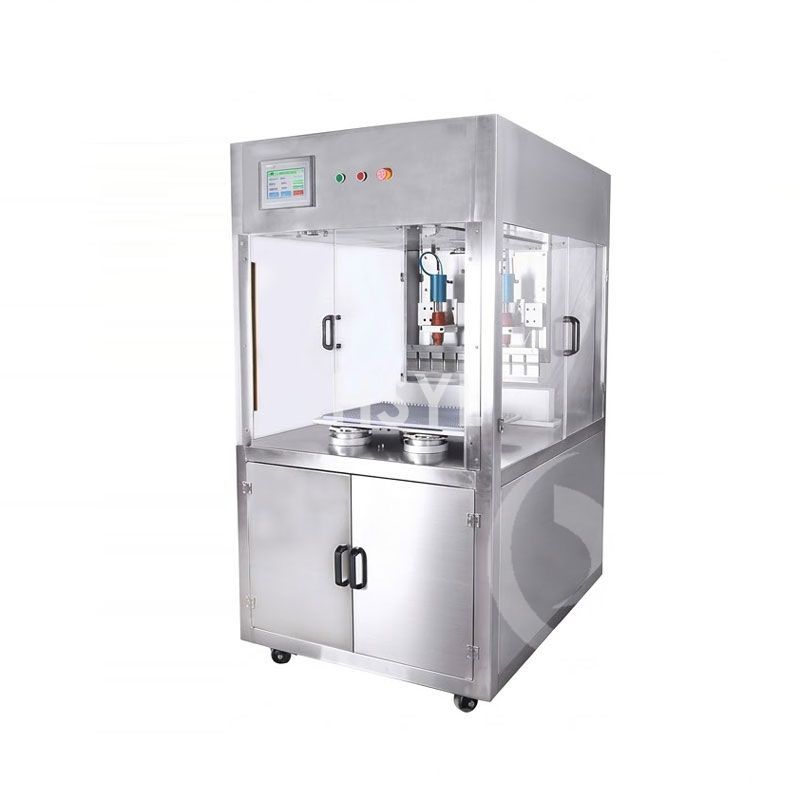

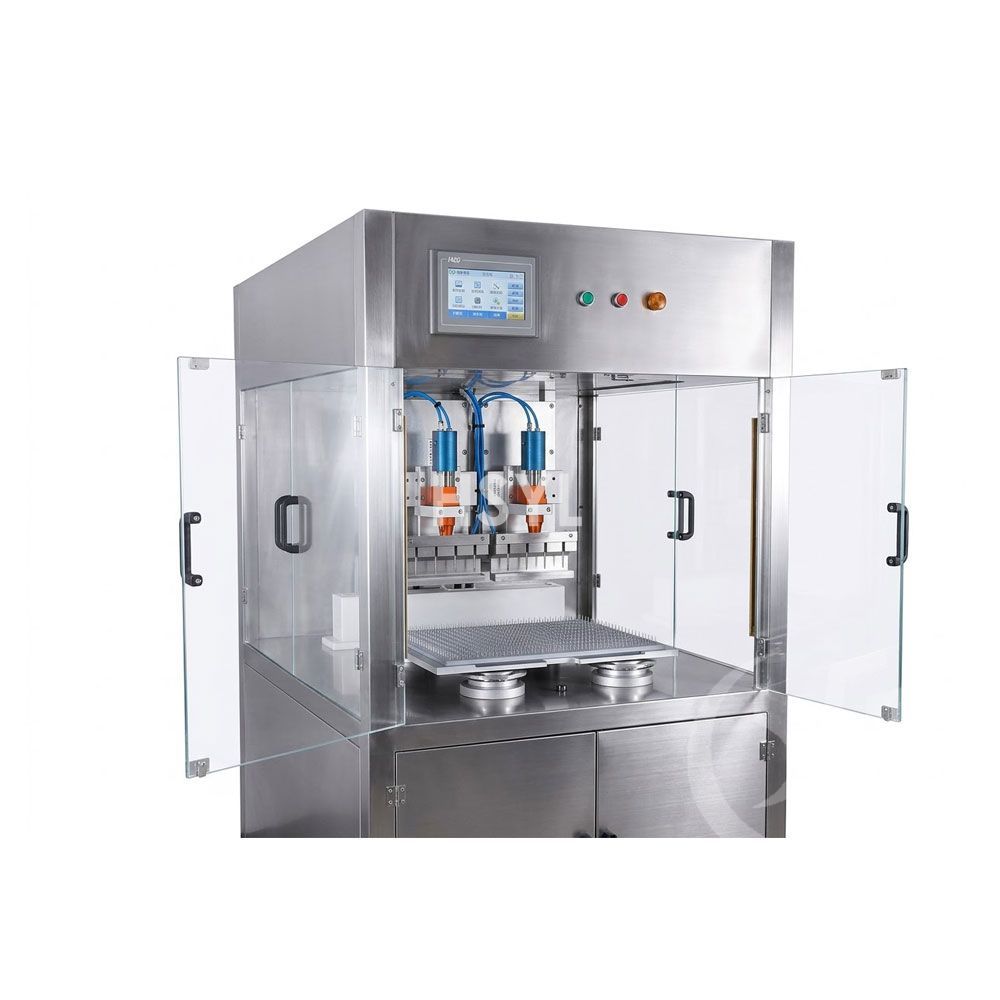 Ultrasonische snijmachine voor koekjes en biscuitjes
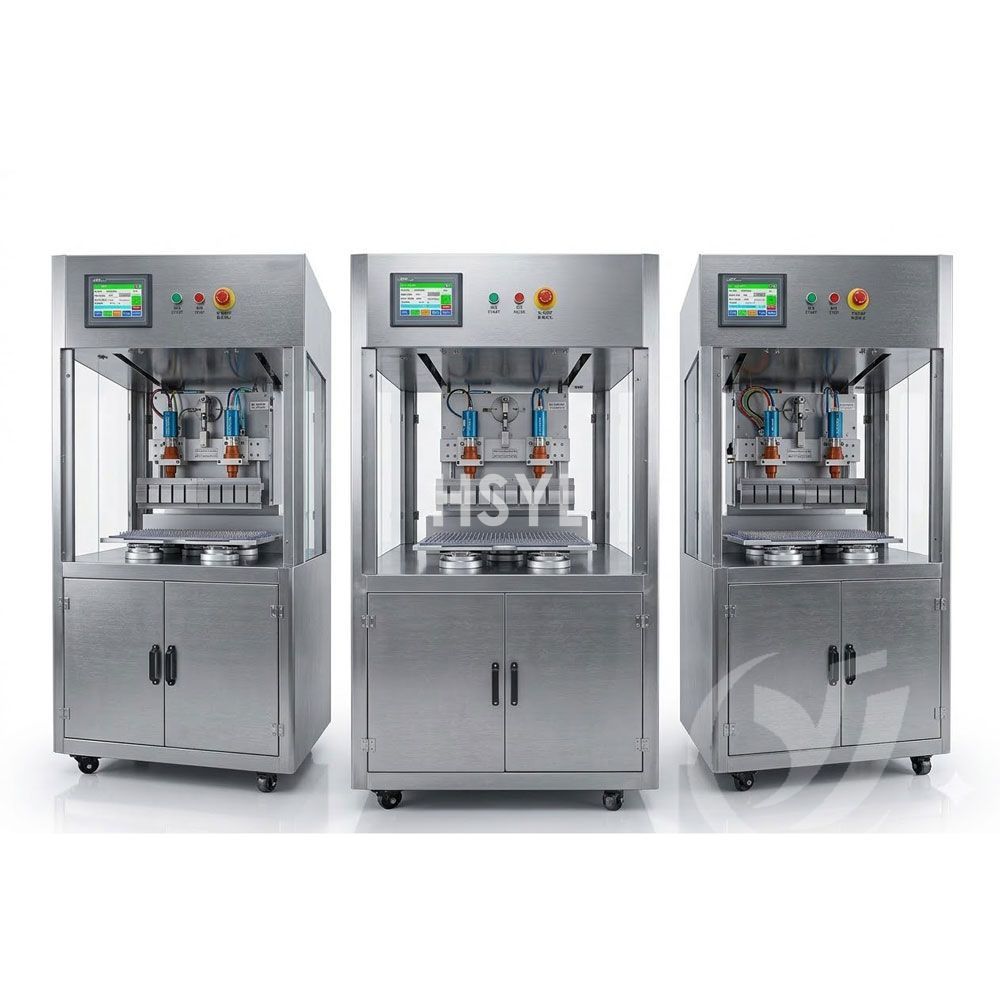 Ultrasonic Automatic Candy Cutting Machine for Bakeries
Ready to go?