
How to Boost the Capacity and Efficiency of Meat Processing Machinery
Introduktion
Improving the capacity and efficiency of meat processing equipment is vital for enhancing a company's competitiveness. This requires a multi-faceted approach, encompassing the machinery itself, operational workflows, staff expertise, and overall management systems. The following are several key strategies and methods for driving these improvements.
1. Optimising the performance of existing equipment
Optimising existing equipment is fundamental to boosting both capacity and efficiency, often delivering substantial gains at a relatively low cost.
Routine Maintenance and Care
Implement a robust maintenance schedule for all equipment, encompassing daily, weekly, monthly and annual servicing.
Ensure all lubrication, cleaning, and inspection tasks are carried out in strict accordance with the manufacturer's guidelines.
Replace worn or ageing components immediately to prevent minor glitches from turning into major breakdowns that cause downtime.
Maintenance requirements for various types of equipment:
- Snijgereedschap (snijmachines, snijders, messen):Besides lubrication and cleaning, you should pay close attention to blade wear, cutting gap adjustments, and the performance of safety mechanisms. For instance, even a slight imbalance or a bit of wear on the blades of high-speed slicers can compromise both cutting quality and overall efficiency.
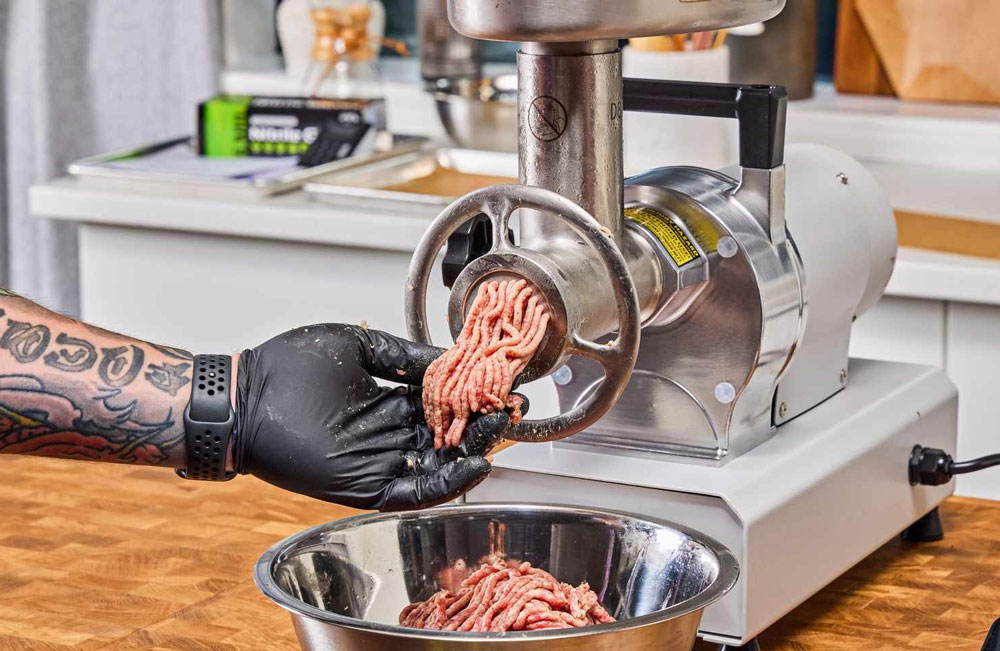
- 研磨設備(研磨機):Keep a regular eye on the sharpness of the grinding plates and blades to maintain optimal grinding efficiency and speed. Ensure the motor bearings are properly lubricated and the cooling system is functioning correctly.
- Blandingsudstyr (Mixere):Kontrollér om rørebladene er slidte eller deformerede for at sikre en ensartet blanding. Hold øje med motoren og gearkassens driftstilstand for at undgå overbelastning.
- Filling Equipment (Stuffers):Keep the hopper clean at regular intervals to ensure both dosing precision and operational speed. Pay close attention to any signs of wear on the pistons or screws.
- Koglerudstyr (komfurer, ovne, røgovne):Ensure the temperature control system is working accurately to guarantee even and efficient cooking. Keep the furnace and flue system clean to prevent carbon buildup from reducing performance.
- VerpakkingsmachinesKontrollér forseglingsmaskinens tætningskvalitet og temperaturstyring for at sikre både emballagens kvalitet og produktionstempoet. Hold særligt øje med systemerne for filmtransport og spændingskontrol.
Computerised Maintenance Management System (CMMS):
Implementing a CMMS allows businesses to plan, monitor, and manage maintenance tasks more effectively, enabling proactive maintenance and minimising unexpected downtime.
Nauwkeurige Kalibratie
Ensure that essential machinery, such as cutting, weighing, and packaging equipment, is calibrated on a regular basis to maintain precision and accuracy, thereby minimising product waste and the need for rework.
Ensure all operations are carried out by qualified technicians using professional calibration equipment.
Eksempler og metoder:
- Kalibrering af vægte:Inaccurate weighing can result in products being either overweight or underweight, which directly impacts both the company's profit margins and customer satisfaction. It is essential that electronic scales and automatic weighing and packaging machinery are regularly calibrated using standard weights.
- Kalibrering af skæreudstyr:例如,切割機刀片間距與切割厚度的精確校準,會直接影響產品的規格與一致性。
- Temperaturstyringssystem kalibrering:Imprecise temperature control in cooking equipment can compromise both product quality and food safety. It is essential to use calibrated thermometers to regularly monitor and adjust temperature control systems.
Kalibreringsfrekvens:
The calibration interval should be decided by taking into account how often the equipment is used, its required level of precision, and the manufacturer's guidance.
Blade Sharpness and Replacement
Keeping your cutting equipment sharp ensures more efficient cuts, minimises damage to the meat, and maintains high product quality.
Create a maintenance schedule for sharpening and replacing blades, ensuring the selection of the most suitable types based on how often they are used and the specific cuts of meat being processed.
Train staff on the correct use and upkeep of blades.
Materialen en Technieken:
- Blade Materials:Depending on the type of meat being processed, different blade materials—such as high-carbon or stainless steel—may be required to maintain optimal sharpness and durability.
- Sharpening Techniques:Train staff in correct sharpening methods or invest in professional-grade sharpening equipment. For certain specialist blades, it may be necessary to use a professional sharpening service.
- Replacement Plan:Establish a precise blade replacement schedule by taking into account cutting volumes, meat types, and blade materials to determine the optimal replacement cycle.
Optimisation of Conveyor Belts and Transport Systems
Check the conveyor belts regularly for tension, wear, and alignment to ensure smooth operation and transport.
Ensure the conveyor belts are kept clean to prevent cross-contamination and any loss of efficiency.
Optimise the transport system layout to minimise material handling distances and time.
Types and Maintenance:
- Verschillende soorten transportbanden:Common conveyor belts used in meat processing consist of modular plastic belts, stainless steel wire mesh belts, and PVC belts, each necessitating specific maintenance protocols. For instance, modular plastic belts require regular checks for worn or loose modules, whereas stainless steel mesh belts must be closely monitored for any signs of breakage or deformation.
- Spændingsjustering:An incorrect level of conveyor belt tension, whether too high or too low, will negatively impact both operational efficiency and the belt's service life. Please ensure adjustments are made in strict accordance with the manufacturer's specifications.
- Rengøring og smøring:Keep conveyor belts clean by regularly removing meat scraps and grease. Additionally, ensure that the drive components of certain transport systems are lubricated on a regular basis.
Automatisering upgrades
Overweeg om de huidige semi-automatische apparatuur te upgraden, bijvoorbeeld door automatische invoer- en uitvoerfuncties toe te voegen.
Integrate sensors and control systems to enable more precise control and operation.
Exemples et avantages :
- Automated Feeding Systems:Integrating automatic feeding systems into cutting machines, grinders, and other machinery can minimise manual intervention, boost productivity, and ensure consistent output.
- Automatiske aflastningssystemer:Once processing is finished, use robotic arms or automated conveyor belts to automatically move the products on to the next stage.
- Sensors and control systemsBy retrofitting existing equipment with sensors—such as weight and dimension sensors—and integrating them into the control systems, you can achieve much finer control and more precise operation, enabling functions like the automatic adjustment of cutting speeds or material thickness.
2. Strategisk udstyrsvurdering og optimering
When current machinery falls short of production demands or becomes inefficient, it is vital to strategically select and upgrade equipment.
Locate Production Bottlenecks
Analyse the production process to identify the bottlenecks and equipment that are restricting capacity.
By collecting and analysing data, you can gain an understanding of the efficiency of each stage and identify potential areas for improvement.
Metoder og værktøjer:
- Værdistrømsanalyse:Identificer spild og flaskehalse ved at kortlægge produktionsflowet.
- Tidstudier:Mål tiden for hvert produktionstrin for at identificere de mest tidskrævende processer.
- Kapacite Analizi:Analyse the theoretical and practical capacity of current equipment to identify any shortcomings.
- Processtimulering:利用软件模拟生产流程,藉此预测不同设备配置下的产能与作业效率。
Invester in higher-capacity equipment
Depending on future production requirements, you may wish to consider upgrading to equipment with greater processing capacity and faster speeds.
例如,將處理量每小時 500 公斤的磨粉機更換為處理量每小時 1500 公斤的機型。
Upgrading from a single-lane packaging machine to a multi-lane high-speed model.
When choosing your equipment, make sure to account for future capacity requirements to ensure you don't run into bottlenecks again in the near future.
Implement Continuous Manufacturing Systems
Consider implementing highly automated, continuous production lines—such as continuous marinating and cooking systems—to replace traditional batch processing methods.
Continuous processing can significantly enhance production efficiency and ensure greater product consistency.
Teknologi og anvendelser:
- Continuoustige Brine-systemer:Gebruik injectie of tumbling om vleesproducten tijdens het continu transport volledig te marineren.
- Continuously operating cooking systems:例如隧道式烤炉和蒸汽加热通道,用于在连续输送过程中对产品进行烘烤。
- Continuous Chilling Systems:Gebruik koelmedia zoals koude lucht of vloeibare stikstof om producten tijdens het continue transport razendsnel af te koelen.
Select equipment with shorter cycle times
When choosing new equipment, ensure you consider the cycle time and opt for machinery capable of completing the same task more quickly.
When assessing equipment, take into account both its processing speed and the time taken for loading and unloading.
For packaging machinery, the cycle time comprises the filling, sealing, and cutting stages.
Select equipment that minimises downtime as much as possible.
Assess equipment footprint
When working with limited floor space, opt for equipment with a compact design and an efficient layout to make the most of your production line's footprint.
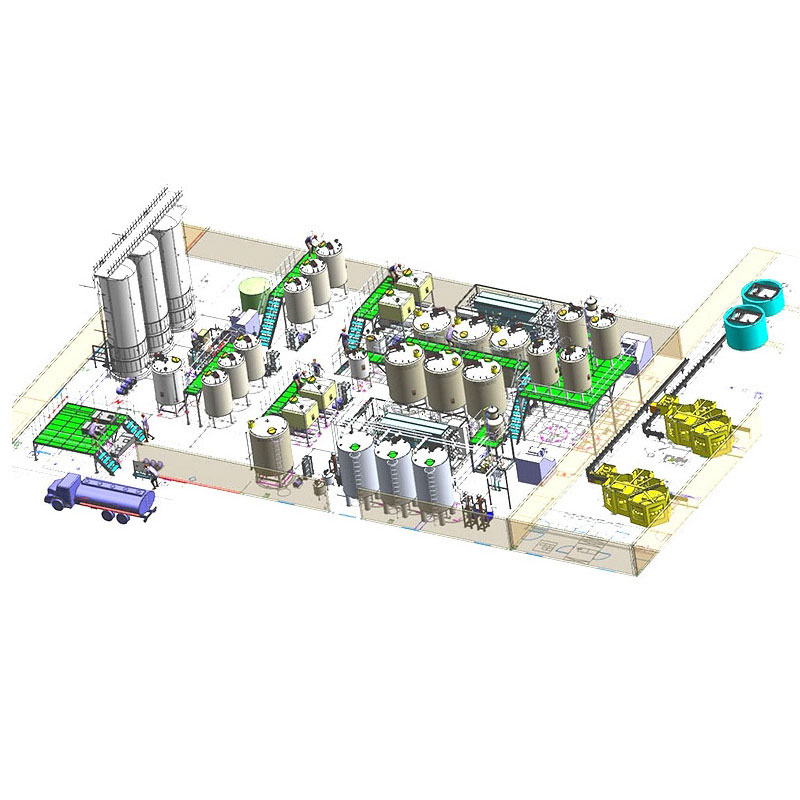
Use 3D layout software to plan your production lines, ensuring optimal equipment positioning and minimising material handling distances.
Take the equipment's maintenance and operating clearances into account.
3. Optimising processes and workflows
It is not enough to simply possess advanced equipment; to truly unlock its full potential, you must implement efficient processing flows and streamlined workflows.
Optimising Material Flow
Design an efficient production line layout to ensure the seamless flow of raw materials, work-in-progress, and finished goods, while eliminating bottlenecks and cross-flow issues.
Utilise advanced material handling equipment, such as automated guided vehicles (AGVs) and lifts, to minimise manual handling.
Design Principles and Tools
- 直线原则:儘量讓物料沿直線流動,以減少回流與交叉現象。
- 最短路径原则:Reduce material handling distances to cut down on time and labour costs.
- Gravitational Principle:Make as much use of gravity as possible when transporting materials.
- Avanceret materielhåndteringsudstyr:例如,可利用升降机将原材料运送至高层加工设备,并借助自动化输送带实现半成品在不同工序间的流转。
Minimising Downtime
Establish a comprehensive equipment maintenance schedule and ensure strict adherence to it, in order to minimise unplanned downtime resulting from mechanical failures.
Optimise equipment replacement and adjustment processes to reduce changeover times.
Set up a rapid response maintenance team to tackle any equipment issues straight away.
Strategiar i narzędzia:
- Præventiv vedligeholdelse:利用感測器數據與分析工具預測潛在的設備故障,並在問題發生前進行預防性維護。
- Hurtig skift:Implement methods such as SMED (Single-Minute Exchange of Die) to reduce changeover times when switching between different product specifications or batches.
- Spare Parts Management:Implement a robust spare parts inventory management system to guarantee the seamless supply of essential components.
Standard Operating Procedures
制定清晰且详尽的标准作业程序,并对员工进行培训,以确保所有操作人员均严格遵守既定规范。
Standardisation can reduce human error, boost equipment efficiency, and enhance product quality.
Metoder og fordele:
- Standard Operating Procedures (SOPs):Draft clear, detailed operating manuals and ensure they are updated regularly.
- Visuel beheer:Use charts, Kanban boards, and other visual aids to display operating procedures and key parameters.
- Pre-job Training and Continuous Professional Development:Provide comprehensive operational training to new recruits and ensure regular upskilling for existing staff.
Implement Data Collection and Analysis
Use sensors, Internet of Things (IoT) technology and similar tools to gather operational data from equipment, including output, speed, energy consumption and failure rates.
Analyse de data om inefficiënte verbindingen en mogelijke verbeterkansen te identificeren.
Use Key Performance Indicators (KPIs) to monitor production efficiency and equipment performance.
Indikatorer og systemer:
- Kerneleistungskennzahlen (KPIs):如單位產品處理時間、設備稼動率、良率、能耗等。
- Dataindsamlingsmetoder:Data can be collected manually, via sensors, or by scanning barcodes.
- Dataanalyseværktøjer:Gebruik tools zoals Excel, SPC-software en MES (Manufacturing Execution System) voor de data-analyse.
Medarbejderuddannelse og kompetenceudvikling
Provide operators with comprehensive training on equipment operation and maintenance to enhance their technical skills and troubleshooting capabilities.
Ensure regular skills refreshes and safety training are carried out.
Indhold og form:
- Udstyrshåndtering og træning:Dækker både udstyrets virkemåde, betingelser for brug samt sikkerhedsforanstaltninger.
- Vedligeholdelsestræning:Inclusief dagelijks onderhoud en eenvoudige probleemoplossing.
- Food Safety and Hygiene Training:Make sure all staff are fully aware of, and strictly adhere to, the relevant food safety and hygiene standards.
- Training Formats:Diverse approaches can be used, including classroom-based training, on-site mentoring, and online learning.
4. Verbeter de hygiëne en de efficiëntie van het schoonmaken
Effective cleaning and hygiene protocols not only safeguard food safety but also minimise downtime and boost production efficiency.
Implement Efficient Cleaning Procedures
Establish standardized, detailed protocols for cleaning and disinfection to ensure full compliance with food safety regulations.
Optimise cleaning processes to reduce both cleaning time and water consumption.
Use effective cleaning products and equipment.
Procedures and tools:
- Dry Cleaning: Remove as much solid residue as possible from equipment and floors before wet cleaning.
- Pre-Rinse:Rinse the surfaces of the equipment with clean water to remove any remaining residue.
- Anvendelse af vaskemiddel:Choose the right detergent and use it according to the recommended dosage and contact time.
- Rinse:Rinse all equipment surfaces thoroughly with clean water to ensure all detergent residue is removed.
- Desinfektion:Use disinfectants to clean equipment surfaces.
- Tørring:Keep equipment surfaces as dry as possible to prevent microbial growth.
- Cleaning Equipment:Use tools that are easy to clean and disinfect, such as high-pressure water jets and foam cleaners.
Overweeg het gebruik van CIP-systemen (Clean-in-Place)
對於某些設備(例如管道和儲罐),建議考慮使用在線清洗(CIP)系統進行自動化清潔,以減少人工干預,並提升清洗的效率與效果。
CIP 系統之組成要素與優勢:
- CIP Systemkomponenten:Omvat doorgaans opslagtanks voor reinigingsvloeistof, pompen, kleppen, sproeikoppen, leidingen en controlesystemen.
- Voordelen van het CIP-systeem:Highly automated with a consistent, dependable cleaning performance, this system minimises manual intervention, reduces cleaning times, and lowers water and chemical consumption.
Minimiser rengingstiden
Plan cleaning schedules sensibly to ensure production runs smoothly and is minimally disrupted.
Designed for rapid assembly and disassembly.
Use automated cleaning equipment.
Planlægning og teknologi:
- 合理清洁计划:Plan cleaning tasks to take place during production breaks or outside of production hours.
- Design for rapid assembly and disassembly:Select equipment that is easy to dismantle and reassemble to make cleaning straightforward.
- Automatisk rengøringsudstyr:Utilise automated cleaning machinery, such as automatic floor scrubbers and high-pressure cleaning robots.
5. Teknologisk integration og innovation
The introduction of advanced technology is a key driver in enhancing both the capacity and efficiency of meat processing equipment.
Introduction to Robotics and Automation
For repetitive and labour-intensive tasks, such as cutting, sorting, and packaging, industrial robots should be implemented to enhance both efficiency and precision.
Automation can lower labour costs and reduce human error.
Gebruikscasussen:
- Automatisk udskæring og benløsning:Robots can precisely portion meat and debone carcasses, increasing both efficiency and yield.
- Automatisk beskæring:Ved hjælp af visuel genkendelsesteknologi kan robotter automatisk fjerne overskydende fedt og bindevæv.
- Automatisk kassefyldning og palletering:Robots can rapidly and precisely pack goods into cartons and stack them onto pallets.
Implement Computer Vision and AI
Using computer vision technology for product quality inspection, grading, and foreign object detection.
利用人工智慧技術來優化生產計畫,並預測設備故障。
Qualitätssicherung und Optimierung:
- Kvalitetskontrol:Utilise computer vision technology to identify product colour, dimensions, shape, and any surface imperfections.
- Analyse de la teneur en matières grasses :Use image analysis technology to provide rapid and precise assessments of fat content in meat products.
- Præventiv vedligeholdelse:Gebruik AI om operationele gegevens van apparatuur te analyseren, mogelijke defecten te voorspellen en preventief onderhoud uit te voeren.
- Efterspørgselsprognoser og optimering af produktionsplanlægning利用人工智慧分析历史数据与市场趋势,以优化生产计划并降低库存积压。
Internet of Things (IoT) og fjernovervågning
Via sensors and network connectivity, monitor equipment status, key parameters, and production data in real time.
Enable remote fault diagnosis and predictive maintenance.
Datadrevne beslutninger:
- Realtidsdatainhämtning:Real-time data on equipment operating status, temperature, pressure, flow, and other parameters is collected via sensors installed on the machinery.
- Fjernovervågning og -diagnostik:Managers can remotely monitor equipment performance via computers or mobile devices, allowing them to identify and diagnose issues instantly.
- Databehandling og rapporteringAnalyse de verzamelde gegevens en stel rapporten op om een basis te bieden voor managementbeslissingen.
6. Energie-efficiëntie
Improving energy efficiency can not only reduce operating costs for businesses but also help protect the environment.
Opt for energy-efficient appliances
When choosing new equipment, take its energy efficiency rating and power consumption into account.
Tekniske indikatorer:
- Hold an eye on the equipment's energy efficiency rating label.
- Select motors fitted with variable frequency drives (VFDs) to allow for speed adjustments based on actual requirements, which helps to reduce energy consumption.
- Select cooking and freezing equipment with high-quality insulation to minimise energy loss.
Optimising Energy Consumption
Plan production schedules effectively to prevent equipment from sitting idle for extended periods.
Ensure the equipment's electrical and refrigeration systems are regularly inspected and maintained to guarantee optimal performance.
Make use of natural light to brighten the space and cut down on artificial lighting.
Install intelligent lighting control systems to adjust brightness levels based on real-time requirements.
Technical Specifications:
- Plan production schedules effectively to prevent equipment from sitting idle for extended periods.
- Ensure the equipment's electrical and refrigeration systems are regularly inspected and maintained to guarantee optimal performance.
- Make use of natural light to brighten the space and cut down on artificial lighting.
- Install intelligent lighting control systems to adjust brightness levels based on real-time requirements.
Energiaudits
Conduct regular energy audits to identify high-consumption areas and implement effective energy-saving measures.
7. Minimising waste and making use of by-products
By minimising waste during production and making much better use of by-products, companies can significantly boost both their overall efficiency and long-term sustainability.
Implement Waste Tracking and Analysis
Record and analyse the types and volumes of waste generated at various stages of the process to pinpoint the root causes of waste generation.
Optimising Trimming Processes
Train staff in correct butchery techniques to reduce meat wastage.
Explore the potential of by-product utilisation
- Bones and OffalKan koges til benfond eller forarbejdes til dyrefoder.
- 肥胖:Kan gennemgå en proces for at udvinde olie til industriel brug eller som dyrefoder.
- Scraps:Suitable for making minced meat or other low-value-added products.
- Partner with specialist firms for professional by-product processing.
Conclusie: Altijd streven naar verbetering
Enhancing the capacity and efficiency of meat processing equipment is an ongoing process of continuous improvement. It demands sustained, multi-faceted efforts from enterprises across several key areas, including machinery, production processes, staff training, and technological innovation. By implementing rigorous management, embracing cutting-edge technology, and maintaining a meticulous attention to detail, meat processing companies can gain a competitive edge in a crowded market and achieve long-term, sustainable growth. Ultimately, success is not built overnight; it is the result of constant learning, practical application, and a steadfast commitment to innovation that drives significant breakthroughs in both output and efficiency.
Essential Reading for Fast Food and Restaurant Chains Owners
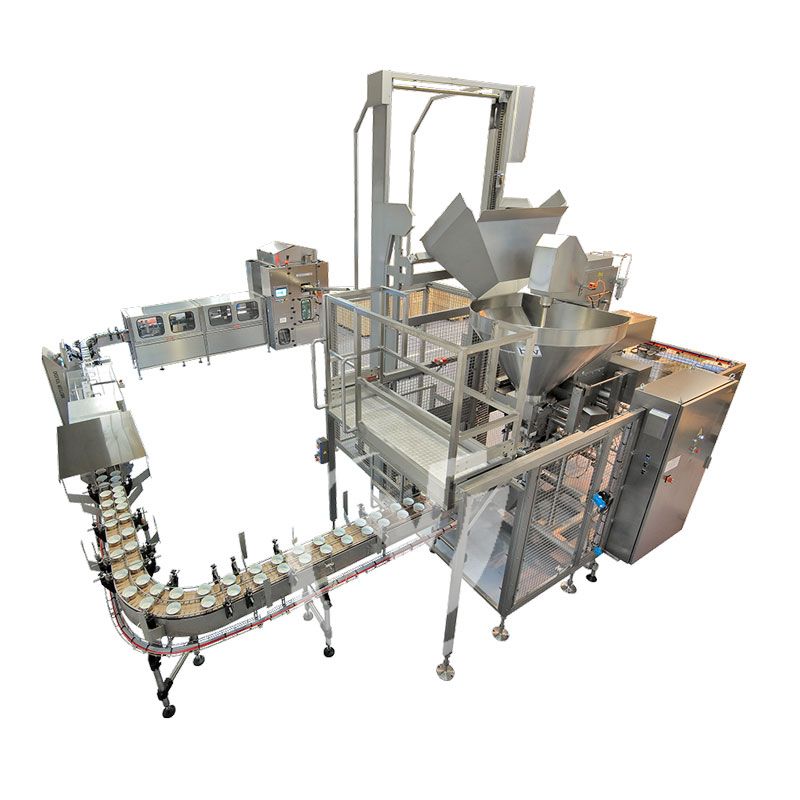
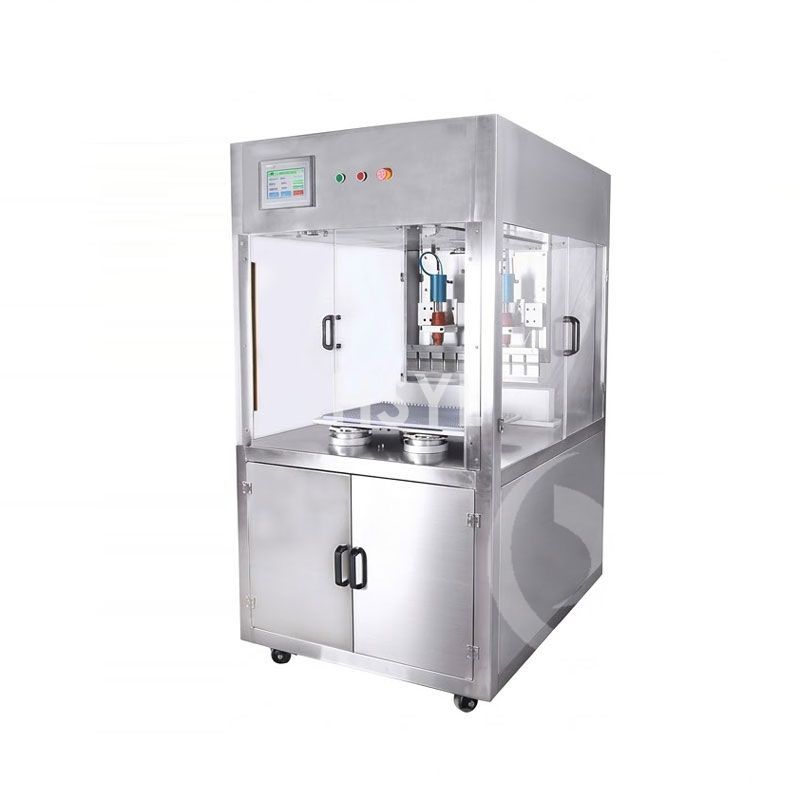

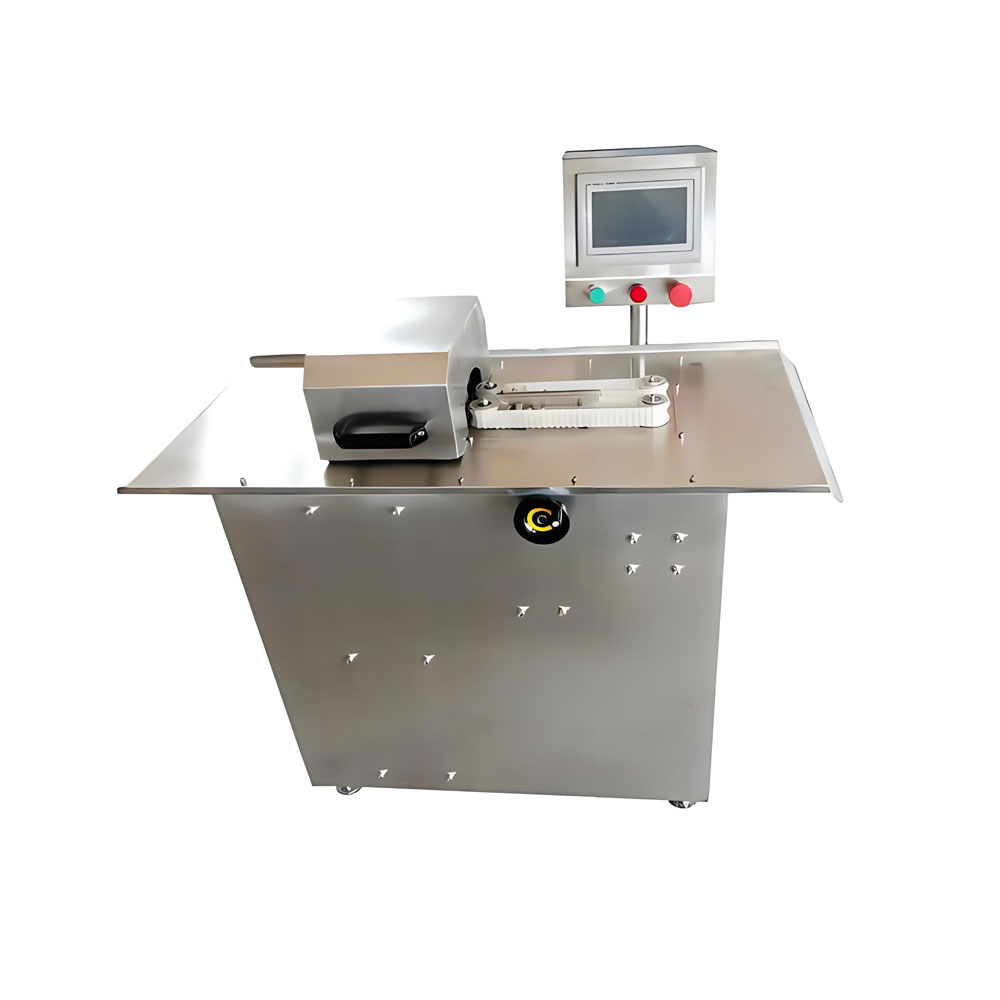
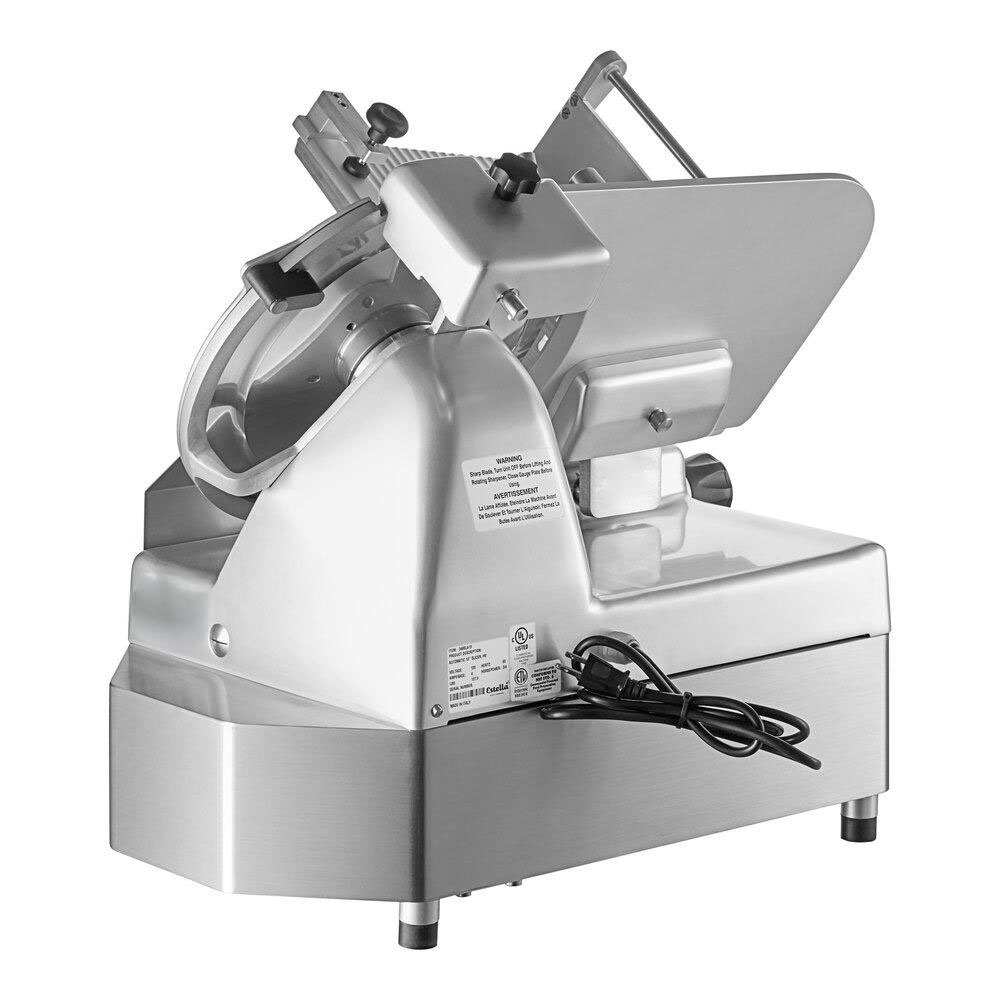
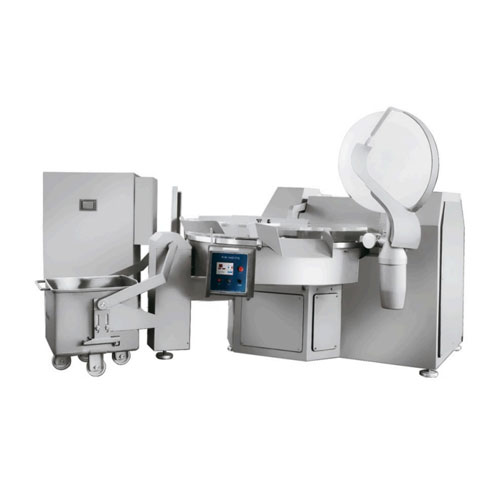
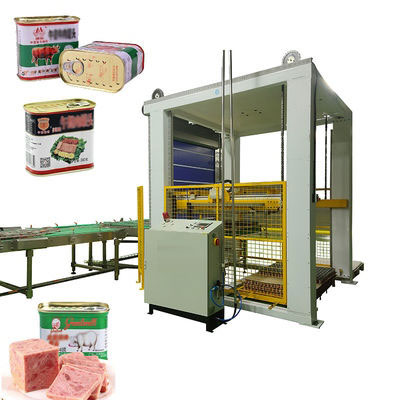 Processed Meat Production Line
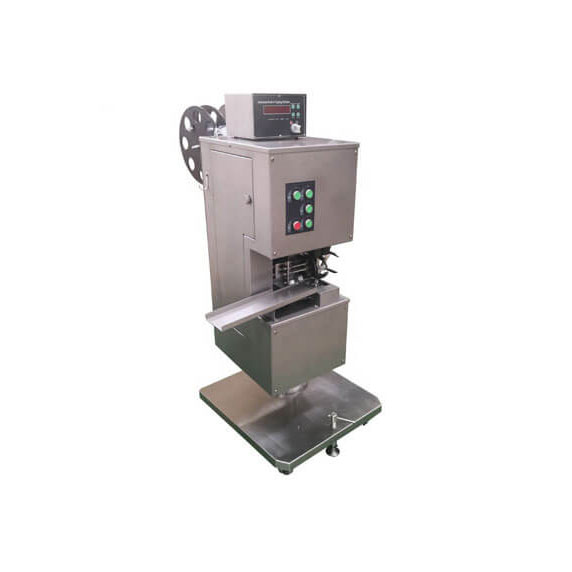 Automatische Wurstschneidemaschine
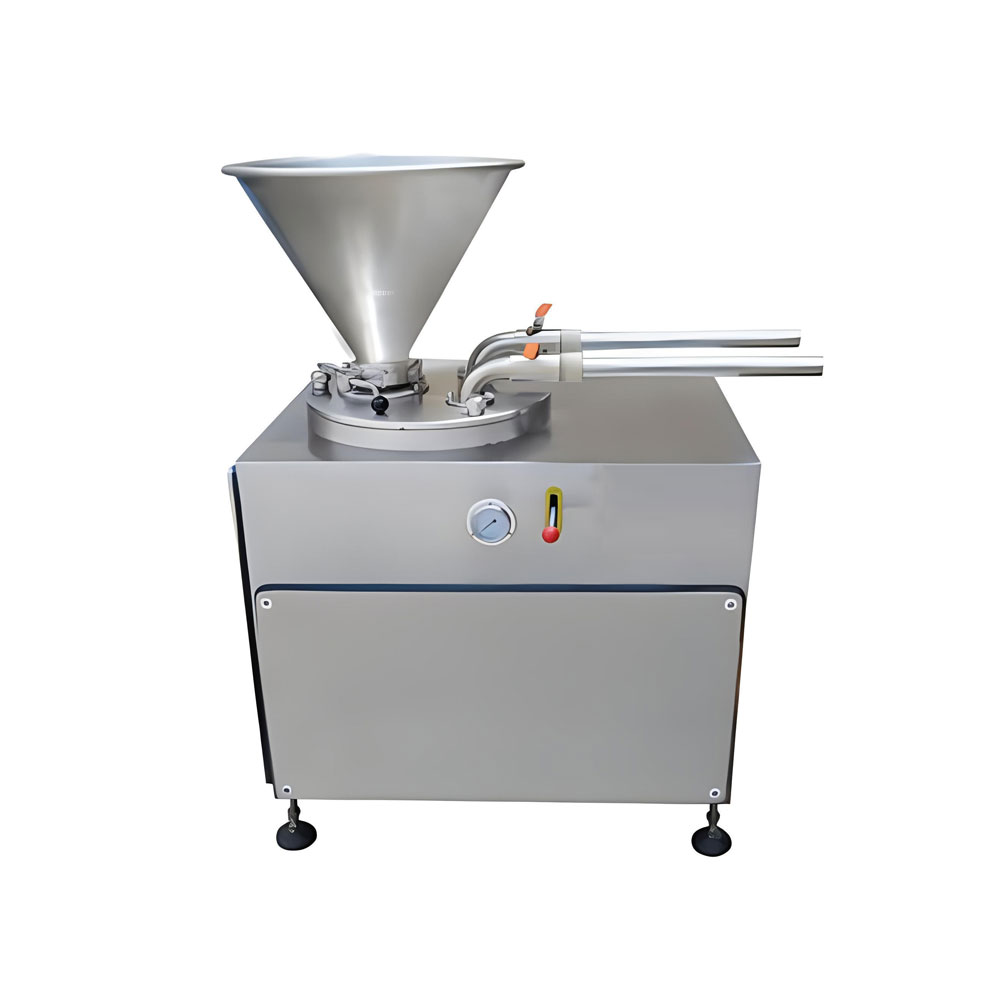 Hydraulic Sausage Stuffer
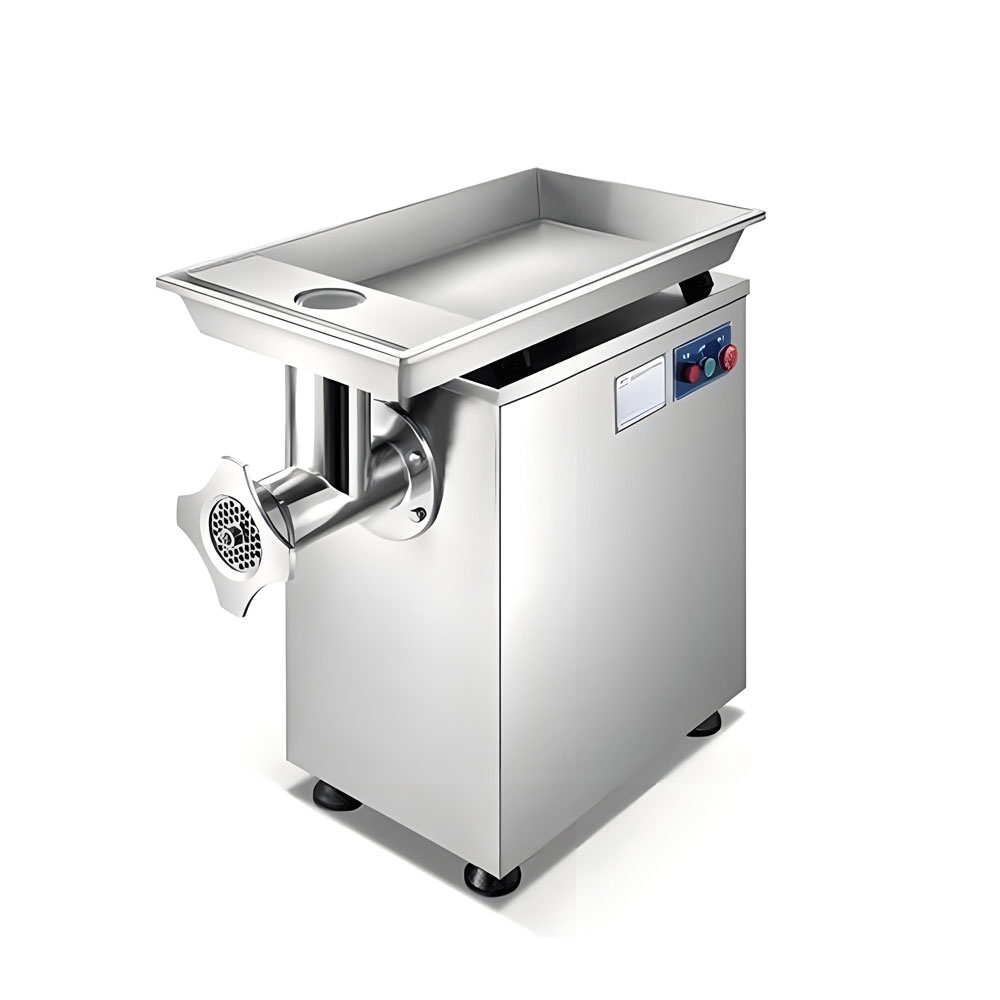 Meat Grinder
Ready to go?