
Hygiene Standards for Sauce Production Lines
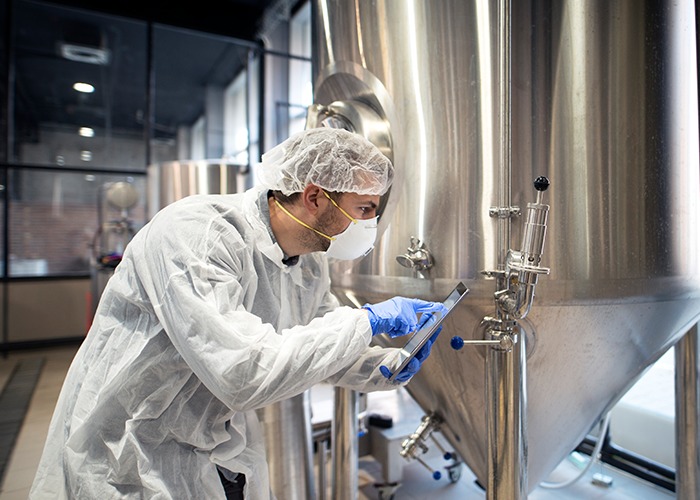
Maintaining rigorous hygiene standards throughout sauce production lines is vital for ensuring food safety, product quality, and full regulatory compliance. Adhering to strict sanitation protocols prevents contamination, extends shelf life, and fosters consumer confidence. This comprehensive guide explores the essential aspects of maintaining these standards in sauce manufacturing, covering best practices, equipment hygiene, staff training, and compliance with industry regulations.
Why Hygiene Matters in Sauce Production
Hygiene in sauce production goes far beyond mere cleanliness; it is about preventing contamination to ensure that every single product leaving the facility is perfectly safe for consumption. Contaminants, whether they be microorganisms, chemicals, or physical hazards, can all compromise the safety of the final product.
Hovedelementer i en sanitetplan
Sanitatsioonist Standardne Operatsiooniprotseduur (SSOP)
SSOPs sind detaillierte, schriftlich festgelegte Anweisungen zur Reinigung und Desinfektion von Geräten, Utensilien und Oberflächen. Diese Verfahren müssen die Reinigungsintervalle, die anzuwendenden Methoden, die benötigten Chemikalien sowie die verantwortlichen Personen festlegen.
Regular Cleaning and Sanitising Schedule
A well-structured cleaning schedule ensures that every part of the production line is cleaned regularly. This schedule should include daily, weekly, and monthly tasks, addressing different levels of cleaning needs.
Effektive Reinigungsmittel
It is vital to select the right cleaning agents. These must be food-grade, capable of tackling a wide range of pathogens, and suitable for use with the specific materials of the equipment being cleaned.
Best Practice for Equipment Hygiene
Voorbereiding op de reiniging
Før rengøringen går i gang, skal alle rester af sauce fjernes, og udstyret skal skilles ad efter behov. Dette sikrer, at rengøringsmidlerne kan nå alle overflader.
Hand cleaning versus CIP (Clean-in-Place) systems
Depending on the equipment, you can either clean it manually or use an automated CIP system. Manual cleaning works well for small or intricate parts, whereas CIP systems are the go-to solution for larger, fixed machinery.
Sanitisation
Når rengøringen er fuldført, skal der påføres en egnet desinfektionsløsning for at dræbe eventuelle resterende mikroorganismer. Sørg for, at desinfektionsmidlet er godkendt til fødevarekontakt, og overhold den anbefalede virketid.
Efterrengøringsinspektion
Effectuez un contrôle approfondi pour vous assurer que toutes les surfaces sont propres et exemptes de tout résidu. Utilisez des écouvillons ou des tests ATP pour vérifier l'absence de matières organiques résiduelles.
Staff Training and Hygiene
Staff Training Schemes
Regular training sessions should be held to ensure staff are fully aware of proper sanitation procedures, the vital importance of hygiene, and how to spot potential contamination risks.
Personlig hygiejne
Staff must adhere to rigorous personal hygiene standards, which include frequent hand washing, wearing clean uniforms, and using hairnets and gloves. It is vital to prevent cross-contamination.
Health Screening
Regular health checks for staff can help stop illness spreading around the premises. Employees must report any signs of being unwell straight away.
Regulering og overholdelse af regler
Food Safety Modernization Act (FSMA)
I USA har FSMA fastlagt strenge standarder for fødevareproduktionsfaciliteter. Overholdelse af reglerne indebærer regelmæssige auditeringer, føring af journaler og overholdelse af fastlagte hygiejnepraksisser.
危害分析重要管制點 (HACCP)
Implementing a HACCP plan helps to identify and control potential hazards throughout the production process, with sanitation being a critical component of this plan.
Global Food Safety Initiative (GFSI)
For facilities looking to gain international recognition, adhering to GFSI standards ensures that their hygiene and sanitation practices meet global benchmarks.
Gedetailleerde reinigingsprotocollen voor apparatuur voor sausproductie
Mixers and Blenders
Mixers and blenders must be stripped down and thoroughly cleaned after every batch. Take extra care with the blades and seals, as these are common areas for residue build-up.
Varmevekslere
Heat exchangers need to be descaled and sanitised on a regular basis. CIP systems are frequently employed for this, ensuring that all internal surfaces are thoroughly cleaned.
灌装機
Filling machines must be cleaned at the end of every production run. Ensure that all nozzles are completely clear of any residue and that all contact surfaces have been thoroughly sanitised.
Transportbånd
Conveyorbånd skal rengøres regelmæssigt, især de områder, hvor der kan opsamle sig og løbe sauce. Brug kun fødevaregodkendte rengøringsmidler, der ikke beskadiger båndets materiale.
Overvågning og Verificering
Mikrobiel onderzoek
Regular microbial testing of equipment surfaces and finished products can help verify the effectiveness of cleaning protocols. Swab tests and contact plates are commonly used methods.
Miljøovervågning
By monitoring the production environment, specifically air quality and surface contamination, we can ensure the facility remains free from any potential contaminants.
Arkivering
Keep a detailed log of all cleaning and sanitisation tasks. This documentation is vital for audits and to prove that you are meeting all regulatory standards.
Avancerede sanitære teknologier
UV-sanitisinging
UV-lys kan användas för att sterilisera både utrustningens ytor och luften i produktionsanläggningen. Det är ett effektivt sätt att bekämpa ett brett spektrum av patogener utan att behöva använda kemikalier.
Ozonisatie
Ozone is a potent oxidising agent, ideal for sanitising both water and air within the facility. It leaves behind no chemical residue and is highly effective.
Automatiserede rengøringssystemer
Automated systems, such as robotic cleaners and advanced CIP systems, can improve both the efficiency and the consistency of cleaning processes.
Hygienic Challenges and Solutions in Sauce Manufacturing
残留物堆積
Sauce production often leaves behind thick, sticky residues that can be a real pain to get rid of. Using the right cleaning agents and techniques can help ease the problem.
Risks of Cross-contamination
Strict adherence to hygiene standards and comprehensive staff training are essential to minimising the risk of cross-contamination between different batches and ingredients.
Reguleringer
Keeping up to date with changes in food safety regulations and adjusting your practices accordingly is vital to ensuring continuous compliance.
Conclusie: Het waarborgen van een veilige en kwalitatieve sausproductie
Maintaining rigorous hygiene standards across sauce production lines is essential to guaranteeing product safety and quality. By implementing robust sanitation protocols, providing effective staff training, and strictly adhering to regulatory requirements, manufacturers can prevent contamination, safeguard consumer health, and establish a reputation for excellence and reliability.
Essential Reading for Fast Food and Restaurant Chains Owners
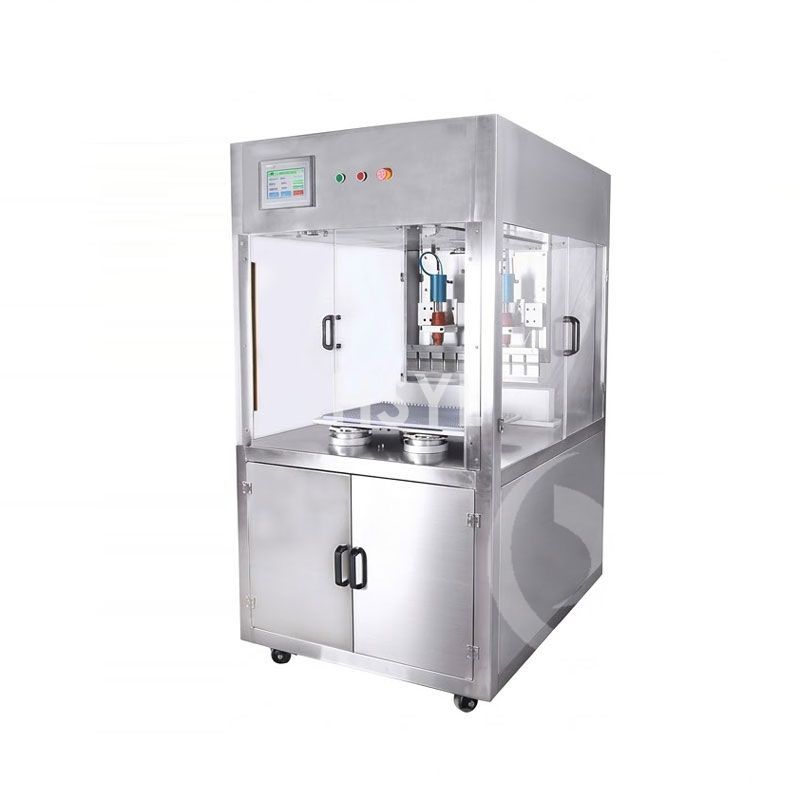

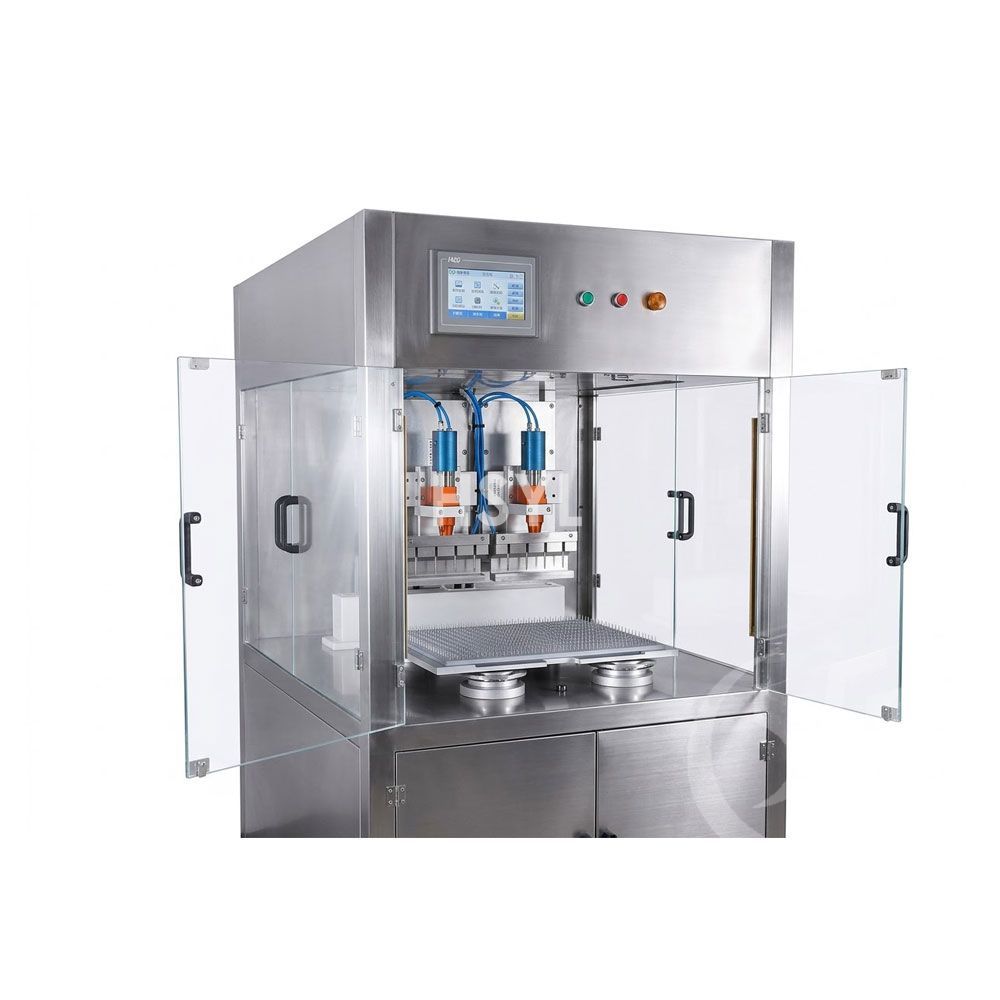 Ultrasonische snijmachine voor koekjes en biscuitjes
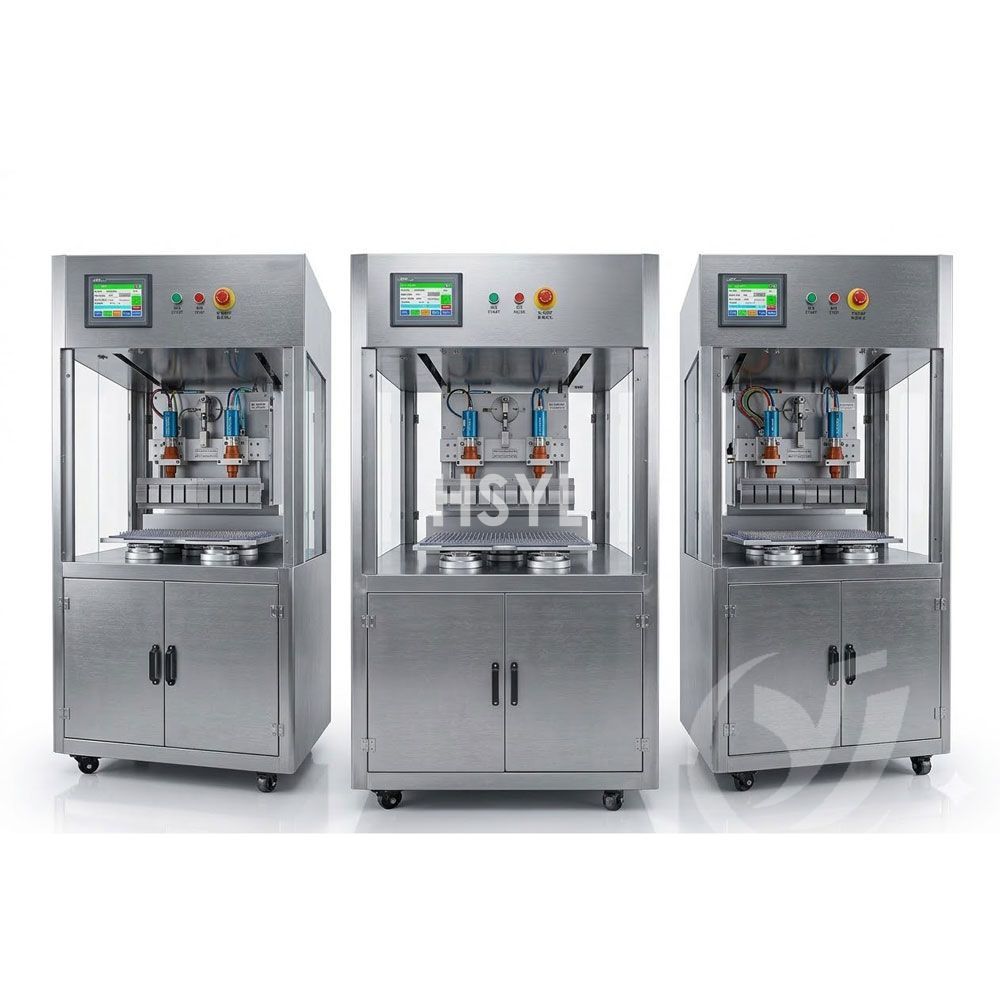 Ultrasonic Automatic Candy Cutting Machine for Bakeries
Ready to go?