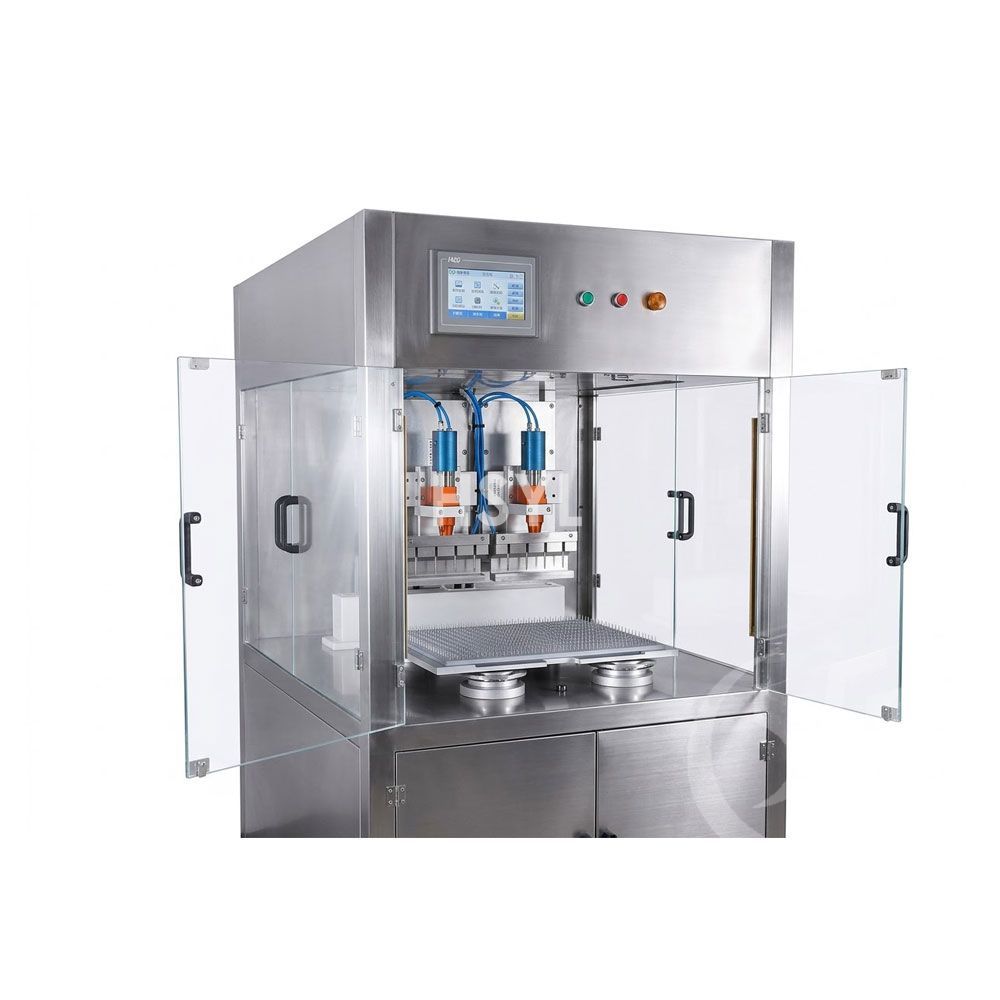
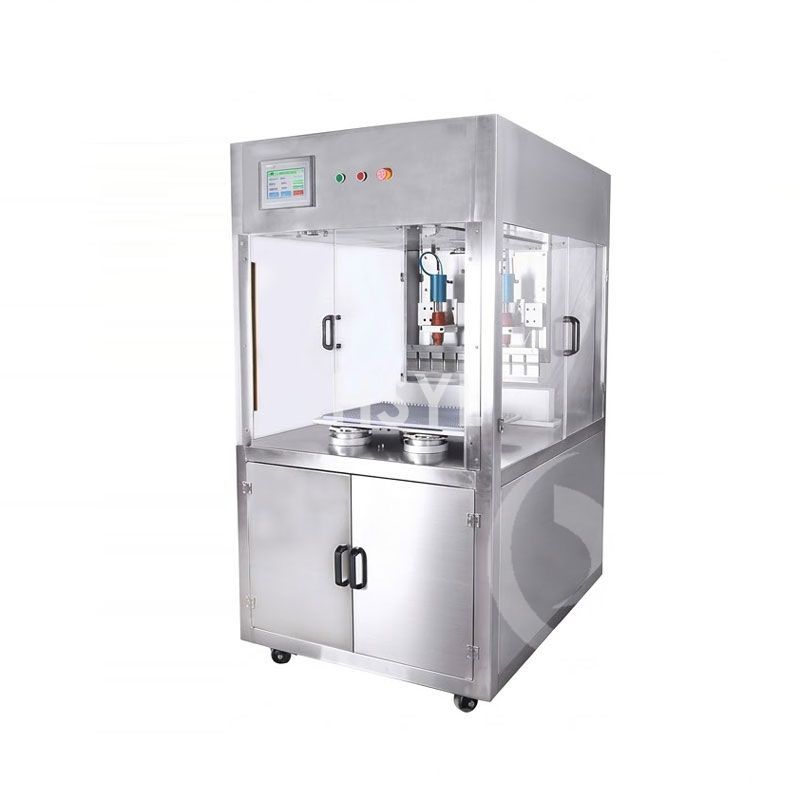
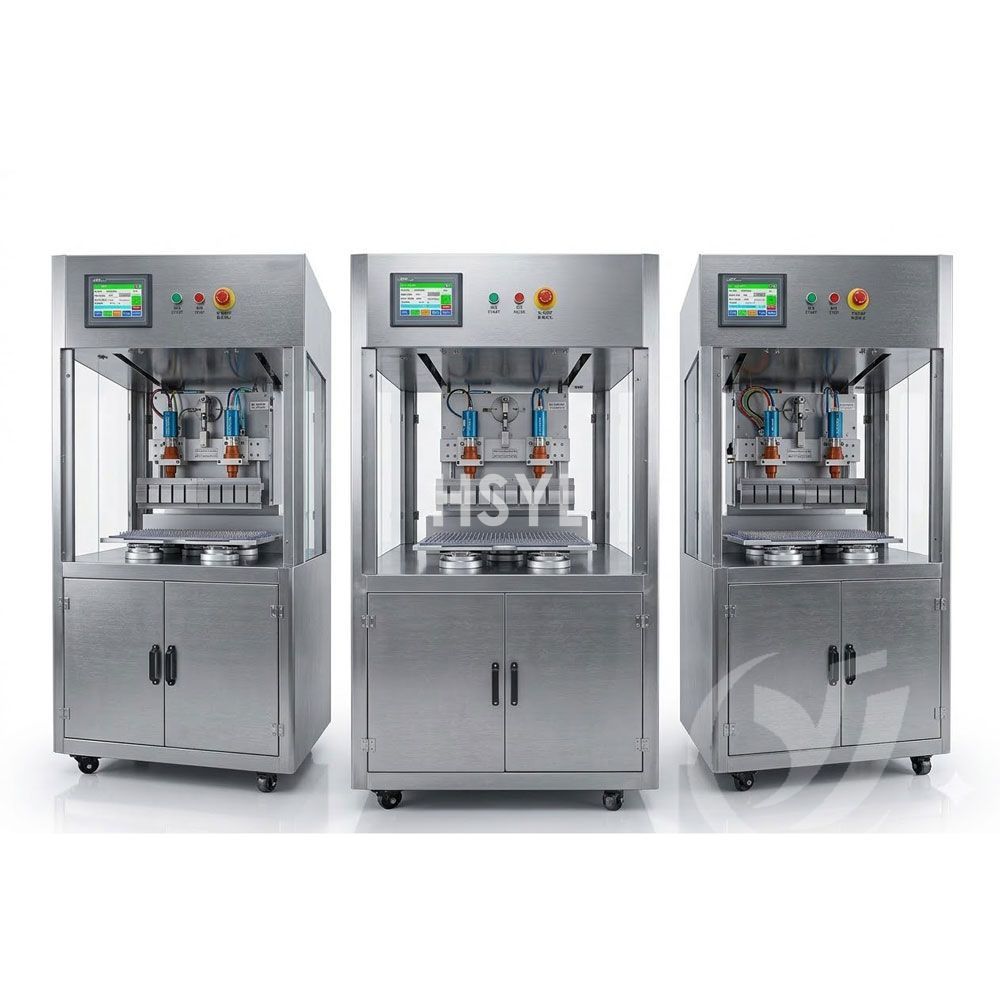
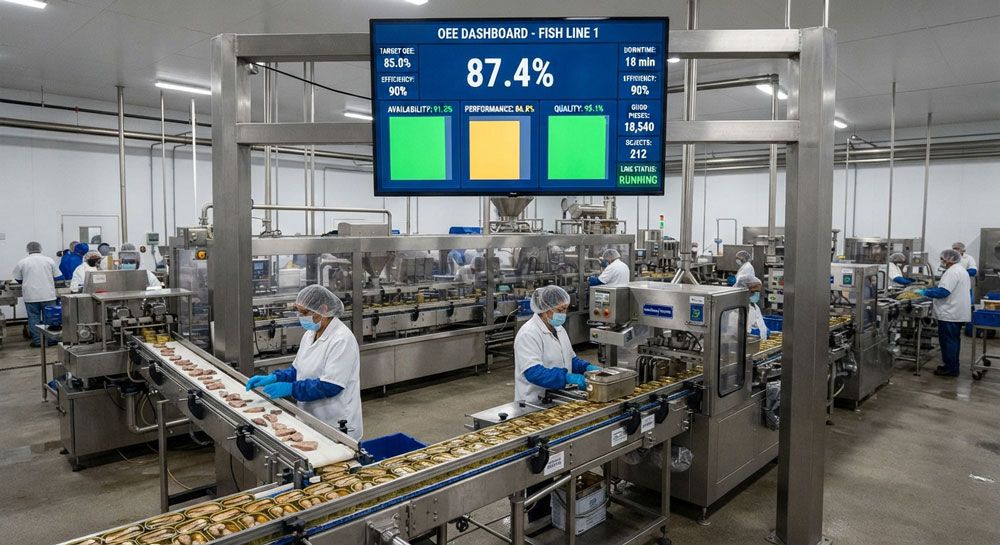
Tomato Sauce Machine
We Are Not Only Capable Of Selling Products, But Also Have The Ability To Undertake Full Turnkey Projects.

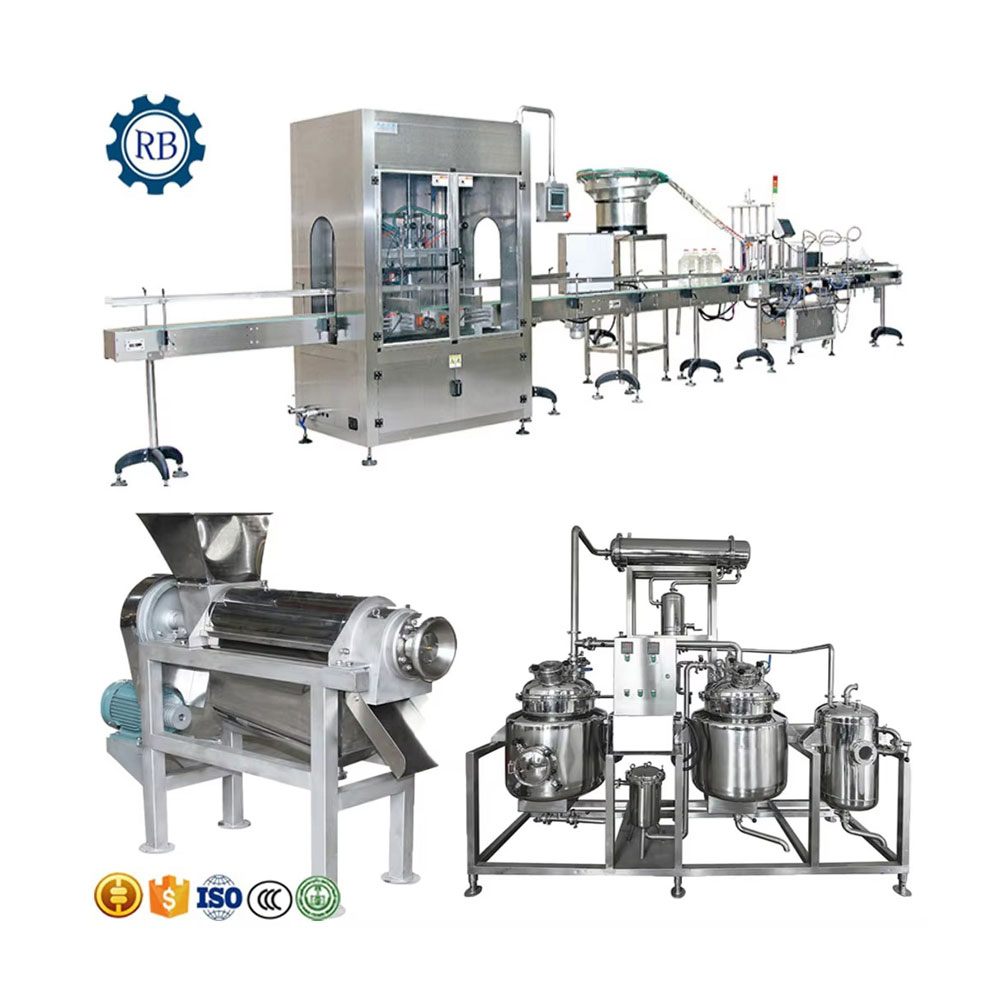
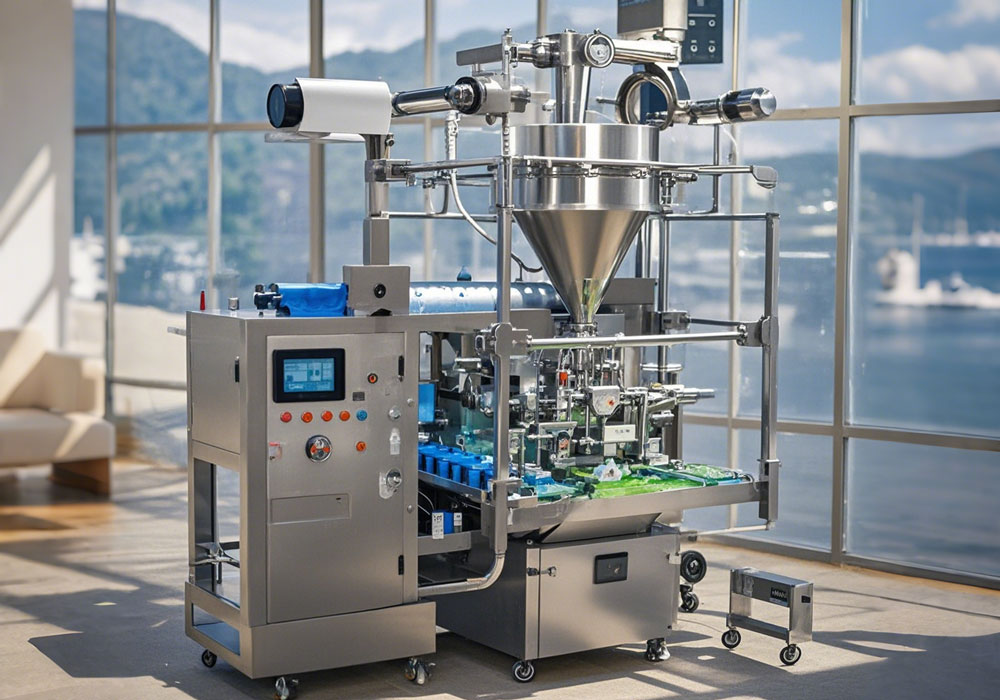
Our tomato sauce processing equipment is designed for efficiency, hygiene, and flexibility. From washing, peeling, pulping, cooking, seasoning to packaging, all steps are automated, making it suitable for food factories, restaurants, and OEM/ODM production.
Durable Stainless Steel: Ensures hygiene, long service life, and compliance with international food safety standards.
Fully Automated Workflow: Covers washing, pulping, cooking, sterilization, and packaging with one-touch operation.
Flexible Customization: Adjustable for different tomato varieties and sauce consistency. Supports OEM/ODM solutions.
Energy Saving & Eco-Friendly: Optimized heating and cooling systems reduce energy costs and support sustainable production.
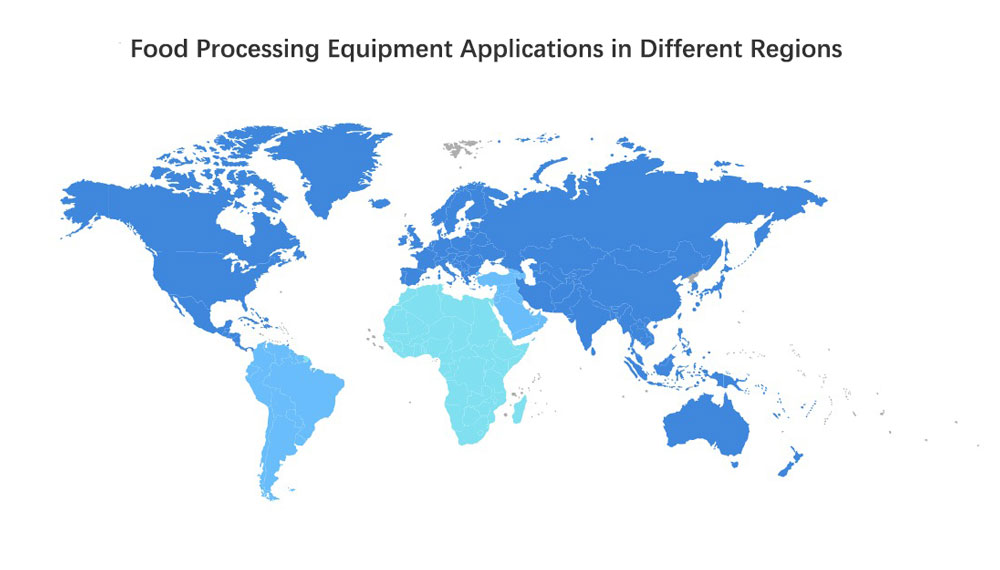
Our automatic tomato sauce machine is widely used in:
Food processing plants — large-scale continuous production
Commercial kitchens & restaurant chains — standardized sauce supply
OEM/ODM production — customized packaging solutions
Start-up projects — small-scale customized sauce production
The machine integrates all key stages of tomato processing:
Washing & sorting
Peeling & pulping
Concentration & seasoning
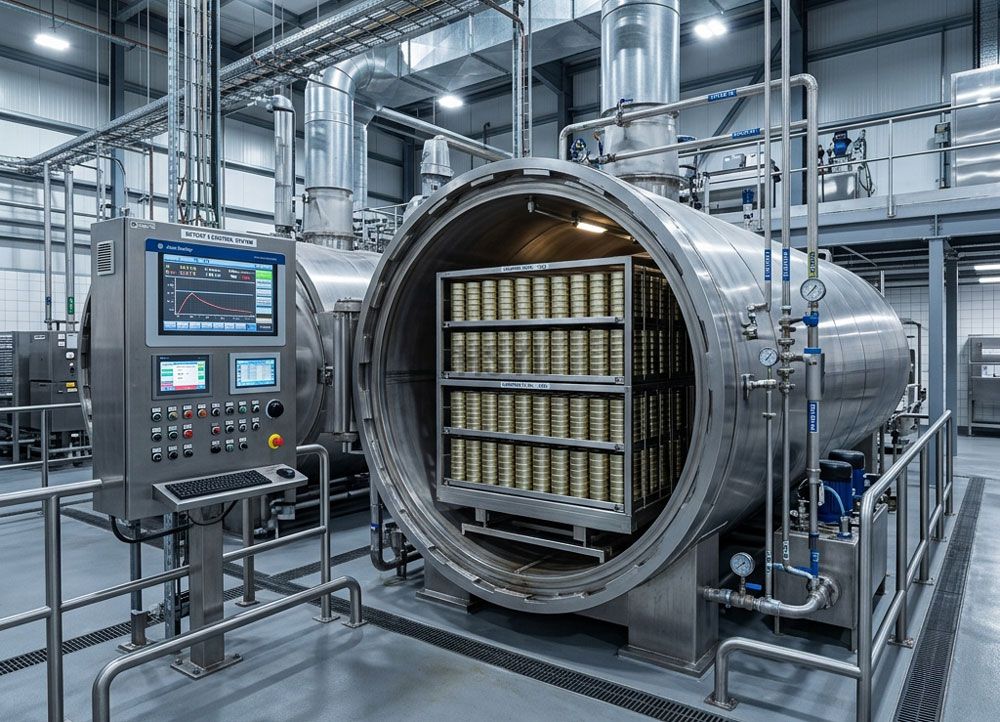
Sterilization & cooling
Automatic packaging (bottles, pouches, or cans)
The TPR-5000 accommodates both major tomato processing philosophies depending on the upstream thermal treatment applied before pulping.
In Hot Break processing, crushed tomatoes are rapidly heated to 85 to 95 degrees Celsius before entering the pulper. This immediate thermal shock deactivates pectinase enzymes that would otherwise hydrolyze the natural pectin chains, producing a thick, viscous sauce with high natural body. Hot break sauce is the industrial standard for concentrated paste and ketchup production where viscosity commands market value.
In Cold Break processing, crushed tomatoes are held below 65 degrees Celsius, preserving the natural enzymatic pectin degradation. The resulting sauce is thinner, with a brighter fresh-tomato flavor and superior lycopene bioavailability. Cold break is preferred for premium juice, fresh passata, and health-oriented products marketed on nutritional density. The TPR-5000 handles both temperature regimes without modification — the only variable is whether the upstream crusher-heater system delivers hot or ambient-temperature fruit to the intake hopper.
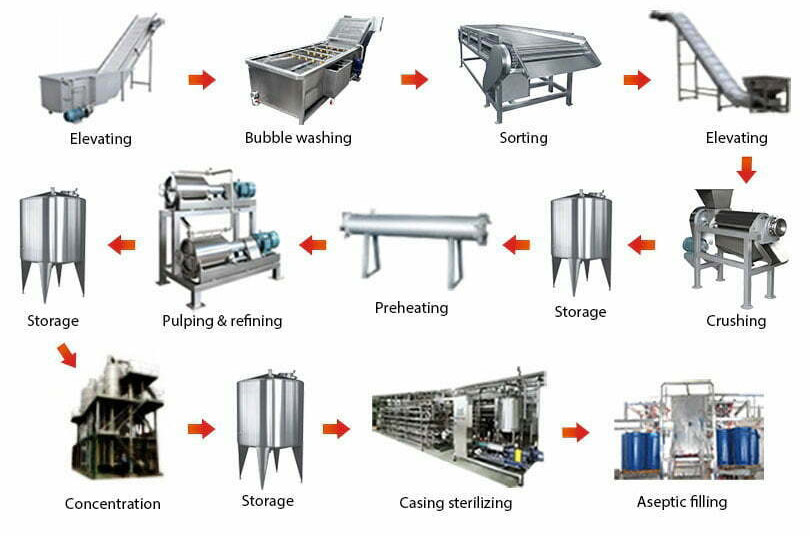
Raw tomatoes arrive at the facility, pass through bubble washers, roller sorters, and stem removers before reaching the TPR-5000. Refined sauce exiting the machine is pumped to downstream processing stages that vary by final product format. For concentrated paste, the sauce feeds into multi-effect vacuum evaporators that raise the Brix from the natural 4.5 to 5.5 range up to 28 to 36 Brix commercial paste concentration. For bottled passata or canned sauce, the refined output routes directly to pasteurization tunnels and filling lines. Facilities building complete tomato processing line operations position the TPR-5000 as the central extraction node connecting the raw material preparation department to the thermal concentration and packaging departments. The machine also functions within broader Turnkey tomato sauce production plant configurations that we engineer and commission as complete integrated facilities.
Tomato processing is intensely seasonal. Facilities operate at maximum capacity for 60 to 90 days during harvest, then shut down for the remainder of the year. Equipment must withstand brutal continuous duty during the campaign and survive extended dormant storage without corrosion degradation. The TPR-5000 addresses both demands through its SUS316L product-contact surfaces, which resist the aggressive acidity of tomato juice (pH 3.5 to 4.5) far more effectively than standard SUS304 grades. All internal welds are orbital-welded and electropolished to prevent crevice corrosion during off-season storage. For daily mid-campaign cleaning, the removable screen and open-access paddle chamber flush clean in under 20 minutes using a high-pressure water lance. A full end-of-season preservation protocol involving food-grade mineral oil coating of all machined surfaces is documented in the technical manual supplied with every unit.
Must-read blogs for bosses