
מה העלות של השקעה בקו ייצור של מוצרי שימורים?
בתעשיית ייצור המזון הצומחת במהירות של ימינו,ייצור מזון משומרנותר אחת ההשקעות העסקיות הרווחיות והיציבות ביותר. עם הגידול בביקוש העולמי למוצרי מזון בעלי חיי מדף ארוכים, השקעה ב-פס ייצור של מוצרים משומריםהפך לאופציה אטרקטיבית עבור יצרנים ברחבי העולם. עם זאת, אחת השאלות הנפוצות והמהותיות ביותר שיזמים ומשקיעים שואלים היא:
👈״כמה עולה להקים קו ייצור של מוצרי שימורים?״
התשובה תלויה במספר גורמים - כגון כושר ייצור, רמת אוטומציה, סוג מוצר ותקני איכות. במדריך מקיף זה, נפרקאת מבנה העלויות, הגורמים המשפיעים, טווח ההשקעה, ציפיות החזר ROI וטיפים לייעול עלויותבעת הקמת קו ייצור של מזון משומר.
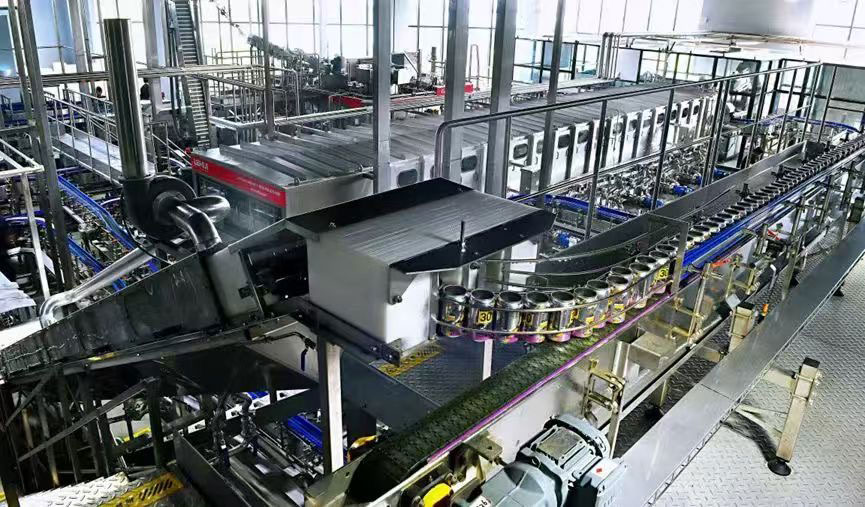
1. סקירה כללית: מדוע כדאי להשקיע בקו ייצור של שימורי מזון?
לפני שניכנס למספרים, בואו נביןלמהייצור מזון משומר ממשיך להיות השקעה משתלמת ועמידה לעתיד.
1.1 ביקוש וצמיחה בשוק
שווי שוק השימורים העולמי מוערך ביותר מ-100 מיליארד דולר אמריקאי, והוא ממשיך להתרחב עקב:
ביקוש גובר ל-מוצרים מוכנים לאכילה בעלי חיי מדף ארוכים
צמיחה ב-אוכלוסייה עירוניתעם סגנון חיים עמוס
מודעות גוברת לגבישימור מזון והפחתת בזבוז
הזדמנויות ייצוא גוברות, במיוחד ב-אסיה, המזרח התיכון ואפריקה
1.2 מגוון רחב של יישומים
טכנולוגיית השימורים חלה על קטגוריות מזון רבות, כגון:
דגים ופירות ים משומרים(טונה, סרדין, מקרל)
פירות וירקות משומרים(רסק עגבניות, אננס, שעועית, תירס, פטריות)
בשר ועוף משומרים(בקר, עוף, בשר משומר)
רטבים ומרקים משומרים
גמישות זו מאפשרת ליצרניםלגוון את קווי המוצרים שלהםולהתאים את עצמם למגמות השוק במהירות.
1.3 רווחיות לטווח ארוך
בעוד שההשקעה הראשונית היא עתירת הון, קו ייצור מעוצב וממוכן כהלכה יכול לספק:
יעילות ייצור גבוהה
עלות עבודה נמוכה
צמצום בזבוז המזון למינימום
איכות מוצר עקבית
פוטנציאל יצוא גבוה
2. מרכיבי העלות העיקריים של קו ייצור שימורים
העלות ההשקעה הכוללתמשתנה באופן משמעותי בהתבסס על קיבולת, רמת אוטומציה וקטגוריית מוצרים. עם זאת, ניתן לחלק אותו למספר מרכיבים עיקריים:
2.1 עלות ציוד
זהו ה-החלק הגדול ביותרמההשקעה שלך, בדרך כלל מהווה40–60%מסך העלויות הכוללות.
ציוד מפתח כולל:
| ציוד | פונקציה | טווח עלויות משוער (USD) |
|---|---|---|
| מערכת טיפול ושטיפה של חומרי גלם | ניקוי פירות, ירקות או בשר לפני עיבוד | $10,000 – $50,000 |
| מכונות חיתוך, חליטה ובישול מוקדם | הכנה לפני מילוי | $15,000 – $80,000 |
| מכונות מילוי וסגירה | מילוי פחיות וסגירת מכסים הרמטית | $20,000 – $150,000 |
| מערכת עיקור וחיטוי | מבטיח בטיחות מזון ויציבות חיי מדף | $30,000 – $200,000 |
| Cooling & Drying Equipment | Post-sterilization processing | $10,000 – $50,000 |
| Labeling & Packaging Line | For branding and export preparation | $10,000 – $60,000 |
| Conveyor System & Automation Controls | For continuous production flow | $10,000 – $100,000 |
➡️ Total Estimated Equipment Investment:
Small-scale semi-automatic line: $100,000 – $250,000
Medium-scale automated line: $300,000 – $800,000
Large-scale full automation line: $1 million – $3 million+
2.2 Infrastructure and Facility Cost
These include:
Factory building or rental: $50,000 – $500,000 (depending on size and location)
Utilities installation (electricity, water, steam, air): $20,000 – $100,000
Cold storage and warehouse setup: $30,000 – $150,000
Flooring, drainage, and hygiene systems: $10,000 – $80,000
2.3 Labor and Training Cost
Initial staff hiring and training may cost $10,000 – $50,000, depending on the level of automation.
Fully automatic systems may require 5–10 operators per shift
Manual or semi-automatic lines may need 20–40 workers
2.4 Raw Material and Packaging Cost
This will vary based on product type:
Cans and lids: $0.03–$0.08 per unit
Labels and cartons: $0.01–$0.05 per unit
Raw food materials: Depending on seasonal and regional variation
For startups, the initial stock of materials might require $10,000 – $100,000.
2.5 Certification and Licensing Cost
You may need to invest in:
Food safety certification (HACCP, ISO22000): $5,000 – $20,000
Export licenses, customs registration, and inspection: $2,000 – $10,000
Local government permits and testing: $3,000 – $15,000
2.6 Logistics, Marketing, and Contingency Costs
Equipment transport and customs clearance: $10,000 – $50,000
Marketing and branding: $5,000 – $20,000
Spare parts and contingency: 5–10% of total investment
3. Investment Scale Examples
Let’s break down cost scenarios based on business scale:
| Scale | כושר ייצור | רמת אוטומציה | Total Investment Range |
|---|---|---|---|
| Small-Scale Startup | 1,000–3,000 cans/hour | Semi-automatic | $100,000 – $300,000 |
| Medium Factory | 5,000–10,000 cans/hour | Partially automated | $400,000 – $1,000,000 |
| Large Industrial Plant | 15,000–30,000 cans/hour | Fully automated | $1.5M – $3.5M+ |
4. Factors Influencing the Total Cost
Several variables can change your overall investment amount:
4.1 Product Type
Meat and fish canning lines require sterilization under high pressure, which increases cost.
Vegetable or fruit canning lines are simpler and cheaper to operate.
4.2 Production Capacity
The larger your target output, the higher your initial cost—but also the lower your unit cost per can.
4.3 Level of Automation
Manual line: lower initial investment, but higher labor cost and lower consistency.
Fully automated line: higher cost but much better ROI long-term.
4.4 Material of Equipment
Stainless steel (SUS304/SUS316) is preferred for food hygiene. Higher-grade steel and durable components increase equipment lifespan but add to cost.
4.5 Supplier and Country of Origin
Chinese manufacturers offer competitive prices and strong after-sales support.
European or Japanese brands cost 30–60% more but offer advanced technology.
5. Expected Return on Investment (ROI)
Let’s estimate potential returns for a medium-scale plant:
| Item | Estimate |
|---|---|
| Production | 8,000 cans/hour × 8 hours/day × 25 days/month = 1.6 million cans/month |
| Average Profit per Can | $0.05–$0.15 |
| Monthly Gross Profit | $80,000 – $240,000 |
| Annual Gross Profit | $960,000 – $2.8 million |
| Payback Period | 1.5–3 years |
With proper marketing and export channels, most factories achieve full cost recovery within 24–36 months.
6. How to Reduce Investment and Operating Costs
6.1 Choose Local or Chinese Suppliers
Chinese equipment manufacturers such as JBT, Newcrown, Loyal, and EasyReal offer high-performance machines at 30–50% lower costs than European suppliers.
6.2 Invest in Energy-Efficient Equipment
Modern canning lines use steam recovery systems, automatic temperature controlוכןsmart power management, which can save 15–25% in energy bills.
6.3 Optimize Factory Layout
Efficient layout reduces material movement, lowers labor needs, and minimizes downtime.
6.4 Adopt Automation Gradually
Start with semi-automatic systems and upgrade later as demand increases—this spreads capital expenditure over time.
6.5 Implement Preventive Maintenance
Regular maintenance prevents breakdowns that can lead to costly delays and product losses.
7. Hidden Costs to Consider
Even experienced investors often overlook the following:
Downtime and calibration costs during setup
Employee training and certification
Testing and pilot runs before full-scale production
Product R&D and formulation costs
Software and control system updates
These can add 5–10% to your total project cost.
8. How to Choose the Right Equipment Manufacturer
When selecting your canning line supplier, consider the following checklist:
| Criteria | Why It Matters |
|---|---|
| Experience | Established manufacturers understand complex food safety standards |
| Customization Capability | Each product (fish, meat, tomato) requires tailored processes |
| After-Sales Support | Local technicians and spare parts availability reduce downtime |
| Global Export Certifications | CE, ISO, SGS certifications ensure international compliance |
| References and Case Studies | Proven success with previous projects builds confidence |
9. Step-by-Step Process to Set Up a Canning Production Line
Market Feasibility Study – Analyze target markets and competition.
Product Design & Recipe Development – Determine can size, ingredients, and formulation.
Equipment Selection – Choose capacity and automation level based on your forecast.
Factory Design & Layout Planning – Optimize workflow for hygiene and efficiency.
Installation & Commissioning – Calibrate machines and run test batches.
Staff Training & Certification – Ensure operators meet food safety standards.
Marketing & Distribution Setup – Build your brand, logistics, and partnerships.
10. Case Example: Medium-Scale Fish Canning Factory
A seafood company in Southeast Asia invested $750,000 in a semi-automated sardine canning line with:
2 retort sterilizers
1 automatic seamer
1 filling machine
1 labeling & packing line
Results after 18 months:
Monthly output: 1.2 million cans
Net profit margin: 15%
ROI achieved in less than 2 years
Top 10 Commercial Canned Food Production Line Equipment Manufacturers In China
11. Future Trends in Canned Food Manufacturing
11.1 Smart Automation & IoT Monitoring
Advanced systems use IoT sensors to monitor temperature, pressure, and productivity in real time.
11.2 Sustainable Packaging
Eco-friendly cans and reduced waste packaging are becoming industry standards.
11.3 AI-Driven Quality Control
Artificial intelligence now helps detect can defects, ensuring 100% quality consistency.
11.4 Integrated Turnkey Solutions
Turnkey plants—from raw material processing to final packaging—are now more cost-efficient and faster to deploy.
12. Conclusion
הcost to invest in a canned goods production line typically ranges from $100,000 to over $3 million, depending on capacity, automation, and quality requirements. While the investment may seem high, the long-term returns, market demand, and export potential make it one of the most profitable ventures in the food manufacturing sector.
By carefully planning your budget, selecting a reliable manufacturer, and focusing on automation and energy efficiency, you can build a modern, competitive, and profitable canned food factory that delivers consistent quality and strong ROI for years to come.
בלוגים שחובה לקרוא לבעלי מסעדות רשת

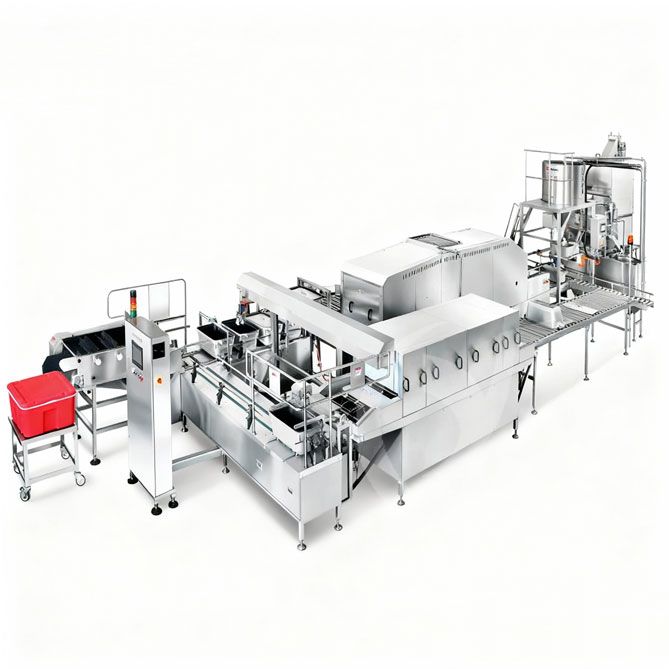
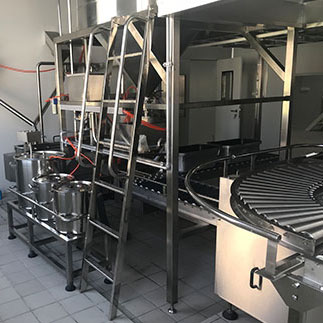 פס ייצור אורז בשרשרת קירור
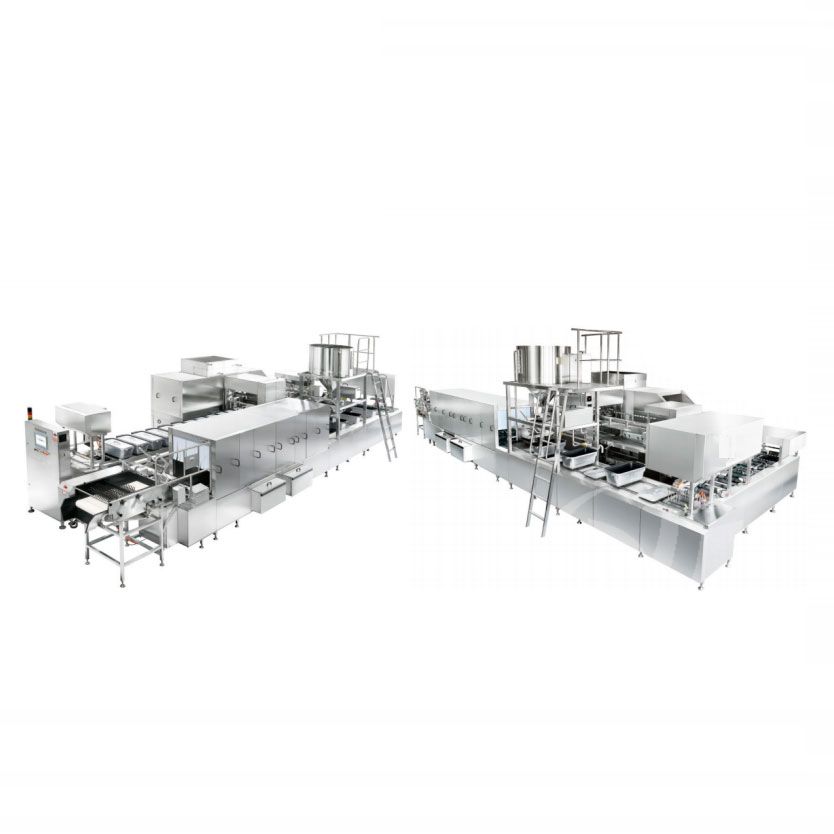 פס ייצור אורז חכם בלתי מאויש
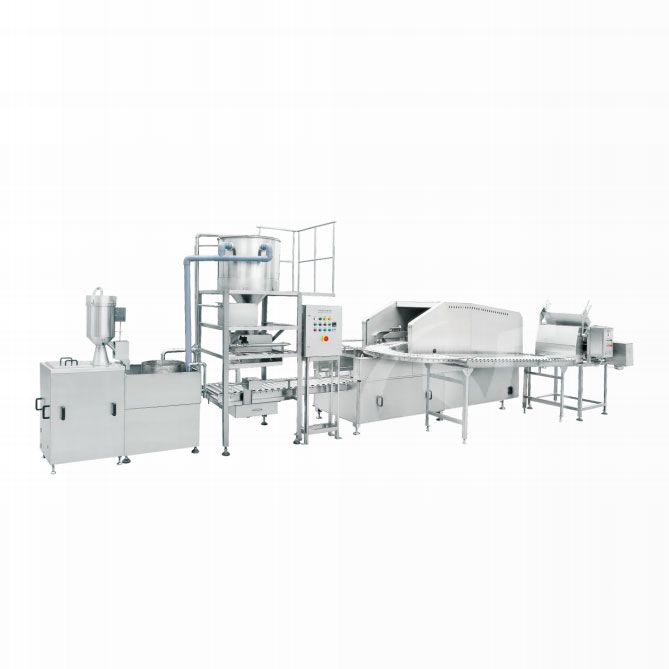 פס ייצור אורז אוטומטי
מוכנים להתחיל?