
식품 기계의 일상적인 유지 보수 및 수리 안내
분주하게 돌아가는 식품 생산 현장에서 효율성과 위생은 가장 중요한 요소입니다. 모든 식품 가공 공정의 핵심인 식품 기계는 최적의 성능과 제품 안전을 보장하기 위해 꼼꼼한 관리가 필요합니다. 일상적인 유지보수 및 수리를 소홀히 하면 비용이 많이 드는 가동 중단, 제품 오염, 심지어 안전 사고로 이어질 수 있습니다. 이 종합 가이드는 식품 기계를 원활하고 안전하게 유지하는 데 필요한 지식과 모범 사례를 제공합니다.
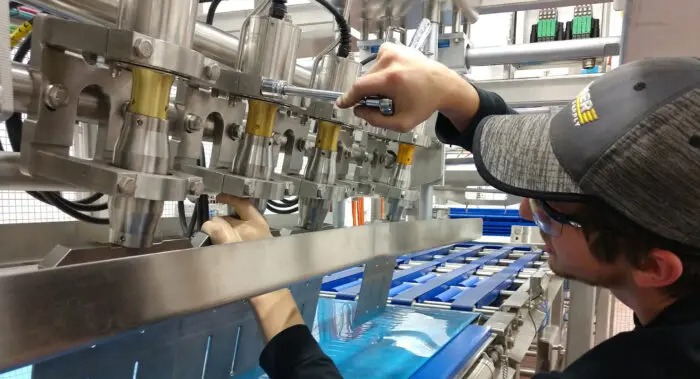
1. 일상적인 유지보수의 중요성:
일상적인 유지보수를 식품 기계를 위한 예방 의학이라고 생각하십시오. 정기적인 청소, 윤활, 점검은 사소한 문제를 큰 고장으로 번지는 것을 막을 수 있습니다.
Increased Efficiency: Well-maintained machinery operates at peak efficiency, maximizing output and minimizing waste.
Extended Lifespan: Regular maintenance extends the lifespan of your equipment, saving you money on costly replacements.
Enhanced Safety: Properly maintained machinery reduces the risk of accidents and injuries.
2. 필수 일일 유지 보수 작업:
청소:
Sanitation is Key: Thoroughly clean all surfaces that come into contact with food, using approved sanitizers and following strict hygiene protocols.
Disassemble and Clean: Regularly disassemble removable parts for thorough cleaning and inspection.
Drainage Systems: Ensure drainage systems are clear of debris to prevent clogs and bacterial growth.
윤활:
Follow Manufacturer Recommendations: Consult your equipment manuals for specific lubrication requirements and schedules.
Use Food-Grade Lubricants: Only use lubricants approved for food contact to prevent contamination.
Grease Fittings: Regularly lubricate grease fittings to reduce friction and wear.
육안 검사:
Look for Wear and Tear: Inspect belts, chains, and other moving parts for signs of wear and tear.
Check for Leaks: Look for leaks in hoses, seals, and connections.
Listen for Unusual Noises: Unusual noises can indicate a problem that requires attention.
3. 사소한 수리 처리:
Tighten Loose Bolts and Screws: Regularly check for loose bolts and screws and tighten them as needed.
Replace Worn Parts: Replace worn belts, seals, and other components promptly to prevent further damage.
Adjust Settings: Make necessary adjustments to ensure equipment is operating at optimal settings.
4. 기록 유지:
Maintenance Logs: Maintain detailed records of all maintenance activities, including dates, tasks performed, and parts replaced.
Troubleshooting Logs: Keep a log of any issues encountered and the steps taken to resolve them.
5. 전문가에게 연락해야 하는 경우:
일상적인 유지 관리를 통해 많은 문제를 예방할 수 있지만, 일부 수리는 자격을 갖춘 기술자의 전문 지식이 필요합니다.
Complex Repairs: Leave complex repairs to trained technicians who have the knowledge and tools to diagnose and fix problems effectively.
Safety Concerns: If you encounter any safety concerns, such as electrical issues or malfunctioning safety features, immediately contact a qualified technician.
6. 팀 교육:
Invest in Training: Provide comprehensive training to your team on proper maintenance procedures and safety protocols.
Empower Employees: Encourage employees to report any issues they notice, fostering a culture of proactive maintenance.
7. 적합한 장비 선택:
Durability and Reliability: Invest in high-quality equipment from reputable manufacturers known for durability and reliability.
Ease of Maintenance: Choose equipment designed for easy cleaning and maintenance.
8. 예방 정비 일정 구현:
Scheduled Downtime: Schedule regular downtime for preventative maintenance, minimizing disruptions to production.
Inspection Checklists: Develop detailed checklists for each piece of equipment, ensuring all critical components are inspected.
9. 잘 관리된 운영의 이점:
Increased Productivity: Well-maintained machinery operates efficiently, maximizing output and minimizing downtime.
Improved Product Quality: Clean and well-maintained equipment helps ensure product quality and safety.
Reduced Costs: Preventative maintenance reduces the risk of costly breakdowns and repairs.
결론:
식품 가공 시설의 원활한 운영을 보장하려면 일상적인 유지보수 및 수리가 필수적입니다. 종합적인 유지보수 프로그램을 구현하여 장비의 수명을 최대화하고 제품 안전을 보장하며 가동 중지 시간을 최소화할 수 있습니다. 잘 관리된 운영은 수익성이 좋은 운영이라는 점을 기억하십시오.
체인 레스토랑 소유자를 위한 필독 블로그

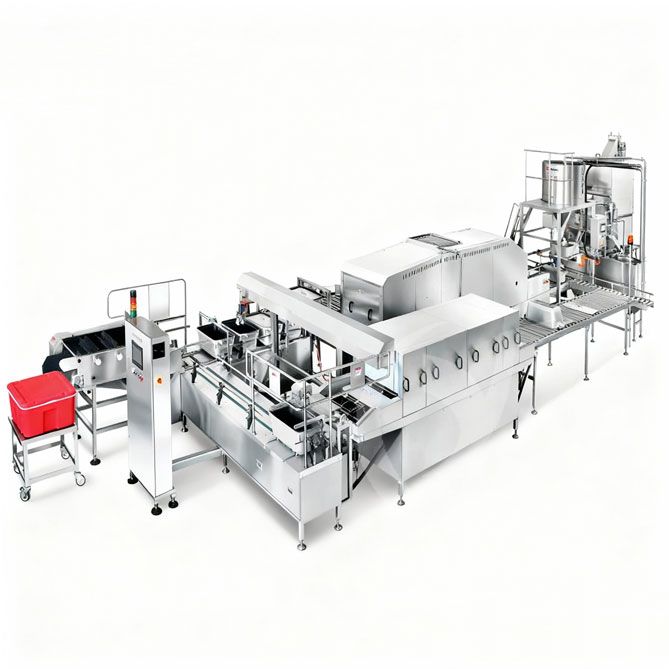
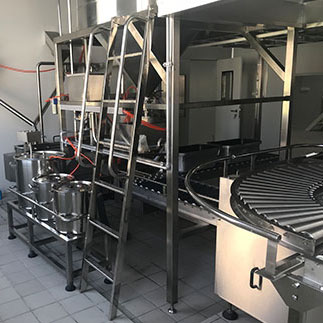 저온 유통 쌀 생산 라인
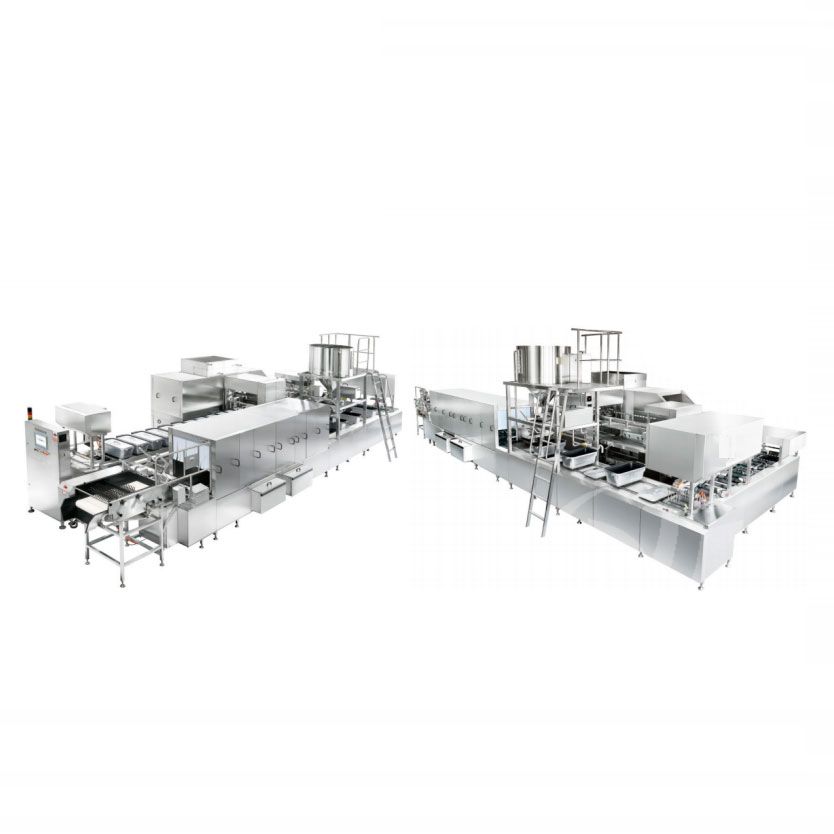 무인 지능형 쌀 생산 라인
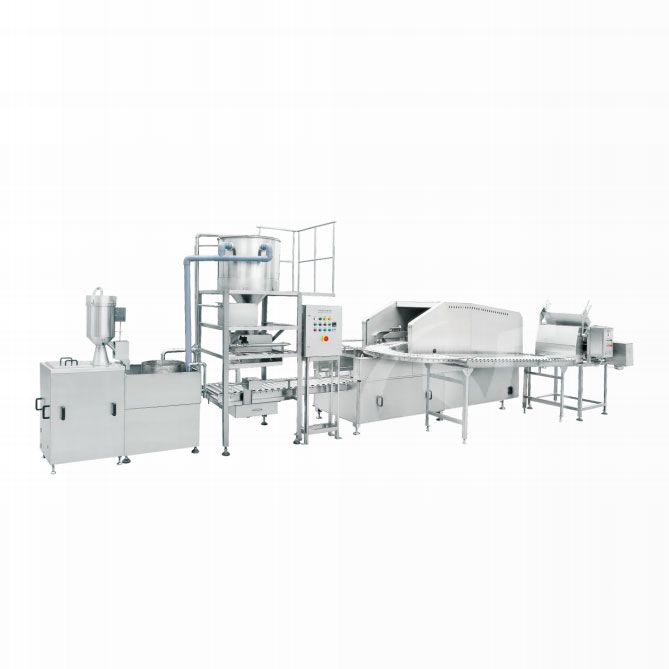 자동 쌀 생산 라인
시작할 준비가 되셨습니까?