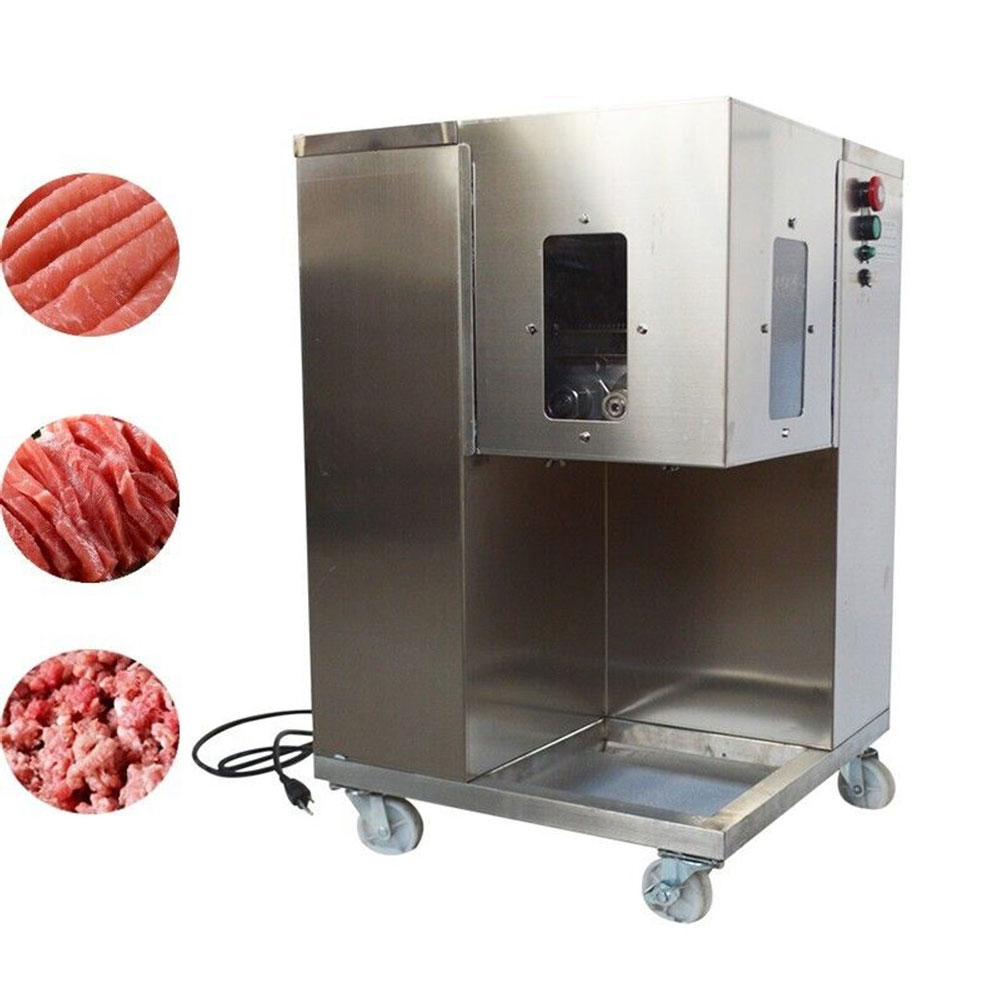
Meat Shredder Machine
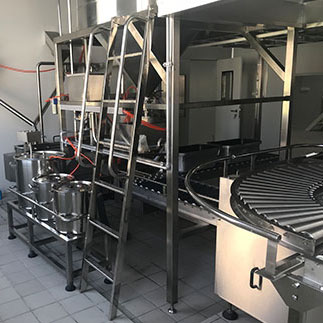
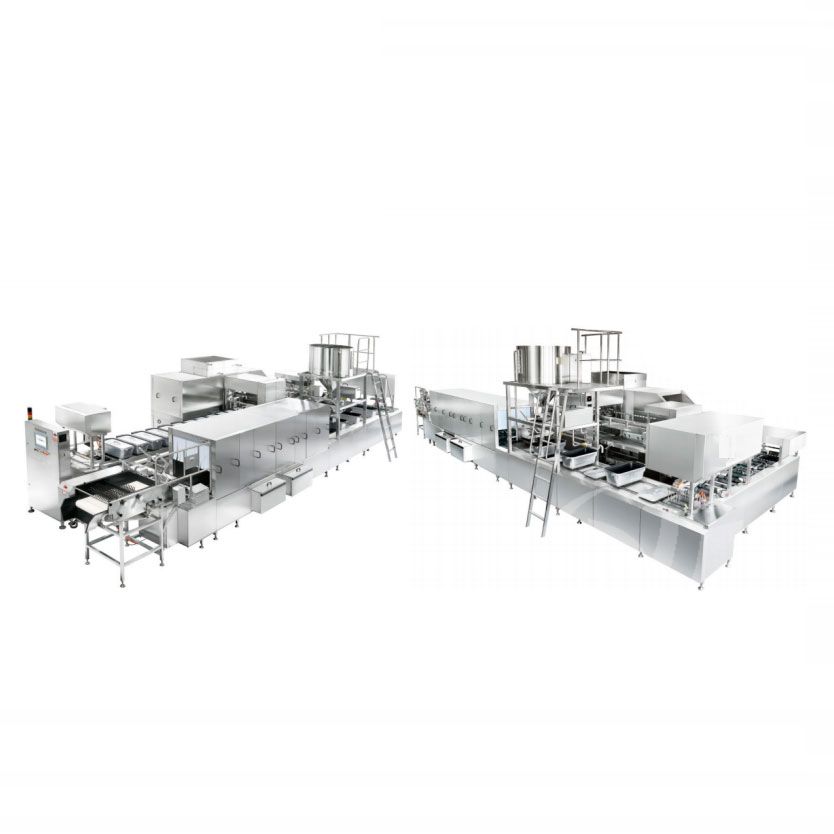
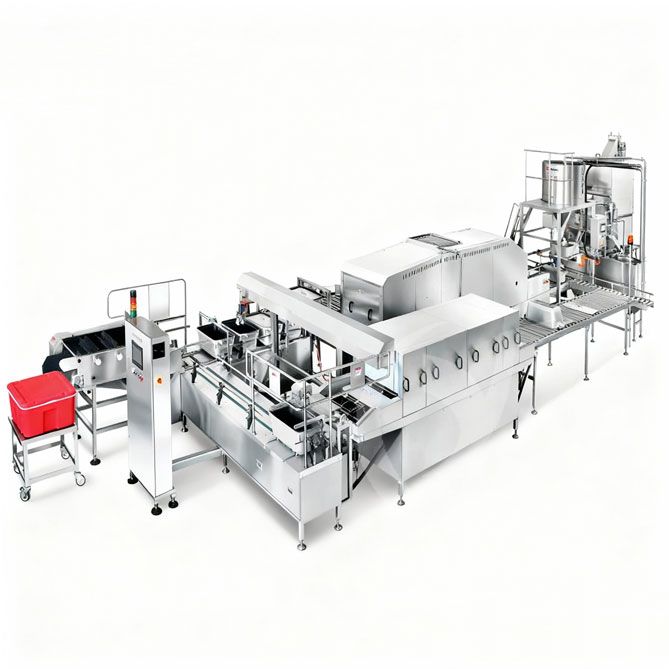
We Are Not Only Capable Of Selling Products, But Also Have The Ability To Undertake Full Turnkey Projects.

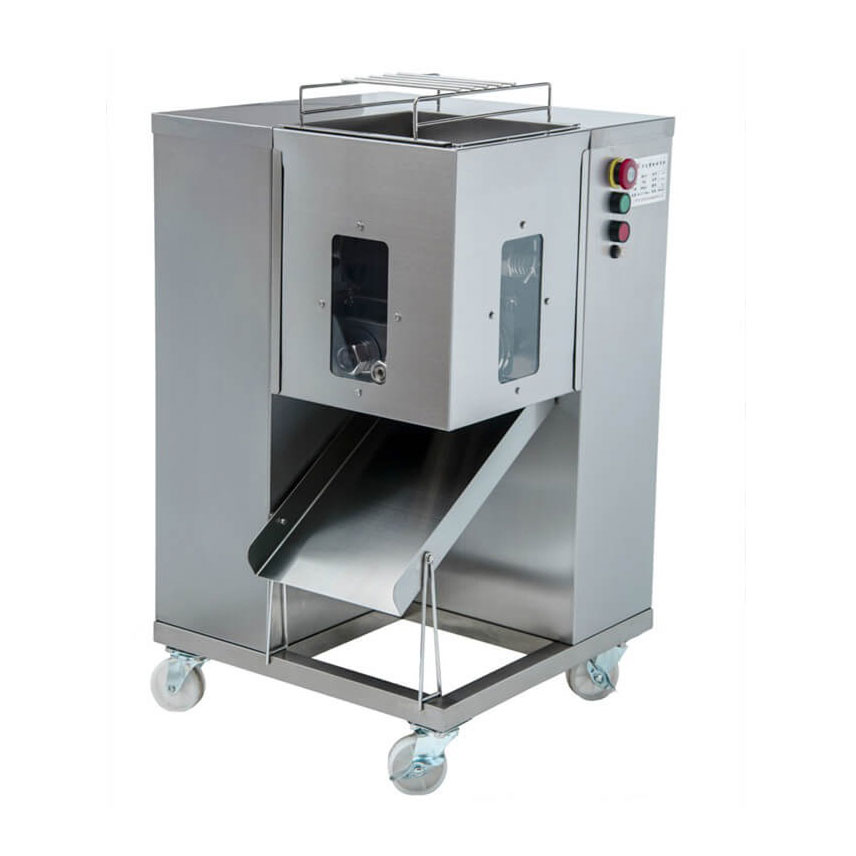
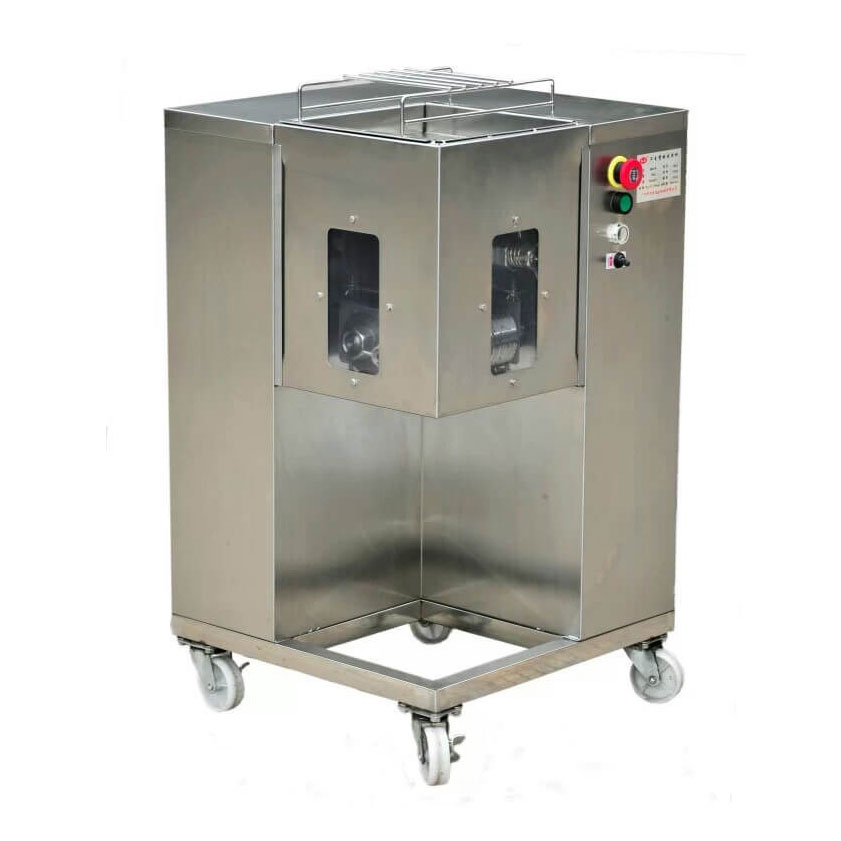
The MSR-800 Meat Shredder Machine mechanically separates cooked poultry, pork, beef, and other proteins into fine, naturally textured fibers that replicate the hand-pulled appearance demanded by QSR taco and burrito chains, ready-meal manufacturers, and sandwich filling producers. Processing 600 to 800 kg of pre-cooked meat per hour, the machine eliminates one of the most physically exhausting manual tasks in commercial food preparation. Hand-pulling a single 5 kg pork shoulder into shredded form takes a trained cook approximately 12 minutes. The MSR-800 processes the same piece in under 4 seconds. The critical distinction separating this machine from crude choppers or dicers is its mechanical respect for the muscle fiber architecture. Rather than severing fibers into short, minced fragments, the counter-rotating toothed drums grip and pull the tissue apart along its natural grain direction, producing long, irregular strands indistinguishable from artisanal hand-pulled product.
| Engineering Parameter | Technical Specification |
|---|---|
| Model Nomenclature | MSR-800 |
| Processing Capacity | 600 - 800 kg/h |
| Applicable Material | Cooked Poultry, Pork, Beef, Lamb |
| Shredding Mechanism | Counter-Rotating Toothed Drums (Dual Pair) |
| Drum Speed | 60 - 180 RPM (VFD Adjustable) |
| Motor Power | 3.0 KW / 3-Phase |
| Fiber Length Output | 20 mm - 80 mm (Gap Dependent) |
| Hopper Capacity | 50 Liters |
| Construction Material | SUS304 Frame / Hardened SUS420 Teeth |
| Machine Dimensions (L x W x H) | 1200 x 750 x 1100 mm |
| Net Weight | 280 kg |
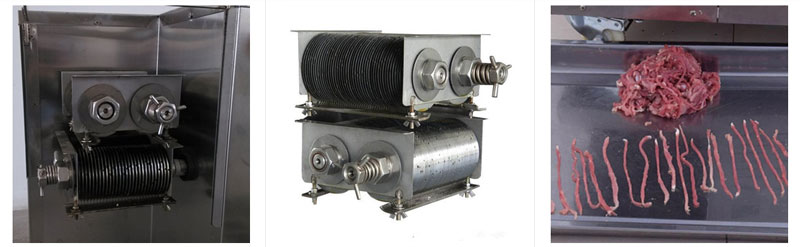
The fundamental operating principle is biomechanical, not merely mechanical. Cooked muscle tissue consists of parallel protein fibers bundled by weakened connective tissue sheaths. Heat denatures the collagen that binds these bundles together, but the individual myofibrils retain significant tensile strength along their longitudinal axis. The MSR-800 exploits this structural asymmetry.
Two pairs of hardened SUS420 toothed drums are stacked vertically inside the machine housing. The upper pair rotates in opposing directions, gripping the cooked meat piece from both sides and pulling it apart along the natural fiber grain. The partially separated mass then drops into the lower drum pair, which operates at a slightly faster differential speed, completing the secondary separation into individual fiber strands. This two-stage cascading architecture produces a uniformly shredded output without the operator needing to re-feed or re-process any material.
The MSR-800 processes exclusively pre-cooked protein. Raw meat lacks the structural fiber separation that heat-induced collagen denaturation provides, and raw material fed into the toothed drums would simply compress into paste rather than separate into strands. Optimal shredding results require specific upstream preparation.
In high-volume central kitchen environments preparing thousands of ready-meal portions daily, the MSR-800 sits at the junction between the thermal cooking department and the cold portioning and packing zone. Cooked protein arrives from steam kettles, combi ovens, or continuous cooking tunnels. Workers load warm pieces directly into the wide-mouth hopper. Shredded output falls from the lower drum discharge onto a takeaway conveyor or directly into mixing vessels where sauces, seasonings, or marinades are incorporated. The machine's 1100 mm discharge height is specifically calibrated to match standard commercial tilt-kettle rim dimensions and industrial mixing bowl heights. For operations requiring upstream raw meat preparation, the grinding phase is typically handled by a heavy-duty commercial meat grinder before cooking. The shredder also integrates naturally into broader meat processing equipment solutions spanning the full raw-to-finished product chain.
Counter-rotating toothed drums present obvious mechanical hazards. The MSR-800 hopper throat is designed with a depth-to-width ratio that physically prevents an operator's hand from reaching the uppermost drum pair during active operation. A proximity sensor mounted inside the hopper rim detects any object extending below the safe threshold and instantly triggers a motor shutdown. For end-of-shift sanitation, the entire drum cassette slides out of the machine frame on stainless linear rails after releasing two quick-lock handles. Both drum pairs, the intermediate chute plate, and the discharge ramp separate into individual components for thorough manual scrubbing or commercial dishwasher cleaning. The SUS420 teeth are electropolished to a surface roughness of Ra 0.6 micrometers, preventing protein adhesion in the tooth root valleys where bacterial biofilms typically colonize on rougher surfaces.
To request a shredding trial with your specific cooked protein type, obtain a quotation with spare drum pricing, or receive detailed integration drawings for your central kitchen layout, please contact our processing equipment team. We supply standalone units and complete Turnkey cooked-meat preparation modules globally.
Must-read blogs for bosses