
Руководство по ежедневному обслуживанию и ремонту пищевого оборудования
В динамичном мире пищевой промышленности эффективность и гигиена имеют первостепенное значение. Пищевое оборудование, являющееся основой любого перерабатывающего производства, требует тщательного ухода для обеспечения максимальной производительности и безопасности продукции. Пренебрежение ежедневным техническим обслуживанием и ремонтом может привести к дорогостоящим простоям, загрязнению продукции и даже возникновению угроз безопасности. Данное комплексное руководство предоставит вам необходимые знания и передовые методы для обеспечения бесперебойной и безопасной работы вашего пищевого оборудования.
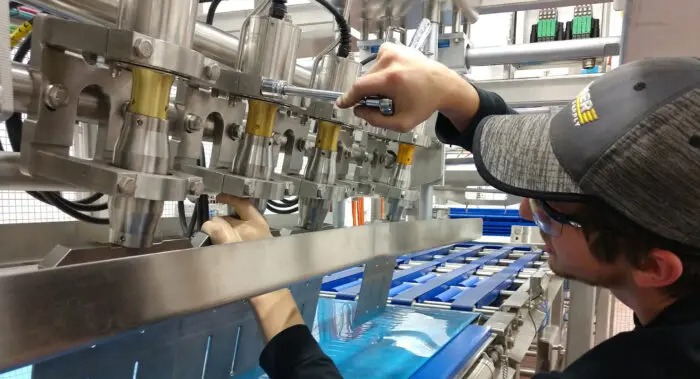
1. Важность ежедневного обслуживания:
Рассматривайте ежедневное техническое обслуживание как профилактику для вашего пищевого оборудования. Регулярная чистка, смазка и осмотр помогут предотвратить превращение мелких неисправностей в серьезные поломки.
Increased Efficiency: Well-maintained machinery operates at peak efficiency, maximizing output and minimizing waste.
Extended Lifespan: Regular maintenance extends the lifespan of your equipment, saving you money on costly replacements.
Enhanced Safety: Properly maintained machinery reduces the risk of accidents and injuries.
2. Основные ежедневные задачи по техническому обслуживанию:
Очистка:
Sanitation is Key: Thoroughly clean all surfaces that come into contact with food, using approved sanitizers and following strict hygiene protocols.
Disassemble and Clean: Regularly disassemble removable parts for thorough cleaning and inspection.
Drainage Systems: Ensure drainage systems are clear of debris to prevent clogs and bacterial growth.
Смазка:
Follow Manufacturer Recommendations: Consult your equipment manuals for specific lubrication requirements and schedules.
Use Food-Grade Lubricants: Only use lubricants approved for food contact to prevent contamination.
Grease Fittings: Regularly lubricate grease fittings to reduce friction and wear.
Визуальный осмотр:
Look for Wear and Tear: Inspect belts, chains, and other moving parts for signs of wear and tear.
Check for Leaks: Look for leaks in hoses, seals, and connections.
Listen for Unusual Noises: Unusual noises can indicate a problem that requires attention.
3. Мелкий ремонт:
Tighten Loose Bolts and Screws: Regularly check for loose bolts and screws and tighten them as needed.
Replace Worn Parts: Replace worn belts, seals, and other components promptly to prevent further damage.
Adjust Settings: Make necessary adjustments to ensure equipment is operating at optimal settings.
4. Ведение учета:
Maintenance Logs: Maintain detailed records of all maintenance activities, including dates, tasks performed, and parts replaced.
Troubleshooting Logs: Keep a log of any issues encountered and the steps taken to resolve them.
5. Когда стоит обратиться к специалисту:
Хотя регулярное техническое обслуживание помогает избежать многих проблем, некоторые виды ремонта требуют вмешательства квалифицированного специалиста.
Complex Repairs: Leave complex repairs to trained technicians who have the knowledge and tools to diagnose and fix problems effectively.
Safety Concerns: If you encounter any safety concerns, such as electrical issues or malfunctioning safety features, immediately contact a qualified technician.
6. Обучение вашей команды:
Invest in Training: Provide comprehensive training to your team on proper maintenance procedures and safety protocols.
Empower Employees: Encourage employees to report any issues they notice, fostering a culture of proactive maintenance.
7. Выбор подходящего оборудования:
Durability and Reliability: Invest in high-quality equipment from reputable manufacturers known for durability and reliability.
Ease of Maintenance: Choose equipment designed for easy cleaning and maintenance.
8. Внедрение графика планово-предупредительного ремонта:
Scheduled Downtime: Schedule regular downtime for preventative maintenance, minimizing disruptions to production.
Inspection Checklists: Develop detailed checklists for each piece of equipment, ensuring all critical components are inspected.
9. Преимущества налаженного рабочего процесса:
Increased Productivity: Well-maintained machinery operates efficiently, maximizing output and minimizing downtime.
Improved Product Quality: Clean and well-maintained equipment helps ensure product quality and safety.
Reduced Costs: Preventative maintenance reduces the risk of costly breakdowns and repairs.
Заключение:
Ежедневное техническое обслуживание и своевременный ремонт являются залогом бесперебойной работы вашего пищевого предприятия. Внедрение комплексной программы техобслуживания позволит вам максимально продлить срок службы оборудования, гарантировать безопасность продукции и свести к минимуму время простоев. Помните: отлаженная работа производства — это залог высокой рентабельности.
Блоги, которые обязательно должен прочитать владелец сетевого ресторана
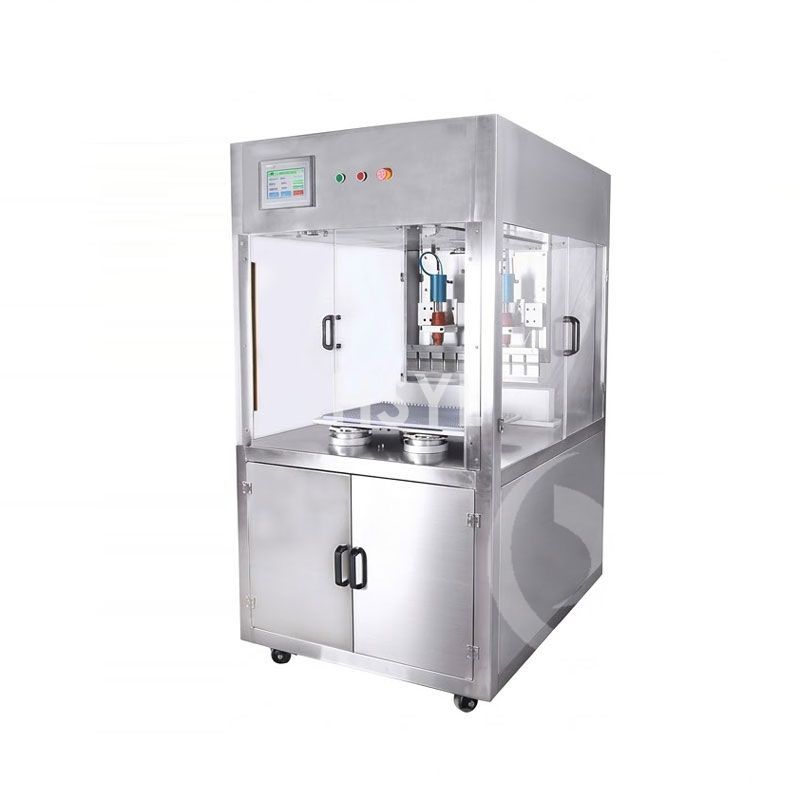

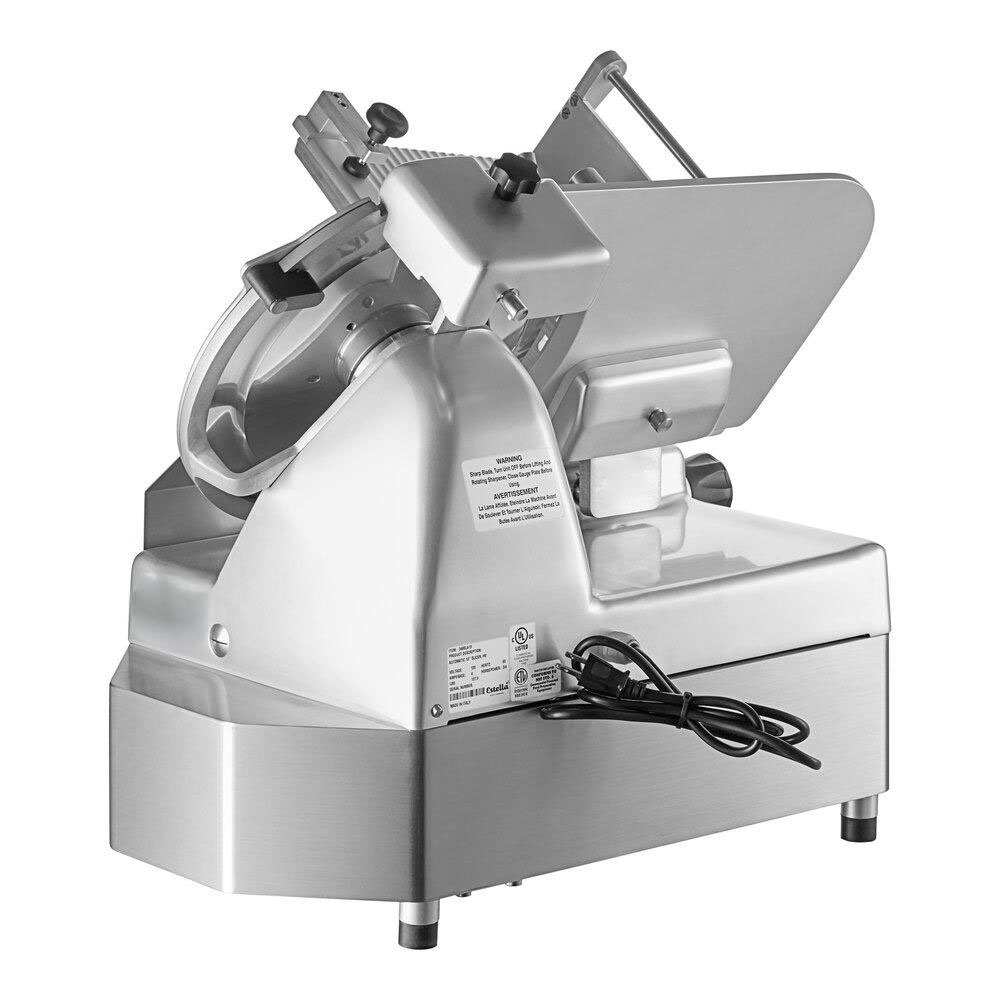
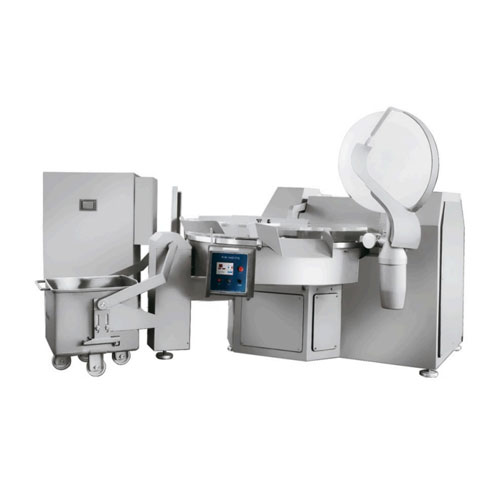
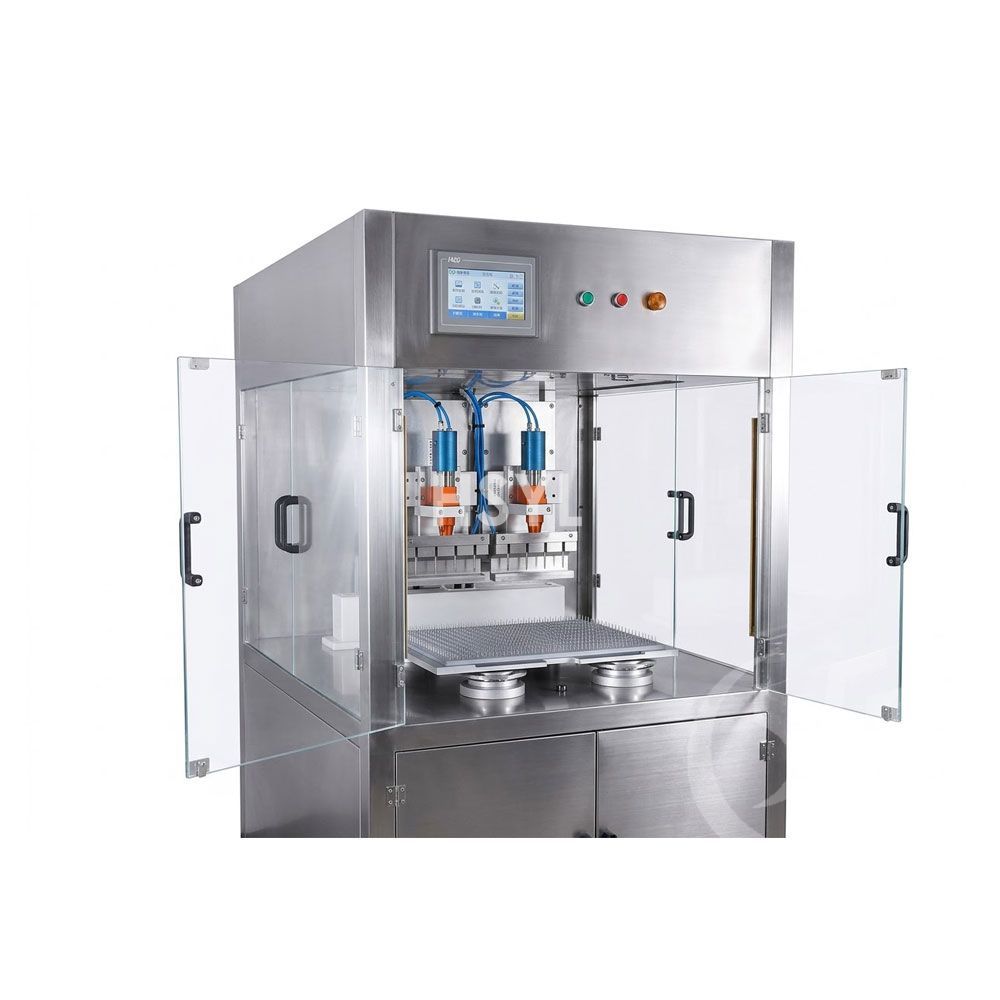 Ультразвуковой резак для печенья и бисквитов
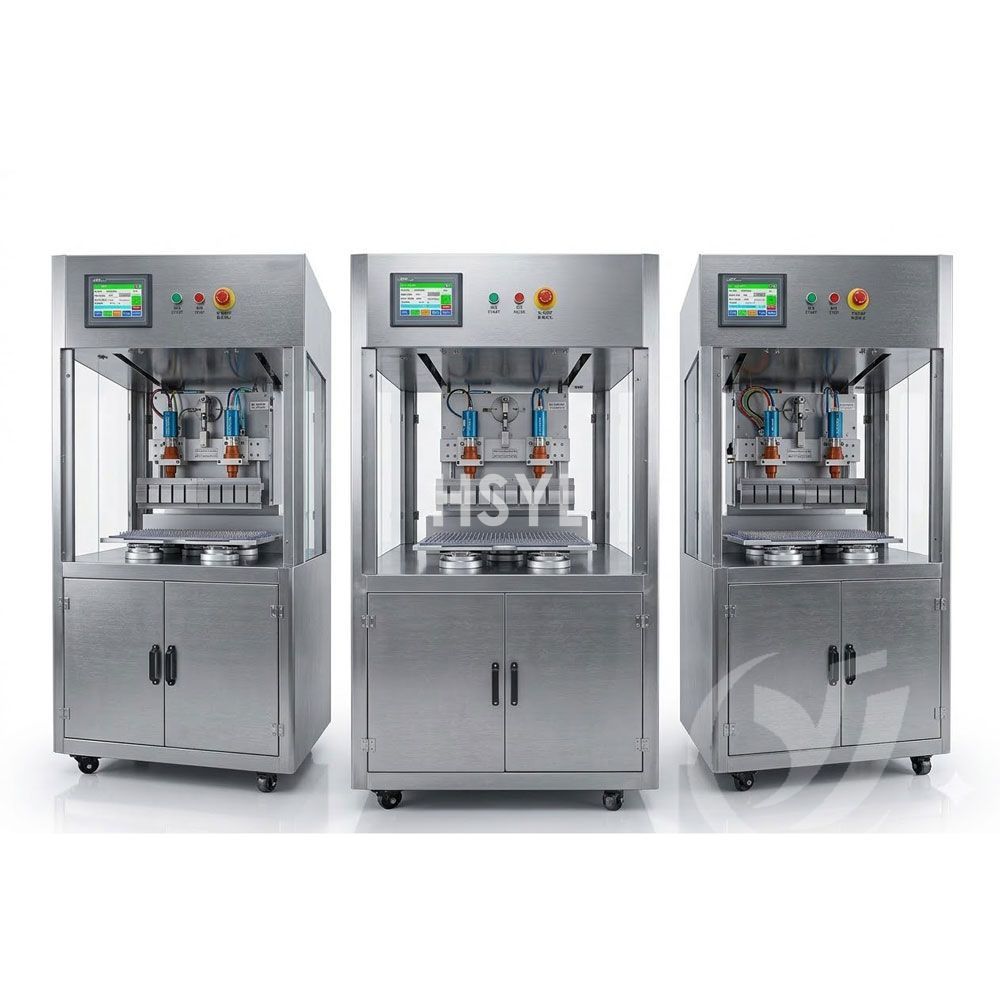 Ультразвуковой автоматический аппарат для резки кондитерских изделий для пекарен
Готовы начать?