
От поля до тарелки: всё о технологиях переработки зеленой фасоли
Стручковая фасоль — эти хрустящие и сочные плоды, богатые полезными веществами, — является неотъемлемым ингредиентом кухонь по всему миру. Но задумывались ли вы когда-нибудь о том, какой путь проделывает этот продукт от фермерского хозяйства до вашего стола?
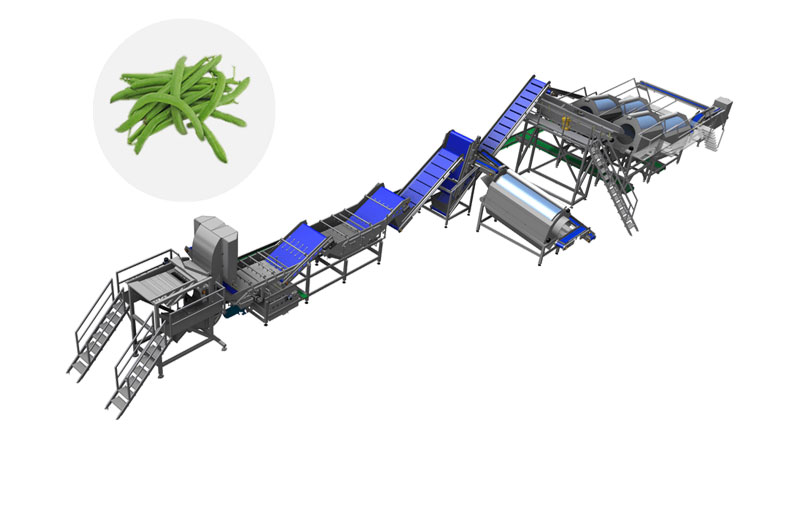
Путь от только что собранных бобов до безупречных и готовых к употреблению продуктов на полках магазинов становится возможным благодаря магии оборудования для переработки зеленой фасоли. Это специализированное машиностроение играет ключевую роль в обеспечении качества, безопасности и удобства потребления продукции. Независимо от того, являетесь ли вы профессионалом в пищевой промышленности, начинающим предпринимателем или просто увлеченным гурманом, приглашаем вас вместе с нами погрузиться в захватывающий мир технологий переработки зеленой фасоли.
Этап 1: Приемка & Очистка — от фермерского продукта до промышленного сырья
Процесс начинается с поступления на перерабатывающее предприятие свежих стручков зеленого горошка, которые зачастую доставляются прямо с полей.
Unloading & Receiving: Specialized equipment is used to gently unload and receive the green beans, minimizing damage and preserving their freshness.
Cleaning & Sorting: Next comes a critical step – removing any foreign material and ensuring that only the highest-quality beans proceed. This typically involves:
Dry Cleaning: Rotating drums or air blowers remove dirt, debris, and loose leaves.
Washing & Fluming: Gentle washing systems, utilizing water baths or sprays, thoroughly clean the beans. Flumes with flowing water help transport the beans and further remove any remaining debris.
Inspection & Sorting: Skilled workers or automated optical sorting machines identify and remove any discolored, damaged, or misshapen beans, ensuring only the best continue to the next stage.
Этап 2: Подготовка к совершенству — подгонка размера, фиксация и обрезка
Теперь, когда стручковая фасоль очищена и отсортирована, пора приступать к её финальной обработке.
Sizing: This step involves separating the beans based on their length, creating a more uniform final product. Sizing can be done manually or by utilizing automated systems with rollers or belts.
Snapping & Cutting: To remove the stem ends and, if desired, cut the beans into preferred lengths, specialized machinery comes into play:
Snappers: These machines efficiently remove the stem ends of the green beans, ensuring consistency and minimizing waste.
Cutters: If desired, green beans can be cut into specific lengths using rotary cutters or dicers.
Этап 3: Сохранение мощи — Отбеливающее охлаждение &
Этот важнейший этап позволяет сохранить насыщенный цвет, свежий вкус и все полезные вещества стручковой фасоли, чтобы вы могли наслаждаться ею как можно дольше.
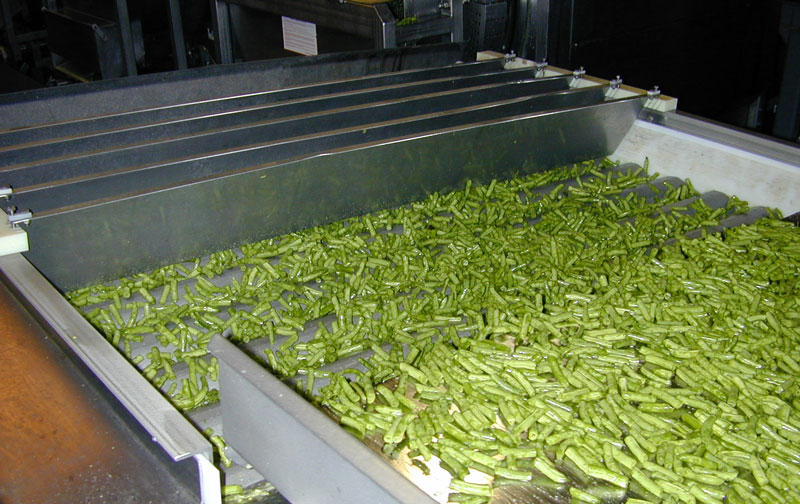
Blanching: Green beans are briefly immersed in hot water or steam. This process deactivates enzymes that can cause spoilage and color deterioration during storage. Blanching also helps to preserve nutrients and reduce microbial load.
Cooling: After blanching, rapid cooling is essential to halt the cooking process and preserve the desired texture. This is typically achieved by utilizing cold water baths or air chilling systems.
Этап 4: Финальный штрих — упаковка и дальнейшая обработка
Packaging: The processed green beans are now ready for packaging. Depending on the intended use and market demand, this might involve:
Canned: Packed in cans and sterilized for extended shelf life.
Frozen: Individually quick frozen (IQF) to preserve optimal texture and freshness.
Fresh-Cut: Packaged for refrigerated retail sale.
Further Processing: In some cases, green beans undergo additional processing after blanching and cooling, which can include:
French Cutting: Cut lengthwise into thin strips.
Dicing: Cut into small, uniform cubes.
Slicing: Sliced into round or diagonal pieces.
Как выбрать подходящее оборудование: основные критерии
Выбор подходящего оборудования для обработки кофейных зерен зависит от нескольких ключевых факторов, в том числе:
Production Volume: Small-scale operations might opt for manual or semi-automated equipment, while large-scale facilities require high-capacity, automated systems.
Desired Product: The intended final product format (canned, frozen, fresh-cut) will heavily influence equipment choices.
Budget & Space Constraints: Equipment costs vary significantly, as do space requirements for operation.
Maintenance & Sanitation: Easy-to-clean and easy-to-maintain equipment is vital for ensuring food safety and minimizing downtime.
Современные инновации в переработке зеленого зерна
Мировая индустрия переработки зеленой фасоли находится в процессе непрерывной трансформации, что обусловлено стремительным технологическим прогрессом и растущим вниманием к вопросам эффективности и экологической устойчивости.
Optical Sorting: Advanced optical sorting machines, equipped with cameras and sensors, can identify and remove defective beans with remarkable accuracy, significantly reducing waste and enhancing product quality.
Water & Energy Efficiency: Modern processing equipment is often designed with sustainability in mind, incorporating water-saving features and energy-efficient technologies.
Automation & Robotics: Automated systems and robotics are becoming increasingly prevalent in green bean processing, streamlining operations, reducing labor costs, and improving consistency.
От простейших операций по очистке и сортировке до сложных процессов нарезки и упаковки — оборудование для переработки стручковой фасоли играет ключевую роль в том, чтобы этот питательный и многогранный овощ попал с полей на наши столы. Будет ли это свежий продукт, замороженный или консервированный — в следующий раз, наслаждаясь вкусом фасоли, вспомните о том, какой сложный путь она прошла и какие высокотехнологичные машины помогли доставить её к вашему столу.
Блоги, которые обязательно должен прочитать владелец сетевого ресторана
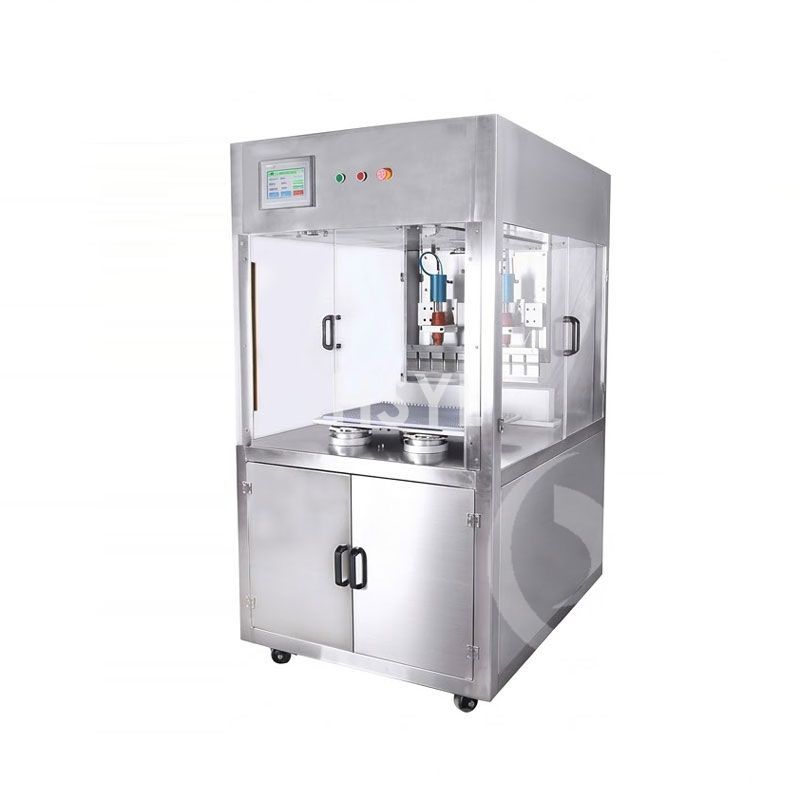

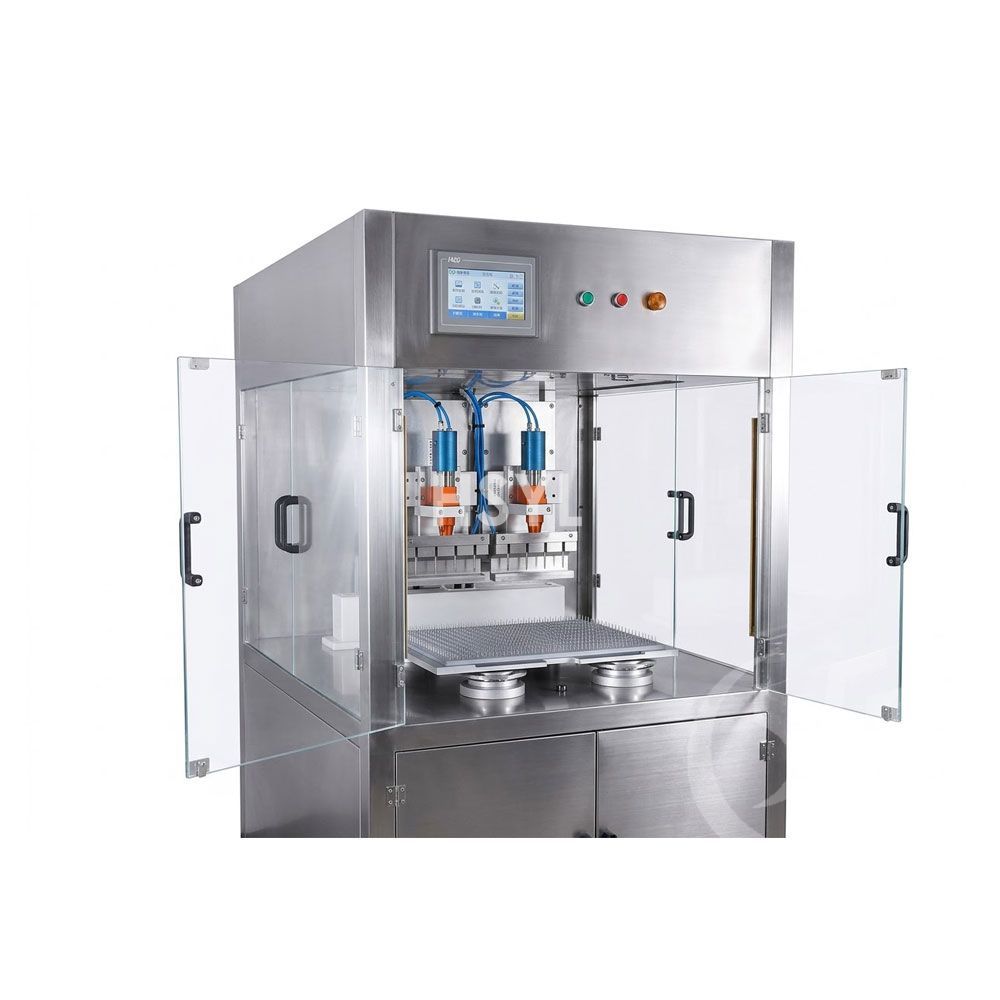 Ультразвуковой резак для печенья и бисквитов
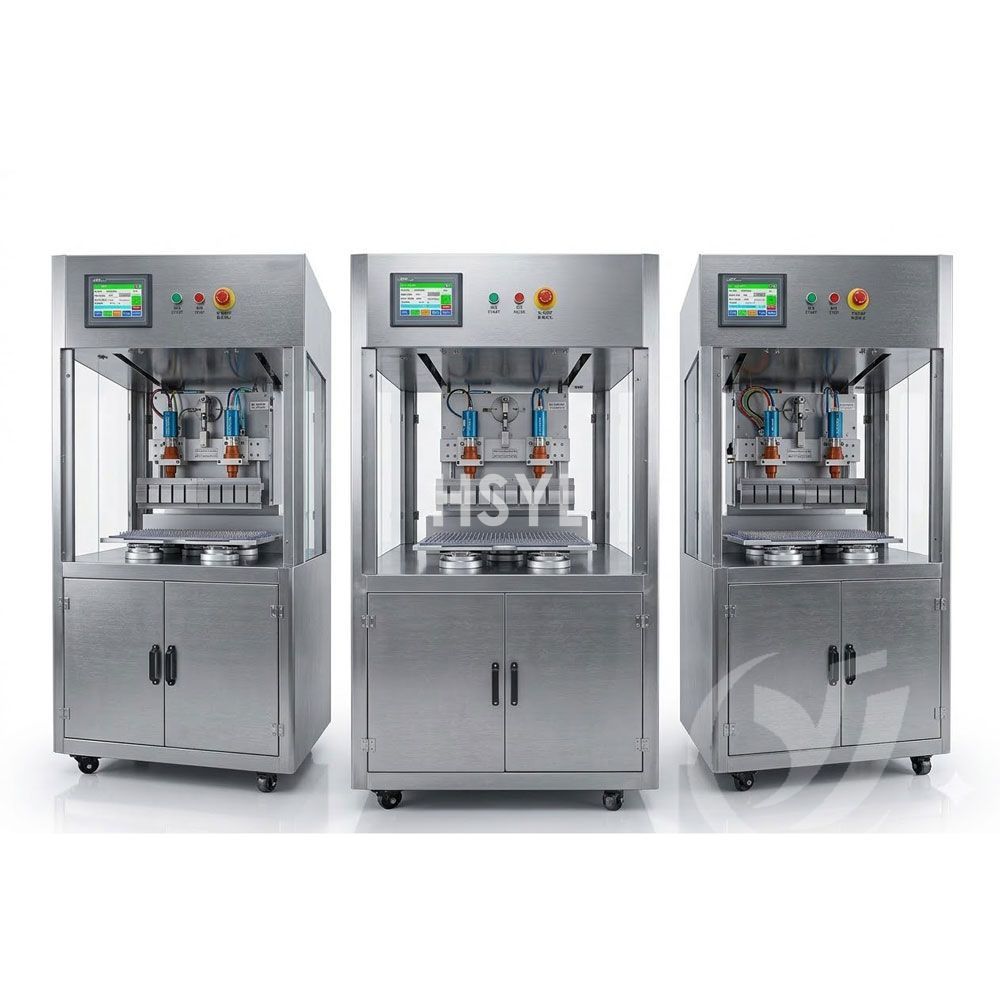 Ультразвуковой автоматический аппарат для резки кондитерских изделий для пекарен
Готовы начать?