
زنگ سے بچاؤ: اچار والے کھیروں (Pickled Cucumber) کی پروڈکشن لائن گائیڈ
1. تعارف: اچار کی صنعت میں زنگ کے پوشیدہ نقصانات اور اخراجات
The global pickled vegetable market is projected to reach unprecedented heights by 2030, driven by consumer demand for healthy, probiotic-rich shelf-stable foods. For factory owners, this presents a massive opportunity. However, scaling up from artisanal production to an industrial pickled cucumber production line comes with a formidable enemy that destroys profit margins more effectively than any competitor: Corrosion.
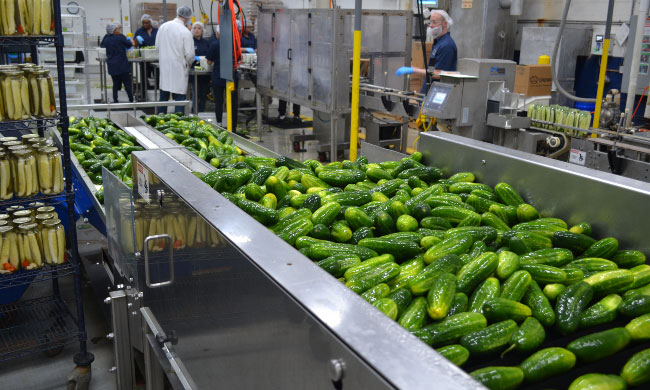
اس صورتحال کا تصور کریں: آپ نے ابھی ایک چمکدار، بالکل نئی خودکار بھرنے اور کیپنگ لائن نصب کی ہے۔ یہ دیکھنے میں بالکل پرفیکٹ ہے۔ لیکن چھ ماہ بعد، آپ کنویئر فریم پر سرخ مائل بھورے نشانات دیکھتے ہیں۔ اس کے ایک ماہ بعد، تیزابی بخارات (acid vapor) کیسنگ کے اندر داخل ہونے کی وجہ سے ایک سروو موٹر خراب ہو جاتی ہے۔ نتیجہ یہ ہوتا ہے کہ کھیرے کی کٹائی کے مصروف ترین سیزن کے دوران آپ کی پروڈکشن لائن اچانک بند ہو جاتی ہے۔
This is the reality for 40% of new pickle factories that prioritize low initial equipment costs over material suitability.
فوڈ پروسیسنگ انڈسٹری میں، زنگ (rust) صرف دکھاوے کا مسئلہ نہیں بلکہ ایک بڑی تباہی کا باعث بن سکتا ہے۔
Food Safety Risk: Rust particles can contaminate the product, leading to recalls. Corroded surfaces become breeding grounds for bacteria like Listeria and Salmonella.
Regulatory Nightmare: FDA, EFSA, and local health inspectors will shut down a line that shows visible corrosion in food contact zones.
Operational Bleed: Every hour of downtime due to a seized bearing or a snapped chain costs thousands of dollars in wasted raw material and labor.
At HSYL, we don't just assemble machines; we engineer solutions for hostile environments. This guide is the culmination of our 10 years of experience fighting corrosion. We will take you deep into the engineering principles of building a pickle production line that lasts not just for the warranty period, but for a decade.
2. جارحت کی سائنس: یہ سمجھنا کہ نمکین پانی (Brine) اور & سرکہ دھاتوں پر کس طرح اثر انداز ہوتے ہیں
دشمن کو شکست دینے کے لیے اسے سمجھنا ضروری ہے۔ اچار بنانے والی فیکٹری، بسکٹ بنانے والی فیکٹری یا پانی کی بوتل بھرنے والے پلانٹ کے مقابلے میں مشینری پر اتنا زیادہ بوجھ کیوں ڈالتی ہے؟
دوہرا خطرہ: کلورائیڈ اور تیزاب
کھیرے کا اچار عام طور پر ایک نمکین محلول (brine solution) میں تیار کیا جاتا ہے جس میں درج ذیل اجزاء شامل ہوتے ہیں:
Salt (Sodium Chloride): Concentration ranges from 6% to 15%.
Acetic Acid (Vinegar): pH levels often drop below 3.5.
عمل 1: پٹنگ کروزن - یعنی گڑھے بننے والا زنگ (خاموش قاتل)
Standard stainless steel relies on a microscopic "passive layer" of chromium oxide to protect itself. Chloride ions from the salt are aggressive enough to penetrate this layer at specific weak points. Once the layer is breached, the corrosion burrows downward, creating tiny pits.
The Danger: On the surface, the metal might look fine, but structurally, it is becoming a sponge. This is common in low-quality storage tanks and filler bowls.
میکانزم 2: کریوس کوریشن (دراڑوں میں زنگ لگنا)
This occurs in tight spaces—under gaskets, bolt heads, or overlapping metal plates—where the liquid gets trapped and becomes stagnant. The stagnant liquid becomes highly acidic over time, eating away the metal from the inside out. This is why machine design is just as important as material selection.
میکانزم 3: اسٹریس کوریشن کریکنگ
جب ٹینسل اسٹریس (جیسے تھرتھراتی چھلنی یا پریشرائزڈ ٹینک) کا ملاپ کلورائیڈ والے ماحول اور بلند درجہ حرارت (پاسچرائزیشن) کے ساتھ ہو، تو سٹینلیس اسٹیل بغیر کسی پیشگی اطلاع کے اچانک ٹوٹ یا پھٹ سکتا ہے۔
درجہ حرارت کا کردار
In the Pasteurization Tunnel, temperatures rise to 85°C-95°C. For every 10°C increase in temperature, the corrosion rate of chemical reactions roughly doubles. A material that survives cold brine might fail catastrophically in hot steam.
3. مٹیریل انجینئرنگ: SUS304 بمقابلہ SUS316L بمقابلہ پولیمرز
The most common question we get is: "Do I really need SUS316, or is SUS304 enough?"
The answer is: It depends on the zone. A smart engineering approach uses a hybrid of materials to balance cost and durability.
SUS304 (انڈسٹری کا طے شدہ معیار)
Composition: 18% Chromium, 8% Nickel.
Verdict: Excellent for general food processing (washing leafy greens, fruits).
In Pickle Lines: We use SUS304 for the structural frames (legs, supports) that do not directly touch the brine, and for the initial cucumber washing section (where fresh water is used).
Warning: Never accept SUS201. It is magnetic, contains low nickel, and will rust within weeks in a humid factory.
SUS316L (تیزاب کے اثرات کے خلاف بہترین)
Composition: 16% Chromium, 10% Nickel, 2% Molybdenum.
The Magic Ingredient: Molybdenum is the game-changer. It drastically improves resistance to pitting corrosion from chlorides. The "L" stands for "Low Carbon," which prevents corrosion at weld points.
In Pickle Lines: This is non-negotiable for:
Brine Filling Nozzles: High velocity brine wears down weaker metals.
Brine Storage Tanks: Constant contact requires 316L.
The Brine Mixing System: The most aggressive zone.
ٹائٹانیم (انتہائی طاقتور حل)
انتہائی حالات میں (مثلاً برائن کی مقدار >20% یا ابلتا ہوا برائن)، بعض اوقات ٹائٹانیم ہیٹ ایکسچینجرز استعمال کیے جاتے ہیں۔ تاہم، عام پکل لائنز کے لیے یہ ضرورت سے زیادہ اور بہت مہنگا ثابت ہوتا ہے۔
جدید ترین پولیمرز
ہر جگہ دھات کا استعمال ضروری نہیں ہوتا۔
UHMWPE (Ultra-High Molecular Weight Polyethylene): We use this for guide rails and wear strips. It has self-lubricating properties, meaning less friction and no need for grease (which attracts dirt). It is completely immune to salt and acid.
4. دھات سے بڑھ کر: حفظانِ صحت کے مطابق ڈیزائن (Hygienic Design) & ویلڈنگ ٹیکنالوجیز
You can build a machine out of pure gold, but if the design is poor, it will still fail. In the world of Sanitary Design, geometry is everything.
''خود بخود نکاس'' (Self-Draining) کا فلسفہ
HSYL مشین میں، آپ نوٹ کریں گے کہ اس میں کوئی بھی ہموار افقی سطح (flat horizontal surface) موجود نہیں ہے۔
Sloped Surfaces: All structural tubes are diamond-oriented or sloped to ensure water and brine run off immediately.
No Dead Legs: In our piping systems for the brine filler, we eliminate "dead legs" (sections of pipe where liquid doesn't flow). Stagnant brine is a corrosion accelerator.
ویلڈنگ کا فن: TIG بمقابلہ MIG
ناقص ویلڈنگ چینی مشینری میں زنگ لگنے کی سب سے بڑی وجہ ہے۔
The Problem: Rough welds create microscopic crevices where salt crystals form. The heat from welding also destroys the protective layer of the steel.
ہمارا طریقہ کار:
Pulse TIG Welding: Creates a smooth, "fish-scale" uniform weld.
Full Penetration: We don't just spot weld; we seal the joint completely to prevent liquid from entering the hollow tubes of the frame.
Pickling & Passivation: This is the most critical step. After welding, we bathe the entire component in an acid bath. This removes the "heat tint" and chemically regenerates the chromium oxide protective layer. If a machine looks dull or grey at the welds, it hasn't been passivated. Do not buy it.
سطحی فنشنگ: سینڈ بلاسٹنگ بمقابلہ پالشنگ
Sandblasting (Bead Blasting): Creates a matte finish. Good for structural parts as it hides fingerprints.
Mirror Polishing (Ra < 0.8µm): We use this for all food contact surfaces. A mirror-smooth surface leaves nowhere for bacteria or salt to hide. It makes CIP (Clean-in-Place) twice as effective.
5. حساس حصے: موٹرز، الیکٹرانکس اور سینسرز کی حفاظت
مکینیکل فریم 20 سال تک قائم رہ سکتا ہے، مگر الیکٹرانکس بہت نازک ہوتے ہیں۔ اچار کی فیکٹری کی ہوا میں تیزابی اور موصل (conductive) دھند موجود ہوتی ہے۔
موٹر کی حفاظت
معیاری انڈکشن موٹرز میں کولنگ فین لگے ہوتے ہیں جو موٹر کو ٹھنڈا رکھنے کے لیے ہوا اندر کھینچتے ہیں، لیکن اچار کی فیکٹری میں یہ ہوا کے ساتھ تیزاب بھی اندر کھینچ لیتے ہیں۔
Our Solution: We use Stainless Steel Washdown Motors (completely sealed, non-ventilated) or motors with Epoxy Paint coatings rated for IP66.
Shaft Seals: The point where the motor shaft exits the housing is a weak spot. We use reinforced oil seals to prevent brine ingress.
الیکٹریکل کیبنیٹ (مرکزی کنٹرول سسٹم)
Material: The cabinet itself must be SUS304 (minimum), not painted carbon steel.
Sealing: Double-layer EPDM gaskets.
Positive Pressure System: For high-humidity environments, we recommend a system that pumps clean air into the cabinet, creating positive pressure. This ensures that even if a seal leaks, air pushes out, preventing acid air from coming in.
سینسرز & نیومیٹکس
Cylinders: We strictly use Festo (Clean Design) or SMC stainless steel cylinders. Standard aluminum cylinders will corrode and seize within months.
Photoelectric Sensors: Must be rated IP69K (capable of withstanding high-pressure, high-temperature washdowns).
6. سیلز، گاسکیٹس اور کنویئر بیلٹس: وہ ضروری سامان جنہیں اکثر نظر انداز کر دیا جاتا ہے
یہ مشین کے انتہائی سستے پرزے ہیں، لیکن ان کی خرابی سب سے زیادہ نقصان اور پریشانی کا باعث بنتی ہے۔
ربڑ کا انتخاب
NBR (Nitrile Rubber): Good for oil, but degrades quickly in ozone and UV light.
EPDM: Excellent for water and steam, but weak against oil.
FKM (Viton): The gold standard for acidic, oily, and high-temperature environments.
Our Strategy: We use FKM/Viton gaskets in the filling valves and heating tunnels. They cost 3x more than rubber, but they last 10x longer.
کنویئر بیلٹس
Modular Plastic Belts: We prefer Intralox-style modular belts (made of Polypropylene or Acetal) over PVC fabric belts.
Why? Fabric belts can fray. Once the brine gets into the fabric layer, it breeds bacteria and creates a permanent smell. Modular belts are easy to wash and repair (you just replace the broken link, not the whole belt).
7. دیکھ بھال کا طریقہ کار (SOP): اپنی مشین کی عمر کیسے بڑھائیں
Buying a high-quality machine is only half the battle. How you treat it determines the other half. Here is the Standard Operating Procedure (SOP) we teach our clients.
\"کلورین سے پاک\" اصول
Many factories use Chlorine (Bleach) for sanitization. Chlorine is the kryptonite of stainless steel. It attacks the protective layer aggressively.
Recommendation: Use Peracetic Acid (PAA) or Quaternary Ammonium compounds for sanitization. They are effective against bacteria but gentle on steel.
روزانہ دھلائی کا طریقہ کار
Pre-Rinse: Use warm water (45-50°C) to melt away salt deposits.
Foam Cleaning: Apply an alkaline detergent foam and let it sit for 15 minutes.
Scrub: Use soft nylon brushes. NEVER use steel wool (it leaves iron particles that cause rust).
Final Rinse: Thoroughly rinse with fresh water.
Sanitize: Apply PAA.
Dry: Run the conveyor for 10 minutes to fling off excess water.
لیوبریکیشن (تیل یا چکنائی لگانا)
You cannot use standard WD-40. You must use H1 Food Grade Lubricants that are water-resistant. We recommend greasing bearings after the washdown to push out any water that might have entered.
8. خریدار کا آڈٹ: اپنی مشینری کے سپلائر سے پوچھنے کے لیے 10 اہم سوالات
Before you sign the contract for your pickled cucumber production line, ask these questions. Their answers will tell you if they are professionals or just assemblers.
\"کیا آپ سٹینلیس سٹیل کے لیے مل سرٹیفکیٹ فراہم کر سکتے ہیں (جس میں نکل اور مولیبڈینم کی مقدار درج ہو)؟\"
\"کیا آپ تمام ویلڈ شدہ جوڑوں (welded joints) پر پاسیویشن کا عمل کرتے ہیں؟\"
\"آپ کون سے برانڈ کے موٹرز اور گیئر بکس استعمال کرتے ہیں، اور ان کی IP ریٹنگ کیا ہے؟\"
\"کیا الیکٹریکل کیبنٹ پوزیٹو پریشر یا ڈبل سیلز (double seals) کے ساتھ ڈیزائن کیے گئے ہیں؟\"
\"کیا برائن فلنگ سسٹم گرم برائن (90°C) کو بغیر کسی سیل کی خرابی کے ہینڈل کرنے کی صلاحیت رکھتا ہے؟\"
\"کنویئر سپروکیٹ (conveyor sprockets) کس میٹریل سے بنے ہیں؟ (آسان صفائی کے لیے اسپلیٹ-سپروکیٹ ڈیزائن ہونا چاہیے)۔\"
\"کیا آپ پائپ لائن سسٹم کے لیے ہائجینک ویلڈنگ (TIG) کا استعمال کرتے ہیں؟\"
\"کیا مشین کو بغیر کسی خاص اوزار کے، گہری صفائی (deep cleaning) کے لیے مکمل طور پر الگ (disassemble) کیا جا سکتا ہے؟\"
\"خاص طور پر زنگ (corrosion) کے خلاف وارنٹی پالیسی کیا ہے؟\"
\"کیا میں کسی ایسے صارف سے بات کر سکتا ہوں جو گزشتہ 3 سال سے زائد عرصے سے آپ کی مشین استعمال کر رہا ہے؟\"
At HSYL, we welcome these questions. In fact, we encourage them.
9. ROI تجزیہ: \"ایک معیاری چیز خریدنے بمقابلہ دو بار خریدنے\" کے معاشی اثرات
آئیے مالی حساب کتاب پر نظر ڈالتے ہیں۔ آپ ہماری \"اینٹی کورروسن ایڈیشن\" لائن کے لیے 20% اضافی رقم کیوں ادا کریں؟
Scenario: A standard pickle line running at 3,000 jars/hour.
| لاگت کا عنصر | سستی اور غیر برانڈڈ لائن ($80,000) | [Your Brand] پریمیم لائن ($100,000) |
| ابتدائی قیمت | $80,000 | $100,000 |
| پہلے سال کی مینٹیننس | $2,000 (معمولی مرمت) | $500 (گریس اور تیل) |
| دوسرے سال کی مینٹیننس | $8,000 (موٹر کی تبدیلی اور زنگ سے بچاؤ کی مرمت) | $1,000 (سیلز کی تبدیلی) |
| تیسرا سال کام کے رکنے کی لاگت | $15,000 (ماہانہ 3 دن لائن بند ہونے کی صورت میں) | $2,000 (صرف معمولی دیکھ بھال) |
| استعمال کی مدت | 4-5 سال (کباڑ کی قیمت) | 10-12 سال |
| مجموعی 5 سالہ لاگت | $105,000 + پیداواری نقصان | $103,500 + مسلسل پیداوار |
The Verdict: The cheap machine actually costs more by year 3. And this doesn't even calculate the brand damage if a customer finds a speck of rust in their pickle jar.
معیاری انجینئرنگ میں سرمایہ کاری کرنا آپ کے برانڈ کی ساکھ کو محفوظ رکھنے کے لیے ایک بیمہ (انشورنس) کی مانند ہے۔
10. خلاصہ & حتمی سفارشات
کھیرے (pickled cucumbers) اور کورنیچنز کی تیاری ایک ایسا فن ہے جس کے لیے ذائقے اور حفاظت کے حسین توازن کی ضرورت ہوتی ہے۔ اس عمل کے پیچھے لگی مشینری کے لیے کیمسٹری اور انجینئرنگ کے بہترین توازن کا ہونا لازمی ہے۔
اپنے کارخانے کو نمک اور تیزاب کی کوریژن (ایسی کیمیکل اثرات) سے تباہ ہونے سے بچائیں۔
Choose the right materials: Demand SUS316L for brine contact zones.
Inspect the details: Look at the welding, the seals, and the cabinet design.
Maintain with care: Stop using chlorine; start using PAA.
At [Your Brand Name], we specialize in the "Hard Stuff." We build machines for high-acid, high-salt, and high-humidity environments. Whether you are in Turkey, Russia, Germany, or the USA, we design our lines to survive.
کیا آپ اپنی پروڈکشن کو بہتر بنانے کے لیے تیار ہیں؟
تخمینہ لگانے کے بجائے، انجینئرنگ کے ماہرانہ حل پر بھروسہ کریں۔
چین ریسٹورنٹ مالکان کے لیے اہم ترین بلاگز
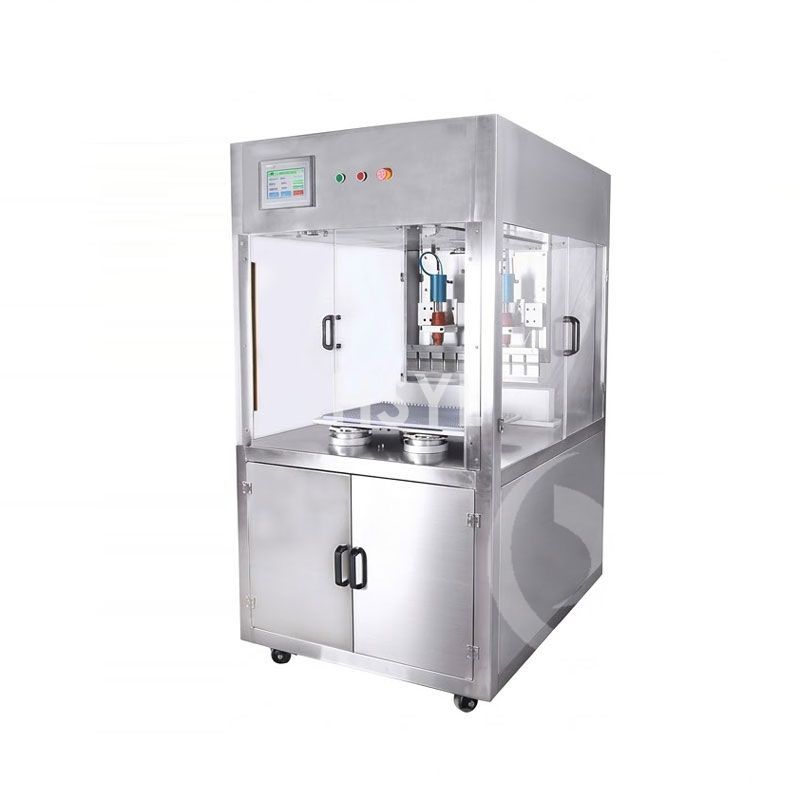

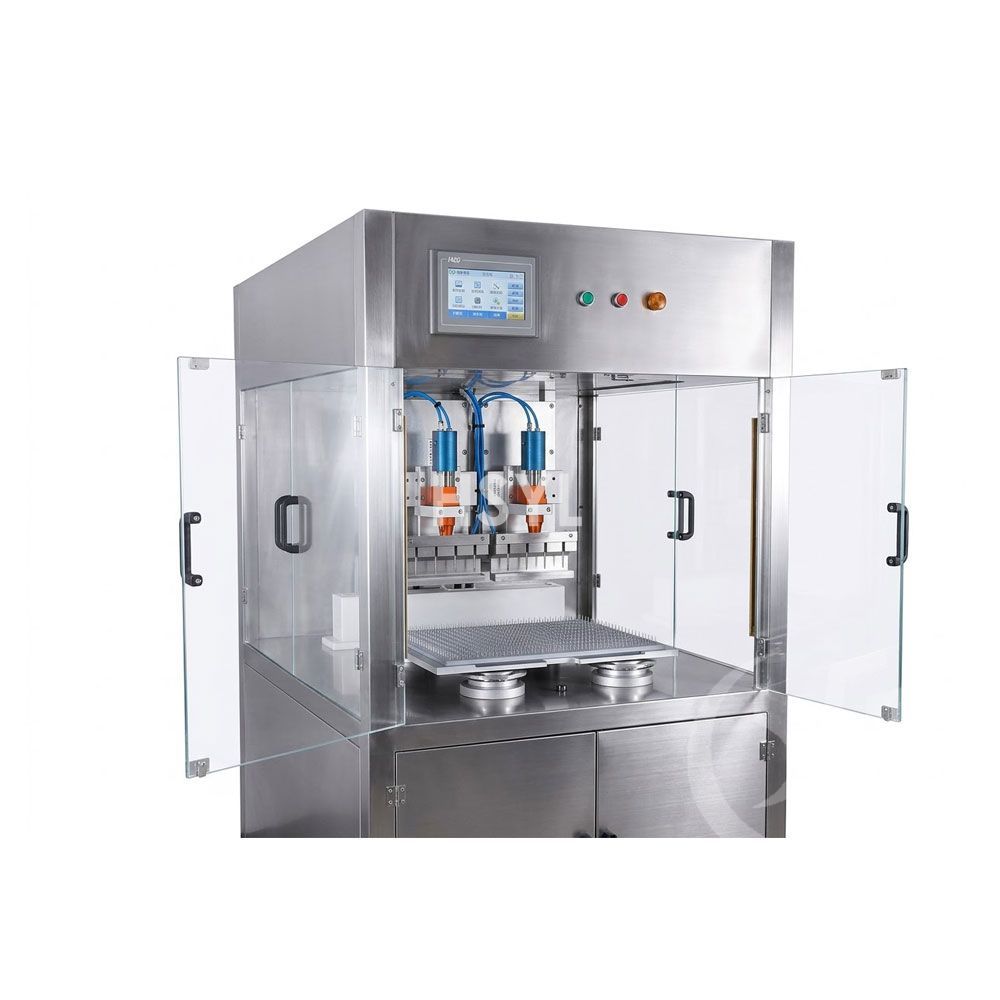 کاکیز اور بسکٹ کے لیے الٹراسونک کٹنگ مشین
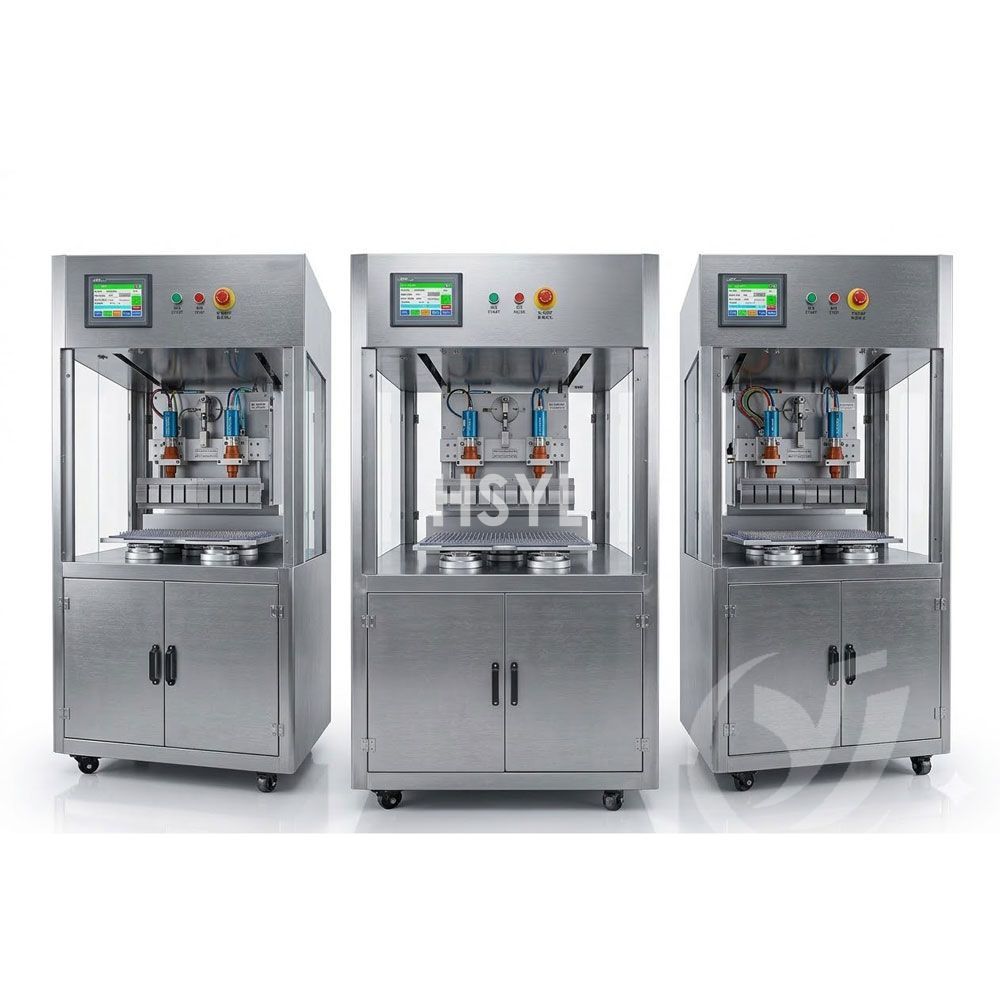 بیکری الٹراسونک خودکار کینڈی کٹنگ مشین
کیا آپ شروع کرنے کے لیے تیار ہیں؟