
食品安全保障:肉类加工环节
Introduktion
Ensuring food safety throughout the meat processing chain is vital to protecting public health and upholding consumer confidence. This demands a thorough and stringent approach that covers every single stage, from the receipt of raw materials to the dispatch of the final products. The following is a detailed breakdown of how to achieve this:
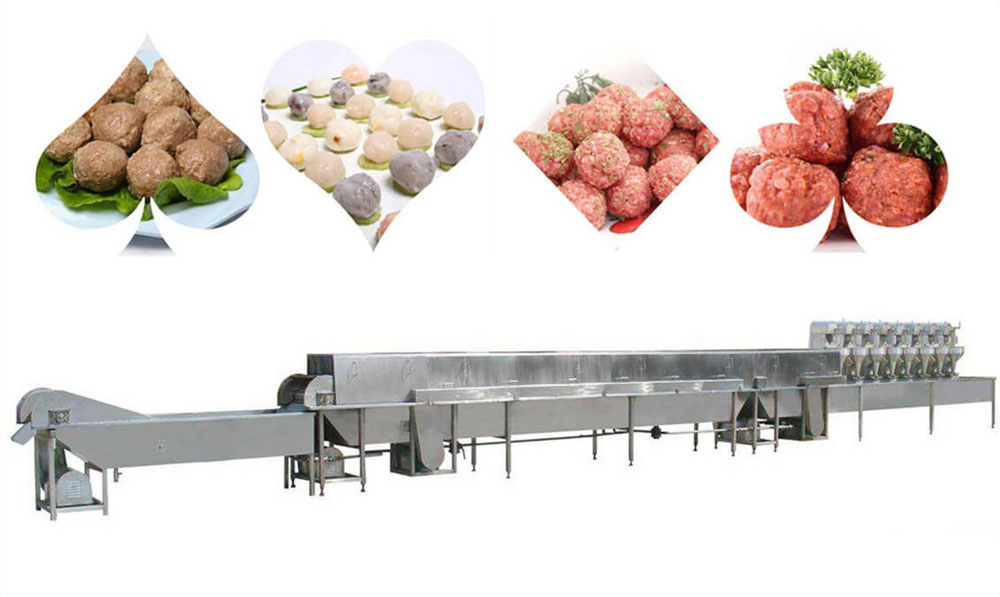
1. Implement a robust HACCP (Hazard Analysis and Critical Control Points) system
HACCP is a systematic, preventative approach to food safety that identifies, evaluates, and controls hazards that are significant for food safety. It's a legal requirement in many countries, including the United States (mandated by the USDA for meat and poultry). The seven principles of HACCP must be followed:
Uitvoeren van een gevarenanalyse
Identificer potentielle biologiske, kemiske og fysiske risici, der kan opstå i de enkelte faser af kødforarbejdningen. Dette omfatter farer relateret til råvarer, ingredienser, produktionsprocesser og det omgivende miljø.
Biologiske farer
Deze omvatten schadelijke micro-organismen zoals bacteriën (bijv. *Salmonella*, *Escherichia coli* O157:H7, *Listeria monocytogenes*, *Campylobacter*), virussen (bijv. norovirus, hepatitis A) en parasieten (bijv. *Trichinella spiralis*).
Chemisk fare
這當中包括若經口攝入可能會造成危害的物質。在肉品加工過程中,這類物質可能包含清潔劑與消毒劑、過敏原、添加劑過量、抗生素或農藥,以及潤滑劑。
Fysische gevaren
These are foreign objects that can cause injury or illness if swallowed, such as metal fragments, bone chips, plastic pieces, or shards of glass.
Identificer kritiske kontrolpunkter (CCP)
Identify the precise stages within the process where controls must be implemented to effectively prevent, eliminate, or reduce food safety hazards to an acceptable level. In meat processing, for instance, this includes monitoring cooking temperatures, chilling rates, metal detection, and sanitation protocols.
Set Critical Limits
为每个关键控制点(CCP)设定可测量且可验证的临界限值。这些限值即为确保危害得到有效控制所必须达到的标准边界。例如,针对禽肉烹饪的临界限值,可设定为在特定时间内内部温度须达到 165°F (74°C)。
Establish Monitoring Procedures
制定 CCP(关键控制点)的監測程序,以確保符合關鍵限值。監測必須頻繁進行並留存記錄。具體措施可包括:持續進行溫度監測、定期檢查衛生程序,或定期進行病原體檢測。
制定纠正措施
Outline the steps to be taken if monitoring shows that a critical limit has been breached. Corrective actions must ensure that any potentially unsafe products do not reach the consumer, and should involve identifying the root cause of the deviation and implementing measures to prevent it from happening again.
Establish Verification Procedures
Implement procedures to ensure the HACCP system is operating effectively. This involves activities such as reviewing documentation, conducting independent audits, and performing microbiological testing.
Establish Record-Keeping and Documentation Procedures
Keep accurate and comprehensive records of all HACCP procedures, monitoring, corrective actions, and verification activities. This documentation is vital to demonstrate compliance and to ensure product traceability in the event of a recall.
2. Overhold rigorous standards of cleanliness and hygiene
A clean and hygienic processing environment is essential to prevent contamination.
Sanitisation of Facilities and Equipment
制定并执行一套完善的卫生管理方案,其中须包含针对加工厂所有区域(包括地面、墙壁、天花板、排水沟及设备)进行清洁与消毒的具体操作规程。
Use suitable cleaning and sanitising agents that are approved for food processing environments, ensuring you follow the manufacturer's instructions regarding dilution levels and contact times.
Establish a master sanitation schedule outlining the frequency and responsibility for each cleaning task.
Ensure all equipment is regularly inspected and maintained to keep it easy to clean and free from bacterial buildup. The design should avoid crevices and hard-to-reach areas as much as possible.
Implement a "clean as you go" policy, ensuring that any spills or messes are tidied up immediately.
Personal Hygiene Standards
Implement strict hand hygiene protocols, ensuring that all staff members thoroughly wash their hands with soap and water for a minimum of 20 seconds at the beginning of each shift, after using the toilet, after handling raw materials, and whenever their hands may have become soiled.
Staff are required to wear clean and suitable protective clothing, including hairnets, beard covers, gloves (which must be changed regularly), and aprons.
Implement policies regarding jewellery, eating, drinking and smoking in production areas.
Ensure that any staff members suffering from illnesses that are foodborne or transmissible through food are strictly prohibited from handling food.
Ensure that handwashing stations and toilets are both sufficient in number and easily accessible.
Skadedyrsbekæmpelse
Implement a comprehensive pest control programme to prevent rodents, insects and other pests from entering or nesting on the premises. This should involve regular inspections, baiting, trapping and sealing any potential entry points.
Make sure to use licensed pest control specialists for any professional treatments.
Keep detailed records of all pest control activities.
Vandkvalitet
Ensure that the water used within the processing facility complies with drinking water standards.
Test water sources regularly for microbiological and chemical contamination.
Implement measures to prevent backflow and cross-contamination within the water supply system.
Affaldshåndtering
Establish formal procedures for the correct collection, storage, and disposal of waste to prevent any contamination of the production environment or the products.
Use the correct bins, which must be cleaned and disinfected on a regular basis.
3. Efektieve temperatuurbeheersing
Kontrol af temperaturen er afgørende for at forhindre vækst af patogene bakterier i kødprodukter.
Reception and Storage
Kontrollér de indgående råvarer for at sikre, at de er modtaget ved de korrekte temperaturer (f.eks. skal kødet være under 4 °C).
Store raw materials and finished products in fully operational refrigerators and freezers, equipped with precise temperature monitoring systems.
Implement a "first-in, first-out" (FIFO) inventory management system to ensure that older stock is used up before newer arrivals.
Bezig met verwerken...
Keep meat products out of the "danger zone" (between 4°C and 60°C) for as long as possible, as this is the temperature range where bacteria multiply most rapidly.
Use chilled water or other cooling methods during processing steps such as grinding and mixing to ensure temperatures remain low.
Cooking
Ensure meat products are cooked to the minimum internal temperature recommended by food safety authorities (such as the USDA). Use a calibrated thermometer to check the temperature at the thickest part of the food.
Establish validated cooking processes to ensure that every part of the product reaches the required temperature for the necessary duration.
降温
快速冷却熟肉制品至安全温度(例如:在 2 小时内从 60°C 降至 21°C,随后在 4 小时内从 21°C 降至 4°C)。
Use appropriate cooling techniques, such as blast chillers or ice baths.
4. Prevent Cross-Contamination
交叉污染是指有害细菌从一种食物或表面转移到另一种食物或表面的现象。
Keep raw and cooked products separate
Ensure that raw and cooked meat products are physically separated during storage, processing, and transport. Dedicated equipment and utensils must be used for each to avoid cross-contamination.
Regulering af trafikflowet
設計加工廠房時,應盡量減少人員與原料在生熟區域之間的往返移動。
Cleaning and sanitising equipment and utensils
Make sure all equipment and utensils are thoroughly cleaned and sanitised after coming into contact with raw meat, before they are used for cooked or ready-to-eat food.
Correct Handwashing Technique
Make sure to stress the importance of washing your hands after handling raw food and before moving on to cooked products.
Farve-kodning
Use colour-coded equipment, utensils and chopping boards to ensure a clear visual distinction between raw and cooked food preparation areas.
5. Ensure appropriate training and education
All staff involved in meat processing are required to undergo comprehensive training covering food safety principles, HACCP protocols, hygiene standards, and their specific roles and responsibilities.
Regular Training Sessions
Hold regular training sessions to reinforce food safety standards and ensure everyone is up to speed with any new regulations or procedures.
Fagspecifik træning
提供針對每位員工個別職責量身打造的培訓課程。
Training Documentation
Keep records of all staff training.
6. Implement Effective Traceability Systems
Traceability enables the tracking of meat products from their point of origin, through the entire processing and distribution chain, right to the consumer. This is vital for pinpointing the source of contamination in the event of a foodborne illness outbreak or a product recall.
Lot-identifikation
Tildel unikke partinumre til råvarer og færdigvarer.
Arkivering
Sørg for fuld sporbarhed ved at føre detaljerede optegnelser, der forbinder råvarer direkte med de specifikke produktbatches.
Leverandøroplysninger
Sørg for at føre fuldstændig log over alle leverandører samt råmaterialernes oprindelse.
Distributionsoverzicht
Monitor the distribution of finished goods to customers.
7. Overhold regulatory compliance and standards
肉类加工厂必须遵守所有适用的食品安全法规与标准,并符合如美国农业部食品安全检验局(FSIS)等政府机构所制定的规范。
Routine Inspections
Zorg dat je voorbereid bent op en meewerkt aan inspecties door de toezichthoudende instanties.
Regulatory Compliance
Keep abreast of all relevant regulations and ensure that both the facility and its processes remain fully compliant.
Arkivering
Keep all necessary records and documentation up to date.
8. Cultivate a culture of food safety
Food safety must be a fundamental principle within the organisation, underpinned by a clear commitment from management to make it a top priority.
Management Commitment
Showing strong leadership and ensuring that all the necessary resources are in place to support food safety programmes.
Medarbejderinddragelse
鼓励员工主动负责食品安全,并积极上报任何潜在问题。
Open Communication
建立一個讓員工能安心反映食品安全疑慮,且無需擔心遭受報復的環境。
9. Implement Continuous Improvement
Food safety programmes should not be static. Regularly review and evaluate the effectiveness of the HACCP system and sanitation programmes.
Interne Audits
Perform regular internal audits to pinpoint areas where improvements can be made.
Dataanalyse
Analyse monitoring data and microbiological test results to identify trends and potential issues.
Keep up to date
Stay up to date with the latest scientific developments and best practices in food safety.
10. Allergen Management
Allergen control is a vital part of food safety within meat processing, particularly as processed meats frequently contain or are exposed to common allergens. A robust allergen management programme must be implemented, covering the following:
Identificering af allergener
Ensure all allergens present within the facility are clearly identified, including those found in raw materials, ingredients, and cleaning agents.
防止交叉接触
Implement stringent protocols to prevent allergen cross-contamination during receipt, storage, processing, and packaging. This may include the use of dedicated equipment, segregated production lines, and rigorous cleaning and sanitation procedures.
Etikettering
Make sure all products are clearly and accurately labelled to declare any allergens. All regulatory requirements for allergen labelling must be strictly followed.
Cleaning and Hygiene
Develop and implement rigorous cleaning protocols to ensure all allergen residues are effectively removed from equipment and surfaces. This may involve the use of specialised cleaning agents and regular verification testing to confirm that all traces of allergens have been successfully eliminated.
Training
Ensure all staff receive comprehensive training on allergen awareness, the risks of cross-contamination, and the specific protocols in place for allergen control.
Conclusie
Ensuring food safety within meat processing is an ongoing, multi-layered responsibility. It demands a solid grasp of HACCP principles, alongside stringent sanitation and hygiene protocols, precise temperature control, and rigorous prevention of cross-contamination. Furthermore, it requires comprehensive staff training, robust traceability systems, strict regulatory compliance, a strong food safety culture, and a steadfast commitment to continuous improvement. By implementing these comprehensive strategies, meat processing facilities can significantly mitigate the risk of foodborne illnesses, protect their consumers, and establish a reputation for producing safe, high-quality products. Ultimately, this commitment to food safety is more than just a matter of regulatory compliance; it is a fundamental tenet of responsible business practice within the meat processing industry.
Essential Reading for Fast Food and Restaurant Chains Owners
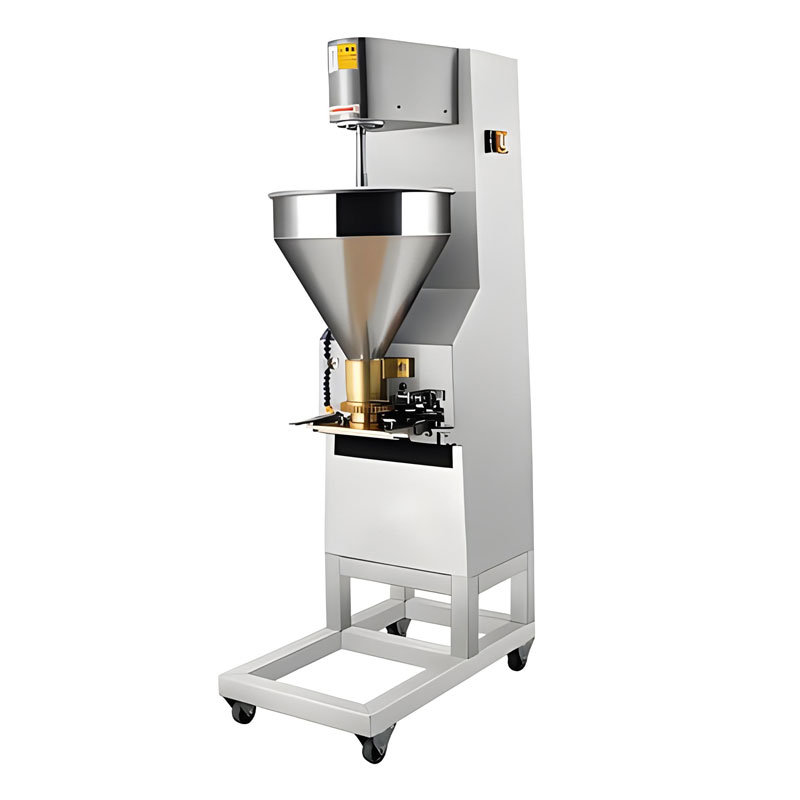
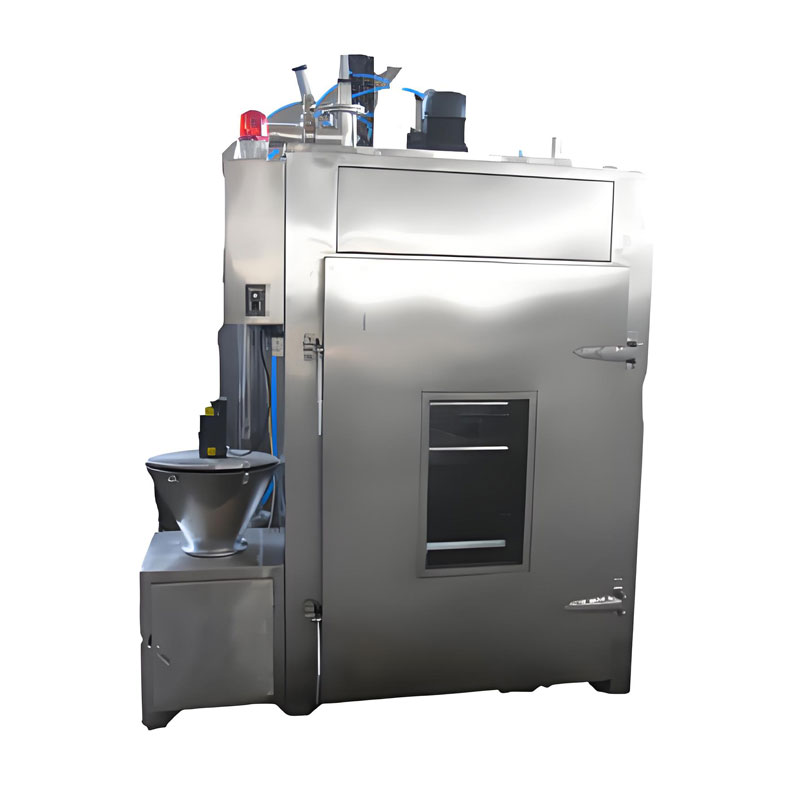
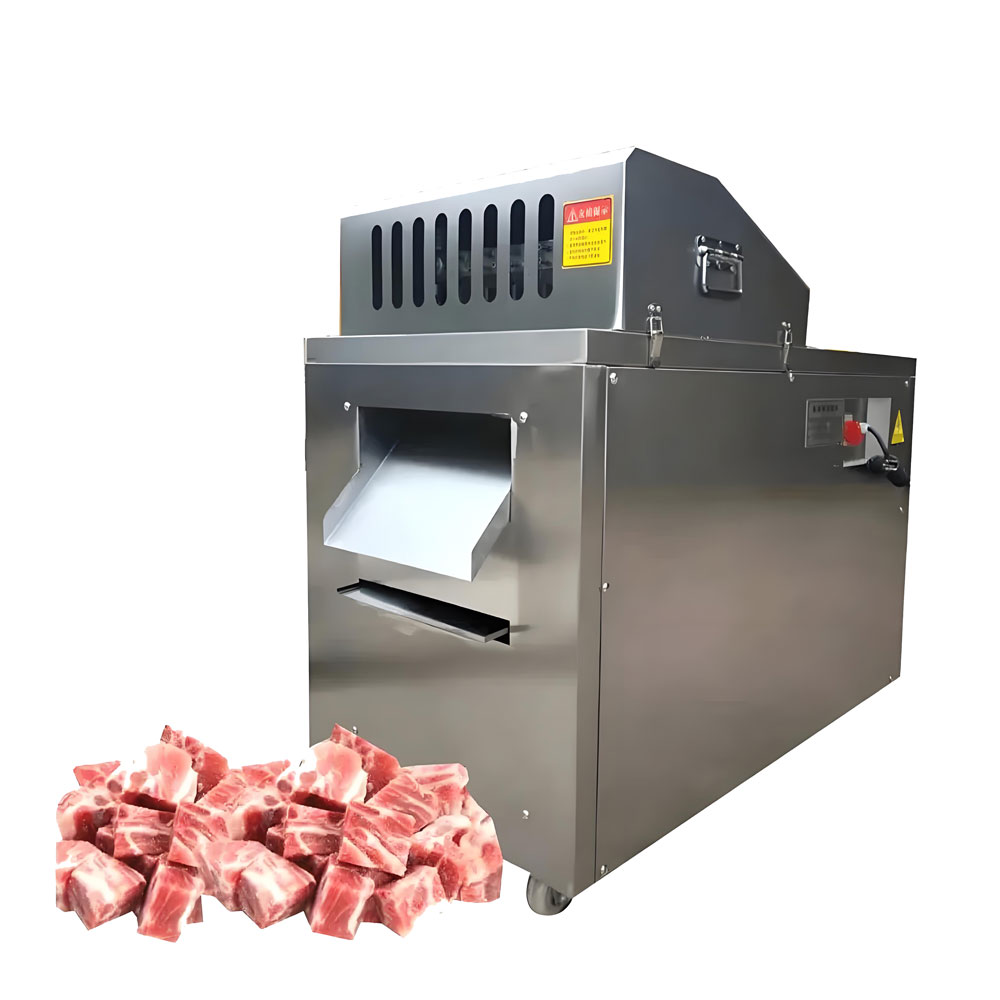
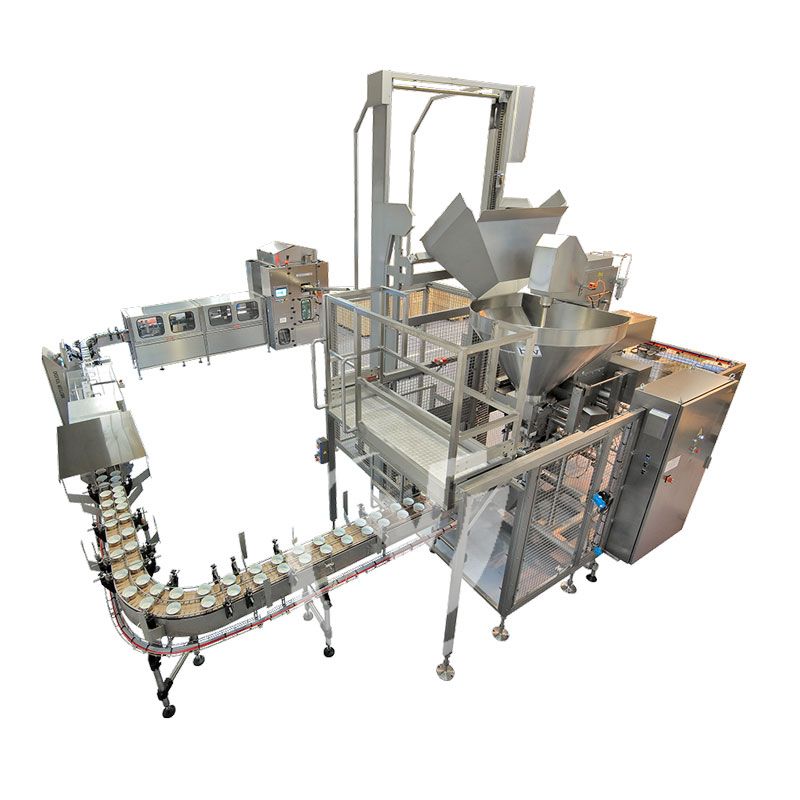
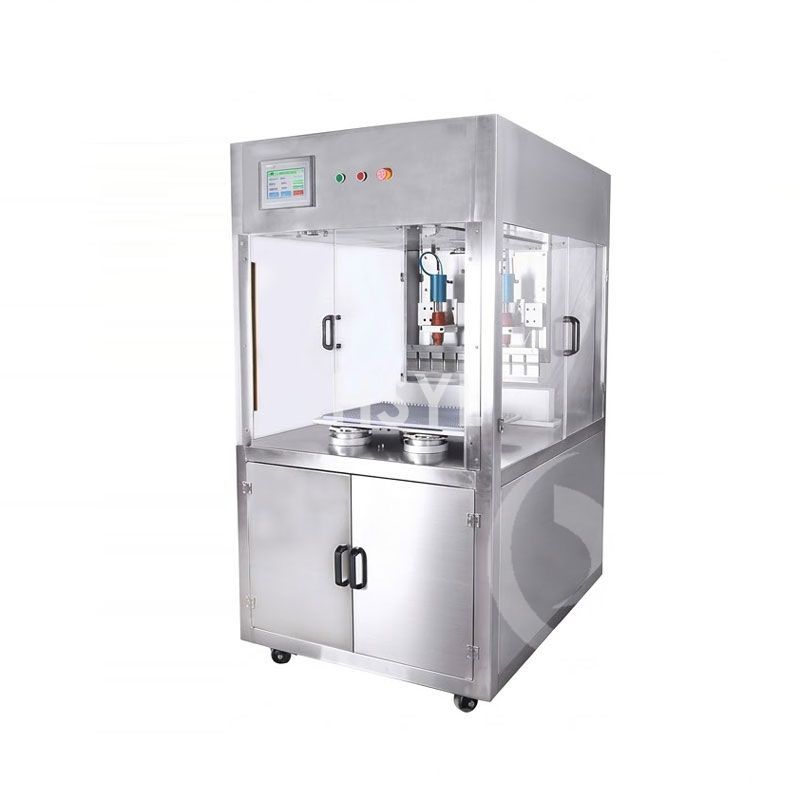

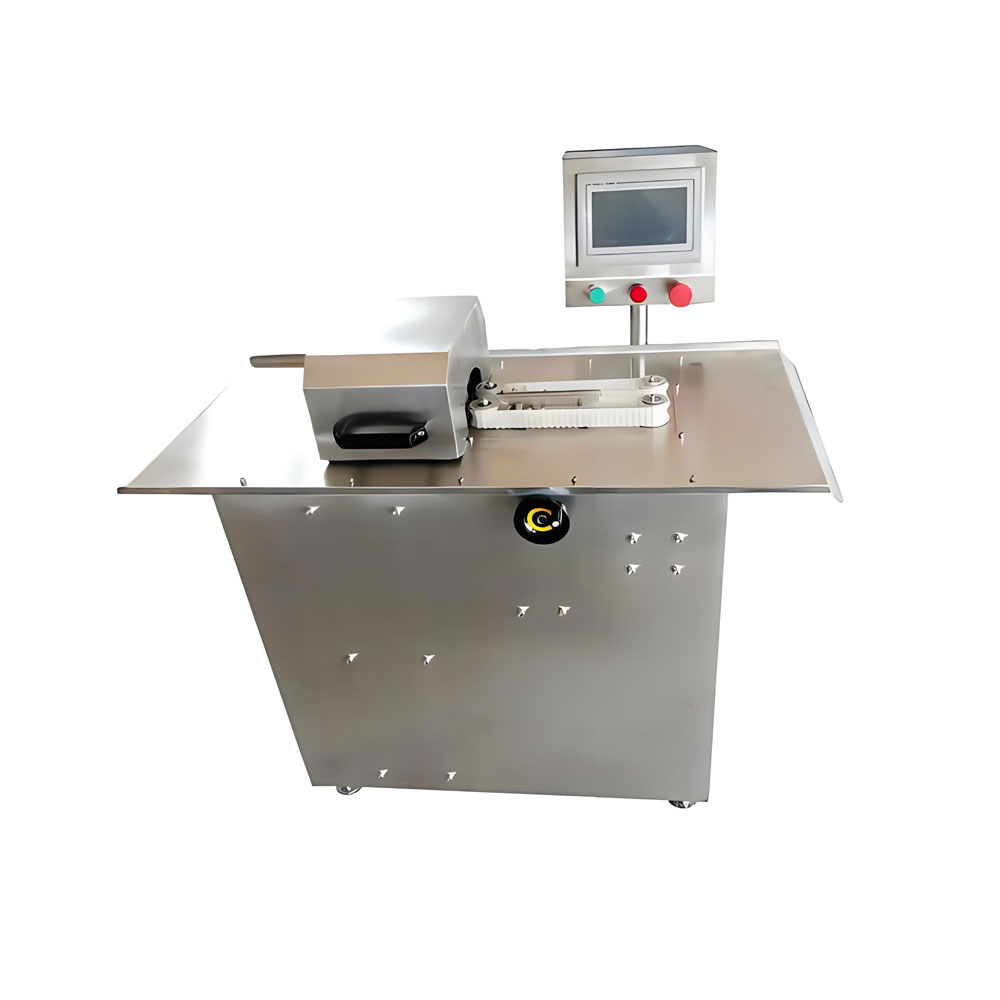
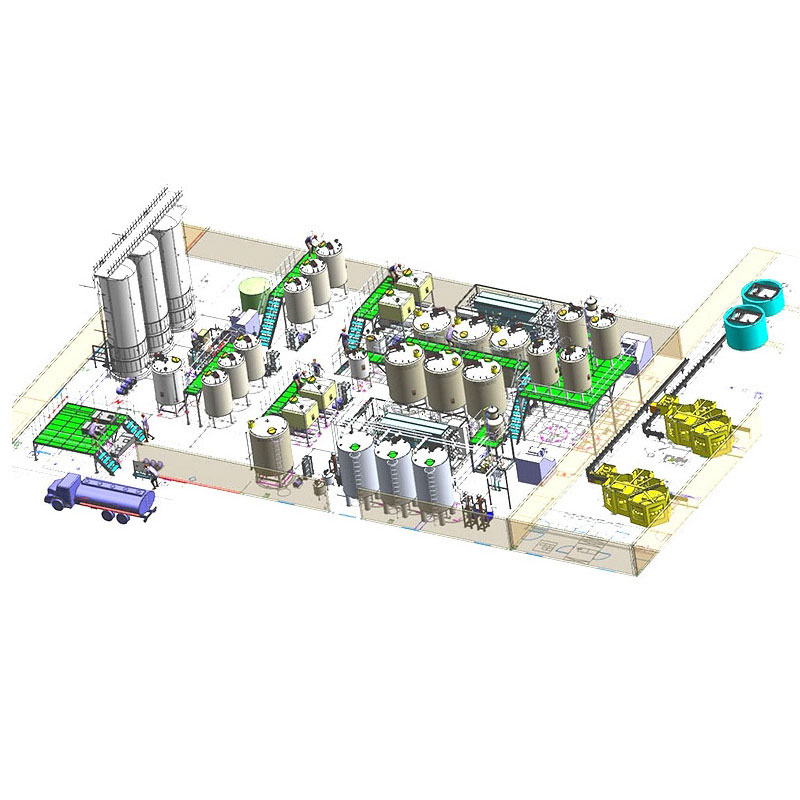
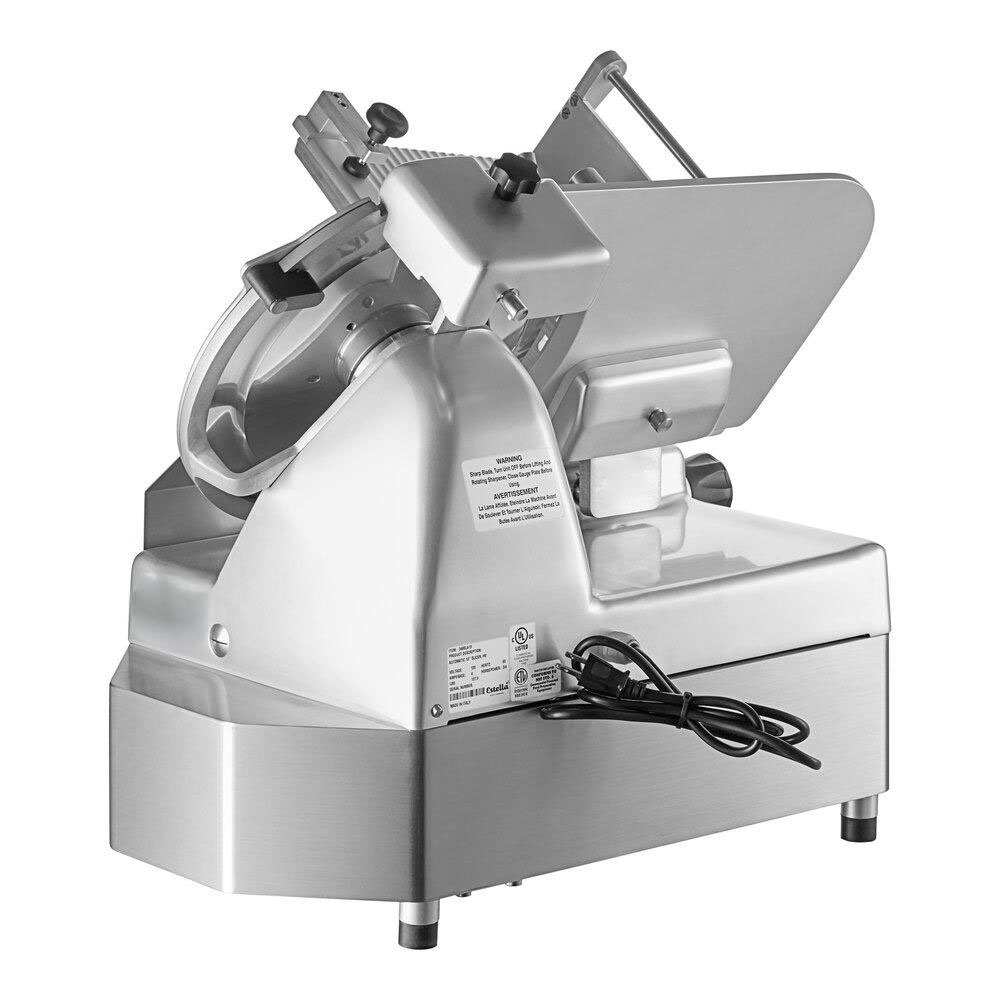
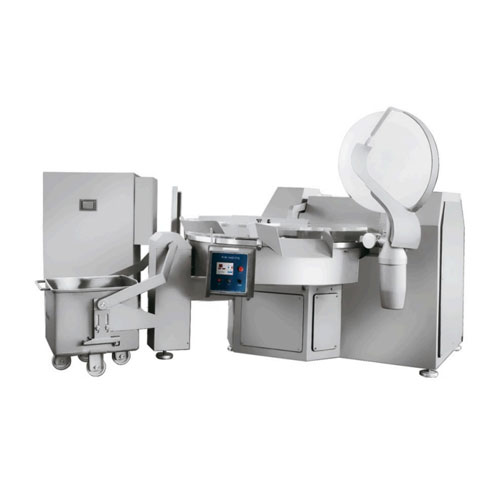
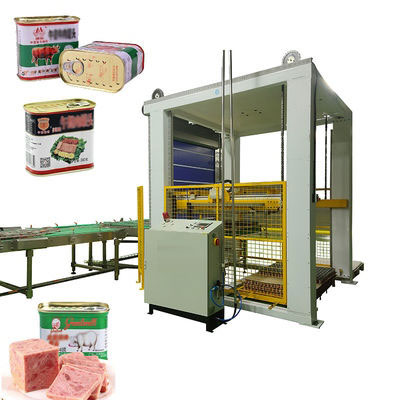 Processed Meat Production Line
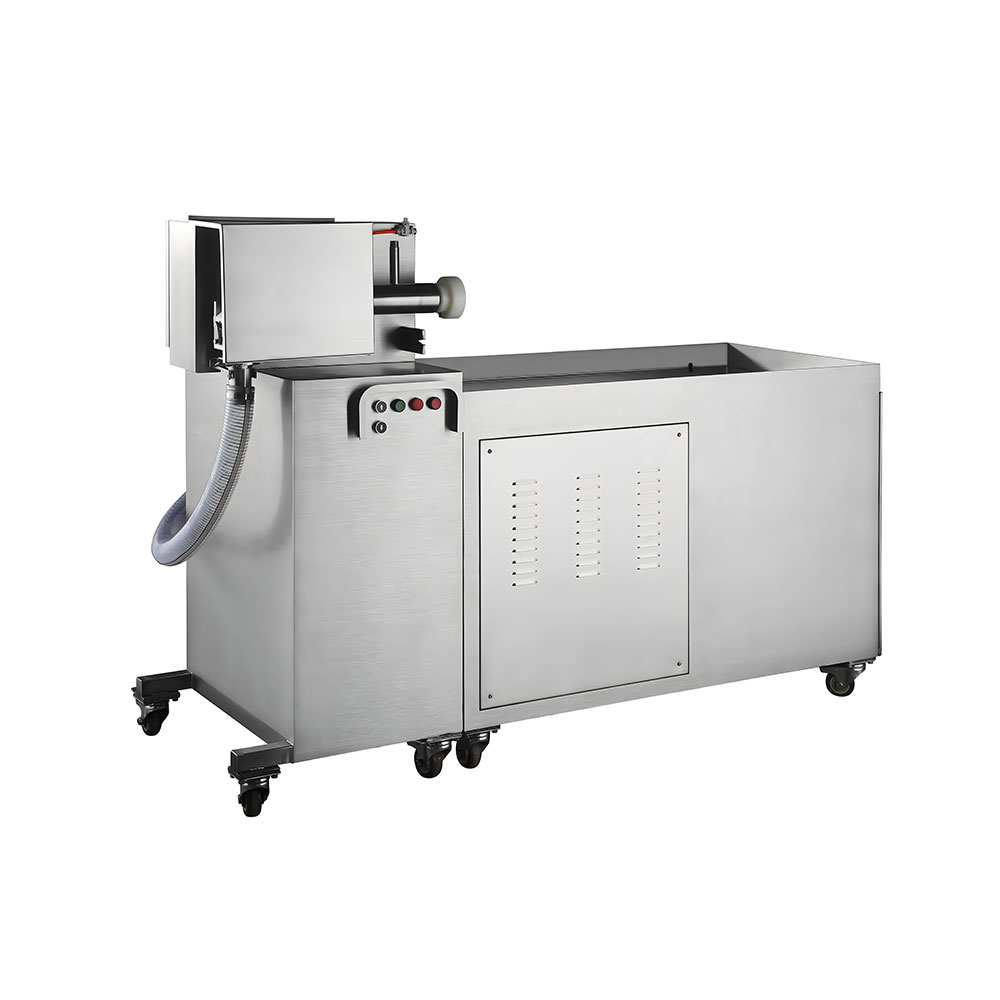 Automatisk pølseskræller
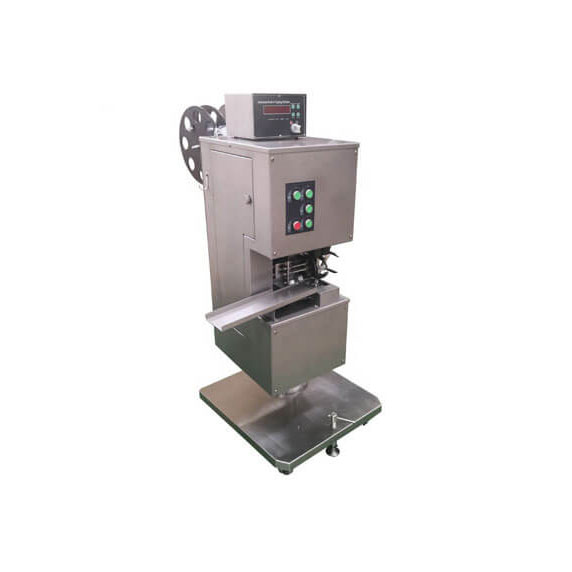 Automatische Wurstschneidemaschine
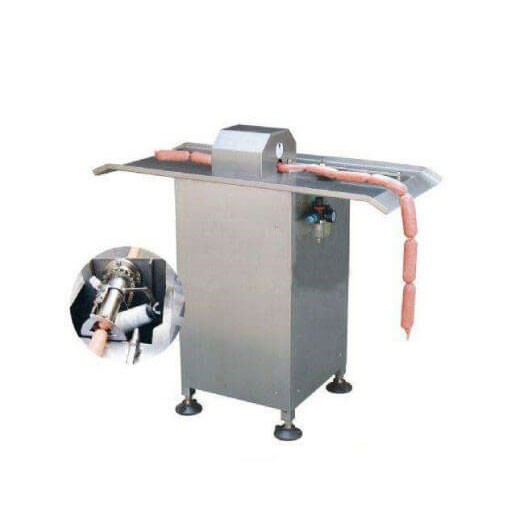 Sausage Tying Machine
Ready to go?