
The Ultimate Guide to Procuring Meat Processing Equipment: Ensuring Quality, Efficiency, and Compliance
Introduktion
In the ever-evolving meat processing industry, strategic equipment procurement is far more than just an overhead expense—it is the very foundation of operational success. The right machinery directly determines your production capacity, product quality, food safety, and, ultimately, your bottom line. Navigating this complex process requires a profound understanding of your facility’s specific requirements, a keen eye for technological innovation, and a steadfast commitment to long-term sustainability. This comprehensive guide explores the essential considerations for procuring meat processing equipment, equipping you to make informed decisions that drive efficiency and strengthen your competitive edge in the market.
The Importance of Equipment Procurement for Meat Processing Plants & Choosing the Right Tools to Drive Success
A meat processing plant’s efficiency is fundamentally tied to the quality and suitability of its machinery. Making the wrong choices can lead to production bottlenecks, inconsistent product quality, increased waste, and even potential food safety risks. On the other hand, investing in the right equipment can boost throughput, ensure superior product consistency, lower labour costs, and strengthen your competitive edge. Selecting equipment is not merely about buying the latest technology; it is about finding solutions that integrate seamlessly into your workflow and solve your specific operational challenges. Focus on equipment that minimises manual intervention, maximises yield, and ensures strict compliance with hygiene standards.
An overview of the production workflow in a meat processing plant
Fra de rå materialer mod færdig pakning – de vigtigste faser i processen
The meat production process is a meticulously orchestrated sequence of stages. It begins with the rigorous inspection and receipt of raw materials, followed by pre-processing steps such as deboning, trimming, and grinding. Subsequent phases involve marination, shaping, heat treatment (such as cooking, smoking, or drying), chilling, and finally, precision packaging. Each stage requires specialised equipment, and a thorough understanding of this interconnected workflow is essential for optimising overall efficiency. Identifying potential bottlenecks and areas for improvement within this process will directly inform your choice of machinery.
Verschillende soorten planten, verschillende eisen
对于小型手工肉铺而言,其设备需求与大规模高产能的处理工厂截然不同。规模较小的作坊通常更看重设备的通用性与经济实惠,因此多倾向于选用手动或半自动设备。相比之下,大型工厂则受益于专为连续作业设计的全自动化、高吞吐量系统。此外,规模的可扩展性也至关重要。您需要评估现有设备是否足以应对预期的业务增长,或是未来是否必须进行升级。采取循序渐进的设备采购方式,使其与预期的市场需求保持同步,不失为一种稳妥的策略。
如何制定采购计划:核心注意事项
Budget Allocation: Striking the Right Balance Between Cost and Quality
Setting a realistic budget is the first and most crucial step. Don't be swayed by the temptation of the lowest price. Choosing a cheap option can be a false economy, leading to unreliable equipment, frequent breakdowns, and ultimately, much higher long-term costs. Instead, focus on the total cost of ownership—taking into account the initial purchase price, installation, maintenance, energy consumption, and potential downtime. Carrying out a thorough cost-benefit analysis is essential.
Plant Space & Equipment Layout Compatibility
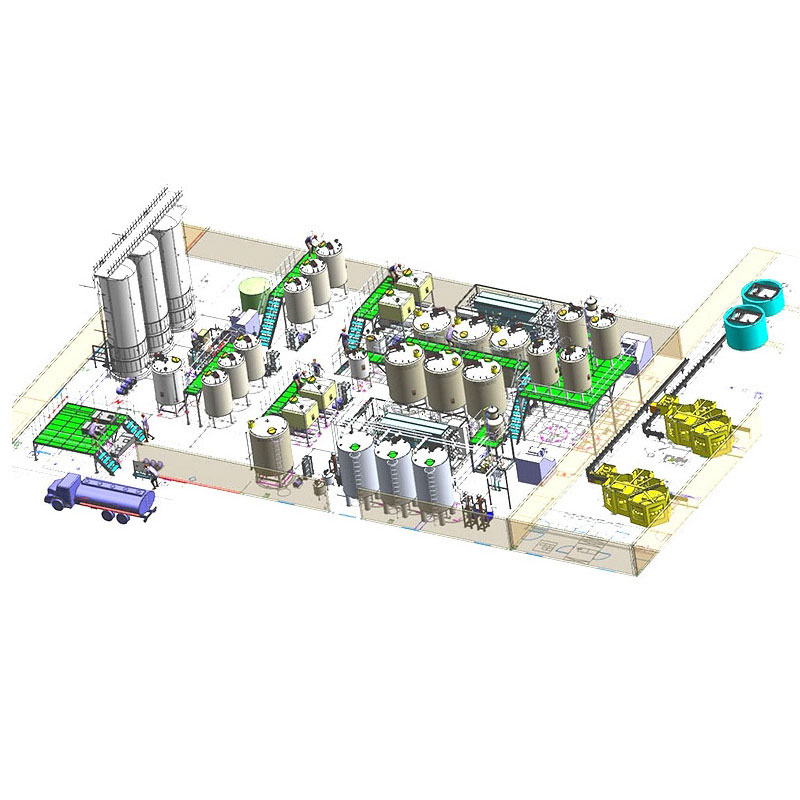
Make sure your premises have plenty of room for the equipment you’ve selected, ensuring there is enough space for smooth workflows and easy maintenance access. A poorly thought-out layout can lead to bottlenecks, safety risks, and lower productivity. Keep ergonomics in mind to reduce physical strain on staff and streamline movement. It is highly recommended to use floor plans and simulations to visualise the setup before you commit to any major purchases.
Future Business Expansion & Potential for Equipment Upgrades
Keep an eye on future growth and opt for equipment that can be easily adapted or upgraded as requirements evolve. Modular designs and compatibility with upcoming technologies are key advantages. By investing in equipment that offers clear upgrade paths, you can avoid the need for expensive replacements in the future.
Verschillende soorten vleesverwerkingsmachines & Hun functies
Cutting Equipment: Precision and efficiency are paramount. Consider band saws, portion control saws, and waterjet cutters. The choice of blade material and sharpness directly impacts yield and product appearance. Invest in high-quality blades and establish a regular sharpening schedule.
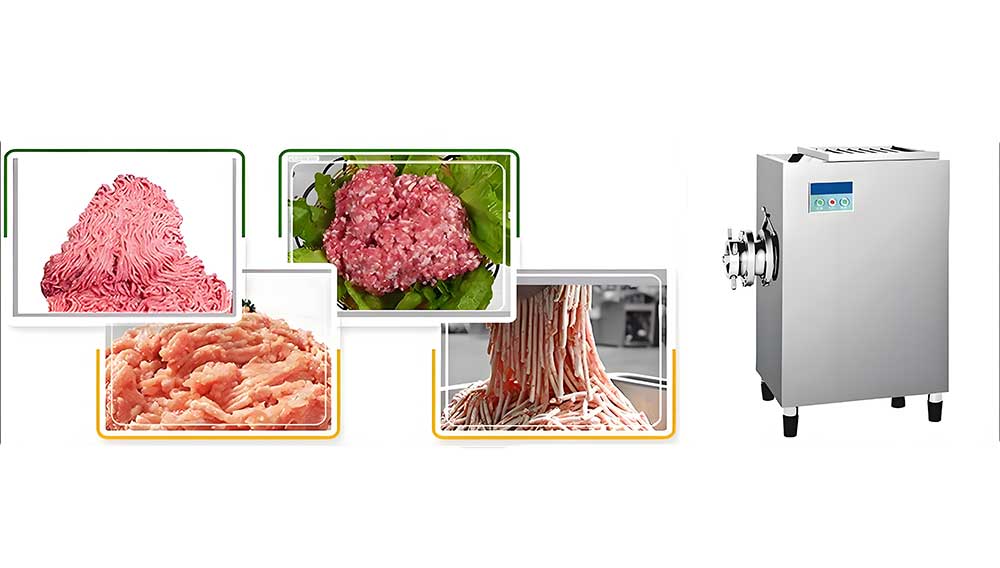
Grinding & Mixing Equipment: Achieving a consistent texture and thorough mixing of ingredients is vital. Grinder plate size dictates the fineness of the grind, impacting the final product’s mouthfeel. Ensure easy disassembly for thorough cleaning and sanitation.
Marination & Seasoning Equipment: Automation ensures consistent flavor profiles. Vacuum tumblers are particularly effective for enhancing marinade penetration. Consider equipment with programmable cycles for precise control.
Thermal Processing Equipment: Steamers, smokers, ovens, and fryers each impart unique characteristics. Understanding the nuances of each method is crucial for achieving desired product attributes. Energy efficiency and temperature control are key considerations.
Refrigeration & Freezing Equipment: Maintaining precise temperature control is non-negotiable for preserving product quality and safety. Energy-efficient systems are essential for minimizing operating costs. Invest in reliable temperature monitoring systems.
Packaging Equipment: Vacuum packaging extends shelf life, while automated labeling machines enhance presentation and traceability. Consider equipment that can accommodate various packaging formats.
Equipment Materials & Hygiene Standards
Waarom voedselveilig roestvrij staal essentieel is
Stainless steel is the industry standard for meat processing equipment. Its resistance to corrosion, ease of cleaning, and non-reactive nature are vital for maintaining hygiene and preventing bacterial contamination. Avoid any materials that are prone to rusting or can harbour microorganisms. For optimal performance, ensure you use 304 or 316 grade stainless steel.
Ensuring compliance with international food safety standards (HACCP, ISO 22000, GMP)
Equipment must comply with stringent food safety regulations. Ensure that any machinery holds recognised certifications such as HACCP, ISO 22000, or GMP, as these serve as a guarantee of food safety and quality standards. It is also vital to verify that the equipment is designed to allow for thorough and effective cleaning and sanitisation.
Automatisering & Intelligente Apparatuur: De Toekomst van Verwerking
Lowering labour costs & boosting production efficiency
Automation minimises the need for manual intervention, thereby cutting labour costs and boosting throughput. Automated systems can operate around the clock, ensuring production capacity is fully maximised.
Smart Monitoring & Data Analysis for Optimising Production Processes
Intelligent systems provide real-time data on key performance indicators, allowing for proactive adjustments and the optimisation of production processes. Data analytics can also pinpoint areas for improvement and ensure resources are allocated as effectively as possible.
The Use of Robotics in Meat Processing
Robotic arms are being used more and more for tasks such as deboning, portioning, and packaging, which increases precision and reduces the risk of repetitive strain injuries. Robotics can also improve hygiene by minimising human contact with the product.
Brand & 供应商筛选:建立策略性合作伙伴关系
Lokale leverandeurs versus internationale merken: een afweging tussen kwaliteit & prijs
Lokale leveranciers zijn vaak sneller schakelen en kunnen de verzendkosten drukken, terwijl internationale merken juist toegang bieden tot de nieuwste technologieën en specialistische expertise. Weeg daarom de langetermijnwaarde van beide opties zorgvuldig tegen elkaar af.
Assessing Supplier Credibility: Case Studies on & Market Reputation
Sørg for at gennemgå potentielle leverandører grundigt. Tjek referencer, gennemlæs cases og vurder deres omdømme i branchen. Gå efter leverandører, der har dokumenteret erfaring med pålidelighed og høj kundetilfredshed.
Why After-Sales Service Matters: Spare Parts Availability and & Technical Support
Reliable after-sales service is absolutely vital. Make sure your supplier can provide readily available spare parts, prompt technical support, and thorough training. A robust service network is essential to minimise downtime and ensure continuous operation.
Energy Efficiency Standards for Equipment and & Environmental Compliance
How Energy-Efficient Equipment Lowers Long-Term Running Costs
Investing in energy-efficient equipment reduces electricity consumption and lowers operating costs. Look for equipment with energy-saving features and certifications.
The Impact of Environmental Regulations on Meat Processing Equipment
It is vital to comply with environmental regulations. You should look for equipment designed to minimise water consumption, reduce waste, and limit pollutant emissions.
Afvalwaterzuivering & Controle van de emissie van verontreinigende stoffen
Effektive Abwasserreinigungssysteme sind unerlässlich, um die Umweltbelastung so gering wie möglich zu halten. Stellen Sie sicher, dass Ihre Anlagen den geltenden lokalen und nationalen Umweltvorschriften entsprechen.
(The following sections – Installation & Debugging, Training & Operation, Maintenance & Servicing, Common Procurement Pitfalls, Case Studies, Negotiation Tactics, Regulations, Emergency Plans, and Future Trends – remain as previously detailed.)
FAQ - Veelgestelde vragen en antwoorden
How should I go about selecting the right equipment for a small-scale processing plant?
For smaller-scale operations, versatility and cost-effectiveness should be the main priorities. Seek out multi-purpose equipment capable of handling a range of different tasks. To keep initial outlays down, consider purchasing second-hand or refurbished gear that is still in good working order. It is often wiser to opt for manual or semi-automatic models, as these typically require less upfront capital and are much easier to maintain. Avoid overspending on high-end features that won't actually add value to your specific needs.
If I'm on a tight budget, how can I strike the right balance between the quality of my gear and my production requirements?
Prioritise your most essential kit first – specifically the items that have a direct impact on food safety and your core production processes. To manage your cash flow, look into leasing options or financing plans to spread the cost over time. You might also consider buying second-hand equipment, provided you source it from reputable suppliers who offer a warranty. Ultimately, focus on durable, reliable brands known for their longevity, even if they aren't necessarily the most cutting-edge on the market.
Is the upkeep of meat processing machinery expensive?
Ja, het onderhoud kan behoorlijk oplopen. Preventief onderhoud kan echter de kosten voor reparaties flink beperken. Regelmatig schoonmaken, smeren en inspecteren is essentieel. Neem de onderhoudskosten mee in de berekening van de totale eigendomskosten (TCO). Kies voor apparatuur waarbij reserveonderdelen gemakkelijk leverbaar zijn en er een betrouwbaar servicenetwerk beschikbaar is.
What are the essential aspects of equipment maintenance, and how can I cut down on maintenance costs?
Set up a preventative maintenance schedule. Ensure all staff are fully trained on correct operating and cleaning procedures. Carry out regular equipment inspections to check for any wear and tear. Always use genuine spare parts. Maintain thorough and detailed maintenance logs. Tackle minor issues immediately to prevent them from escalating into larger problems.
Which is better value for money – imported or locally made equipment?
There is no single right answer. While imported equipment often provides cutting-edge technology at a more competitive price, it can come with longer lead times and higher shipping costs. On the other hand, domestic equipment typically offers faster delivery, easier access to maintenance, and more reliable local support. You should weigh your specific requirements and prioritise key factors such as reliability, service availability, and the total cost of ownership over the long term.
Taking performance, cost, and after-sales service into account, what are the advantages and disadvantages?
| Funktionsumfang | Imported Machinery | Household Appliances |
| Prestation | Ofter teknologisk avanceret | Generally dependable, though occasionally slow to innovate |
| Prijs | Of dat een lagere aanbetaling vereist | Often involves higher initial costs |
| Eftersalgsservice | Puede que sea más lento debido a las barreras lingüísticas. | Communication made faster and easier |
| Doorontijd (levertijd) | Længere | Korter |
| Reserved Parts | Possible delays | Easily accessible |
Which food safety certifications are required when procuring equipment?
Ensure that all equipment is certified to HACCP, ISO 22000, and GMP standards. The machinery must be constructed from food-grade materials—ideally stainless steel—and designed to facilitate thorough cleaning and sanitation. Always verify that your equipment complies with all local regulatory requirements.
How can I evaluate the reliability of a supplier's equipment?
向其他客户索取过往案例。实地考察其设施,以观摩设备的实际运行情况。查阅案例研究与客户证言。查看网络评价及行业论坛。就设备的规格参数、保修条款及售后服务支持进行深度询问。务必对供应商的制造工厂进行全面的实地考察。
Is it worth getting second-hand gear?
Buying second-hand equipment can be a great way to save money, but it does involve certain risks. Make sure to carry out a thorough inspection to check for any signs of wear and tear. You should also ask for the maintenance records and ensure the seller provides a warranty. Don't forget to take the age of the machinery into account, as well as how easy it will be to source spare parts. It is highly recommended to have a qualified technician assess its condition before you commit to the purchase.
Is it worth investing in smart technology?
Smart equipment delivers long-term value by boosting efficiency, cutting labour costs, and enhancing data analytics. However, the upfront capital expenditure is higher. It is essential to carry out a rigorous ROI analysis to ensure the long-term gains justify the initial outlay. Furthermore, align these decisions with your strategic growth objectives and the potential for future automation.
Is it possible to lease the processing equipment rather than purchasing it outright?
Yes, leasing is a sensible way to go, particularly for startups or companies operating on a tight budget. It provides greater flexibility, reduces initial capital expenditure, and ensures predictable monthly outgoings. Keep in mind, however, that you won't own the equipment once the lease agreement comes to an end.
How can I ensure that the equipment I purchase fully aligns with my production requirements?
Sørg for at foretage en grundig behovsanalyse, før du går til indkøb. Fastlæg dine produktionskrav, målsætninger for kapacitet og de specifikke produktkrav. Besøg messer og fremvisninger, så du kan se udstyret i brug. Bed om en prøveperiode eller en pilottest, før du træffer den endelige beslutning om køb.
Samenvatting
The procurement of equipment is a critical decision that will shape the long-term success of a meat processing plant. By adopting a strategic, data-driven approach that prioritises quality and hygiene, while building strong relationships with suppliers, you can significantly boost production efficiency, enhance product quality, and secure a lasting competitive edge. Navigating the complexities of equipment procurement requires both diligence and foresight, but the rewards—a thriving, future-proof operation—make the investment truly worthwhile.
Essential Reading for Fast Food and Restaurant Chains Owners
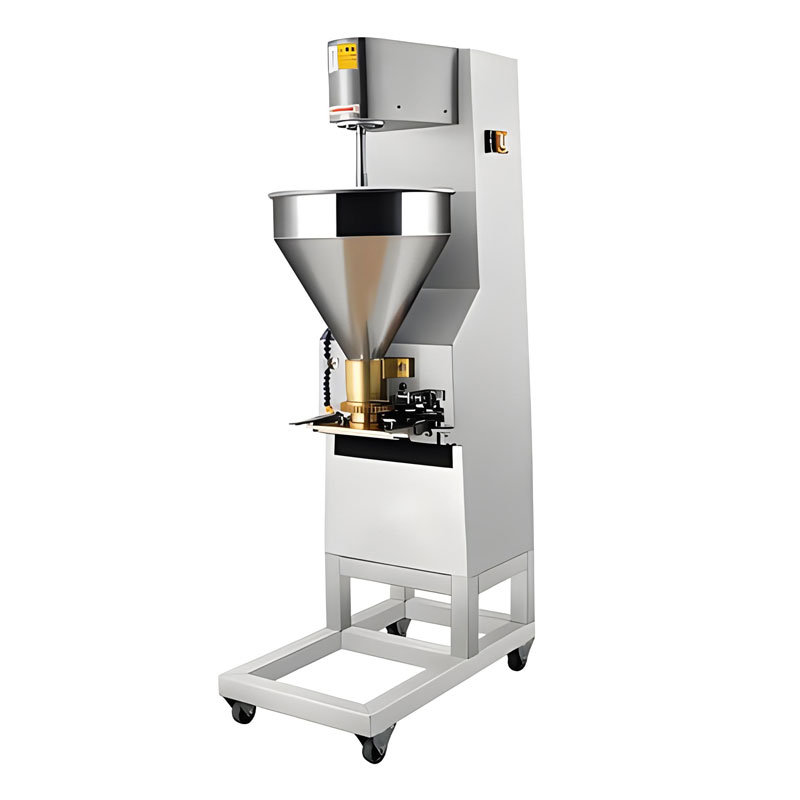
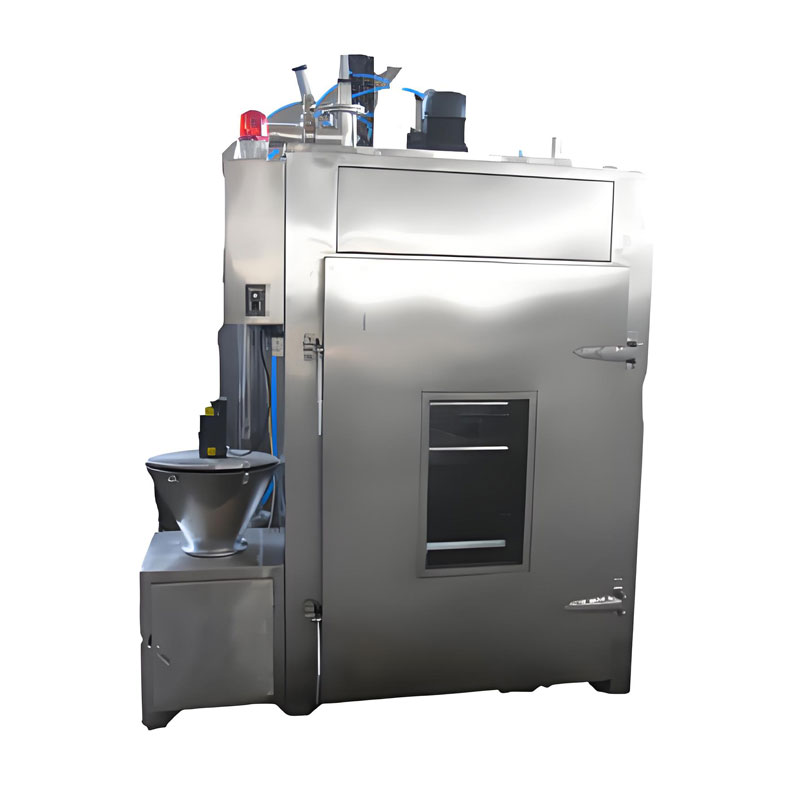
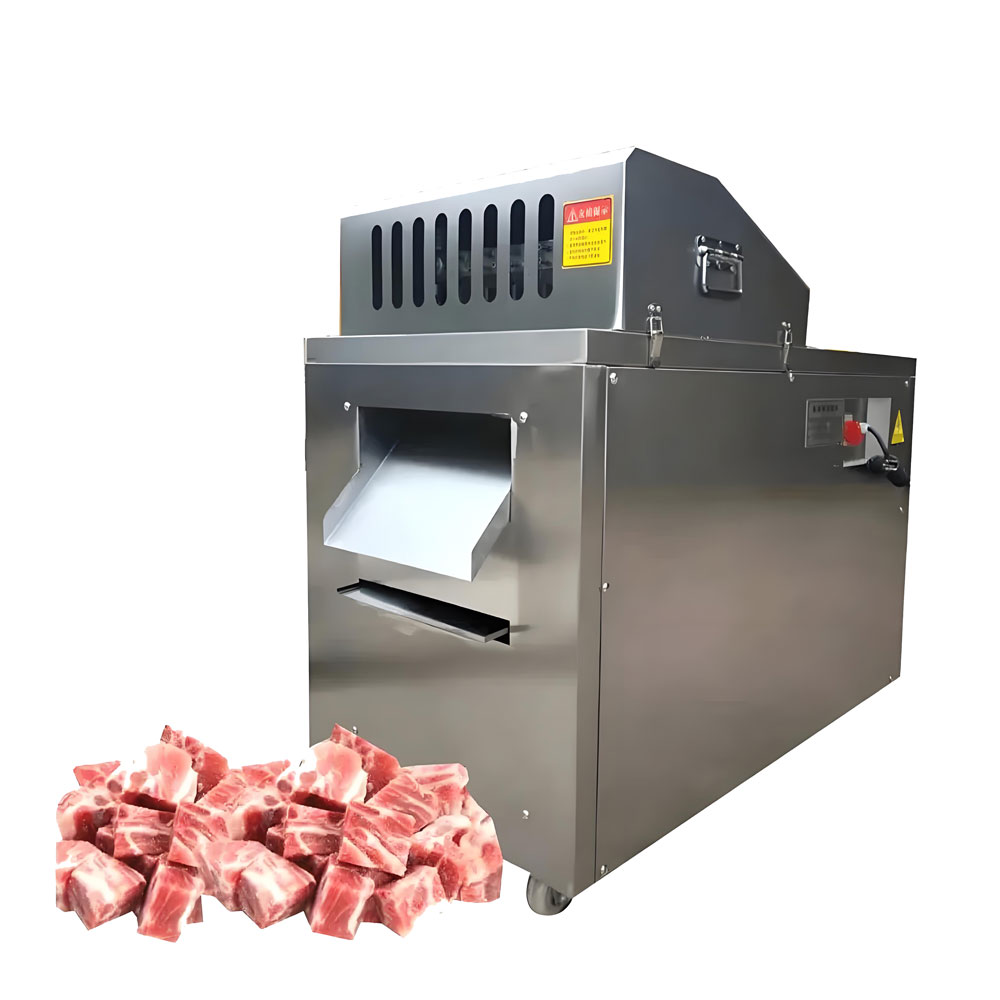
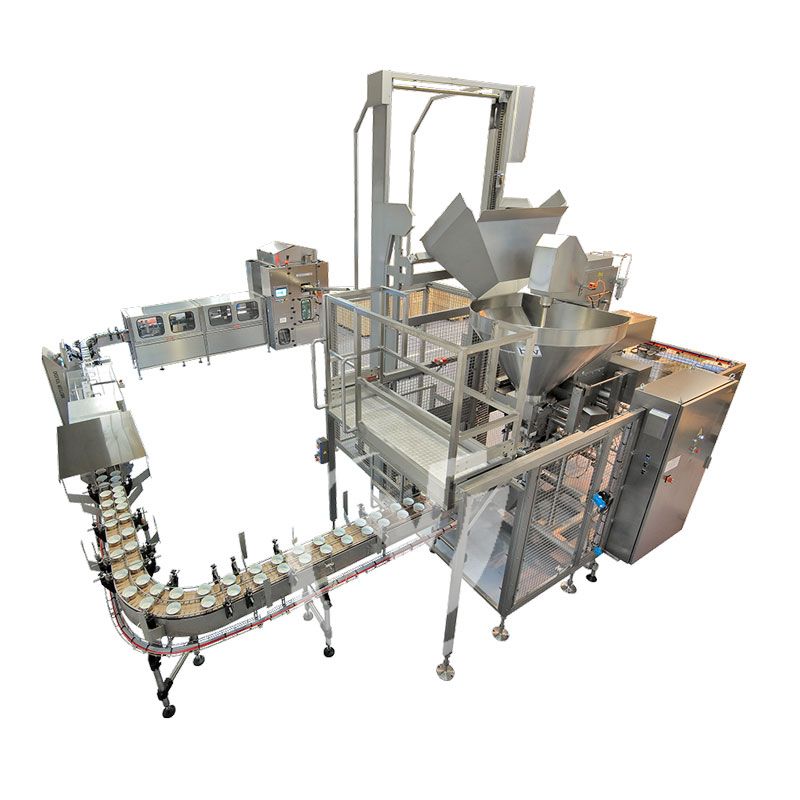
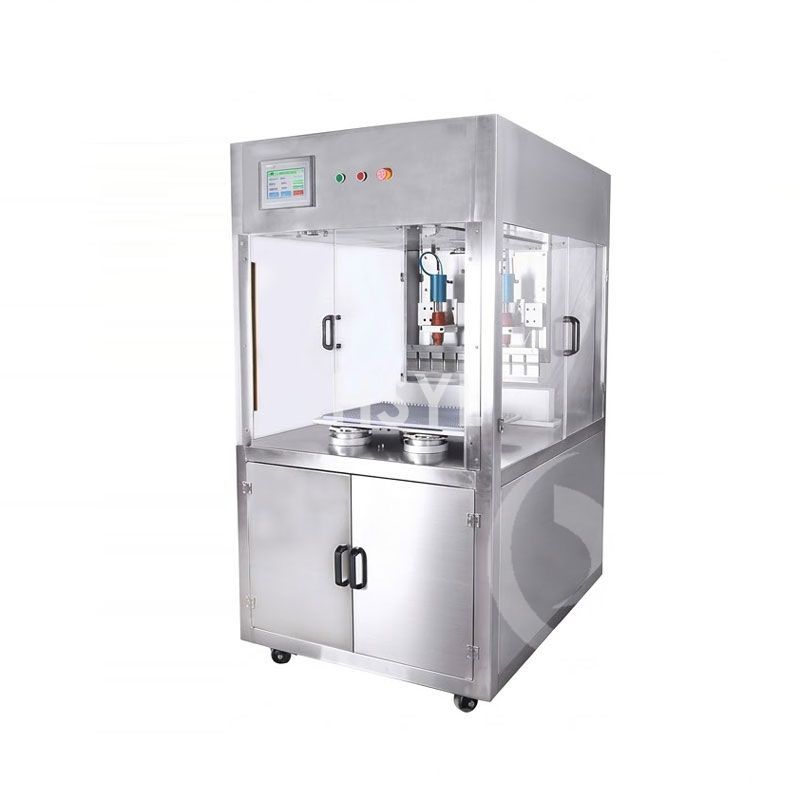

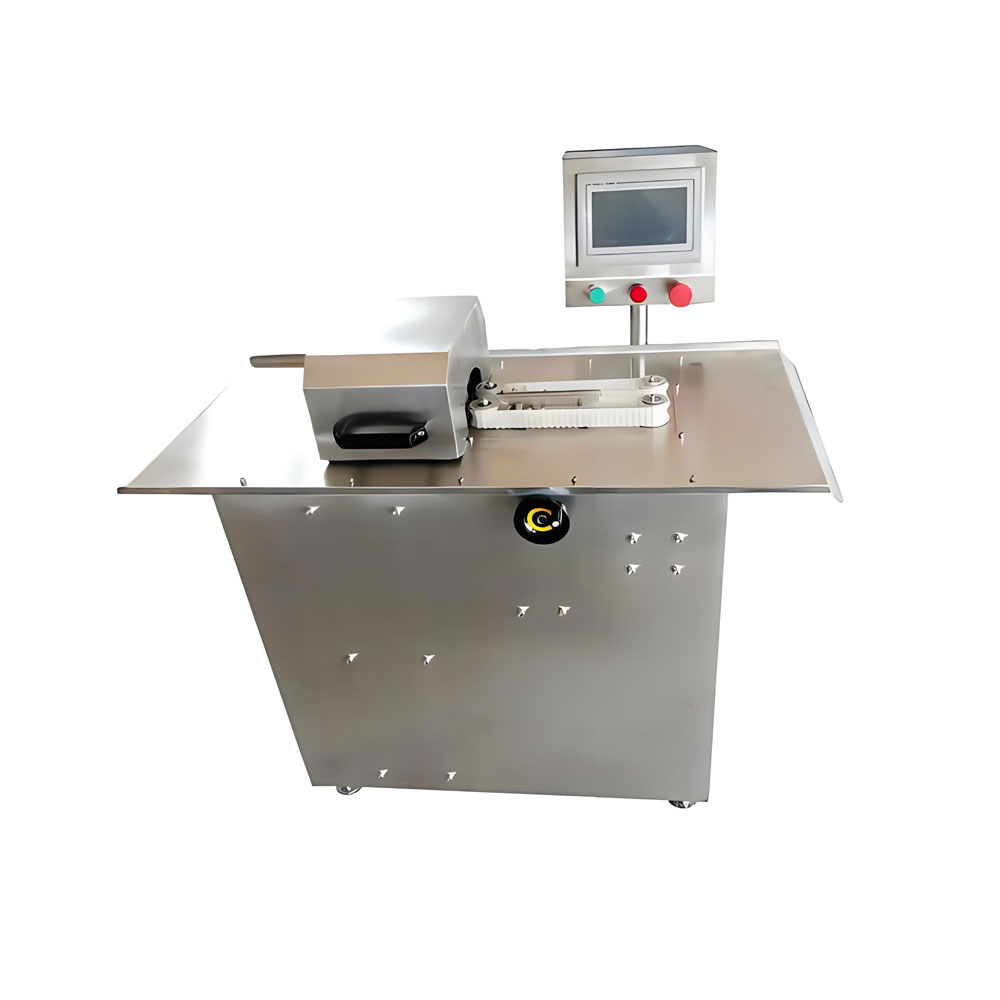
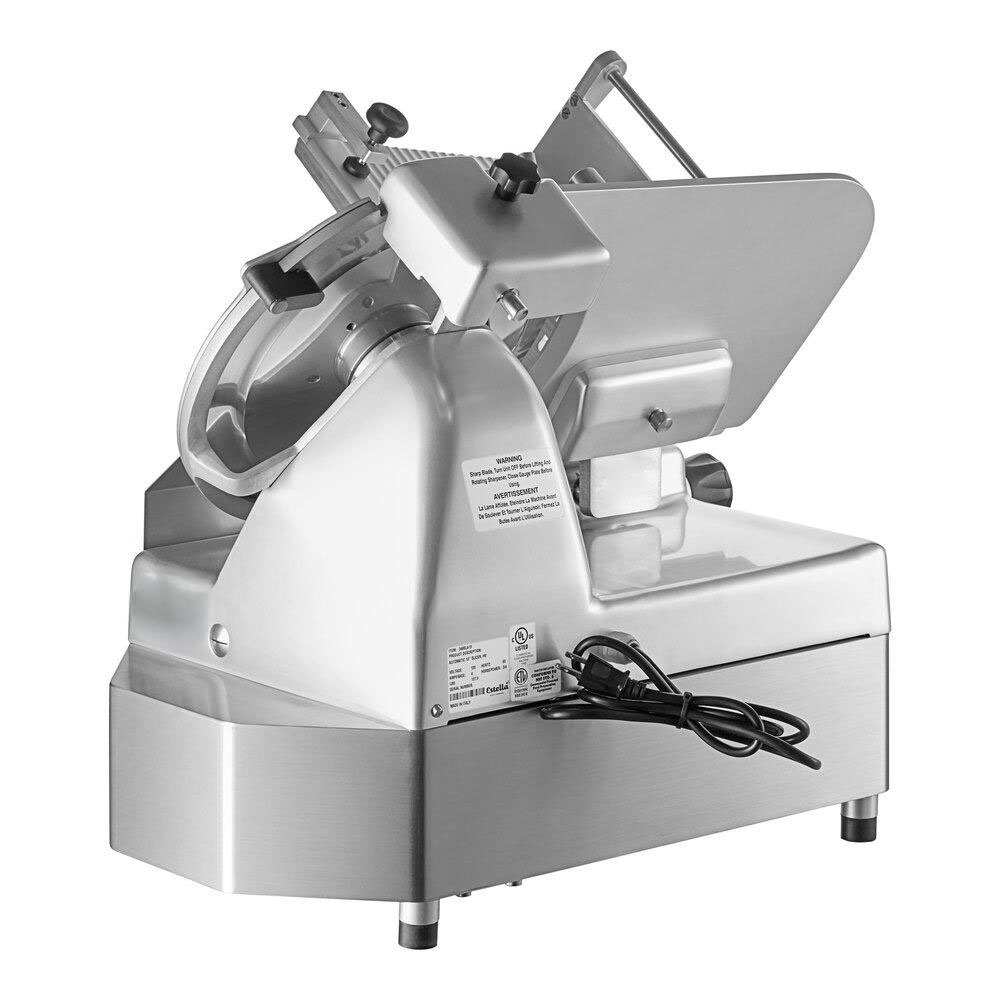
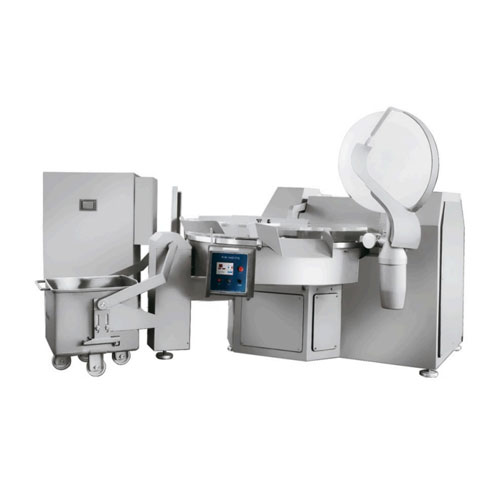
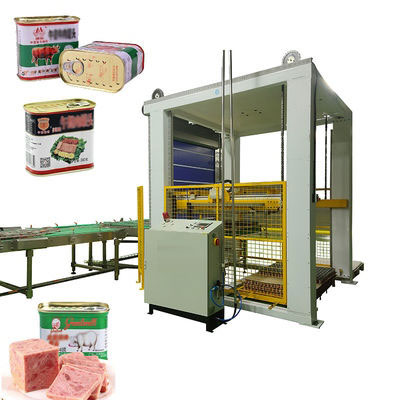 Processed Meat Production Line
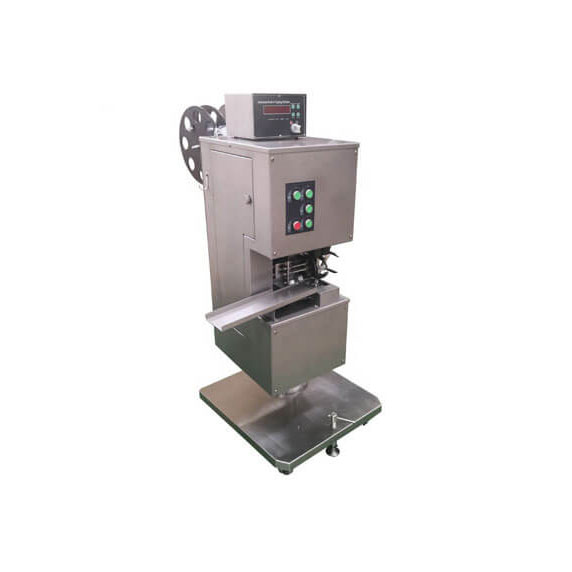 Automatische Wurstschneidemaschine
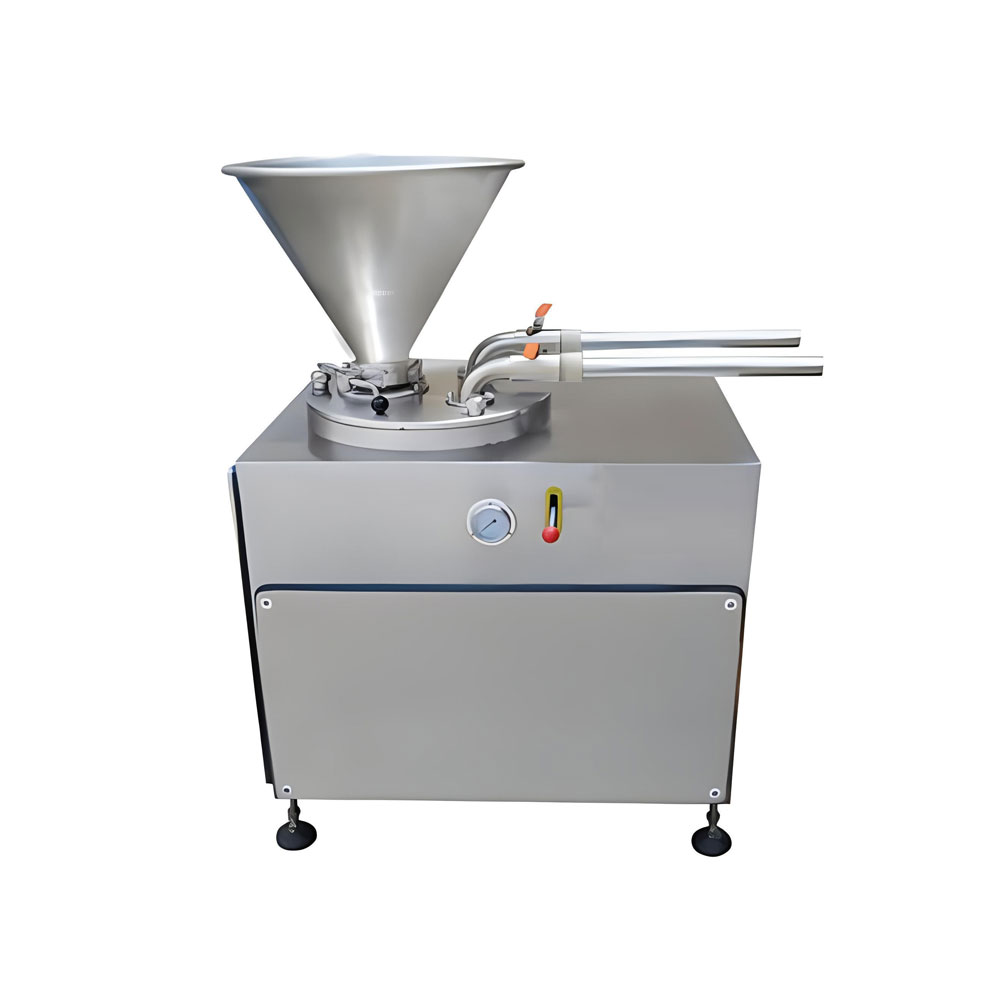 Hydraulic Sausage Stuffer
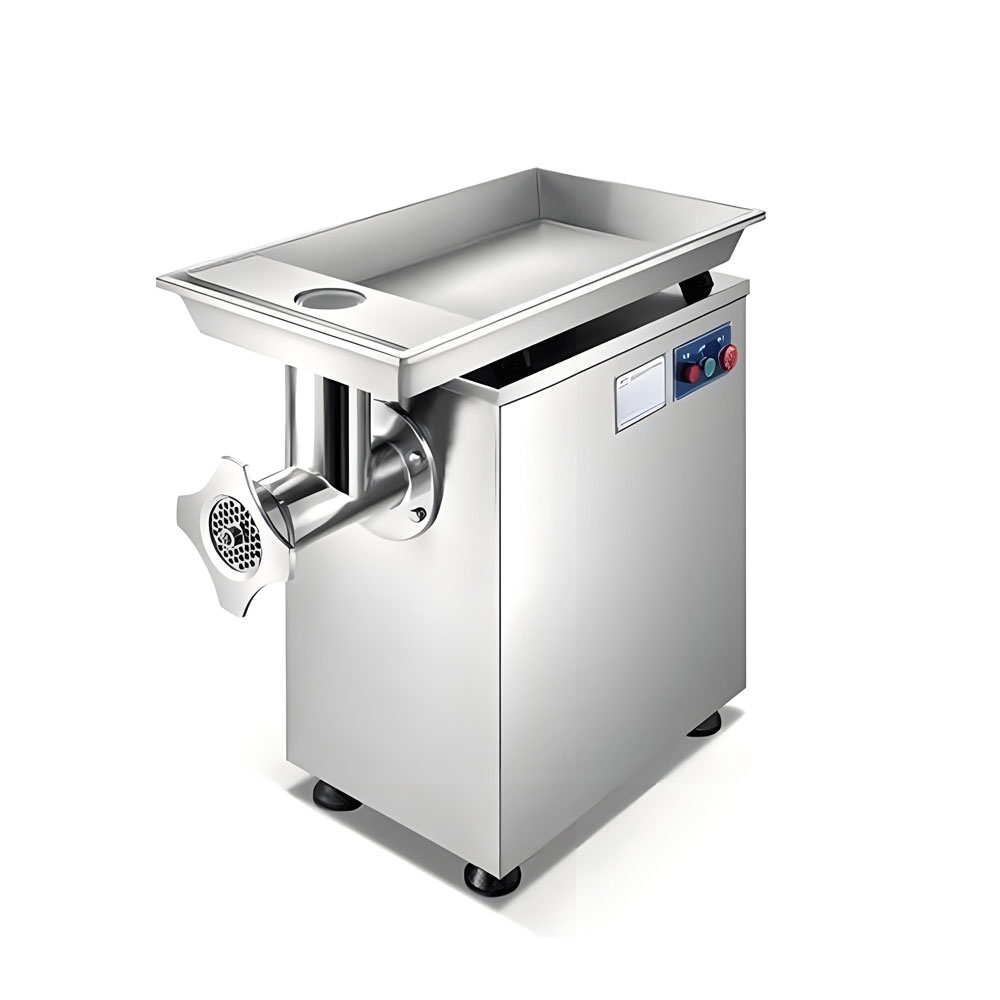 Meat Grinder
Ready to go?