Gizzard Peeling Machine
We Are Not Only Capable Of Selling Products, But Also Have The Ability To Undertake Full Turnkey Projects.

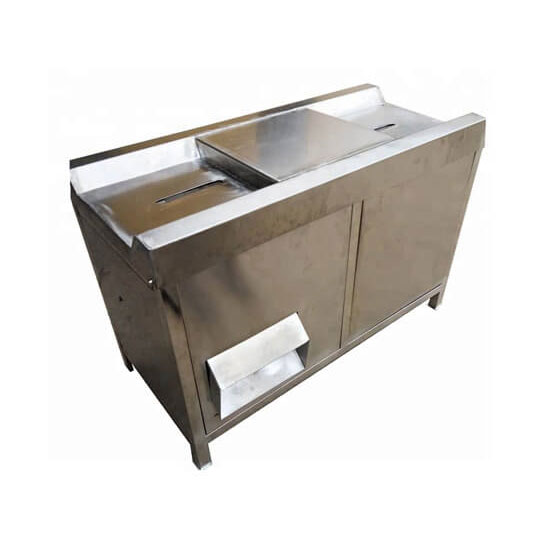
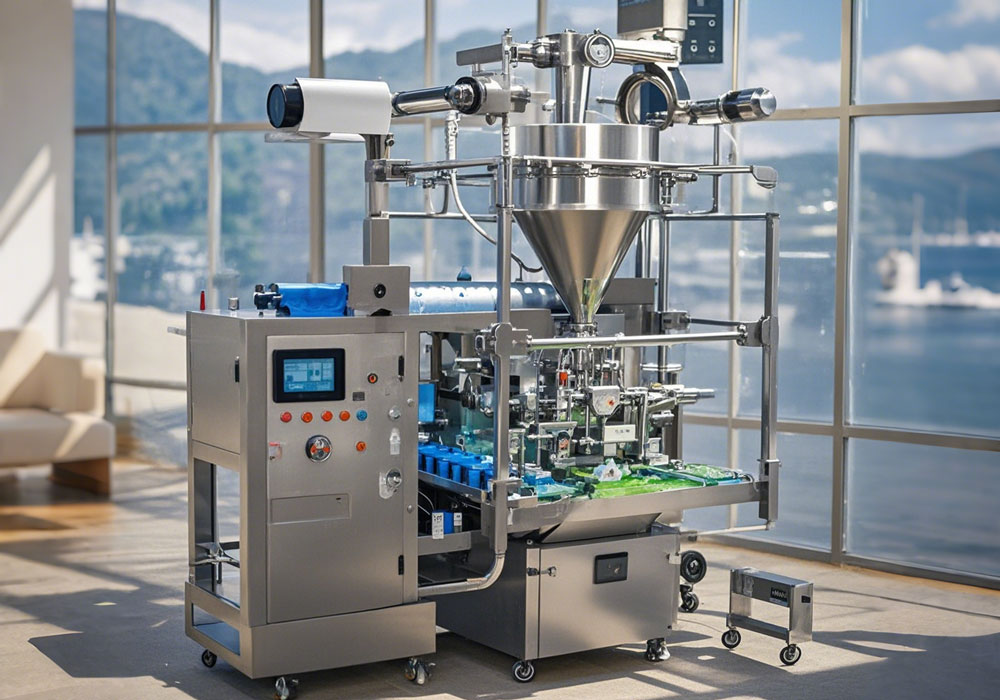
The GPM-300 Gizzard Peeling Machine provides a highly efficient, compact stomach cleaning solution specifically developed for medium-scale slaughterhouses, specialized Halal butcheries, and regional poultry processing facilities. Unlike massive centralized evisceration line equipment that requires enormous floor space and continuous conveyor integration, this standalone unit is engineered for manual-feed precision. It allows a single operator to safely and rapidly peel the tough yellow interior lining from pre-split chicken and duck gizzards, maintaining strict quality control and zero meat tearing on smaller batch processing runs.
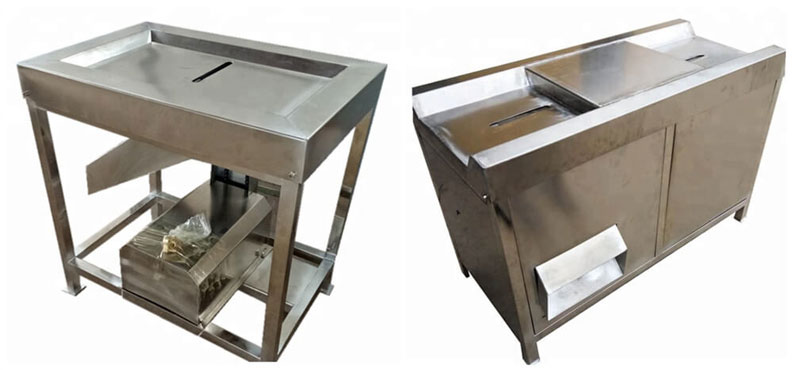
Easy to operate, convenient to clean and maintain
Beautiful appearance, excellent performance
Made of stainless steel, no pollution to products, comply with the food safety and hygiene standards
High efficiency, low energy consumption
High yield.
Physical footprint within specialized butcheries and regional processing plants commands a premium. Measuring exactly 800 by 500 millimeters, the GPM-300 fits easily into cramped wet-processing washdown rooms. The structural machine base is mounted on heavy-duty, lockable caster wheels, allowing sanitation crews to quickly disconnect the power cord and physically roll the unit out of the way during facility deep-cleaning phases. This level of physical flexibility makes it an ideal supplementary module when positioned immediately alongside secondary breakdown stations utilizing commercial chicken cutting machine configurations.
Manual-feed processing strictly dictates elevated mechanical safety architectures. The intake chute is specifically angled and narrowed to establish a physical barrier between the operator's hands and the inward-rotating pinch rollers. A prominent knee-height emergency stop switch instantly kills the 0.75 KW motor circuit if an operating anomaly occurs. For routine hygiene maintenance protocols, the top roller shroud unlocks and swings upward via a gas-strut hinge mechanism, fully exposing the entire mechanical drive and interior waste chute. This allows factory maintenance staff to blast the interior with sanitizing foam, aligning the machine with the strict bacterial control protocols followed uniformly across our broader commercial meat processing equipment portfolio.
Must-read blogs for bosses