
Руководство по линии производства маринованных огурцов «Стоп Ржавчина»
1. Введение: Скрытые издержки коррозии в производстве солений
The global pickled vegetable market is projected to reach unprecedented heights by 2030, driven by consumer demand for healthy, probiotic-rich shelf-stable foods. For factory owners, this presents a massive opportunity. However, scaling up from artisanal production to an industrial pickled cucumber production line comes with a formidable enemy that destroys profit margins more effectively than any competitor: Corrosion.
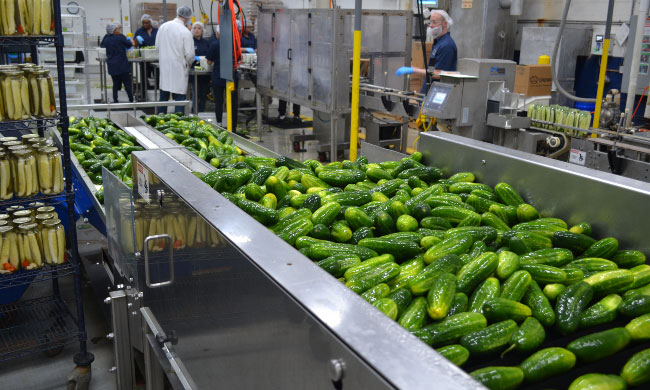
Представьте себе такую картину: вы только что установили новенькую, сверкающую линию автоматического розлива и укупорки. Всё выглядит безупречно. Но спустя полгода вы замечаете рыже-коричневые разводы на раме конвейера. А еще через месяц выходит из строя сервомотор, потому что пары кислоты просочились внутрь корпуса. И вот, внезапно, ваша линия встает в самый разгар сезона сбора огурцов.
This is the reality for 40% of new pickle factories that prioritize low initial equipment costs over material suitability.
В пищевой промышленности ржавчина — это не просто эстетический дефект, это настоящая катастрофа.
Food Safety Risk: Rust particles can contaminate the product, leading to recalls. Corroded surfaces become breeding grounds for bacteria like Listeria and Salmonella.
Regulatory Nightmare: FDA, EFSA, and local health inspectors will shut down a line that shows visible corrosion in food contact zones.
Operational Bleed: Every hour of downtime due to a seized bearing or a snapped chain costs thousands of dollars in wasted raw material and labor.
At HSYL, we don't just assemble machines; we engineer solutions for hostile environments. This guide is the culmination of our 10 years of experience fighting corrosion. We will take you deep into the engineering principles of building a pickle production line that lasts not just for the warranty period, but for a decade.
2. Наука агрессии: как солевой раствор & уксуса разъедает металл
Чтобы победить врага, нужно его понять. Почему оборудование на заводе по производству солений изнашивается гораздо быстрее, чем на кондитерской фабрике или заводе по розливу воды?
Двойная угроза: хлорид и кислота
Обычно маринованные огурцы готовят в рассоле, в состав которого входят:
Salt (Sodium Chloride): Concentration ranges from 6% to 15%.
Acetic Acid (Vinegar): pH levels often drop below 3.5.
Механизм 1: Питтинговая коррозия (скрытая угроза)
Standard stainless steel relies on a microscopic "passive layer" of chromium oxide to protect itself. Chloride ions from the salt are aggressive enough to penetrate this layer at specific weak points. Once the layer is breached, the corrosion burrows downward, creating tiny pits.
The Danger: On the surface, the metal might look fine, but structurally, it is becoming a sponge. This is common in low-quality storage tanks and filler bowls.
Механизм 2: Щелевая коррозия
This occurs in tight spaces—under gaskets, bolt heads, or overlapping metal plates—where the liquid gets trapped and becomes stagnant. The stagnant liquid becomes highly acidic over time, eating away the metal from the inside out. This is why machine design is just as important as material selection.
Механизм 3: Коррозионное растрескивание под напряжением (КРН)
При сочетании растягивающего напряжения (например, при вибрации сита или в резервуаре под давлением) с воздействием хлоридов и высоких температур (пастеризация), нержавеющая сталь может внезапно треснуть без каких-либо предупреждающих признаков.
Влияние температуры
In the Pasteurization Tunnel, temperatures rise to 85°C-95°C. For every 10°C increase in temperature, the corrosion rate of chemical reactions roughly doubles. A material that survives cold brine might fail catastrophically in hot steam.
3. Материаловедение: сравнение SUS304, SUS316L и полимеров
The most common question we get is: "Do I really need SUS316, or is SUS304 enough?"
The answer is: It depends on the zone. A smart engineering approach uses a hybrid of materials to balance cost and durability.
SUS304 (промышленный стандарт)
Composition: 18% Chromium, 8% Nickel.
Verdict: Excellent for general food processing (washing leafy greens, fruits).
In Pickle Lines: We use SUS304 for the structural frames (legs, supports) that do not directly touch the brine, and for the initial cucumber washing section (where fresh water is used).
Warning: Never accept SUS201. It is magnetic, contains low nickel, and will rust within weeks in a humid factory.
SUS316L (Мастер по работе с кислотами)
Composition: 16% Chromium, 10% Nickel, 2% Molybdenum.
The Magic Ingredient: Molybdenum is the game-changer. It drastically improves resistance to pitting corrosion from chlorides. The "L" stands for "Low Carbon," which prevents corrosion at weld points.
In Pickle Lines: This is non-negotiable for:
Brine Filling Nozzles: High velocity brine wears down weaker metals.
Brine Storage Tanks: Constant contact requires 316L.
The Brine Mixing System: The most aggressive zone.
Титан (Ядерный вариант)
В исключительных случаях (например, при концентрации рассола выше >20% или его кипении) иногда применяются титановые теплообменники. Однако для стандартных линий маринования это обычно избыточно и слишком дорого обходится.
Высокотехнологичные полимеры (СВМПЭ / UHMWPE & Делрин)
Не всё решается тяжелым металлом.
UHMWPE (Ultra-High Molecular Weight Polyethylene): We use this for guide rails and wear strips. It has self-lubricating properties, meaning less friction and no need for grease (which attracts dirt). It is completely immune to salt and acid.
4. Больше чем просто металл: гигиенический дизайн и & технологии сварки
You can build a machine out of pure gold, but if the design is poor, it will still fail. In the world of Sanitary Design, geometry is everything.
Философия «самоочищения»
В станках HSYL вы заметите отсутствие плоских горизонтальных поверхностей.
Sloped Surfaces: All structural tubes are diamond-oriented or sloped to ensure water and brine run off immediately.
No Dead Legs: In our piping systems for the brine filler, we eliminate "dead legs" (sections of pipe where liquid doesn't flow). Stagnant brine is a corrosion accelerator.
Искусство сварки: TIG против MIG
Некачественная сварка является основной причиной коррозии китайской спецтехники.
The Problem: Rough welds create microscopic crevices where salt crystals form. The heat from welding also destroys the protective layer of the steel.
Как мы работаем:
Pulse TIG Welding: Creates a smooth, "fish-scale" uniform weld.
Full Penetration: We don't just spot weld; we seal the joint completely to prevent liquid from entering the hollow tubes of the frame.
Pickling & Passivation: This is the most critical step. After welding, we bathe the entire component in an acid bath. This removes the "heat tint" and chemically regenerates the chromium oxide protective layer. If a machine looks dull or grey at the welds, it hasn't been passivated. Do not buy it.
Обработка поверхности: пескоструйная очистка или полировка
Sandblasting (Bead Blasting): Creates a matte finish. Good for structural parts as it hides fingerprints.
Mirror Polishing (Ra < 0.8µm): We use this for all food contact surfaces. A mirror-smooth surface leaves nowhere for bacteria or salt to hide. It makes CIP (Clean-in-Place) twice as effective.
5. Уязвимое сердце: защита двигателей, электроники и датчиков
Механическая конструкция может прослужить и 20 лет, но электроника крайне уязвима. Воздух на заводе по производству маринадов пропитан едким кислым туманом, обладающим высокой электропроводностью.
Защита двигателя
Стандартные индукционные двигатели оснащены вентиляторами, которые затягивают воздух для охлаждения двигателя. Но на заводе по производству маринованных огурцов они затягивают в себя кислоту.
Our Solution: We use Stainless Steel Washdown Motors (completely sealed, non-ventilated) or motors with Epoxy Paint coatings rated for IP66.
Shaft Seals: The point where the motor shaft exits the housing is a weak spot. We use reinforced oil seals to prevent brine ingress.
Электрошкаф (Мозг)
Material: The cabinet itself must be SUS304 (minimum), not painted carbon steel.
Sealing: Double-layer EPDM gaskets.
Positive Pressure System: For high-humidity environments, we recommend a system that pumps clean air into the cabinet, creating positive pressure. This ensures that even if a seal leaks, air pushes out, preventing acid air from coming in.
Датчики & Пневматика
Cylinders: We strictly use Festo (Clean Design) or SMC stainless steel cylinders. Standard aluminum cylinders will corrode and seize within months.
Photoelectric Sensors: Must be rated IP69K (capable of withstanding high-pressure, high-temperature washdowns).
6. Уплотнения, прокладки и конвейерные ленты: незаметные расходные материалы
Это самые дешевые детали в машине, но именно из-за их поломки случаются самые крупные неприятности.
Выбор резины
NBR (Nitrile Rubber): Good for oil, but degrades quickly in ozone and UV light.
EPDM: Excellent for water and steam, but weak against oil.
FKM (Viton): The gold standard for acidic, oily, and high-temperature environments.
Our Strategy: We use FKM/Viton gaskets in the filling valves and heating tunnels. They cost 3x more than rubber, but they last 10x longer.
Конвейерные ленты
Modular Plastic Belts: We prefer Intralox-style modular belts (made of Polypropylene or Acetal) over PVC fabric belts.
Why? Fabric belts can fray. Once the brine gets into the fabric layer, it breeds bacteria and creates a permanent smell. Modular belts are easy to wash and repair (you just replace the broken link, not the whole belt).
7. Регламент технического обслуживания: как продлить срок службы вашего оборудования
Buying a high-quality machine is only half the battle. How you treat it determines the other half. Here is the Standard Operating Procedure (SOP) we teach our clients.
Правило «Без хлора»
Many factories use Chlorine (Bleach) for sanitization. Chlorine is the kryptonite of stainless steel. It attacks the protective layer aggressively.
Recommendation: Use Peracetic Acid (PAA) or Quaternary Ammonium compounds for sanitization. They are effective against bacteria but gentle on steel.
Ежедневный регламент промывки
Pre-Rinse: Use warm water (45-50°C) to melt away salt deposits.
Foam Cleaning: Apply an alkaline detergent foam and let it sit for 15 minutes.
Scrub: Use soft nylon brushes. NEVER use steel wool (it leaves iron particles that cause rust).
Final Rinse: Thoroughly rinse with fresh water.
Sanitize: Apply PAA.
Dry: Run the conveyor for 10 minutes to fling off excess water.
Смазка
You cannot use standard WD-40. You must use H1 Food Grade Lubricants that are water-resistant. We recommend greasing bearings after the washdown to push out any water that might have entered.
8. Аудит со стороны покупателя: 10 вопросов, которые стоит задать поставщику оборудования
Before you sign the contract for your pickled cucumber production line, ask these questions. Their answers will tell you if they are professionals or just assemblers.
Можете ли вы предоставить сертификаты качества на нержавеющую сталь (с указанием содержания никеля и молибдена)?
Вы проводите пассивацию всех сварных соединений?
Какие марки двигателей и редукторов вы используете и каков их класс защиты IP?
Предусмотрено ли в конструкции электрических шкафов избыточное давление или двойное уплотнение?
Способна ли система наполнения рассолом работать с горячим рассолом (90°C) без повреждения уплотнений?
Из какого материала изготовлены звездочки конвейера? (Рекомендуется использовать раздельную конструкцию звездочек для облегчения очистки).
Используете ли вы аргонодуговую сварку (TIG) для монтажа санитарных трубопроводных систем?
Можно ли полностью разобрать устройство для глубокой очистки без использования специальных инструментов?
Каковы конкретные условия гарантии в отношении коррозии?
Могу я переговорить с клиентом, который пользуется вашим оборудованием более трех лет?
At HSYL, we welcome these questions. In fact, we encourage them.
9. Анализ ROI: экономическая целесообразность стратегии «лучше один раз купить качественное, чем дважды — дешевое»
Давайте разберем финансовую сторону вопроса. Зачем вам переплачивать 20% за нашу линейку «Антикоррозийная серия»?
Scenario: A standard pickle line running at 3,000 jars/hour.
| Фактор стоимости | Дешевая стандартная линейка ($80 000) | Премиальная линейка [Your Brand] (100 000 $) |
| Начальные затраты | 80 000 $ | 100 000 $ |
| Техническое обслуживание за 1-й год | 2 000 $ (незначительные правки) | 500 $ (Смазка/Масло) |
| Техническое обслуживание за второй год | 8 000 $ (замена двигателя, устранение коррозии) | 1 000 $ (замена уплотнений) |
| Убытки от простоя в третьем году | 15 000 $ (Простой линии 3 дня в месяц) | 2 000 $ (только плановое техническое обслуживание) |
| Продолжительность жизни | 4-5 лет (стоимость лома) | 10-12 лет |
| Общая стоимость за 5 лет | $105,000 + Потеря производства | $103,500 + Стабильное производство |
The Verdict: The cheap machine actually costs more by year 3. And this doesn't even calculate the brand damage if a customer finds a speck of rust in their pickle jar.
Инвестиции в обеспечение качества — это своего рода страховой полис для репутации вашего бренда.
10. Заключение & Итоговые рекомендации
Производство соленых, маринованных и миниатюрных огурцов — это настоящее искусство, требующее ювелирного баланса между вкусом и сохранностью продукта. При этом работа оборудования, обеспечивающего этот процесс, требует безупречного сочетания химических технологий и инженерного мастерства.
Не позволяйте соли и кислоте уничтожить ваше производство.
Choose the right materials: Demand SUS316L for brine contact zones.
Inspect the details: Look at the welding, the seals, and the cabinet design.
Maintain with care: Stop using chlorine; start using PAA.
At [Your Brand Name], we specialize in the "Hard Stuff." We build machines for high-acid, high-salt, and high-humidity environments. Whether you are in Turkey, Russia, Germany, or the USA, we design our lines to survive.
Готовы вывести ваше производство на новый уровень?
Не гадайте. Пусть решения принимает инженерная мысль.
Блоги, которые обязательно должен прочитать владелец сетевого ресторана
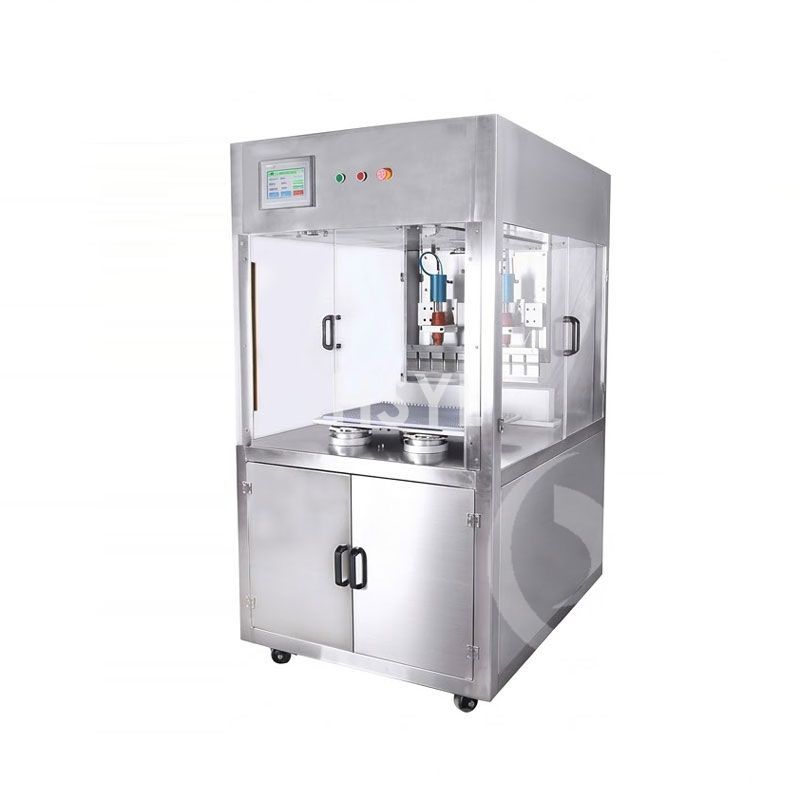

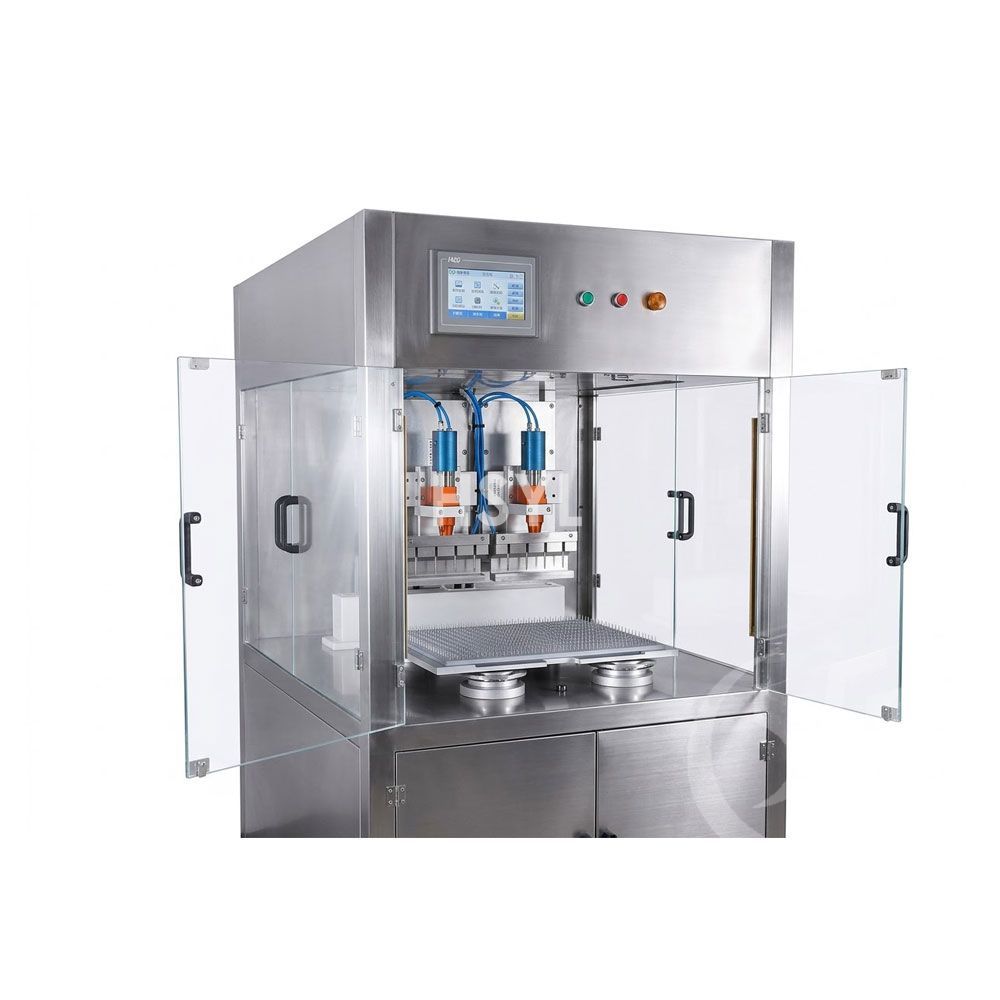 Ультразвуковой резак для печенья и бисквитов
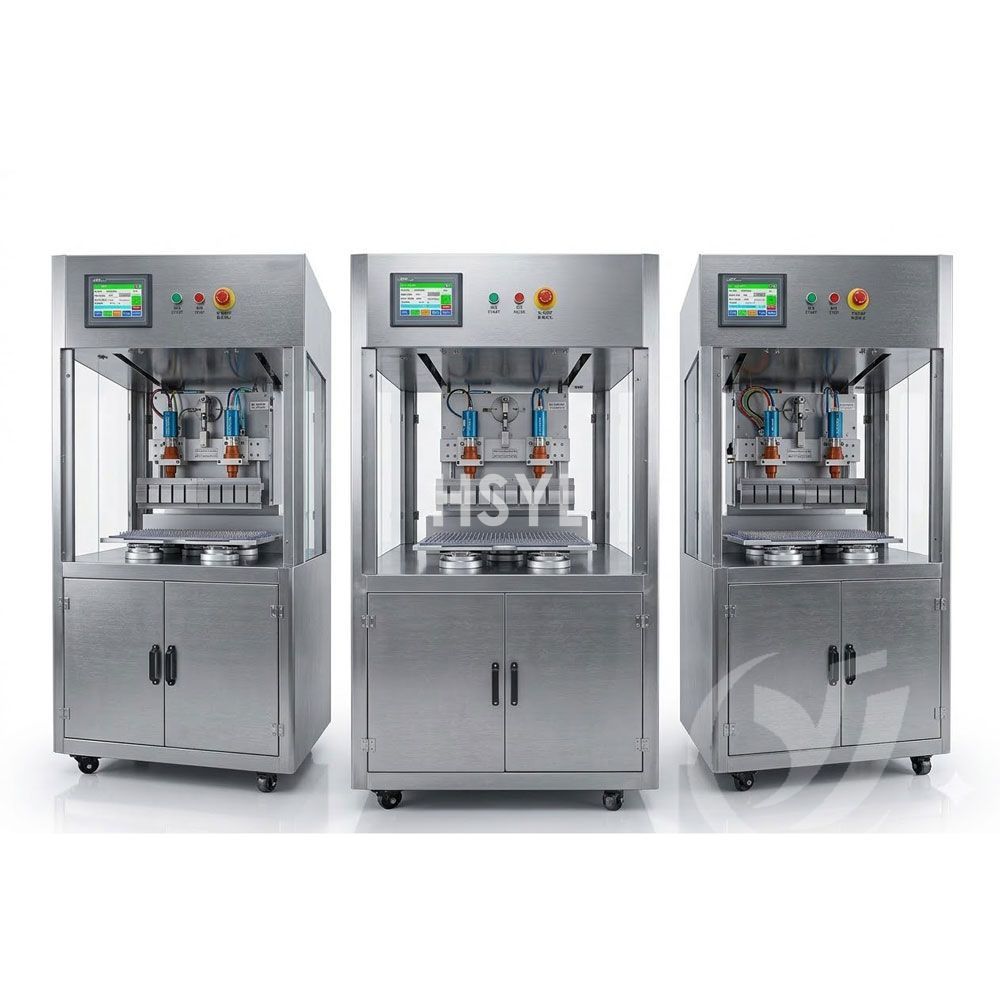 Ультразвуковой автоматический аппарат для резки кондитерских изделий для пекарен
Готовы начать?