
How to select the appropriate dicing machinery based on meat size?
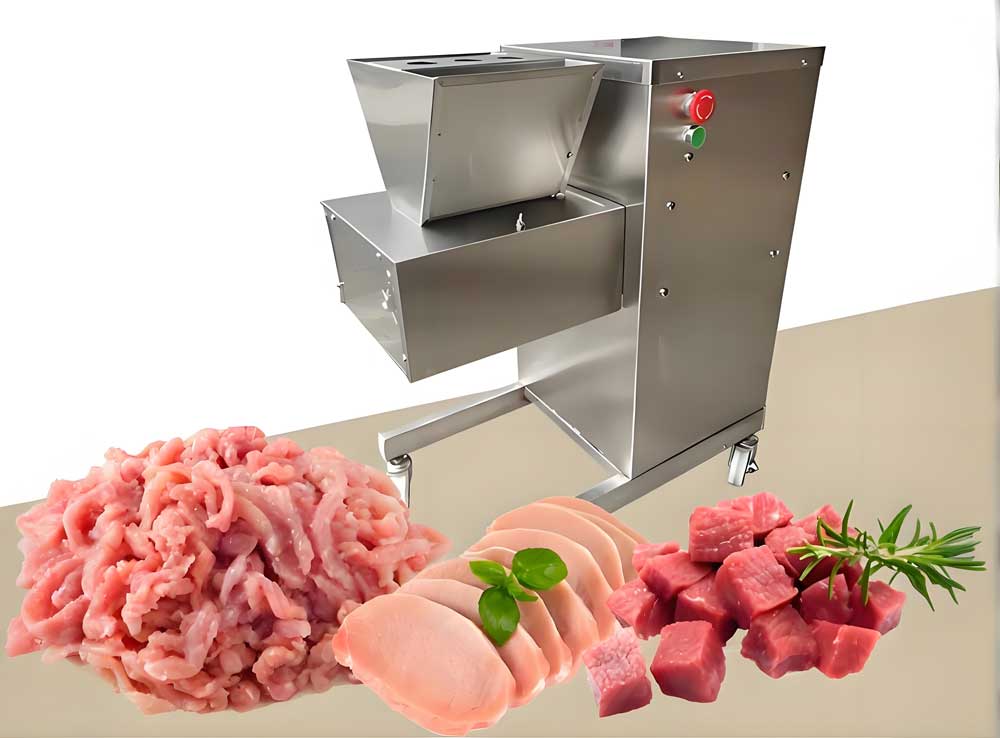
Avoid a Jam! Why Meat Size Matters When Choosing a Dicer
Picture this: you've invested in a shiny new meat dicer, ready to streamline your prep and churn out perfectly uniform cubes. You load it up with enthusiasm, flip the switch, and... crunch, grind, halt. What went wrong? Often, the culprit isn't a faulty machine, but a fundamental mismatch between the size of the meat chunks you're feeding it and the machine's designed capacity. Paying close attention to the input meat size before you buy isn't just advisable; it's absolutely crucial for efficient operation, machine longevity, and achieving those pristine dicing results you crave. Ignore it, and you risk jams, damage, and a whole lot of frustration.
The Goldilocks Principle: Finding the Perfect Dicer for Your Meat Size
Remember the story of Goldilocks? Not too big, not too small, but just right. This exact principle applies perfectly when looking for the ideal meat dicer for your specific needs. You need a machine whose capacity is perfectly in sync with the size of the meat chunks you typically process. Using a machine that is too small for large chunks is a recipe for disaster. On the other hand, while it may not cause damage, using a massive industrial dicer for tiny pieces is simply overkill and highly inefficient. Finding that sweet spot ensures smooth operation, peak performance, and protects your valuable investment in equipment.
Dicer-specificaties ontcijferen: Een uitleg over de afmetingen van de voedingsopening
Once you begin comparing different meat dicers, you will be met with a flood of technical specifications. Beyond just motor power and throughput capacity, there is one crucial dimension to look out for: the feed opening size (also known as the feed throat or chamber inlet). This specification is your best indicator of the maximum meat chunk size the machine can comfortably process. Think of it as the gateway to the cutting chamber; staying within its limits is essential for optimal performance.
What Exactly Is the Feed Opening (and Why Should You Care)?
In short, the feed opening is the aperture or chute through which you feed the meat into the dicing mechanism. Its dimensions (usually specified as length x width, or diameter) physically limit the size of the pieces that can enter the cutting zone. Attempting to force a chunk larger than this opening is a lost cause and could potentially damage the machine—much like trying to force a square peg into a round hole. Understanding this measurement is essential, as it directly dictates the maximum size of the material the machine can actually process. It is, quite literally, the first bottleneck in the dicing process.
量一下,切一刀:评估你平常肉块的大小
Before you even start browsing for dicers, take a critical look at your current meat preparation process. What are the typical dimensions of the meat pieces before they would go into a dicer? Are you working with large primal cuts, smaller pre-portioned sections, or long strips? Measure them! Get realistic average and maximum dimensions (length, width, height). This empirical data is invaluable; it provides the benchmark against which you'll compare potential dicer specifications. Don't guess – know your input.
Consistency is Key: Ensuring Uniform Input Chunks
When assessing your sizes, you should also consider consistency. Are your chunks varying wildly, or are they relatively uniform? Feeding a dicer pieces of a consistent size generally leads to smoother operation and more uniform output. Highly inconsistent input sizes can sometimes cause uneven feeding or temporary overloading, even if individual pieces are within the maximum limit. Aiming for a certain level of uniformity in your input—perhaps through a pre-cutting step if necessary—can significantly enhance the efficiency of your dicing process.
The Big Squeeze: What happens when your chunks are too big?
So, what actually happens when you try to force oversized chunks into a dicer that simply wasn't designed to handle them? The fallout is rarely pretty, ranging from frustrating production delays to expensive mechanical repairs. It is a scenario that is much better avoided by choosing the right equipment from the outset.
Mechanical Chaos: Preventing Damage and Wear to Your Die
Forcing oversized meat through the machine puts immense strain on the internal components. The motor may struggle excessively, risking overheating or complete burnout. The pushing mechanism—whether it's the ram or the auger—can easily jam or break under the sheer force required. Most critically, the precision-engineered cutting blades and grids are highly delicate; they can chip, bend, or even shatter if they strike a piece that is too large or requires disproportionate force to cut. This isn't just standard wear and tear; it is avoidable mechanical damage.
Onget jævne resultater: Hvordan for store stykker fører til ujævn hakning
Even if the machine manages to process an oversized chunk without a complete breakdown, the quality of the dice often suffers. The piece might tumble incorrectly within the cutting chamber, leading to incomplete cuts or irregular shapes. The extra strain can cause the blades to deflect slightly, resulting in uneven dimensions. Instead of perfect cubes, you might end up with wedge-shaped pieces, partially cut sections, and an overall lack of consistency – which defeats the entire purpose of using a dicer in the first place.
⚠️ 安全警示!强行拆解大件物品的危险
Trying to force a large, stubborn piece of meat into a running dicer is extremely dangerous. Doing so significantly increases the risk of hands getting too close to the moving parts within the feed chute, which could result in severe injury. While machines are often equipped with safety interlocks, attempting to clear a jam caused by oversized pieces introduces unnecessary hazards for the operator. Safety protocols must always prioritise using input material that is of an appropriate size.
吞吐量超时:为何过大的数据块会拖累生产效率
Det kan virke modstridende, men hvis man forsøger at bearbejde for store enheder, vil det uundgåeligt hæmme den samlede produktion. Maskinen får svært ved opgaven, hvilket fører til hyppigere stop på grund af blokeringer, der skal løsnes, og dermed styrtdykker gennemløbshastigheden. En maskine, der kører jævnt med de rette inputstørrelser, vil altid præstere bedre end en maskine, der konstant kæmper med for store emner – også selvom den "teoretiske" maksimale enhedsstørrelse ser større ud. Effektivitet kræver en glidende og uafbrudt drift.
Can Chunks Be Too Small? (Minor Considerations)
In general, feeding chunks that are smaller than the maximum feed opening shouldn't pose a significant issue. However, when using very large dicers, extremely small or irregularly shaped tiny pieces might occasionally feed inconsistently or tumble inefficiently, which could lead to slightly less uniform output compared to optimally sized input. This is usually a minor concern in comparison to the substantial problems caused by oversized chunks. The main thing to keep in mind is to ensure that the pieces are large enough to be properly engaged by the machine's feeding and cutting mechanism.
Finding the Sweet Spot: Optimising Chunk Size for Your Hardware Specifications
The real trick, then, is to look at things objectively. You must carefully cross-reference the actual dimensions of your standard meat cuts against the official feed opening specifications of the slicers you are looking at. Getting this right is absolutely essential to making a worthwhile investment.
讀出弦外之音:如何從規格表中找尋餵料尺寸資訊
Manufacturers understand the importance of this specification. Look for terms like "Feed Opening," "Chamber Inlet," "Throat Size," or "Max Input Size" on the product specification sheet or technical data documentation. Dimensions are usually provided in millimeters or inches (e.g., 120mm x 120mm, or 4.5" x 4.5"). Pay close attention to all dimensions provided (length, width, sometimes height) if applicable.
最佳平衡点:理想的切块尺寸与最大进料口径之辨
Here’s a pro tip: While the specification sheet gives the maximum size, aiming for input chunks that are consistently slightly smaller than the maximum feed opening dimensions often leads to the smoothest, most efficient operation. This provides a little wiggle room, preventing pieces from getting wedged right at the inlet and ensuring they feed cleanly into the cutting chamber. Don't push the absolute limit consistently; aim for the operational sweet spot just below the maximum.
Dicer 分类 & 块大小舒适区
Meat dicers are generally categorised by their size, power, and specific use, all of which determine the optimal chunk size they can process effectively.
Kompakte Schneidemaschinen: Ideal für Portionen oder kleinere Stücke
These are typically benchtop or compact floor-standing models, making them perfect for restaurants, small butcher shops, or delis. The feed openings are generally smaller and designed for processing pre-cut strips, smaller muscle sections, or trimmings. You'll definitely run into trouble if you try to force large chunks through them.
中型肌肉力量:轻松应对中等大小的碎块
These floor-standing models offer a significant boost in both power and capacity. Featuring larger feed openings, they are designed to handle much more substantial cuts of meat, such as medium-sized muscle sections or larger strips carved from primal cuts. They provide the perfect balance of performance and scale for many medium-volume businesses.
工业巨头:专为大型块料与原切肉块打造的切丁机
These are the heavy-duty giants found in large-scale processing plants and central kitchens. Featuring significantly larger, often square-shaped feed openings measuring many inches or >100-200mm, they are engineered to handle large chunks, entire muscle sections, or pre-broken primal cuts directly, thereby minimising the need for pre-processing labour.
Frozen Block Busters: 特殊處理大容量冷凍原料的注意事項
Dicers specifically engineered for frozen blocks have particular requirements. While the feed opening remains a critical factor, the machine's power and blade design are paramount to handle the density. Although the input may consist of large blocks, they must still conform to the designated chamber dimensions, and the machine must possess the sheer power necessary to fracture and cut through the frozen mass.
除了开口尺寸之外:其他与尺寸相关的机械因素
Although the feed opening serves as the main control point, other mechanical properties also play a role in how the input chunk size affects the process.
权力角逐:规模越大,动力需求越高吗?
Of course. Larger, denser pieces of meat naturally require more force to process and cut. Dicing machines designed for larger ingredients are invariably equipped with more powerful motors—with higher horsepower or kilowatt ratings—to handle the increased workload without straining or slowing down. Ultimately, the motor power must be commensurate with the intended size of the input.
Inside the Box: How cutting chamber design manages varying sizes
切削腔室的内部容积与设计亦有影响。即便机器的进料口很大,但若腔室本身空间有限,或设计结构限制了物料的翻滚,即便切块尺寸在理论上足以进入,也可能难以达到最佳的切割效果。整体内部几何结构的布局至关重要。
Blade Battles: Is your gear up to the task?
Larger, tougher chunks also place more stress on the cutting blades and grids. Machines designed for larger input sizes typically feature more robust, thicker, and potentially specialised blade designs capable of withstanding the higher cutting forces involved without premature wear or damage.
The Pre-Prep Dilemma: Should You Trim the Meat or Upgrade Your Dicer?
This brings you to a critical strategic crossroads. If your standard portions of meat are larger than what an affordable or appropriately sized dicer can manage, you are left with two options: either commit the time and effort to pre-cutting the meat into smaller, compatible pieces, or invest in a more robust, high-capacity (and inevitably more costly) model that can handle your current meat sizes without any fuss.
Manpower versus Capital: Assessing the Costs of Pre-Processing
Pre-cutting involves an extra manual step, which drives up both time and labour costs. On the plus side, it means you could get away with using a smaller, more budget-friendly dicer. Conversely, upgrading to a larger model reduces your prep work but demands a much higher upfront capital investment. You’ll need to weigh up your production volumes, labour rates, and equipment costs to figure out which approach offers the best long-term value for your specific business.
Simplifying your workflow: how it transforms your kitchen efficiency
请考虑整体的工作流程。增加预切环节是否会导致生产瓶颈?若改用大型切碎机来省去预切步骤,是否能显著提升从收货到成品产出的整体效率?在做决定时,请务必从全局出发,评估此举对厨房整体运作效率与产能的深远影响。
Success Secrets: Optimizing Dicing via Input Size Awareness
It is far easier to reach the ultimate goal of perfect dicing if you take a proactive approach to managing your input size.
Standardise Your Starting Point: The Advantages of Using Consistent Input Sizes
尽可能使投入切碎机的原料块大小保持一致。这不仅能使进料更加稳定,还能确保设备运行顺畅、产出的方块大小均匀,从而整体提升整个生产流程的效率与可靠性。因此,对员工进行原料规格标准化的培训是非常必要的。
Know Your Limits: Don't Overwork Your Dicer
Never attempt to force any material through that exceeds the machine's specified maximum feed capacity. Always strictly adhere to the manufacturer's instructions. Consistently pushing the equipment beyond its limits will inevitably shorten its lifespan, compromise safety, and result in substandard output. Ensure the longevity of your machinery by feeding it appropriately.
Veelgestelde vragen: Alles wat u moet weten over de blokjesgrootte van uw vlees &
My meat chunks are all over the place in terms of size. Any advice?
Ideally, implement a pre-cutting step to achieve more uniformity before dicing. If that's not feasible, you'll need to select a dicer whose feed opening can accommodate your largest typical chunk size, understanding that smaller pieces will also be processed (though perhaps slightly less optimally than consistently sized input). Alternatively, sort chunks by size and process batches accordingly if feasible.
Can I just throw whole muscle cuts into any large dicer?
Niet per se. Zelfs grote industriële snijmachines hebben beperkingen wat betreft de maximale afmetingen van de invoeropening. Hoewel sommige modellen zeer grote stukken kunnen verwerken, kan de term "volledig spierstuk" enorm variëren (denk bijvoorbeeld aan een hele ossenhaas versus een gigantische runderbil). Controleer daarom altijd de werkelijke afmetingen van uw gebruikelijke spierstukken en vergelijk deze met de specifieke invoerspecificaties van de snijmachine. Voor zeer grote basisstukken kan het alsnog nodig zijn om het vlees vooraf te snijden.
Is the shape of the chunk just as important as its overall size?
Yes, shape matters. A long, thin piece might pass through the opening, but it’s liable to tumble about awkwardly inside. Ideally, the chunks should be somewhat uniform in shape—closer to cubes or blocks—to ensure the feeding and cutting processes are as effective as possible. Very irregular shapes can sometimes result in uneven dicing, even if they technically fit through the opening.
What really happens if I force a piece that's just slightly too big?
Even a slightly too large piece can cause problems. It might get wedged at the entrance, requiring manual intervention (a safety risk). It puts extra momentary strain on the motor and pushing mechanism. It can lead to an incomplete first cut, affecting final dice uniformity. While a single instance might not break the machine, repeatedly doing so accelerates wear and tear and increases the risk of jams or damage. It's poor practice.
Has temperaturat (frisk vs. frossen) betydning for den optimale størrelse på kødstykkerne?
Temperature primarily affects the force required to cut, influencing motor power and blade needs. However, the physical dimensions of the feed opening remain the same. You still need to ensure the frozen or fresh chunk fits through the opening. Extremely cold, hard-frozen blocks might require slightly more clearance (aiming further below the max size) to prevent wedging, as they have zero "give."
如何影响切块大小的合适程度?
High fat content makes meat softer and more prone to smearing if the blades aren't sharp or the cutting action isn't clean. While it doesn't directly change the maximum input size based on the feed opening, very large, fatty pieces might put more strain on the machine or be more likely to deform during cutting if the input size is pushing the limits. Well-chilled, correctly sized fatty cuts tend to dice cleaner.
Conclusie: De juiste snijgrootte is doorslaggevend voor een perfect resultaat
Selecting the right meat dicer is about much more than just checking the capacity or the brand. It is essential to pay close attention to the dimensions of the machine's feed opening and to be realistic about the typical size of the meat chunks you'll be processing. Getting this match just right—finding that perfect balance—is key to preventing jams, protecting your equipment, and ensuring a consistent, high-quality dice. Ultimately, it improves safety and maximises your operational efficiency. In the world of meat dicing, size really does matter.
Klaar om te snijden? Laat ons de perfecte machine bij jouw vlees vinden!
有了這些知識,你現在更有能力評估自己的需求,並挑選出與處理食材完美契合的切肉機。請先測量肉塊尺寸、仔細研讀規格表,並考量實際的操作流程,如此才能做出最明智的決定。根據尺寸相容性來選擇合適的機器,是讓你能在廚房中展現專業切配水準、掌控全局的關鍵第一步!
Essential Reading for Fast Food and Restaurant Chains Owners
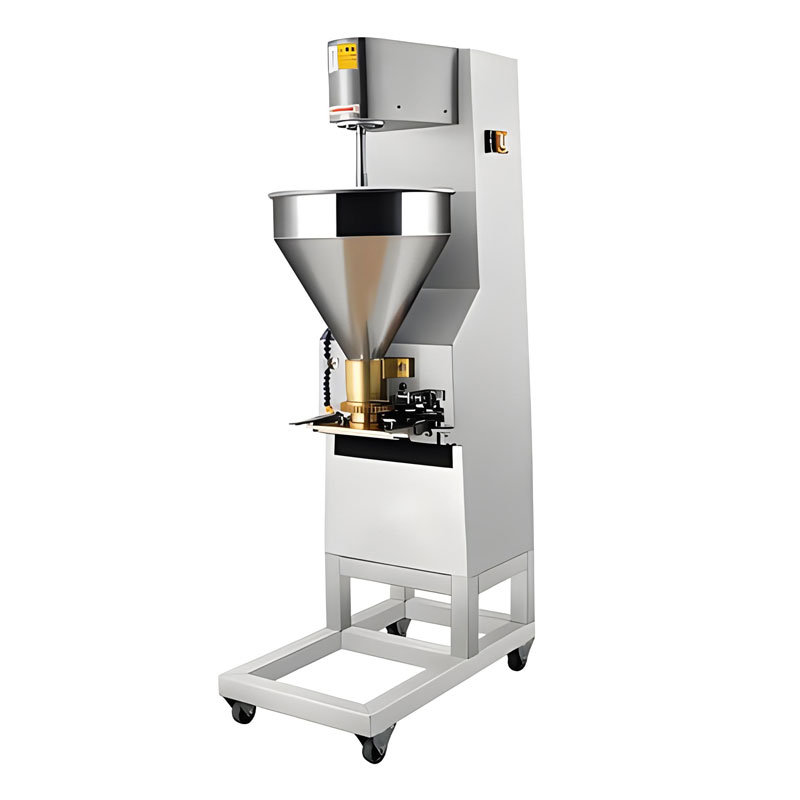
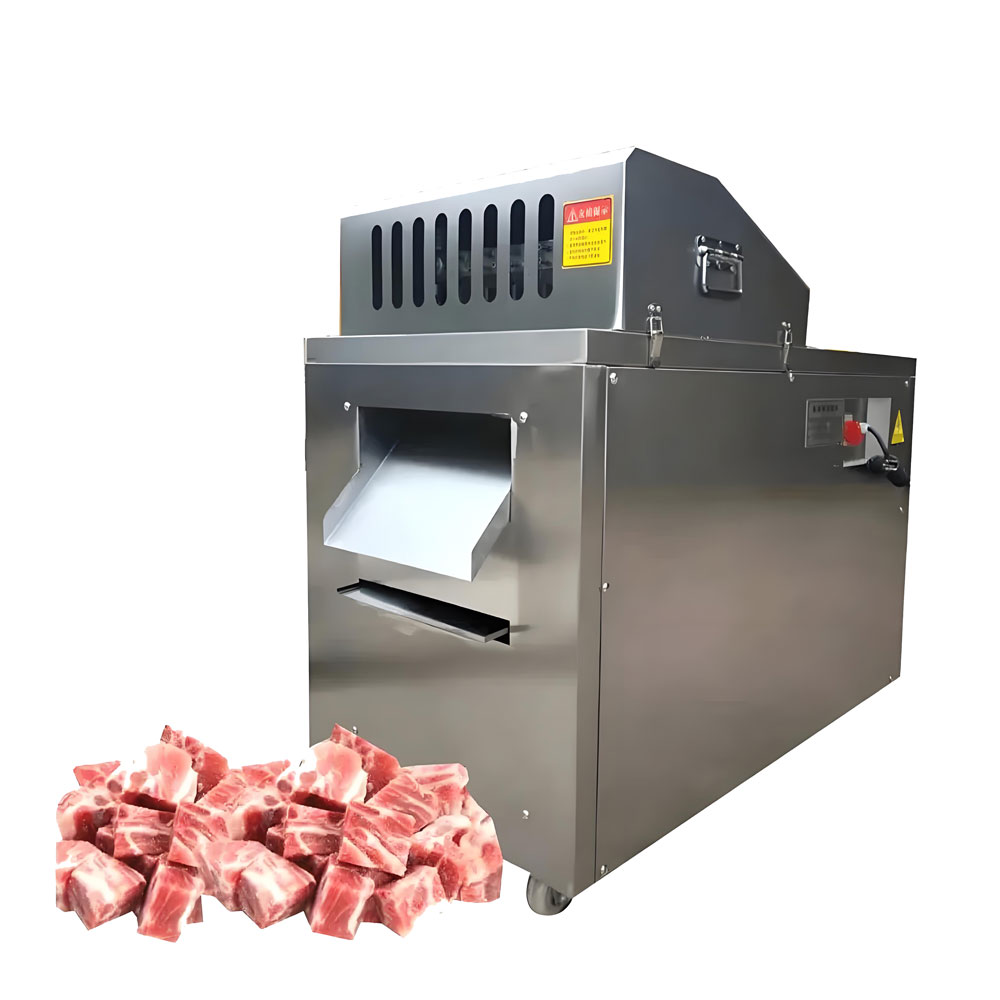

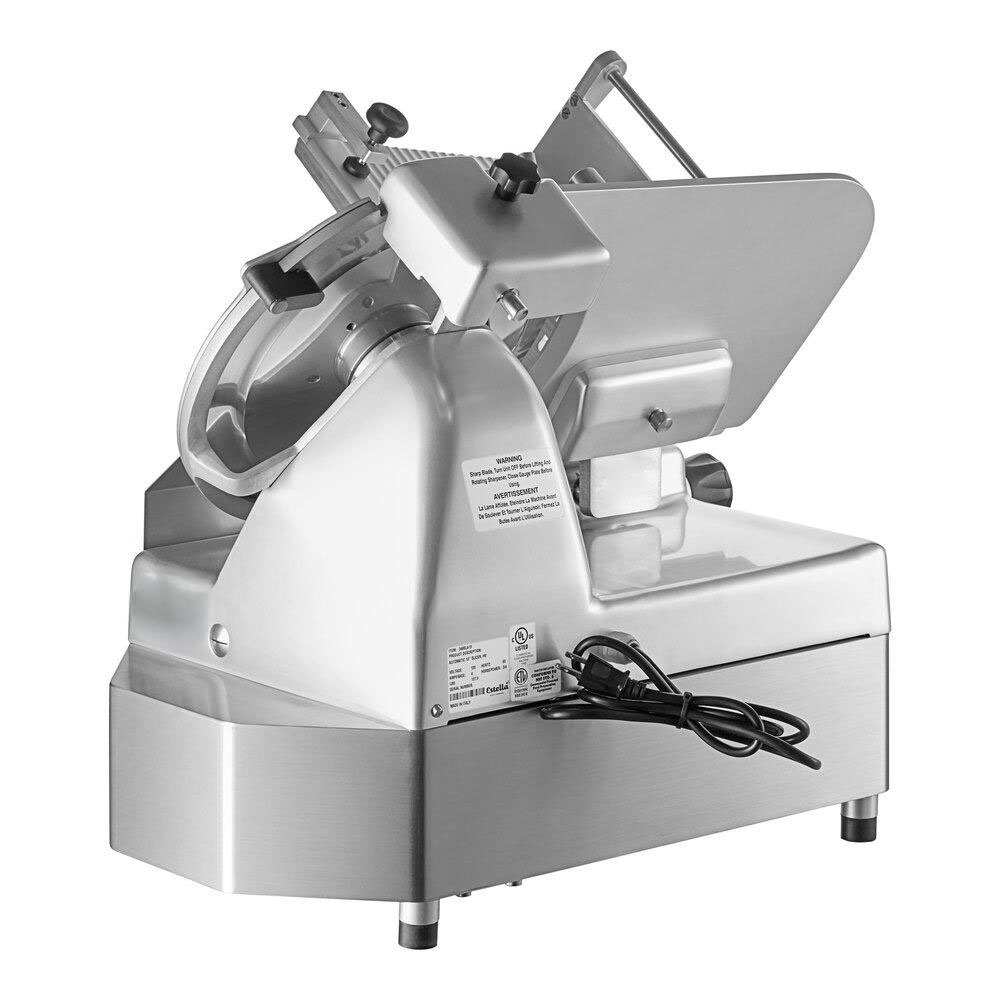
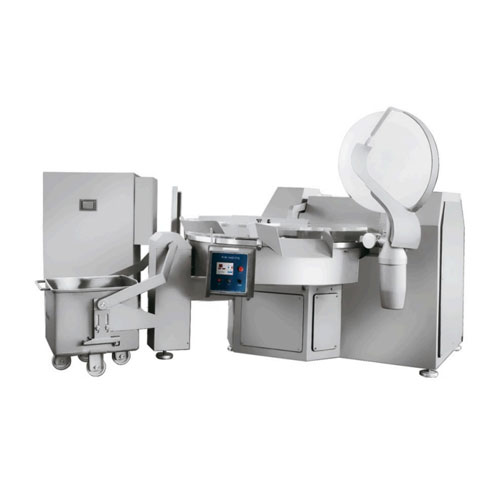
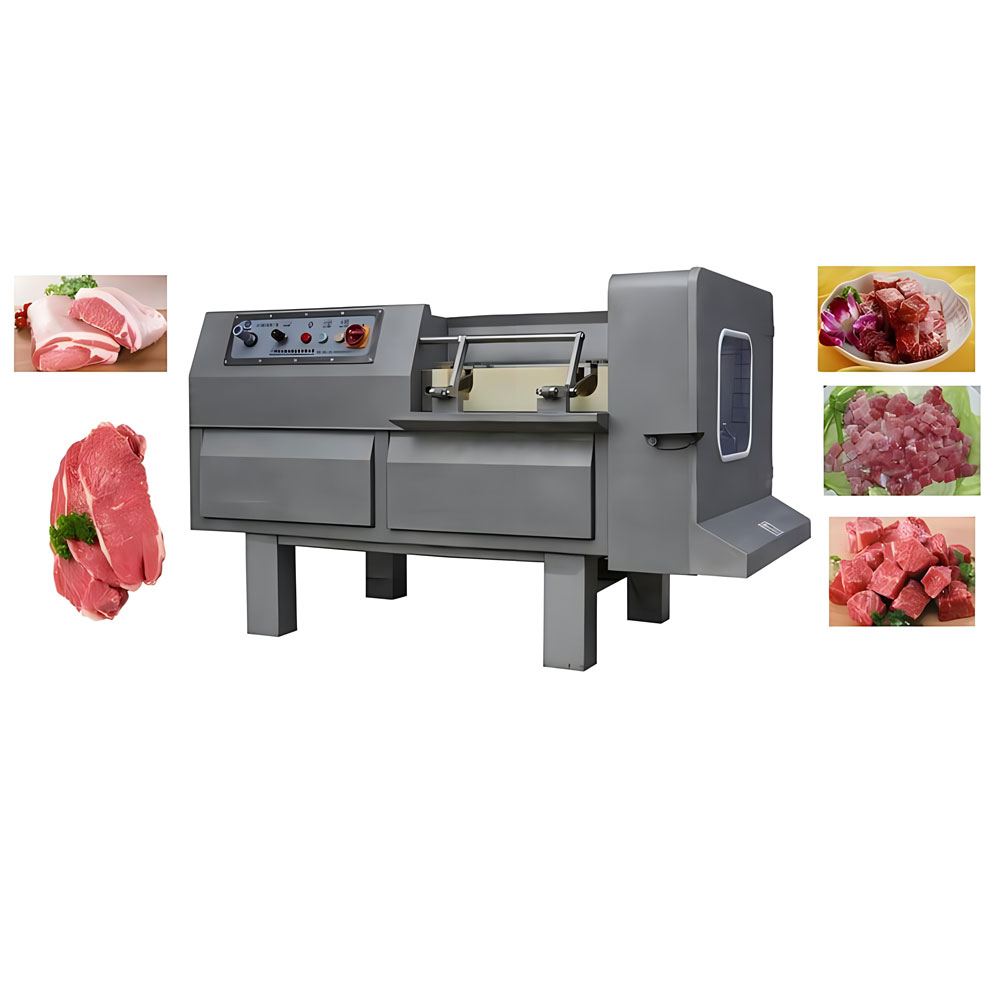 Automatische Hackfleisch-Zerkleinerungsmaschine
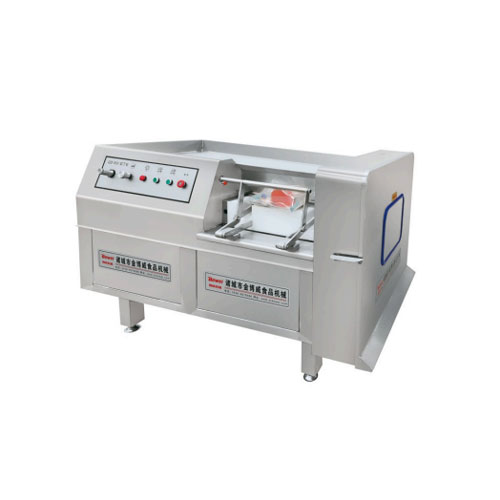 Kødhakkemaskine
 Ultrasonische snijmachine voor koekjes en biscuitjes
Ready to go?