
Welke assemblage-apparatuur kan er worden gecombineerd met de vleesblokker?
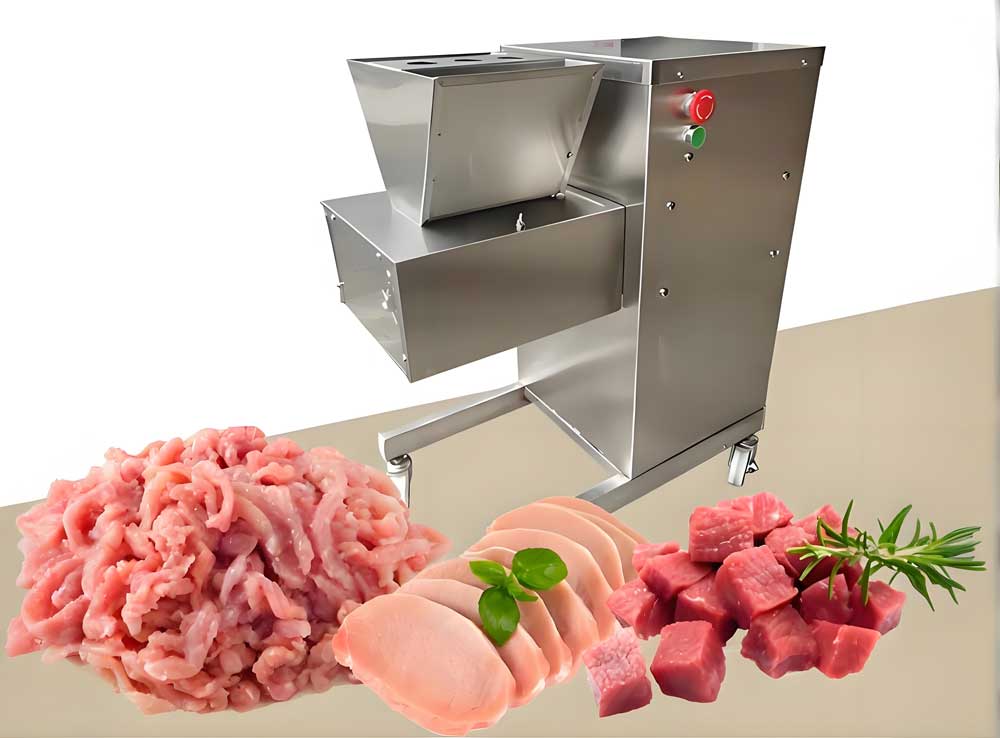
Maximise Efficiency: The Perfect Pairing for Your Meat Dicer to Ensure Seamless Workflow
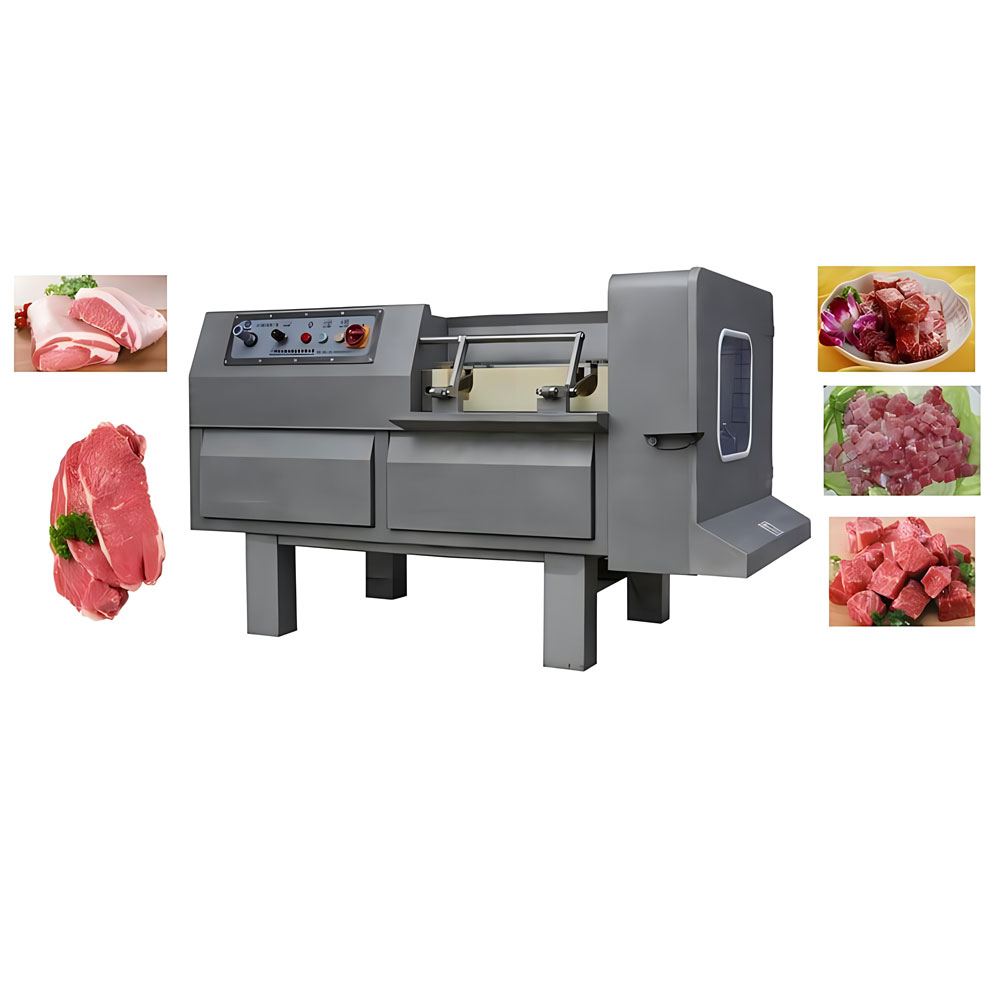
Your meat dicer is a masterpiece of precision engineering, slicing meat into flawless cubes with remarkable speed. However, is it truly performing at its peak while working on its own? Imagine taking its performance to the next level by seamlessly integrating it into a complete, cohesive production line. Coupling your dicer with upstream and downstream equipment is about far more than just adding more kit; it is about orchestrating a symphony of efficiency. By creating a continuous, automated flow, you can minimise manual handling, maximise throughput, and ensure unwavering consistency. It is time to look beyond the standalone unit and unlock the true synergistic power of full integration.
Waarom uw Dicer geen eiland moet zijn: de kracht van integratie
Although a standalone dicer is effective, it often results in operational silos. You're forced to manually load the meat and manually collect and transport the diced product, and the machine's output pace may not perfectly align with your other processes. This creates bottlenecks, drives up labour costs, introduces potential delays, and increases the risk of contamination during handling. Integration breaks down these barriers. It transforms your dicer from an isolated workhorse into a vital, connected component within a highly efficient, automated ecosystem, unlocking a level of operational synergy that standalone equipment simply cannot replicate.
Upstream Allies: Equipment for Your Meat Dicer
Even before the dicing process kicks off, a series of upstream procedures and machinery can prepare and supply the meat to perfection, ensuring your dicer runs at its absolute best. You can think of these as the essential support crew, setting the stage for a flawless performance.
做好準備:如何完美處理肉類以利切丁
It is absolutely vital to ensure the meat is in perfect condition before it hits the dicer. This usually involves trimming, deboning, or making sure it's at the right temperature—tasks typically carried out at dedicated prep stations before the meat is automatically transported.
Conveyors in Action: Transporting Meat to the Dicing Station
Sleuthing through heavy meat bins by hand? That’s a thing of the past! Automated conveyor systems—whether belt, screw, or bucket types—efficiently and hygienically transport prepared meat directly into the dicer's infeed hopper, ensuring a steady, regulated supply without the need for manual handling.
Lift Me Up! Automated Loading for Heavy Lifting
For larger cuts or high-volume production, bin lifters or tippers can be used to automatically hoist and empty large meat containers directly into the dicer's loading area. This eliminates the need for heavy manual lifting, improving both ergonomics and safety while ensuring a continuous workflow.
Size is Everything: Should You Use Grinders or Flakers Before Breaking?
If you are working with exceptionally large, frozen, or awkward blocks of meat, it is often worth adding a grinder or flaker upstream. These machines break the large blocks down into more manageable pieces that fit perfectly into the dicer's feed opening, which prevents jams and keeps the process running smoothly.
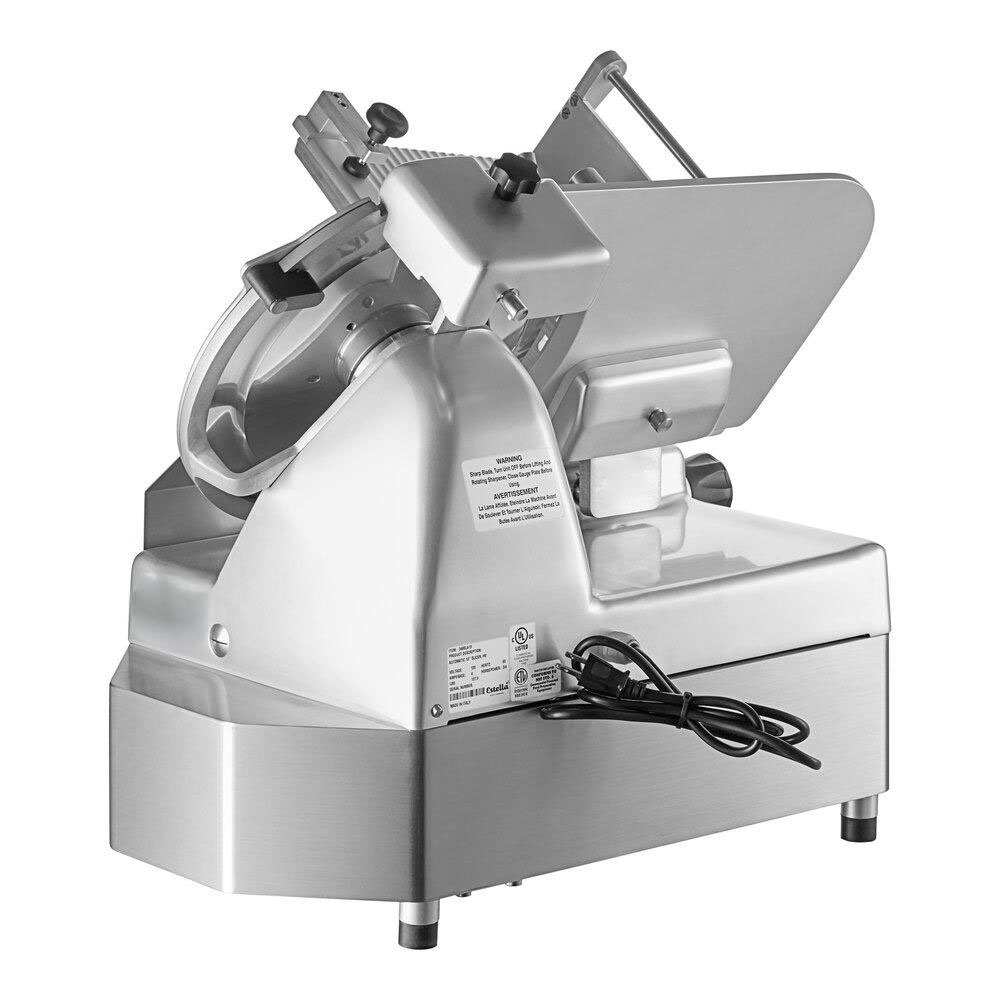
Slice & Dice Prep: Using Slicers Before the Dicer
对于某些需要根据特定肌肉纹理进行极精细切丁的应用场景,先将肉品通过工业切片机切片,再投入切丁机进行加工,能够更出色地控制最终成品方块的尺寸与外观。其核心逻辑在于,通过精准掌控输入端的规格,从而实现输出端极致的精准度。
温度控制专家:如何让肉类达到最佳切割状态
For consistent dicing, the meat must be kept within a specific temperature range, ideally well-chilled or even partially frozen. By integrating tempering systems, chillers, or controlled thawing units into the upstream process, you can ensure the meat reaches the dicer in the perfect condition for clean cuts and peak machine performance.
Gentle Touch: Should we incorporate tenderisers for specific requirements?
Although it is not the standard approach, certain product lines—such as those involving specific marinated items that require both a delicate texture and precise dicing—might benefit from a specialized setup. In these cases, incorporating a mechanical tenderiser prior to the dicing stage can add significant value early in the production process.
下游去向:您的切碎肉类将流向何处
一旦切丁机完成作业,这些完美的方块成品仍需经历后续的流程。通过无缝衔接的下游集成系统,产品能够高效地进入下一阶段,从而确保品质稳定并实现全自动化生产。
The Journey Continues: Streamlining the Movement of Diced Products
Just as the meat arrives automatically, the diced product must be processed and moved out just as seamlessly to prevent any build-up and ensure continuous operation.
Catch & Carry: Conveyor Systems Post-Dicing
De meest voorkomende partner in het daaropvolgende proces! Transportbanden die direct bij de uitgang van de snijmachine zijn geplaatst, vangen het gesneden vlees voorzichtig op en voeren het verder af – of dat nu naar een hoger niveau in de productielijn is of simpelweg een stukje verderop de band langs. Er zijn gespecialiseerde transportbanden die overtollig vocht kunnen afvoeren of helpen om de temperatuur constant te houden.
Tumble & Toss: Marinade and Seasoning Integration
Looking to achieve the perfect seasoning or marinade for your diced meat? By feeding the product directly from the dicer discharge into an automated tumbler or coating drum, you can ensure that spices, glazes, or marinades are applied instantly and uniformly while the pieces are at their most well-separated.
混合大师:肉丁与各类食材的完美融合
For the production of ready meals, fillings, or complex sausage blends, diced meat can be fed directly into large-scale industrial mixers or blenders. Here, it is precisely combined with vegetables, sauces, fats, or other ingredients in strict accordance with specific recipes.
Perfect Portions: Linking to Weighing & Filling Systems
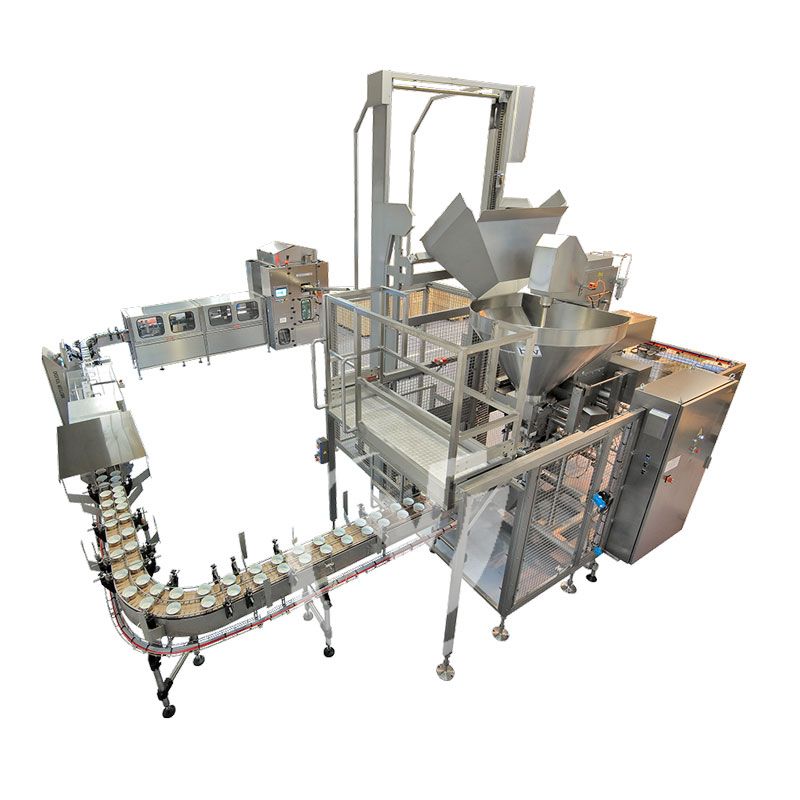
It is vital to ensure precise package weights. By integrating the dicer output with multi-head weighers or volumetric fillers, you can achieve exact portion control when dispensing diced meat directly into trays, bags, or pouches.
Pack It Up! Bridging the Gap Between Die-Cutters and Packaging Giants
Once the portioning stage is complete, the natural next step is packaging. Diced meat can be seamlessly transferred to tray sealers, vacuum packers, flow wrappers, or bagging machines, creating a fully automated production line that carries the product from raw material to its final, packaged state.
Klar für die Hitze? Ihr direkter Zugang zu Profi-Küchengeräten (Öfen, Fritteusen)
对于熟制品而言,切丁后的肉块可直接从切丁机输送至连续式烤箱、油炸机、蒸箱或煮锅中,从而最大限度地减少停顿时间,确保热加工过程中的产品流转处于最佳状态。
Flash Freeze Flow: 整合 IQF 隧道與冷凍設備
To prevent diced meat from clumping and ensure each piece remains separate, the best approach is to use an Individual Quick Freezing (IQF) tunnel. The diced product is fed directly onto the freezer belt, which guarantees rapid freezing and maintains high product quality. Alternatively, connecting the line to a spiral or blast freezer is a common and effective solution.
品質管理の要点:検査システムの導入(金属検出器、X線検査)
产品安全性至關重要。在切割後(通常是在包裝前)整合線上金屬檢測儀或 X 光檢測系統,能自動檢查是否存在異物污染,這是在自動化生產流程中不可或缺的品質控管關鍵步驟。
The Masterminds: Controlling & Synchronisation
Connecting machines physically is only half the battle; getting them to work together intelligently requires sophisticated control systems.
让一切各就各位:实现产线和谐运转的 PLC 控制系统
Programmable Logic Controllers (PLCs) fungerer som nervesystemet i en integreret produktionslinje. En central PLC kan overvåge og styre driften af både skæremaskinen og alt tilkoblet udstyr både opstrøms og nedstrøms, hvilket sikrer, at de fungerer som ét samlet system baseret på de forudindstillede parametre.
Keeping Pace: Synchronising Machine Speeds
A central function of the control system is to ensure that all machinery operates at compatible speeds. The conveyor feeding the dicer must be synchronised with the dicer's processing rate, which in turn must match the capacity of the downstream equipment. This prevents both starvation (interruptions in product flow) and bottlenecks (product pile-ups). To achieve this, variable speed drives controlled by the PLC are essential.
Data-driven Dicing: Monitoring and Logging for Optimisation
Integrerede linjer kan generere værdifulde driftsdata. Kontrolsystemet kan logge gennemløbshastigheder, maskinens oppetid og nedetid, fejlforekomster og potentielt endda kvalitetsparametre. Ved at analysere disse data kan man optimere processerne, planlægge forebyggende vedligeholdelse og styrke sporbarheden.
Waarom kiezen voor connectiviteit? De onmisbare voordelen van een geïntegreerde lijn
Integrating your dicer offers far more than just a simple hardware connection; it delivers significant operational advantages.
Maximise Your Speed: Increasing Overall Throughput
By removing the delays caused by manual handling and ensuring a seamless, synchronised flow, integration significantly boosts the overall production speed and throughput of your entire line compared to running standalone operations. It means more output in less time.
Maximising Efficiency: Automating Manual Processes
Every stage where a product is manually loaded, unloaded, or moved presents an opportunity for automation through system integration. This significantly reduces the need for manual labour, allowing staff to focus on higher-value tasks and driving down operational costs.
Reliability You Can Trust: Unwavering Consistency from Start to Finish
Automation inherently improves consistency. An integrated production line ensures a smooth flow and uniform processing at every stage—from initial preparation and dicing through to packaging or cooking—thereby minimising human error and variability.
Safety Synergy: Minimising Handling and Maximising Hygiene
Mindre manuel håndtering betyder direkte mindre risiko for krydskontaminering og højere fødevaresikkerhed. Lukkede overførselssystemer og automatiserede processer skaber et mere hygiejnisk miljø. Desuden øges operatørsikkerheden ved at automatisere tunge løft og interaktion med bevægelige dele.
Workflow Wonders: Creating a Seamless and Uninterrupted Process
整合將原本零散的步驟轉化為流暢且具備邏輯性的生產流程。它不僅能最小化緩衝空間、降低在製品存貨,更能確保從原物料到成品之間,形成一套可預測且高效的運作節奏。這正是運作卓越與精簡優雅的極致體現。
Smart Connections: Tips for a Seamless Pairing Experience
To ensure a successful integration, one must plan meticulously and take several key factors into account.
Matchmaking Might: Aligning Capacity Across the Board
Critically, the throughput capacity (e.g., kg/hour ) of each machine in the line must be compatible. Your dicer's capacity must align with the feed rate of the upstream equipment and the acceptance rate of the downstream equipment. Any mismatch creates a bottleneck.
The Art of the Floor Plan: Designing an Efficient Layout
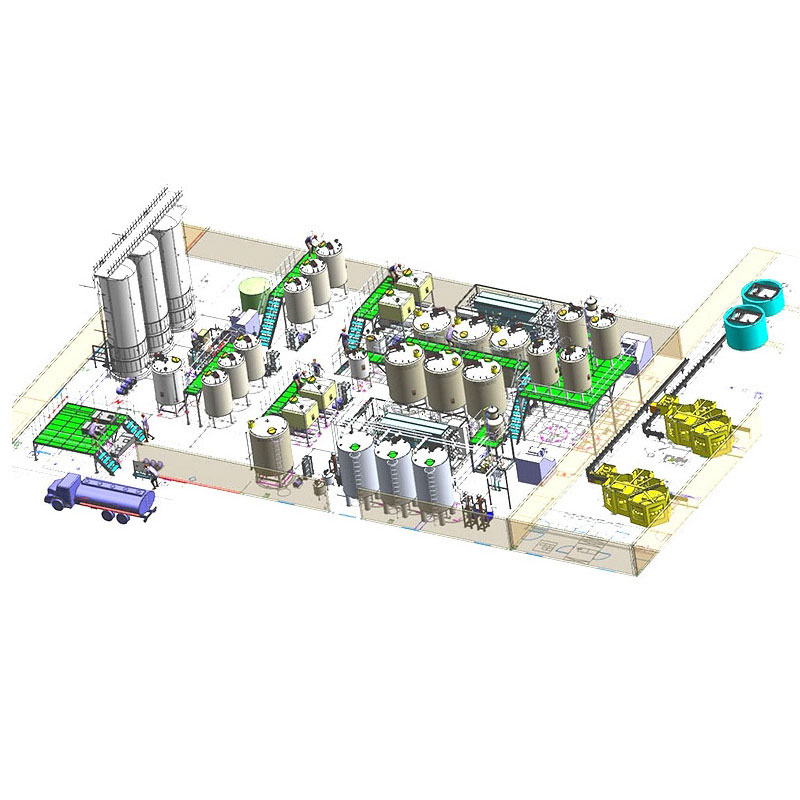
The physical layout of the equipment is paramount. The arrangement must ensure a logical flow of products, minimise conveyor lengths, and provide sufficient space for both operational tasks and maintenance access, all while adhering to facility safety regulations. A well-conceived design is essential to avoid logistical chaos.
Control Compatibility Check: Ensuring Seamless System Communication
Make sure that the control systems (PLCs, interfaces) across the various machines are fully compatible, allowing them to either communicate seamlessly or be managed via a central controller. It is highly advisable to source equipment from manufacturers with a proven track record in system integration, or to work alongside experienced system integrators. Any incompatibility issues could easily derail the entire project.
Cleaning Dilemmas: Ensuring Unobstructed Access for Hygiene Maintenance
虽然整合能使流程更顺畅,但如果规划不当,有时会增加清洁难度。务必确保布局在机器周围及机器之间留有足够的空间,以便操作人员能够严格执行食品安全所要求的清洁与消毒程序。切勿为了追求流程顺畅而牺牲卫生标准。
Veelgestelde vragen: Alles wat u wilt weten over de integratie van Dicer
What's the most common machine paired before a dicer?
Conveyor belts for transport and automated bin lifters/tippers for loading are extremely common upstream partners, facilitating the movement of prepped meat to the dicer.
And what's most common after the dicer?
Again, conveyor belts are nearly ubiquitous for transporting the diced product away. Following that, direct integration with mixers/blenders, tumblers/coaters, or weighing/filling/packaging systems is very common, depending on the final product.
Is it possible to manage the whole production line with a single control system?
Yes, definitely. Using a central PLC or SCADA (Supervisory Control and Data Acquisition) system is typically the most efficient way to manage and synchronise an entire integrated production line, as it provides a single point of control and monitoring.
How much space does an integrated line typically take up?
This varies significantly depending on the number and type of machines integrated, their individual footprints, and the required conveyor lengths. Integrated lines inherently demand more linear floor space than standalone machines. Thorough layout planning is essential to optimise space utilisation.
Is it difficult or expensive to integrate the equipment?
Initially, it can be more complex and expensive than buying individual machines. It demands thorough planning, possible customisation, advanced controls, and often the specialist knowledge of system integrators. However, the long-term savings on labour, alongside increased throughput and better consistency, typically offer a substantial return on investment.
How do you ensure that different machines are running at the same speed?
This is typically managed by a central PLC control system, which utilises sensors and variable frequency drives (VFDs) on the motors. Sensors monitor product flow and accumulation, allowing the PLC to adjust the speed of individual units—such as conveyors, dicers, and fillers—to ensure perfect synchronisation and prevent any jams or gaps in the line.
What happens if one of the machines on the line breaks down?
An effectively designed integrated control system incorporates logic to manage downtime. If a fault occurs in one piece of equipment (for instance, a jam in the packaging unit), the system should ideally signal the upstream machinery (such as the dicer and its associated feed conveyors) to pause or come to a safe halt to prevent product build-up, while simultaneously alerting operators to the exact nature of the problem.
Conclusie: Bouw aan uw droomteam - Integreer uw Dicer vandaag nog!
Your meat dicer is a powerful piece of equipment, but it truly excels when integrated into a seamless, end-to-end production line. By strategically pairing it with upstream and downstream machinery and incorporating intelligent control systems, you can reach unprecedented levels of efficiency, consistency, safety, and cost-effectiveness. The goal is to create a complete processing ecosystem where every component works in perfect harmony.
From Lone Wolf to Team Leader: The Impact of a Highly Connected Meat Dicer
Stop viewing your dicer as a standalone piece of kit and start seeing it as the vital link in a seamless production line. Harness the power of integration. By analysing your workflow and spotting opportunities for connectivity, you can discover equipment combinations that will transform your meat processing from merely efficient to truly world-class. The future of high-volume meat preparation is all about staying connected!
Essential Reading for Fast Food and Restaurant Chains Owners
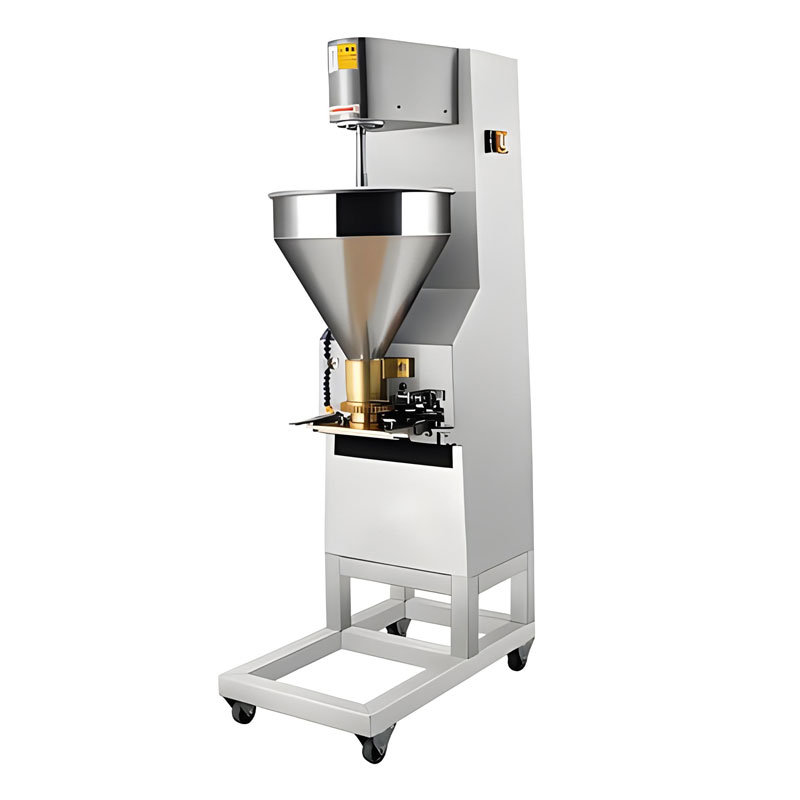
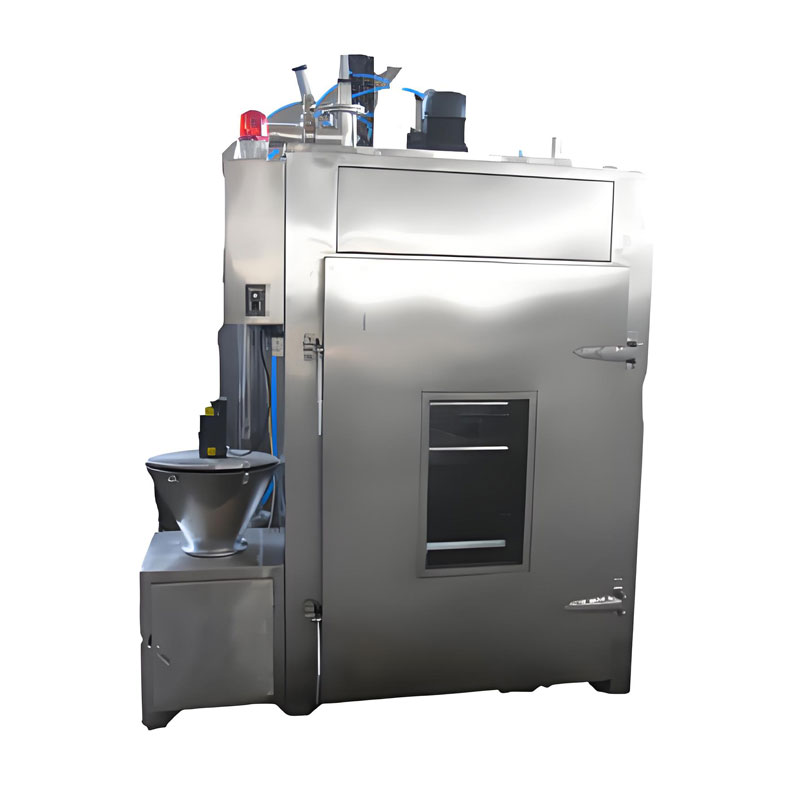
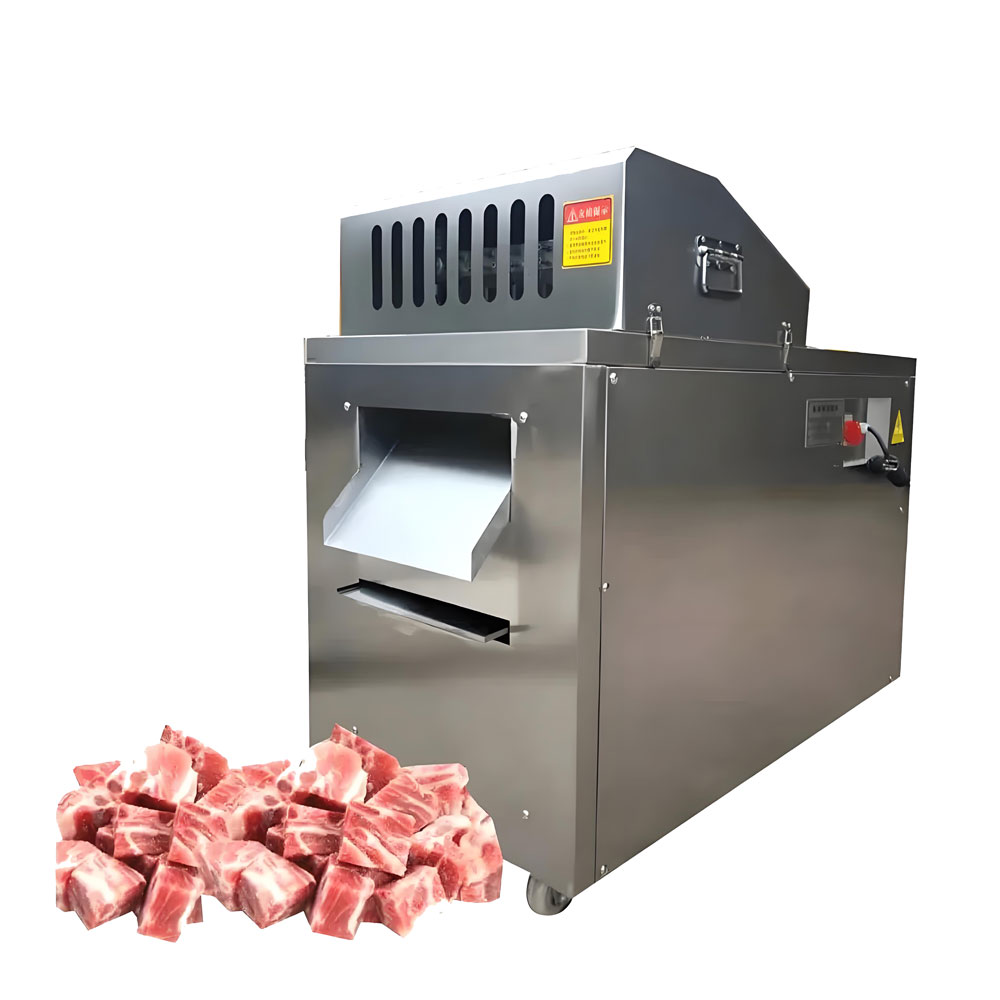

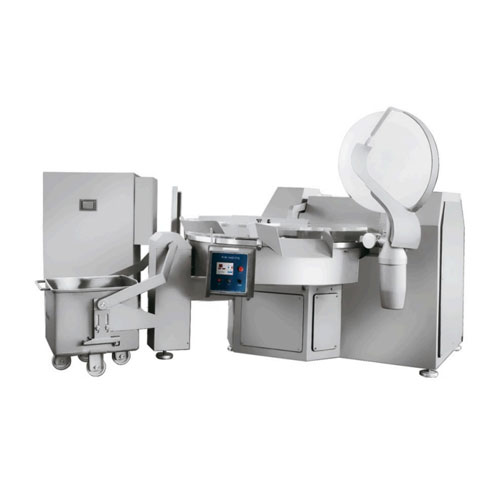
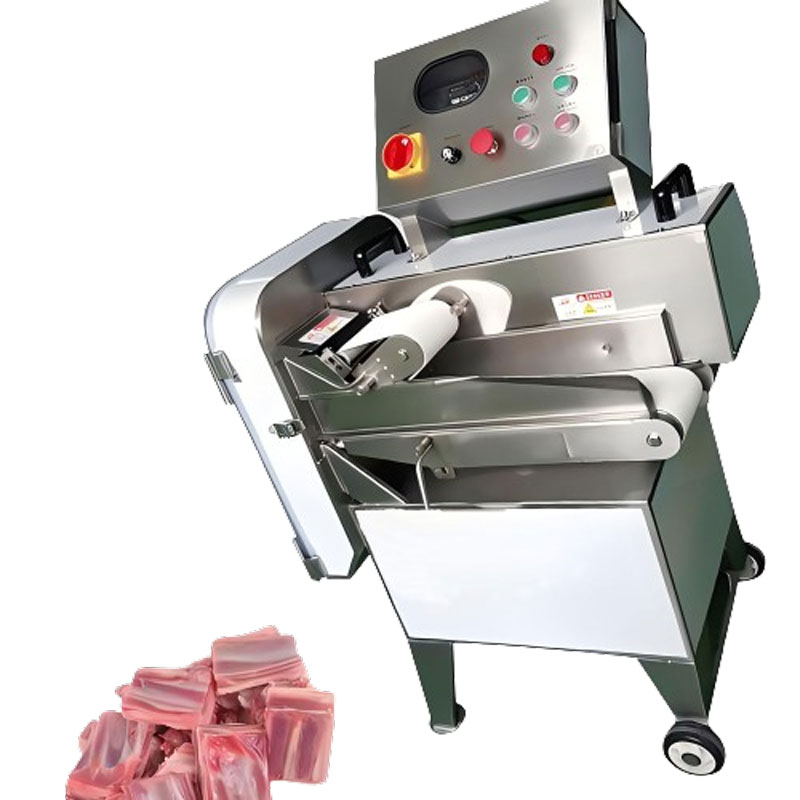 Frozen Meat Rib Dicing Machine
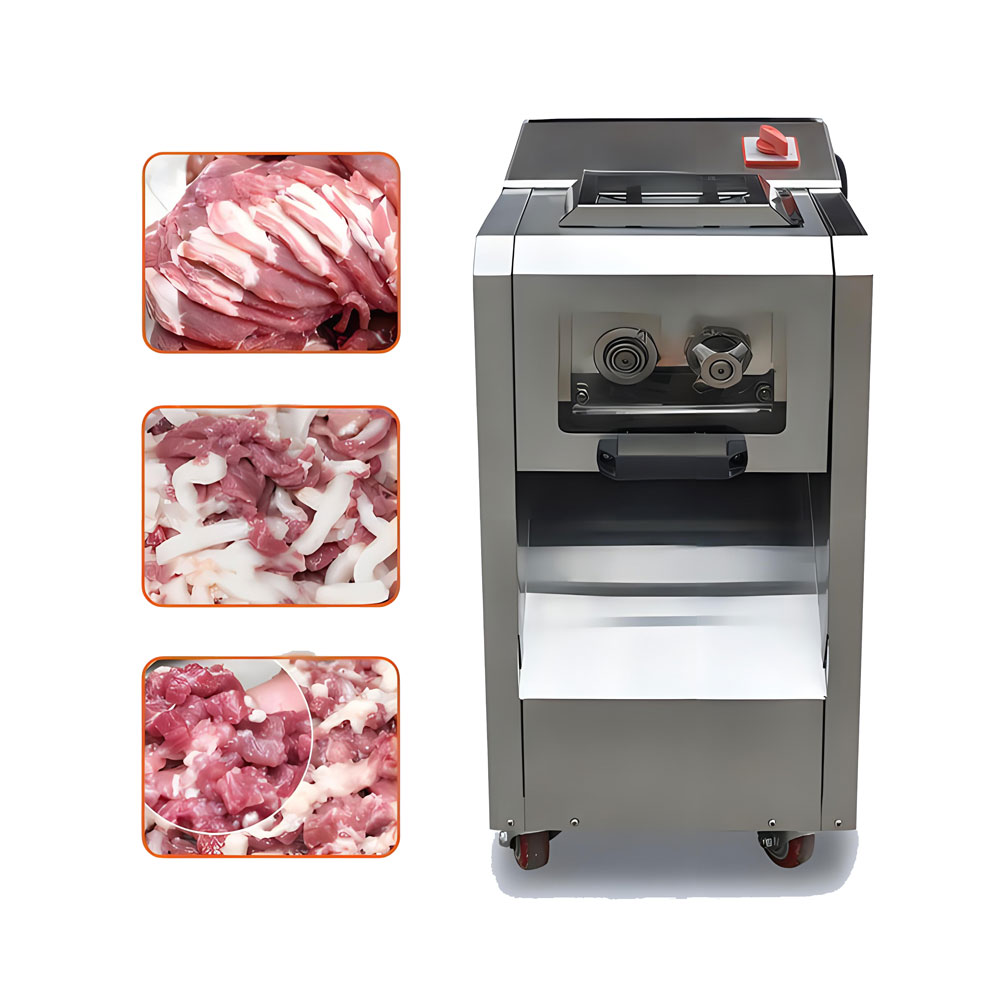 Frozen Meat Slicer
 Automatische Hackfleisch-Zerkleinerungsmaschine
Ready to go?