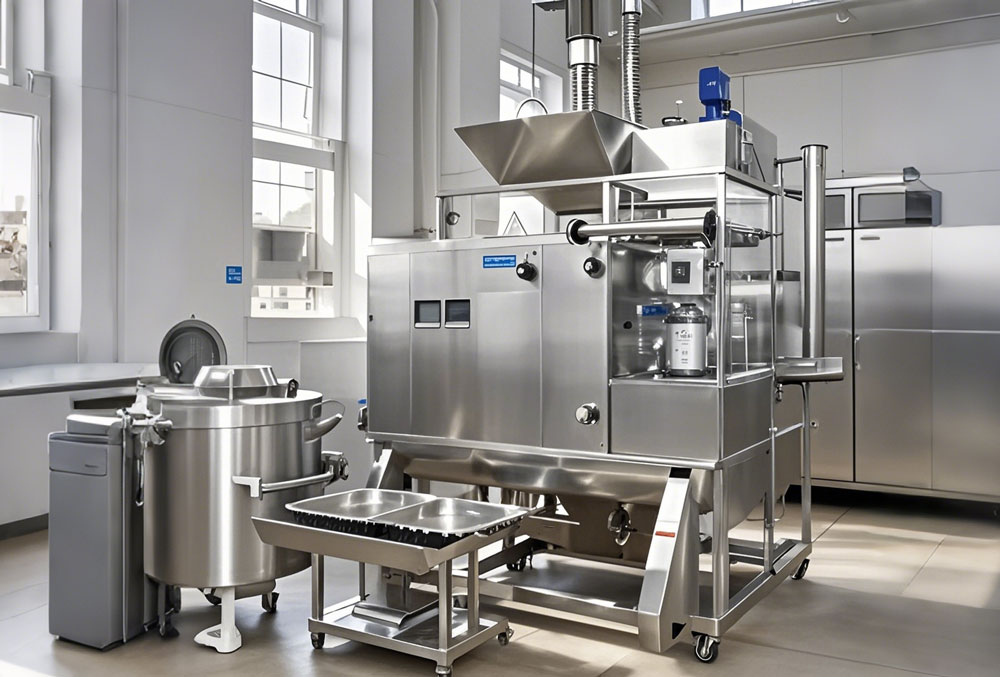
Meat processing machinery is vital for ensuring that products are safe to eat and meet strict quality standards. However, operating this equipment carries certain built-in risks. By understanding and following proper safety protocols, you can significantly reduce the likelihood of injury or contamination. This comprehensive guide provides an essential overview of the precautions you must take when working with meat processing equipment.
In the meat processing industry, safety and efficiency are of the utmost importance. The machinery used in this sector, such as slicers, grinders and tenderisers, can pose significant risks if not operated correctly. This article will explore the essential precautions required to ensure the safe and effective use of
slagtudstyrWhether you're an experienced professional or just starting out in the industry, these guidelines will help you ensure a safe working environment and maintain high standards of meat production.
Before looking at the specific safety measures, it is vital to understand the various risks involved in working with meat processing machinery. These include:
- Fysische letsels:Contact with sharp blades or moving parts can cause serious injury.
- Kontaminering:Poor hygiene and improper handling can result in food poisoning.
- Elektrisk fare:Defective wiring and poor earthing can lead to electric shocks.
- Ergonomiske problemer:Repetitive movements and poor posture can result in musculoskeletal issues.
Wearing the correct personal protective equipment (PPE) is your primary defence against many of these risks. Essential PPE for meat processing includes:
- Handsker:Always wear cut-resistant gloves to protect your hands from sharp blades. Metal mesh gloves are highly recommended for maximum protection.
- 眼部防护:Safety glasses or goggles protect your eyes from splashes and flying debris.
- Forklæder:Wear aprons to protect yourself from cuts and contamination.
- Høreværn:Wear earplugs or earmuffs when working in loud environments.
- Sko:Non-slip footwear is essential to prevent falls on wet surfaces.
Regular maintenance and inspection of meat processing equipment are essential to ensure safe operation. Follow these steps:
- Dagly inspektioner:Check for any loose or damaged components, frayed wiring, or other potential hazards before every use.
- Planlagte vedligeholdelsesarbeider:Follow the manufacturer's maintenance schedule to ensure your equipment remains in top condition.
- Kalibrering:Make sure that all measuring instruments and gauges are properly calibrated.
- Sanitisation:Make sure to thoroughly clean and sanitise all equipment after every use to prevent any risk of contamination.
To operate meat processing equipment safely, you must follow these specific procedures:
- Træning:Make sure that all operators are fully trained and have a thorough understanding of the equipment's operating manual.
- LOTO (Lockout/Tagout)Ensure lockout/tagout procedures are strictly followed during maintenance to prevent any accidental restart.
- Vagt:Make sure all safety guards are fitted and working properly.
- Nødstop:Make sure you know exactly where the emergency stop controls are located and how to use them.
It is essential to consider ergonomics to avoid long-term health problems:
- Workstation Design:Design workstations to minimise awkward postures and repetitive movements.
- Værktøjsvalg:Use tools with an ergonomic design to help reduce strain.
- Pauses:Make sure to take regular breaks to avoid exhaustion and repetitive strain injuries.
It is vital to handle and store meat products correctly to prevent contamination:
- Temperatuurbeheer:Keep meat at the correct temperature to prevent bacterial growth.
- Krydskontaminering:Keep raw and cooked products separate by using different equipment and surfaces.
- Hygiejena:Make sure that everyone adheres to strict hygiene standards, such as regular hand washing and wearing clean uniforms.
Being prepared for emergencies can mitigate the impact of accidents:
- Førstehjælpsk ability:Ensure that well-stocked first aid kits are easily accessible throughout the processing area.
- Nødprocedurer:Udvikl og formidl procedurer for beredskab ved forskellige scenarier, herunder personskader og udstyrssvigt.
- Træning:Carry out regular emergency drills to ensure that all staff are fully familiar with the procedures.
Strict adherence to industry regulations and standards is not only a legal obligation but also essential for maintaining safety standards:
- OSHA 标准:Volg de richtlijnen van de Occupational Safety and Health Administration (OSHA) voor de vleesverwerking.
- Food Safety Regulations:Voldoet aan de geldende voedselveiligheidsvoorschriften, zoals die van de USDA en de FDA.
- Lokale wetgeving:Make sure you follow all local health and safety laws and regulations.
To ensure meat processing equipment is used safely, a comprehensive approach is required, encompassing proper training, the use of personal protective equipment (PPE), regular maintenance, and strict adherence to safety protocols. By following these precautions, you can create a safer working environment and ensure the production of high-quality meat products. Remember, safety is an ongoing process that relies on the commitment of everyone in the facility, from machine operators to supervisors.

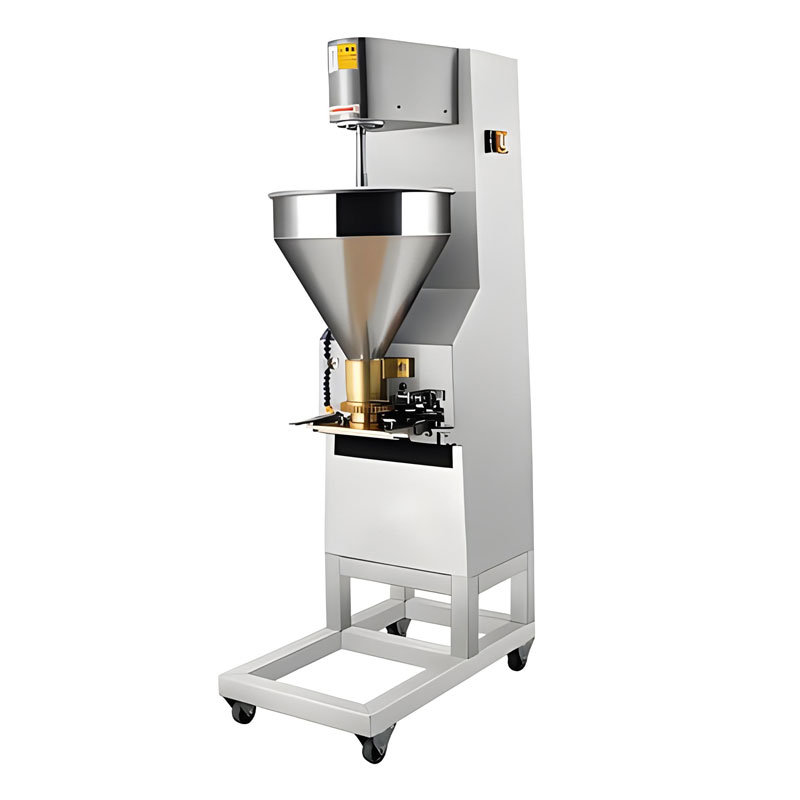
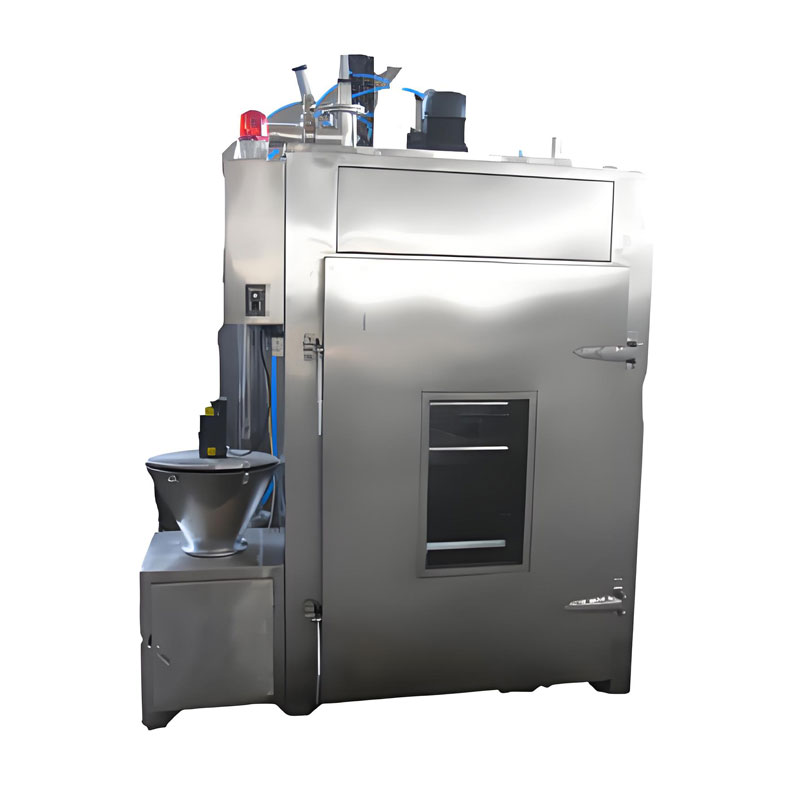
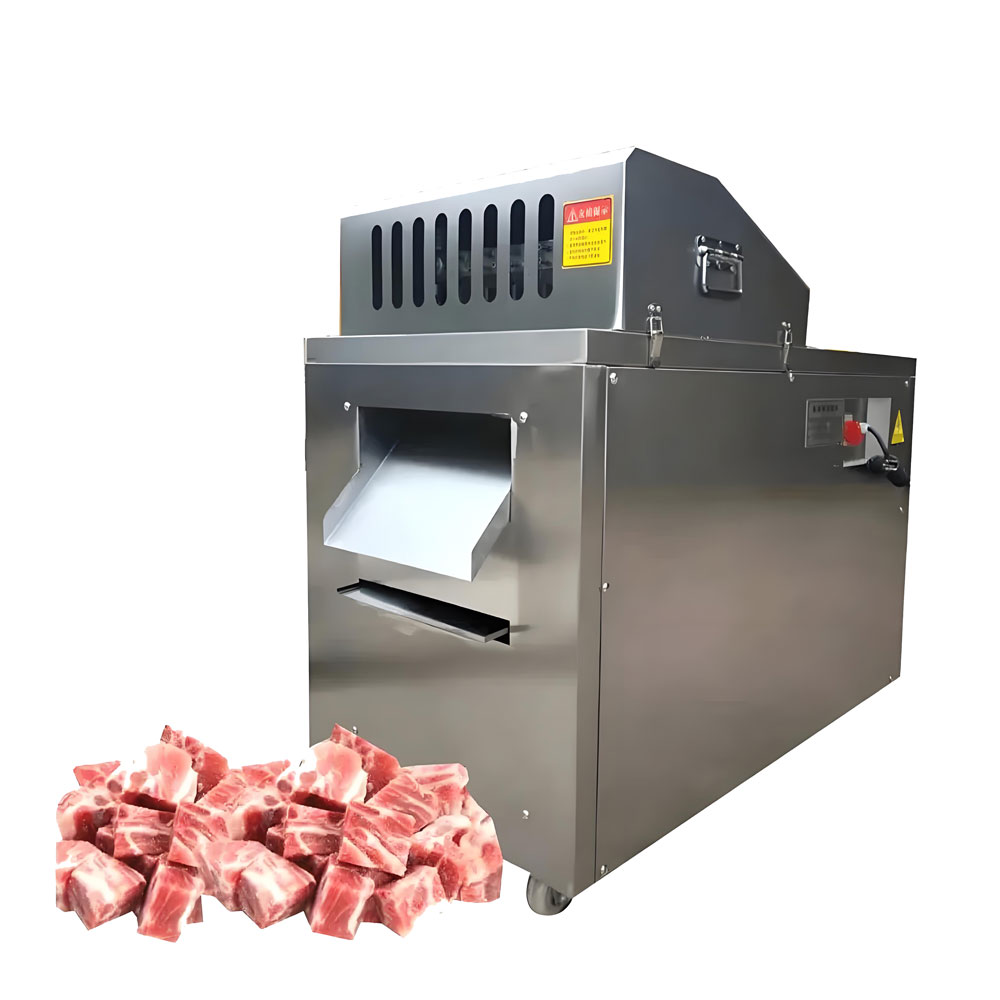
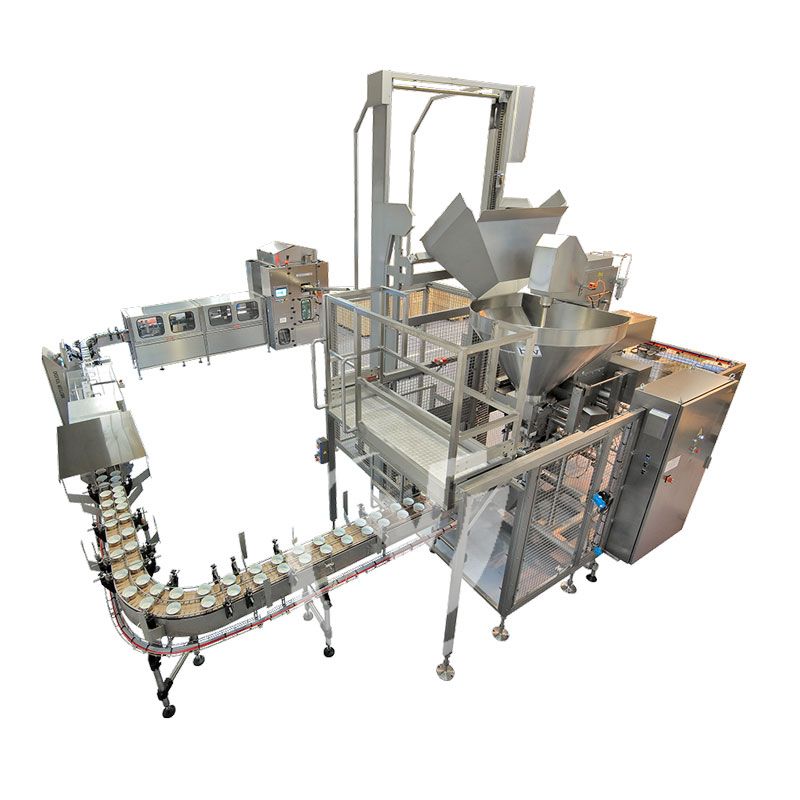
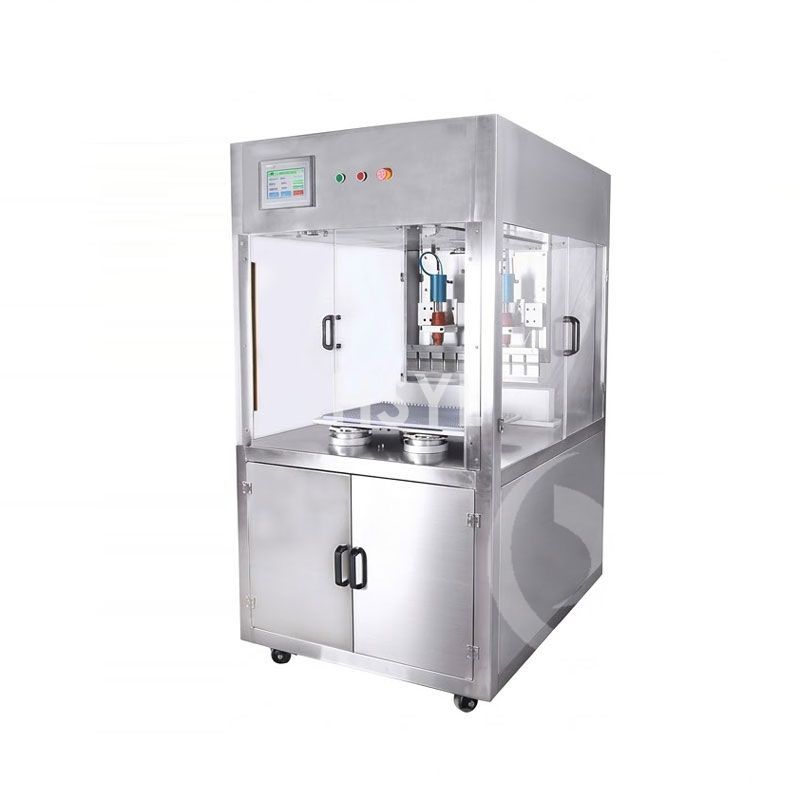

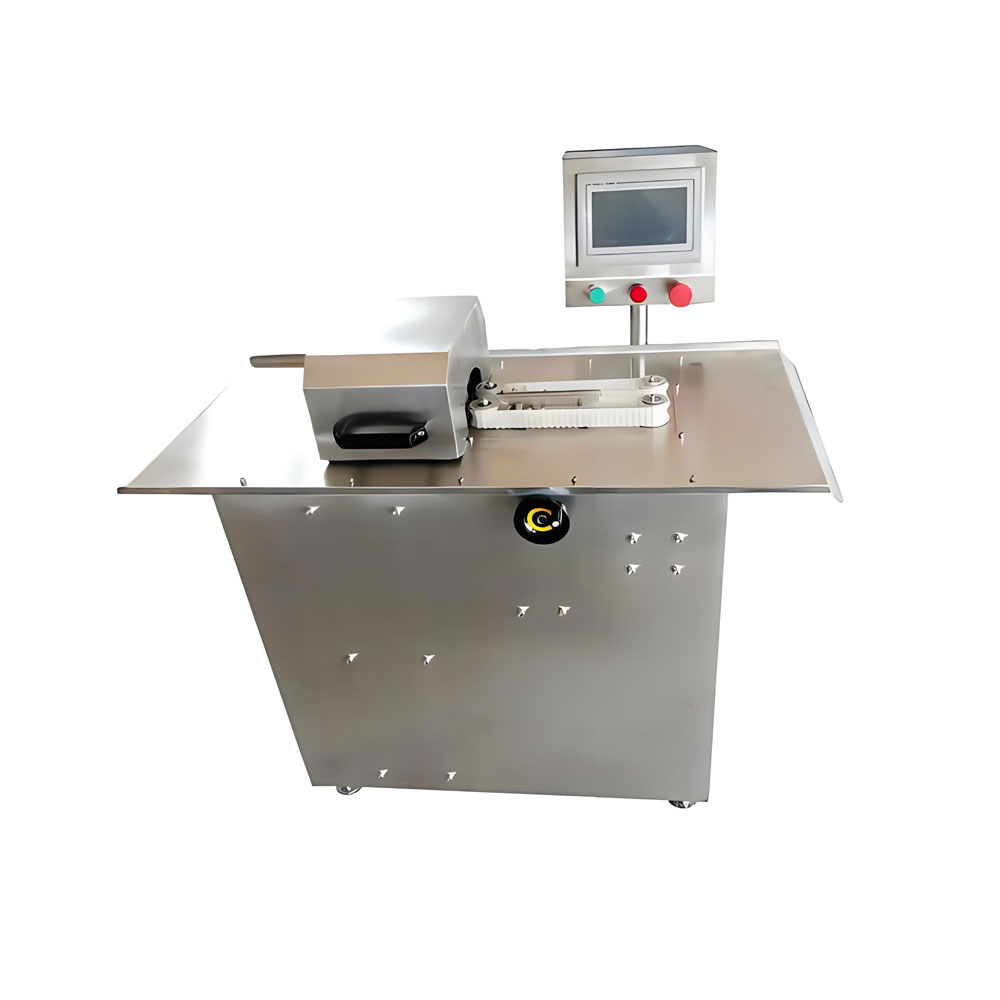
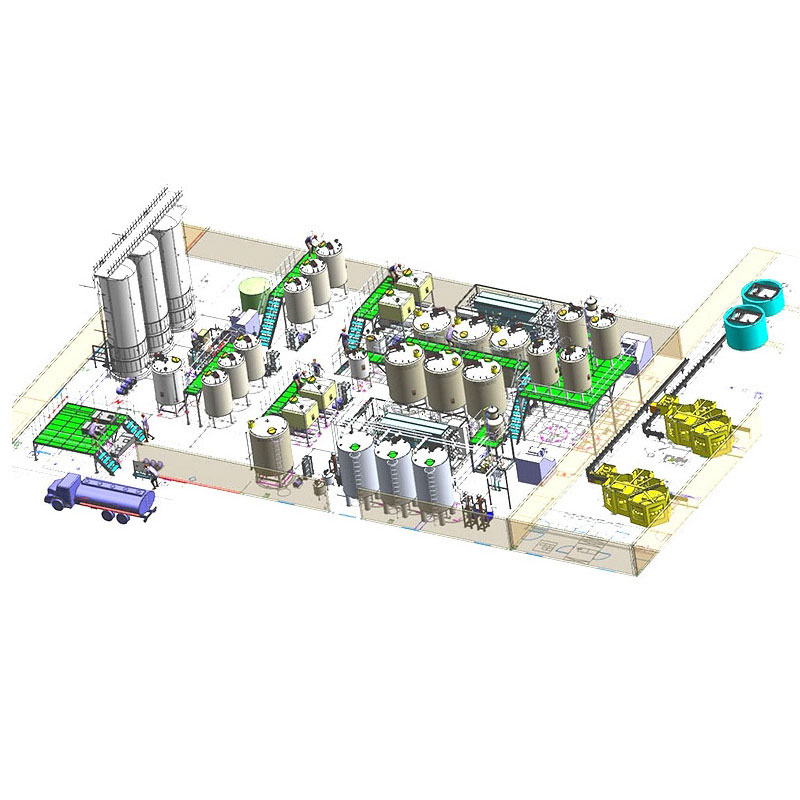
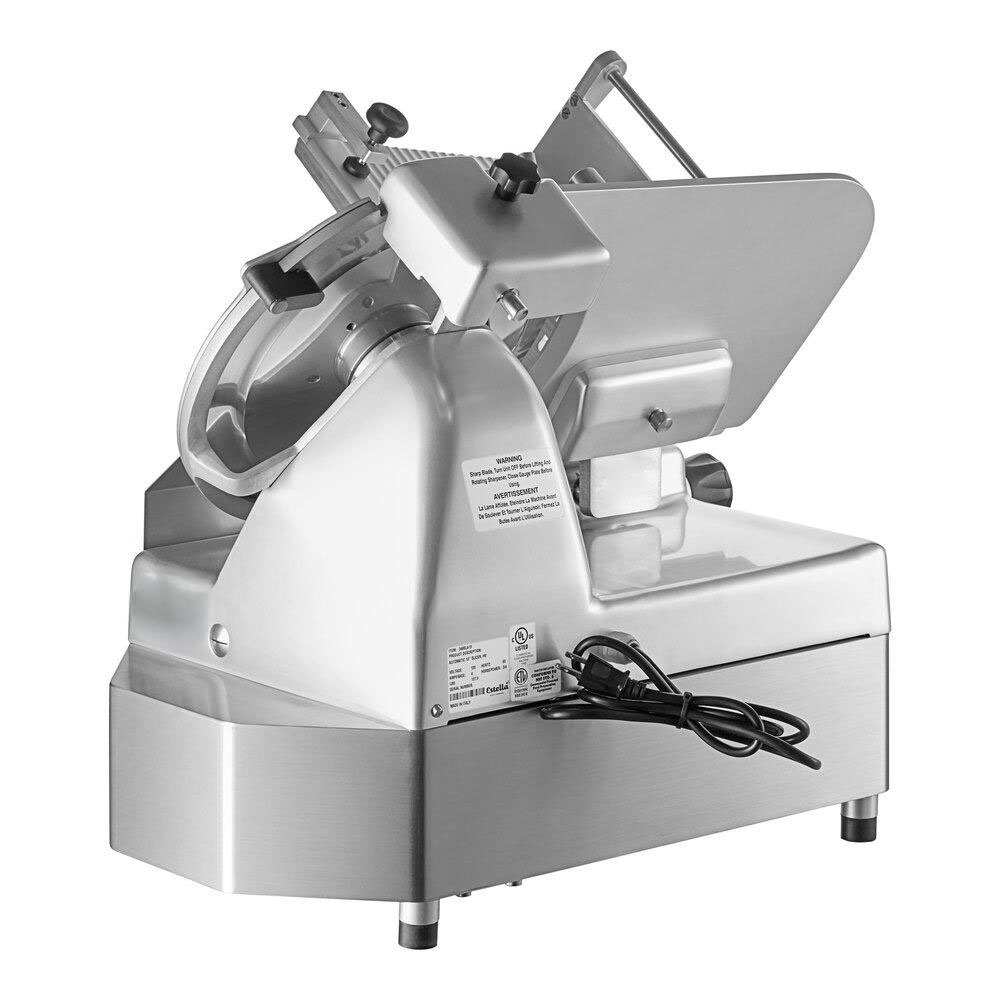
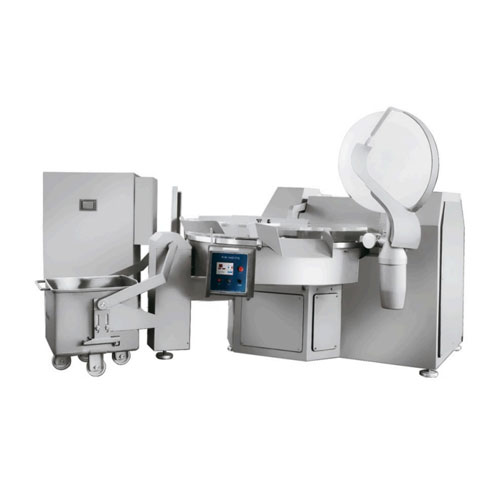
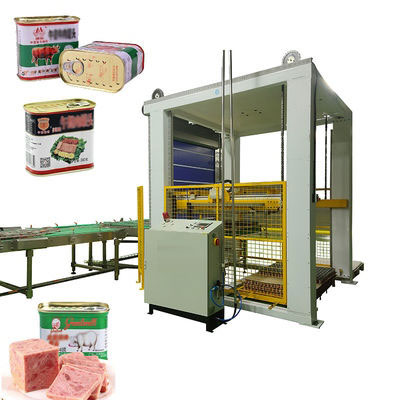 Processed Meat Production Line
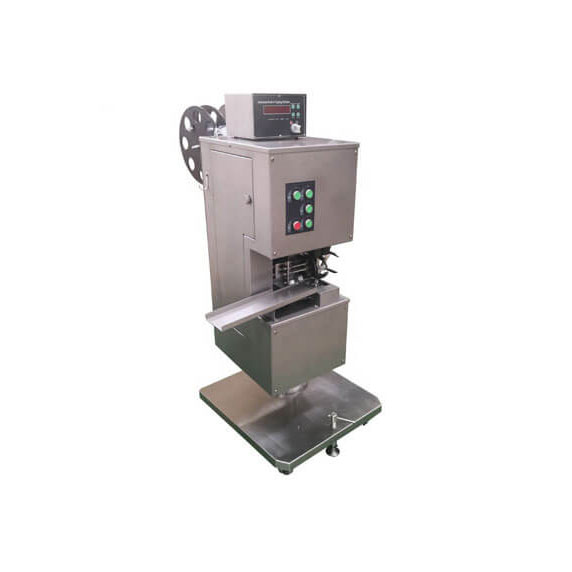 Automatische Wurstschneidemaschine
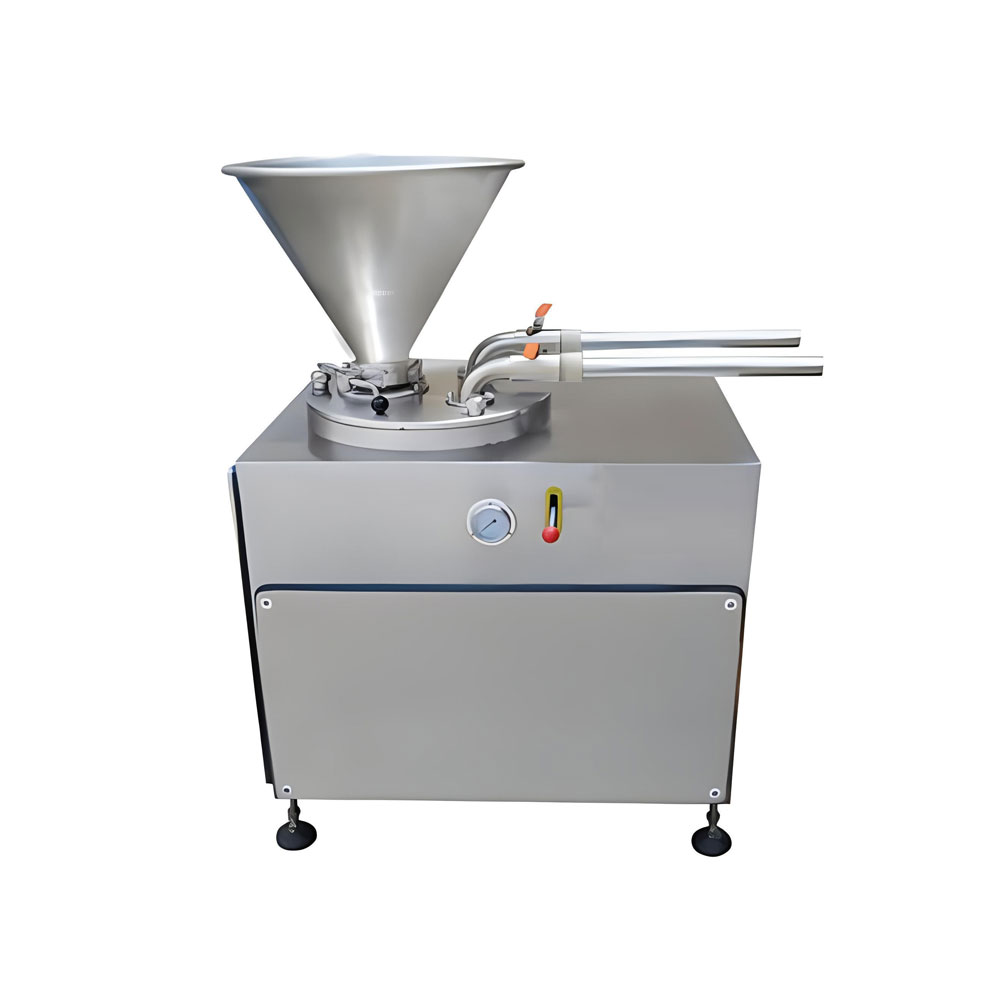 Hydraulic Sausage Stuffer
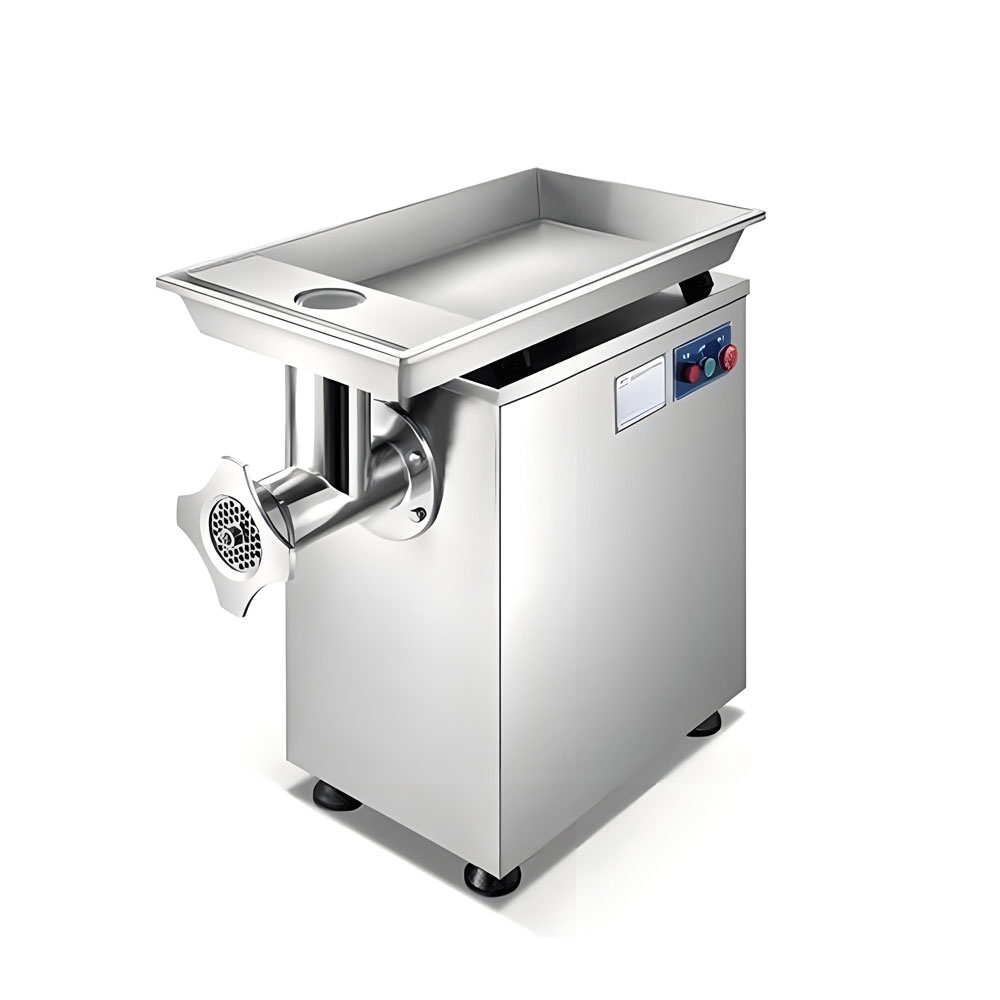 Meat Grinder
Ready to go?