
از مزرعه تا سفره: سفری به دنیای تجهیزات فرآوری لوبیا سبز
لوبیا سبز، با آن بافت ترد و طعم لذیذ و ارزش غذایی بالا، یکی از محصولات اصلی در رژیم غذایی مردم سراسر جهان است. اما تا به حال به این فکر کردهاید که این سبزیجات چه مسیری را از مزارع تا سفرهی شما طی میکنند؟
تبدیل دانههای تازهچیده شده به محصولات یکدست و آماده مصرف که در قفسههای فروشگاهها به چشم میخورند، مدیون جادوی تجهیزات فرآوری لوبیا سبز است. این ماشینآلات تخصصی نقشی حیاتی در تضمین کیفیت، سلامت و سهولت در مصرف لوبیاهای سبزی که روزانه میخوریم، ایفا میکنند. چه در صنعت فرآوری مواد غذایی فعالیت کنید، چه بهدنبال راهاندازی کسبوکار خود باشید و چه صرفاً یک علاقهمند به دنیای غذا، با ما همراه باشید تا به دنیای جذاب و شگفتانگیز تجهیزات فرآوری لوبیا سبز سفر کنیم.
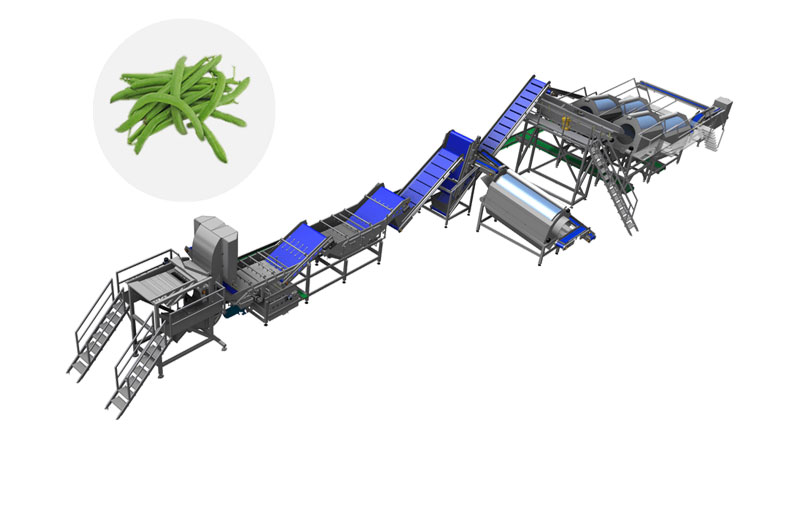
مرحله ۱: دریافت & پاکسازی – از مزارع تازه تا آمادهسازی در کارخانه
فرآیند کار با ورود لوبیاهای سبز تازه به مرکز فرآوری آغاز میشود که معمولاً مستقیماً از مزارع تامین میگردند.
Unloading & Receiving: Specialized equipment is used to gently unload and receive the green beans, minimizing damage and preserving their freshness.
Cleaning & Sorting: Next comes a critical step – removing any foreign material and ensuring that only the highest-quality beans proceed. This typically involves:
Dry Cleaning: Rotating drums or air blowers remove dirt, debris, and loose leaves.
Washing & Fluming: Gentle washing systems, utilizing water baths or sprays, thoroughly clean the beans. Flumes with flowing water help transport the beans and further remove any remaining debris.
Inspection & Sorting: Skilled workers or automated optical sorting machines identify and remove any discolored, damaged, or misshapen beans, ensuring only the best continue to the next stage.
مرحله دوم: آمادهسازی برای رسیدن به نتیجه ایدهآل – اندازهگیری، برش و قالبزنی
حالا که لوبیا سبزها تمیز و جدا شدهاند، وقت آن است که آنها را برای مرحله نهایی آماده کنیم.
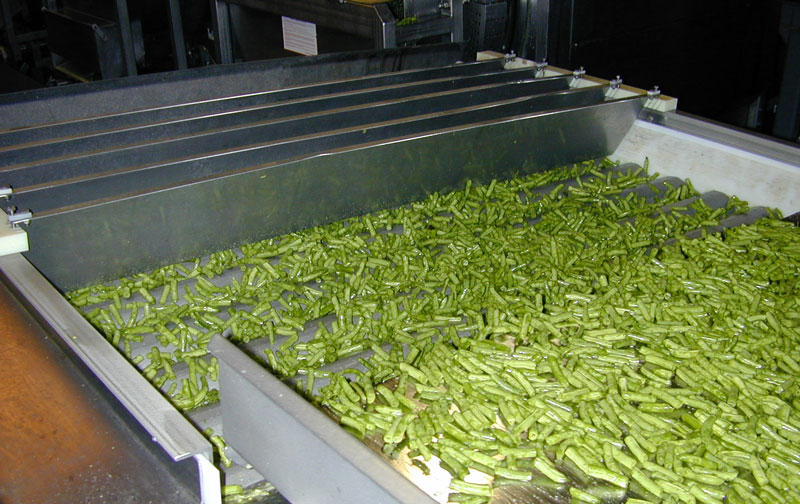
Sizing: This step involves separating the beans based on their length, creating a more uniform final product. Sizing can be done manually or by utilizing automated systems with rollers or belts.
Snapping & Cutting: To remove the stem ends and, if desired, cut the beans into preferred lengths, specialized machinery comes into play:
Snappers: These machines efficiently remove the stem ends of the green beans, ensuring consistency and minimizing waste.
Cutters: If desired, green beans can be cut into specific lengths using rotary cutters or dicers.
مرحله ۳: قدرت حفاظت – خنکسازی سفیدکننده &
این مرحلهی حیاتی باعث میشود که لوبیا سبز رنگ درخشان، طعم تازه و مواد مغذی اصلی خود را حفظ کند تا بتوان از آن برای مدتی طولانی لذت برد.
Blanching: Green beans are briefly immersed in hot water or steam. This process deactivates enzymes that can cause spoilage and color deterioration during storage. Blanching also helps to preserve nutrients and reduce microbial load.
Cooling: After blanching, rapid cooling is essential to halt the cooking process and preserve the desired texture. This is typically achieved by utilizing cold water baths or air chilling systems.
مرحله ۴: مرحله نهایی – بستهبندی و فرآوری تکمیلی
Packaging: The processed green beans are now ready for packaging. Depending on the intended use and market demand, this might involve:
Canned: Packed in cans and sterilized for extended shelf life.
Frozen: Individually quick frozen (IQF) to preserve optimal texture and freshness.
Fresh-Cut: Packaged for refrigerated retail sale.
Further Processing: In some cases, green beans undergo additional processing after blanching and cooling, which can include:
French Cutting: Cut lengthwise into thin strips.
Dicing: Cut into small, uniform cubes.
Slicing: Sliced into round or diagonal pieces.
انتخاب تجهیزات مناسب – نکات کلیدی و ضروری
انتخاب تجهیزات مناسب برای فرآوری دانههای سبز به چندین فاکتور حیاتی بستگی دارد، از جمله:
Production Volume: Small-scale operations might opt for manual or semi-automated equipment, while large-scale facilities require high-capacity, automated systems.
Desired Product: The intended final product format (canned, frozen, fresh-cut) will heavily influence equipment choices.
Budget & Space Constraints: Equipment costs vary significantly, as do space requirements for operation.
Maintenance & Sanitation: Easy-to-clean and easy-to-maintain equipment is vital for ensuring food safety and minimizing downtime.
نوآوریهای مدرن در فرآوری لوبیا سبز
دنیای فرآوری لوبیا سبز با پیشرفتهای تکنولوژیک و تمرکز روزافزون بر بهرهوری و پایداری، همواره در حال تحول و تغییر است.
Optical Sorting: Advanced optical sorting machines, equipped with cameras and sensors, can identify and remove defective beans with remarkable accuracy, significantly reducing waste and enhancing product quality.
Water & Energy Efficiency: Modern processing equipment is often designed with sustainability in mind, incorporating water-saving features and energy-efficient technologies.
Automation & Robotics: Automated systems and robotics are becoming increasingly prevalent in green bean processing, streamlining operations, reducing labor costs, and improving consistency.
از مراحل سادهای مثل پاکسازی و درجهبندی گرفته تا تکنیکهای پیچیده برش و بستهبندی، تجهیزات فرآوری لوبیا سبز نقشی حیاتی در انتقال این سبزی مغذی و پرکاربرد از مزارع به سفرههای ما ایفا میکنند. دفعه بعد که طعم لوبیا سبز را، چه به صورت تازه، چه منجمد یا کنسرو شده، از آن لذت میبرید، لحظهای درنگ کنید و به این مسیر پرپیچوخم و ماشینآلات شگفتانگیزی که برای رسیدن آن به پیش روی شما تلاش کردهاند، حق مطلب را نگاه کنید.
وبلاگ های ضروری برای صاحبان رستوران های زنجیره ای
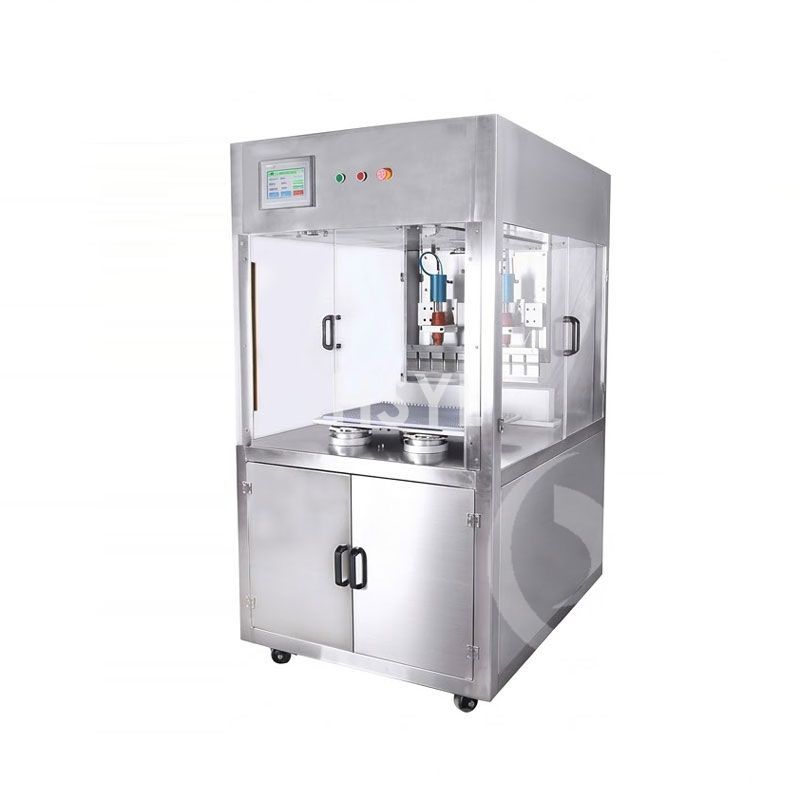

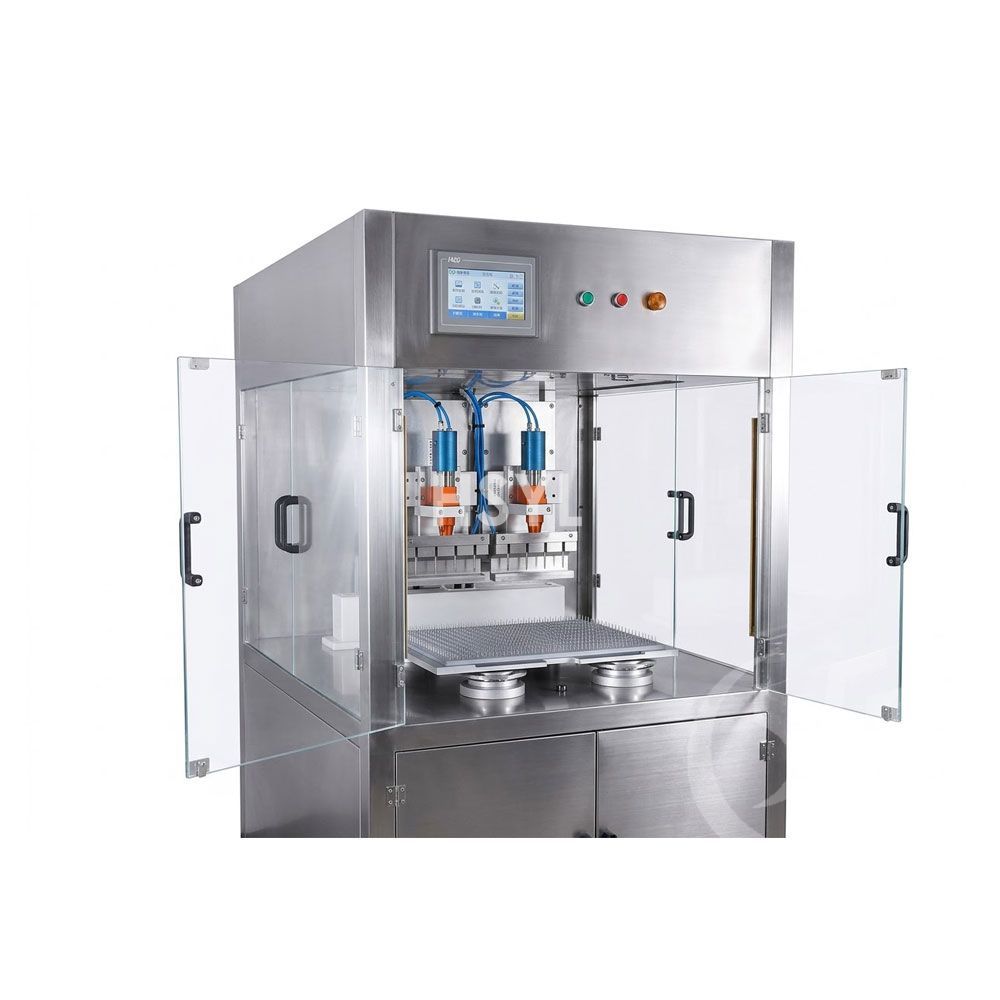 دستگاه برش اولتراسونیک بیسکویت و کوکی
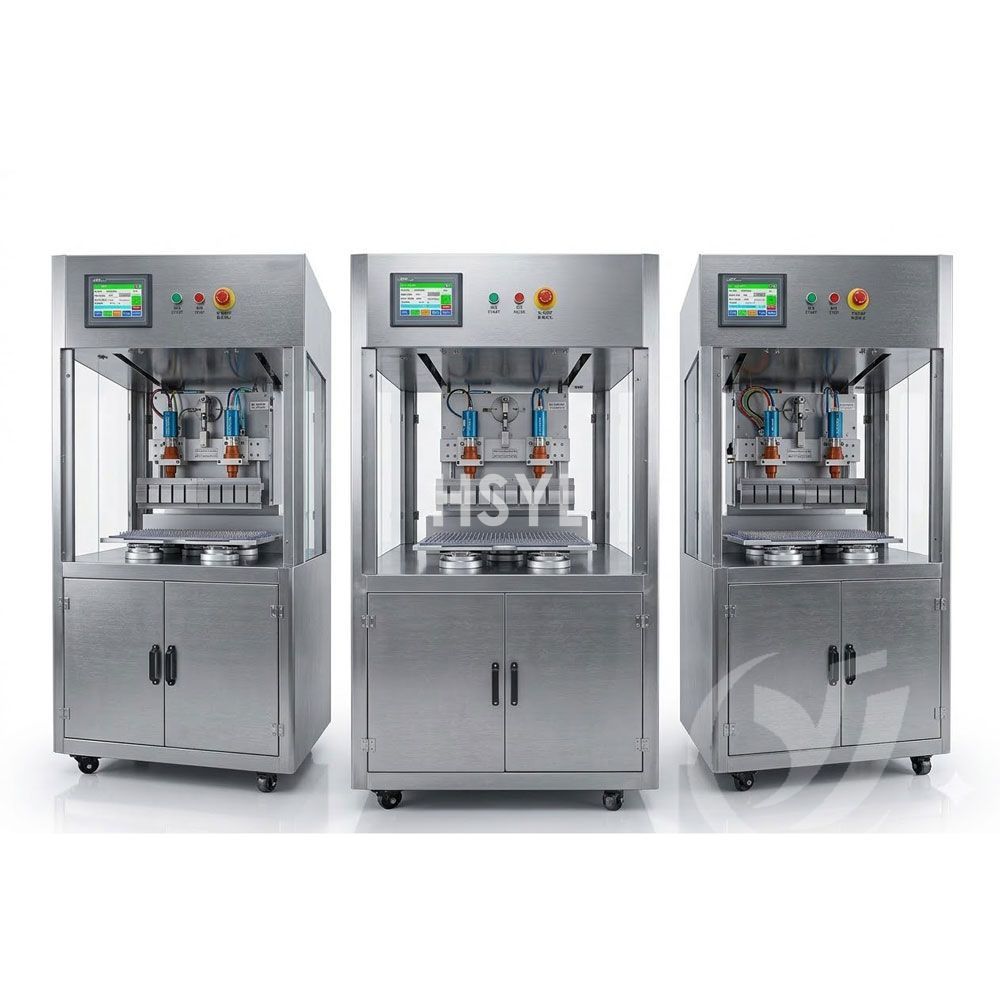 دستگاه خودکار برش شکلات و آبنبات با تکنولوژی فراصوت مخصوص نانواییها
آماده شروع هستید؟