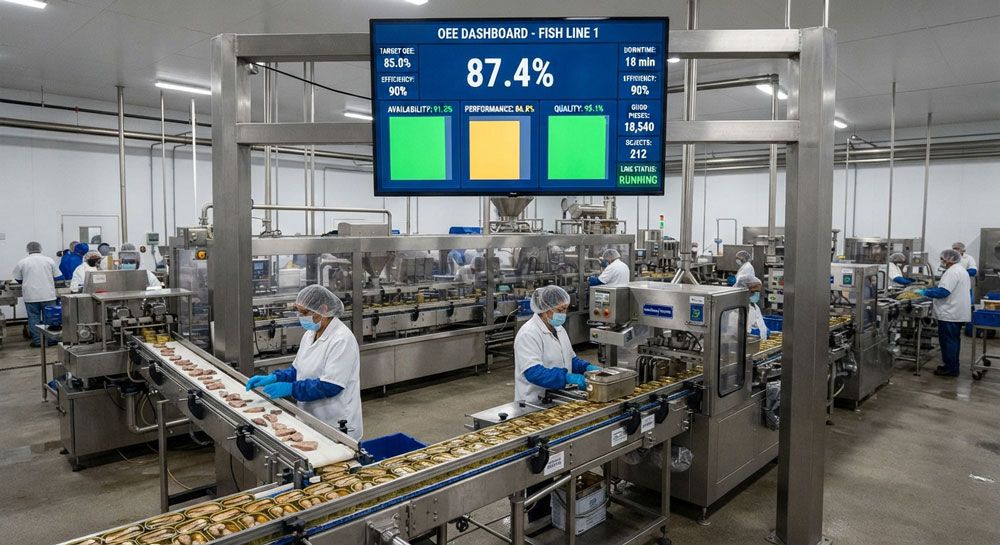
Automatic Meat Mixer Machine
We Are Not Only Capable Of Selling Products, But Also Have The Ability To Undertake Full Turnkey Projects.

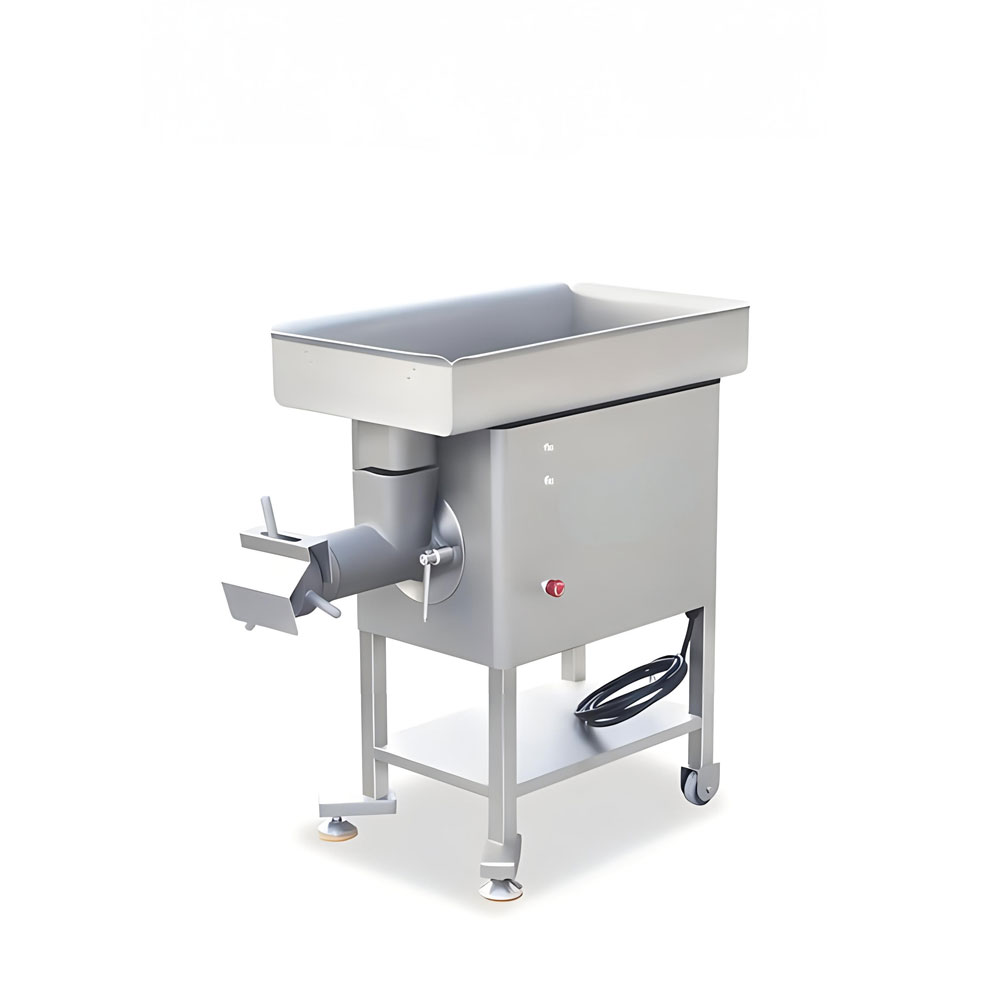
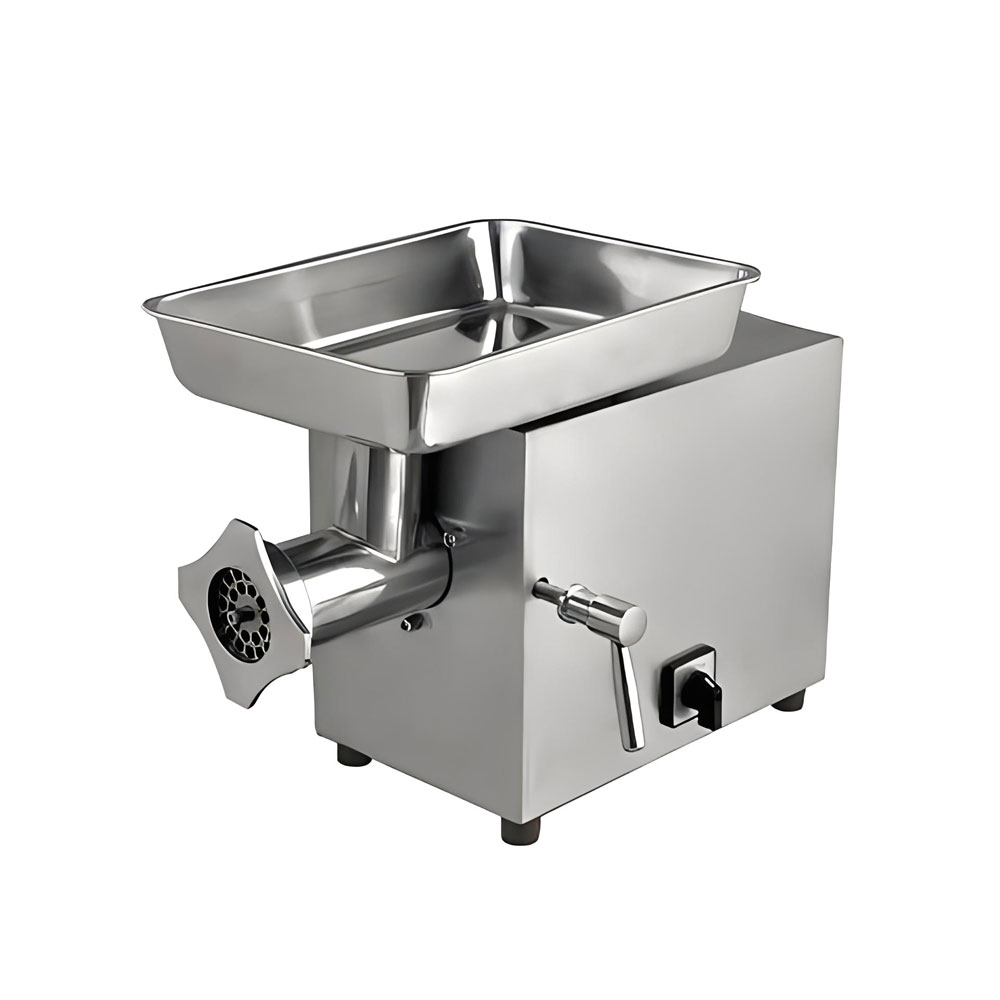
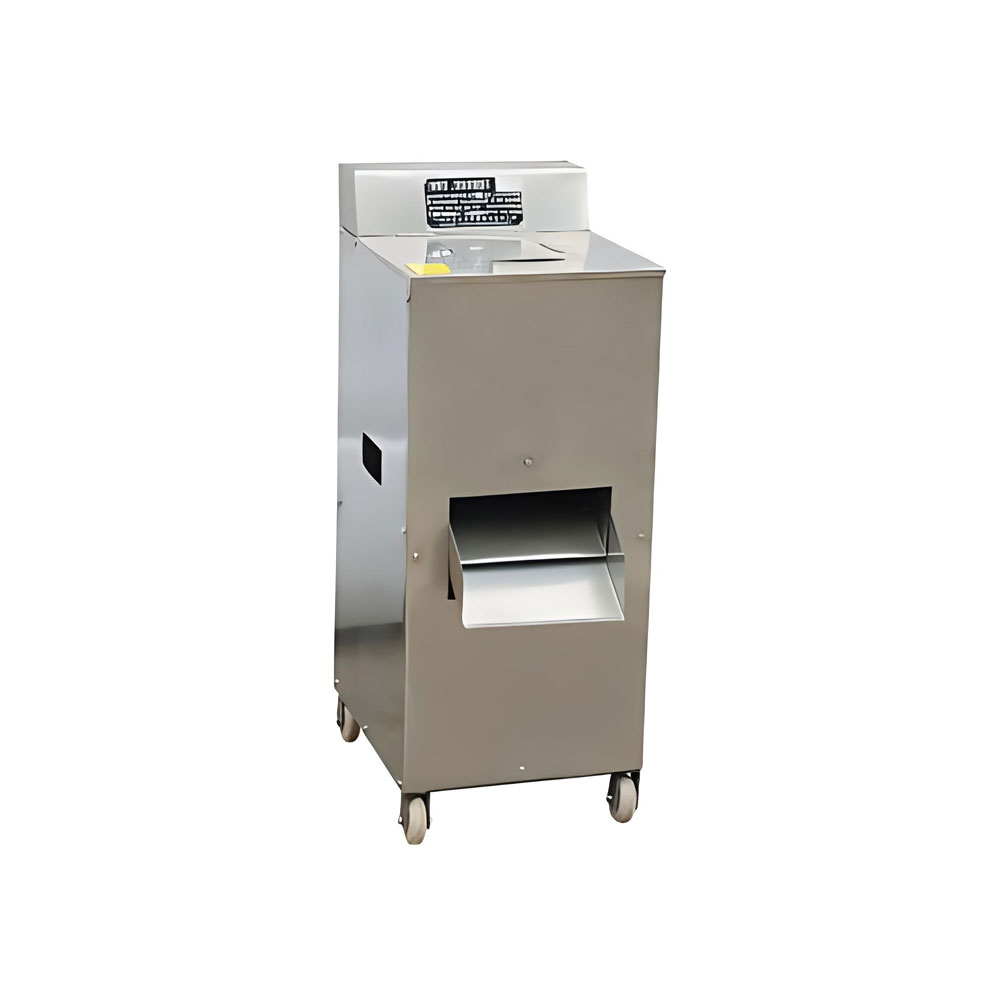
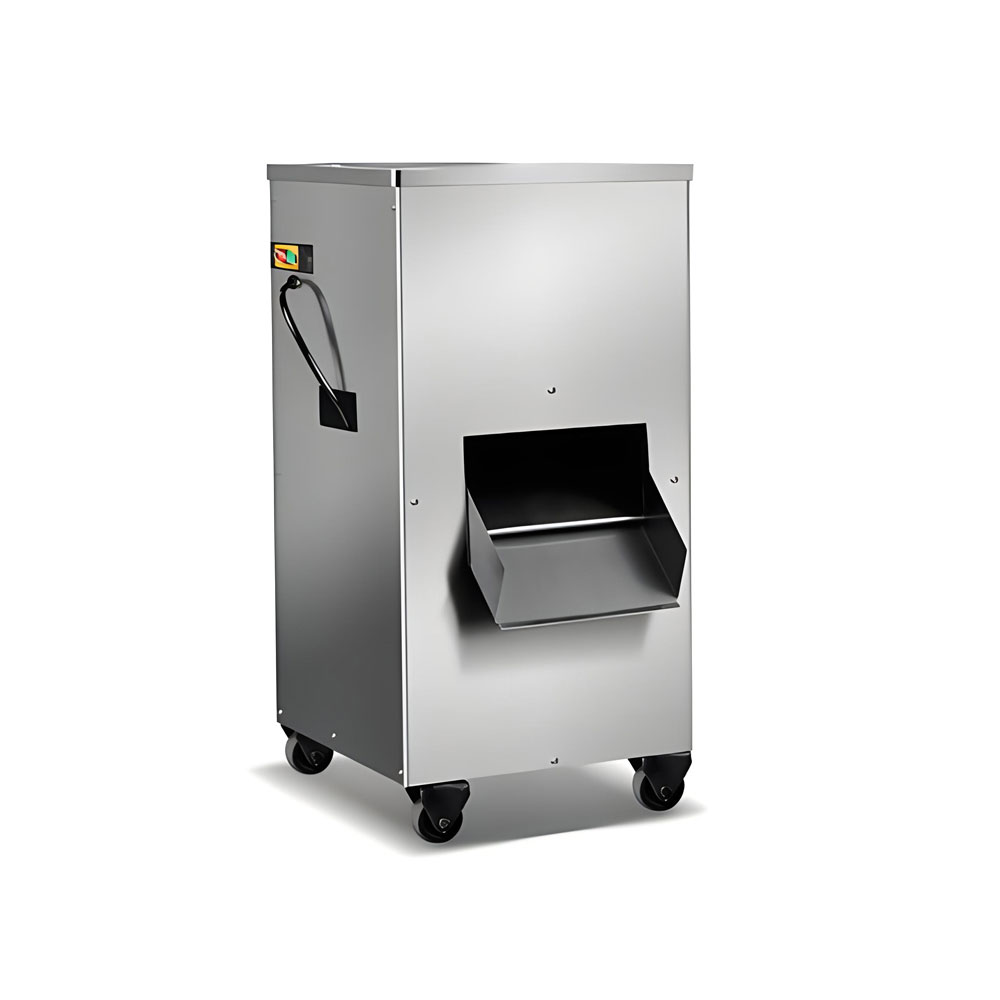
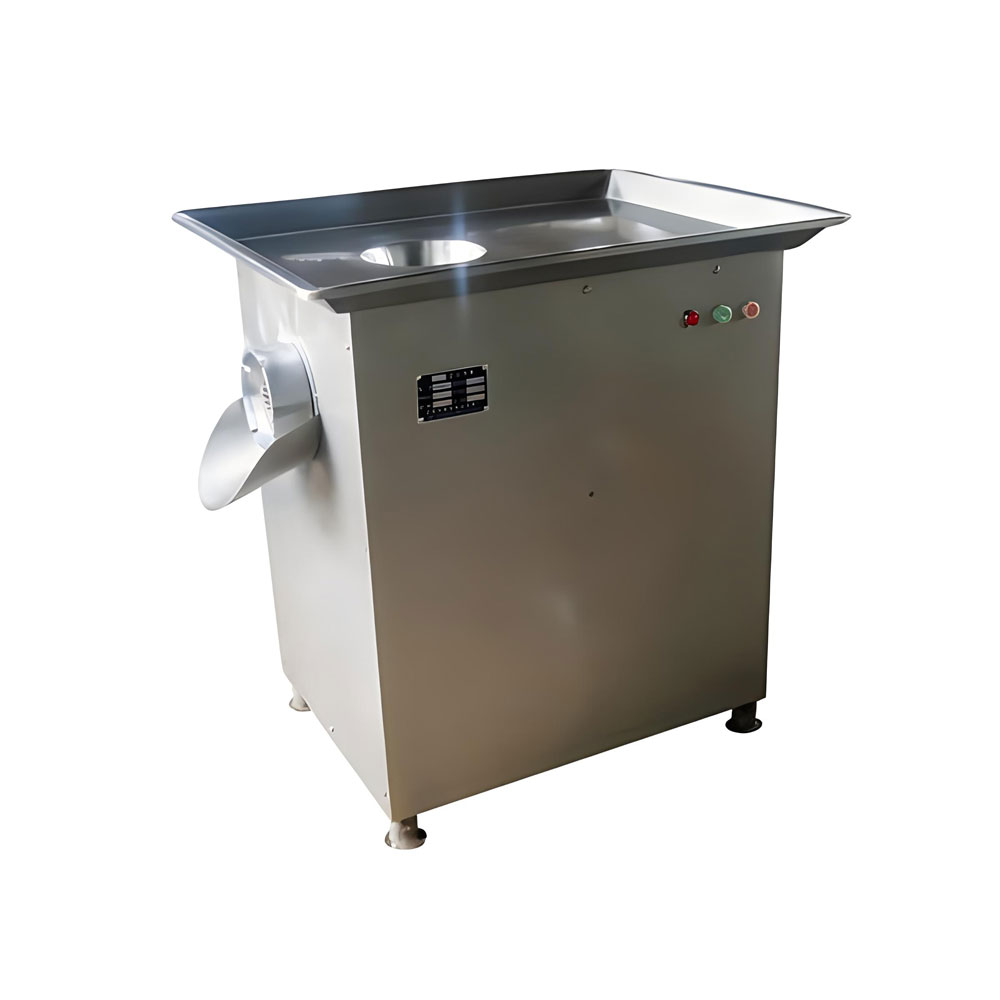
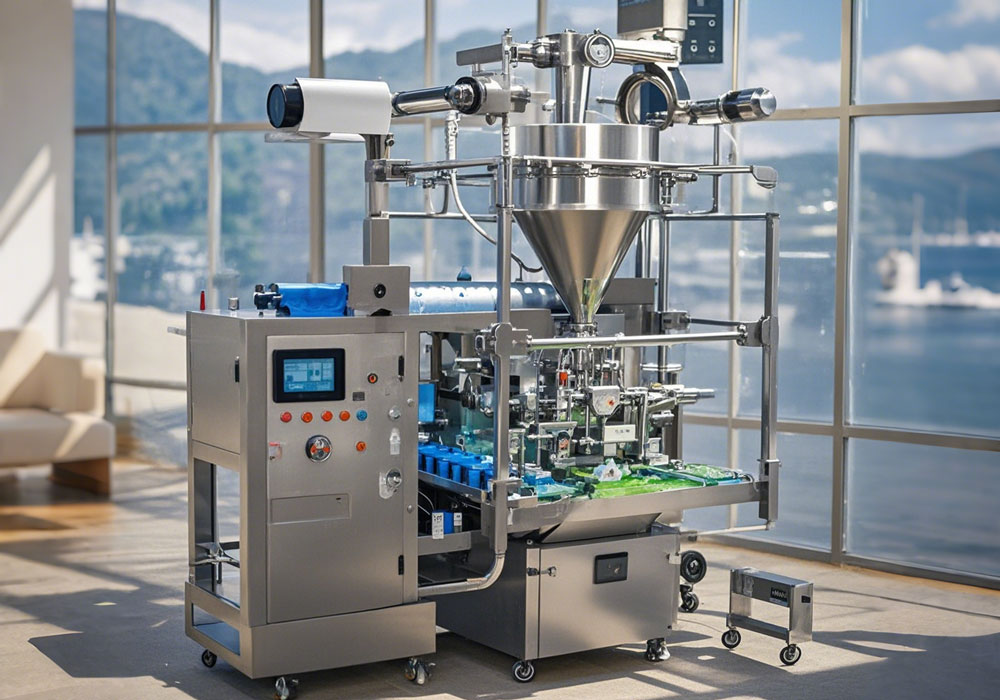
Failing to achieve homogenous dispersion of spices, salts, and liquid binders leads directly to irregular protein extraction, causing inconsistent texture and flavor degradation in the final product. Our industrial automatic meat mixer machine solves this fundamental processing challenge by deploying a dual-shaft, intersecting paddle configuration. Specifically engineered for highly viscous meat batters, the mechanical design initiates a gentle, three-dimensional folding action that thoroughly blends components while strictly preventing localized temperature spikes and fat smearing.
| Specification | Parameter |
|---|---|
| Tub Volumetric Capacity | 300 Liters (Approximate working payload: 200 - 240 kg per batch) |
| Agitation Mechanism | Dual horizontal shafts featuring staggered radial paddles |
| Shaft Rotational Speed | Variable Frequency Drive (VFD) controlled: 20 to 80 RPM |
| Primary Motor Power | 4.5 KW (Explosion-proof marine-grade wiring) |
| Discharge Actuation | Dual-cylinder pneumatic tilt system (requires 0.6 MPa air supply) |
| Structural Material | Full SUS304 Stainless Steel (Upgradable to SUS316L for high acid) |
| Overall Dimensions | 1850 mm (L) x 1150 mm (W) x 1500 mm (H) |
| Gross Equipment Weight | 720 kg |
Standard single-shaft ribbon blenders inherently push material toward the outer edges, creating stagnant dead zones where heavy density meat accumulates unmixed. To counter this, our dual-shaft architecture utilizes synchronized, contra-rotating paddles. As the left shaft pushes the batter forward, the right shaft aggressively folds the material backward toward the geometric center of the tub. This continual crisscross displacement ensures that material freshly processed by upstream reduction equipment, such as a frozen meat grinder, absorbs liquid marinades and ice flakes evenly before the friction-induced heat threshold is breached.
The gap tolerance between the extreme edges of the steel paddles and the curved bottom of the mixing tub is machined to exactly 3.5mm. This microscopic clearance actively prevents ground meat from smearing against the hull, maintaining absolute integrity of the distinct fat and lean meat particles.
Depending on the protein utilized—whether dense beef emulsion or fragile seafood flake—the mechanical agitation sequence must be aggressively tailored. The waterproof touchscreen control interface allows the production engineer to dictate the exact ratio of forward churning to reverse tumbling. By inserting brief static rest periods, the system facilitates capillary absorption of liquid binders into the meat fibers without overworking the matrix.
Upon cycle completion, manual scooping of 200kg payloads is physically dangerous and slows down the entire line. The operator activates the pneumatic discharge protocol, and the entire 300L tub securely pivots forward, propelled by industrial air cylinders, dumping the perfectly blended mass directly into standard 200L Euro-bins positioned beneath the lip of the machine.
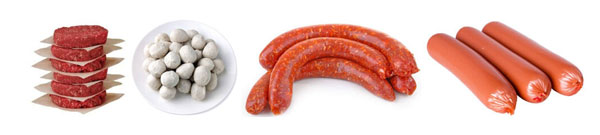
Consistency in the blending phase is the foundational requirement for successful downstream forming operations. If the mixture is not stabilized and homogeneous, automated forming plates will suffer from severe weight deviations and poor structural retention. Deploying this specific dual-shaft mixer as the central batching hub effectively normalizes the batter density. It acts as the critical preparatory link for subsequent extrusion equipment within a comprehensive chicken nuggets & burger production line, ensuring that every singulated patty or nugget leaving the former hits the identical target weight and shrinkage profile.
In meat processing, intersecting shafts represent a significant sanitation hurdle if engineered poorly. We isolated the heavy-duty drive bearings and reduction gearboxes totally outside the primary mixing zone. The drive shafts penetrate the tub utilizing highly advanced, self-adjusting dynamic Teflon lip seals, entirely preventing meat juices from contaminating the mechanical grease zones, and vice-versa. During the daily washdown protocol, the fully welded tub structure—devoid of any sharp 90-degree internal corners—permits aggressively focused high-pressure hose cleaning, exceeding the highest global food safety compliance mandates including CE, BRC, and USDA protocols.
To evaluate how automated, programmable batch mixing can permanently stabilize your product quality and reduce manual labor costs, contact our factory engineering division for a detailed machine layout calculation.
Must-read blogs for bosses