
The Ultimate Guide to Canned Food Production Lines: Setup, Machinery, and Cost (2026)
A modern Canned Food Production Line is not simply a sequence of machines—it is a tightly integrated industrial system designed to deliver food safety, shelf stability, consistent quality, and predictable unit cost at scale. For processors of vegetables, fruits, meat, seafood, ready meals, and pet food, understanding The Ultimate Guide to Canned Food Production Lines: Setup, Machinery, and Cost (2026) is essential for making informed capital and engineering decisions in an increasingly competitive and regulated market.
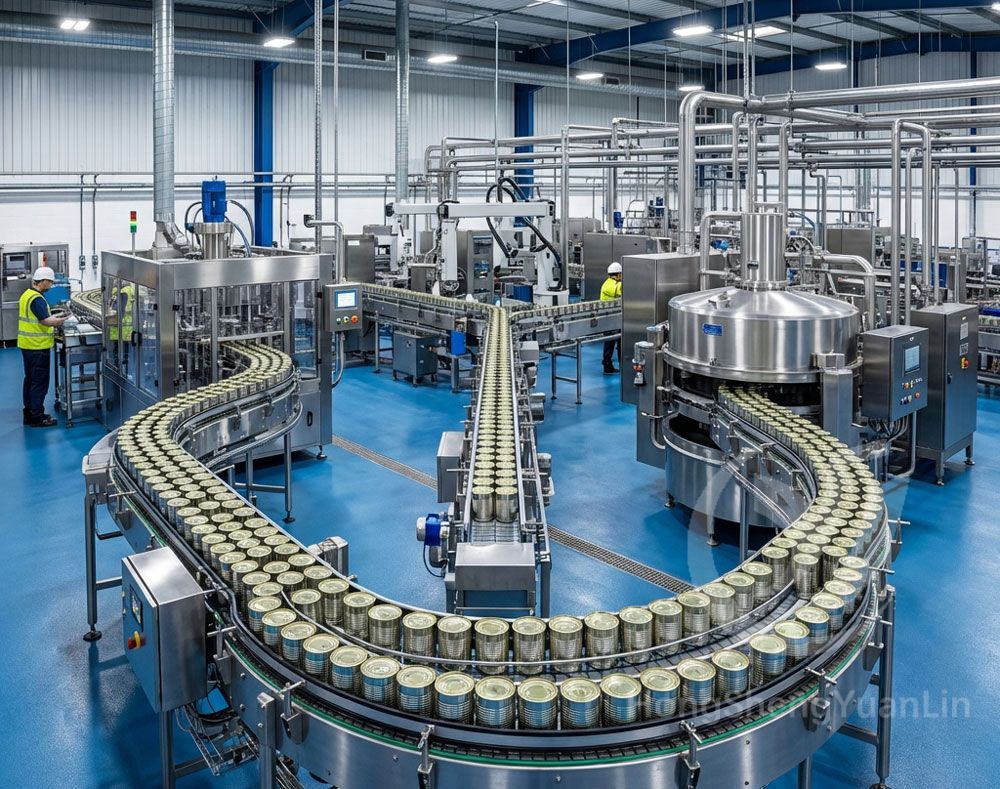
This guide is written for factory owners, production managers, process engineers, and procurement teams who are evaluating new canning lines, expanding existing capacity, or upgrading aging equipment. It focuses on how canned food production lines actually operate on the factory floor, the engineering trade-offs behind key equipment choices, and the real cost structures that determine long-term return on investment—not brochure-level specifications.
What a Canned Food Production Line Is and How It Works
A canned food production line is a continuous or semi-continuous industrial process that transforms raw or pre-processed food materials into commercially sterile, hermetically sealed canned products with extended shelf life. The line integrates mechanical handling, thermal processing, vacuum sealing, and quality control into a coordinated system.
From an engineering perspective, the line can be divided into six functional sections:
Raw Material Preparation and Pre-Processing
This stage depends heavily on product type but typically includes:
Washing, sorting, and trimming
Peeling, cutting, slicing, or dicing
Blanching or pre-cooking where required
The objective is to standardize input quality, reduce microbial load, and prepare the product for accurate filling. Inconsistent preparation is a common upstream cause of downstream yield loss and seal failures.
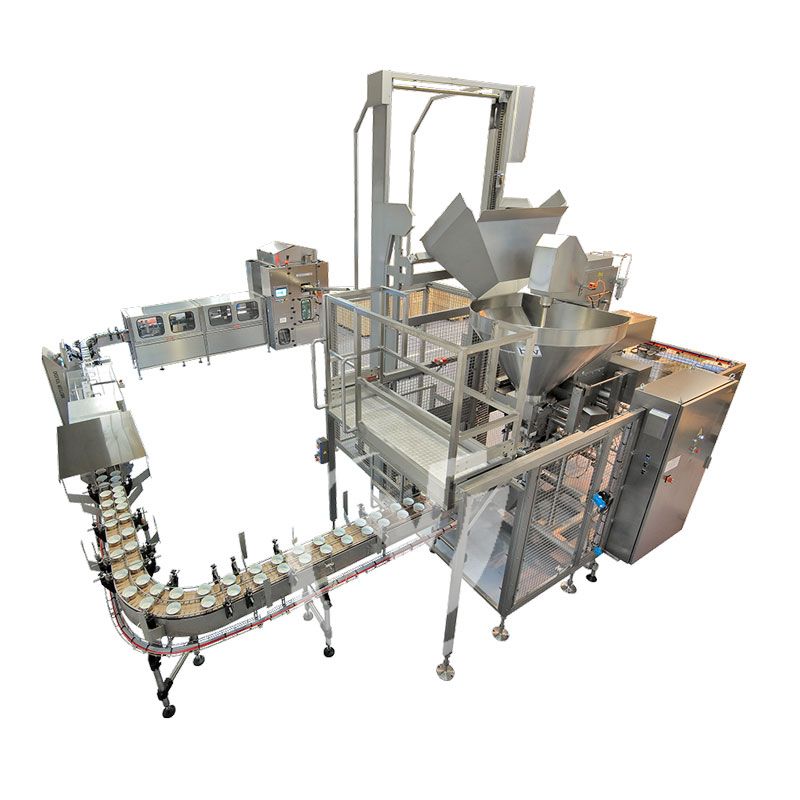
Filling and Dosing Systems
Filling systems are selected based on product viscosity, particulate size, and fill accuracy requirements. Common solutions include:
Volumetric fillers for liquids and brines
Piston fillers for sauces and viscous products
Solid or chunk fillers for meat, fish, and vegetables
Combination fillers for mixed products
Engineering accuracy at this stage directly affects net weight compliance and headspace consistency, both of which influence vacuum formation later in the process.
Exhausting and Vacuum Creation
Exhausting removes residual air from the can prior to sealing. This is achieved through:
Steam flow exhausting
Mechanical vacuum chambers
Heat-induced expansion during filling
Effective exhausting is critical for minimizing oxygen content, reducing corrosion risk, and ensuring shelf stability.
Can Seaming and Hermetic Sealing
Double seaming machines mechanically interlock the can body and lid into a hermetic seal. This is one of the most critical control points in the entire line.
Key engineering parameters include:
Seam overlap and tightness
Roll profile and pressure
Can and end dimensional consistency
Poor seam control is a primary cause of spoilage and recalls in canned food operations.
Thermal Processing: Retorting or Sterilization
Retorts or continuous sterilizers apply heat under controlled pressure to achieve commercial sterility. System selection depends on:
Product pH and formulation
Container size and material
Required F₀ value
Throughput targets
Thermal processing often represents the largest energy and capital cost within the line.
Cooling, Drying, and Downstream Handling
After sterilization, cans are cooled, dried, and conveyed to downstream systems such as:
Leak detection
Coding and labeling
Case packing and palletizing
Stable downstream handling protects seam integrity and supports high OEE.
Industry Problems Solved by Canned Food Production Lines
A properly engineered canned food production line directly addresses several persistent industrial challenges.
Labor Cost and Workforce Stability
Manual or semi-manual canning operations are labor-intensive and increasingly difficult to staff. Automated lines significantly reduce:
Direct labor per unit
Operator dependency for quality-critical steps
Exposure to labor availability fluctuations
In high-volume plants, labor reduction is often one of the fastest contributors to ROI.
Yield Loss and Product Waste
Yield loss typically originates from:
Overfilling or underfilling
Product damage during handling
Seal failures or retort rejects
Integrated filling accuracy, controlled conveying, and robust seaming reduce waste at scale.
Hygiene Risks and Food Safety
Canned food lines are designed around hygienic principles:
Stainless steel contact surfaces
CIP-compatible components
Controlled thermal lethality
Compared with many fresh or chilled processes, well-managed canning lines offer exceptional food safety margins.
Inconsistency Across Batches
Automation standardizes:
Fill weight
Vacuum level
Thermal exposure
This consistency is critical for brand protection and regulatory compliance.
Scalability Constraints
Well-designed canned food production lines are modular, allowing:
Parallel filling or seaming
Additional retort capacity
Incremental automation upgrades
This scalability supports phased investment rather than disruptive rebuilds.
Key Machinery and Technical Advantages
Understanding the role of each machine helps buyers evaluate specifications beyond nameplate capacity.
Can Washers and Sterilizers
These units remove debris and reduce microbial load before filling. High-quality systems use:
Multi-stage spray zones
Filtered water recirculation
Adjustable dwell times
Fillers and Dosing Units
Advanced fillers incorporate:
Servo-driven dosing
Recipe-based changeover
Integrated weight feedback
These features improve accuracy while reducing setup time.
Exhaust Boxes and Steam Tunnels
Proper exhausting equipment ensures stable vacuum formation and minimizes internal oxygen levels, which is critical for both product quality and can integrity.
Double Seamers
Industrial seamers are precision machines. Engineering advantages include:
Multi-head configurations for high speed
Tooling designed for specific can sizes
Online seam inspection capability
Seamers are not commodity equipment; their quality defines line reliability.
Retorts and Continuous Sterilizers
Modern retort systems offer:
Precise temperature and pressure control
Data logging for traceability
Energy recovery options
Retort selection must align with product mix and future SKU expansion.
Typical Applications and Real Production Scenarios
Canned food production lines are used across a wide range of industries.
Common applications include:
Vegetables such as corn, peas, beans, and mushrooms
Fruits in syrup or juice
Meat, poultry, and luncheon products
Seafood including tuna, sardines, and shellfish
Ready meals, soups, and sauces
Pet food and specialty feeds
In practice, many factories operate mixed-product lines with frequent changeovers, making flexibility and cleanability as important as raw speed.
Capacity Options and Line Selection Guidance
Capacity planning should begin with realistic demand forecasts rather than theoretical maximums.
Key questions include:
Required cans per minute today and in five years
Number of SKUs and changeover frequency
Available floor space and ceiling height
Utility capacity (steam, water, power)
A common engineering mistake is overspecifying upstream capacity without matching retort throughput, creating chronic bottlenecks.
Balanced line design is more important than peak machine speed.
Buyer Benefits: Efficiency, Quality, and ROI
From a buyer’s perspective, a well-executed canned food production line delivers benefits across multiple dimensions.
Operational Efficiency
High automation and synchronized equipment increase uptime and reduce unplanned stoppages.
Labor Reduction
Automated handling, filling, and packing significantly reduce manual touchpoints.
Product Quality and Shelf Life
Consistent vacuum sealing and thermal processing protect flavor, texture, and safety.
Long-Term ROI
Although capital-intensive, canned food lines offer:
Long equipment life
Stable unit economics
Strong resilience to cold chain disruptions
For many processors, canning remains one of the most robust preservation methods available.
Customization and Engineering Support
No two canning projects are identical. Customization often includes:
Adapting fillers to specific particulate sizes
Designing retorts for local energy conditions
Integrating with existing upstream or downstream equipment
Effective suppliers act as engineering partners, not just equipment vendors, collaborating on layout, process validation, and commissioning.
Standards, Certifications, and Compliance
Canned food production lines are typically designed to meet:
CE machinery safety requirements
HACCP-based food safety systems
ISO 9001 manufacturing standards
FDA-oriented hygienic design and process validation principles
Compliance is not optional; it is integral to export eligibility and brand protection.
Conclusion and Professional Perspective
For processors planning investments in 2026 and beyond, The Ultimate Guide to Canned Food Production Lines: Setup, Machinery, and Cost (2026) highlights one central truth: successful canning operations are built on engineering balance, not isolated equipment choices. Through careful capacity planning, robust machinery selection, and close collaboration between production and engineering teams, a canned food production line can deliver decades of stable output, predictable cost, and regulatory confidence.
Early technical discussion, process evaluation, and realistic cost modeling remain the most effective ways to ensure that a canned food production line aligns with both current production needs and long-term growth strategies.
Frequently Asked Questions
How do I size a canned food production line correctly?
Which equipment has the biggest impact on product safety?
Can one line handle multiple product types?
What drives the total cost of a canning line most?
How long does a typical line last?
Is automation still cost-effective for medium-scale producers?
Can older lines be upgraded instead of replaced?
Must-Read Blogs For Chain Restaurants Owner
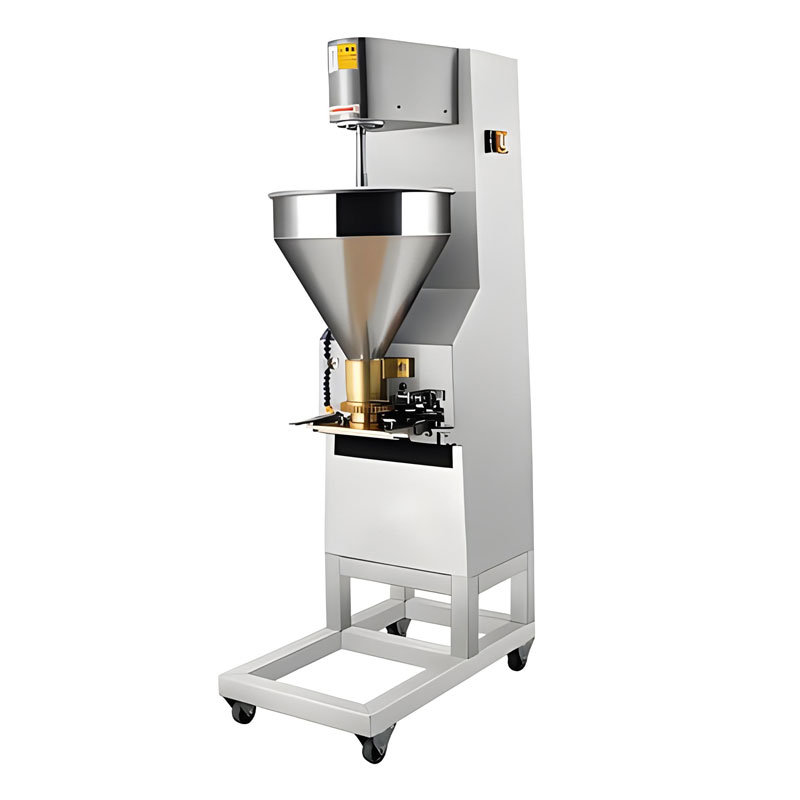
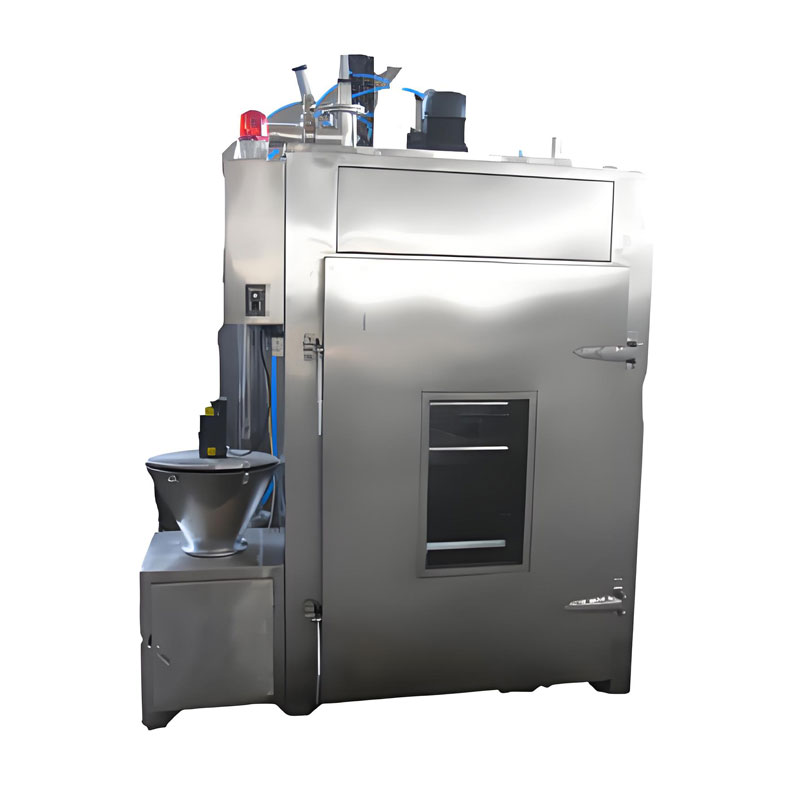
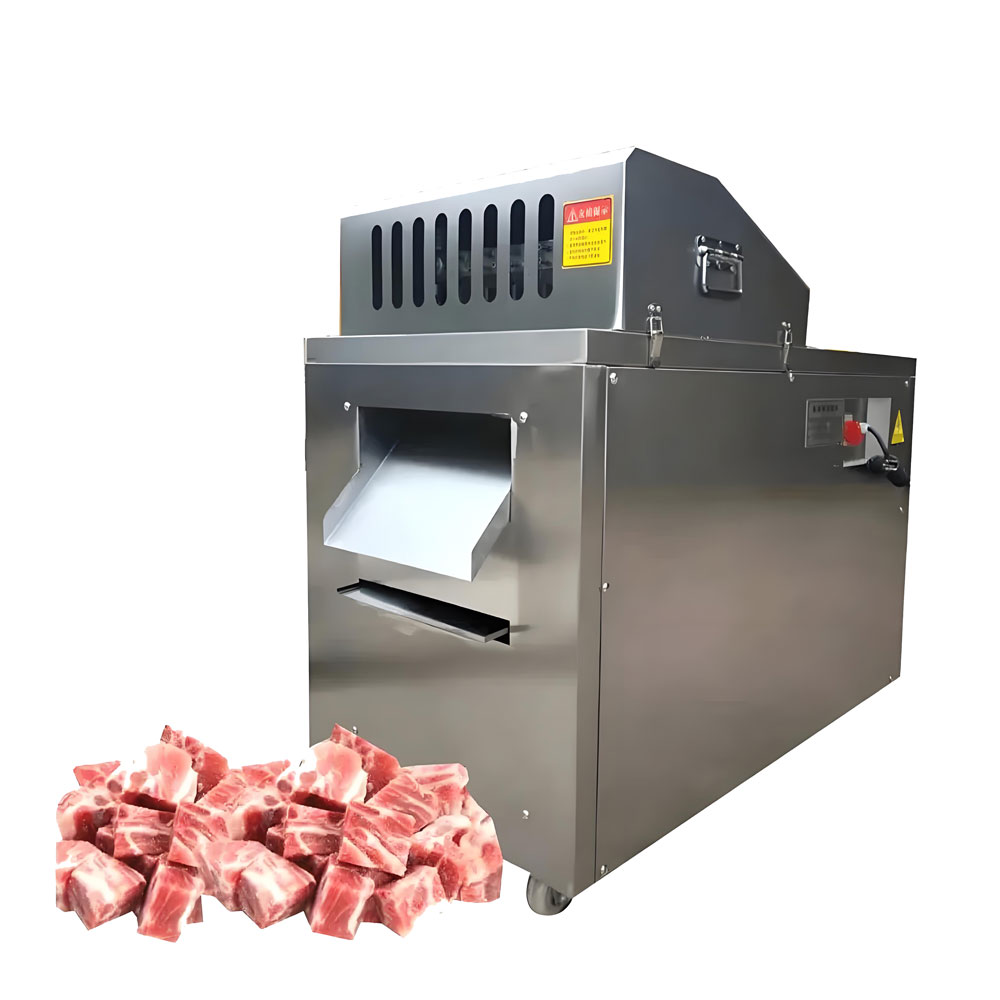

 Meat Processing Line Equipment
 Meat Dicing Machine
 Chicken Processing Line
 French Fries Production Line
Ready to Get Started?