
Stop Rust: Pickled Cucumber Production Line Guide
1. Introduction: The Hidden Cost of Rust in the Pickle Industry
The global pickled vegetable market is projected to reach unprecedented heights by 2030, driven by consumer demand for healthy, probiotic-rich shelf-stable foods. For factory owners, this presents a massive opportunity. However, scaling up from artisanal production to an industrial pickled cucumber production line comes with a formidable enemy that destroys profit margins more effectively than any competitor: Corrosion.
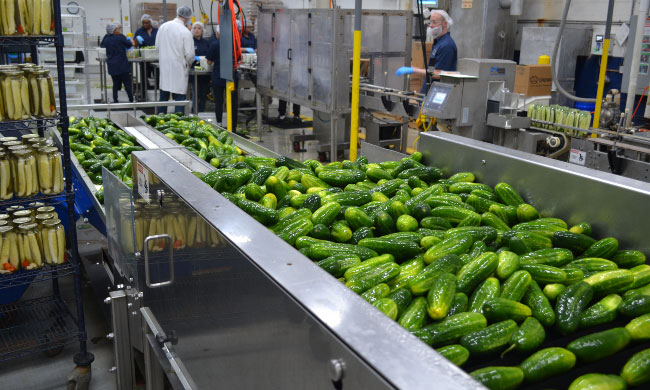
Imagine this scenario: You have just installed a shiny, brand-new automatic filling and capping line. It looks perfect. But six months later, you notice reddish-brown streaks on the conveyor frame. A month after that, a servo motor fails because acid vapor penetrated the casing. Suddenly, your line is down during the peak cucumber harvest season.
This is the reality for 40% of new pickle factories that prioritize low initial equipment costs over material suitability.
In the food processing industry, rust is not just an aesthetic issue; it is a catastrophe.
Food Safety Risk: Rust particles can contaminate the product, leading to recalls. Corroded surfaces become breeding grounds for bacteria like Listeria and Salmonella.
Regulatory Nightmare: FDA, EFSA, and local health inspectors will shut down a line that shows visible corrosion in food contact zones.
Operational Bleed: Every hour of downtime due to a seized bearing or a snapped chain costs thousands of dollars in wasted raw material and labor.
At HSYL, we don't just assemble machines; we engineer solutions for hostile environments. This guide is the culmination of our 10 years of experience fighting corrosion. We will take you deep into the engineering principles of building a pickle production line that lasts not just for the warranty period, but for a decade.
2. The Science of Aggression: Understanding How Brine & Vinegar Attack Metal
To defeat the enemy, you must understand it. Why is a pickle factory so much harder on machinery than a cookie factory or a water bottling plant?
The Double Threat: Chloride + Acid
Pickled cucumbers are typically processed in a brine solution containing:
Salt (Sodium Chloride): Concentration ranges from 6% to 15%.
Acetic Acid (Vinegar): pH levels often drop below 3.5.
Mechanism 1: Pitting Corrosion (The Silent Killer)
Standard stainless steel relies on a microscopic "passive layer" of chromium oxide to protect itself. Chloride ions from the salt are aggressive enough to penetrate this layer at specific weak points. Once the layer is breached, the corrosion burrows downward, creating tiny pits.
The Danger: On the surface, the metal might look fine, but structurally, it is becoming a sponge. This is common in low-quality storage tanks and filler bowls.
Mechanism 2: Crevice Corrosion
This occurs in tight spaces—under gaskets, bolt heads, or overlapping metal plates—where the liquid gets trapped and becomes stagnant. The stagnant liquid becomes highly acidic over time, eating away the metal from the inside out. This is why machine design is just as important as material selection.
Mechanism 3: Stress Corrosion Cracking (SCC)
When you combine tensile stress (like a vibrating sieve or a pressurized tank) with a chloride environment and high temperatures (pasteurization), stainless steel can crack suddenly without warning.
The Role of Temperature
In the Pasteurization Tunnel, temperatures rise to 85°C-95°C. For every 10°C increase in temperature, the corrosion rate of chemical reactions roughly doubles. A material that survives cold brine might fail catastrophically in hot steam.
3. Material Engineering: SUS304 vs. SUS316L vs. Polymers
The most common question we get is: "Do I really need SUS316, or is SUS304 enough?"
The answer is: It depends on the zone. A smart engineering approach uses a hybrid of materials to balance cost and durability.
SUS304 (The Industry Standard)
Composition: 18% Chromium, 8% Nickel.
Verdict: Excellent for general food processing (washing leafy greens, fruits).
In Pickle Lines: We use SUS304 for the structural frames (legs, supports) that do not directly touch the brine, and for the initial cucumber washing section (where fresh water is used).
Warning: Never accept SUS201. It is magnetic, contains low nickel, and will rust within weeks in a humid factory.
SUS316L (The Acid Specialist)
Composition: 16% Chromium, 10% Nickel, 2% Molybdenum.
The Magic Ingredient: Molybdenum is the game-changer. It drastically improves resistance to pitting corrosion from chlorides. The "L" stands for "Low Carbon," which prevents corrosion at weld points.
In Pickle Lines: This is non-negotiable for:
Brine Filling Nozzles: High velocity brine wears down weaker metals.
Brine Storage Tanks: Constant contact requires 316L.
The Brine Mixing System: The most aggressive zone.
Titanium (The Nuclear Option)
For extreme cases (e.g., brine concentration >20% or boiling brine), Titanium heat exchangers are sometimes used. However, for standard pickle lines, this is usually overkill and too expensive.
Advanced Polymers (UHMWPE & Delrin)
Metal isn't always the answer.
UHMWPE (Ultra-High Molecular Weight Polyethylene): We use this for guide rails and wear strips. It has self-lubricating properties, meaning less friction and no need for grease (which attracts dirt). It is completely immune to salt and acid.
4. Beyond the Metal: Hygienic Design & Welding Technologies
You can build a machine out of pure gold, but if the design is poor, it will still fail. In the world of Sanitary Design, geometry is everything.
The "Self-Draining" Philosophy
In a HSYL machine, you will notice there are no flat horizontal surfaces.
Sloped Surfaces: All structural tubes are diamond-oriented or sloped to ensure water and brine run off immediately.
No Dead Legs: In our piping systems for the brine filler, we eliminate "dead legs" (sections of pipe where liquid doesn't flow). Stagnant brine is a corrosion accelerator.
The Art of Welding: TIG vs. MIG
Bad welding is the #1 cause of rust in Chinese machinery.
The Problem: Rough welds create microscopic crevices where salt crystals form. The heat from welding also destroys the protective layer of the steel.
Our Process:
Pulse TIG Welding: Creates a smooth, "fish-scale" uniform weld.
Full Penetration: We don't just spot weld; we seal the joint completely to prevent liquid from entering the hollow tubes of the frame.
Pickling & Passivation: This is the most critical step. After welding, we bathe the entire component in an acid bath. This removes the "heat tint" and chemically regenerates the chromium oxide protective layer. If a machine looks dull or grey at the welds, it hasn't been passivated. Do not buy it.
Surface Finishing: Sandblasting vs. Polishing
Sandblasting (Bead Blasting): Creates a matte finish. Good for structural parts as it hides fingerprints.
Mirror Polishing (Ra < 0.8µm): We use this for all food contact surfaces. A mirror-smooth surface leaves nowhere for bacteria or salt to hide. It makes CIP (Clean-in-Place) twice as effective.
5. The Vulnerable Heart: Protecting Motors, Electronics, and Sensors
A mechanical frame might last 20 years, but electronics are fragile. The air in a pickle factory is filled with a conductive, acidic mist.
Motor Protection
Standard induction motors have cooling fans that suck air in to cool the motor. In a pickle factory, they are sucking in acid.
Our Solution: We use Stainless Steel Washdown Motors (completely sealed, non-ventilated) or motors with Epoxy Paint coatings rated for IP66.
Shaft Seals: The point where the motor shaft exits the housing is a weak spot. We use reinforced oil seals to prevent brine ingress.
The Electrical Cabinet (The Brain)
Material: The cabinet itself must be SUS304 (minimum), not painted carbon steel.
Sealing: Double-layer EPDM gaskets.
Positive Pressure System: For high-humidity environments, we recommend a system that pumps clean air into the cabinet, creating positive pressure. This ensures that even if a seal leaks, air pushes out, preventing acid air from coming in.
Sensors & Pneumatics
Cylinders: We strictly use Festo (Clean Design) or SMC stainless steel cylinders. Standard aluminum cylinders will corrode and seize within months.
Photoelectric Sensors: Must be rated IP69K (capable of withstanding high-pressure, high-temperature washdowns).
6. Seals, Gaskets, and Conveyor Belts: The Overlooked Consumables
These are the cheapest parts of the machine, yet their failure causes the biggest messes.
Rubber Selection
NBR (Nitrile Rubber): Good for oil, but degrades quickly in ozone and UV light.
EPDM: Excellent for water and steam, but weak against oil.
FKM (Viton): The gold standard for acidic, oily, and high-temperature environments.
Our Strategy: We use FKM/Viton gaskets in the filling valves and heating tunnels. They cost 3x more than rubber, but they last 10x longer.
Conveyor Belts
Modular Plastic Belts: We prefer Intralox-style modular belts (made of Polypropylene or Acetal) over PVC fabric belts.
Why? Fabric belts can fray. Once the brine gets into the fabric layer, it breeds bacteria and creates a permanent smell. Modular belts are easy to wash and repair (you just replace the broken link, not the whole belt).
7. Maintenance SOP: How to Extend Your Machine’s Lifespan
Buying a high-quality machine is only half the battle. How you treat it determines the other half. Here is the Standard Operating Procedure (SOP) we teach our clients.
The "No-Chlorine" Rule
Many factories use Chlorine (Bleach) for sanitization. Chlorine is the kryptonite of stainless steel. It attacks the protective layer aggressively.
Recommendation: Use Peracetic Acid (PAA) or Quaternary Ammonium compounds for sanitization. They are effective against bacteria but gentle on steel.
Daily Washdown Protocol
Pre-Rinse: Use warm water (45-50°C) to melt away salt deposits.
Foam Cleaning: Apply an alkaline detergent foam and let it sit for 15 minutes.
Scrub: Use soft nylon brushes. NEVER use steel wool (it leaves iron particles that cause rust).
Final Rinse: Thoroughly rinse with fresh water.
Sanitize: Apply PAA.
Dry: Run the conveyor for 10 minutes to fling off excess water.
Lubrication
You cannot use standard WD-40. You must use H1 Food Grade Lubricants that are water-resistant. We recommend greasing bearings after the washdown to push out any water that might have entered.
8. The Buyer’s Audit: 10 Questions to Ask Your Machinery Supplier
Before you sign the contract for your pickled cucumber production line, ask these questions. Their answers will tell you if they are professionals or just assemblers.
"Can you provide mill certificates for the stainless steel (showing Nickel and Molybdenum content)?"
"Do you perform passivation on all welded joints?"
"What brand of motors and gearboxes do you use, and what is their IP rating?"
"Are the electrical cabinets designed with positive pressure or double seals?"
"Is the brine filling system capable of handling hot brine (90°C) without seal failure?"
"What material are the conveyor sprockets made of?" (Should be split-sprocket design for easy cleaning).
"Do you use hygienic welding (TIG) for the pipeline systems?"
"Can the machine be fully disassembled for deep cleaning without special tools?"
"What is the warranty policy specifically for corrosion?"
"Can I speak to a customer who has been running your machine for more than 3 years?"
At HSYL, we welcome these questions. In fact, we encourage them.
9. ROI Analysis: The Economics of "Buying Nice vs. Buying Twice"
Let’s look at the financials. Why should you pay 20% more for our "Anti-Corrosion Edition" line?
Scenario: A standard pickle line running at 3,000 jars/hour.
| Cost Factor | Cheap Generic Line ($80,000) | [Your Brand] Premium Line ($100,000) |
| Initial Cost | $80,000 | $100,000 |
| Year 1 Maintenance | $2,000 (Minor fixes) | $500 (Grease/Oil) |
| Year 2 Maintenance | $8,000 (Motor replacements, rust repair) | $1,000 (Seal replacements) |
| Year 3 Downtime Cost | $15,000 (Line stopped for 3 days/month) | $2,000 (Routine maintenance only) |
| Lifespan | 4-5 Years (Scrap value) | 10-12 Years |
| Total 5-Year Cost | $105,000 + Lost Production | $103,500 + Consistent Production |
The Verdict: The cheap machine actually costs more by year 3. And this doesn't even calculate the brand damage if a customer finds a speck of rust in their pickle jar.
Investing in quality engineering is an insurance policy for your brand's reputation.
10. Conclusion & Final Recommendations
The production of pickled cucumbers, gherkins, and cornichons is an art that requires a delicate balance of flavor and preservation. The machinery behind it requires a robust balance of chemistry and engineering.
Don't let your factory be eaten alive by salt and acid.
Choose the right materials: Demand SUS316L for brine contact zones.
Inspect the details: Look at the welding, the seals, and the cabinet design.
Maintain with care: Stop using chlorine; start using PAA.
At [Your Brand Name], we specialize in the "Hard Stuff." We build machines for high-acid, high-salt, and high-humidity environments. Whether you are in Turkey, Russia, Germany, or the USA, we design our lines to survive.
Ready to Upgrade Your Production?
Don't guess. Let engineering lead the way.
Must-Read Blogs For Chain Restaurants Owner

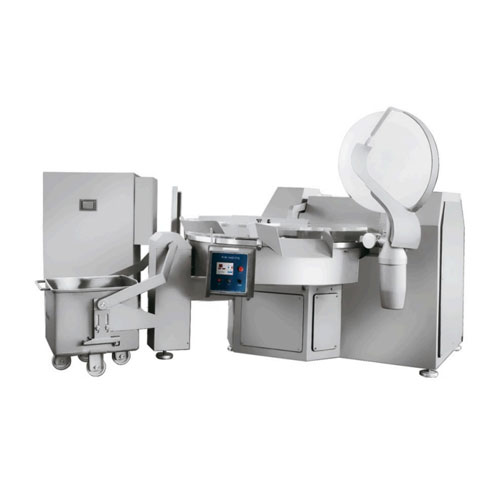
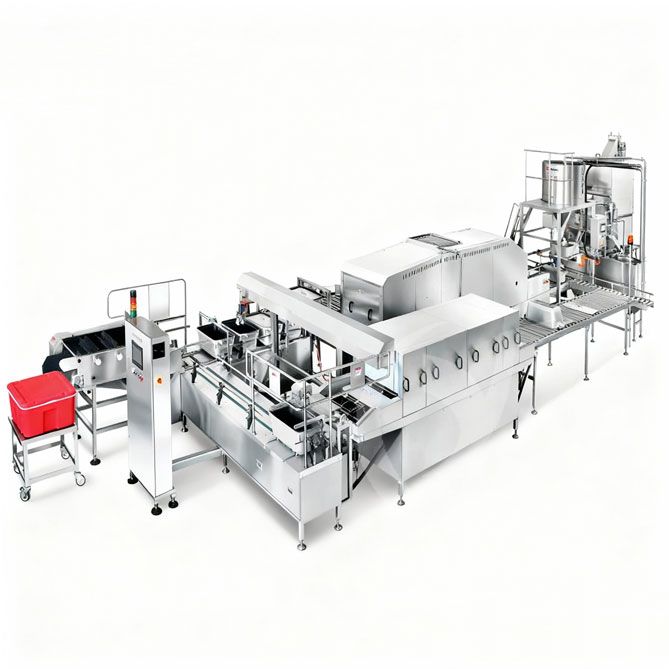
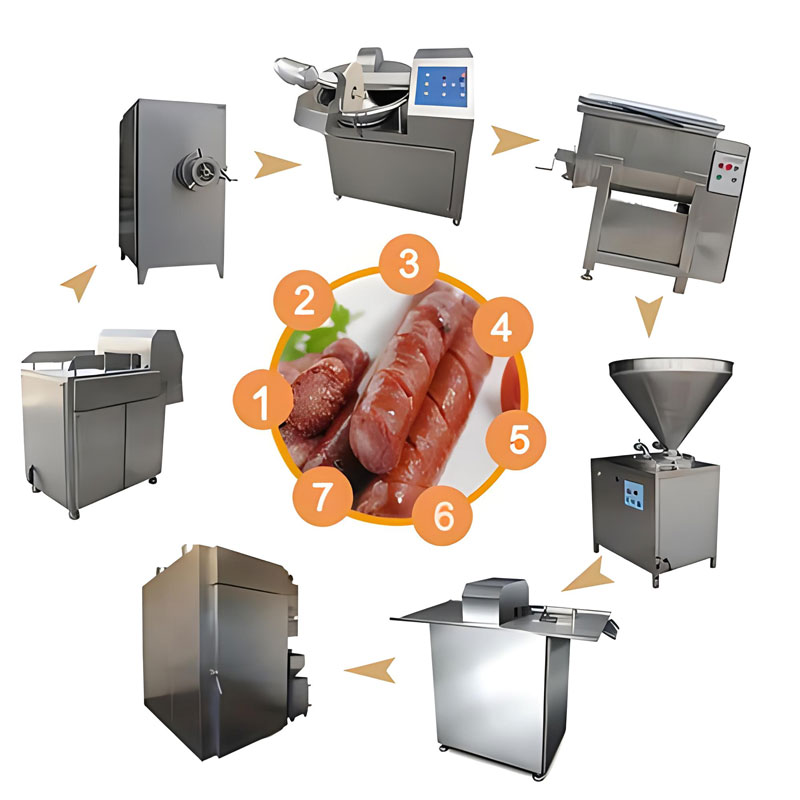 Sausage Processing Line
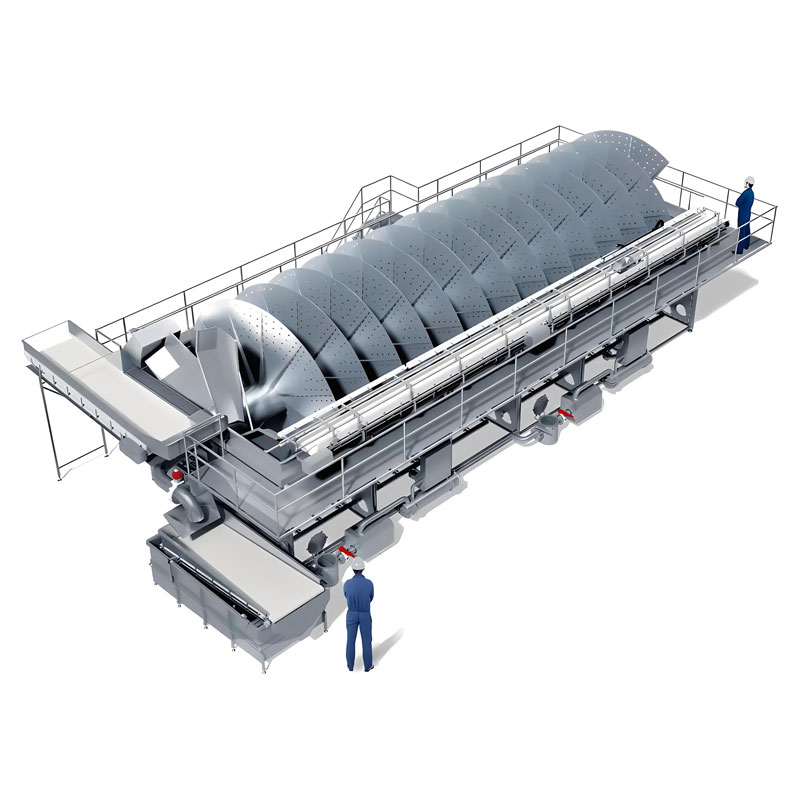 Salmon Processing Line
 Meatball Production Line
 French Fries Production Line
Ready to Get Started?