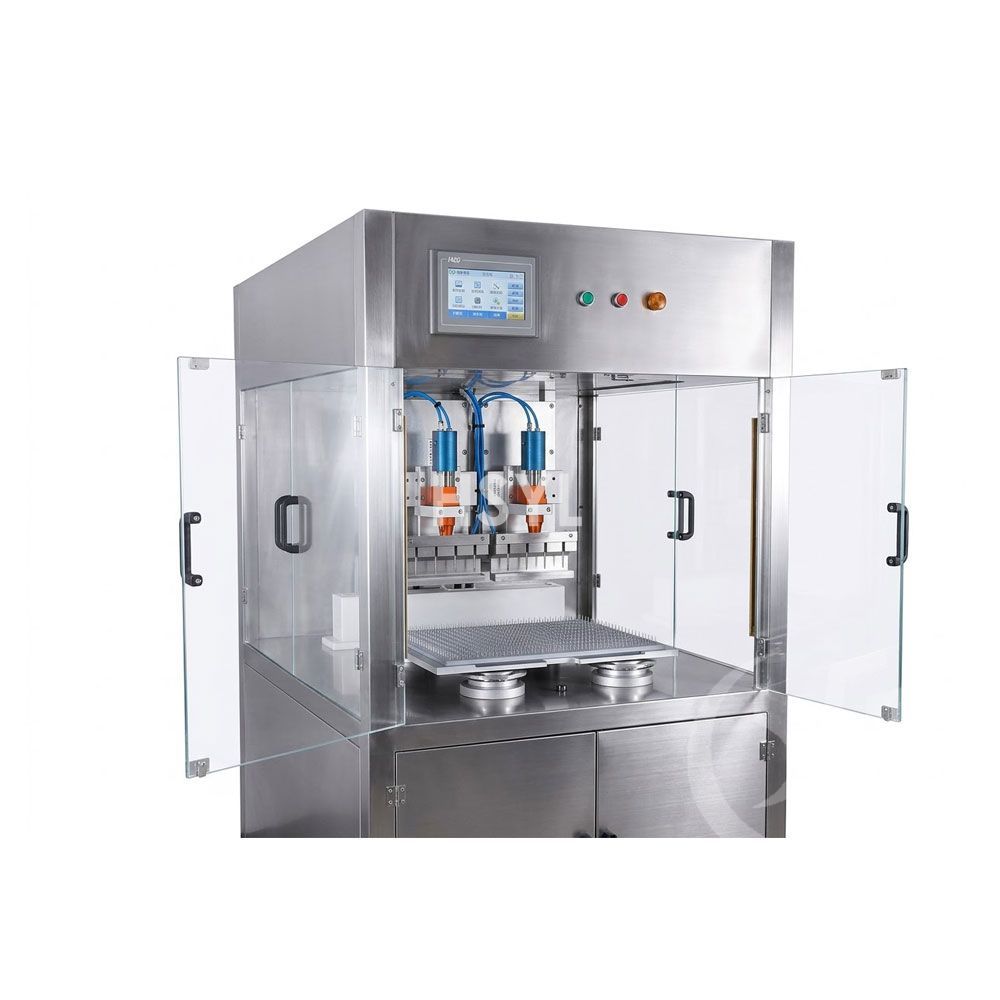
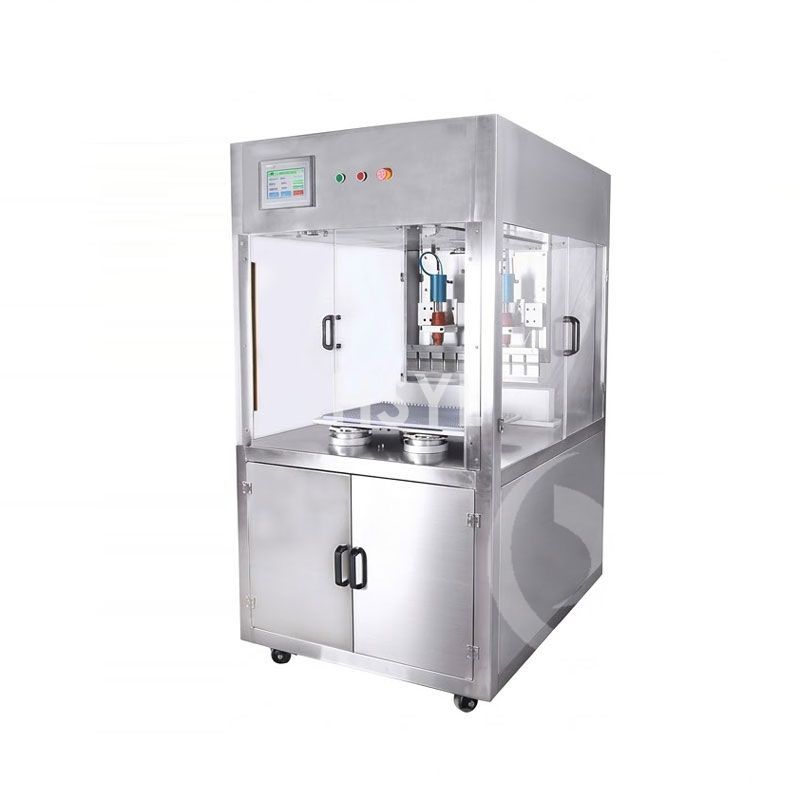
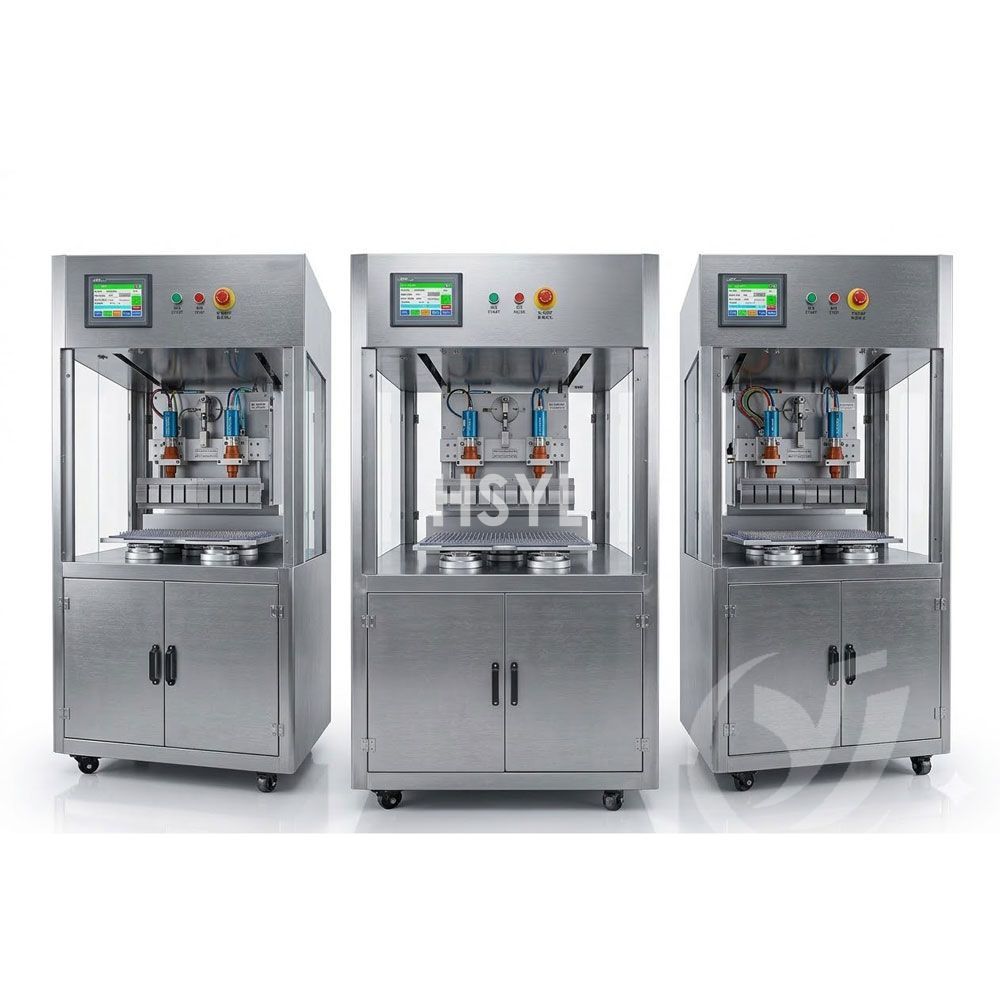
Membrane Skinner
We Are Not Only Capable Of Selling Products, But Also Have The Ability To Undertake Full Turnkey Projects.

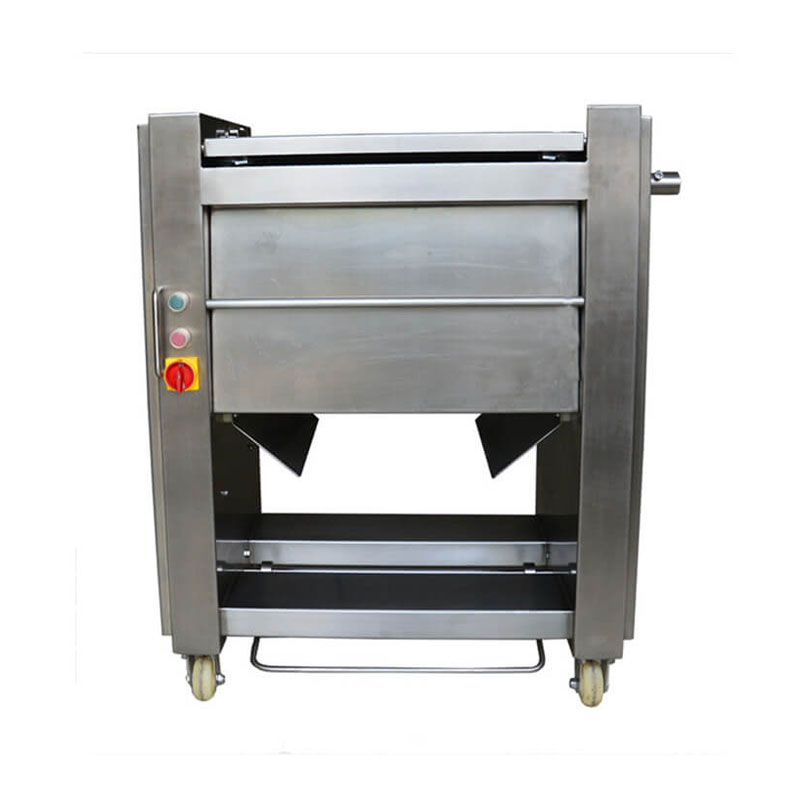
The MS-500 Membrane Skinner is engineered specifically for large-scale meat processing facilities operating under continuous, high-moisture conditions. Addressing the critical industrial bottleneck of manual membrane removal, this unit provides sub-millimeter precision cutting that consistently limits meat loss to under 0.5 percent. Built around an IP65-rated washdown chassis, the system integrates directly into existing conveyor layouts to handle pork, beef, and veal cuts without structural modification overhead.
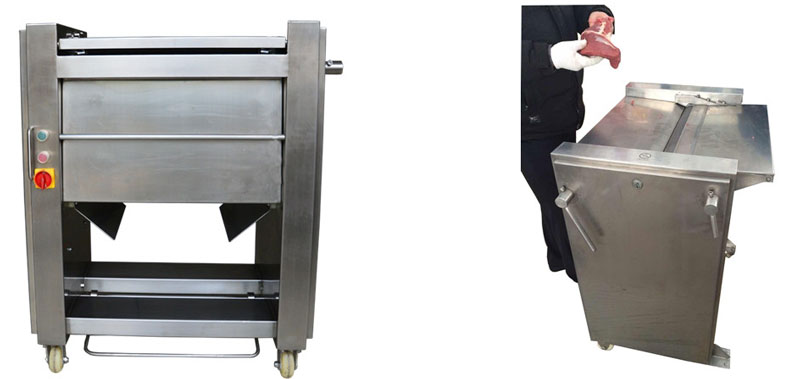
| Technical Parameter | Value / Specification |
|---|---|
| Model Nomenclature | MS-500 |
| Rated Processing Capacity | 1500 - 2000 kg/h |
| Skinning Width | 500 mm |
| Motor Power Output | 1.1 KW (High-Torque Drive) |
| Blade Gap Adjustment Range | 0.1 mm - 3.0 mm (Micro-calibration) |
| Physical Dimensions (L x W x H) | 850 x 750 x 1050 mm |
| Construction Material | SUS304 Frame / SUS316L Contact Parts |
| Net Weight | 180 kg |
| Required Compressed Air | 0.6 MPa |
In centralized abattoirs processing thousands of kilograms daily, marginal material losses equate to substantial financial deficits. The MS-500 architecture focuses strictly on mechanical stability and gap precision to shear fat and membranes without gripping underlying lean muscle tissue.
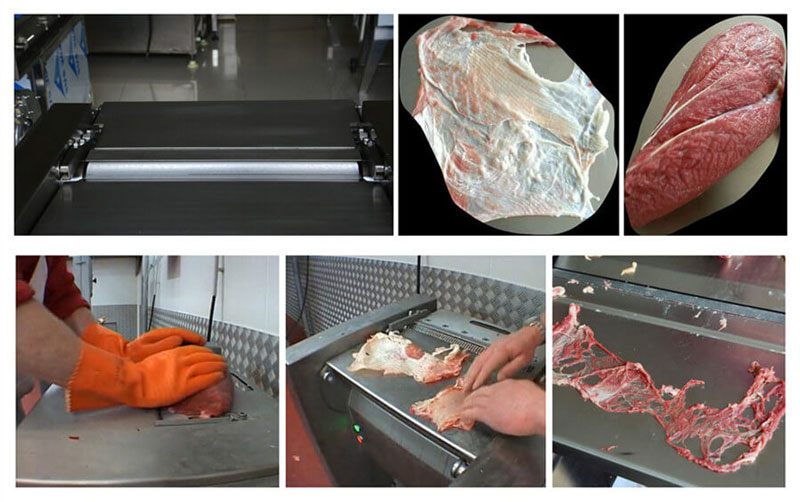
The operational core relies on a high-friction tooth roller synchronized with a stationary cutting blade. Power is delivered via a 1.1 KW direct-drive gear motor, which provides consistent rotational torque even when processing exceptionally cold or dense tissue (-5 degree Celsius semi-thawed beef cuts). Upon receiving raw material feed, the tooth roller grips the exterior membrane, pulling the meat block over the calibrated blade gap. The sheer force isolates the fibrous layer. A built-in stripper comb then actively dislodges the separated membrane from the roller, dropping it into an integrated collection tray to prevent mechanical jamming and ensure continuous 24/7 processing cycles.
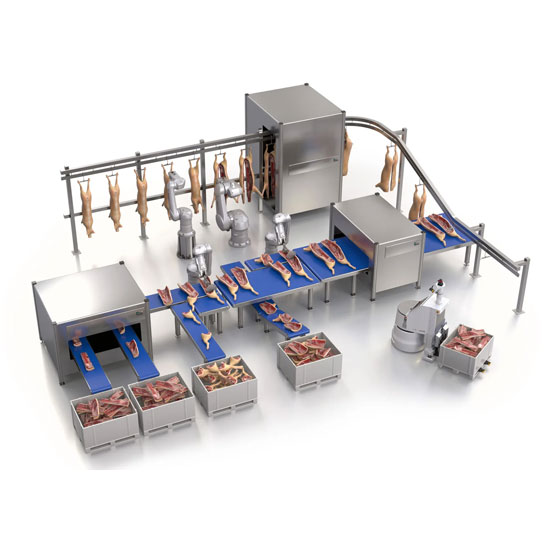
Continuous operational environments demand reliable physical interaction between upstream and downstream logistics. The MS-500 often serves as the critical transition point after initial quartering. Workers feed individual primals into the skinner, and the thoroughly cleaned muscle tissue is immediately routed to a secondary size-reduction station, such as an adjacent industrial meat grinder system. The consistent removal of tough connective tissues in this phase protects downstream processing blades from premature dulling and ensures uniform particle distribution in the final minced product.
Safety and sanitation directives mandate rigid structural geometry. The machine design complies strictly with HACCP sanitation protocols, featuring sloped drainage surfaces to prevent stagnant water accumulation after factory washdown. To address OSHA machine guarding requirements, the MS-500 contains mechanical safety interlocks. If the top cover or blade bracket is manually lifted beyond a 5-degree threshold, the direct-drive motor physically disengages within 0.2 seconds. Furthermore, the dual foot pedal system ensures operators maintain a safe physical distance during active engagement, lowering workplace injury risk probabilities in slippery factory environments.
Must-read blogs for bosses