Food processing solutions, planned around your product

Compare kitchen, fruit and vegetable, meat and canning routes. Check output, product quality, cleaning and site conditions before choosing equipment or requesting a quotation.

Choose your application

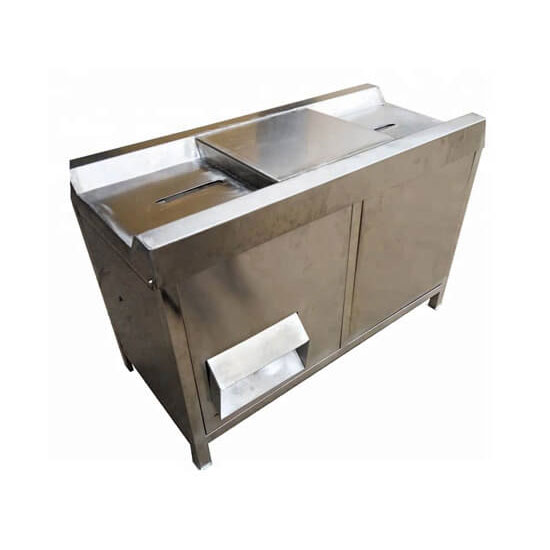
Commercial kitchen equipment and stainless steel work areas

Commercial Kitchen Equipment

For restaurants, hotels, canteens and central kitchens balancing preparation, cooking, cold storage and dish return.

Prepare → Cook → Hold or chill → Serve & wash

Plan around: your menu, peak-hour meals, clean/dirty routes and available utilities.

Explore kitchen solutions →
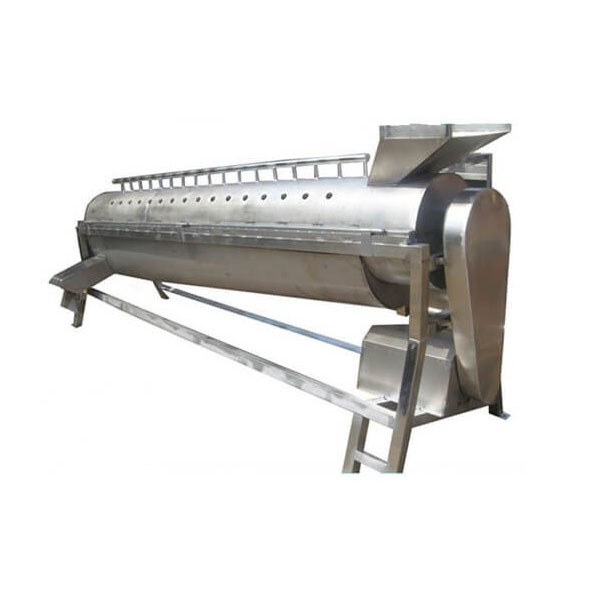
Fruit and vegetable sorting and processing conveyors

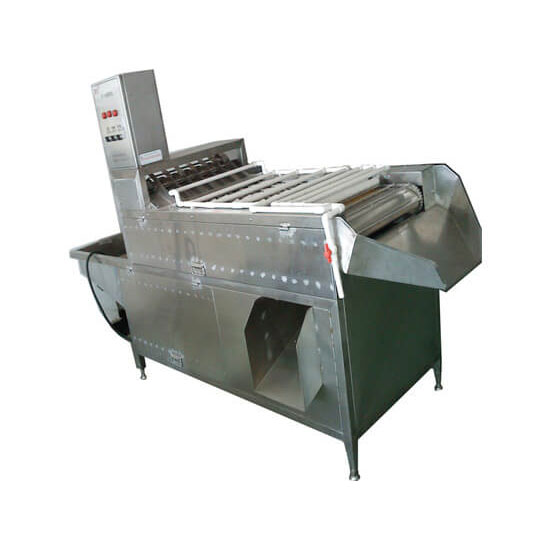
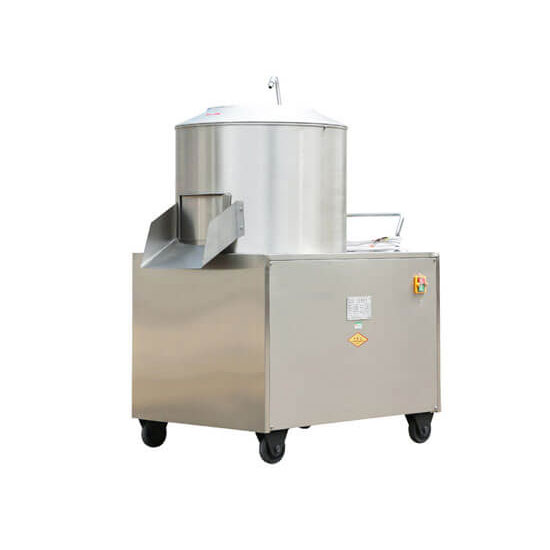
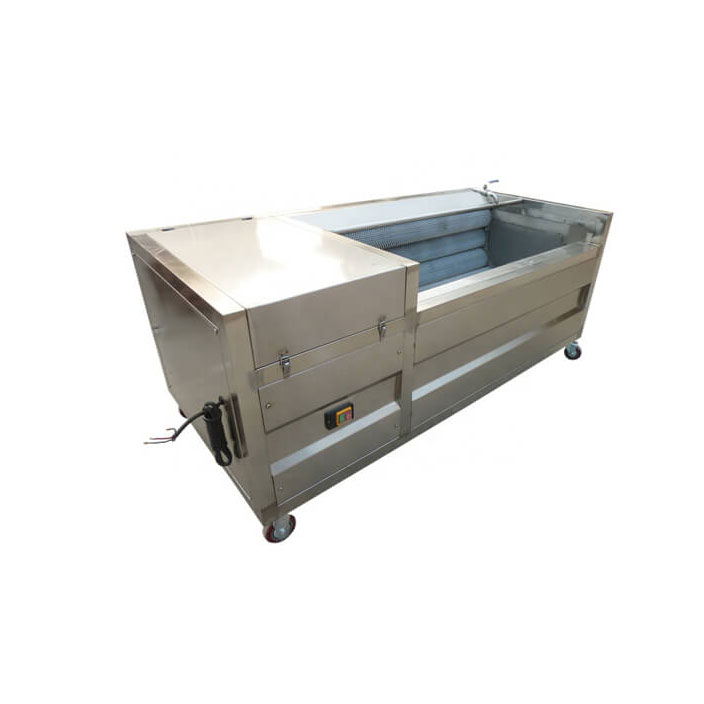
Fruit & Vegetable Processing

For whole or cut produce where raw-material variation, trimming losses, cut quality and surface water affect the next step.

Sort → Wash → Peel or cut → Dewater

Plan around: produce type and condition, required cut, usable yield and the next process.

Explore produce solutions →
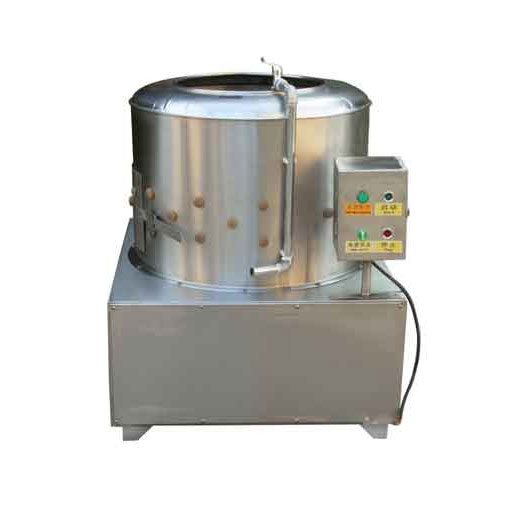
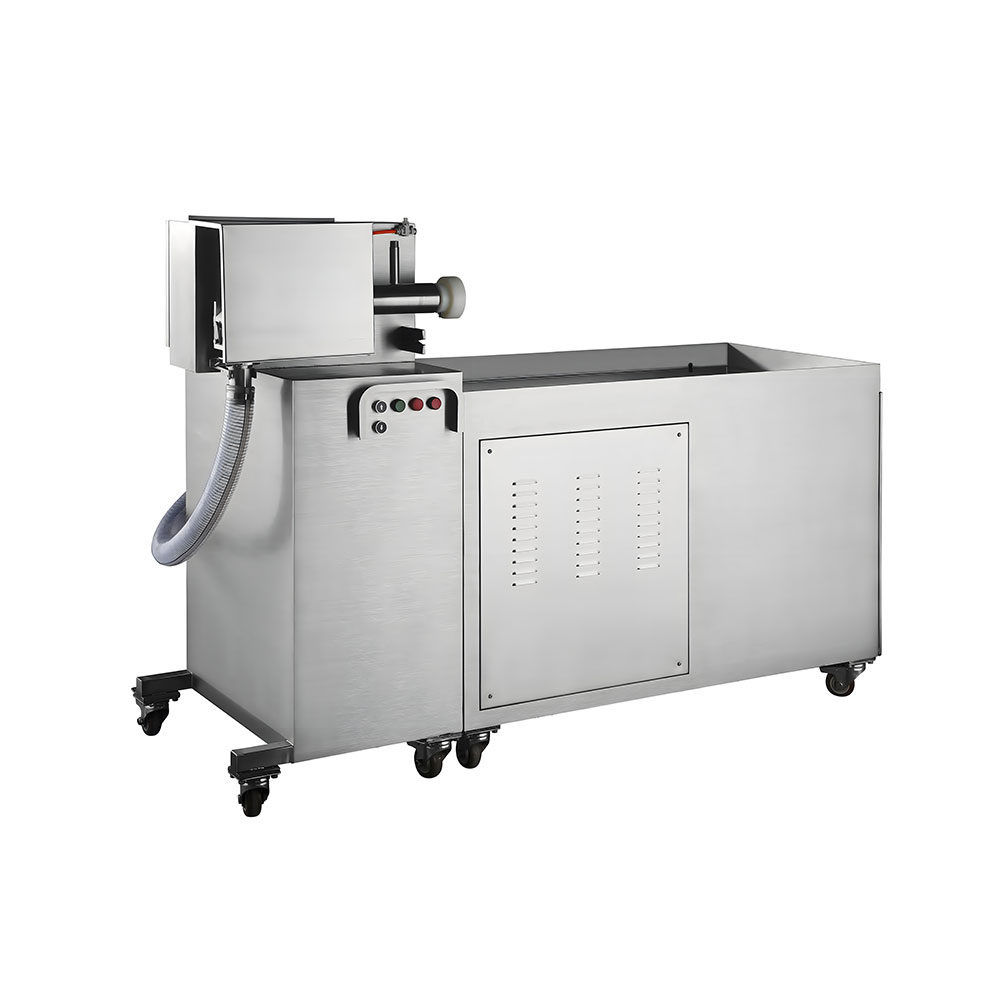
Industrial meat processing line in a production workshop

Meat Processing Equipment

For cutting, grinding, mixing and marinating projects where product temperature, texture and batch consistency matter.

Prepare → Cut or grind → Mix or marinate

Plan around: meat condition, cut or grind size, batch size and downstream handling.

Explore meat solutions →
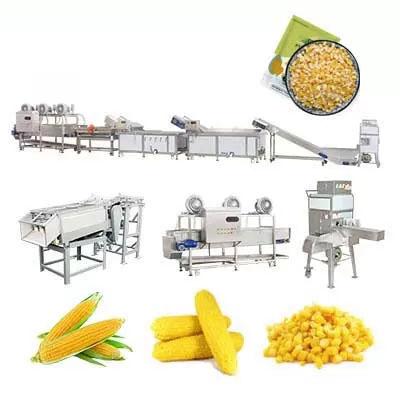
Sweet corn canning production line equipment

Canned Food Processing Line

For fruit, vegetables, beans, meat and fish projects that need preparation, filling, closing and thermal processing to work together.

Prepare → Fill & close → Retort & cool → Pack

Plan around: product recipe, container size, filling rate and validated thermal-process requirements.

Explore canning solutions →

What is holding your operation back?

A faster machine helps only when the surrounding process can keep up. Use the symptom to identify what needs checking before you invest.

What you are seeingWhat to checkWhat to bring to the discussion
Queues build up between machinesCompare the actual rates of feeding, processing and discharge, including batch waits and packing.Output per shift, net running time and a short video of the bottleneck.
Too much manual handlingIdentify repeated lifting, feeding, transferring and portioning tasks; compare selective automation with a full line.Operators and tasks at each step, product sizes and shift pattern.
Uneven cuts, damaged product or excess giveawayMatch handling and tooling to raw-material condition and the required finished specification.Product photos or samples, size tolerances, reject criteria and current losses.
Cleaning and changeovers take too longReview access, disassembly, drainage, product-contact areas and recipe or allergen changeovers.Current cleaning method, changeover sequence and available cleaning time.
Equipment does not fit the workshopAllow for feeding, discharge, operator access, maintenance and utility connections as well as machine dimensions.A dimensioned layout, doors, ceiling height, drainage and power, water, air or steam availability.
The purchase price hides the operating costCompare labor, utilities, consumables, cleaning, wear parts and service requirements on the same basis.Local utility and labor costs, planned shifts and a written list of quote inclusions.

One machine, a line upgrade or a new facility?

Define the scope first so the equipment list addresses the right problem.

Replace one process step

Start with the product specification and the task that needs to change. Check the new machine against existing feeding, discharge and utility conditions.

Useful starting point: current machine details, actual output and the required improvement.

Expand an existing line

Map the bottleneck before adding capacity. Check transfer heights, buffers, controls and what the next machine can actually handle.

Useful starting point: process flow, layout and operating rates at each step.

Plan a new kitchen or factory

Define products, output and packaging, then develop the workflow, zoning, equipment scope and site requirements together.

Useful starting point: product list, target volume, available space and project location.

Make equipment quotations comparable

Ask each supplier to state the same assumptions. A model name and a headline capacity are not enough to compare two proposals.

Product and capacity basis

Specify raw-material condition, finished size, batch or continuous operation, and whether output means input weight, saleable product, meals or filled containers.

Equipment and interface scope

List conveyors, feeders, tanks, controls, tooling and packing equipment. Record connection points, excluded items and responsibility for existing-machine integration.

Layout and utility requirements

Request dimensions, service clearances, delivery access and utility requirements for your configuration, including voltage, frequency and phase.

Cleaning and changeovers

Confirm contact materials, cleaning access, removable parts, cleaning method and parts needed for a product or container change.

Testing and acceptance

Agree the test product, trial conditions, measurement method and acceptance criteria. Define factory and site tests where applicable before placing the order.

Delivery and lifetime support

Confirm the delivery basis, packing, installation scope, training, documentation, warranty terms and spare-parts list in the written quotation.

For canned products: equipment selection and thermal-process validation are separate tasks. Have the process reviewed for the specific product, recipe and container by a qualified processing specialist; machine specifications alone do not validate shelf life or food safety.

Questions to settle before ordering

How should I define the capacity I need?

State the required finished output per day or shift and the time actually available for production. Allow for cleaning, changeovers, planned stops and batch cycles. For kitchens, include peak-hour meals. Ask the supplier to explain the limiting step and the product conditions behind the proposed capacity.

Should I choose semi-automatic or fully automatic equipment?

Compare the tasks to automate, staffing, product variation, changeover frequency, future demand and budget. Automating one repeated handling task may be a useful first stage. A more automated line also needs suitable feeding, line coordination, cleaning and maintenance arrangements.

Can new equipment work with the machines I already own?

Review actual output rates, batch sizes, transfer heights, utilities and control interfaces together. Send nameplate photos, a layout and a process video. Ask for written confirmation of the interfaces and integration work included in the proposal.

What should I check about hygiene and compliance?

Describe your product-contact, cleaning, zoning and destination-market requirements. Ask for the documents applicable to the actual model and configuration, and have your technical team review them. Stainless steel construction alone does not establish hygienic performance or compliance.

Can I get a quotation before I have a finished layout?

Start with your product, output target, project location and approximate available space. Identify any unknowns. As scope develops, confirm dimensions, utilities, interfaces and quote exclusions before making a final equipment decision.

Send a brief that moves your project forward

Tell us what you want to make and what needs to improve. Include the details you know; mark the rest as undecided.

  1. Product: raw-material condition, finished specification and photos.
  2. Output: required volume, unit, shifts and net production hours.
  3. Process: steps to include, packaging or serving format and existing equipment.
  4. Site: country, available space, layout and known utilities.
  5. Priorities: the main bottleneck, budget range if available and target start date.
Discuss my project →

Contact Us

Format: +[country code][number] (e.g. +8615098926008)

Do You Have A Factory Workshop Or Layout Drawing?