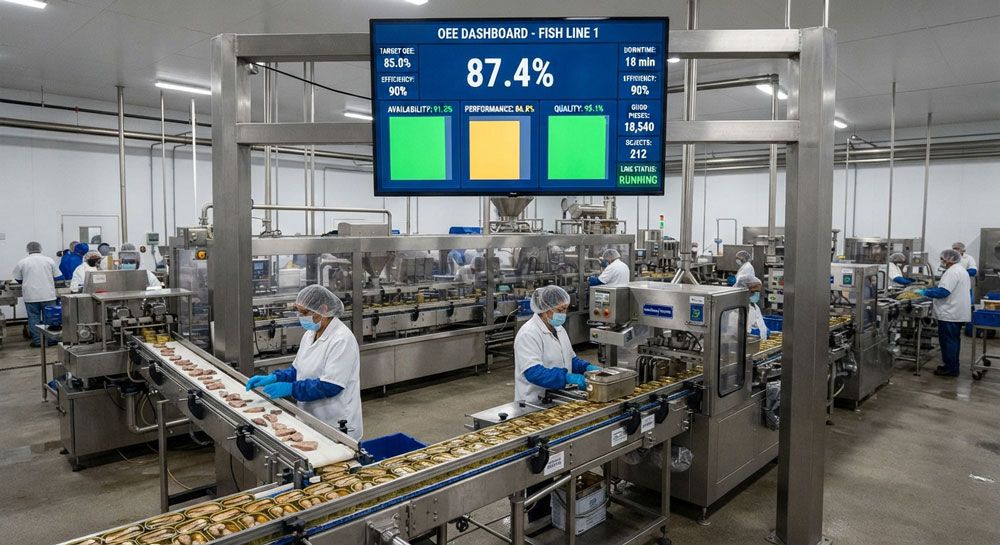
Canned Fruit Production Line Equipment
We Are Not Only Capable Of Selling Products, But Also Have The Ability To Undertake Full Turnkey Projects.

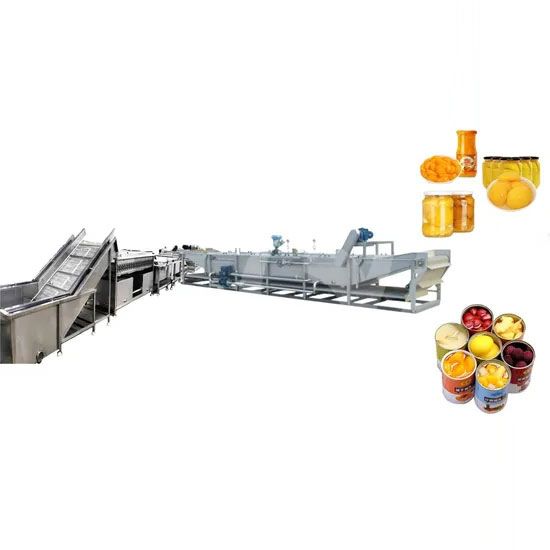
Our Canned Fruit Production Line Equipment provides a complete, automated solution for fruit processing and canning. Designed for large-scale food factories and fruit processors, the line covers every stage from fruit washing and peeling to filling, sealing, sterilizing, and packaging.
It helps enterprises improve productivity, ensure consistent product quality, and meet HACCP, ISO, and GMP food safety standards.
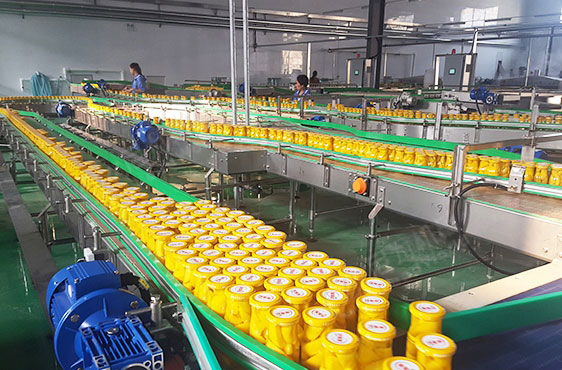
Raw Fruit Receiving and Sorting
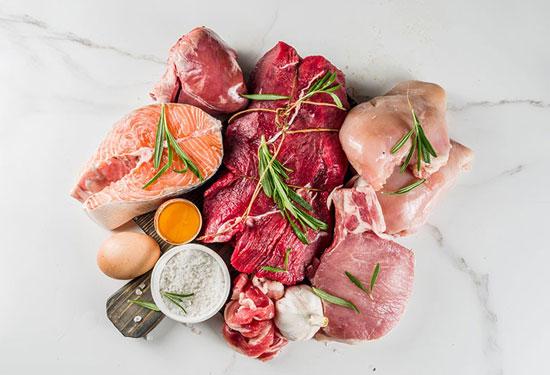
Fresh fruits such as peach, pineapple, pear, mango, or mixed fruit are inspected and sorted by size and quality.
Washing and Peeling
Air bubble washer and high-pressure spray system remove dirt and residues.
Optional peeling machine (steam, lye, or mechanical) ensures smooth and clean fruit surfaces.
Cutting and Coring
Automatic cutting machines process fruits into slices, cubes, or halves according to recipe requirements.
Blanching and Cooling
Hot water or steam blanching keeps fruit color, flavor, and texture before filling.
Syrup Preparation and Filling
Syrup tank with precise temperature control prepares sugar solution.
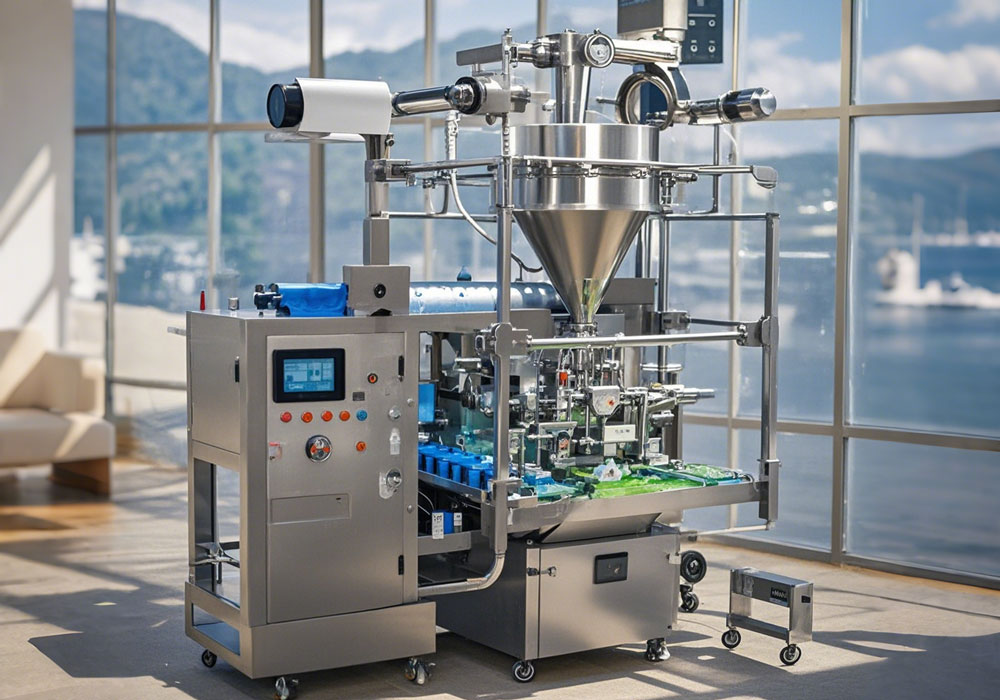
Automatic filling machine adds fruit and syrup accurately to cans or jars.
Seaming and Sterilization
Vacuum seamer ensures air-tight closure.
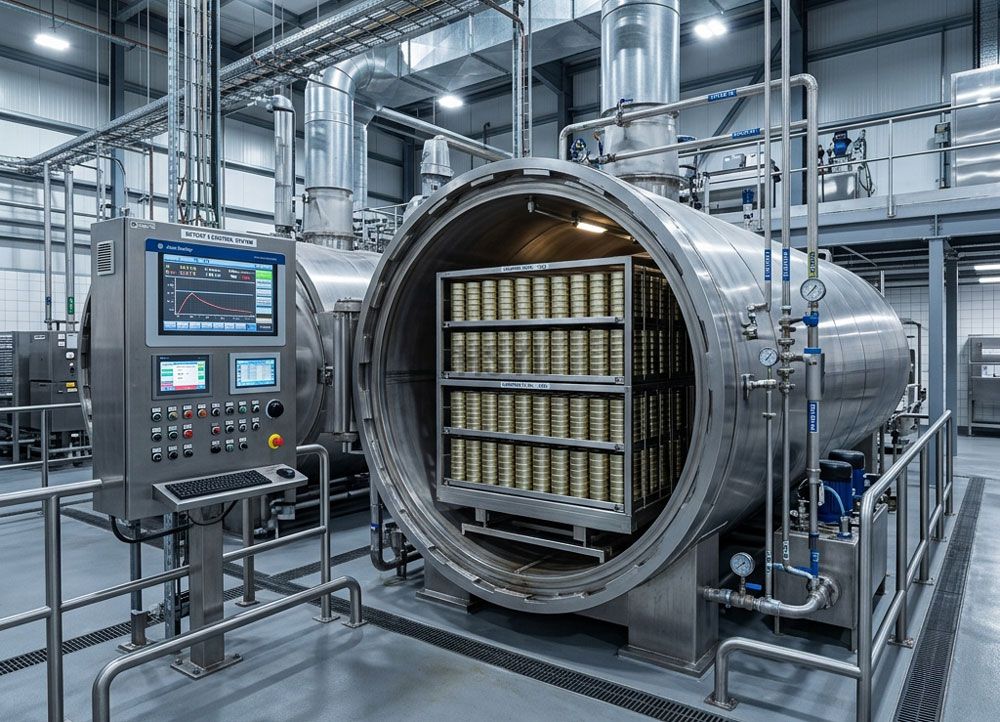
Retort sterilizer or pasteurizer guarantees long shelf life and product safety.
Cooling, Labeling, and Packaging
Rapid cooling tunnel prevents overcooking.
Automatic labeling and case packing complete the process.
Fruit Washing Machine (Bubble + Spray type) – Removes soil and pesticide residues efficiently.
Fruit Peeling & Coring Machine – Customizable for different fruit types.
Fruit Cutting Machine – Slices, dices, or halves fruits with adjustable thickness.
Syrup Preparation Tank – With heating, mixing, and temperature control system.
Filling Machine – Automatic filling with accurate syrup and fruit ratio.
Vacuum Seaming Machine – Ensures tight sealing and long preservation.
Retort Sterilizer – Steam or water spray sterilization to meet export safety standards.
Cooling Conveyor & Labeling Machine – For final cooling and labeling operations.
Fully automated PLC control system with touch screen interface.
Made of food-grade SUS304/316 stainless steel for hygiene and durability.
Compatible with various packaging types: tin cans, glass jars, aluminum cans, PET containers.
Adjustable production capacity from 500 to 20,000 cans/hour.
Energy-saving design minimizes water, steam, and electricity usage.
Easy cleaning and maintenance with CIP system integration.
Designed to meet international export standards for canned fruit products.
Fruit canning factories
Fruit juice and puree producers
Ready-to-eat fruit dessert manufacturers
OEM/ODM fruit processing brands
All equipment is designed and manufactured under strict HACCP, ISO22000, and GMP food safety standards.
Critical control points (CCPs) are monitored in washing, sterilization, and sealing stages to ensure product safety and traceability.
15+ years of experience in fruit and vegetable canning line manufacturing
Professional engineering support for layout design, installation, and training
Customized solutions for different fruits, syrup formulations, and packaging styles
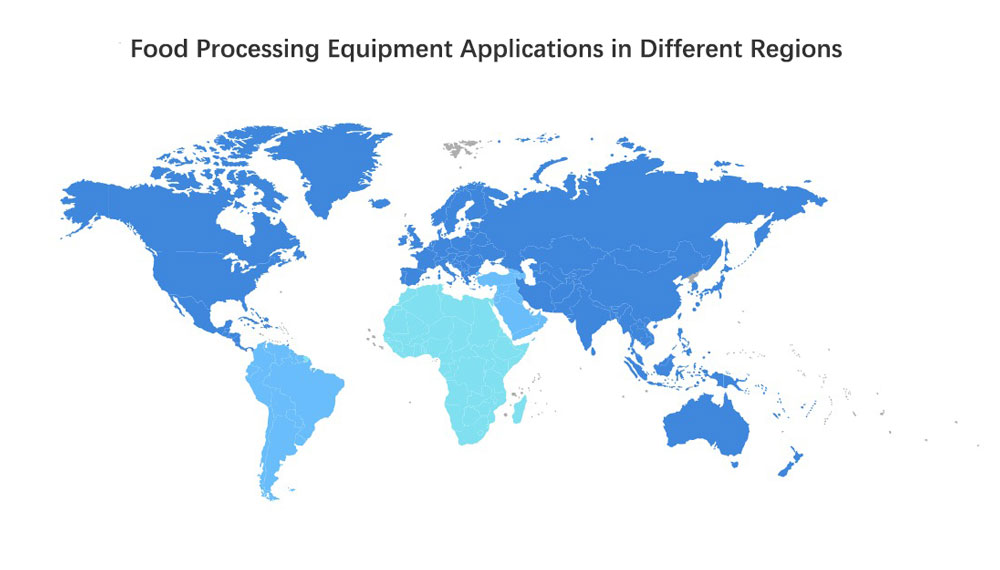
Exported to 30+ countries with stable operation feedback
Reliable after-sales service and spare parts supply
Q1: Can this line process different types of fruits?
A: Yes. The line is suitable for various fruits such as peaches, pineapples, pears, mangoes, lychees, and mixed fruits. The cutting and filling modules are customizable for different fruit sizes and textures.
Q2: What packaging options are supported?
A: The system can handle tin cans, glass jars, PET jars, and aluminum cans with different lid types (easy open, vacuum, twist-off).
Q3: What is the required steam and water supply?
A: Standard models require 0.5–0.8MPa steam pressure and 3–5 tons/hour of clean water, depending on line capacity.
Q4: Can the equipment be customized for my factory layout?
A: Yes. Our engineers provide full layout design according to your workshop dimensions, utilities, and production needs.
Q5: How is cleaning and maintenance handled?
A: All contact surfaces are made from stainless steel and designed for easy disassembly and CIP cleaning system integration.
Must-read blogs for bosses