From A Vacant Site To Full-Scale Production And Profitability — Achieve It All With One Trusted Partner: Hongsheng Yuanlin.

Get A Quote

Home > Automatic Commercial Pasta Machine

Automatic Commercial Pasta Machine - Chinese Manufacturer, Factory, Supplier

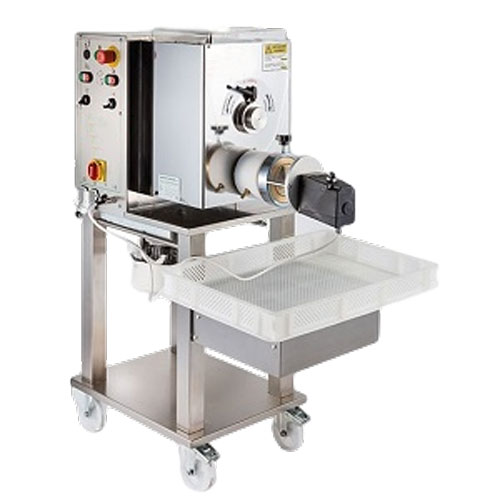
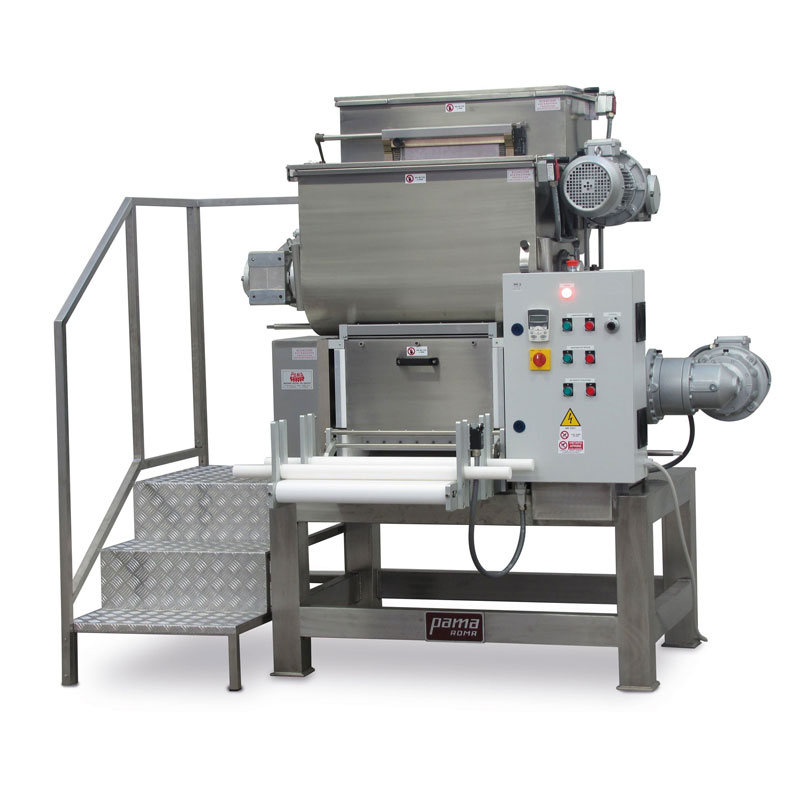
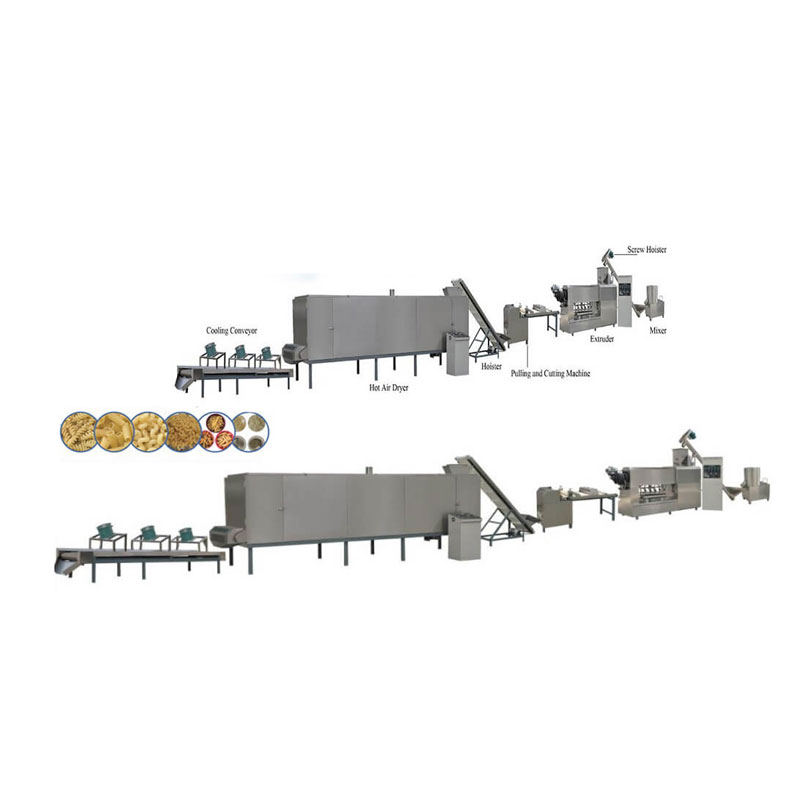
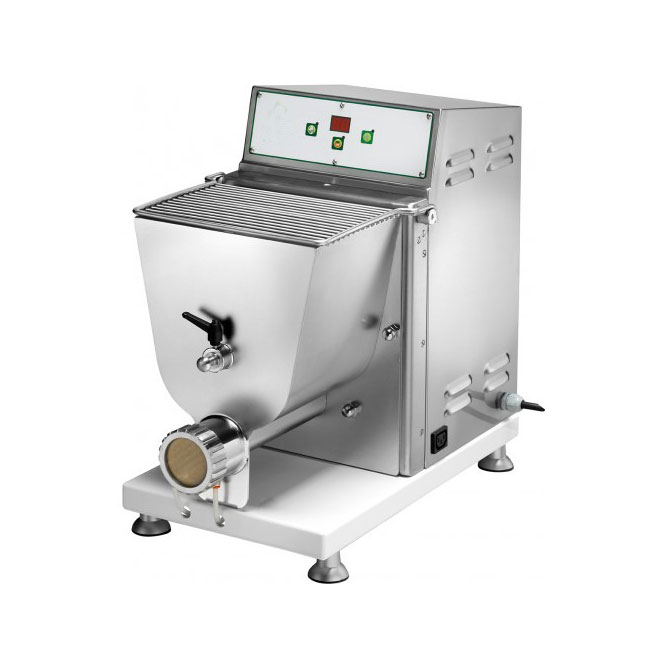
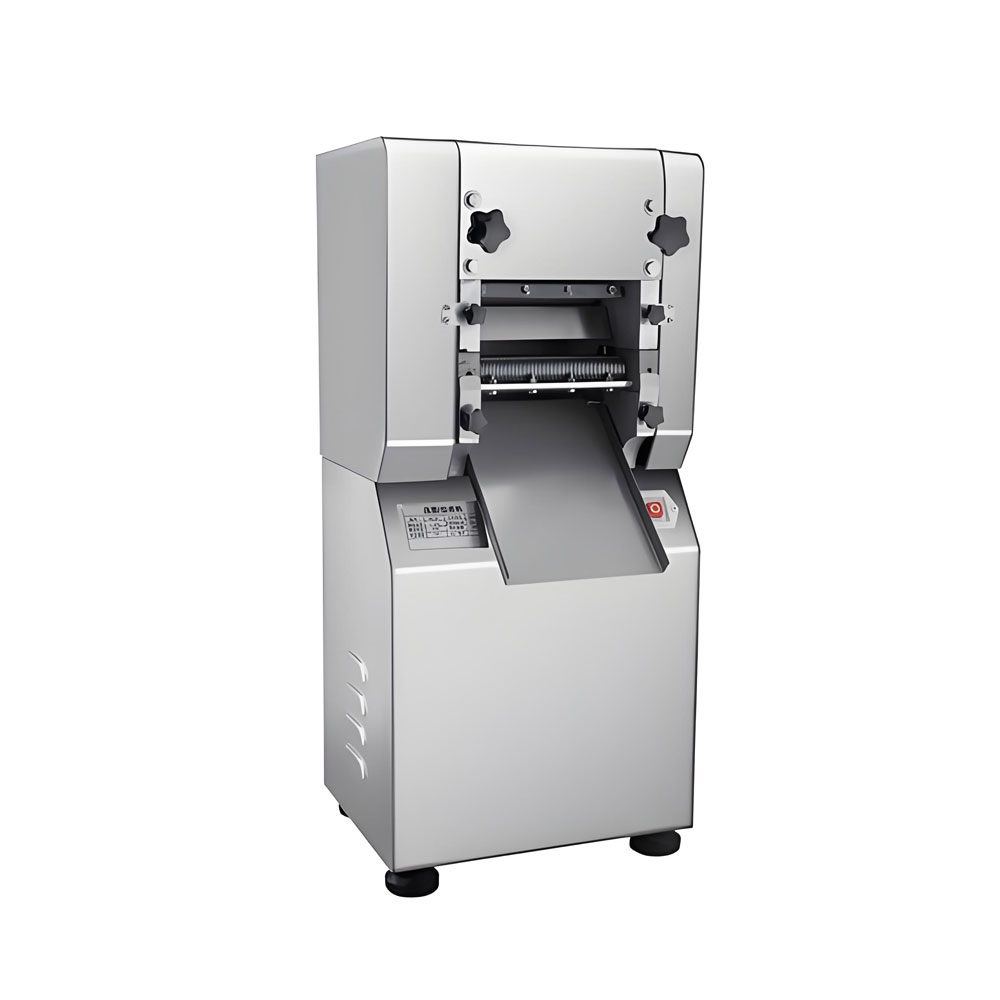
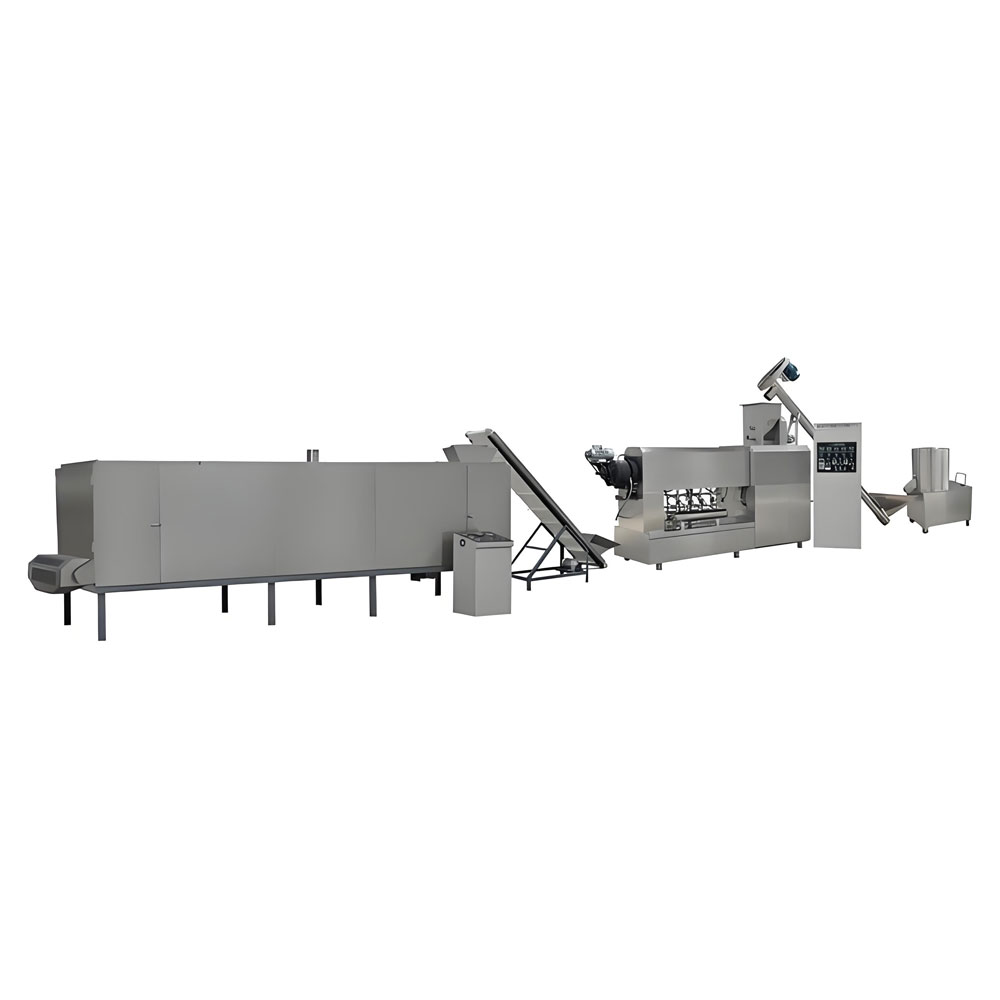
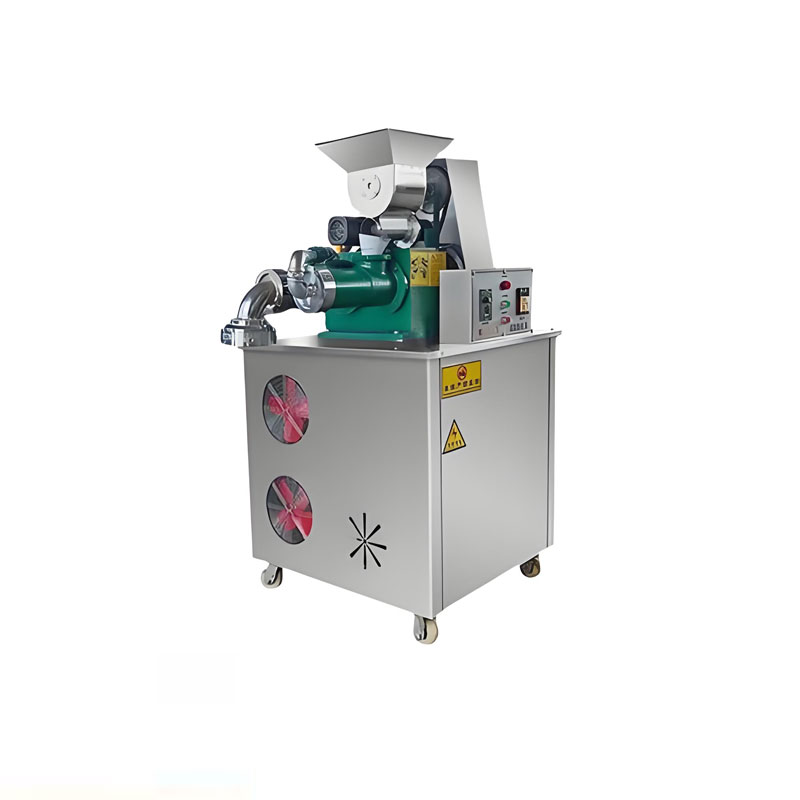
An automatic commercial pasta machine is designed for businesses that require consistent, large-scale pasta production with minimal manual labor. Unlike manual or semi-automatic machines, these systems integrate dough mixing, extrusion, cutting, drying, and in some cases, packaging into a streamlined production line.

Key Features:

  • High Automation: Reduces the need for operators by handling multiple steps automatically.

  • Versatility: Capable of producing spaghetti, penne, fusilli, macaroni, and sheet pasta by changing dies and molds.

  • Efficiency: Designed for continuous operation, ensuring higher daily output compared to small or semi-automatic machines.

  • Durability: Built with stainless steel for hygiene and long service life in food-grade environments.

  • Customization: Options include integrated dryers, packaging units, and recipe programming systems to meet specific business needs.

Applications:
These machines are widely used in industrial pasta factories, food processing plants, and large catering operations that supply supermarkets, wholesalers, or export markets.

Price Range:
Automatic commercial pasta machines typically start at $20,000 for smaller-capacity units and can reach $200,000+ for fully automated, high-capacity lines with drying tunnels and packaging modules.

Business Value:
Investing in an automatic commercial pasta machine provides significant ROI by improving production speed, ensuring uniform quality, reducing labor costs, and enabling manufacturers to scale up for domestic and international demand.
Core Competitive Advantages

Technical Leadership & Customer Value Creation Capabilities

Technology Leadership

· 57 core patents in dynamic cutting algorithms & IoT control
· 8.5% R&D investment ratio with 3-5 new models annually

Agile Supply Chain

· 82% vertical integration of critical components
· 40% inventory turnover improvement via digital systems

Full-Lifecycle Service

· 25% lower TCO for equipment lifecycle
· 24/7 remote diagnostics support
· >95% client retention over 5 years

Green Compliance

· 35% energy consumption reduction
· Certified by CE/FDA/ISO 14064
· ≥92% material recyclability

Project Case

Learn about our efficient and reliable equipment and production line solutions tailored for various food processing industries.

Relevant News


Commercial Kitchen Flooring Requirements: Materials, Drainage, and Compliance

Commercial kitchen flooring requirements go far beyond choosing a color that matches the walls. The floor must survive hot-oil spills, boiling-water discharges,...

Commercial Kitchen Grease Trap Sizing and Installation: Compliance Checklist

Grease management is one of the most common surprise costs in commercial kitchen design. A commercial kitchen grease trap sizing and installation plan that is t...

Ice Machine Sizing for Commercial Kitchen: Demand-Based Planning Guide

Ice machine sizing is one of those deceptively simple planning tasks that becomes complicated once you include every use case. If you size by seat count alone, ...

Commercial Kitchen Steam System Design: Load Planning and Equipment Layout

Plan a commercial kitchen steam system design around boiler capacity, steam cabinet demand, distribution layout, and peak service loads before installation.

Commercial Kitchen Electrical Load Calculation: Step-by-Step Planning Guide

Learn how to run a commercial kitchen electrical load calculation across cooking, refrigeration, and cleaning equipment before ordering utility upgrades.

Commercial Kitchen Fire Suppression System Requirements: Compliance Checklist

Review commercial kitchen fire suppression system requirements before installation or inspection so hood coverage, nozzles, and shutoff logic stay compliant.

Commercial Kitchen Hood System Design: 9-Point Planning Checklist

Commercial Kitchen Hood System Design: Planning Before You OrderBuying a new commercial kitchen hood system is not just a ceiling-mounted afterthought. If the h...

Commercial Kitchen Food-Grade Polymer Selection: PP, POM, PTFE, PEEK and PPSU by Application

Select food-grade polymer for commercial kitchen contact parts: PP vs POM vs PTFE vs PEEK vs PPSU, temperature, impact, wear, FDA 21 CFR 178 compliance, and app...

Commercial Kitchen Galvanic Corrosion: Dissimilar Metals, Galvanic Series and Isolation

Prevent galvanic corrosion between dissimilar metals in commercial kitchen: galvanic series, allowed and forbidden contact pairs, area ratio, isolation gaskets,...

Commercial Kitchen Gasket and Seal Selection: Food-Grade Silicone, EPDM, NBR and FKM

Select gasket and seal material for commercial kitchen equipment: silicone vs EPDM vs NBR vs FKM, temperature range, food-contact compliance, fat and cleaning c...

Commercial Kitchen Stainless Steel Bending, Folding and Forming: K Factor, Springback and Bend Radiu

Control stainless steel bending and folding for commercial kitchen equipment: bend types, K factor, springback compensation, minimum bend radius, and corner for...

Commercial Kitchen Food-Contact Edge Finishing, Deburring and Rounding for Stainless Equipment

Control edge finishing and deburring for commercial kitchen stainless: edge types, deburr process, food-contact edge radius, and inspection records for hygienic...

Contact Us

Format: +[country code][number] (e.g. +8615098926008)

Do You Have A Factory Workshop Or Layout Drawing?