Chicken Processing Line
We Are Not Only Capable Of Selling Products, But Also Have The Ability To Undertake Full Turnkey Projects.

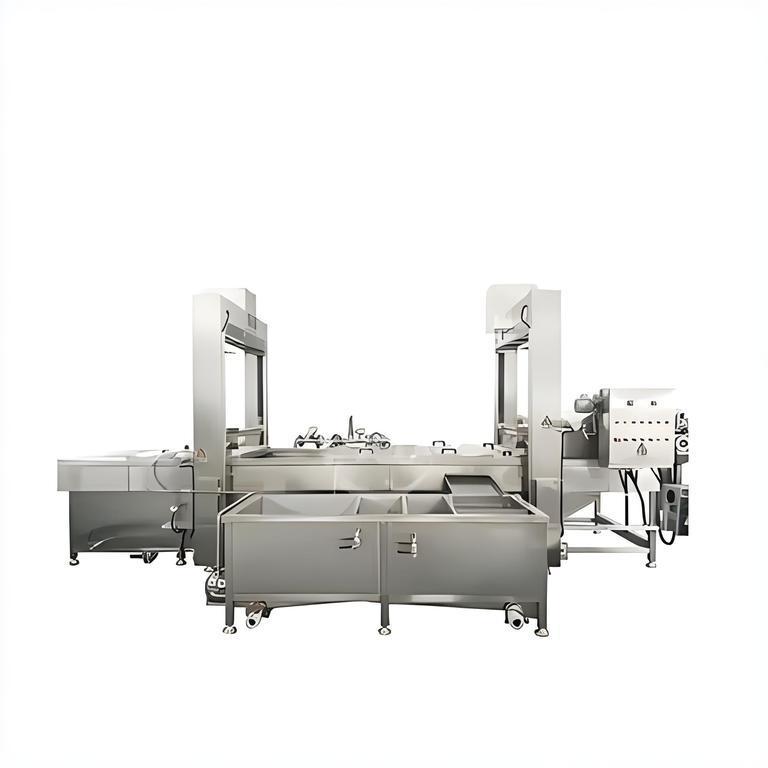
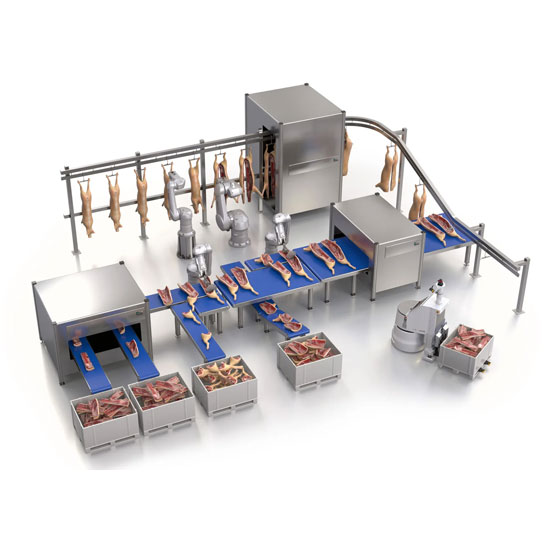
Operating a high-capacity poultry abattoir demands an uncompromising balance between rapid throughput and extreme microbiological control. This turnkey chicken processing line is engineered exclusively to resolve the critical bottlenecks faced by facilities processing 3,000 to 6,000 birds per hour (BPH). By abandoning fragmented, standalone workstations in favor of a synchronized overhead shackle conveyor network, the system assumes complete control over the live bird receiving, scalding, continuous defeathering, and precision evisceration stages. Our layout mitigates the severe risks of cross-contamination during viscera extraction—a common failure point in legacy plants—while drastically dropping the per-bird water consumption metrics that inflate daily operational costs.
| Performance Parameter | Engineering Specification |
|---|---|
| System Configuration Model | CPL-6000 Continuous Turnkey Series |
| Processing Capacity Limit | 3,000 - 6,000 Birds Per Hour (BPH) |
| Overhead Conveyor Speed | 5 to 12 meters / minute (VFD Synchronized) |
| Total Installed Power | 120 KW (Aggregate layout consumption) |
| Water Usage Optimization | Approx. 15 to 20 Liters / bird (With integrated recovery) |
| Framework Material | SUS304 Stainless Steel (TIG Continuous Welded) |
| Electrical Protection Rating | IP65 (Direct chemical washdown compatible) |
Zero-Rupture Viscera Extraction
The highest risk in any commercial poultry plant occurs when extracting the intestinal tract. A ruptured gallbladder or intestine immediately condemns the carcass. Our automated evisceration module introduces a highly calibrated robotic spooning mechanism synchronized over the main line. This system travels deep into the carcass cavity, gripping and extracting the entire viscera pack without applying excessive hydraulic pressure to the fragile organs. The clean extraction dramatically increases the percentage of Grade A yields approved by USDA inspectors.
Agitated Air-Injected Scalding and Defeathering
Proper follicle relaxation is mandatory before the bird enters the plucker. The multi-pass scalding tunnel injects low-pressure air at the base of the water tank, keeping the thermal bath violently agitated. This forces hot water directly against the poultry skin, bypassing the thermal barrier of the feathers. Immediately following the scald, the adjustable plucker cascades use opposing rows of hardened rubber fingers configured geometrically to remove 99.5% of feathers without inciting epidermal tearing or displacing wing joints.
Counter-Flow Thermodynamic Spin Chilling
Rapid temperature suppression halts bacterial multiplication. Instead of stagnant chilling vats, our chicken processing line implements an aggressive counter-flow spin chiller. Fresh cold water is injected at the exit end while the carcasses are hydraulically driven toward the intake. This gradient ensures the cleanest, coldest water only touches the fully sanitized meat right before portioning, easily driving the intramuscular temperature down to the required 4℃ safe zone within minutes.
Seamless Transition to Advanced Cut-Up Modules
Once the bird exits the drip line, the operational focus shifts from sanitization to anatomical yielding. The overhead shackle seamlessly transfers the cooled carcasses to a specialized drop-off belt. Plants looking to retail raw chicken components can directly funnel these whole birds into an automatic chicken cutting machine, utilizing rotary blade configurations to partition wings, thighs, and breasts with surgical repeatability.
Every dynamic component along the overhead rail functions as a localized node communicating back to a master logic controller. Utilizing industrial-grade Siemens or Allen-Bradley PLCs paired with large touchscreen human-machine interfaces (HMI), the plant manager exercises total dominion over the variable frequency drives affecting line speed, the thermostatic steam valves modulating the scalder, and the pneumatic gates diverting condemned carcasses. If a downstream jam occurs at the evisceration carousel, the PLC immediately pauses the upstream stunning and bleeding conveyor, preventing a disastrous pile-up of birds and shielding the mechanical drive chain from catastrophic torque overload.
When orchestrating a turnkey deployment for a facility processing 30,000 birds daily, ambient moisture, biological waste, and acidic cleaning chemicals present extreme corrosive threats. We confront this by stripping away standard mild-steel fasteners and localized boxed electronics. Every terminal junction in our system utilizes IP65 or IP67 rated synthetic housings, allowing nighttime sanitation crews to execute violent high-pressure hot water and sodium hypochlorite washdowns. By sealing the neurological pathways of the plant, we successfully negate rust and short circuits, ensuring the line powers up flawlessly for the next morning's 4:00 AM production shift.
Bringing heavy industrial abattoir equipment across international borders mandates rigid proof of mechanical safety and hygiene. The structural integrity, emergency braking circuits, and sheer physical guarding of this assembly are audited to CE directives. All localized wiring complies strictly with international commercial codes, enabling your resident maintenance technicians to interpret our schematics and swap standard contactors without relying on costly proprietary replacements. Our global commissioning engineers will land on-site to calibrate the shackle tension, balance the scalder thermodynamics, and conduct exhaustive wet-tests before turning the key over to your production director.
Secure a dominant position in the regional poultry market. Contact our engineering division today to map out a precise CAD layout designed explicitly for the dimensions of your upcoming factory.
Must-read blogs for bosses