
Commercial Kitchen Grease Trap Sizing and Installation: Compliance Checklist
Grease management is one of the most common surprise costs in commercial kitchen design. A commercial kitchen grease trap sizing and installation plan that is too small will clog, back up, and fail inspection. A trap that is oversized wastes installation budget and floor space. The goal is to match trap capacity, fixture grouping, and maintenance access to actual cooking activity and local code.
Grease planning should happen early so that drain routing, floor slope, and access locations do not conflict with cooking equipment. Start with the overall kitchen plan on kitchen equipment solutions before finalizing drainage.
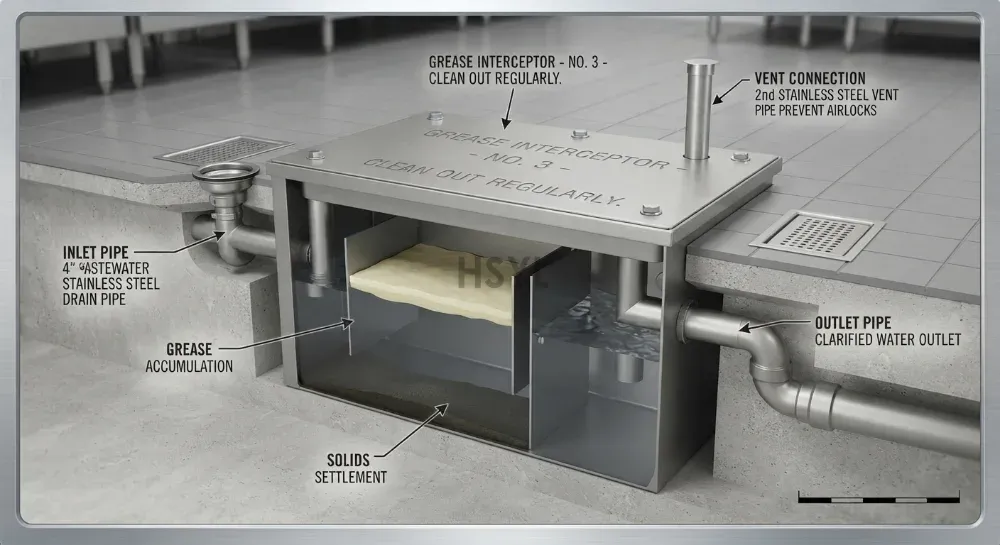
Understand Grease Load Before You Size
Not all kitchen drains carry the same grease load. Drains from deep fryers, wok stations, and grill lines carry fat, oil, and grease that must be intercepted before entering the sanitary sewer. Drains from vegetable washers, dishwashers, and mop sinks usually carry lower grease loads and may be plumbed differently depending on local code.
A fry-heavy kitchen with a single tank single basket electric fryer and a double wok dual temperature induction cooker creates more oil-laden wastewater than a produce prep area with a double tank vegetable washing machine. Sizing should reflect the highest-grease fixtures first, then verify that lower-grease fixtures do not overload the same trap.
Grease Trap vs Grease Interceptor
The terms are often used interchangeably, but many jurisdictions distinguish between smaller under-floor grease traps and larger in-ground grease interceptors. Traps are usually smaller and serve single fixtures or compact kitchens. Interceptors are larger, serve multiple fixtures, and often require pump-out vehicles. Local code usually determines which type is acceptable and where it can be installed.
Installation note: Access for pump-out, inspection, and cleaning should be planned before the slab is poured or the floor finish is selected. A trap without adequate access becomes a long-term maintenance liability.
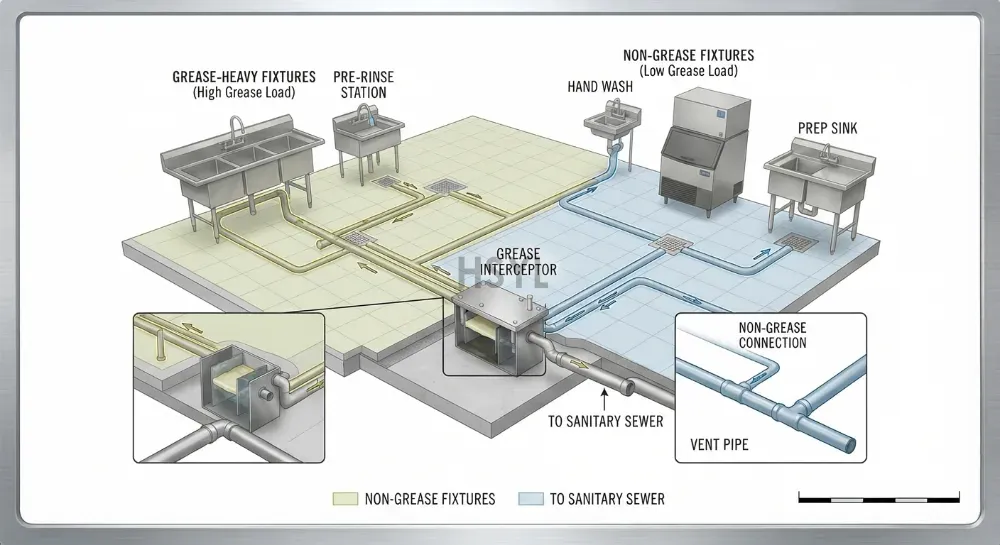
If your kitchen layout includes both high-grease cooking zones and produce-washing or dishwashing zones, confirm whether local code allows separate drain strategies or requires a common interceptor.
Sizing Factors That Buyers Often Miss
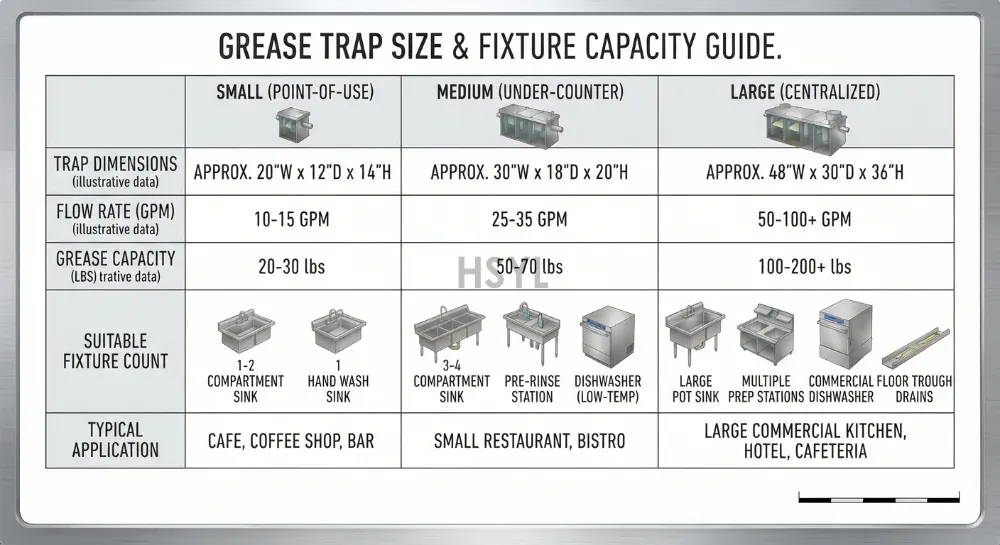
Grease trap sizing is not just about fixture count. Flow rate, drain temperature, and cleaning habits all affect how quickly a trap fills. Some planners use fixture-unit methods, while others use measured flow and grease-load estimates. Common sizing factors include:
- Number and type of grease-producing fixtures
- Peak drain flow during service or cleanup
- Hot-water temperature and usage
- Cleaning frequency and chemical usage
- Available space for trap or interceptor installation
Installation and Maintenance Access
Installation details affect both code compliance and long-term usability. Grease traps and interceptors need venting, cleanout access, and stable foundation support. In-ground interceptors need manhole access, while under-floor traps need removable covers and enough clearance for pumping equipment.
Maintenance is not optional. Most jurisdictions require regular pump-out and recordkeeping. During procurement, ask suppliers or installers about recommended pump-out frequency, inspection access, and spare parts such as gaskets or baffles.
Grease Management Checklist
| Checklist item | Why it matters |
|---|---|
| Grease-producing fixture inventory | Determines sizing method and trap category |
| Local code: trap vs interceptor requirements | Drives installation type and location |
| Flow rate and peak drain period | Impacts sizing accuracy and overflow risk |
| Pump-out access and manhole planning | Affects maintenance cost and code compliance |
| Separate drain zones for low-grease fixtures | Can reduce trap load and pumping frequency |
| Recordkeeping and inspection schedule | Required for permit renewals and liability protection |
Where Grease Management Fits Kitchen Design
Grease trap planning should align with kitchen equipment layout, floor slope, and utility routing. A kitchen that combines frying, wok cooking, and produce washing needs clear drainage zoning so that grease interceptors do not receive unnecessary water volume from low-grease fixtures. Review the overall equipment plan on kitchen equipment solutions and compare cooking options on commercial kitchen cooking equipment.
For specific appliances, the single tank single basket electric fryer and double tank vegetable washing machine show how fixture type changes grease-management requirements.
Related Kitchen Planning Resources
Use kitchen equipment solutions as the overall planning anchor, then review cooking equipment on commercial kitchen cooking equipment. The single tank single basket electric fryer and double wok dual temperature induction cooker help planners estimate grease load before sizing traps.
Frequently Asked Questions
What is the difference between a grease trap and a grease interceptor?
How is commercial kitchen grease trap sizing calculated?
Can I put a vegetable washer drain into the same grease trap as my fryer?
How often does a commercial grease trap need to be pumped out?
Who is responsible for grease trap compliance in a leased kitchen?
Must-Read Blogs For Chain Restaurants Owner

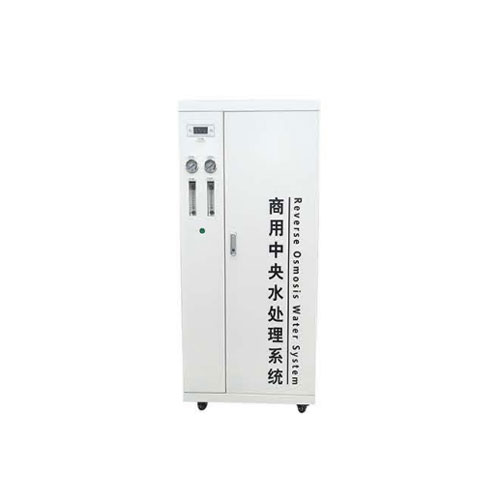 YL-W-06 Commercial Water Purification Equipment
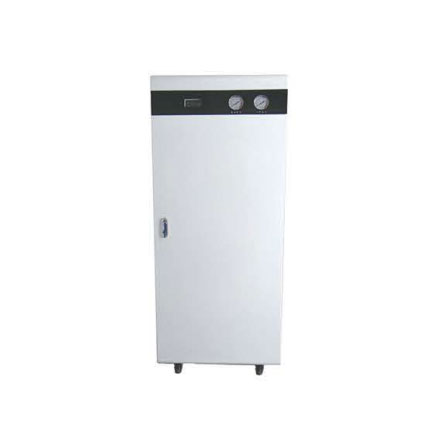 YL-W-05 Commercial Water Purification Equipment
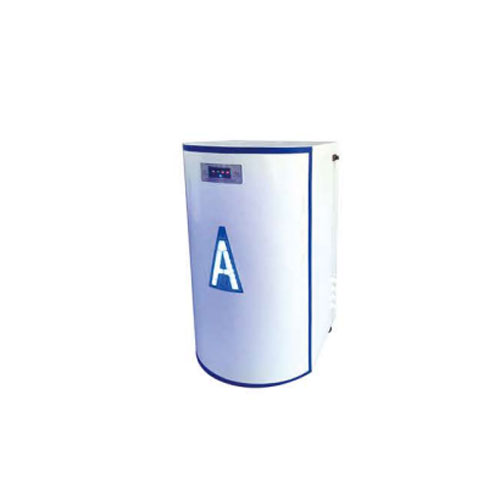 YL-W-04 Commercial Water Purification Equipment
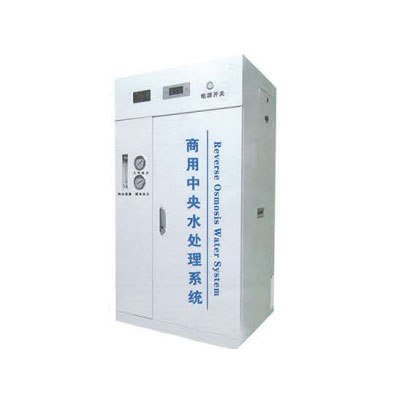 YL-W-03 Commercial Water Purification Equipment
Ready to Get Started?