From A Vacant Site To Full-Scale Production And Profitability — Achieve It All With One Trusted Partner: Hongsheng Yuanlin.

Get A Quote

Home > Mango Canned Food Production Line

Mango Canned Food Production Line - Chinese Manufacturer, Factory, Supplier

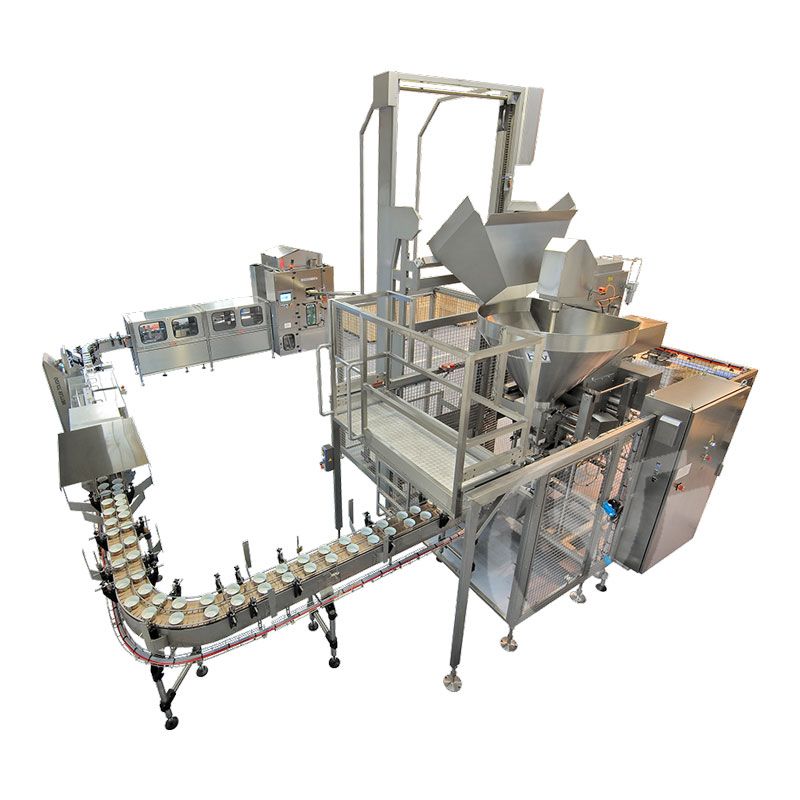
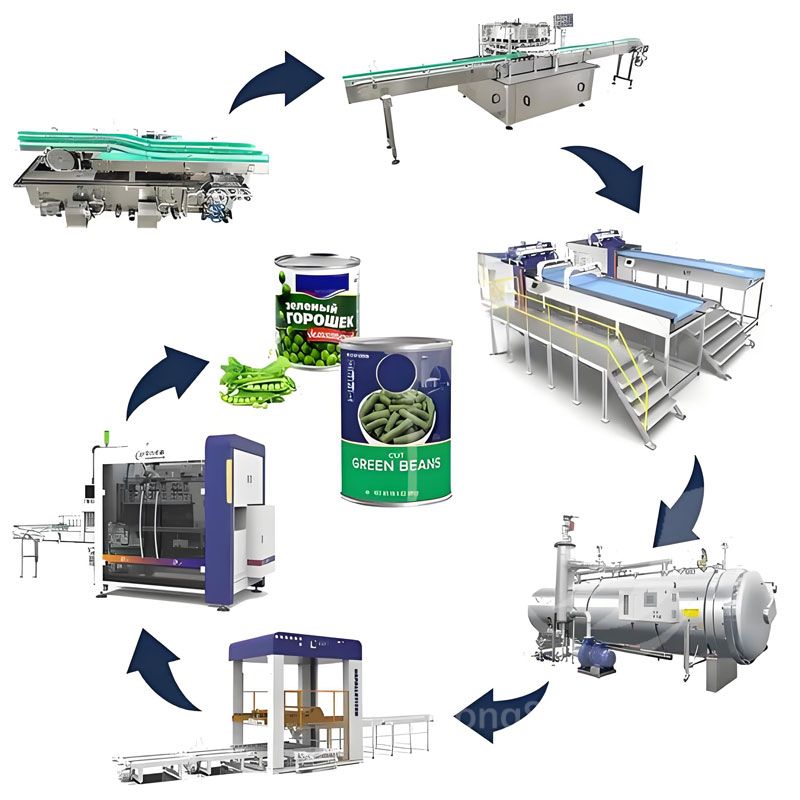
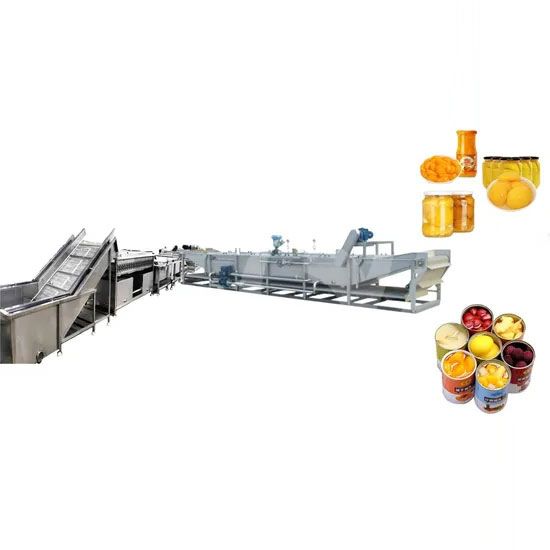
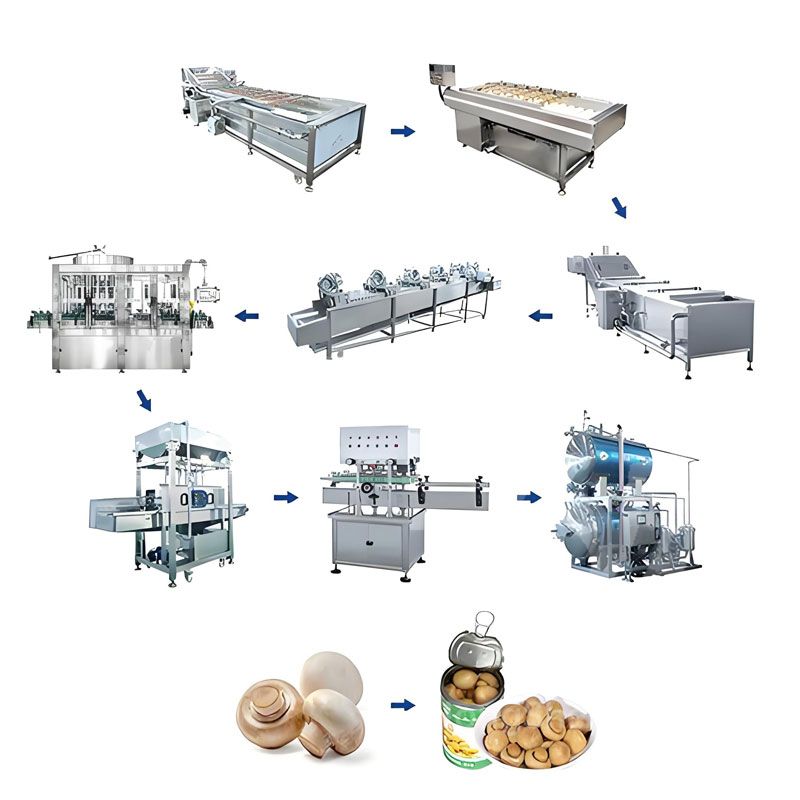
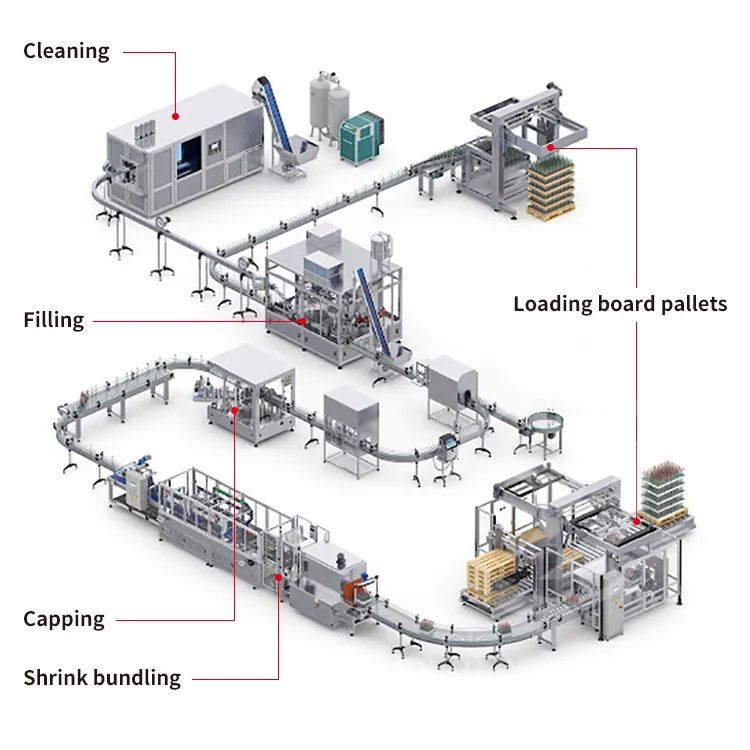
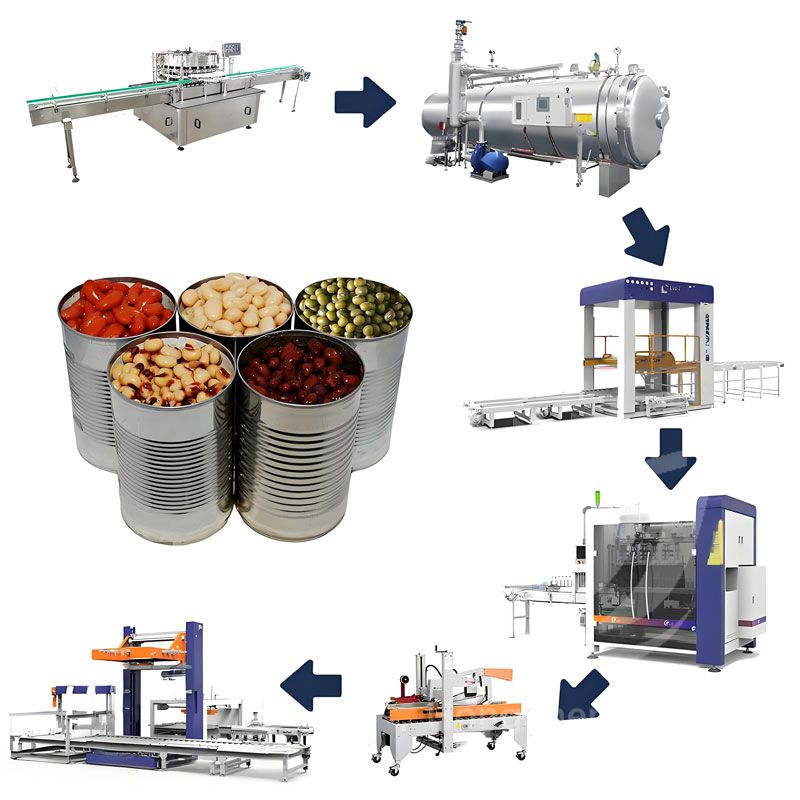
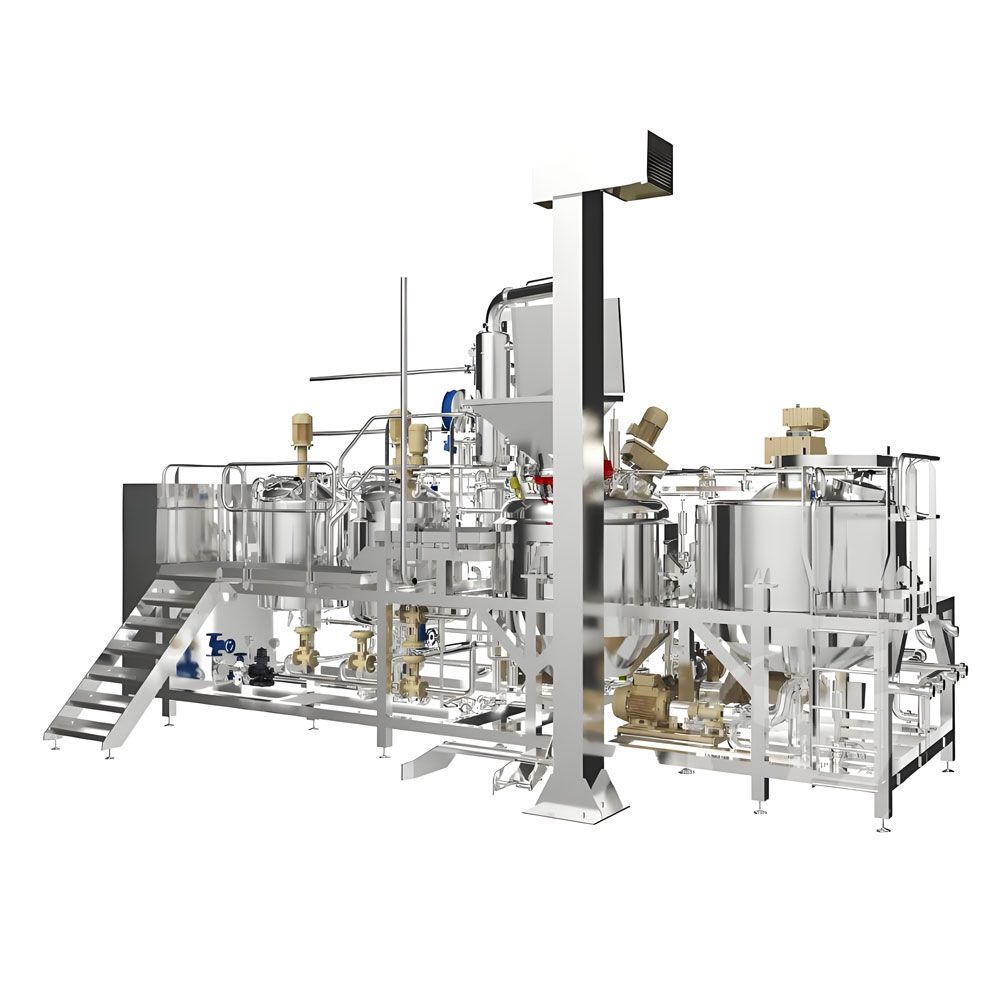
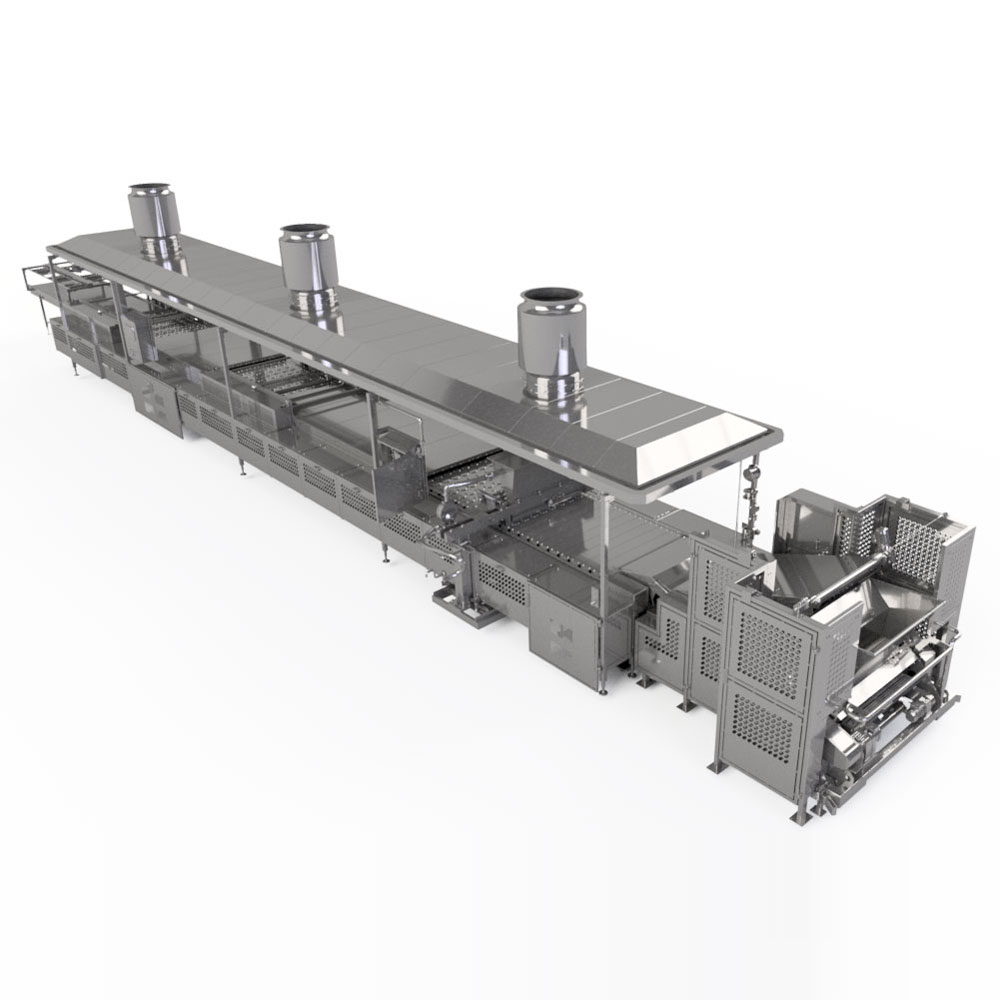
A mango Canned Food Production Line is a specialized processing solution designed to transform fresh mangoes into high-quality canned products, including mango slices, cubes, puree, and pulp-in-syrup. The line integrates multiple stages of production, such as fruit reception, washing, peeling, destoning, cutting, filling, syrup preparation, can seaming, sterilization, and packaging. Each stage is automated to maximize efficiency, reduce manual handling, and ensure consistent product quality.

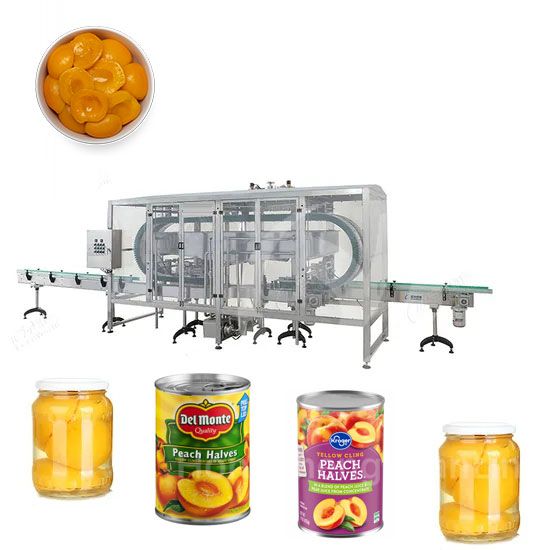
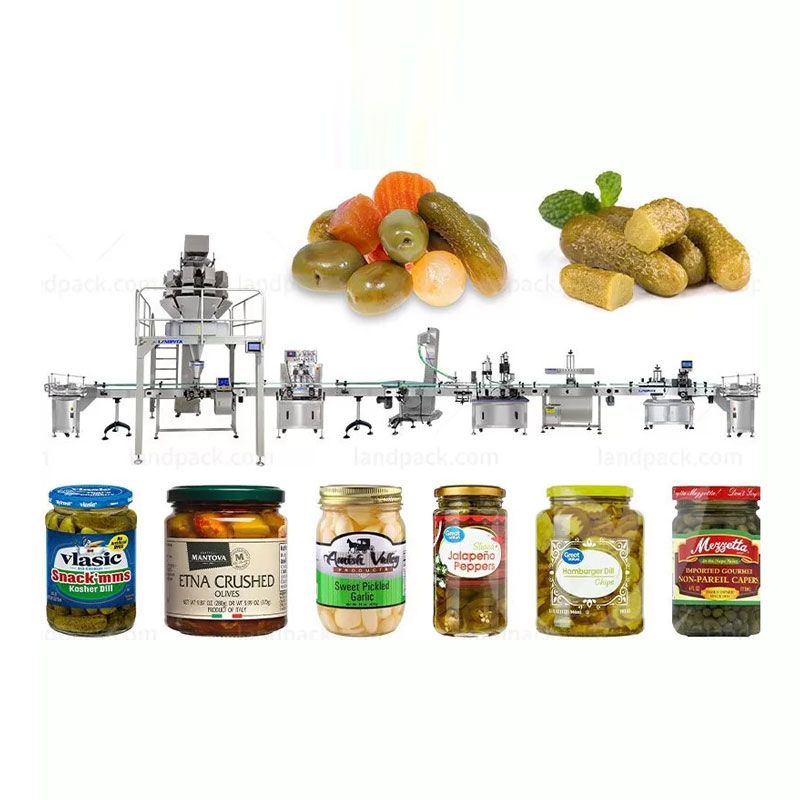
This production line is widely applied in fruit processing plants, beverage companies, and canned food manufacturers aiming to extend the shelf life of seasonal mangoes while maintaining their natural flavor, aroma, and nutritional value. With options for tin cans, glass jars, or aseptic bag packaging, the system provides flexibility for both domestic consumption and international export standards.

Equipped with advanced technologies such as continuous sterilizers, vacuum sealing systems, and CIP (Clean-in-Place) units, the mango canning line ensures food safety, compliance with HACCP and ISO22000 standards, and optimal return on investment. The modular design allows scalability, making it suitable for small-scale processors as well as large industrial production.

By investing in a mango canned food production line, manufacturers can secure year-round product availability, enhance brand competitiveness, and meet the rising global demand for convenient, ready-to-eat tropical fruit products.
Core Competitive Advantages

Technical Leadership & Customer Value Creation Capabilities

Technology Leadership

· 57 core patents in dynamic cutting algorithms & IoT control
· 8.5% R&D investment ratio with 3-5 new models annually

Agile Supply Chain

· 82% vertical integration of critical components
· 40% inventory turnover improvement via digital systems

Full-Lifecycle Service

· 25% lower TCO for equipment lifecycle
· 24/7 remote diagnostics support
· >95% client retention over 5 years

Green Compliance

· 35% energy consumption reduction
· Certified by CE/FDA/ISO 14064
· ≥92% material recyclability

Project Case

Learn about our efficient and reliable equipment and production line solutions tailored for various food processing industries.

Relevant News


Commercial Kitchen Food-Grade Polymer Selection: PP, POM, PTFE, PEEK and PPSU by Application

Select food-grade polymer for commercial kitchen contact parts: PP vs POM vs PTFE vs PEEK vs PPSU, temperature, impact, wear, FDA 21 CFR 178 compliance, and app...

Commercial Kitchen Gasket and Seal Selection: Food-Grade Silicone, EPDM, NBR and FKM

Select gasket and seal material for commercial kitchen equipment: silicone vs EPDM vs NBR vs FKM, temperature range, food-contact compliance, fat and cleaning c...

Commercial Kitchen Food-Contact Edge Finishing, Deburring and Rounding for Stainless Equipment

Control edge finishing and deburring for commercial kitchen stainless: edge types, deburr process, food-contact edge radius, and inspection records for hygienic...

Commercial Kitchen Stainless Steel Surface Finish: Ra, Brushed vs Mirror vs Satin Cleanability

Select stainless steel surface finish for commercial kitchen by Ra, cleanability and bacterial retention: brushed vs mirror vs satin, with a finish-by-zone deci...

Canteen Pre-Cooked and Reheat: Cook-Chill for Mass Feeding

Run a canteen on pre-cooked and reheat: reconstitution methods, pre-cooked line design, and reheat quality control for mass feeding with cook-chill.

Institutional Canteen High-Volume Serving Line: Throughput Design

Design a high-volume canteen serving line: throughput by line type, station count logic, and batch-to-line balance for institutional mass feeding.

Hotel A La Carte and Batch Mix: Cooking for Speed and Volume

A hotel restaurant kitchen cooks two speeds at once: a la carte speed for individual covers and batch speed for volume items. The two require different logic — ...

Hotel Banquet Kitchen Surge Capacity: Cooking for the Peak, Not the Average

A hotel banquet kitchen does not cook for the average — it cooks for the peak. A 500-cover banquet served in 30 minutes has a peak demand many times the average...

Commercial Kitchen Sheet Metal Gauge and Structural Design for Food-Contact Equipment

Select sheet metal gauge for commercial kitchen equipment: thickness by application, structural vs food-contact logic, deflection, and welding fit for stainless...

Commercial Kitchen Cleaning Zone Design: Soil Type, Method and CIP Integration

Design cleaning zones for a commercial kitchen: soil type to method matrix, manual vs COP vs CIP, and CIP integration for automated cleaning in food-contact zon...

Hygienic Welding and Passivation in Commercial Kitchen Equipment

Control hygienic welding and passivation in commercial kitchen equipment: joint types, weld process, food-contact weld requirements, and passivation records for...

Commercial Kitchen Stainless Steel Selection: 304 vs 316L vs 430 by Zone

Select stainless steel for commercial kitchen by zone: 304 vs 316L vs 430, corrosion resistance, food-contact suitability, and a zone-by-zone grade map for kitc...

Contact Us

Format: +[country code][number] (e.g. +8615098926008)

Do You Have A Factory Workshop Or Layout Drawing?