
Commercial Kitchen Electrical Load Calculation: Step-by-Step Planning Guide
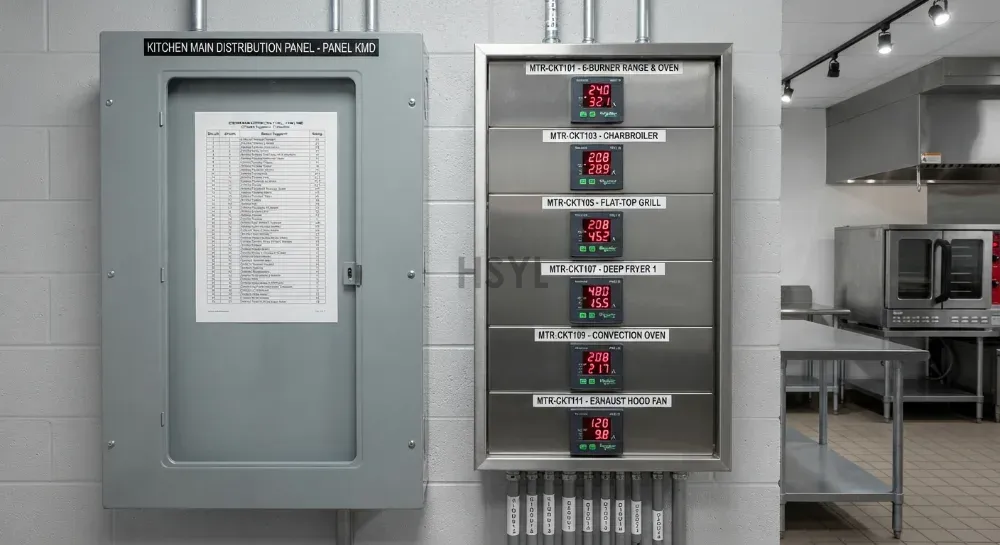
Every commercial kitchen needs enough electrical capacity to start and run cooking equipment, refrigeration, dishwashers, and lighting without tripping breakers or overloading feeders. The goal of commercial kitchen electrical load calculation is not just to add up nameplate power; it is to understand which machines run together, which ones run for hours, and where peak demand will strain the utility connection.
Electrical planning should happen before equipment is ordered, not after. Start with the overall kitchen scope on kitchen equipment solutions so that load planning is coordinated with layout and utility routing.
Step 1: Inventory Connected Equipment and Nameplate Power
Create an equipment list with nameplate power in kW or kVA for every permanently connected machine. Pay special attention to cooking appliances, refrigeration, freezers, dishwashers, and fixed exhaust fans. Do not forget standby equipment such as blast freezers or holding cabinets that may run overnight or during prep shifts.
Electric cooking appliances can have very different load profiles. An electric oven or full view electric oven often draws sustained high power during a cook cycle, while an induction cooker such as a commercial electromagnetic cooker may concentrate high demand in shorter bursts. Both behaviors affect how you group loads for demand calculation.
Step 2: Separate Continuous, Intermittent, and Standby Loads
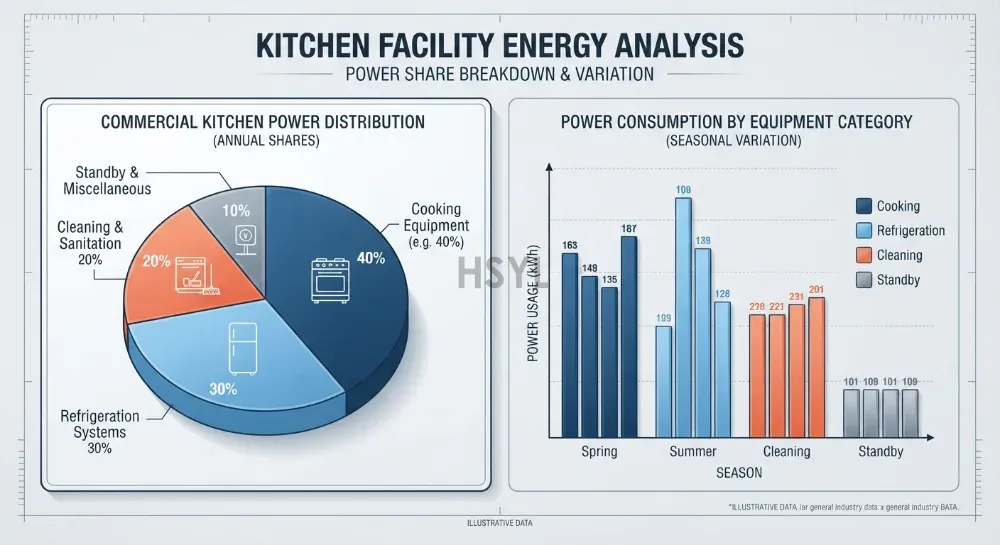
Not all loads are equal. Continuous loads run for three hours or more, such as refrigeration and blast freezers. Intermittent loads cycle with production peaks, such as wok burners or ovens during service. Standby loads include exhaust fans, lighting, and control systems that run whenever the kitchen is occupied.
Planning note: Continuous refrigeration and blast-freezer loads should form the baseline, while cooking and cleaning loads are evaluated as additional demand on top of that baseline.
A blast freezer is a classic continuous load. If your menu requires rapid protein chilling or par-cooking, its power demand should be included in the baseline calculation rather than treated as an occasional peak.
Step 3: Apply Demand Factors and Coincidence
Most kitchens never run every appliance at full rated power at the same time. Demand factors or coincidence factors reduce the calculated load to a more realistic expected peak. The exact method depends on local code and utility requirements. Some planners separate the kitchen into sub-panels so that cooking, refrigeration, and cleaning loads can be managed independently.
If your kitchen uses electric induction cooking, the load may be more concentrated on specific phases. A double wok dual temperature induction cooker can draw significant power on one or two phases, so phase balance should be checked during panel design.
Step 4: Verify Panel, Feeder, and Utility Service Size
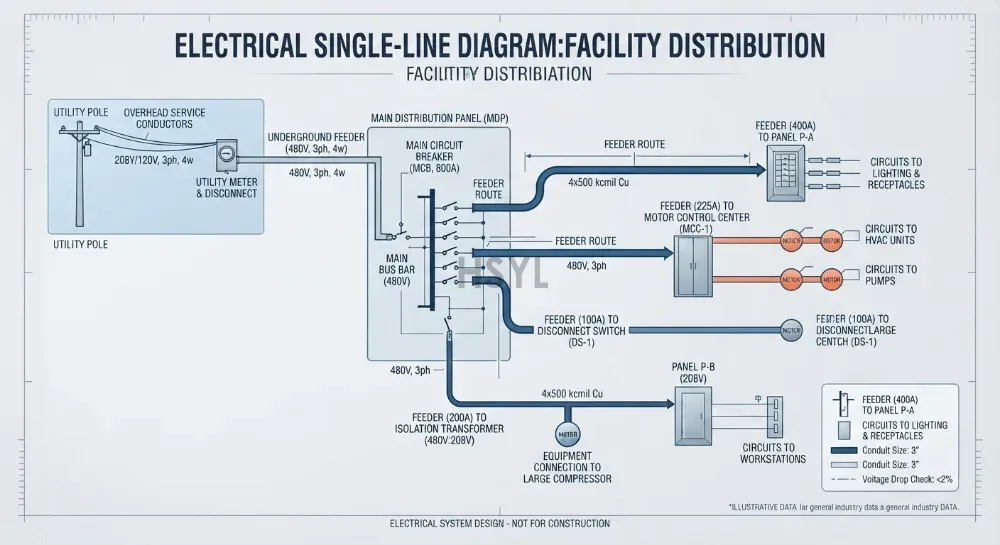
Once the calculated load is established, compare it against panel rating, feeder ampacity, and utility service capacity. If the calculated load exceeds the existing service, coordinate with the utility early because upgrades can take weeks or months. Also verify that wire sizes, conduit, and protective devices are rated for the continuous load plus any required expansion margin.
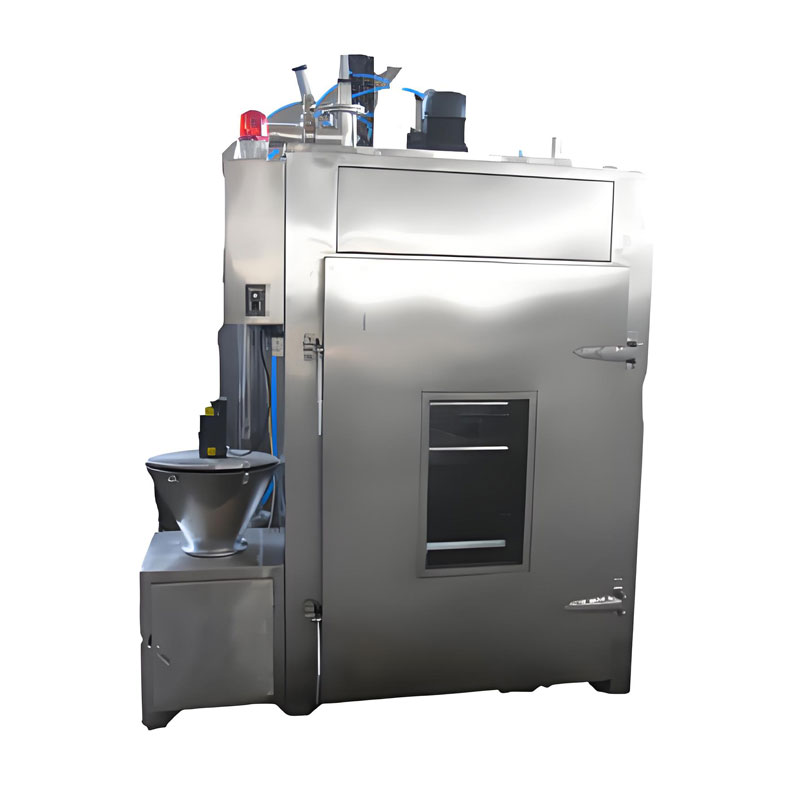
Future-proofing matters. If you plan to add a second oven, a conveyor dishwasher, or a smoke oven later, include a reasonable reserve in the initial design. The cooking drying oven and full automatic meat smoke oven are examples of later-stage additions that are easier to support when panel capacity is reserved in advance.
Load Calculation Checklist
| Step | Key question |
|---|---|
| Equipment inventory | Have every permanently connected machine and its nameplate power been listed? |
| Load classification | Are continuous, intermittent, and standby loads separated? |
| Demand method | Does the calculation method match local code or utility requirements? |
| Phase balance | Is the panel layout balanced across phases for large induction loads? |
| Expansion reserve | Is spare capacity reserved for foreseeable equipment additions? |
| Utility coordination | Has the utility been contacted for service upgrade timelines? |
Where Electrical Load Planning Fits the Full Kitchen Design
Electrical load calculation should align with mechanical and refrigeration planning so that duct routing, utility shafts, and equipment locations do not conflict. Refrigeration, blast freezing, and cooking equipment all draw significant power and often share the same riser or panel zone. Review the overall kitchen context on kitchen equipment solutions before finalizing the electrical scope.
For cooking appliance examples and power-draw context, see commercial kitchen cooking equipment. The commercial electromagnetic cooker and blast freezer illustrate how equipment selection and electrical planning should be reviewed together.
Related Utility Planning Resources
Use kitchen equipment solutions as the starting point for overall kitchen scope, then review commercial kitchen cooking equipment for appliance-level power context. The commercial electromagnetic cooker and full view electric oven help planners compare cooking-load profiles before calculating panel requirements.
Frequently Asked Questions
What is the standard electrical load calculation method for commercial kitchens?
Do induction cookers affect electrical load calculation differently than gas?
How much electrical reserve should I plan for a new kitchen?
Does a blast freezer increase my electrical baseline load?
Who should sign off on a commercial kitchen electrical load calculation?
Must-Read Blogs For Chain Restaurants Owner

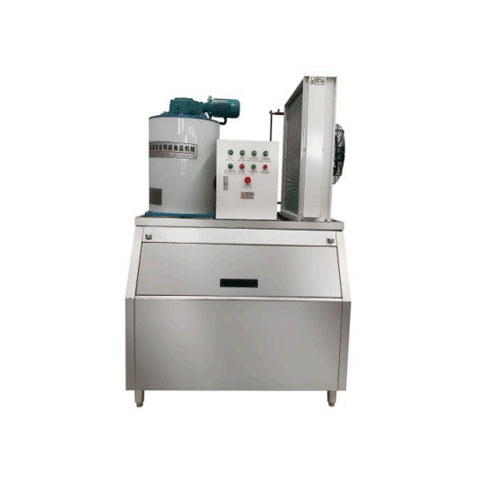 Flake Ice Machine
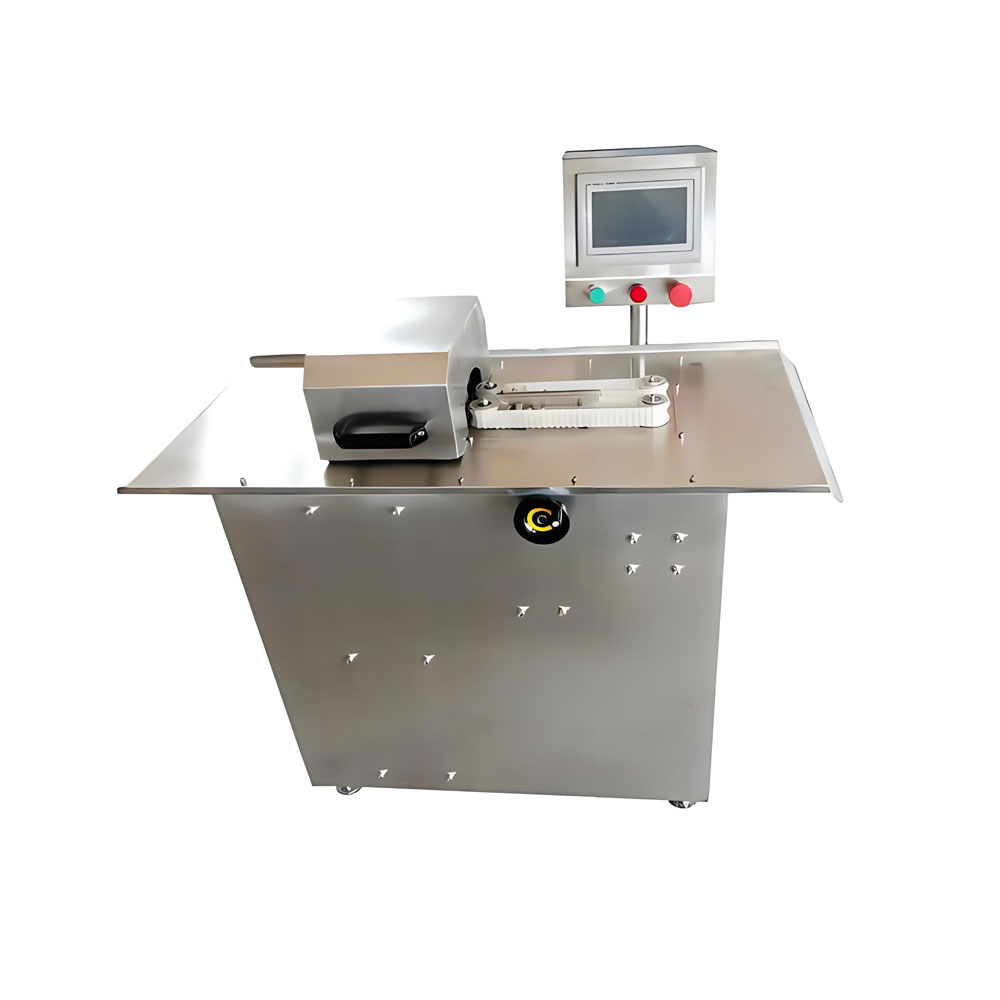
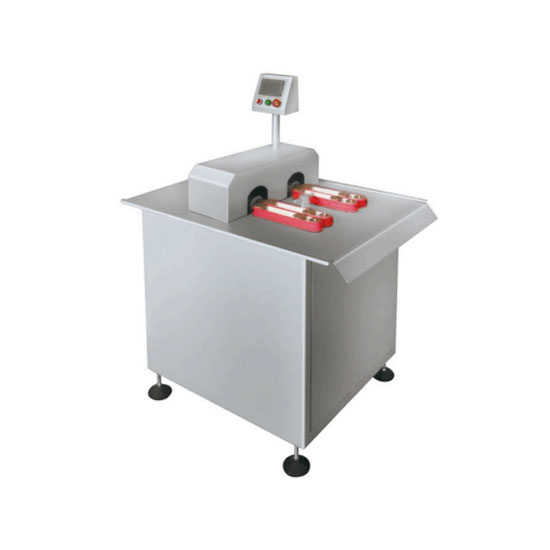 Sausage Automatic Double Wire Binding Machine
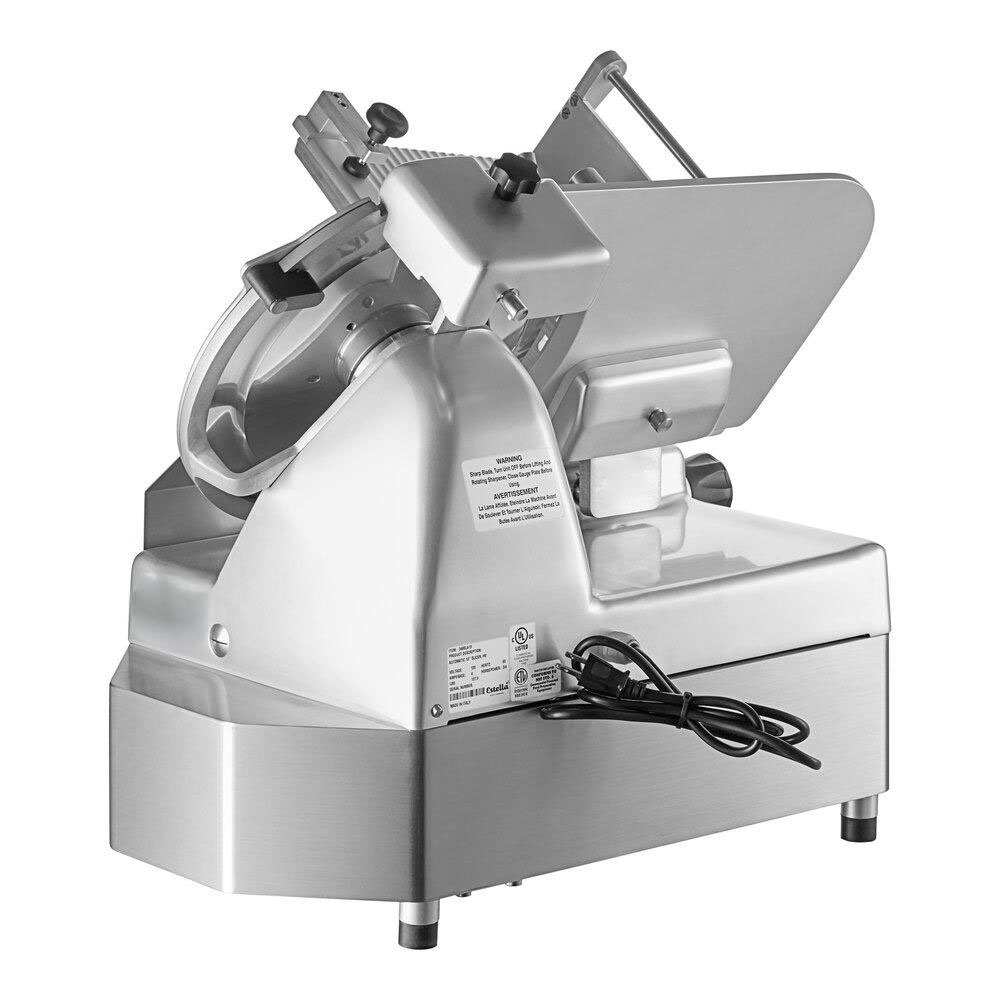
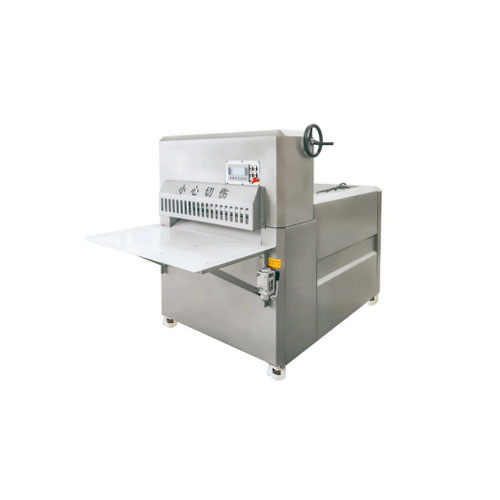 Frozen Meat Slicer
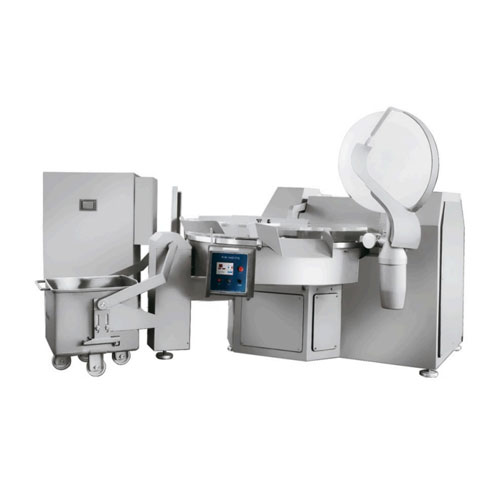
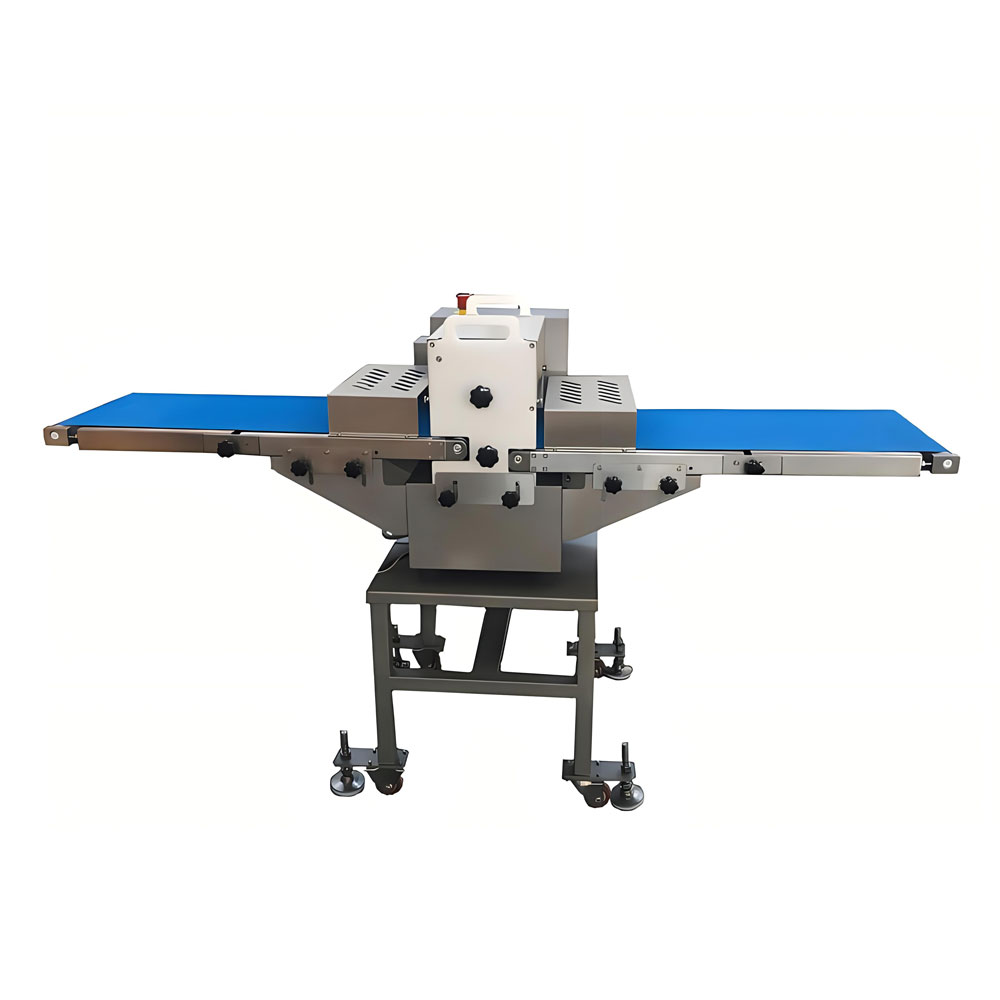 Fresh Meat Slicing Portioning Machine
Ready to Get Started?