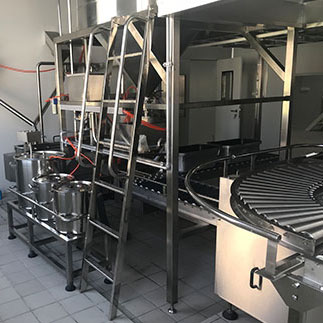
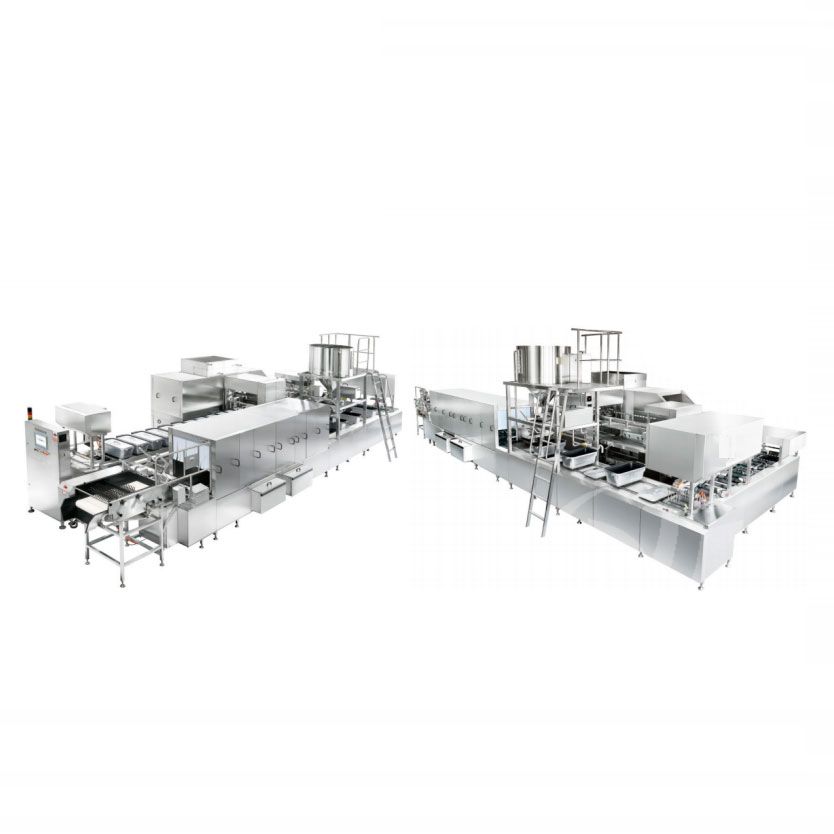
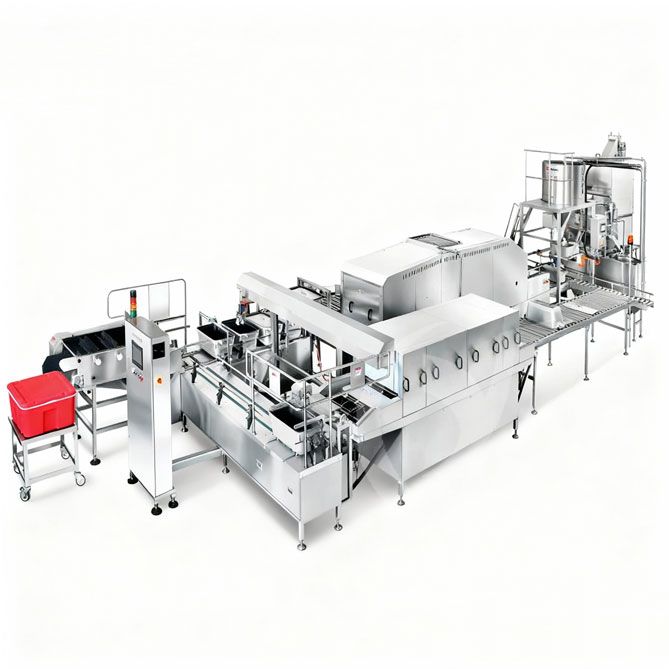
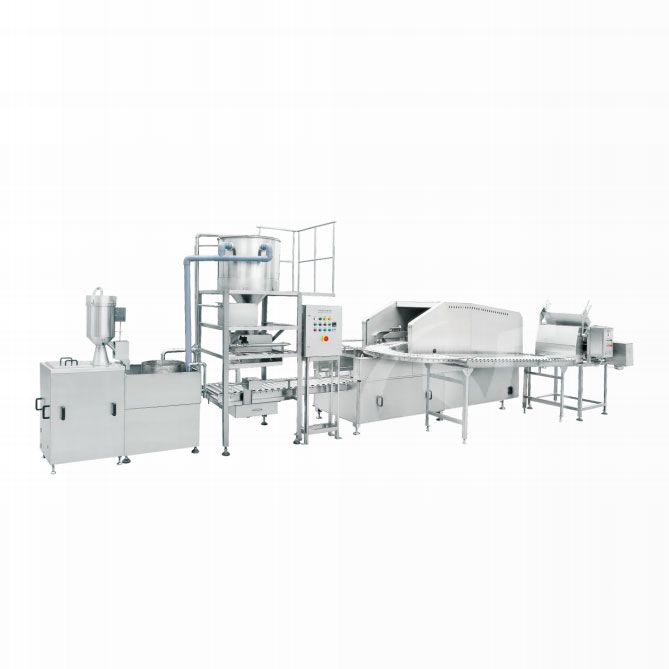
Kimchi Production Line
We Are Not Only Capable Of Selling Products, But Also Have The Ability To Undertake Full Turnkey Projects.

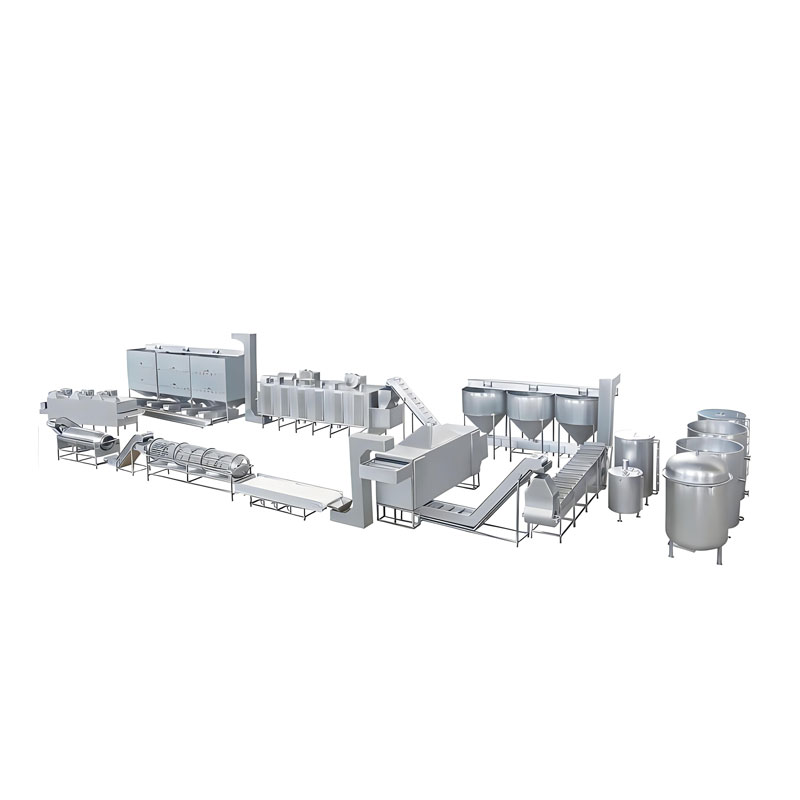
Scaling traditional vegetable fermentation into a highly profitable industrial operation introduces severe mechanical challenges—primarily extreme equipment corrosion from high-salt brines and lactic acid, alongside immense labor bottlenecks during the seasoning phase. This automated Kimchi Production Line is engineered specifically to withstand these aggressive, low-pH environments. By systematically integrating heavy-duty halving, multi-stage ultrasonic bubble washing, automated continuous brining, and precision volumetric seasoning mixers, we eliminate the structural and operational failure points common in standard vegetable processing machinery.
Governed by an intelligent PLC architecture, the system achieves a consistent 1500kg/h output. It mechanically preserves the crisp cellular integrity of Napa cabbage and radish while ensuring the total homogeneity of the spice emulsion, allowing commercial producers to lock in a highly standardized flavor profile for retail distribution floors.
| Core System Parameter | Engineering Specification |
|---|---|
| System Configuration Profile | KPL-1500 Commercial Fermentation Series |
| Target Variable Throughput | 1000 kg/h to 1500 kg/h (Based on cut geometry) |
| Total Installed Power | 65 KW (Includes upstream hydro-pumps and mixers) |
| Drive Voltage Configuration | 380V / 50Hz / 3Phase (Custom UL/CSA modifications) |
| Primary Structural Alloy | SUS316L Stainless Steel (Critical anti-corrosion zones) |
| Air-Bubble Washing Pressure | 0.8 MPa (Dual-stage high flow air disruption) |
| Sanitary Defense Grade | IP65 (Engineered for complete wet foam washdowns) |
Upgrading to SUS316L: The Anti-Corrosion Imperative
Processing kimchi involves exposing machinery to massive concentrations of sodium chloride (salt) and aggressive organic acids generated during anaerobic fermentation. Standard SUS304 commercial vegetable processing equipment rapidly suffers from chloride pitting and rust under these conditions. Our layout radically upgrades all product contact zones, brining tanks, and seasoning vats to SUS316L molybdenum-alloyed stainless steel, featuring continuous TIG welding to eliminate crevices where hypersaline fluids typically stagnate and initiate mechanical failure.
Multi-Tiered Hydro-Disruption Washing
Removing embedded soil, insects, and pesticide residues from deep within the folds of Napa cabbage without fracturing the fragile leaves requires precise hydro-dynamics. The raw material enters an extended air-bubble washing flume. High-pressure Roots blowers inject intense bursts of air into the water, violently agitating the leaves to loosen debris. A secondary overhead high-pressure spray manifold rinses the cabbage, and an integrated wedge-wire filtration unit continuously extracts the suspended solids, keeping the primary wash water exceptionally clean over extended shifts.
Automated Continuous Salting and Brine Recovery
The osmotic dehydration phase (salting) is the most critical variable in determining the final crunch of the cabbage. The line employs a continuous submerged brining conveyor that forces the vegetables through a mathematically calculated concentration of salt water for a strict duration. Rather than dumping the exhausted brine, a sophisticated inline recycling loop filters out floating cellular debris and UV-sterilizes the liquid, saving plants massive costs on both raw salt procurement and municipal wastewater discharge penalties in their fruit and vegetable processing line solutions.
Volumetric Seasoning Dispersion and Drum Mixing
Manually rubbing the chili paste (Gochugaru), garlic, and ginger emulsion into the cabbage is an immense labor burden. Our system feeds the dehydrated, salted cabbage directly into an angled rotary tumbling drum. A synchronized volumetric positive displacement pump injects the thick, high-viscosity paste uniformly over the tumbling vegetables. Variable Frequency Drives (VFD) calculate the exact rotational speed needed to achieve 100% surface coating without bruising the stalks, operating seamlessly without direct human intervention.
Managing the biochemical parameters of continuous fermentation preparation requires absolute deterministic control. The central HMI terminal actively commands inline digital salinity meters and PT100 temperature sensors within the brining tanks. If the brine concentration drops below the targeted threshold by even 0.5%, the PLC instantaneously actuates pneumatic valves to inject highly saturated makeup brine into the loop. This closed-loop sensory network prevents the catastrophic spoilage that occurs when large batches are under-salted, ensuring your fermentation rooms receive a perfectly stable substrate every hour of the shift.
Exporting complex, high-salinity processing machinery requires uncompromising build quality and safety compliance. Designed strictly in accordance with BRC sanitary guidelines and CE machinery directives, all electrical enclosures employ multi-layered sealing gaskets to prevent saltwater vapor intrusion. When executing Turnkey plant deployments globally, our senior mechanical engineers calculate accurate water consumption metrics, manage the installation of heavy trench drains, and calibrate the entire line to match your exact regional cabbage varietals and recipe demands.
To request a tailored 3D chemical-resistant factory layout, detailed electrical schematics, or a comprehensive physical demonstration video of our continuous brining and seasoning equipment, please submit a formal inquiry to our international B2B engineering department.
Must-read blogs for bosses