
The Ultimate Preventive Maintenance Checklist for Commercial Food Machinery
Key Takeaways:
- Regulating raw input temperature (specifically -3°C to -4°C for meat) is the primary determinant of SUS304/316 blade lifespan, effectively doubling sharpening intervals and reducing mechanical wear.
- Rigorous CIP (Clean-In-Place) sanitation standard operating procedures (SSOP) drastically minimize cross-contamination risks and protect IP65/IP69K rated sensors from bacterial degradation.
- Routine infrared thermography on Variable Frequency Drives (VFDs) cuts unexpected motor burnouts on high-volume 2000kg/h food production lines by up to 45%.
As a senior engineer at HSYL with 15 years immersed in designing and troubleshooting commercial meat processing lines, I constantly witness high-capacity plants hemorrhaging profitability due to one fundamental oversight: reactive instead of preventive maintenance. When a continuous dicing line jams mid-shift, the consequence is not merely a localized mechanical failure; it triggers a cascade of compounding losses, from staggering raw material spoilage to severe labor bottlenecks. In today's highly regulated industrial environments, plant managers must transition from emergency firefighting to precision engineering upkeep. This checklist decrypts the exact technical protocols required to sustain peak Overall Equipment Effectiveness (OEE) and prolong the yield rates of your heavy-duty investments.
Mechanical Lifespan Extension: Calibrating Drive Chains and Electrical Enclosures
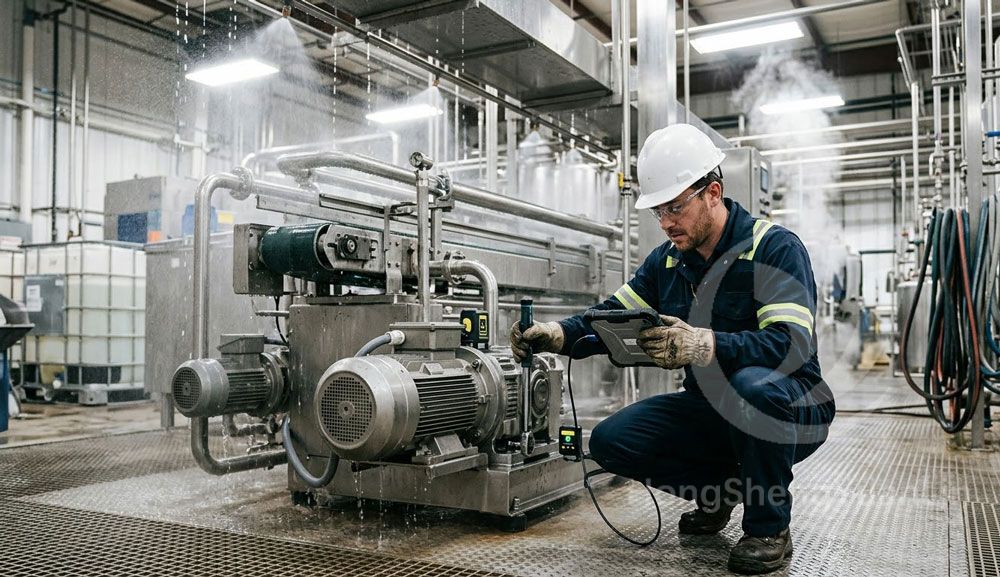
Modern commercial food machinery operates under punishing tolerances. A vibration anomaly shifting the shaft alignment by a negligible 0.5mm will exponentially accelerate wear on adjacent bearings during continuous processing cycles. Weekly torque calibration on servo motors and drive chains prevents microscopic slippage, ensuring immediate synchronization across your conveyor systems. Additionally, while high-pressure washdowns are mandatory for compliance with FDA Preventive Controls requirements, aggressive water impingement frequently compromises electronic integrity. We recommend deploying waterproof dielectric grease on all internal PLC contact points within IP65/IP69K enclosures to combat chronic moisture ingress.
Turnkey Food Line Solutions: Bridging Capacity Bottlenecks
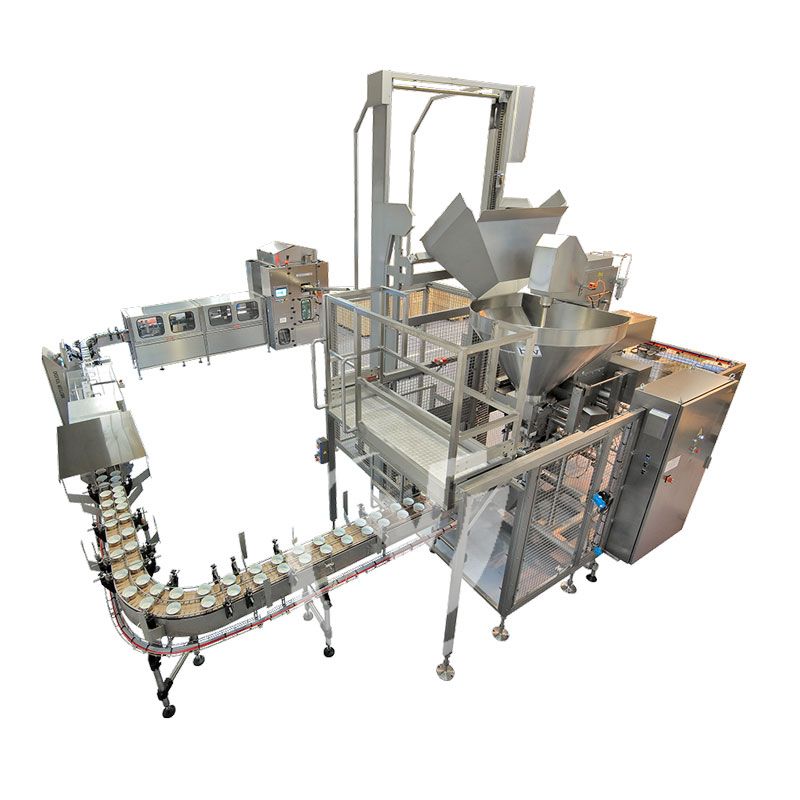
Standalone equipment maintenance often ignores the holistic dynamics of an integrated factory floor. When evaluating Turnkey Food Line Solutions, the transitional nodes between individual machines represent the highest vulnerability zones. For instance, if the discharge velocity of a primary bone-meat separator operates at 1500kg/h while the downstream tumbler accommodates only 1000kg/h, the resulting bottleneck induces immense strain on the separator's clutch mechanism. A robust preventive strategy dictates biannual synchronization audits, evaluating the variable speed bridging conveyors to ensure perfectly fluid material handover without inducing secondary mechanical fatigue.
The Contrarian Truth: Thermal Degradation on Cutting Components
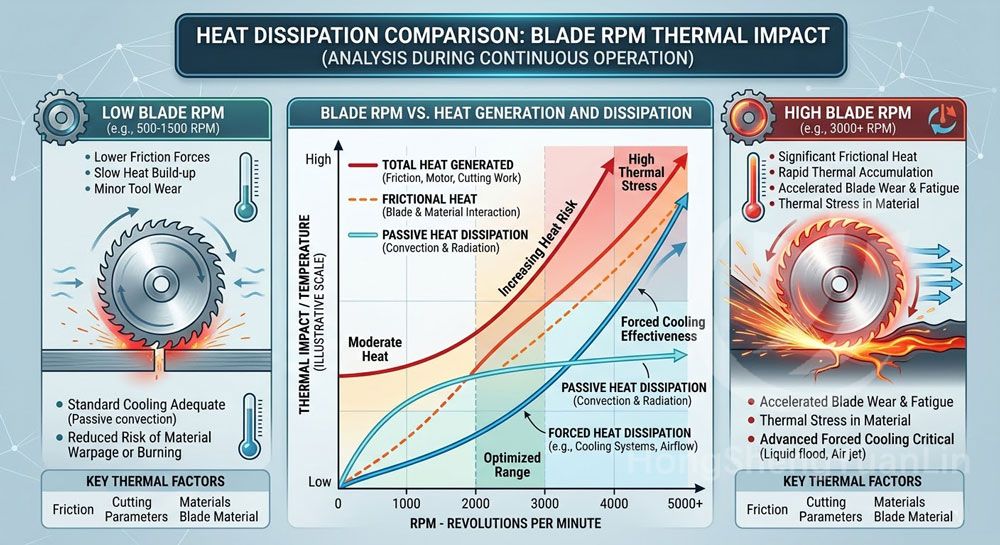
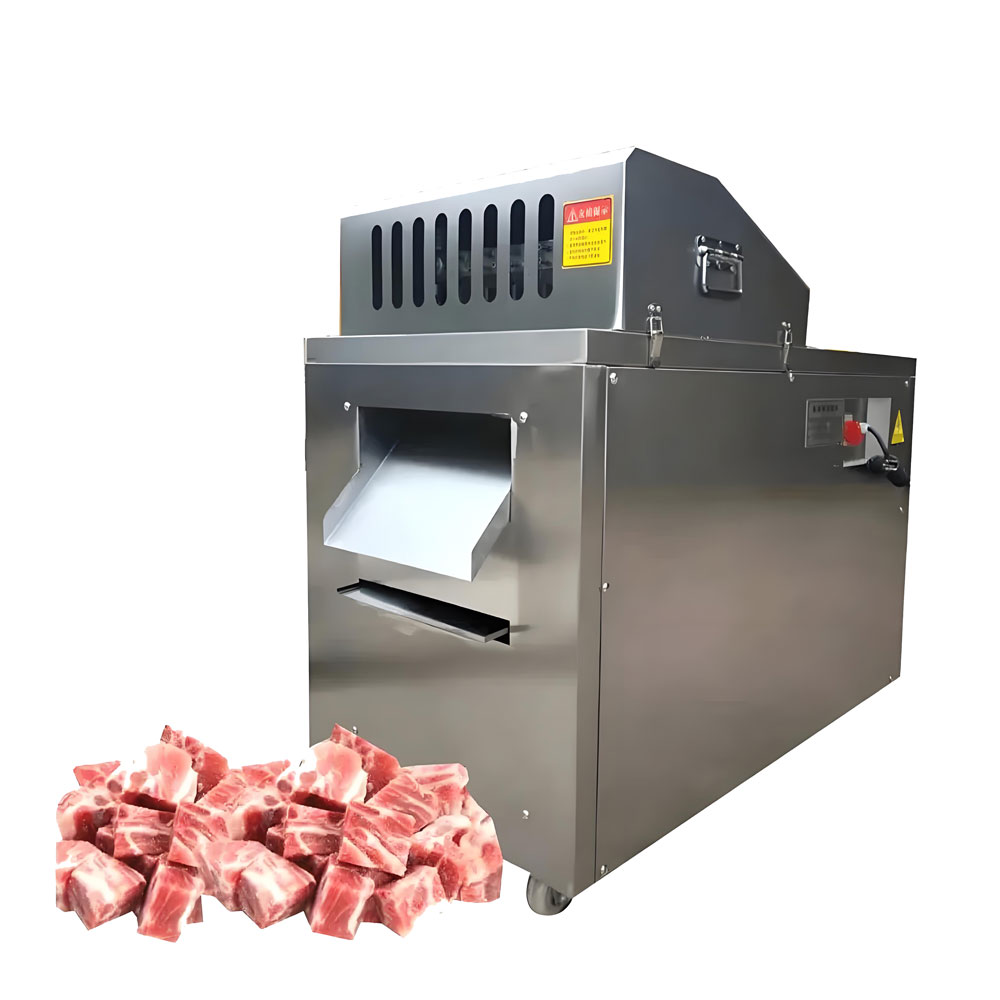
Many procurement managers mistakenly attribute premature blade dulling exclusively to metallurgical inferiority. However, extensive laboratory tests at HSYL reveal that operating temperatures exert a far greater influence on blade degradation than the sheer hardness of the processed tissue. We formulated a distinct Thermal Friction Wear Coefficient indicating that processing unfrozen, ambient-temperature meat increases the blade RPM drag by roughly 18%. This mechanical friction generates localized heat spots exceeding 60°C on the cutting edge, destroying the micro-serrations of standard SUS304 blades. By strictly maintaining the input core temperature between -3°C and -4°C, facility operators can effectively stabilize the cutting resistance, thereby pushing the blade replacement interval from a meager 14 days to an extended 35 days.
| Operational Metric | Conventional Maintenance Approach | HSYL Precision Preventive Protocol | Annual ROI / Cost Savings |
|---|---|---|---|
| Blade Replacement Cycle | Every 2 Weeks (High Friction) | Every 4-5 Weeks (Thermal Control) | 50% Reduction in Consumables |
| Motor Burnout Rate | Reactive Replacement Post-Failure | Quarterly VFD Infrared Thermography | Elimination of Unplanned $5000+ Outages |
| Sanitation Downtime | Manual Disassembly (4 Hours) | Integrated CIP Cleaning Protocol (1.5 Hours) | Additional 12.5 Production Hours Weekly |
How Plant Managers Can Bulletproof Their Machinery Production Floors
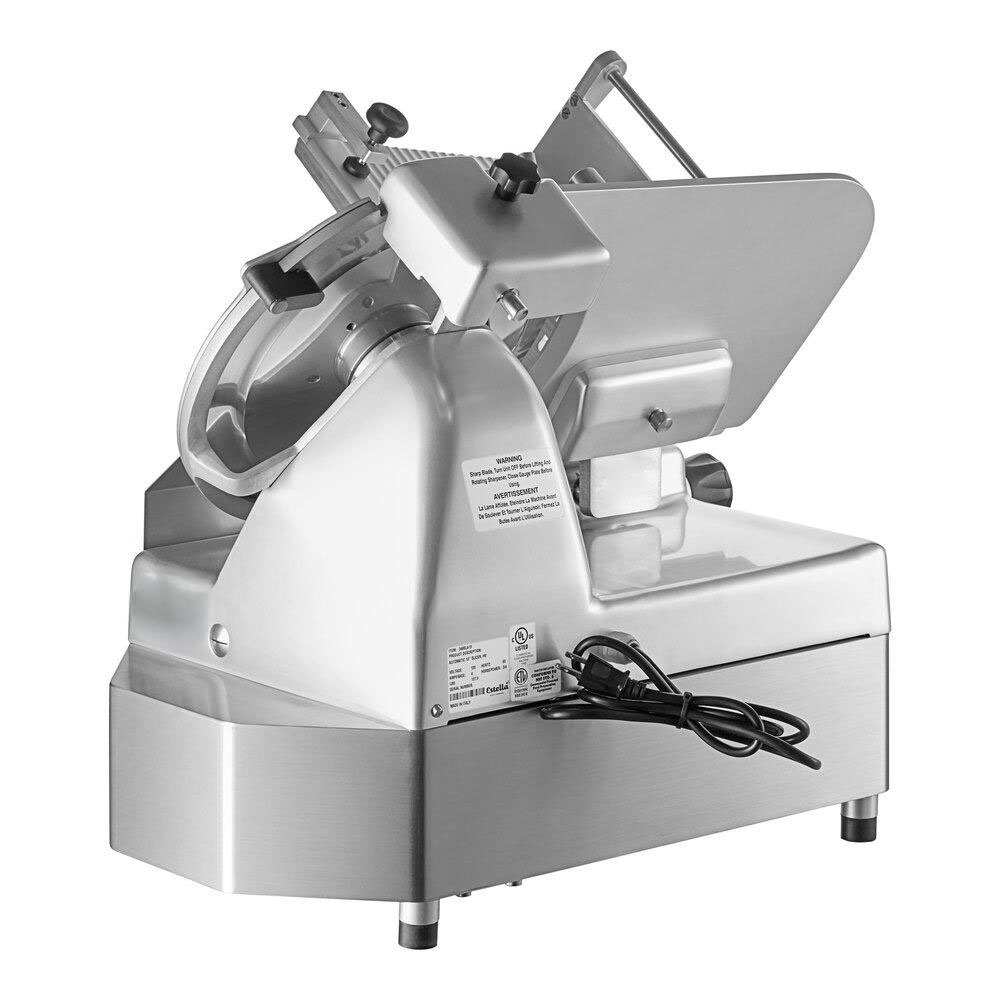
Establishing a flawless maintenance culture requires aggressive, boots-on-the-ground enforcement. Do not wait for catastrophic component failure. Factory supervisors must implement the following non-negotiable inspection routines directly on the processing floor to safeguard their multimillion-dollar heavy-duty commercial meat grinders and slicers.
- Acoustic Resonance Monitoring: Train line operators to detect high-pitched whining within gearbox housings. Early acoustic shifts often signal premature bearing lubrication failure long before thermal spikes register on sensors.
- Sealant Integrity Checks: Aggressive alkaline CIP detergents inherently degrade synthetic rubber seals over a 6-month cycle. Mandate a tactile elasticity check of all pneumatic cylinder seals weekly to intercept microscopic vacuum leaks before they impact structural throughput.
- Conveyor Belt Tensioning: Inspect modular SUS304 mesh belts for asymmetric elongation. Even a 2% lateral variance in tension generates catastrophic sprocket misalignments that destroy the entire drive assembly over consecutive high-capacity shifts.
Related Topics:
- How to Choose Food Processing Line Equipment
- How Industrial Dicing Machines Transform Your Processing Workflow
- Best Practices for Cleaning and Maintenance of Processing Lines
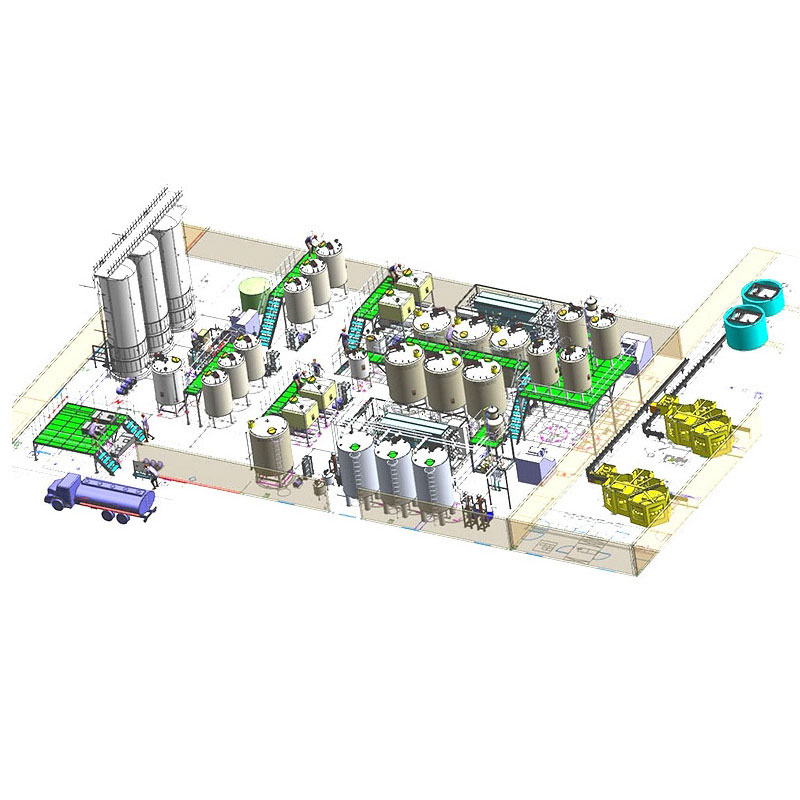
Precision manufacturing demands proactive foresight. Outdated reactive maintenance severely cripples your competitive yield. We highly recommend discussing your specific line layout challenges with our engineering team. Contact HSYL today to request a bespoke energy efficiency audit or a highly customized 3D machinery layout diagram engineered to maximize your operational throughput while neutralizing long-term mechanical wear.
Must-Read Blogs For Chain Restaurants Owner
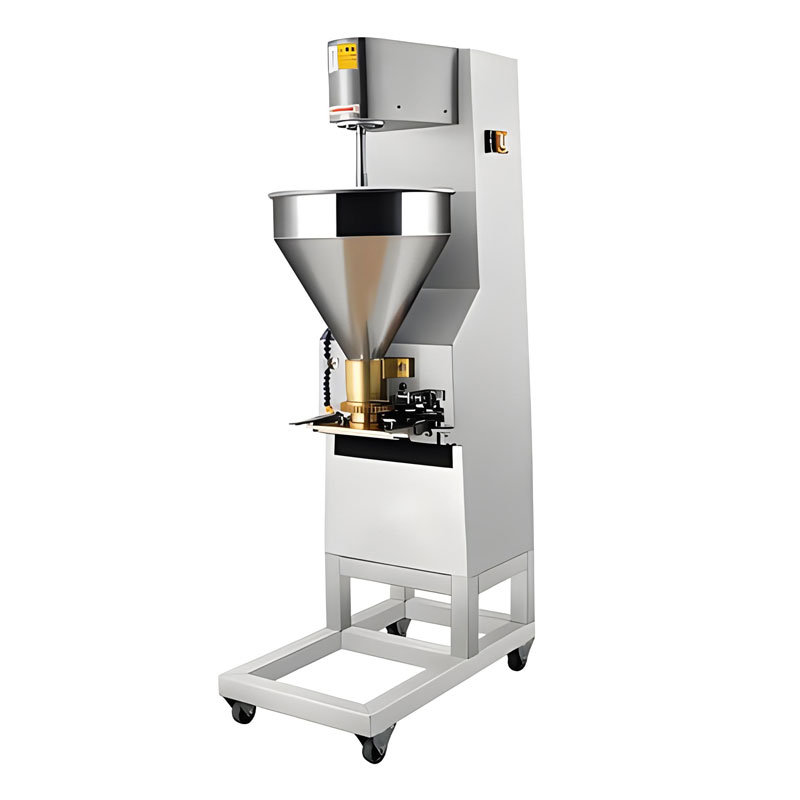
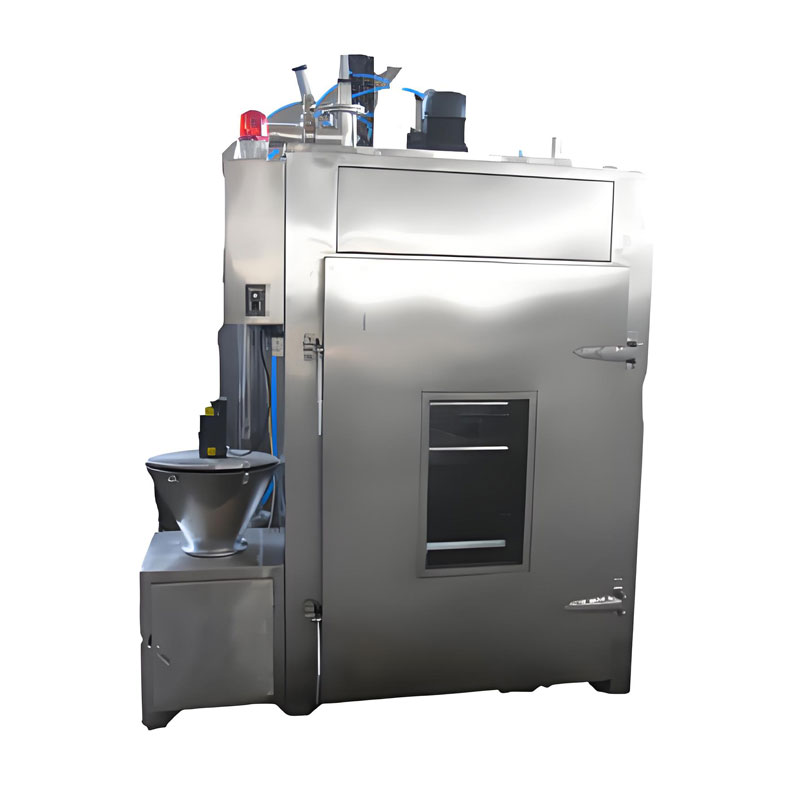

 Meat Processing Line Equipment
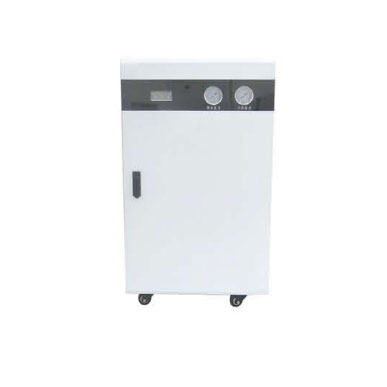 YL-W-01 Commercial Water Purification Equipment
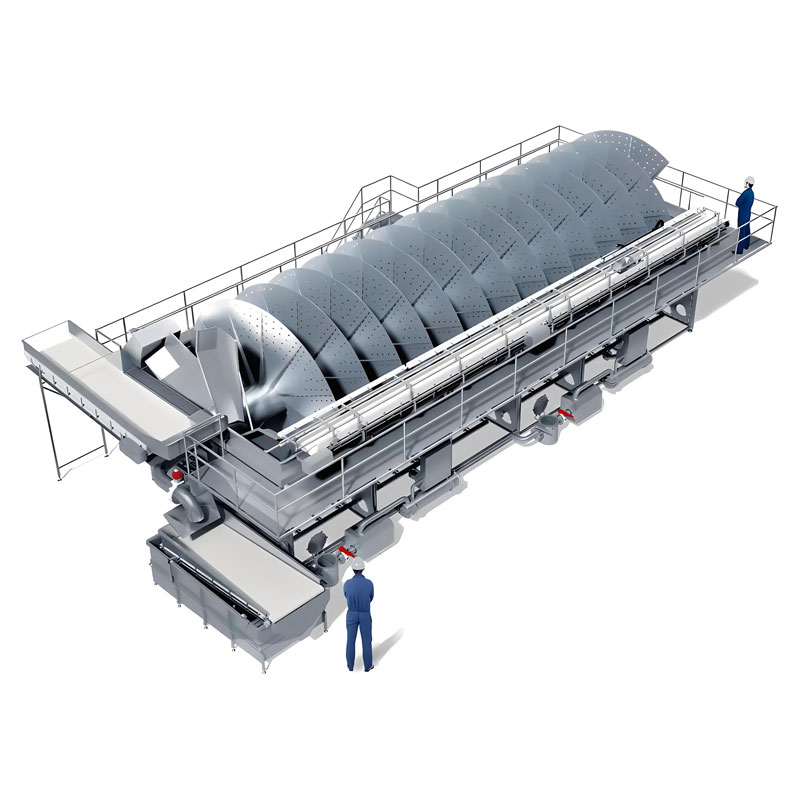 Salmon Processing Line
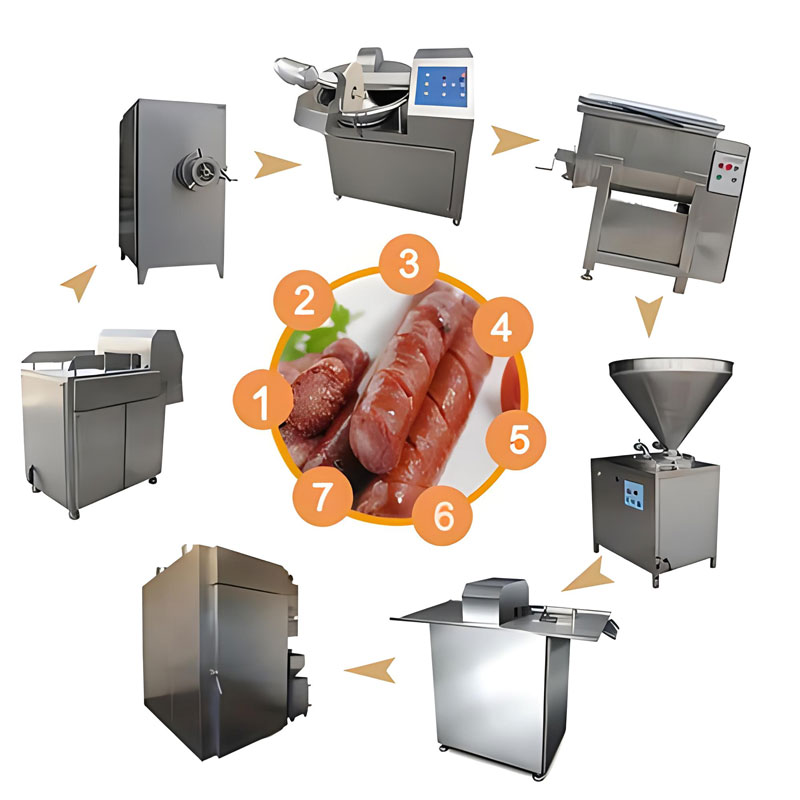 Sausage Processing Line
Ready to Get Started?