
Advantages of Ultrasonic Cutting in Industrial Food Lines
Mechanical Reality: Why Standard Slicing Fails in Modern Plants
In high-throughput food processing, the bottleneck frequently resides at the portioning station. Standard mechanical blades rely on downward shear force to penetrate the product. For high-fat dairy, multi-layered bakery items, or sticky confectionery, this shear creates a "plowing" effect. It compresses the internal matrix, causes color bleed between layers, and leads to significant product smearing on the blade surface. This isn't just an aesthetic issue; it is a sanitation and yield problem. Smearing necessitates frequent line stops for manual blade cleaning, increasing downtime and the risk of cross-contamination.
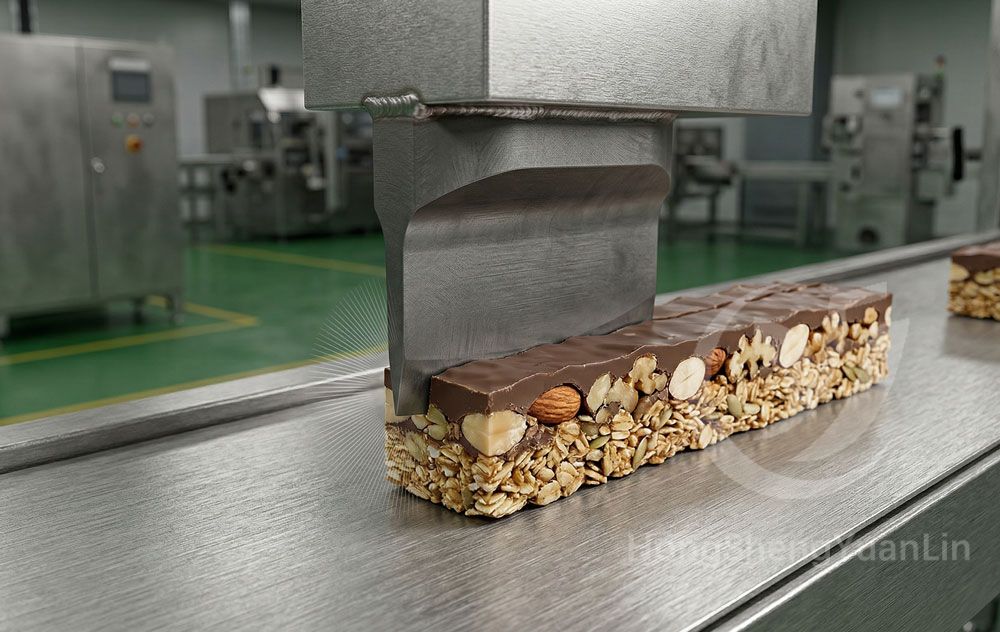
Ultrasonic cutting addresses these failure points by utilizing high-frequency vibrations—typically 20,000 or 35,000 cycles per second. This micro-vibration effectively "separates" the product molecules rather than tearing them. The result is a nearly frictionless cutting surface. From an engineering standpoint, reducing friction reduces the power load on the Z-axis drive and eliminates the structural compression of the food item, which is a critical advantage when processing delicate items like ultrasonic cheese cake or mousse products.
Quantifying the Yield: Precision and Giveaway Reduction
The primary ROI for a plant manager investing in ultrasonic technology often comes from yield optimization. Traditional blades create "crumbs" or "waste fragments" during the cutting process. In a facility processing 1,000 units per hour, a 2% waste reduction through cleaner cuts translates directly to the bottom line. Ultrasonic blades offer a "clean break" geometry that minimizes particulate generation, even in high-fiber energy bars or nut-dense snack products.
Furthermore, when integrated with a professional ultrasonic cutting system, the precision is governed by servomotors rather than pneumatic cylinders. This allows for sub-millimeter accuracy in portion thickness. In the context of "fixed-weight" retail packaging, this precision allows the plant to set the target weight closer to the legal minimum without risking under-weight rejection. Reducing "product giveaway" is often the fastest way to recoup the initial capital expenditure (CAPEX) of the equipment.
Sanitation Design and Maintenance Realities
As an engineer, I view hygiene as an operational cost. The vibratory nature of ultrasonic blades provides a self-cleaning effect to some degree. Because the product does not "stick" to the oscillating blade surface, the buildup of fats and sugars is significantly slowed. This extends the production window between deep cleaning cycles. For plants running 24/7, gaining an extra 30 minutes of production per shift by reducing blade wiping time is a massive gain in OEE (Overall Equipment Effectiveness).
Titanium vs. Stainless Steel: The Lifecycle Cost
A common misjudgment by technical buyers is focusing on the price of the machine rather than the lifecycle of the "horn" or blade. Most industrial-grade ultrasonic systems, such as those provided for bakery and cereal processing lines, use titanium alloy for the cutting tool. Titanium is preferred over stainless steel not just for strength, but for its resonance properties. Stainless steel under 20kHz vibration would suffer from fatigue failure and thermal cracking much faster. The thermal conductivity of titanium also prevents the blade from heating up during continuous operation, which is critical for temperature-sensitive products like chocolate-coated bars.
Integration Challenges: Throughput and Synchronization
Advantages of ultrasonic cutting machines are only realized when the unit is properly synced with the upstream production speed. If a conveyor delivers 50 trays per minute, the cutting head must execute its cycle (approach, cut, retract, and index) within the allotted window. Engineering this requires a robust PLC (Programmable Logic Controller) interface that can communicate with the main line's master clock. At HSYL, we focus on the "Turnkey" aspect—ensuring the ultrasonic unit does not become a standalone island but a synchronized component of the entire portioning and packaging line.
One engineering trade-off to consider is Amplitude Control. Harder products require higher amplitude (wider vibration displacement), while soft mousses require low amplitude to avoid "splatter." Modern ultrasonic generators have automatic frequency and amplitude tracking, allowing the machine to adjust itself to different product densities on the same line. This capability is vital for OEM/ODM manufacturers who change SKUs multiple times per day.
Buying Advice: What the Sales Brochure Won't Tell You
Before committing to an ultrasonic solution, technical buyers should evaluate the "mounting and acoustic isolation." Ultrasonic vibrations are great for cutting, but they are destructive to standard mechanical frames if not properly isolated. The machine frame must be designed to absorb or redirect the residual resonance away from sensitive electronics and motor bearings. I have seen many low-cost "modified" cutters fail within six months because the ultrasonic frequency shook the sensor mounts loose.
Additionally, always verify the Frequency Tracking range of the generator. As blades wear down or temperatures change, the resonant frequency of the titanium horn shifts slightly. If the generator cannot track this shift, the system loses efficiency, and the cutting quality degrades. High-end industrial units will have a wider tracking window, ensuring consistent portioning across an 8-hour shift even as the ambient temperature in the plant increases.
| Property | Standard Mechanical Blade | Ultrasonic Slicing System |
|---|---|---|
| Smearing Risk | High (Especially for fats/creams) | Near Zero |
| Wastage Level | Significant (Crumbs/Deformation) | Minimal |
| Cleaning Cycle | Frequent (Manual Wiping) | Reduced (Self-cleaning effect) |
| Throughput | Medium | High (Servo-synced) |
| Layer Integrity | Compressed/Distorted | Surgical/Intact |
From an engineering perspective, the transition to ultrasonic cutting is rarely just about "better quality." It is a strategic move to stabilize production variables, lower labor dependency for cleaning, and maximize the material yield of every batch. When planning your next facility upgrade, prioritize the integration capability and the metallurgical quality of the blade horns to ensure a sustainable lifecycle for your equipment.
Related Topics
- Ultrasonic Cake Cutting Machine Manufacturers & Engineering Solutions
- Semi vs Fully Automatic Cake Slicers: 2026 Procurement Guide
- Industrial Bakery & Cereal Processing Line Solutions
Contact HSYL Engineering
Are you evaluating the ROI for an ultrasonic portioning upgrade or planning a new automated bakery line? Contact our technical team today to discuss frequency calibration, blade geometry selection, and full-line synchronization. We provide detailed equipment layout services and FAT (Factory Acceptance Testing) to ensure your implementation meets strict throughput and hygiene requirements.
Frequently Asked Questions
What is the difference between 20kHz and 40kHz ultrasonic cutting?
Can ultrasonic blades cut through hard frozen products?
How long does an ultrasonic titanium blade last?
Do I need a special technician to maintain an ultrasonic generator?
Can I retrofit an existing production line with an ultrasonic cutter?
Is ultrasonic cutting loud in a factory setting?
Must-Read Blogs For Chain Restaurants Owner

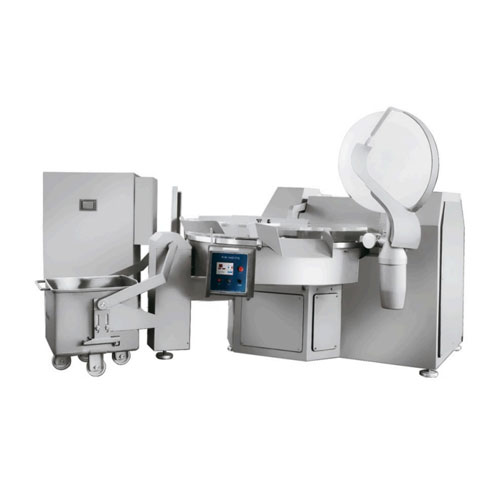
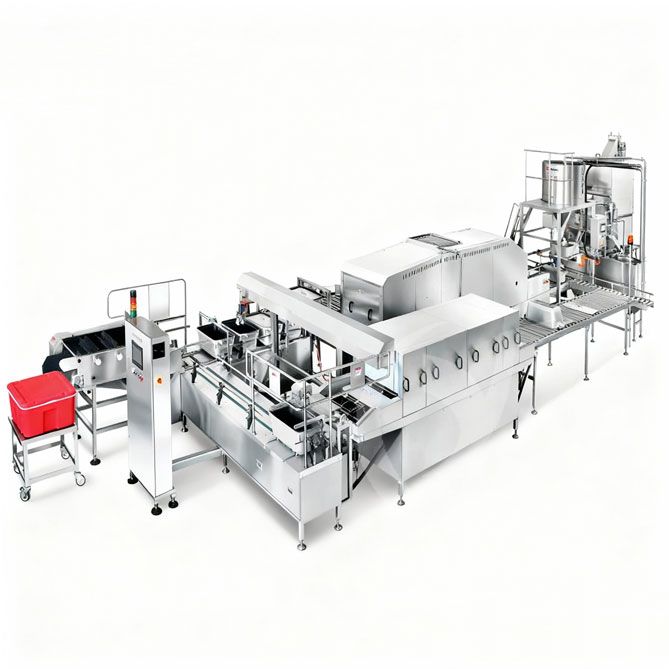
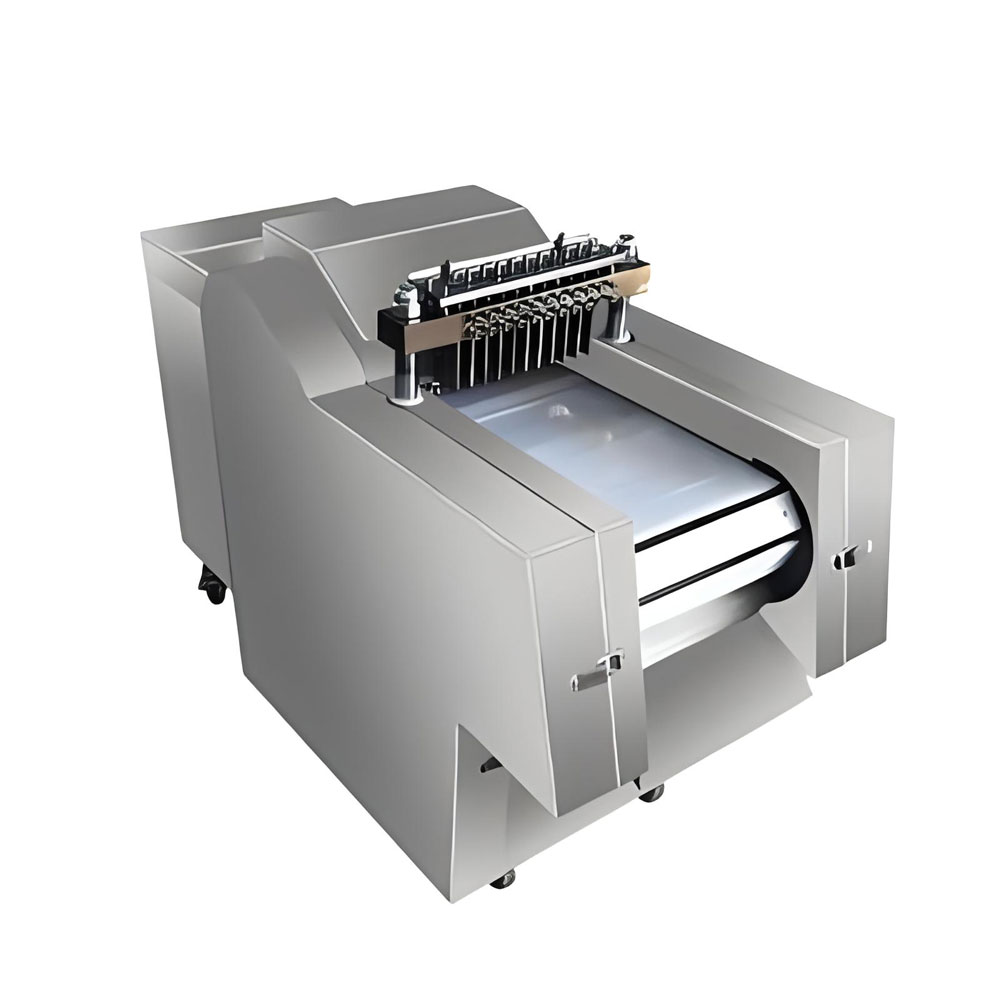 Automatic Chicken Cutting Machine
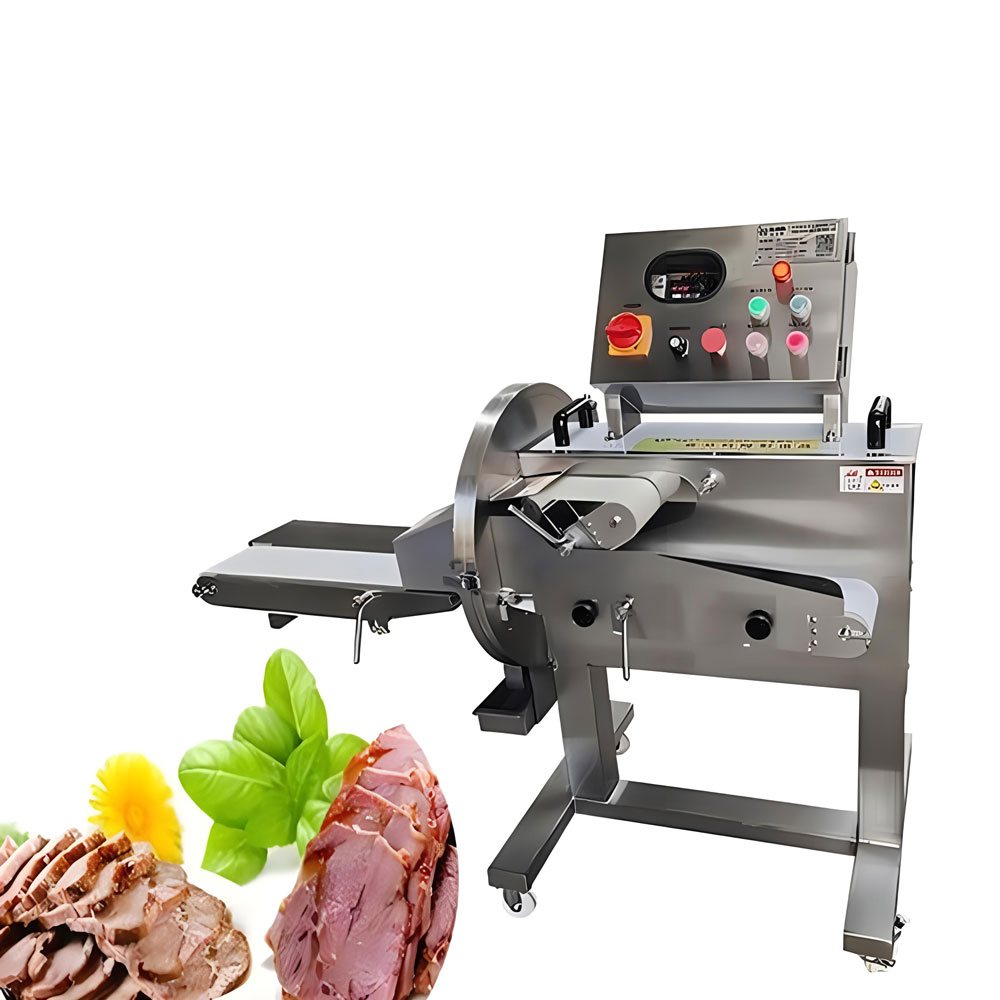 Electric Cooked Meat Slicer
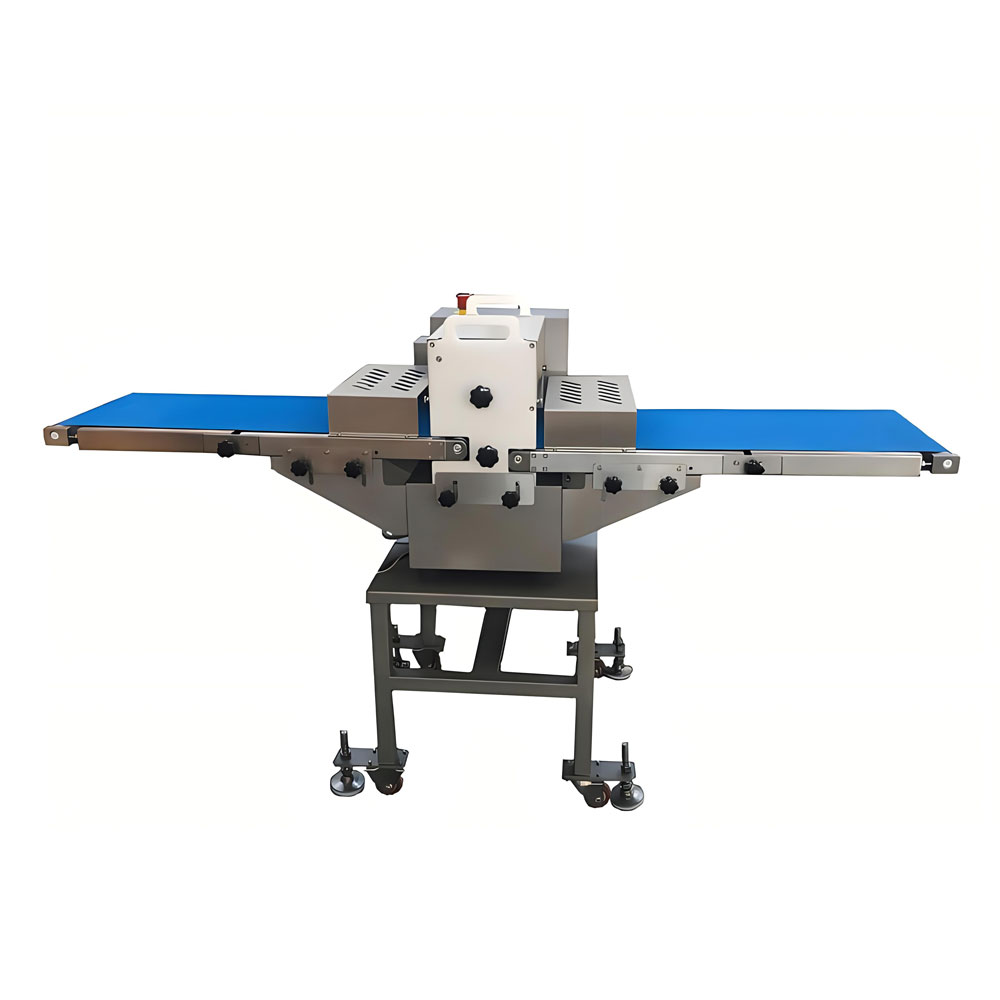 Fresh Meat Slicing Portioning Machine
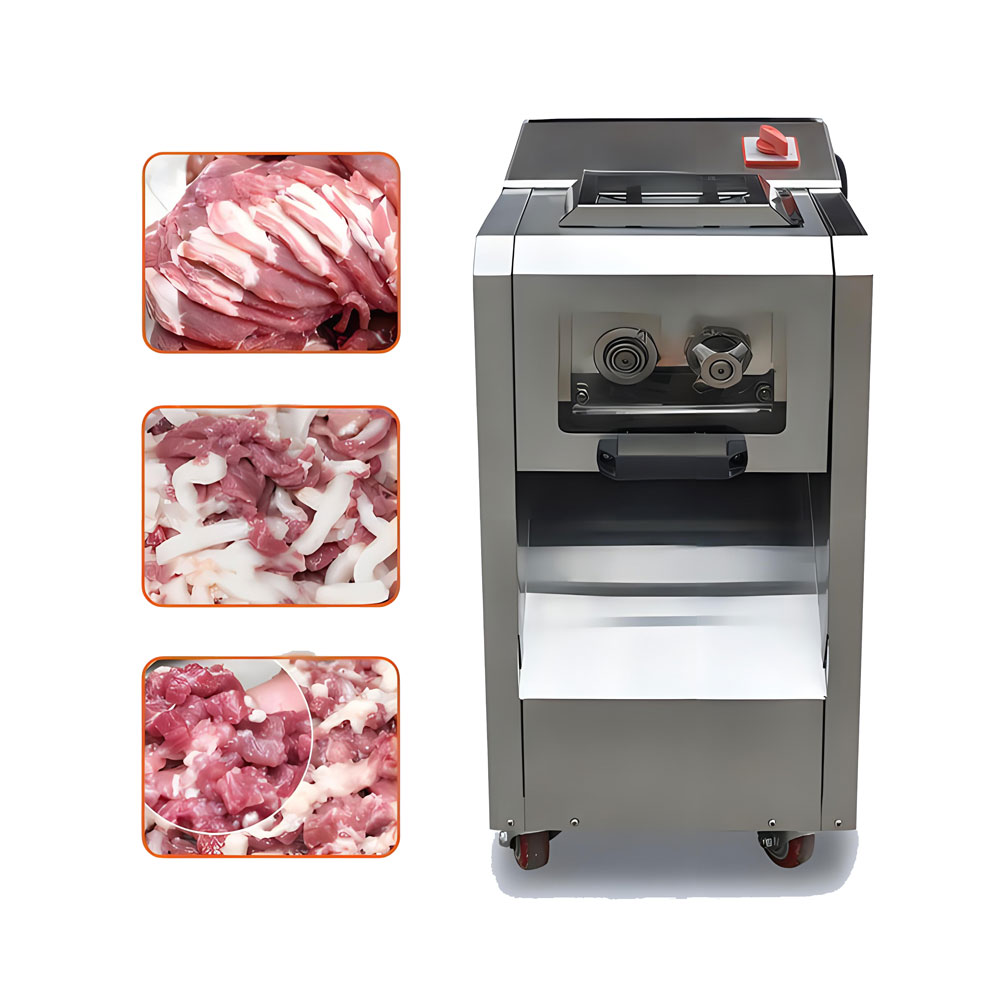 Frozen Meat Cutting Machine
Ready to Get Started?