From A Vacant Site To Full-Scale Production And Profitability — Achieve It All With One Trusted Partner: Hongsheng Yuanlin.

Get A Quote

Home > Commercial Dumpling Factory

Commercial Dumpling Factory - Chinese Manufacturer, Factory, Supplier

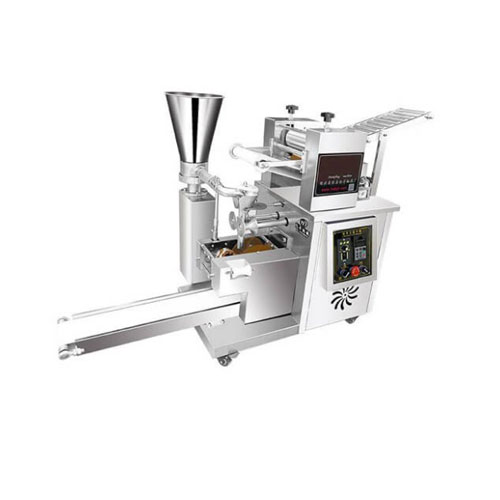
A commercial dumpling factory represents the integration of traditional culinary craftsmanship with advanced food processing technology. Designed for high-volume production, it streamlines every stage of dumpling making—from dough preparation and filling to forming, cooking, and packaging—ensuring consistency, efficiency, and superior quality.

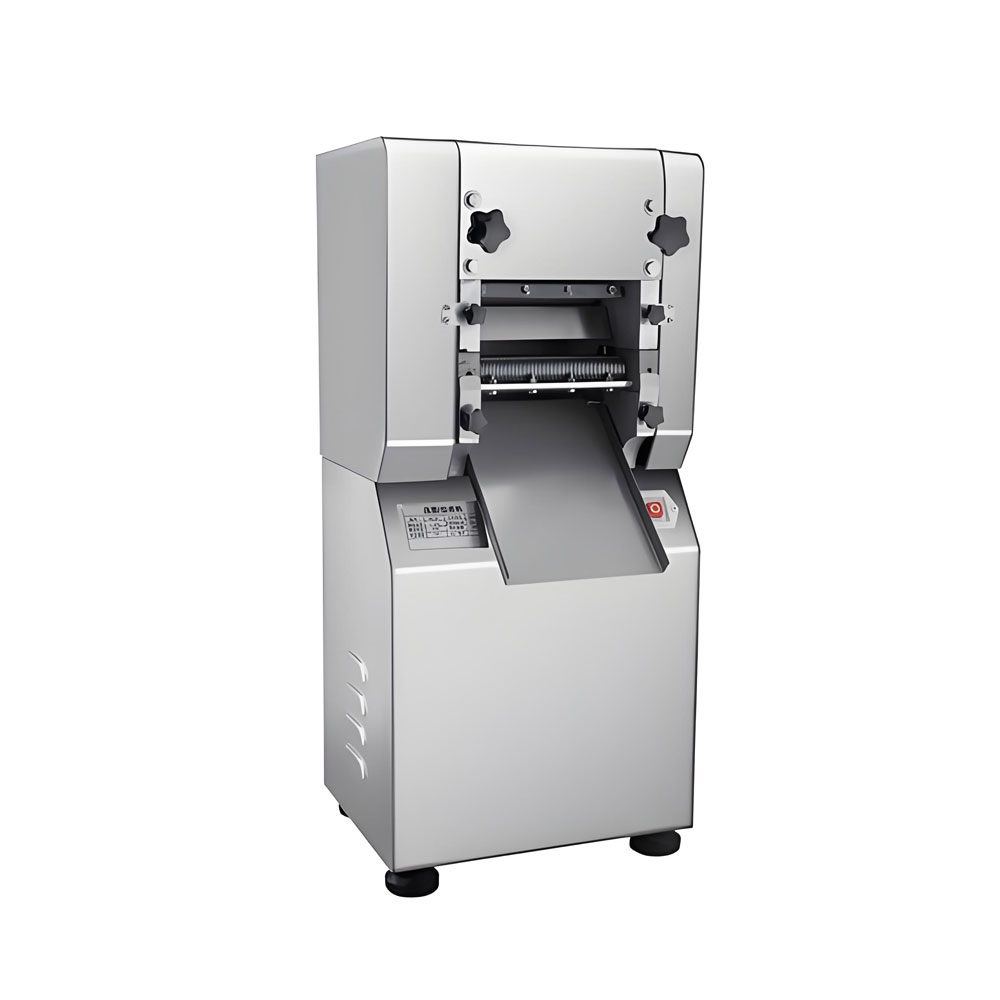
The process begins with automated dough mixers and sheeters that create smooth, elastic dough with uniform texture. Precision filling machines ensure accurate ratios of meat, vegetable, or seafood stuffing, preserving authentic taste while minimizing waste. Dumpling forming machines then fold and seal each dumpling with remarkable accuracy, replicating handmade aesthetics while achieving high-speed output suitable for industrial demand.

For large-scale operations, a commercial dumpling factory often incorporates steaming, boiling, or frying systems tailored to production requirements. These cooking units are engineered for consistency, maintaining the dumplings’ flavor, juiciness, and structural integrity. Cooling conveyors and rapid freezing systems are added for frozen dumpling lines, preserving freshness and extending shelf life without compromising texture.

Hygiene and safety are central to the design. Stainless steel construction, CIP (clean-in-place) technology, and streamlined workflows minimize contamination risks and ensure compliance with international food safety standards such as HACCP and ISO22000. Automated packaging systems then complete the process, sealing dumplings in retail-ready bags or bulk cartons with speed and precision.

The adaptability of a commercial dumpling factory is another advantage. Modular configurations allow businesses to adjust production capacity, introduce new recipes, or expand product lines with minimal downtime. From traditional pork and cabbage dumplings to innovative vegan or gluten-free options, the factory setup accommodates evolving consumer trends and global market demand.

Investing in a commercial dumpling factory is not only an operational decision but also a strategic move. It ensures scalability, brand reliability, and competitive positioning in both domestic and international markets. By combining culinary authenticity with automation, manufacturers can deliver dumplings that meet consumer expectations for taste, safety, and convenience while optimizing profitability.
Core Competitive Advantages

Technical Leadership & Customer Value Creation Capabilities

Technology Leadership

· 57 core patents in dynamic cutting algorithms & IoT control
· 8.5% R&D investment ratio with 3-5 new models annually

Agile Supply Chain

· 82% vertical integration of critical components
· 40% inventory turnover improvement via digital systems

Full-Lifecycle Service

· 25% lower TCO for equipment lifecycle
· 24/7 remote diagnostics support
· >95% client retention over 5 years

Green Compliance

· 35% energy consumption reduction
· Certified by CE/FDA/ISO 14064
· ≥92% material recyclability

Project Case

Learn about our efficient and reliable equipment and production line solutions tailored for various food processing industries.

Relevant News


Commercial Kitchen Food-Grade Polymer Selection: PP, POM, PTFE, PEEK and PPSU by Application

Select food-grade polymer for commercial kitchen contact parts: PP vs POM vs PTFE vs PEEK vs PPSU, temperature, impact, wear, FDA 21 CFR 178 compliance, and app...

Commercial Kitchen Galvanic Corrosion: Dissimilar Metals, Galvanic Series and Isolation

Prevent galvanic corrosion between dissimilar metals in commercial kitchen: galvanic series, allowed and forbidden contact pairs, area ratio, isolation gaskets,...

Commercial Kitchen Gasket and Seal Selection: Food-Grade Silicone, EPDM, NBR and FKM

Select gasket and seal material for commercial kitchen equipment: silicone vs EPDM vs NBR vs FKM, temperature range, food-contact compliance, fat and cleaning c...

Commercial Kitchen Stainless Steel Bending, Folding and Forming: K Factor, Springback and Bend Radiu

Control stainless steel bending and folding for commercial kitchen equipment: bend types, K factor, springback compensation, minimum bend radius, and corner for...

Commercial Kitchen Food-Contact Edge Finishing, Deburring and Rounding for Stainless Equipment

Control edge finishing and deburring for commercial kitchen stainless: edge types, deburr process, food-contact edge radius, and inspection records for hygienic...

Commercial Kitchen Stainless Steel Surface Finish: Ra, Brushed vs Mirror vs Satin Cleanability

Select stainless steel surface finish for commercial kitchen by Ra, cleanability and bacterial retention: brushed vs mirror vs satin, with a finish-by-zone deci...

Canteen Pre-Cooked and Reheat: Cook-Chill for Mass Feeding

Run a canteen on pre-cooked and reheat: reconstitution methods, pre-cooked line design, and reheat quality control for mass feeding with cook-chill.

Commercial Kitchen Sheet Metal Gauge and Structural Design for Food-Contact Equipment

Select sheet metal gauge for commercial kitchen equipment: thickness by application, structural vs food-contact logic, deflection, and welding fit for stainless...

Commercial Kitchen Workflow and Equipment Layout: Hot, Cold, Prep and Wash Zones

Design commercial kitchen workflow and equipment layout: hot, cold, prep and wash zones, flow principles, cross-contamination prevention, and equipment placemen...

Commercial Kitchen Cleaning Zone Design: Soil Type, Method and CIP Integration

Design cleaning zones for a commercial kitchen: soil type to method matrix, manual vs COP vs CIP, and CIP integration for automated cleaning in food-contact zon...

Hygienic Welding and Passivation in Commercial Kitchen Equipment

Control hygienic welding and passivation in commercial kitchen equipment: joint types, weld process, food-contact weld requirements, and passivation records for...

Commercial Kitchen Heat Source Comparison: Gas vs Induction vs Steam

Compare gas, induction and steam heat sources for commercial kitchen: thermal efficiency, cost, response time, and a zone-by-heat-source matrix for cooking line...

Contact Us

Format: +[country code][number] (e.g. +8615098926008)

Do You Have A Factory Workshop Or Layout Drawing?