
145g Canned Mackerel Production Line - Chinese Manufacturer, Factory, Supplier
The 145g canned mackerel production line provides seafood processors with a streamlined, automated pathway from raw fish handling to retail-ready cans. Recognized as one of the most popular formats for international markets, the 145g packaging size requires absolute accuracy, consistency, and safety throughout the production cycle.
The line begins with the reception and grading of raw mackerel, ensuring only fish of suitable size and freshness enter the process. Specialized cleaning and trimming equipment removes heads, viscera, and fins with precision, preparing the fish for subsequent stages. Cooking or steaming systems stabilize the flesh, improve texture, and lock in nutrients before the filling phase.
Automated filling units play a pivotal role in this production line. Each can is portioned with an exact weight of mackerel, adjusted precisely to meet 145g requirements. Depending on product recipes, oil, brine, or tomato-based sauces are dispensed in the same cycle, providing flexibility for diverse market demands.
Once filled, the cans move directly to advanced sealing machines. Hermetic seamers guarantee airtight closures, safeguarding the contents during transport and storage. Following sealing, thermal sterilization units (retorts) subject the cans to high-temperature treatment, eliminating microbial risks and extending shelf life without altering taste or texture.
The cooling and drying section ensures cans leave the sterilization process stable and ready for labeling. High-speed printers and labelers apply product information and branding consistently, while automated packaging systems arrange cans into cartons or trays, prepared for distribution.
Every part of the 145g canned mackerel production line is constructed from corrosion-resistant stainless steel, designed to withstand rigorous sanitation routines. The system is compliant with HACCP, ISO22000, and FDA regulations, enabling processors to meet export requirements for regions such as the EU, Middle East, Africa, and North America.
Capacity can be scaled according to production goals, from compact semi-automatic setups for regional producers to fully automated industrial plants delivering thousands of cans per hour. Integrations with upstream filleting systems or downstream palletizing equipment further enhance efficiency.
Manufacturers such as Qingdao Hongshengyuanlin Co., Ltd., founded in 2014, supply turnkey solutions and long-term technical support, ensuring stable operations and reduced downtime. Their expertise allows seafood companies to achieve higher throughput while maintaining uncompromised product quality.
Investing in a 145g canned mackerel production line is more than acquiring machinery—it is a commitment to consistency, safety, and market competitiveness in the global seafood industry.
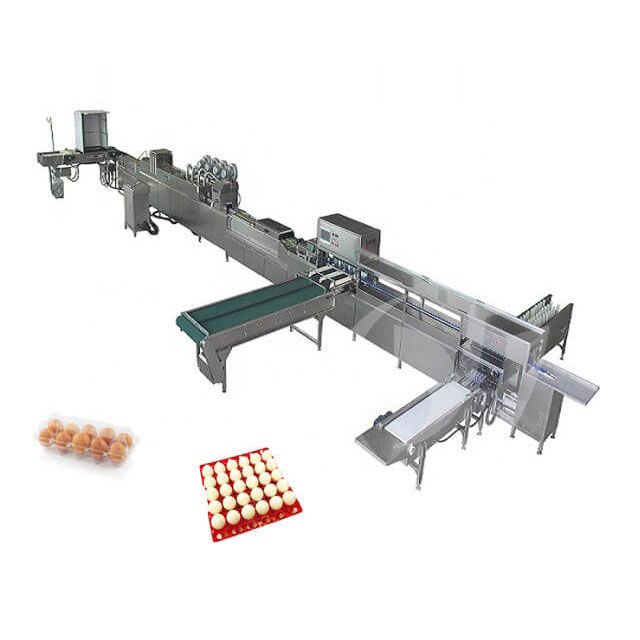 Egg Canning Production Line
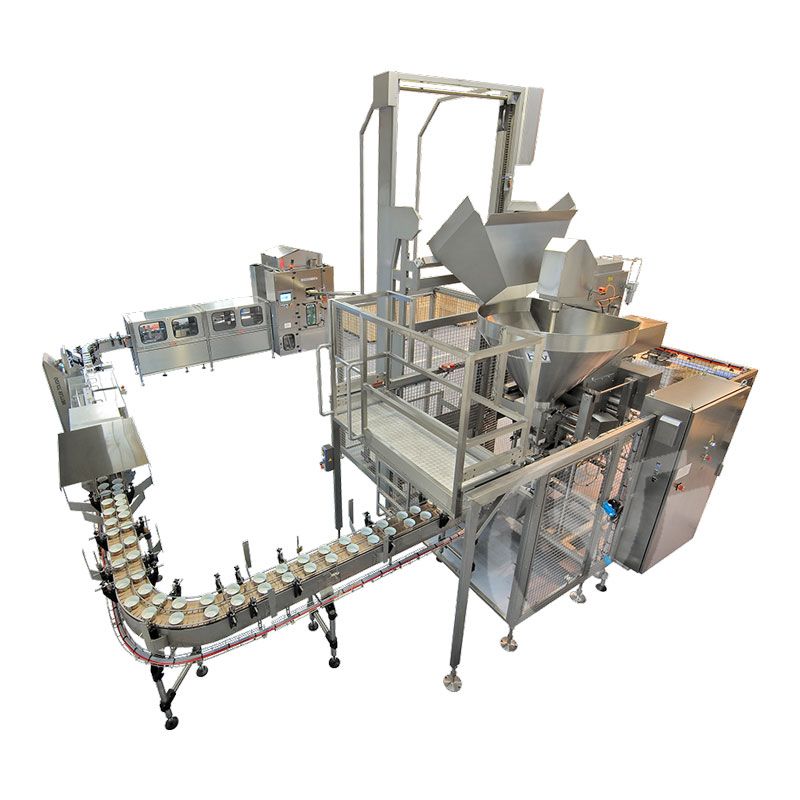 Meat Canned Food Production Line
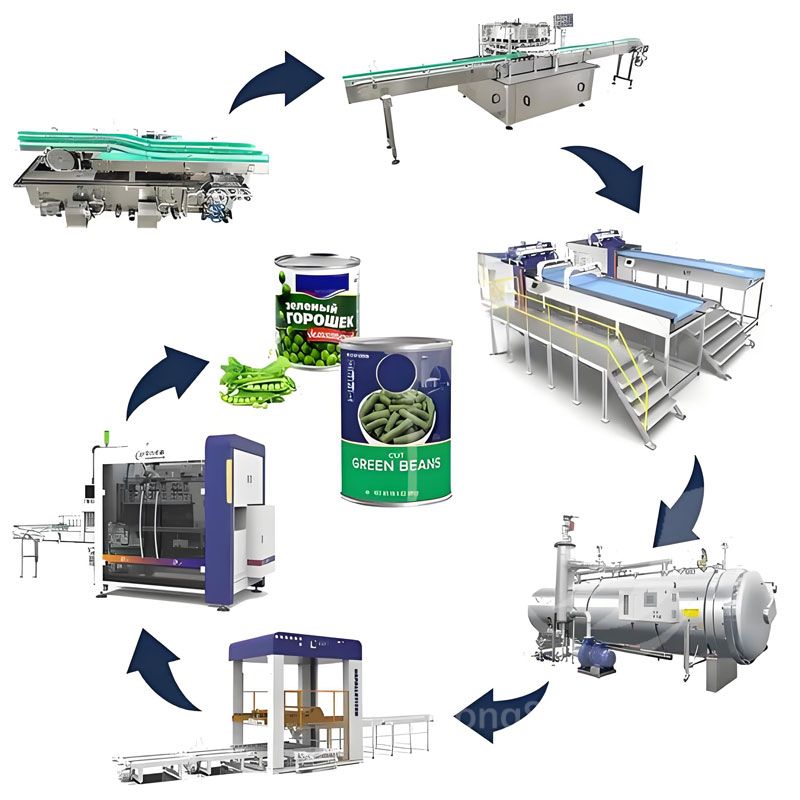 Green Bean Canned Food Production Line
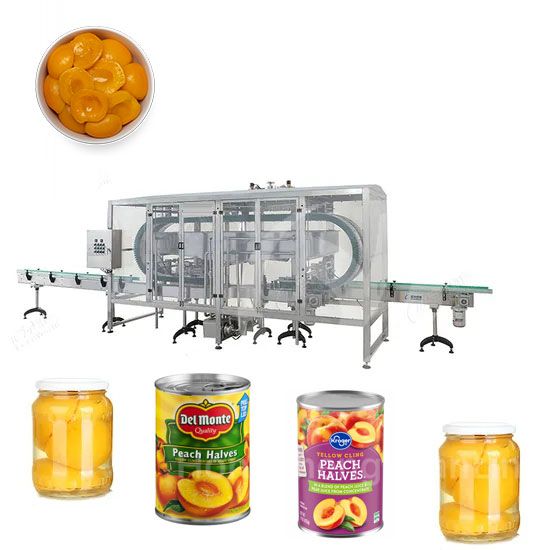 Peach Canned Food Production Line
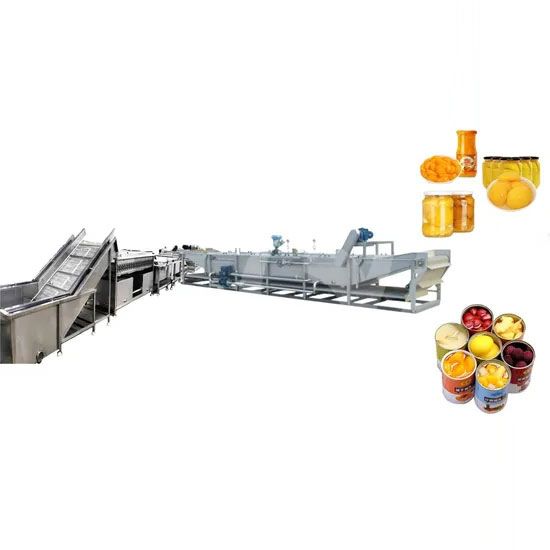 Canned Fruit Production Line Equipment
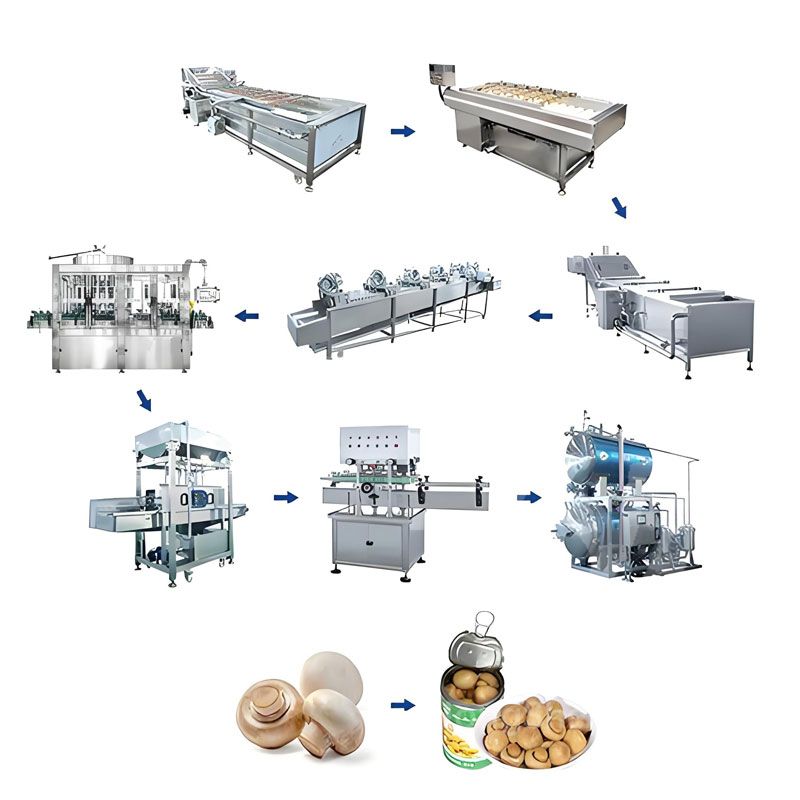 Edible Mushroom Canned Food Production Line
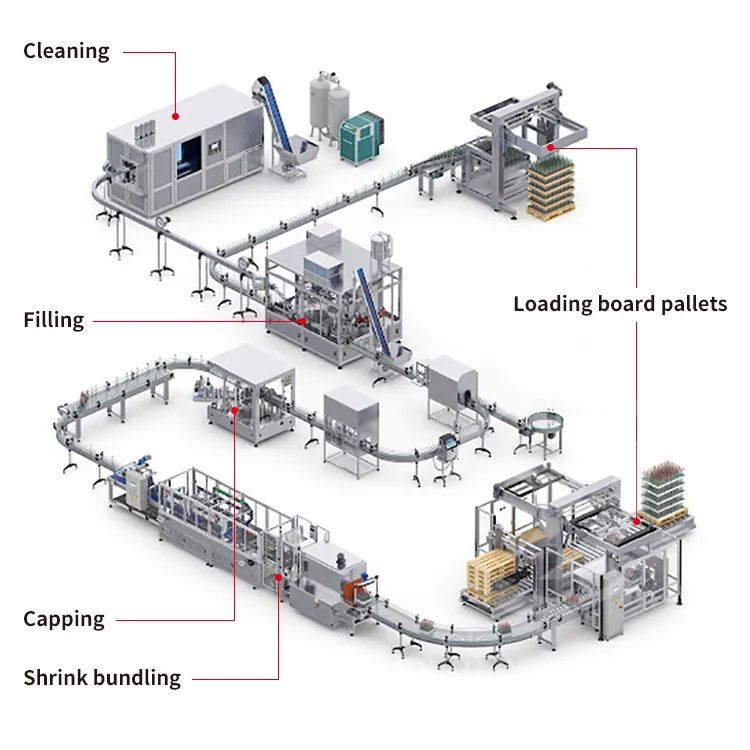 Chicken Soup Canned Production Line
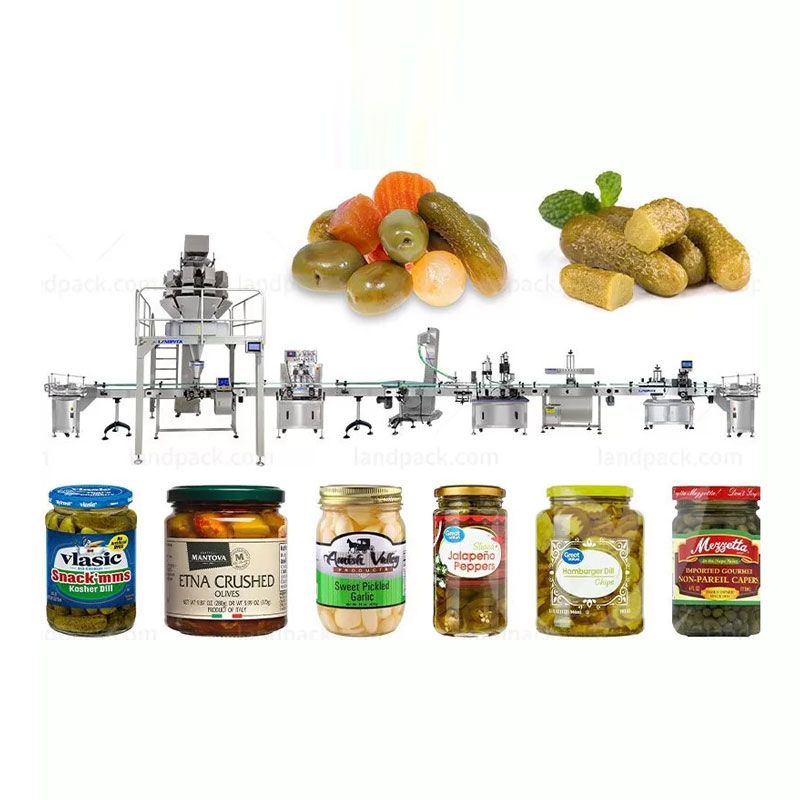 Cucumber Canned Production Line
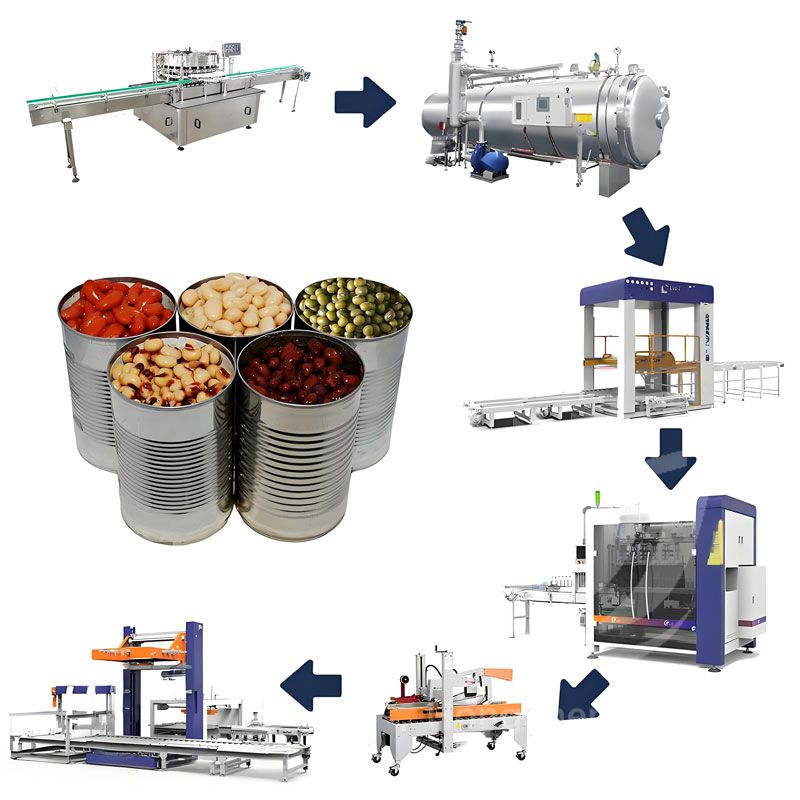 Canned Beans Production Line
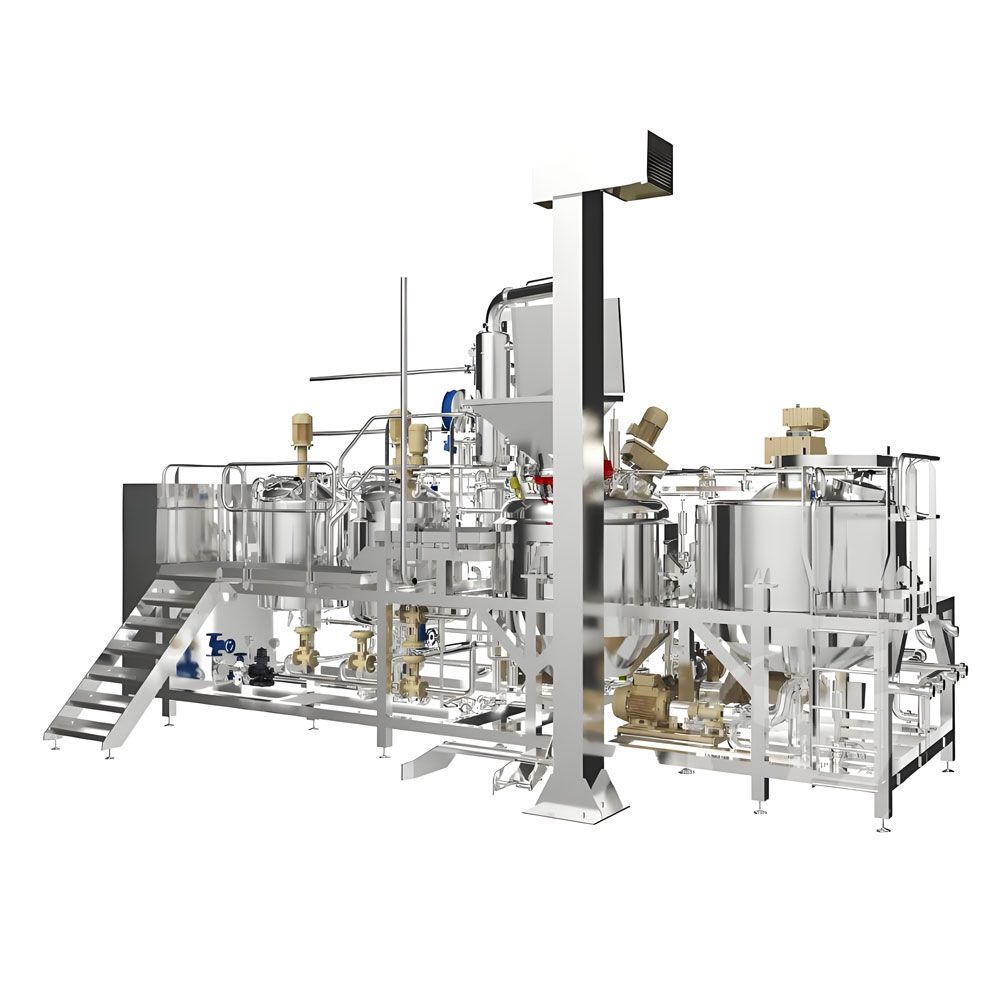 Jam Canned Production Line
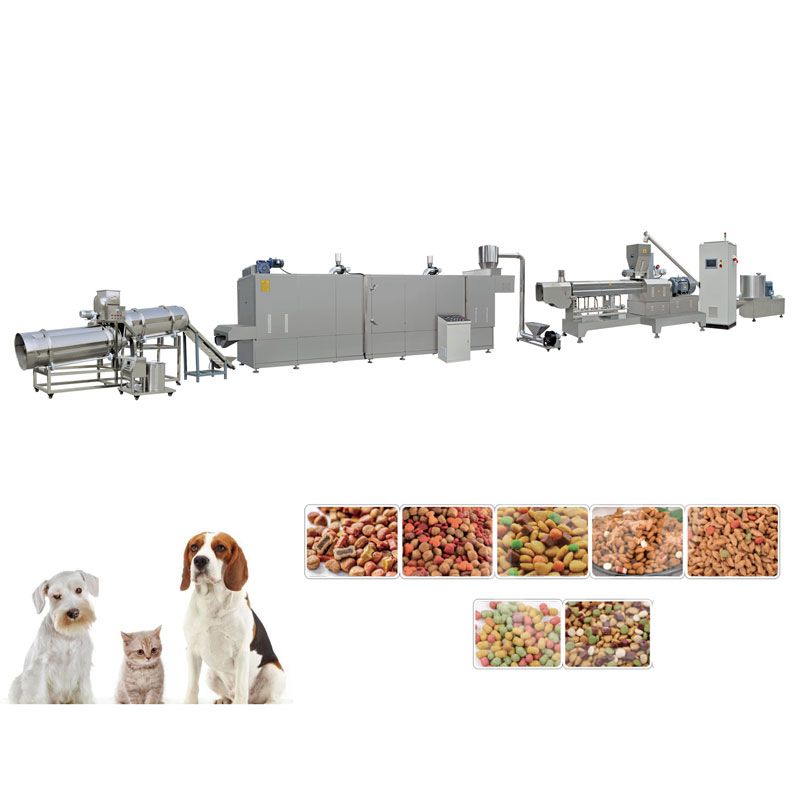 Pet Canned Food Production Line
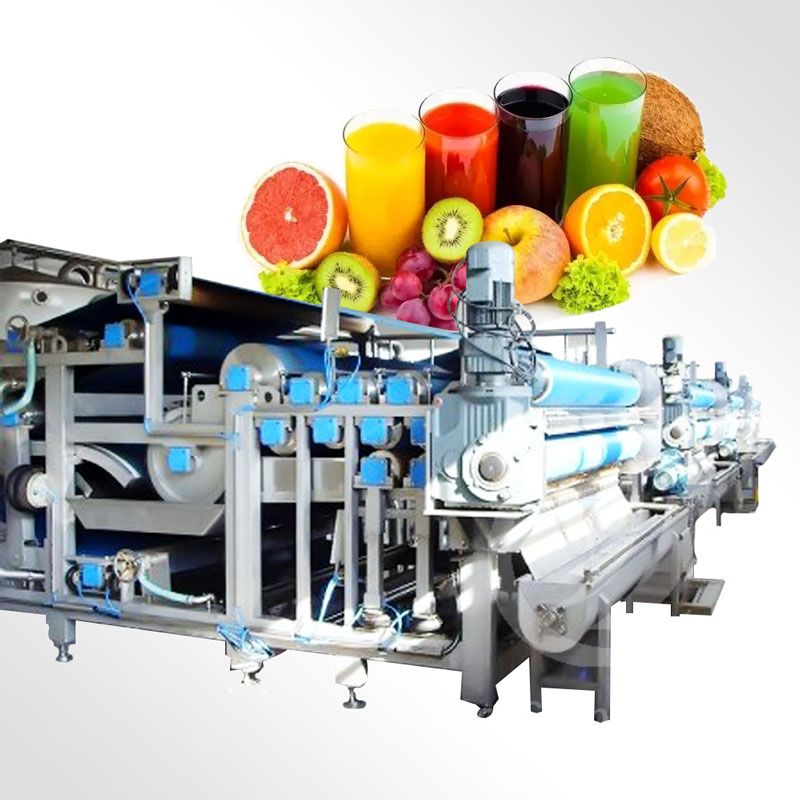 Fruit And Vegetable Canned Production Line
 Chocolate Production Line
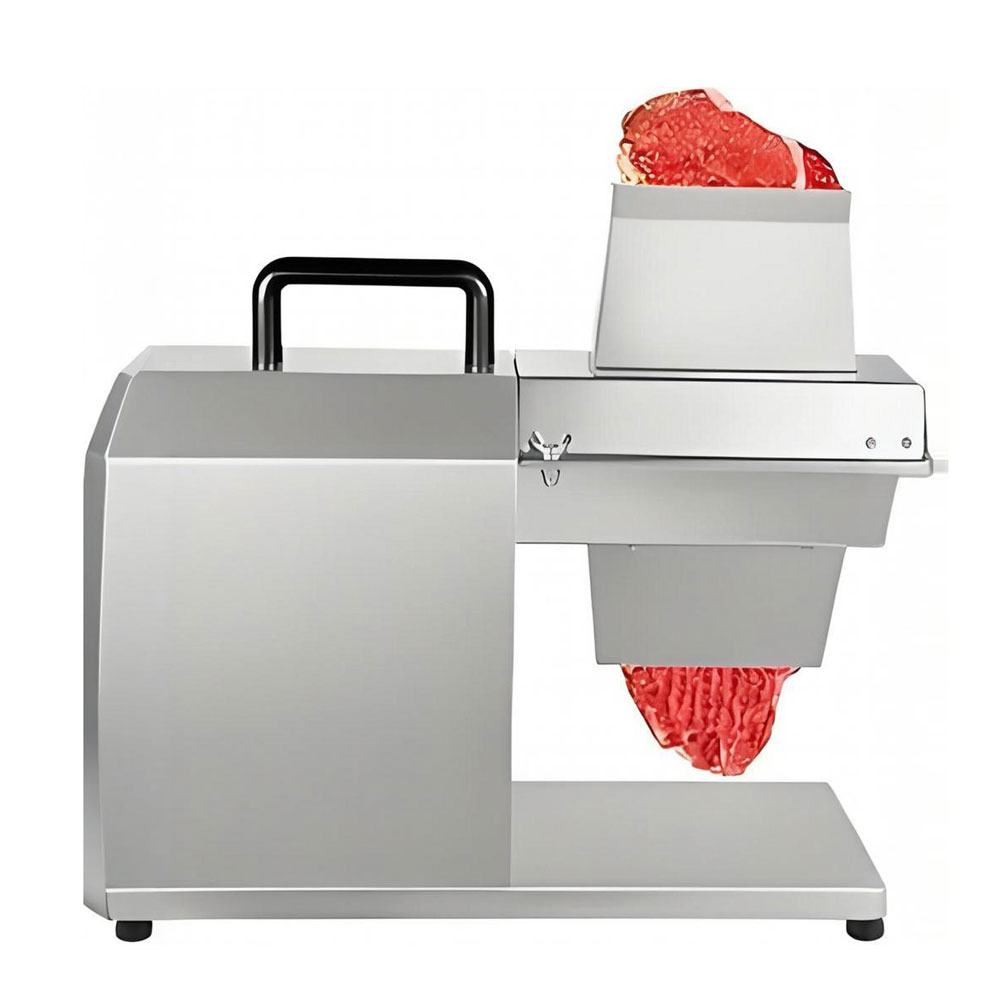 Meat Cuber Machine
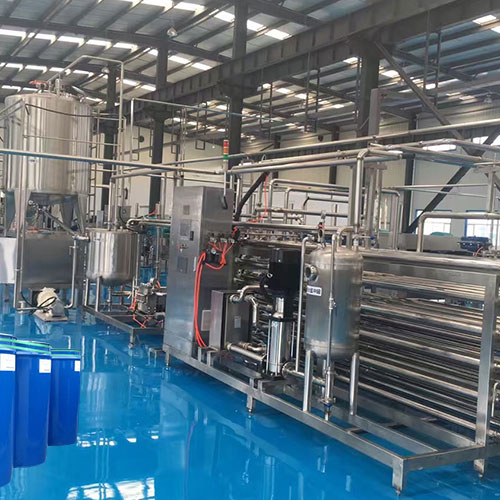 Tomato Juice Processing Production Line
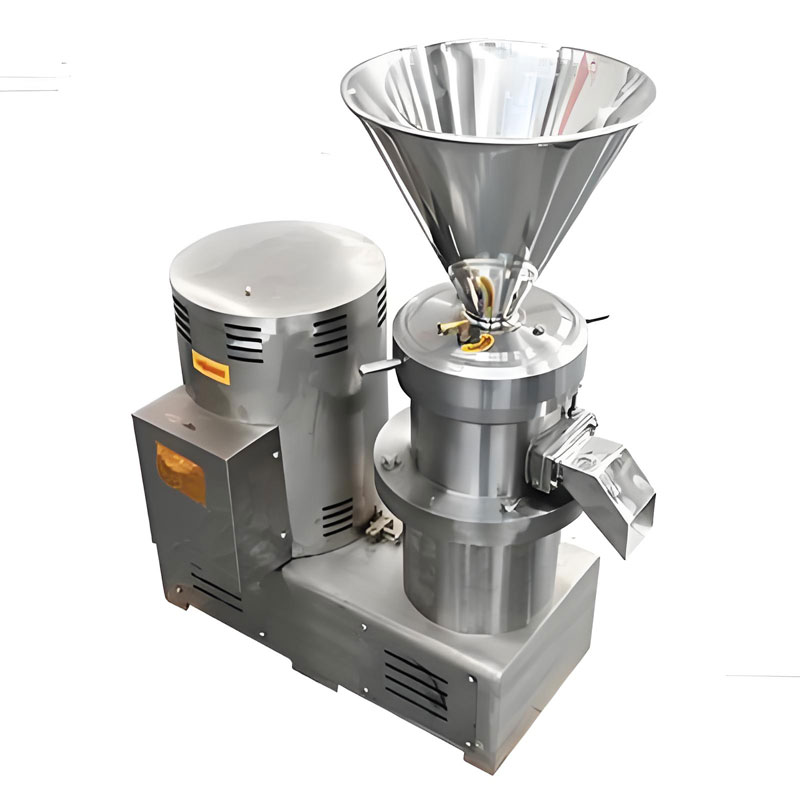 Tomato Sauce Grinding Machine
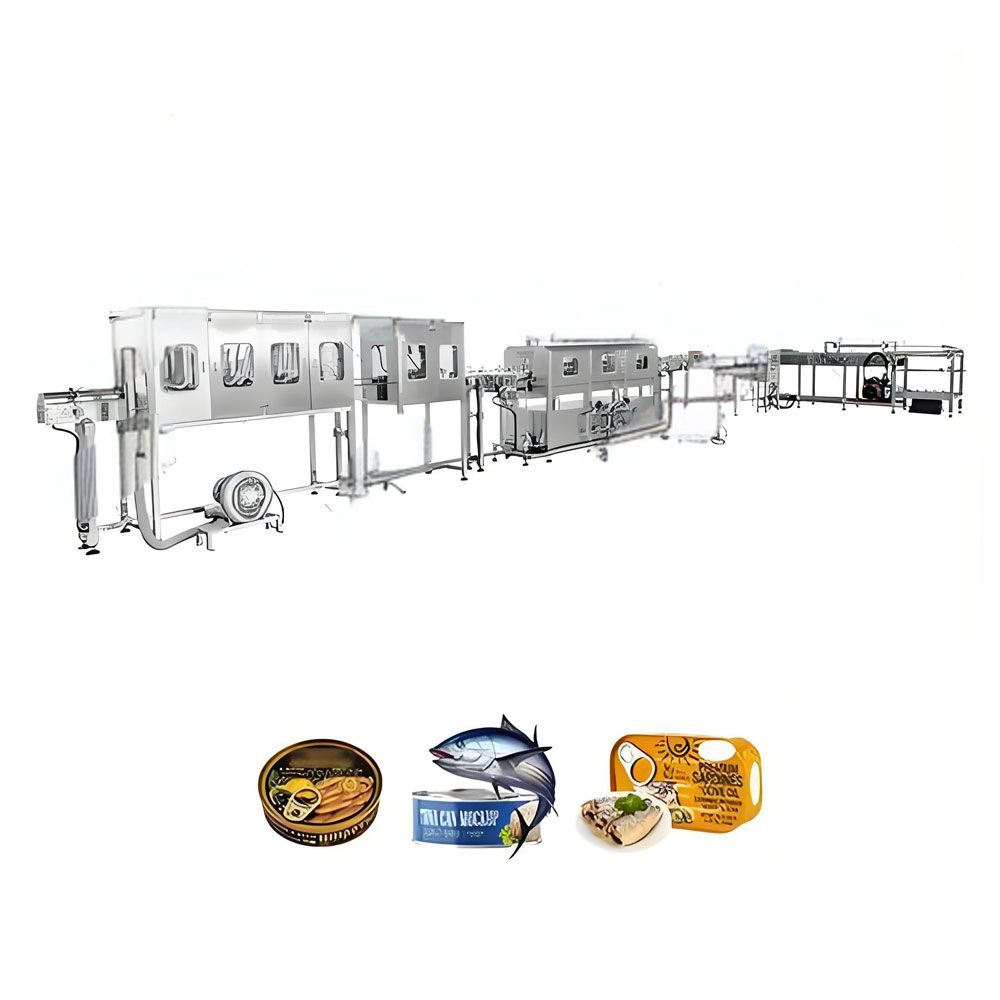 Canned Sardine Production Line Equipment
 Ultrasonic Swiss Roll Cake Cutting Machine
 Cold Chain Rice Production Line
 Automatic Belt Frying Machine