
Commercial Meat Grinders - Chinese Manufacturer, Factory, Supplier
A commercial grinder is a powerful, professional-grade machine designed for high-volume grinding in food production, retail, and industrial environments. In the meat industry, the commercial meat grinder stands out as an essential tool for butcher shops, supermarkets, catering businesses, and meat processing plants. Built for durability, efficiency, and hygiene, these machines allow operators to process fresh or frozen meat into consistent, high-quality ground products such as burgers, sausages, and meatballs — all while maintaining strict food safety standards.
Why Choose a Commercial Grinder
Unlike household models, industrial and commercial grinders are designed for continuous operation under heavy workloads. Equipped with heavy-duty motors, stainless steel components, and large feed trays, they can handle hundreds of kilograms of product per hour without overheating or compromising quality.
Key Features of Commercial Meat Grinders
High Throughput Performance: Motors ranging from 1 HP to over 5 HP for rapid processing.
Customizable Grinding Output: Interchangeable plates and blades for various textures.
Food-Grade Stainless Steel: Corrosion-resistant and easy to sanitize.
Safety Engineering: Emergency stop switches, non-slip feet, and protective guards.
Versatility: Suitable for beef, pork, poultry, fish, and even plant-based protein processing.
Applications Across Industries
Butcher Shops & Supermarkets: Provide customers with fresh, custom-ground meat blends.
Meat Processing Plants: Pre-grind meat for mixing, forming, and packaging.
Restaurants & Catering Services: Control freshness and fat ratios for premium dishes.
Industrial Grinding: Adapted models can process grains, spices, and other raw materials.
Benefits for Businesses
Operational Efficiency: Reduces manual labor and speeds up production.
Consistent Quality: Ensures uniform grind size for better cooking performance.
Cost Optimization: Enables bulk purchasing of whole cuts and in-house processing.
Customization: Create signature recipes with controlled textures and flavors.
How to Select the Right Commercial Grinder
When choosing a commercial meat grinder or industrial grinder, consider capacity needs, motor power, construction quality, ease of disassembly for cleaning, and compliance with hygiene regulations. Heavy-duty floor models are ideal for large-scale production, while countertop units suit smaller businesses with moderate output.
A commercial grinder is more than just equipment — it’s a long-term investment in productivity, product quality, and profitability. By selecting the right grinder, businesses can improve efficiency, expand their product offerings, and deliver consistent results that keep customers coming back.
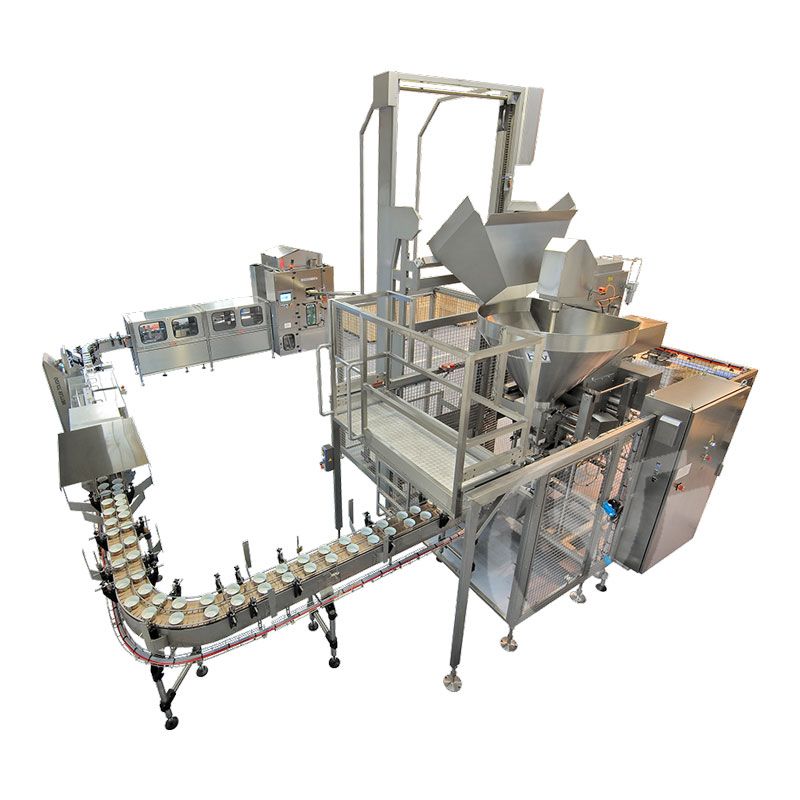 Meat Canned Food Production Line
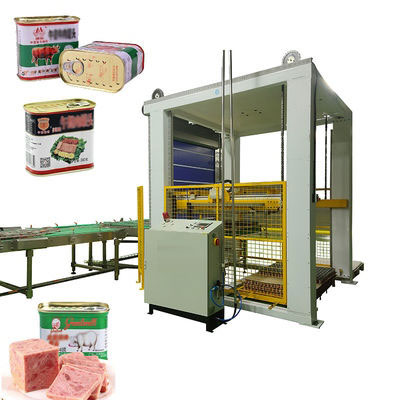 Canned Meat Production Line
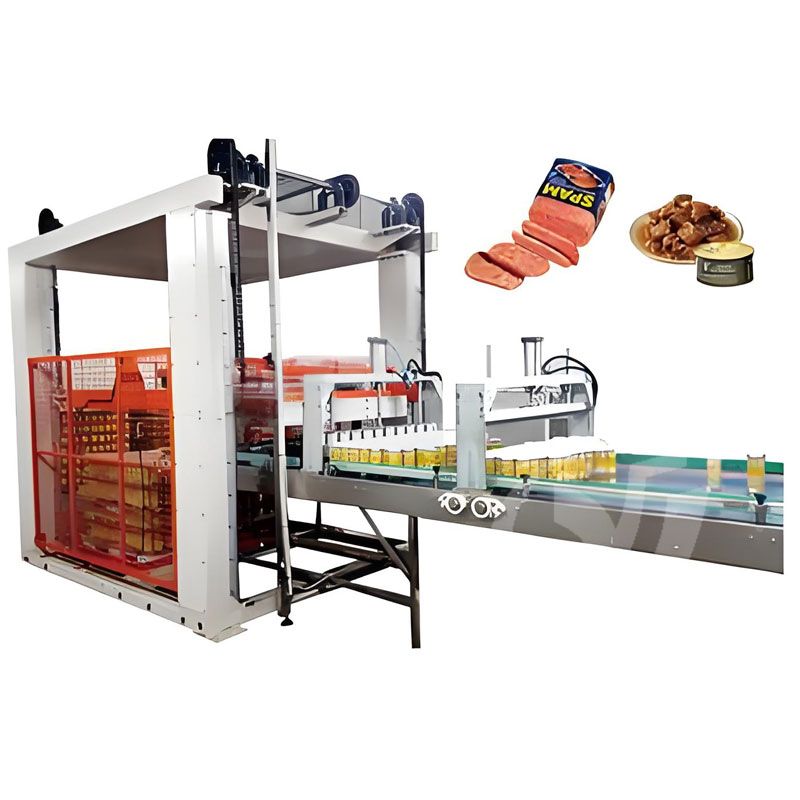 Canned Luncheon Meat Production Line
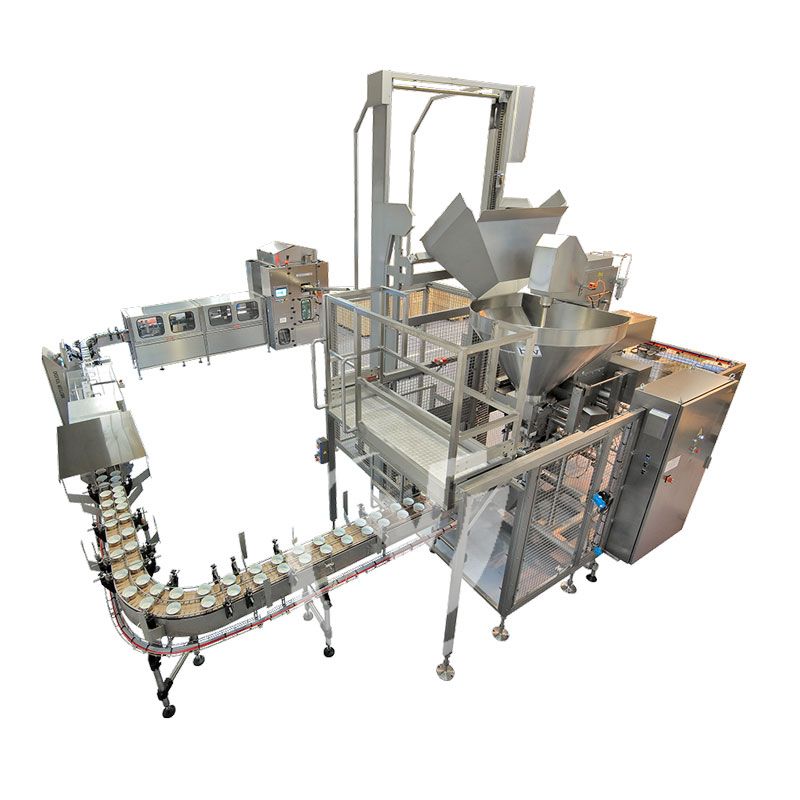 Pet Fish Meat Canning Production Line
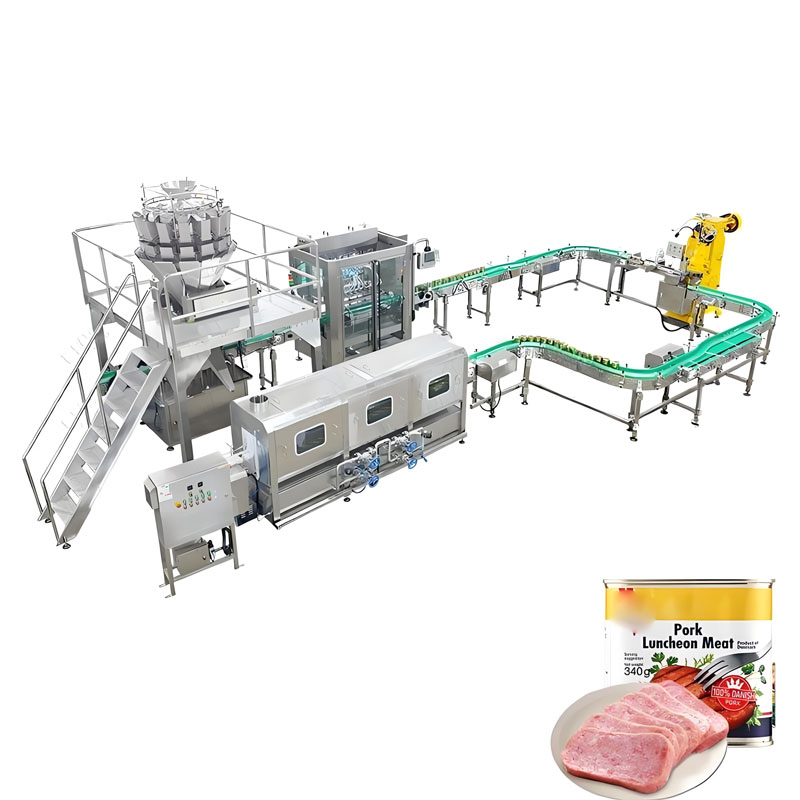 Fully Automatic Meat Can Production Lines
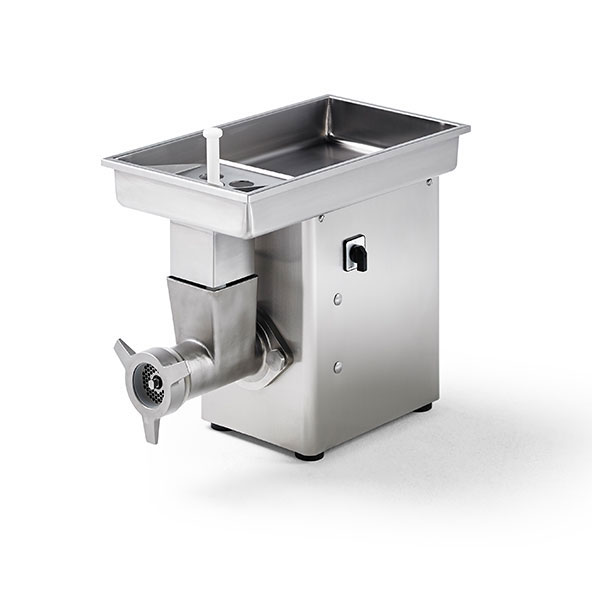 Heavy Duty Commercial Meat Grinder
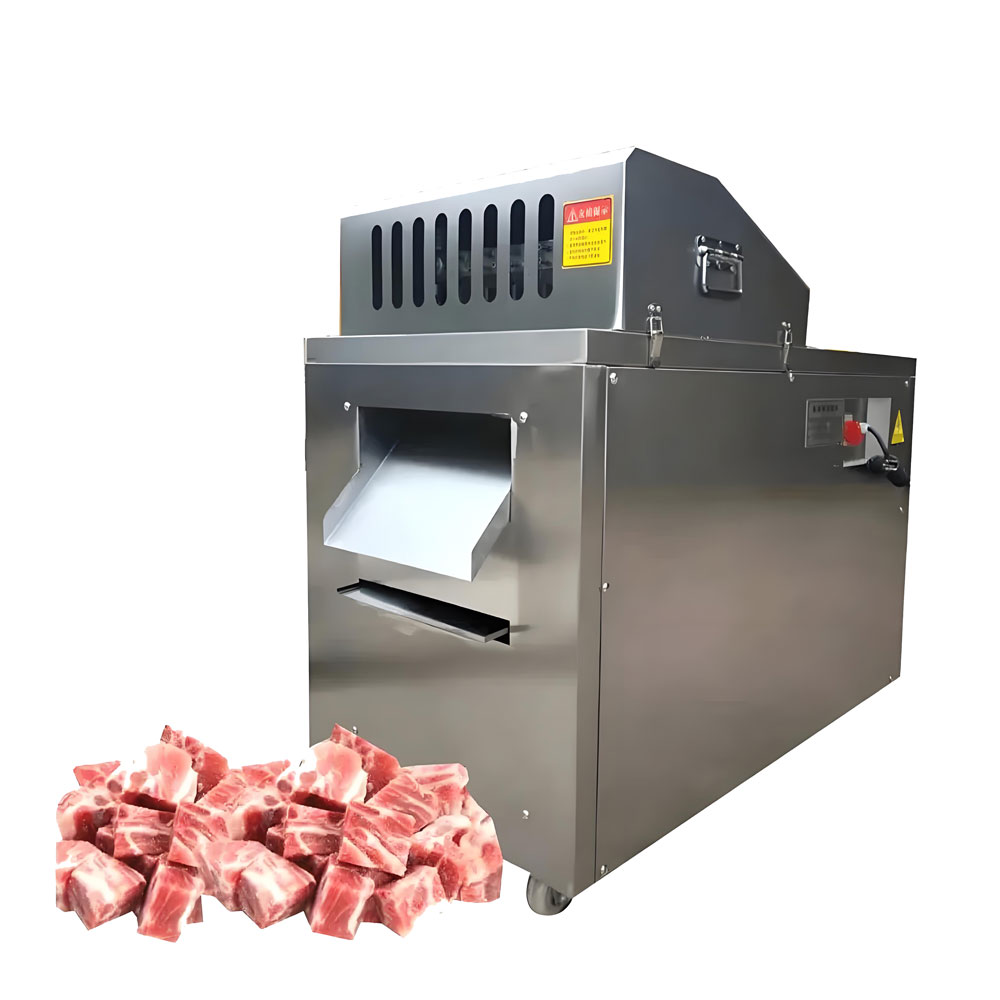 Meat Dicers
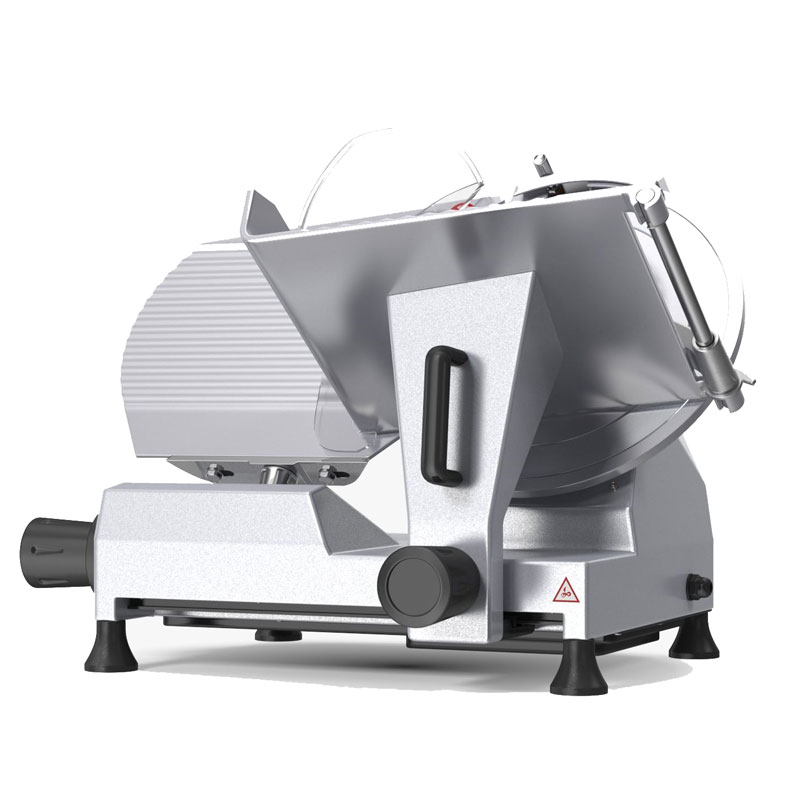 Heavy Duty Meat Slicer Machine
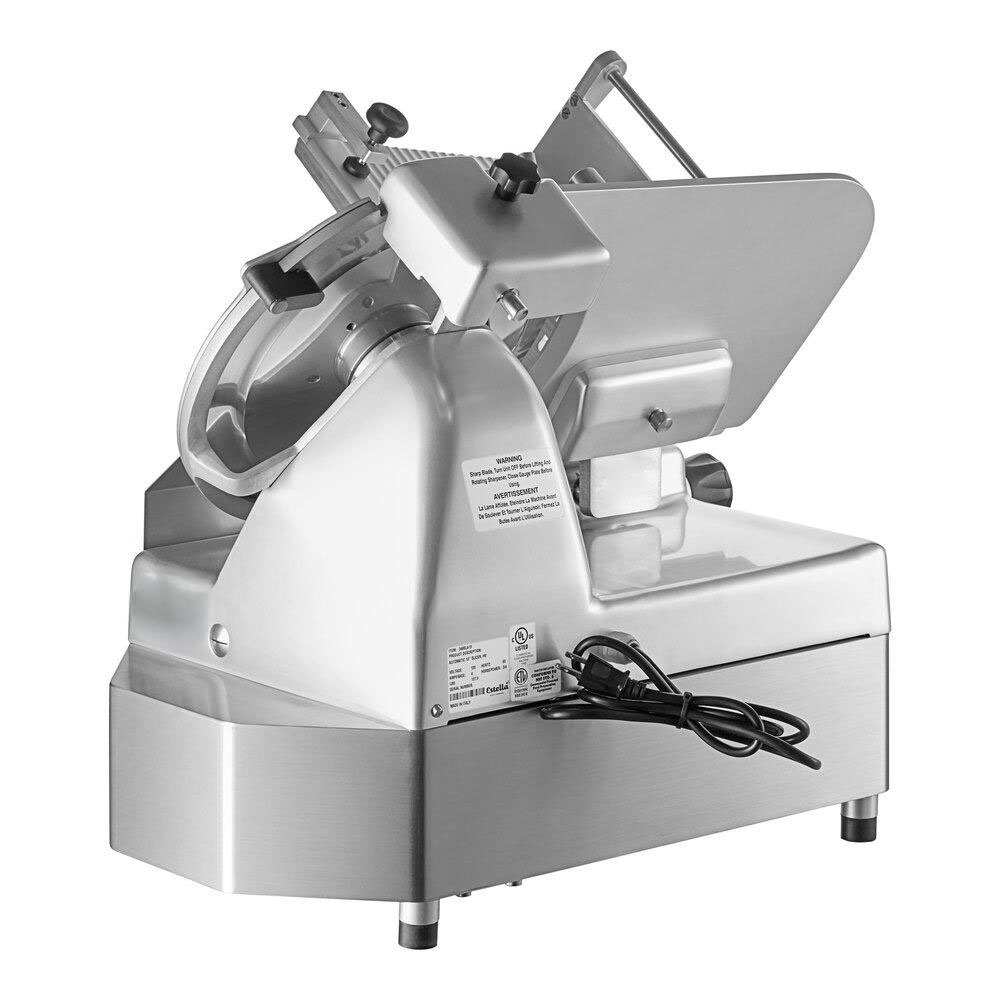 Automatic Meat Slicer Machine
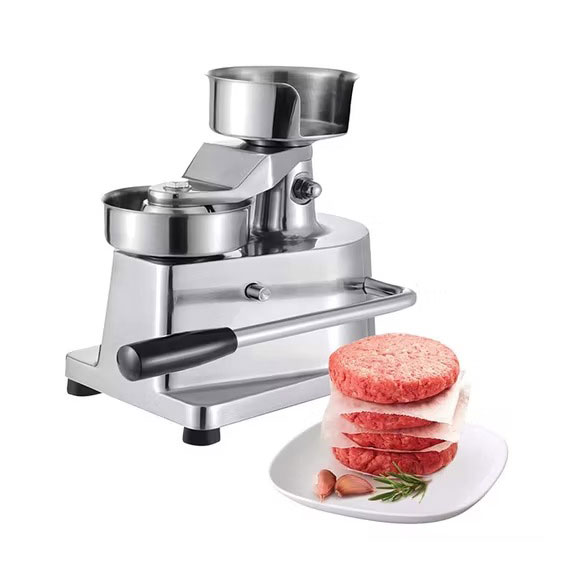 Meat Pie Maker Machine
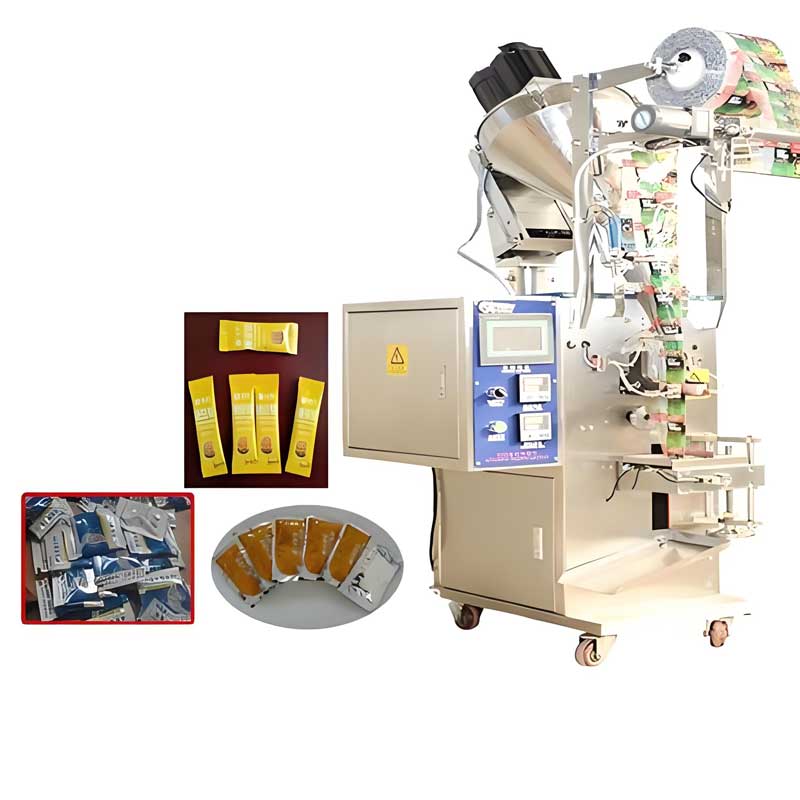 Leisure Baking Snack Packaging Machine
 YL-W-05 Commercial Water Purification Equipment
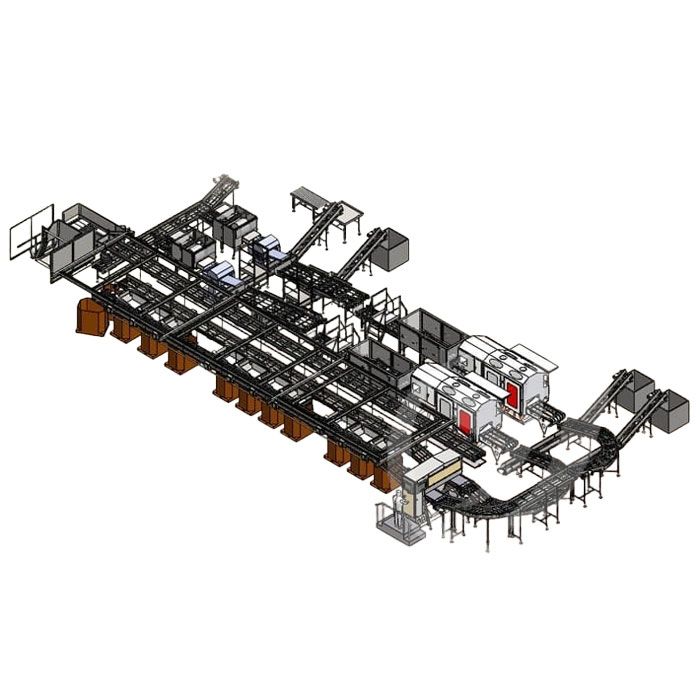 Braised Pork Belly Can Production Line
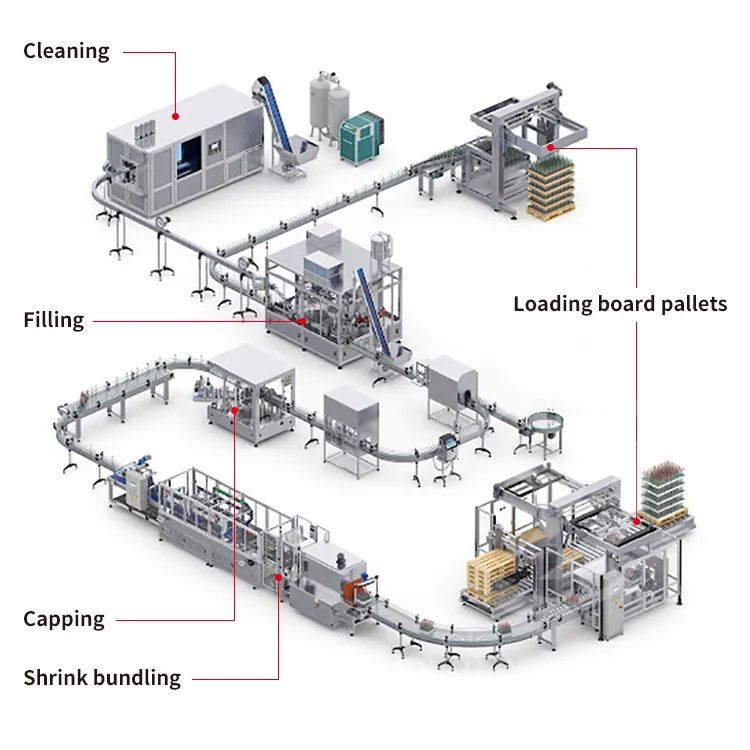 Chicken Soup Canned Production Line
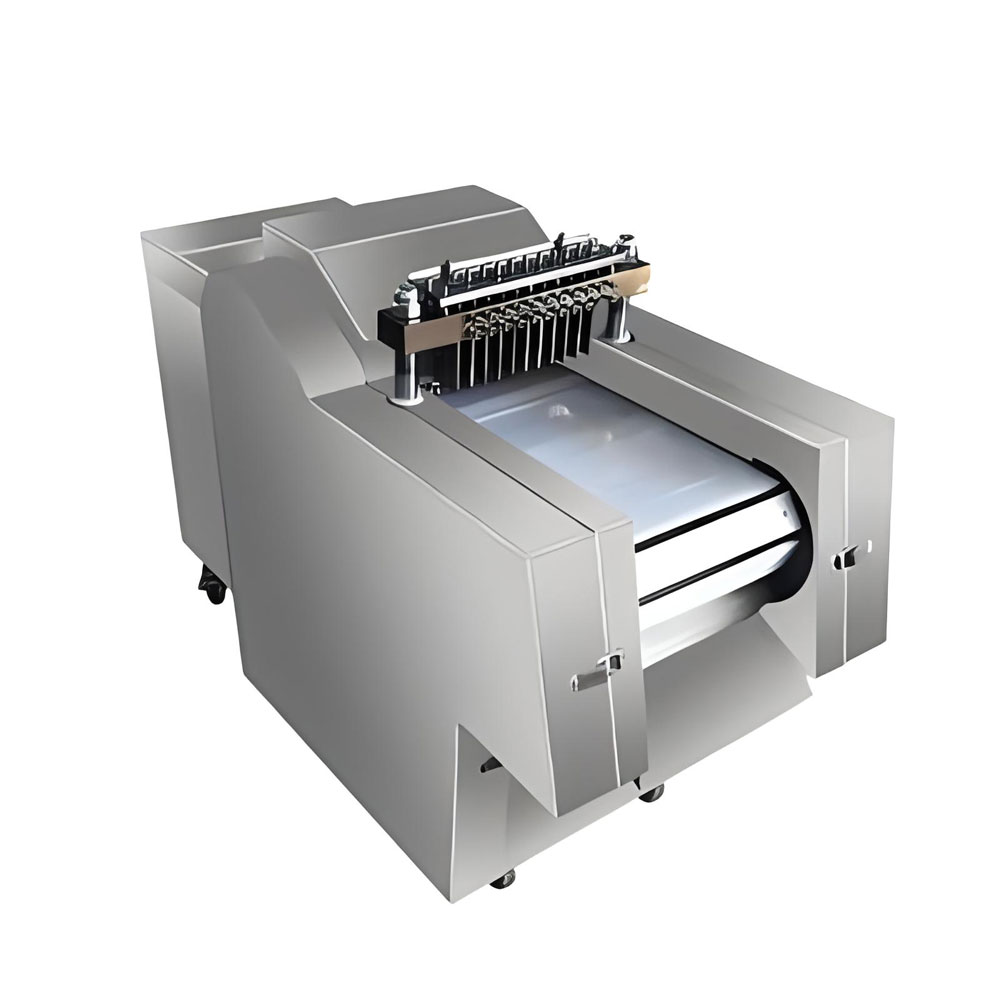 Automatic Chicken Cutting Machine
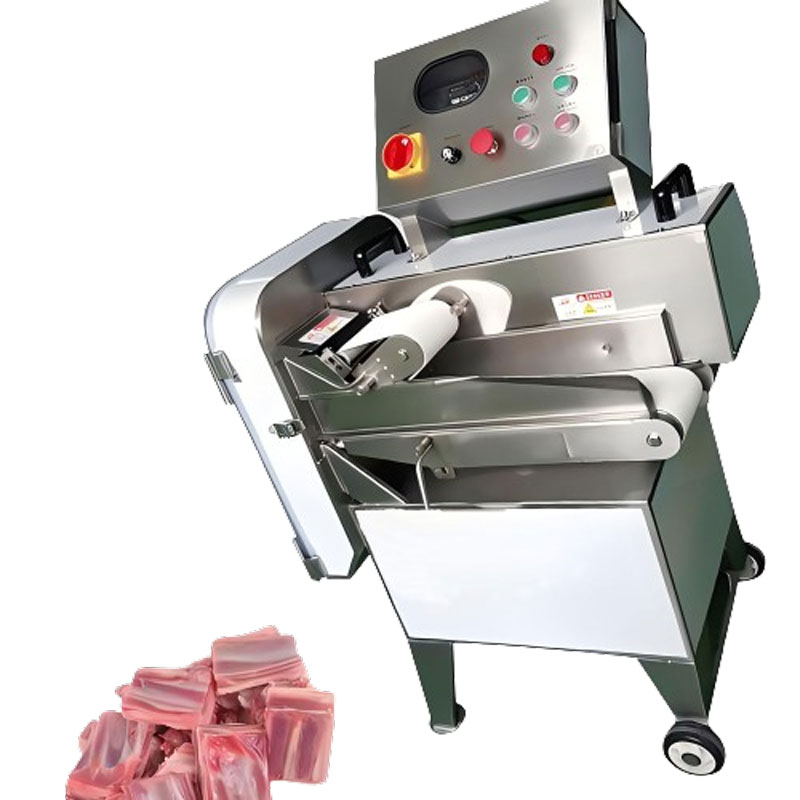 Frozen Meat Ribs Dicing Machine
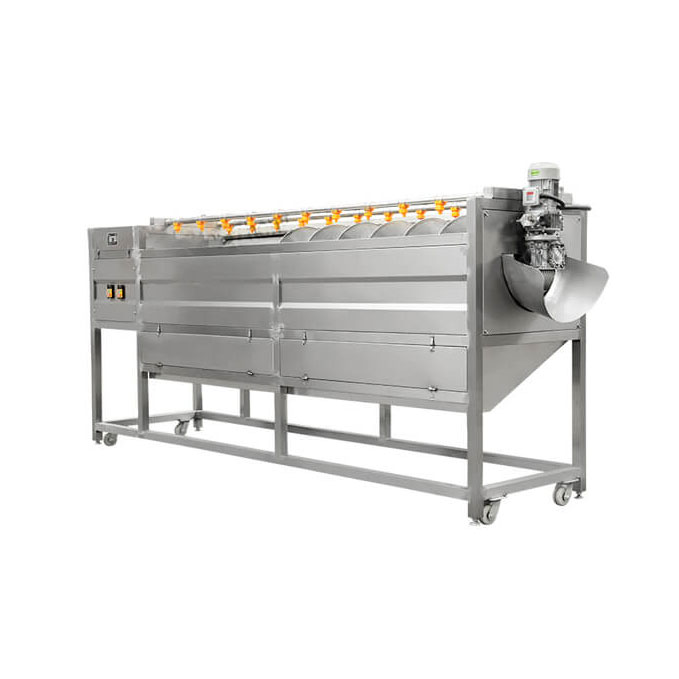 Screw Potato Peeling Washing Machine
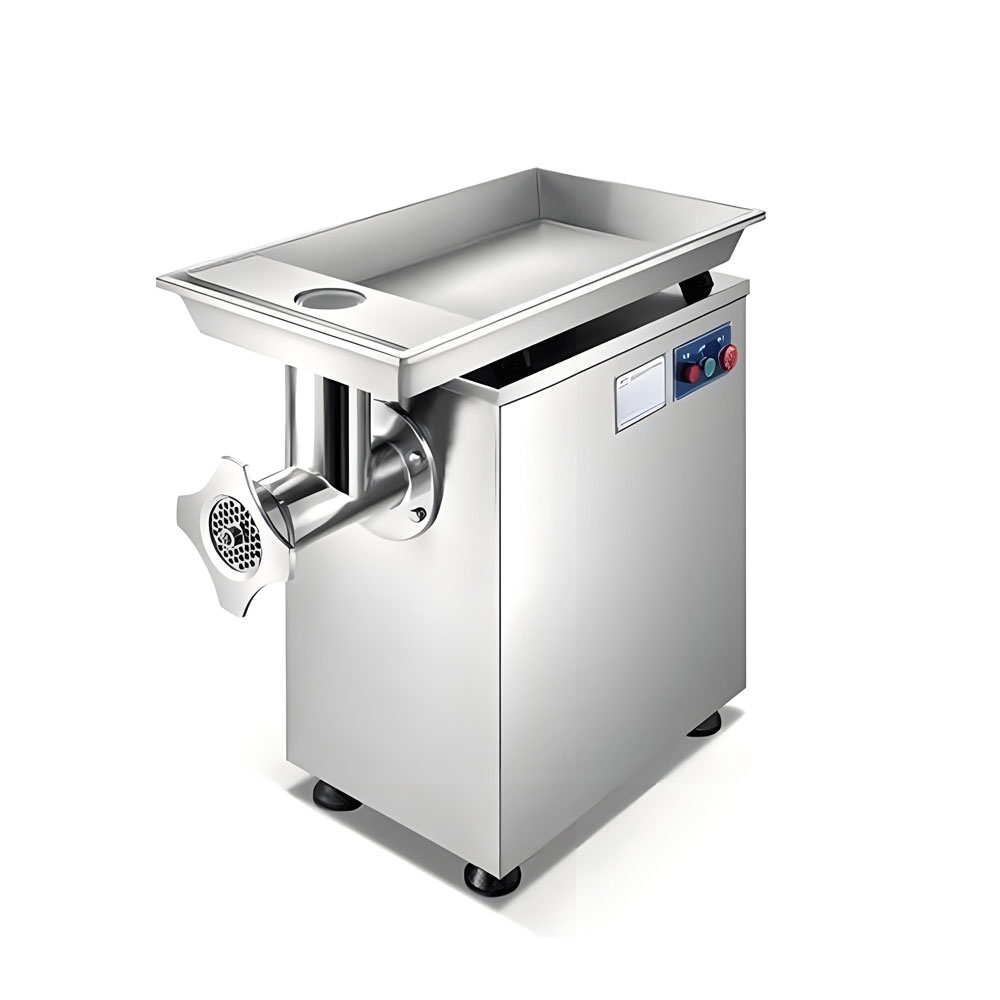 Meat Grinding Machine