
How Much Does It Cost to Build a 1-Ton/Hour Commercial Food Factory from Scratch in 2026?
Why Most Cost Estimates for a 1 Ton/Hour Food Factory Are Inaccurate
Many buyers approach this question expecting a single number. In practice, the cost variance is wide because “1 ton/hour” describes throughput, not process complexity.
A frozen meat dicing line operating at 1000 kg/h requires completely different infrastructure compared to a sauce cooking and filling line at the same capacity. The difference lies in thermal load, CIP cleaning requirements, and contamination control protocols.
As a senior engineer at HSYL who has commissioned multiple mid-scale factories across Southeast Asia and North Africa, I have seen projects fail not due to equipment cost, but due to underestimated utility systems and poor process synchronization.
The correct approach is to break the investment into four engineering layers instead of focusing only on machinery.
Breaking Down the Real CAPEX Structure: Not Just Machines
The total investment for a 1 ton/hour factory can be decomposed into four major blocks:
- Processing Equipment (45%–60%)
- Utility Systems (15%–25%)
- Building & Infrastructure (15%–30%)
- Engineering & Compliance (5%–10%)
Below is a realistic cost distribution observed in recent HSYL projects:
| Cost Category | Typical Range (USD) | Key Variables |
|---|---|---|
| Processing Equipment | $150,000 – $600,000 | Automation level, material (SUS304/316), product type |
| Utility Systems | $80,000 – $250,000 | Steam boiler, refrigeration (kW), compressed air system |
| Building & Layout | $50,000 – $300,000 | Local construction cost, hygiene zoning |
| Engineering & Certification | $20,000 – $80,000 | HACCP, CE compliance, commissioning |
It is critical to note that utility systems often exceed expectations, especially when refrigeration load or steam consumption is underestimated.
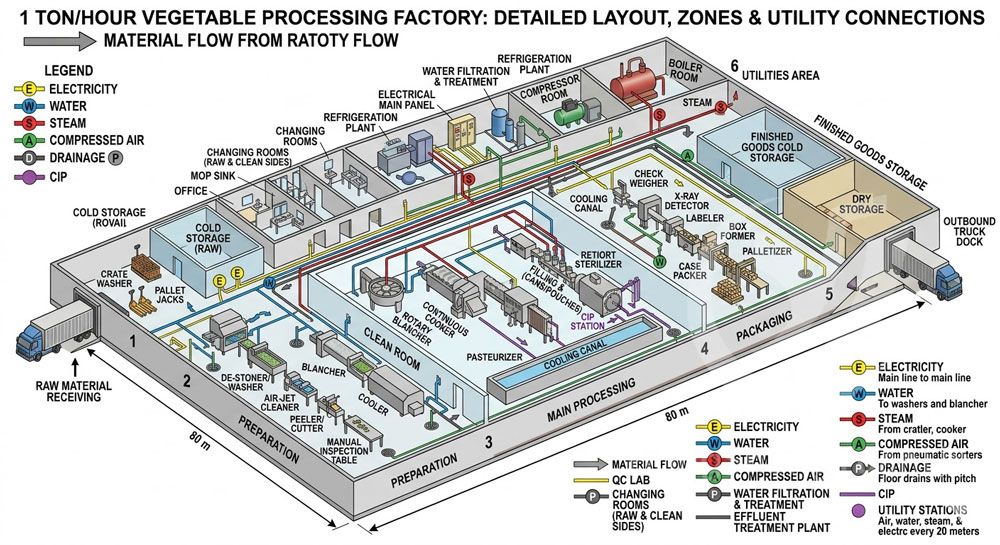
Equipment Selection: The Single Biggest Variable in Your Budget
Equipment pricing depends heavily on automation level and process continuity. A semi-automatic line may reduce initial CAPEX by 30%, but increases labor cost and variability.
Key Engineering Parameters That Affect Cost
- Throughput stability: Continuous vs batch processing
- Material grade: SUS304 vs SUS316 (corrosion resistance)
- Drive system: Servo-controlled vs fixed-speed motors
- Cutting precision: Blade RPM, yield rate, waste ratio
- Cleaning system: Manual vs CIP (Clean-in-Place)
For example, a standard industrial dicer operating at 1000 kg/h with fixed blades may cost around $8,000–$15,000. A servo-controlled, quick-change blade system with CIP compatibility and IP65 protection can reach $25,000+.
This difference directly impacts yield rate (typically +3% to +8%) and maintenance downtime.
For detailed equipment configurations, refer to: food processing equipment solutions
The Hidden Cost Center: Utilities That Quietly Kill ROI
Utilities are often treated as secondary, but in reality, they define operational cost structure.
Typical Utility Requirements for 1 Ton/Hour Line
- Steam consumption: 150–300 kg/h (cooking/blanching lines)
- Refrigeration load: 20–80 kW depending on product
- Compressed air: 0.6–1.0 m³/min at 6–8 bar
- Water usage: 1.5–3.0 m³/h (including cleaning)
Improper system sizing leads to energy waste exceeding 20% annually. In several retrofit cases, we observed that optimizing compressor cycling and heat recovery reduced energy cost by 12%–18%.
Compliance with hygiene and safety standards such as FDA food safety regulations should also be considered during design stage to avoid costly redesign.
Contrarian Engineering Insight: Why Cheaper Lines Often Cost More Over 3 Years
A common misconception is that minimizing initial investment improves ROI. In practice, lifecycle cost tells a different story.
We use an internal HSYL metric called Effective Cost per Ton (ECT):
ECT = (CAPEX + 3-year OPEX) / Total Output Volume
Lower-end lines typically show:
- Higher blade wear rate (frequent replacement)
- Lower yield rate (more raw material waste)
- Higher downtime due to manual intervention
In one Southeast Asia project, a client saved $120,000 upfront but lost over $210,000 within 2.5 years due to inefficiencies.
This is why experienced buyers focus on total cost of ownership (TCO), not just purchase price.
ROI Expectations: When Does a 1 Ton/Hour Factory Pay Back?
Assuming stable operations, ROI depends on three variables:
- Capacity utilization (target: 70%–85%)
- Gross margin (typically 18%–35% depending on product)
- Labor efficiency (automation impact)
A simplified ROI model:
- Daily output: 8 tons (8-hour shift)
- Net margin: $120 per ton
- Daily profit: $960
Under this model, a $500,000 investment can be recovered in approximately 18–24 months.
However, poor process integration can extend this to over 36 months.
Where Turnkey Engineering Saves 15%–25% Hidden Cost
Fragmented procurement (buying machines from multiple suppliers) introduces synchronization issues:
- Mismatched conveyor speeds
- Inconsistent control systems (PLC incompatibility)
- Unbalanced throughput causing bottlenecks
Turnkey solutions eliminate these risks through unified design.
What Plant Managers Should Physically Inspect Before Signing a Contract
- Check weld finishing: Internal welds must be smooth (Ra ≤ 0.8 μm) to prevent bacterial growth
- Verify motor protection: Minimum IP55 for humid environments
- Test blade alignment: Misalignment increases waste by >5%
These are not brochure details. They are shop-floor realities that directly impact profitability.
Call To Action
If you are evaluating a 1 ton/hour factory investment, the most efficient next step is not requesting a generic quotation. Provide your product type, target market, and budget range. HSYL engineering team can return a customized layout plan, utility load calculation, and ROI simulation tailored to your project within 48 hours.
Frequently Asked Questions
How much land is required for a 1 ton/hour food factory?
Is semi-automatic equipment a good option for startups?
What is the biggest hidden cost in food factory projects?
How long does it take to build a 1 ton/hour factory?
What certifications are required for export-oriented factories?
Can the production line be expanded later?
Must-Read Blogs For Chain Restaurants Owner
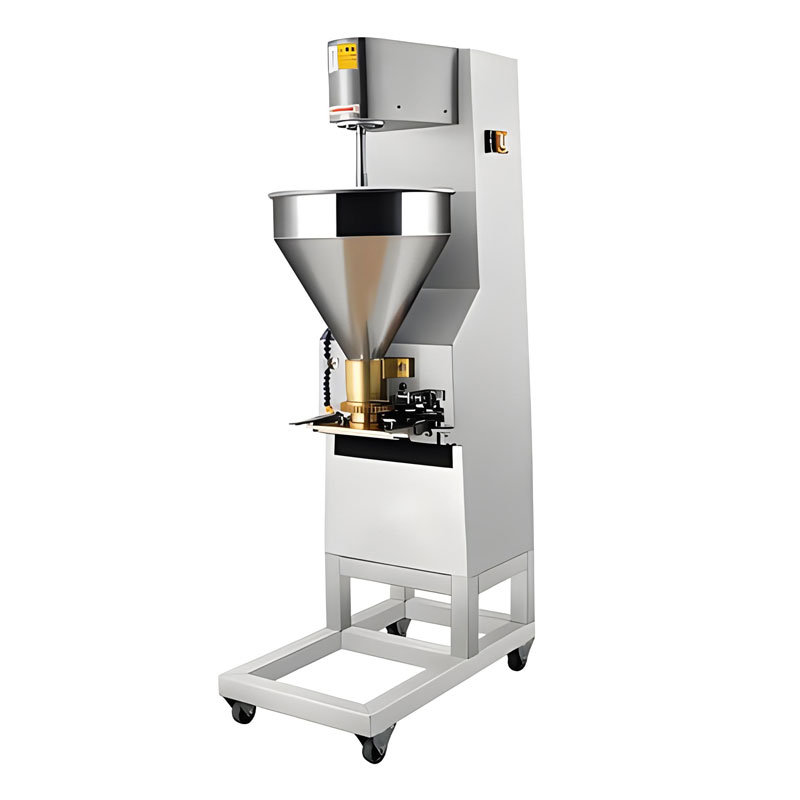
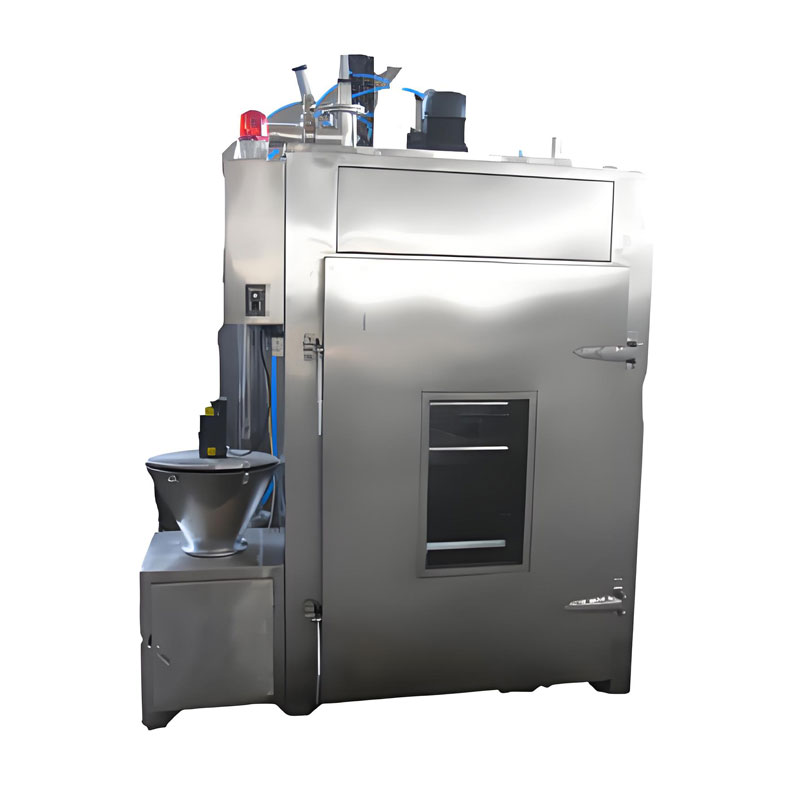
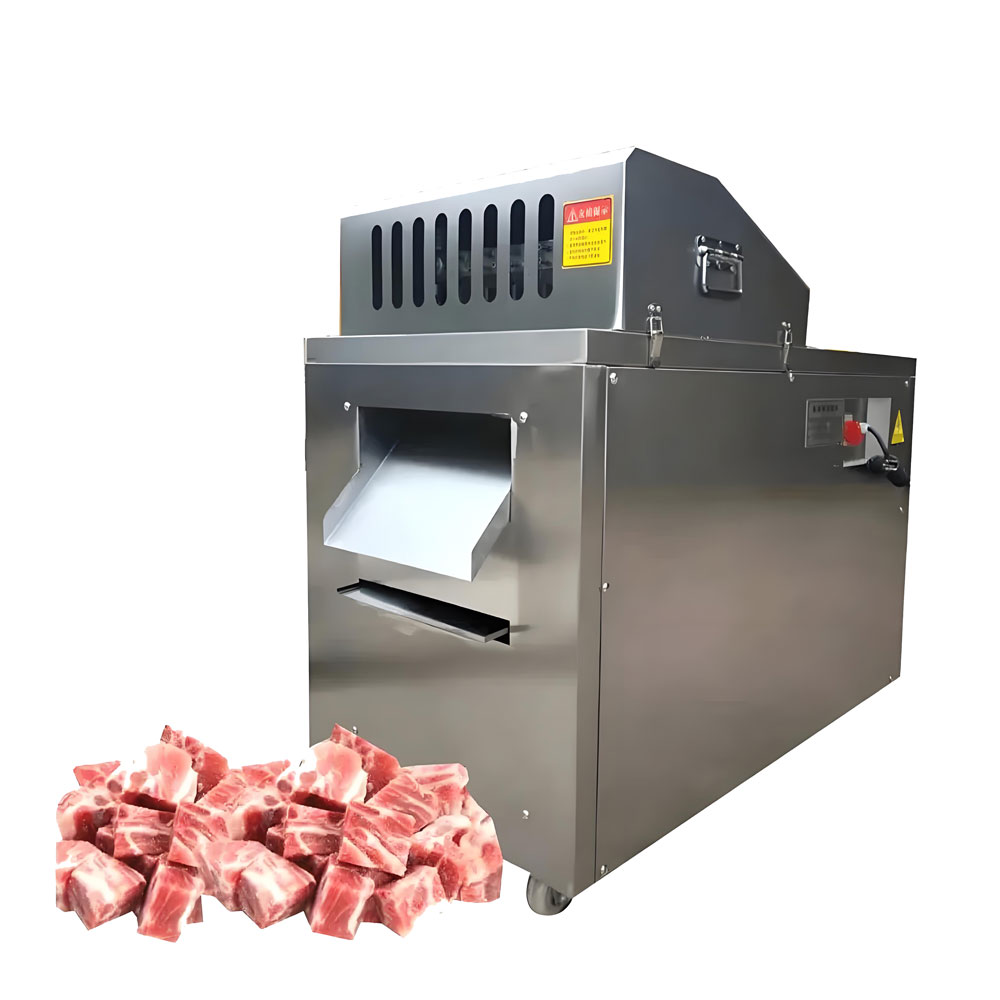

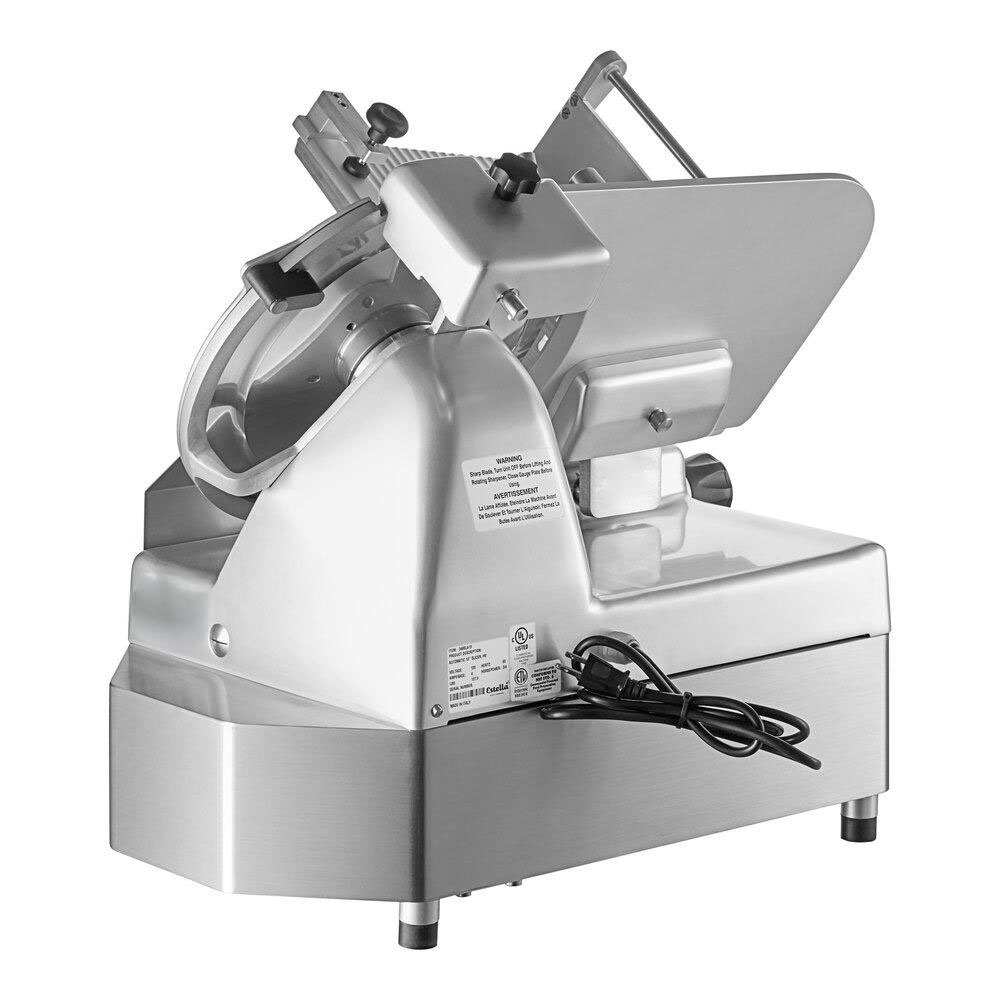
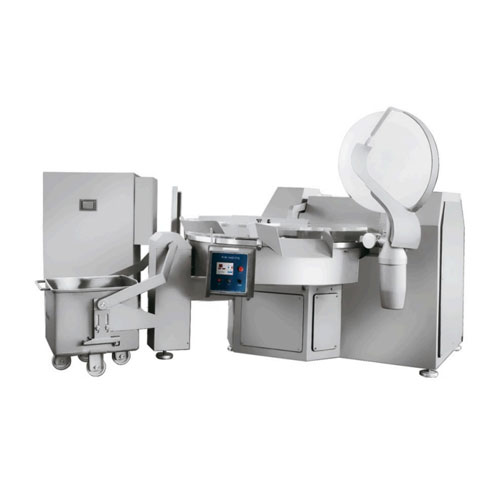
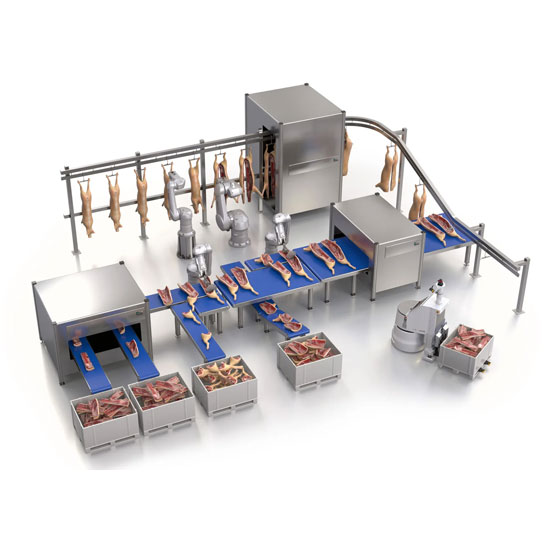 Meat Processing Line Equipment
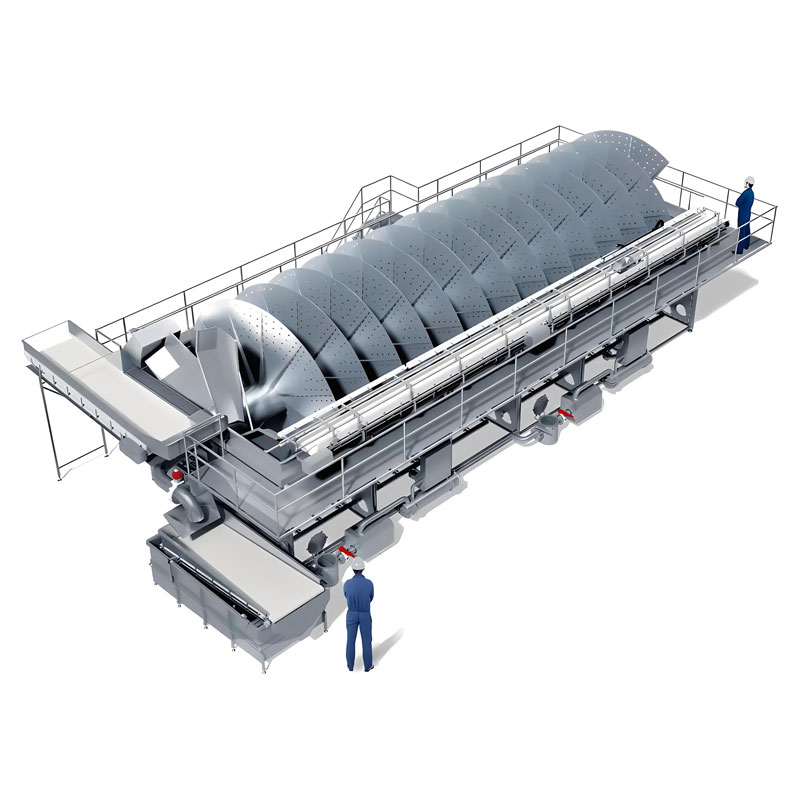 Salmon Processing Line
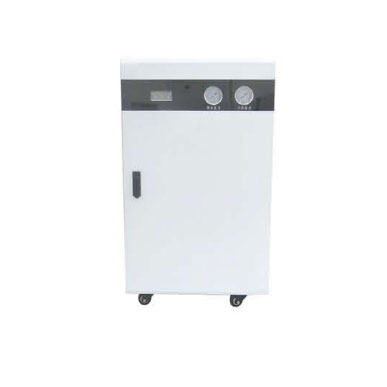 YL-W-01 Commercial Water Purification Equipment
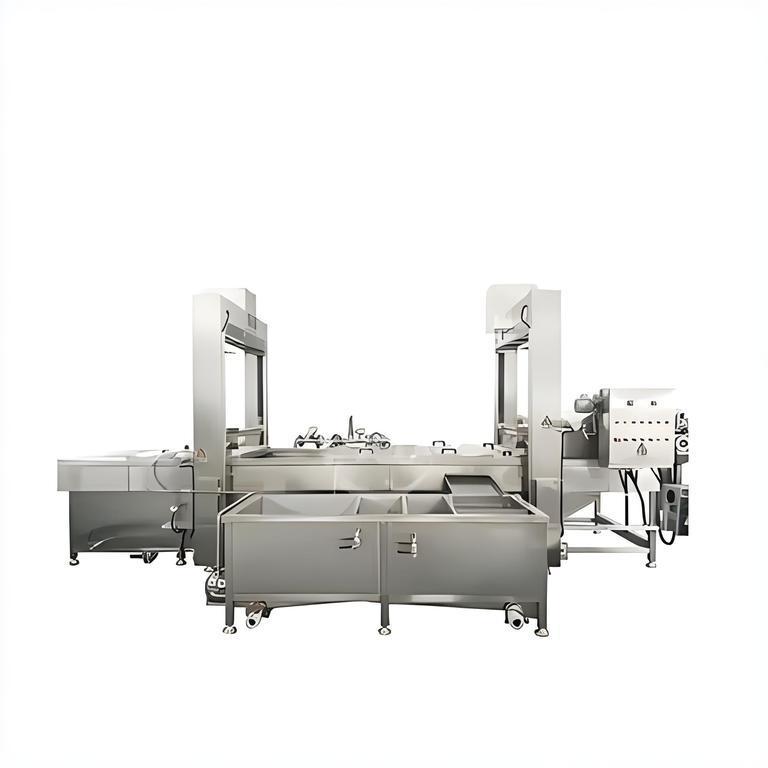 Chicken Processing Line
Ready to Get Started?