
5 Critical Mistakes in Food Processing Plant Layout and How to Avoid Them.
Why Most Food Processing Plants Underperform Despite “Correct” Equipment Selection
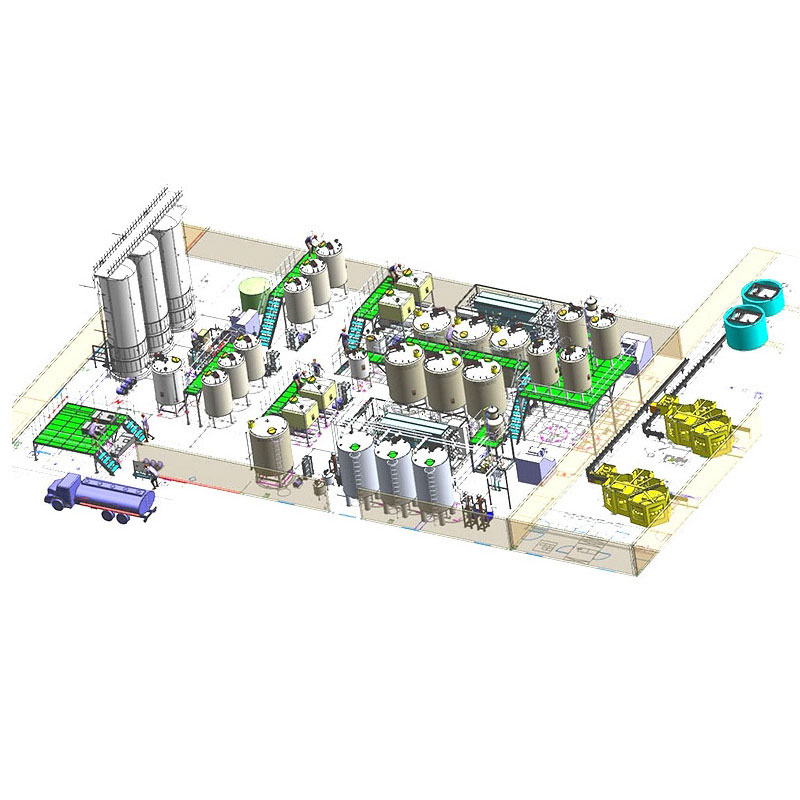
In many projects, the equipment list is technically sound, yet the factory fails to reach its designed capacity. The root cause is rarely machine performance. It is the layout.
As a senior engineer at HSYL who has audited over 60 processing plants, I have repeatedly observed that layout inefficiencies—not equipment limitations—are responsible for output losses exceeding 20%.
During one commissioning in North Africa, a 1 ton/hour line was operating at only 680 kg/h. No mechanical fault was found. The issue was a conveyor loop conflict and raw-to-cooked material crossover that forced intermittent stoppages.
This article isolates five recurring layout mistakes that directly impact throughput, compliance, and ROI.
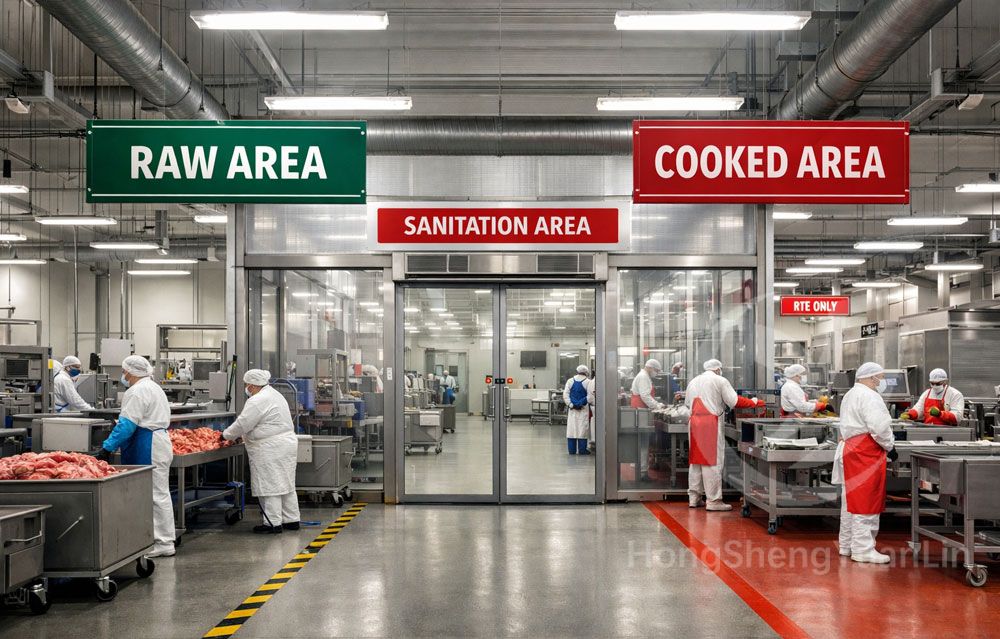
When Raw and Cooked Zones Intersect: The Hidden Contamination Loop Most Engineers Miss
Improper zoning is one of the most expensive design errors because it cannot be easily corrected after construction.
A compliant food factory layout must strictly separate:
- Raw material handling zones
- Thermal processing zones
- Ready-to-eat (RTE) zones
However, in many mid-scale factories, shared corridors or overlapping conveyor paths introduce cross-contamination risks. This violates HACCP flow logic and often fails FDA food safety compliance audits.
Airflow is equally critical. If air pressure is not controlled, airborne particles can move from raw to cooked areas.
Engineering rule: Air pressure should always be higher in clean zones to ensure directional airflow outward.
The Conveyor Bottleneck Problem: When Line Speed Is Theoretically Correct But Practically Broken
Another frequent issue is mismatched conveyor speeds between equipment modules.
Even if each machine is rated for 1000 kg/h, the system behaves differently when connected.
Typical causes include:
- Inconsistent motor frequency (Hz) across machines
- Lack of buffer zones between batch and continuous processes
- Improper sensor synchronization causing stop-start cycles
These issues lead to micro-stoppages, which accumulate into significant output loss.
In practical audits, throughput reduction of 12%–18% is common due to poor line balancing.
Solutions typically involve:
- Installing variable frequency drives (VFD) for speed harmonization
- Adding accumulation conveyors
- Centralizing control via PLC integration
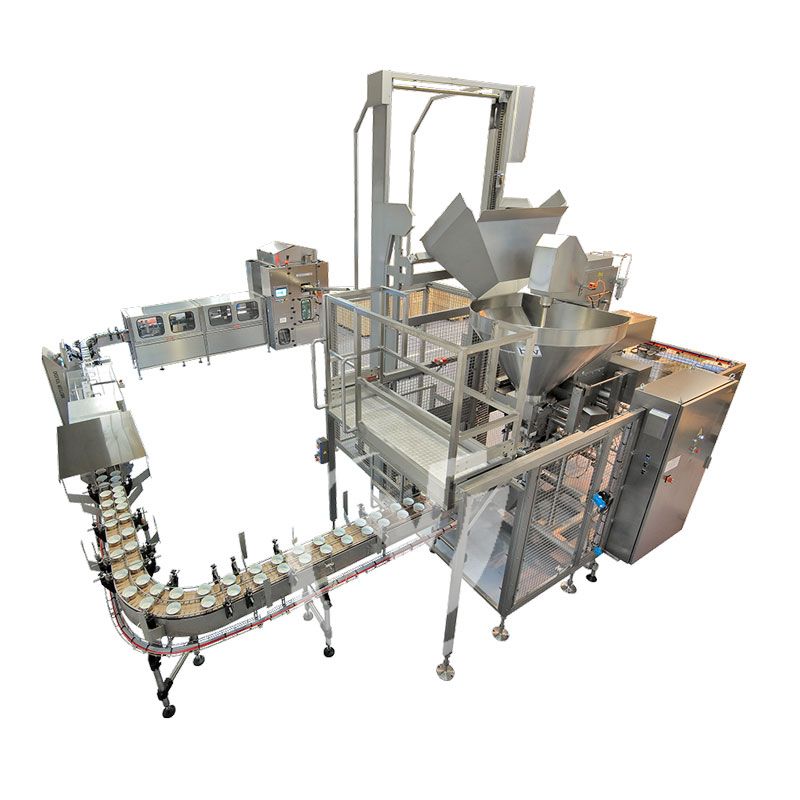
For integrated line design, refer to: industrial food processing line solutions
Ignoring Utility Routing: Why Steam and Air Pipelines Decide Your Operating Cost
Utility systems are often designed after equipment placement, which is a fundamental mistake.
In reality, utilities should dictate layout structure because they affect both efficiency and maintenance access.
Common layout errors include:
- Excessive pipe length causing steam pressure loss
- Poor compressor placement leading to unstable air supply
- Improper drainage affecting CIP cleaning efficiency
Typical industrial benchmarks:
- Steam pressure drop should be controlled within 5–10%
- Compressed air fluctuation should not exceed ±0.2 bar
- CIP flow velocity must reach 1.5–2.1 m/s for effective cleaning
Misaligned utilities increase energy consumption by 10%–20% and complicate maintenance operations.
Contrarian Insight: Bigger Space Does Not Mean Better Layout Efficiency
A common assumption is that larger factory space ensures smoother operations. This is not supported by engineering data.
Excessive spacing increases:
- Material handling time
- Labor movement distance
- Energy consumption for transport systems
We use an internal metric called Material Travel Distance (MTD):
MTD = Total distance traveled by product from raw intake to final packaging
In optimized layouts, MTD is reduced by 20%–40%, directly improving efficiency.
In one HSYL redesign project, reducing MTD by 32% increased effective output from 720 kg/h to 910 kg/h without changing any equipment.
Fragmented Equipment Procurement: The Root Cause of Layout Incompatibility
Many buyers source equipment from multiple suppliers to reduce upfront cost. This often leads to integration problems.
Key incompatibilities include:
- Different control systems (PLC brands)
- Non-standardized machine heights and interfaces
- Inconsistent hygienic design standards (SUS304 vs mixed materials)
The result is a layout that looks functional on paper but fails during operation.
A unified engineering approach eliminates these risks. See: turnkey food factory solutions
Lifecycle Cost Comparison: Poor Layout vs Engineered Layout
| Factor | Poor Layout | Optimized Layout |
|---|---|---|
| Throughput Efficiency | 65%–80% | 85%–95% |
| Labor Requirement | High (manual handling) | Reduced (automated flow) |
| Energy Consumption | +15%–25% | Optimized baseline |
| Maintenance Downtime | Frequent | Predictable |
| ROI Period | 24–36 months | 12–24 months |
What Experienced Plant Managers Check Before Approving a Layout Drawing
- Verify flow direction: No backward movement of materials
- Inspect zoning barriers: Physical and airflow separation must be clear
- Check utility accessibility: Pipelines must allow maintenance without stopping production
These checks are simple but prevent costly redesign after installation.
Related Topics:
Explore Comprehensive Turnkey Project Solutions for Optimal Plant Layouts
View Heavy-Duty Industrial Food Processing Machinery Specifications
If your engineering team is preparing to upgrade an existing facility or design a greenfield factory, do not rely on static 2D machine dimensions. Contact the HSYL engineering division to request a comprehensive spatial and thermodynamic mass balance audit. We deliver custom layout blueprints engineered strictly for maximum yield, utility efficiency, and uninterrupted BRC compliance.
Frequently Asked Questions
What is the most common layout mistake in food processing plants
How does layout affect production efficiency
Can layout issues be fixed after installation
Why is utility planning important in layout design
Is turnkey design better than buying separate machines
How much efficiency gain can a good layout bring
Must-Read Blogs For Chain Restaurants Owner
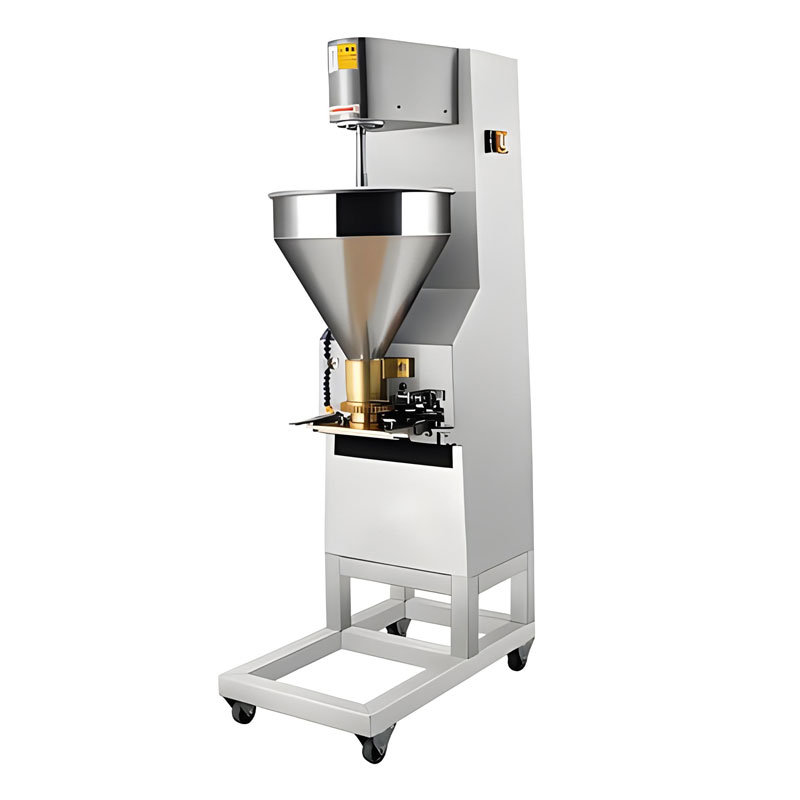
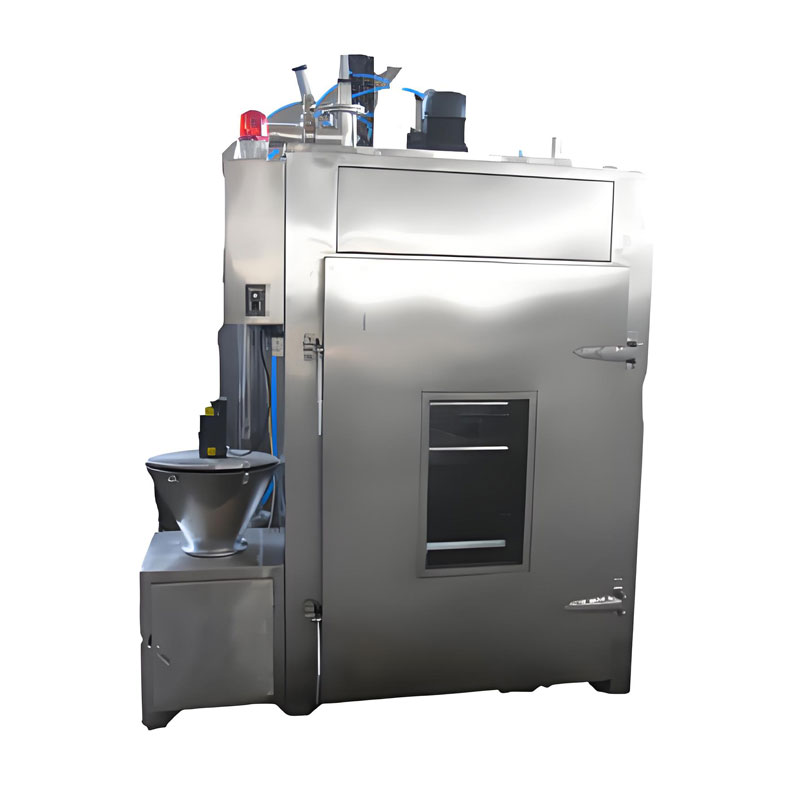
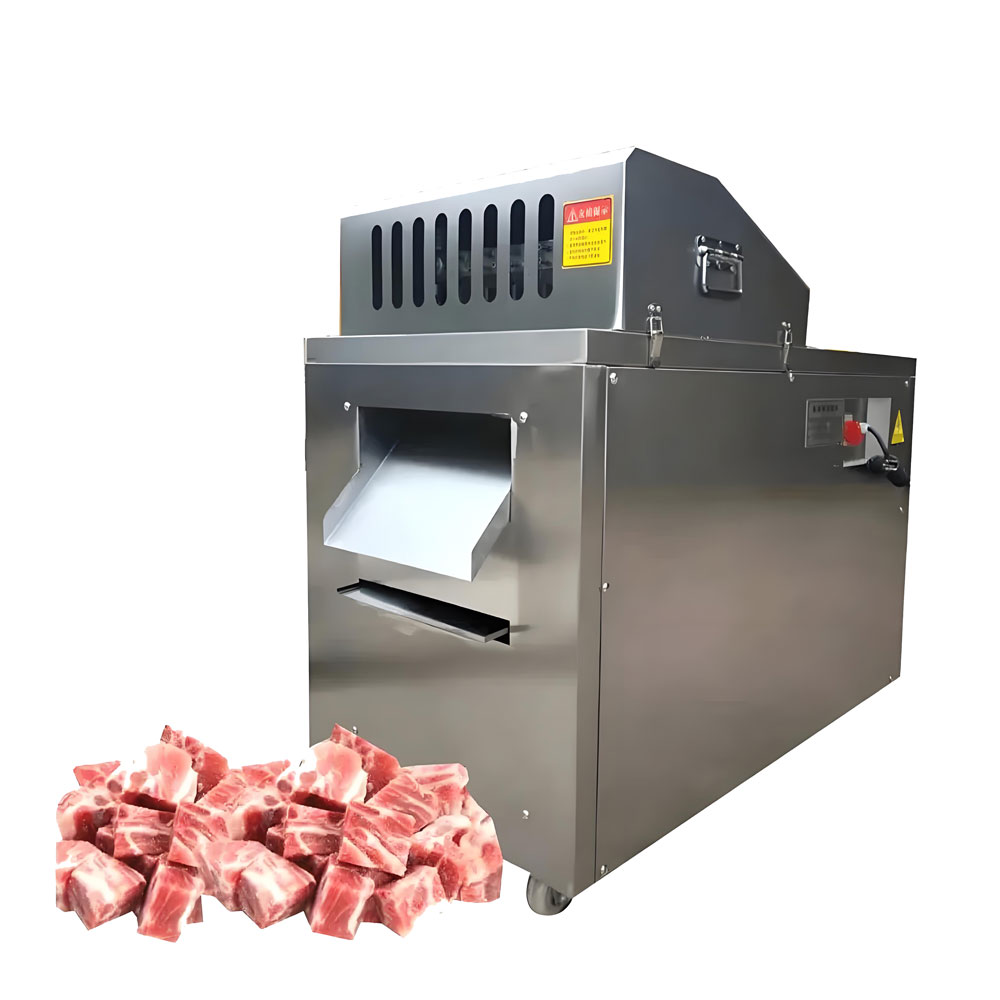

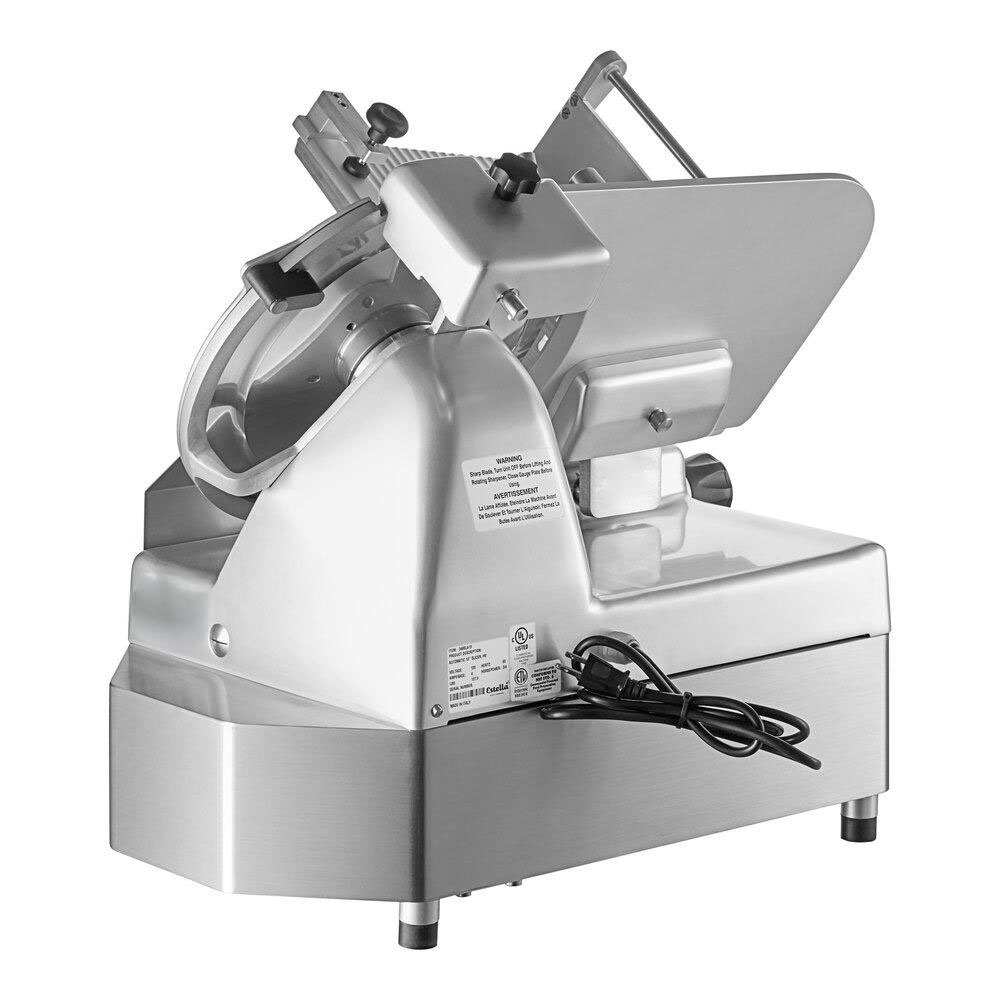
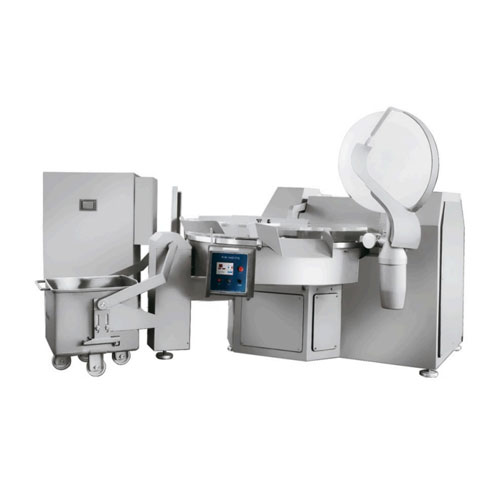
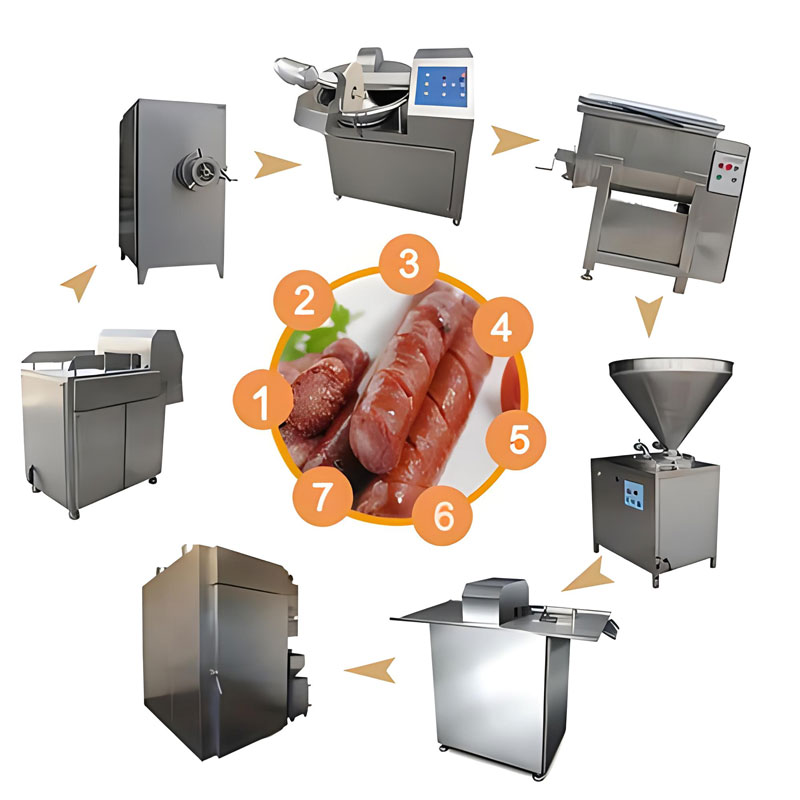 Sausage Processing Line
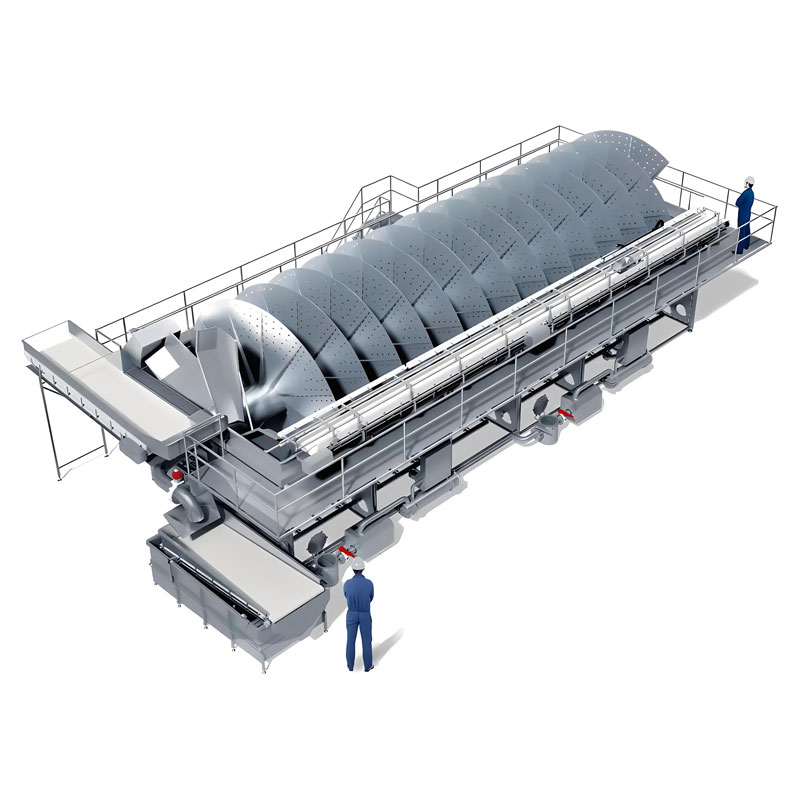 Salmon Processing Line
 Chicken Processing Line
 Meat Processing Line Equipment
Ready to Get Started?