
Pet Food Production Line For Sale - Chinese Manufacturer, Factory, Supplier
A Pet Food Production Line for sale is a fully automated system designed to produce high-quality pet food products, including dry kibble, wet canned food, semi-moist treats, and nutritional supplements. With the global pet food market expanding rapidly, manufacturers are increasingly investing in advanced equipment to meet the rising demand for safe, nutritious, and customized pet diets.
The production process typically begins with raw material handling and preparation. Ingredients such as meat, fish, grains, vegetables, and supplements are precisely weighed, ground, and mixed to ensure nutritional balance. Modern lines are equipped with computerized dosing systems that guarantee consistent recipes and minimize raw material waste.
Next, the mixture passes through extrusion or canning systems, depending on the type of pet food being produced. For dry kibble, twin-screw extruders shape the product under high temperature and pressure, while wet food production involves filling and sealing cans or pouches before sterilization. The extrusion process also allows manufacturers to create a wide range of shapes, sizes, and textures, appealing to different breeds and customer preferences.
A critical stage is drying, cooling, and coating. Dry pet food is thoroughly dried to achieve the right moisture level, preventing spoilage and extending shelf life. Coating systems can then apply palatants, oils, or vitamins to enhance taste and nutritional value. For wet pet food, advanced retort sterilization systems ensure safety and long-term storage stability.
Packaging is another key element of the production line. Automated machines handle bagging, pouch packing, can sealing, and labeling, ensuring airtight protection and compliance with international standards such as HACCP, ISO, and FDA requirements. Many lines are also integrated with inspection systems like metal detectors and X-ray scanners to ensure food safety and quality assurance.
The applications of pet food production lines are extensive. They are widely used by pet food factories, feed manufacturers, and contract processing plants to produce food for dogs, cats, fish, birds, and small animals. The flexibility of modern lines allows for the production of both premium pet diets and economy-grade products.
Investing in a pet food production line for sale provides numerous advantages. It improves efficiency, reduces labor costs, ensures consistent product quality, and supports product diversification. More importantly, it enables manufacturers to respond quickly to market trends, such as the growing demand for grain-free formulas, organic ingredients, and customized nutritional blends.
With consumer spending on pets continuing to rise worldwide, adopting an automated pet food production line is a strategic step for manufacturers seeking long-term growth and global competitiveness.
Pet Food Production Line Comparison Table
| Model / Capacity | Automation Level | Suitable Products | Key Features | Price Range (USD) |
|---|---|---|---|---|
| Small-Scale (200–500 kg/h) | Semi-Automatic | Dry kibble, small treats | Compact design, manual ingredient feeding, simple extruder, basic packaging | $20,000 – $50,000 |
| Medium-Scale (500–1500 kg/h) | Fully Automatic | Dry kibble, wet canned food, semi-moist | Automated mixing, extrusion/canning, drying, coating, basic packaging line | $60,000 – $120,000 |
| Large-Scale (1500–3000 kg/h) | Fully Automatic + PLC | Dry & wet food, customized formulas | Twin-screw extruder, high-efficiency dryers, advanced sterilization & coating | $150,000 – $300,000 |
| Premium Line (3000+ kg/h) | Smart Automation + IoT | Dry kibble, canned wet food, supplements | Recipe control system, energy-saving tech, automated bagging/can sealing, HACCP compliance | $350,000+ |
🔹 Notes:
Price varies depending on configuration, brand, and added functions (e.g., metal detectors, vacuum packaging, aseptic filling).
Customization is available for specific formulas, packaging formats, and regional compliance standards (HACCP, ISO, FDA, CE).
Higher-capacity lines reduce labor costs and are ideal for global pet food manufacturers.
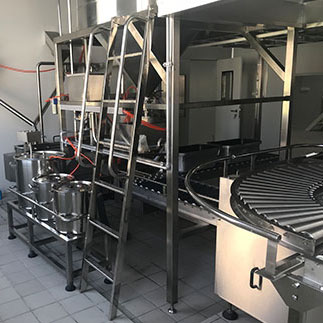 Cold Chain Rice Production Line
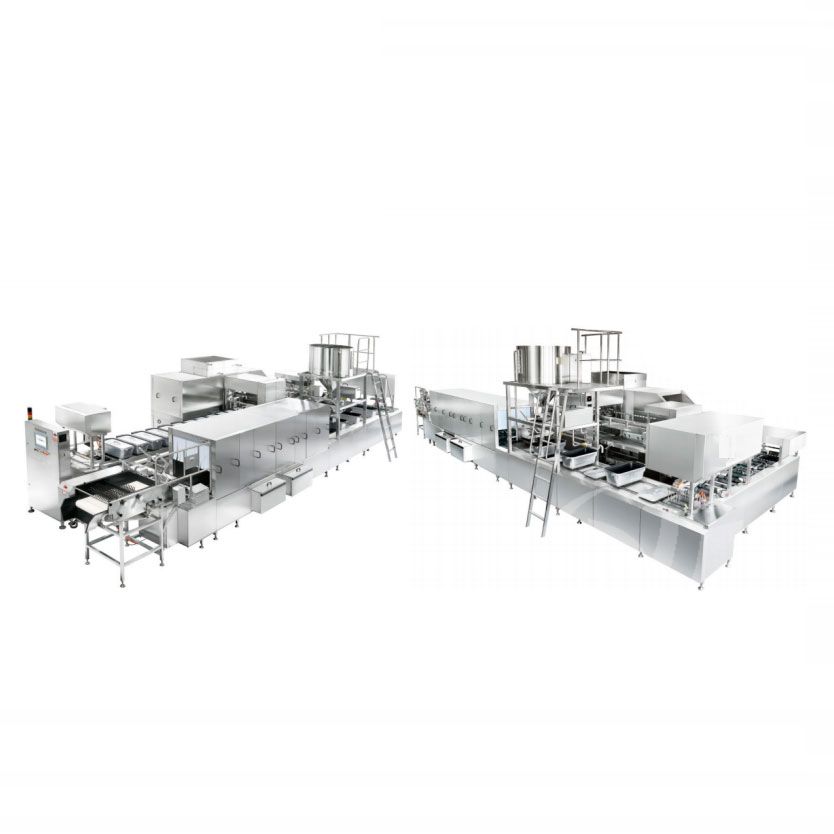 Unmanned Intelligent Rice Production Line
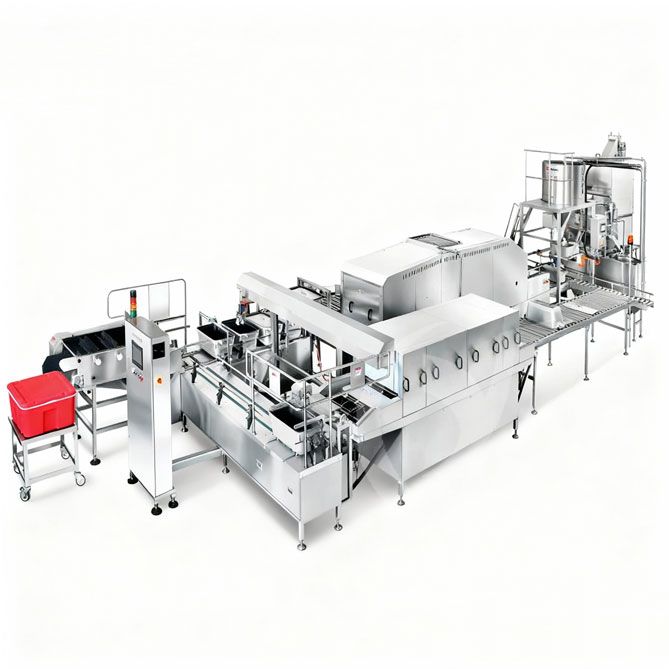 Robotic Rice Production Line
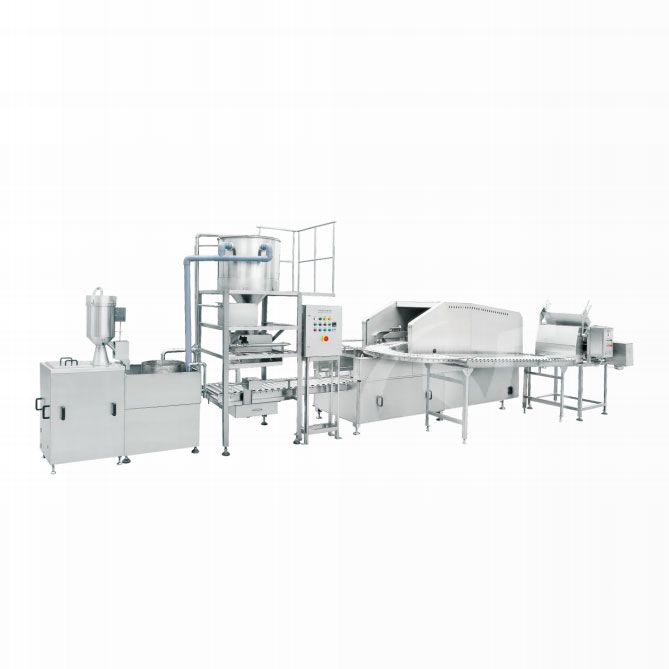 Automatic Rice Production Line
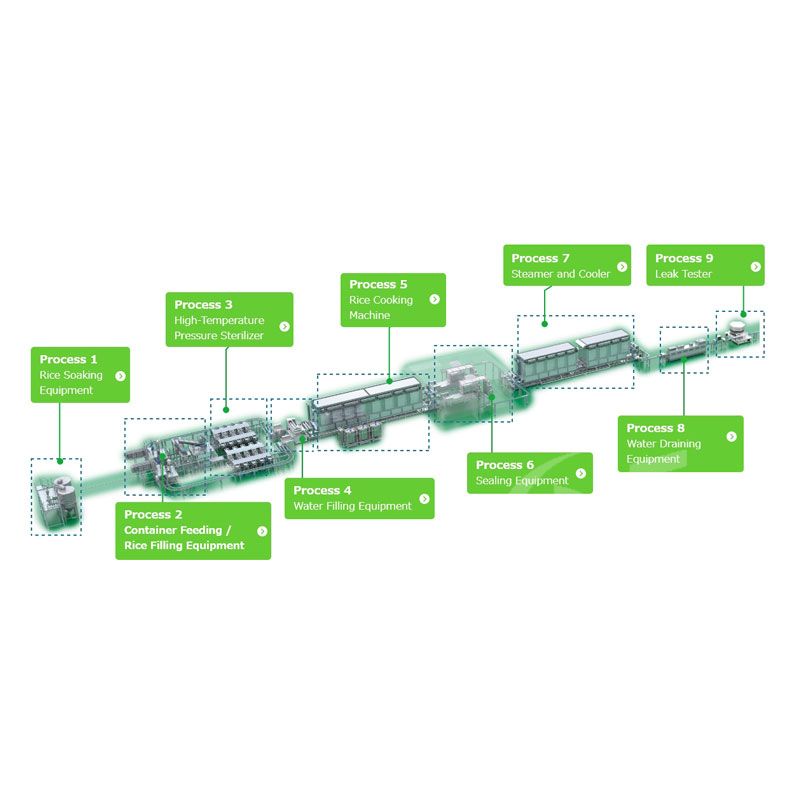 Aseptic Rice Production Line
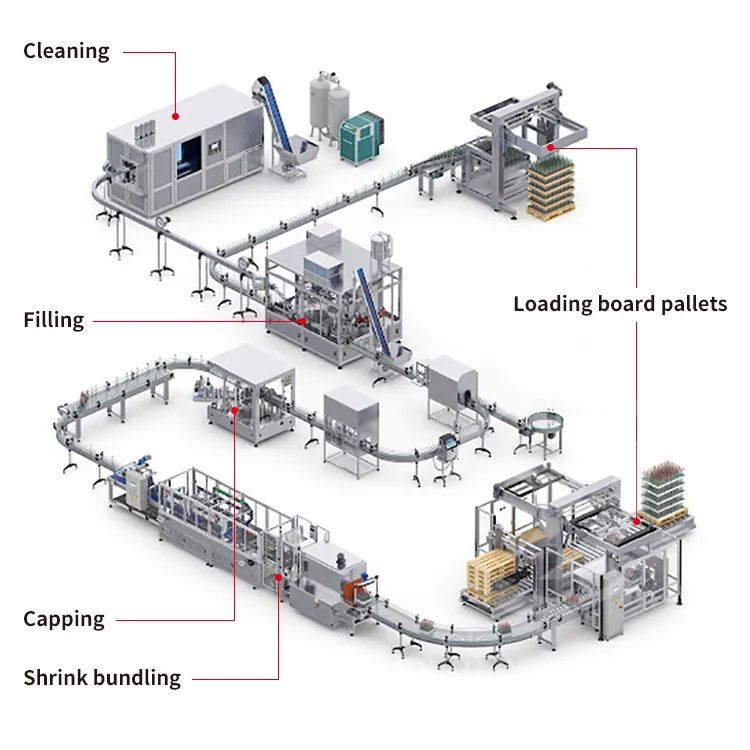 Aseptic Canning Production Line Equipment
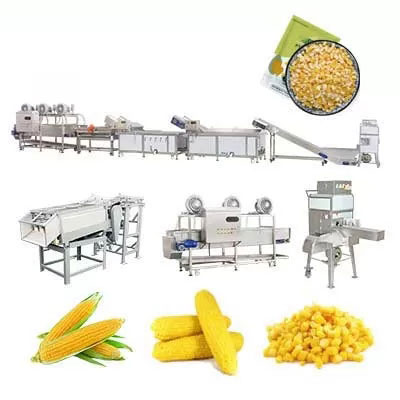 Sweet Corn Canning Production Line
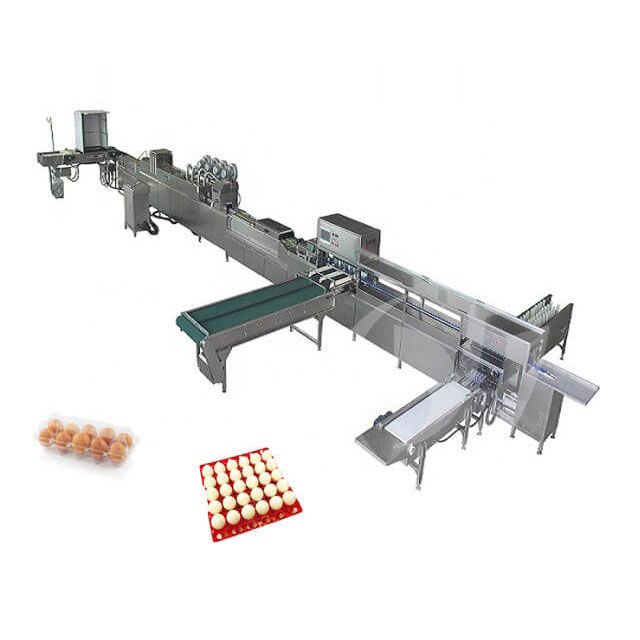 Egg Canning Production Line
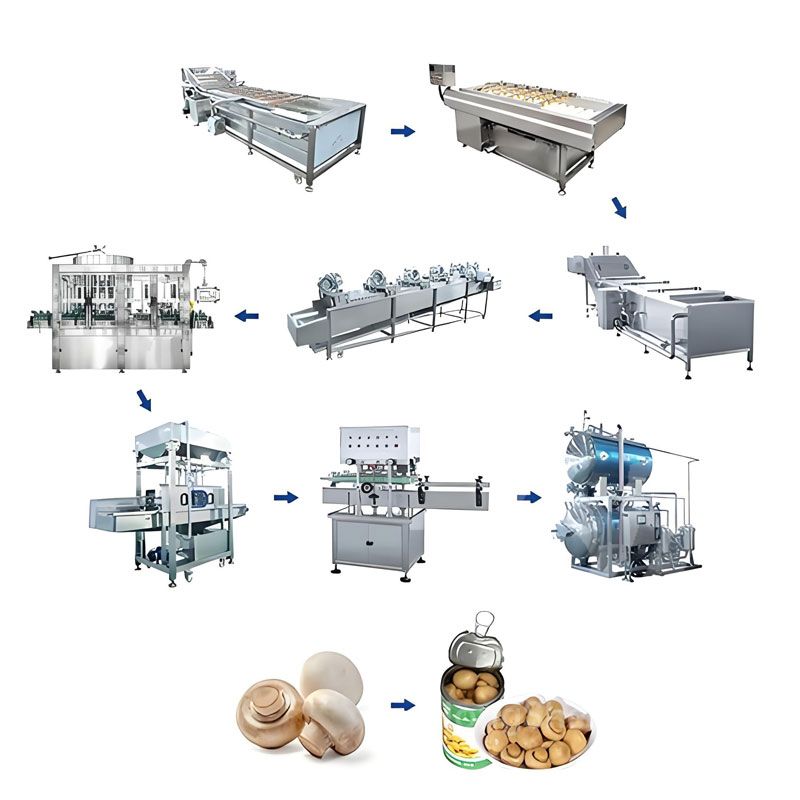 Button Mushroom Canning Production Line
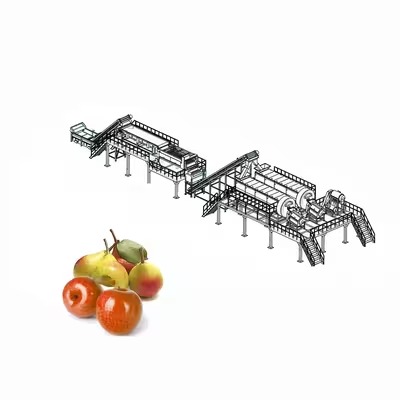 Apple Canning Production Line
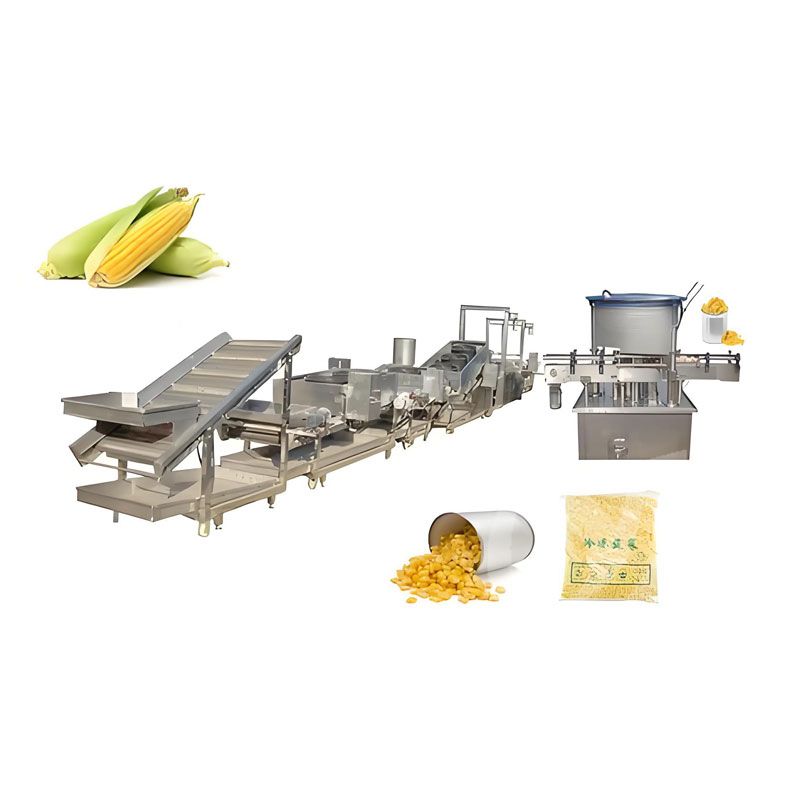 Corn Canning Production Line
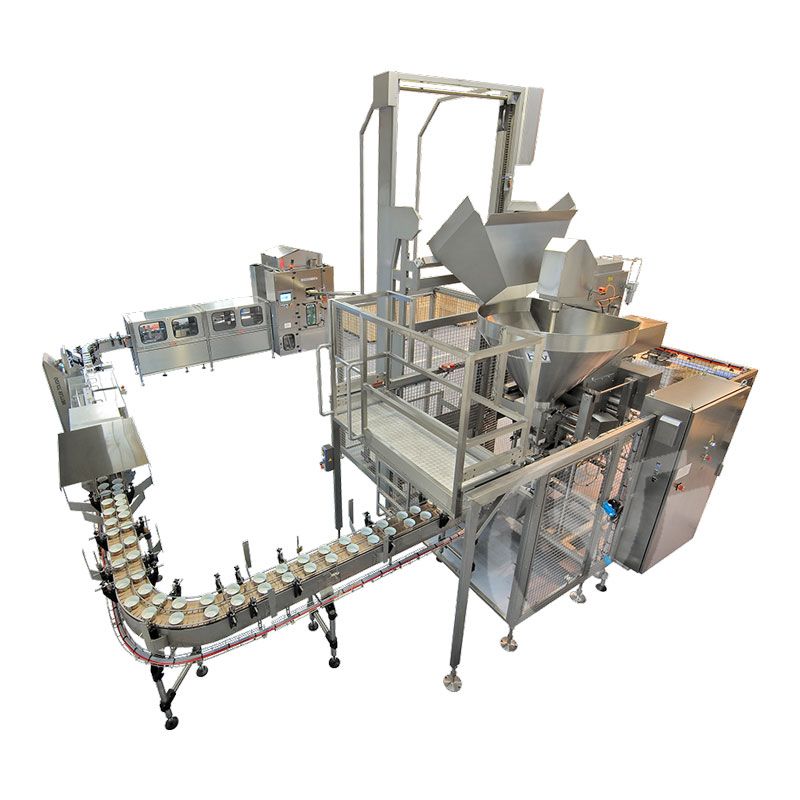 Meat Canned Food Production Line
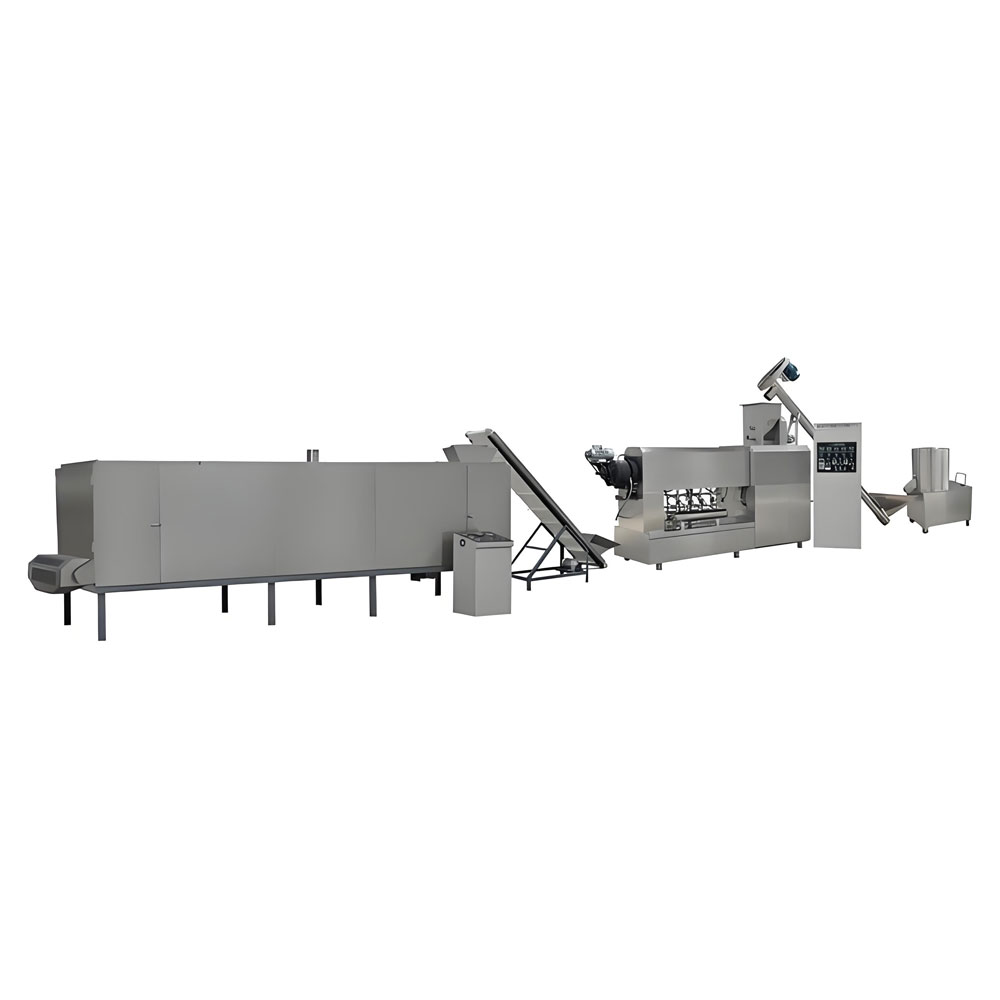 Pasta /Macaroni Making Line
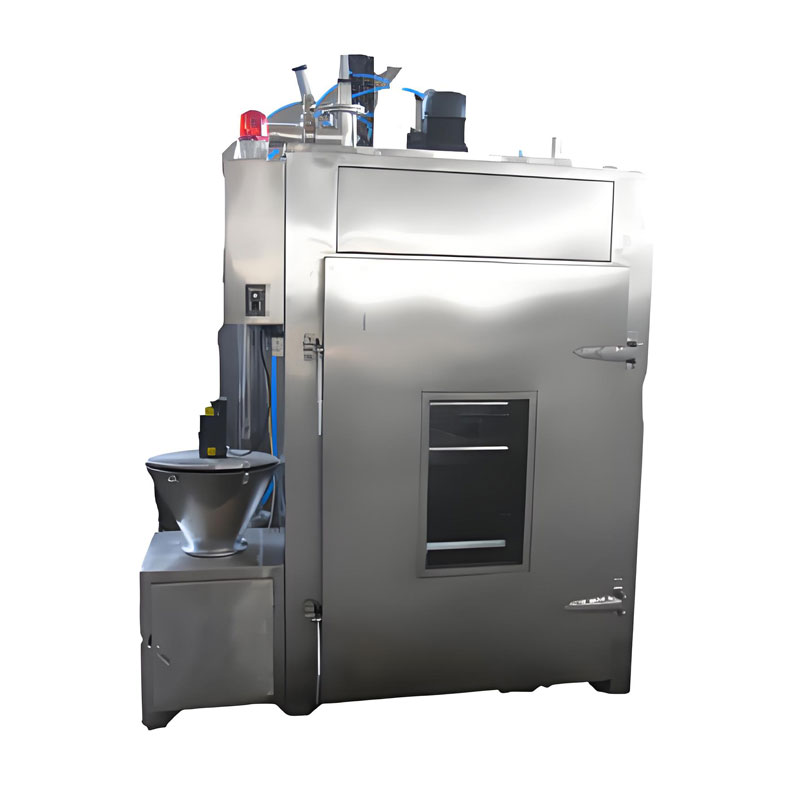 Full-automatic Meat Smoke Oven
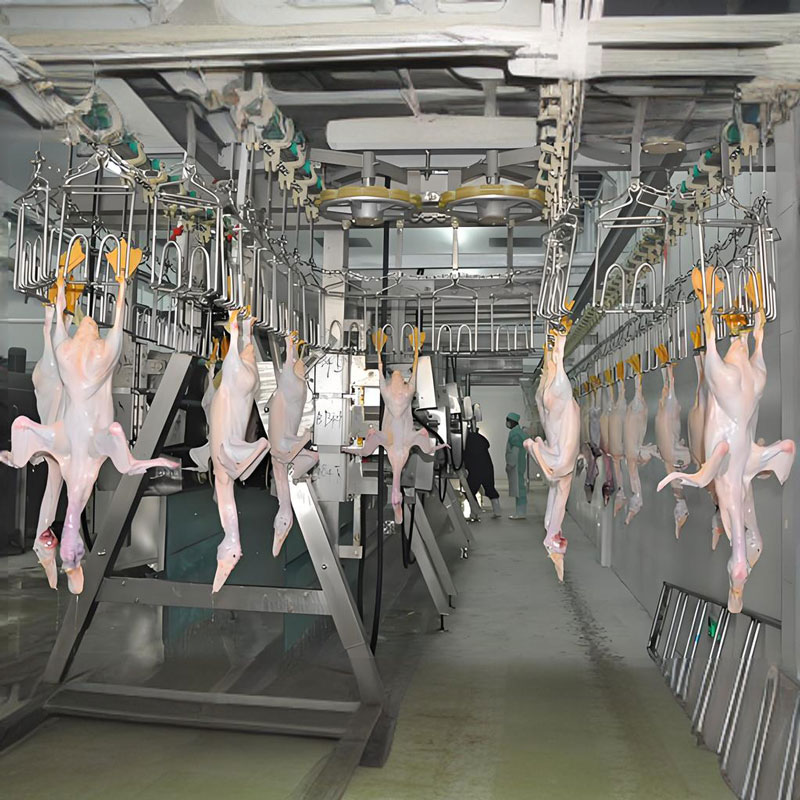 Poultry Slaughtering Line
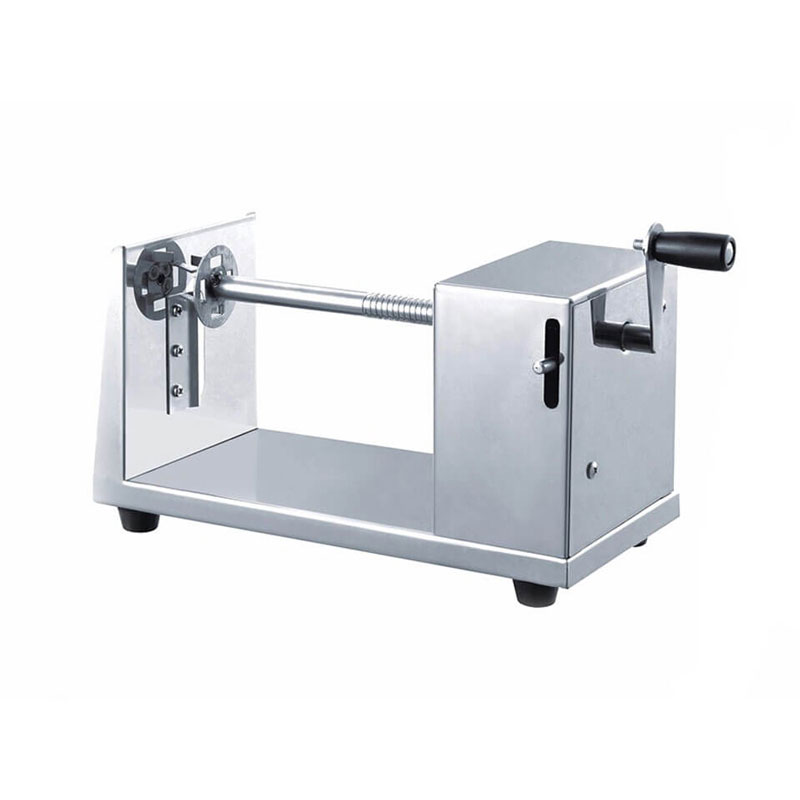 Twist Potato Machine
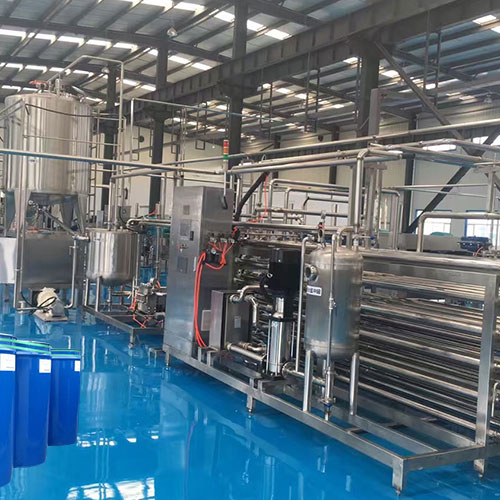 Tomato Juice Processing Production Line
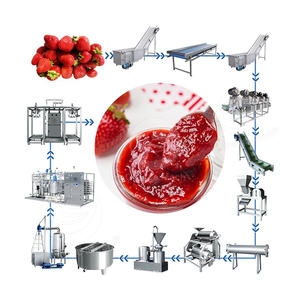 Jam Making Equipment
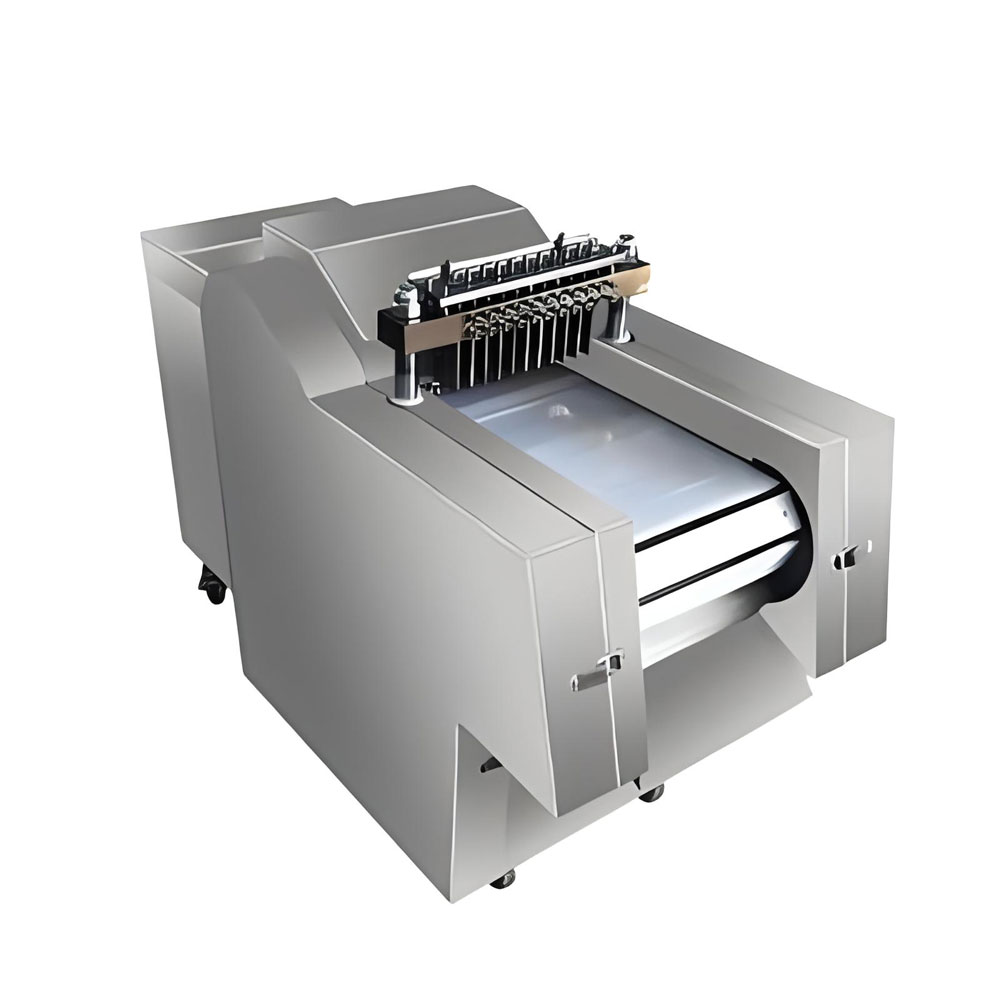 Automatic Chicken Cutting Machine
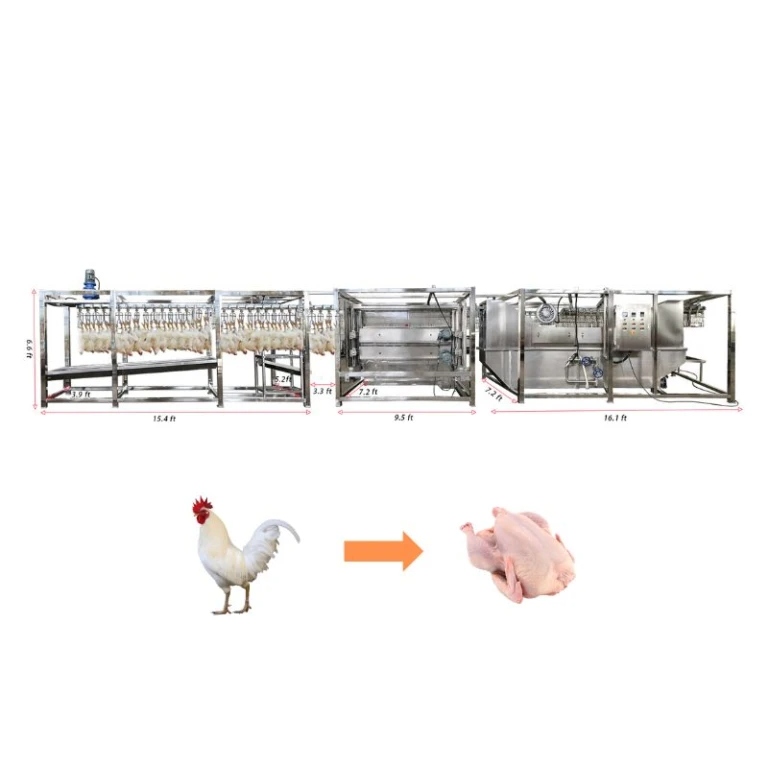 Chicken Production Line