
Beef Noodle Production Line - Chinese Manufacturer, Factory, Supplier
Commercial production of beef noodle products requires sophisticated beef noodle production line systems that simultaneously process protein components and pasta elements through coordinated manufacturing sequences. These integrated installations combine meat processing technology with noodle manufacturing equipment to create complete meal solutions at industrial scale.
Beef preparation initiates the beef noodle production line through primary processing stages including trimming, grinding, and seasoning operations. Industrial meat grinders featuring specialized plate configurations create uniform particle sizes while maintaining protein structure integrity. Temperature-controlled processing prevents protein denaturation during mechanical handling phases.
Protein conditioning involves marination systems where beef components absorb flavor compounds through vacuum tumbling or injection brining techniques. These processes enhance taste profiles while improving moisture retention characteristics essential for final product quality and shelf stability.
Noodle manufacturing occurs parallel to protein processing through dedicated pasta production equipment integrated within the beef noodle production line configuration. Continuous mixing systems combine flour, water, and binding agents to form homogeneous dough masses that feed into sheeting and cutting mechanisms.
Thermal processing represents the critical integration point where beef and noodle components undergo simultaneous cooking through steam injection systems or continuous belt cookers. These units maintain precise temperature profiles that ensure protein safety while achieving optimal noodle texture and moisture content.
Sauce preparation systems within beef noodle production line installations feature automated cooking vessels equipped with agitation mechanisms and temperature control systems. These units combine broth concentrates, seasonings, and thickening agents to create consistent flavor bases that complement both protein and starch components.
Assembly operations utilize automated dispensing systems that portion beef, noodles, and sauce components into packaging containers according to predetermined weight ratios. Volumetric or gravimetric filling mechanisms ensure consistent product composition while maintaining portion control accuracy.
Retort processing sterilizes assembled products through pressure vessel systems that achieve commercial sterility while preserving nutritional content and flavor characteristics. Temperature-time profiles eliminate pathogenic organisms while maintaining product integrity throughout shelf life periods.
Quality assurance protocols within beef noodle production line operations include microbiological testing, nutritional analysis, and sensory evaluation through automated sampling systems. These checkpoints verify product safety and quality consistency across production batches.
Modern beef noodle production line systems achieve throughput rates exceeding 1,200 units per hour while maintaining strict food safety standards and nutritional specifications. These installations incorporate clean-in-place systems, automated inventory management, and process control technologies that optimize efficiency while ensuring regulatory compliance throughout all manufacturing phases.
 Cold Chain Rice Production Line
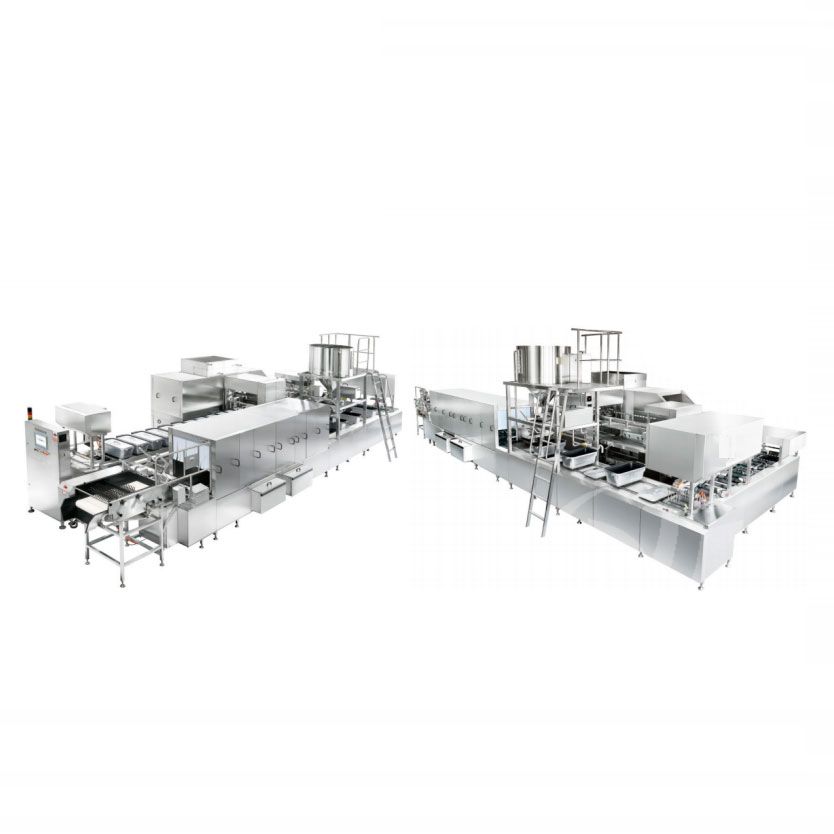 Unmanned Intelligent Rice Production Line
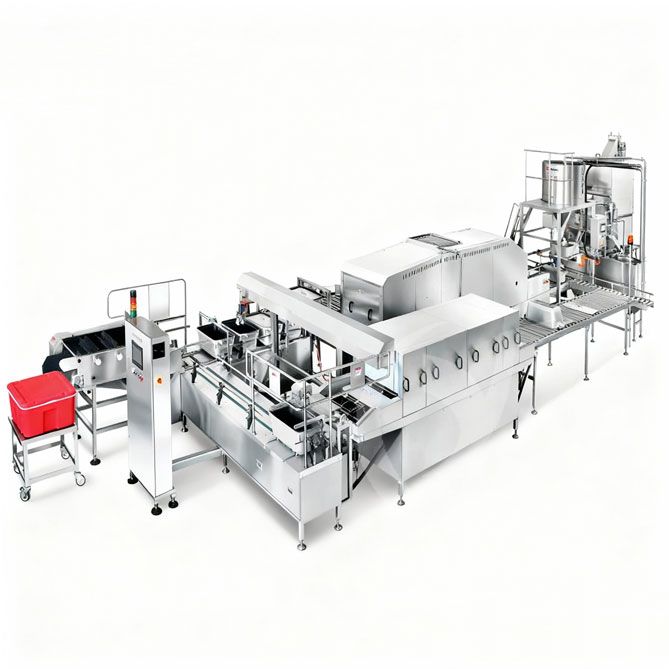 Robotic Rice Production Line
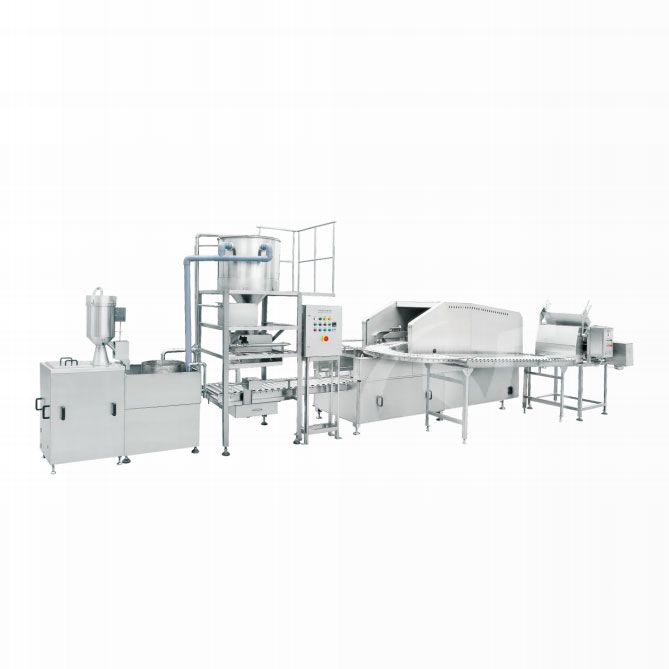 Automatic Rice Production Line
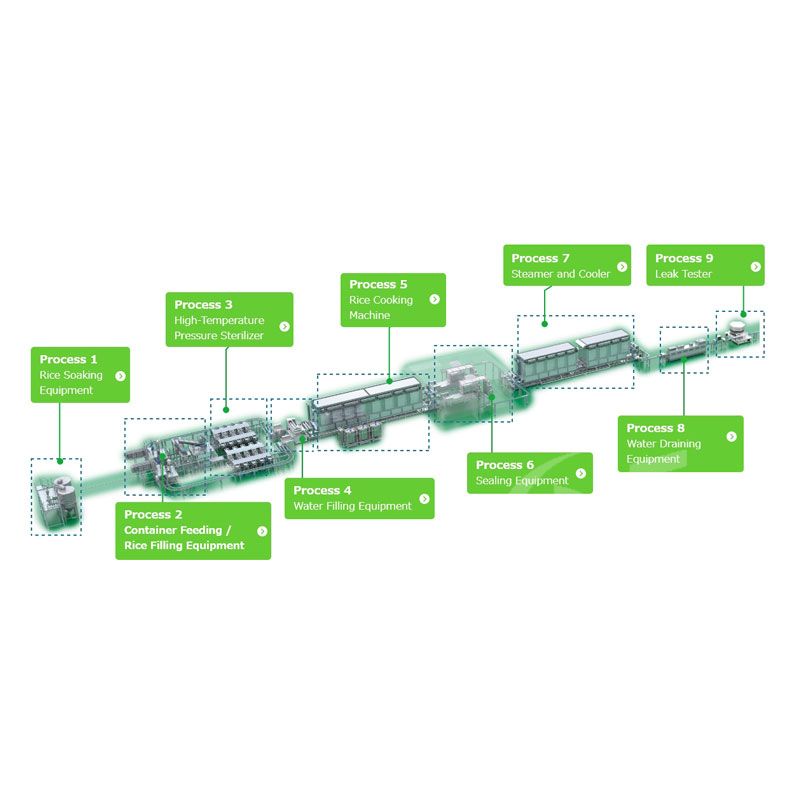 Aseptic Rice Production Line
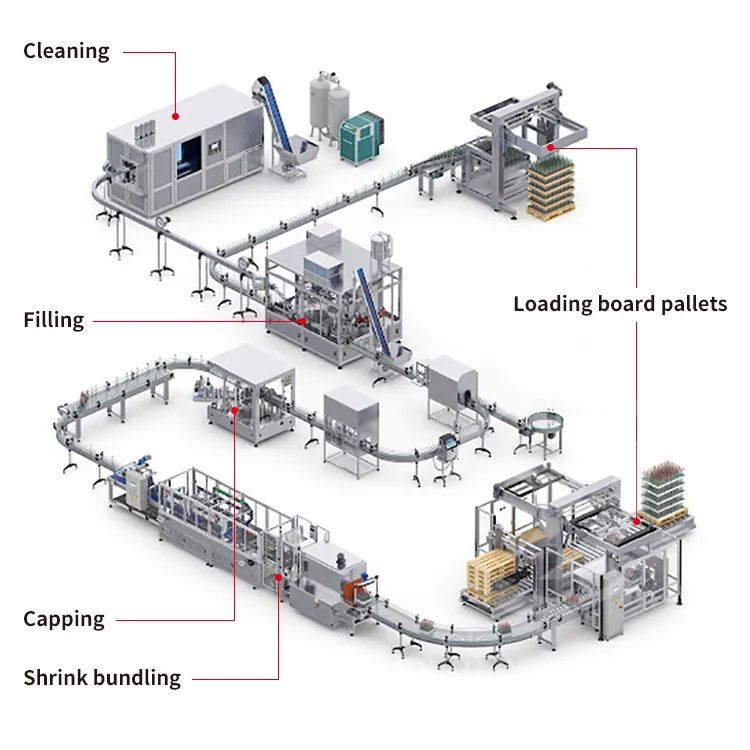 Aseptic Canning Production Line Equipment
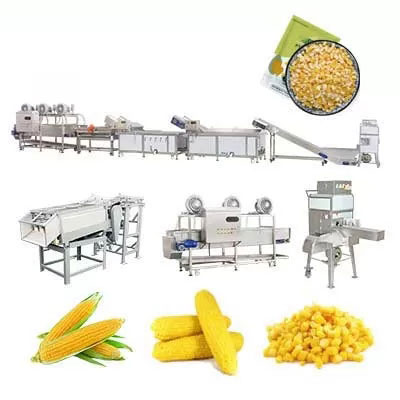 Sweet Corn Canning Production Line
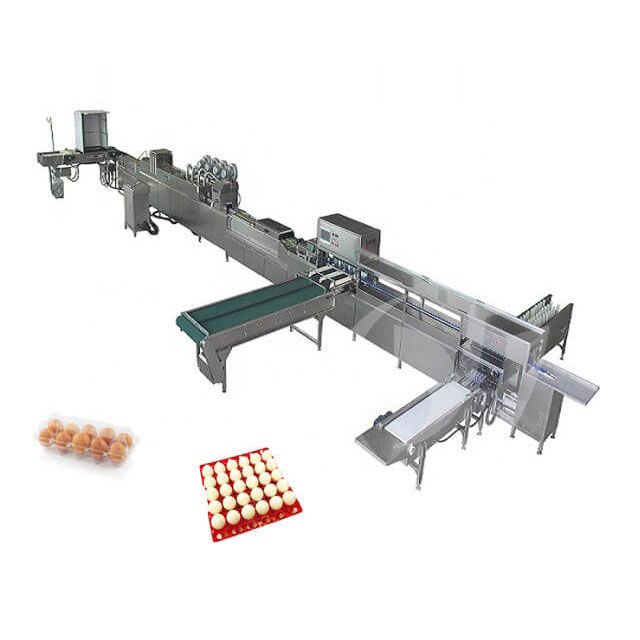 Egg Canning Production Line
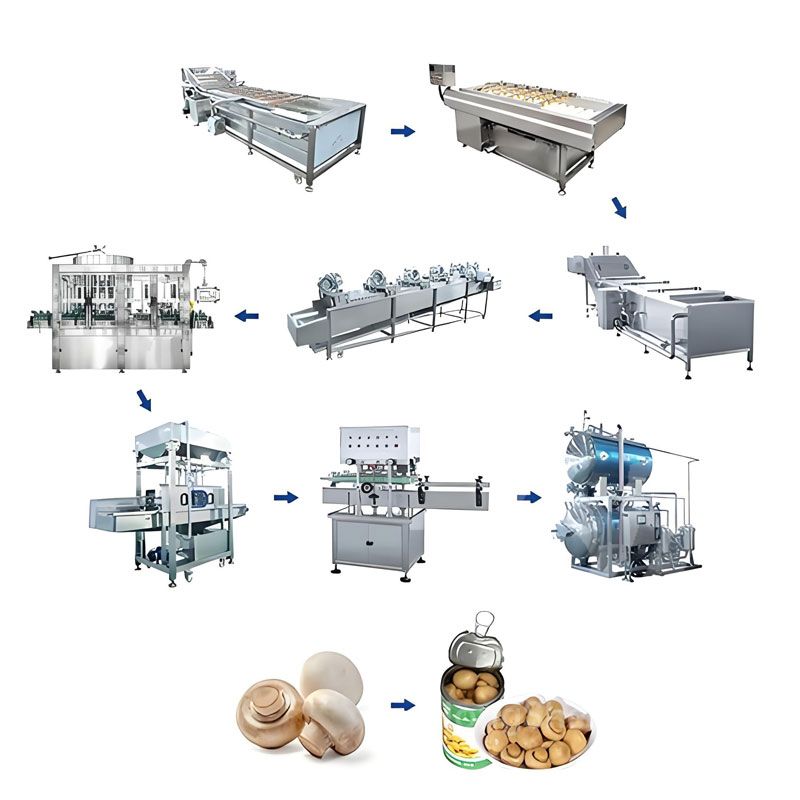 Button Mushroom Canning Production Line
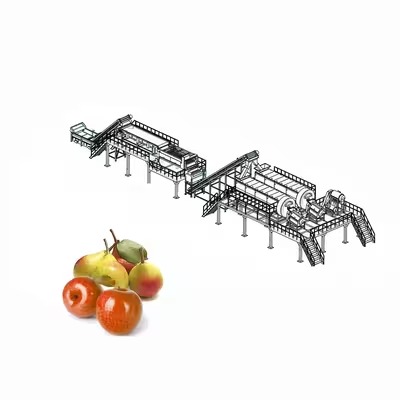 Apple Canning Production Line
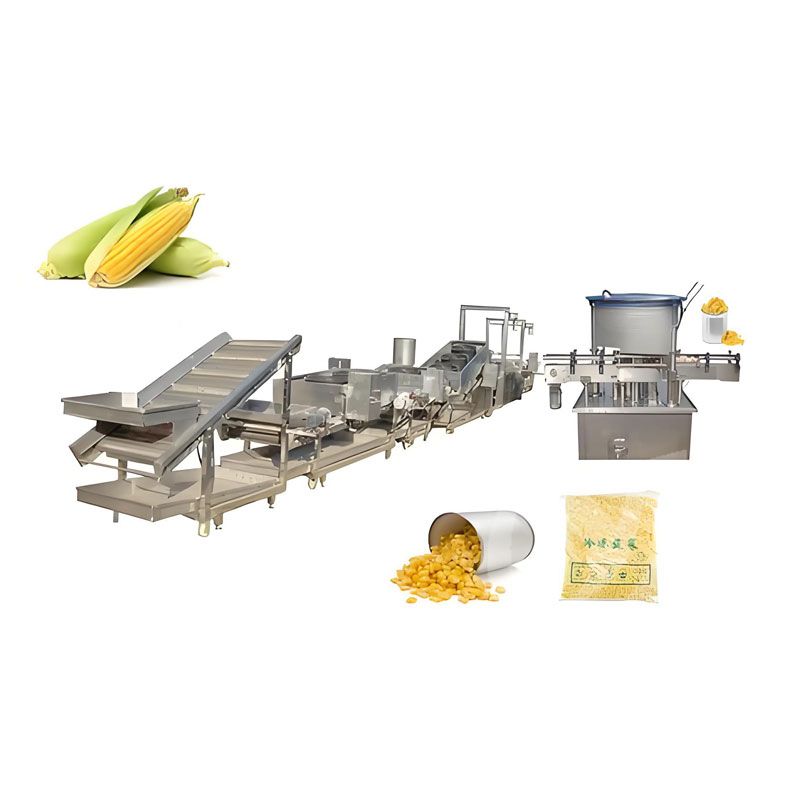 Corn Canning Production Line
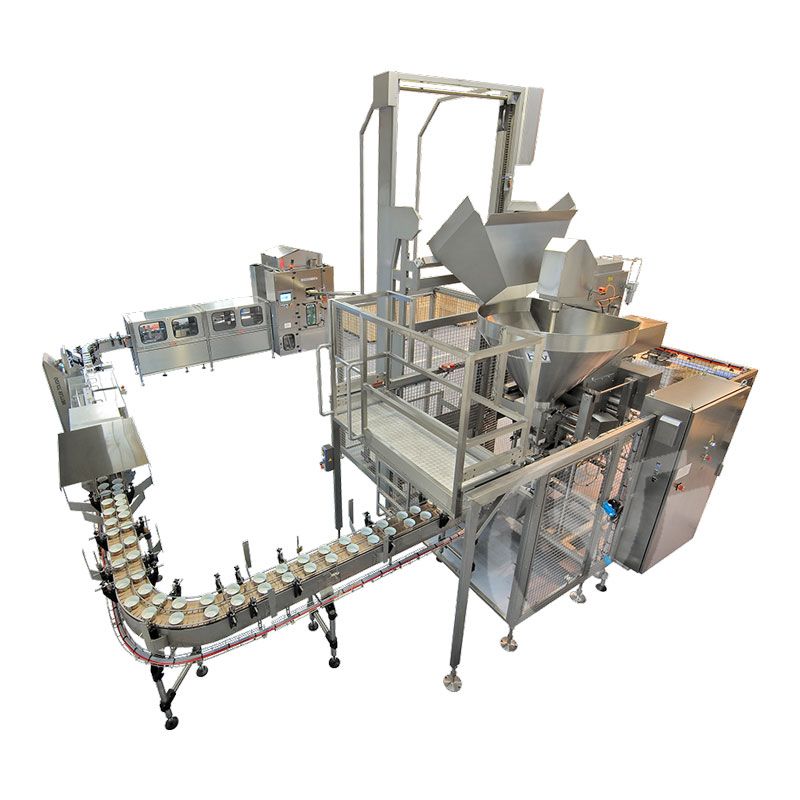 Meat Canned Food Production Line
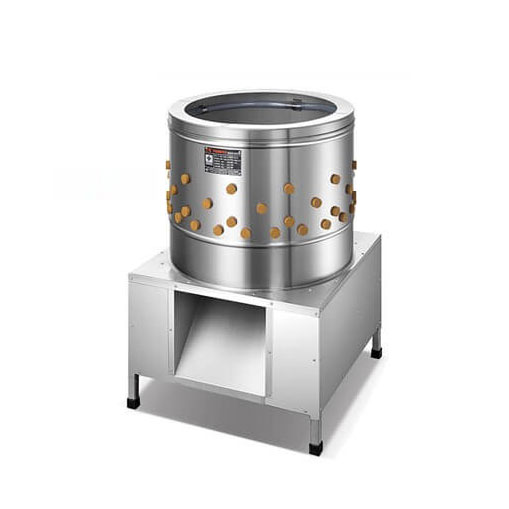 Poultry Feather Removal Machine
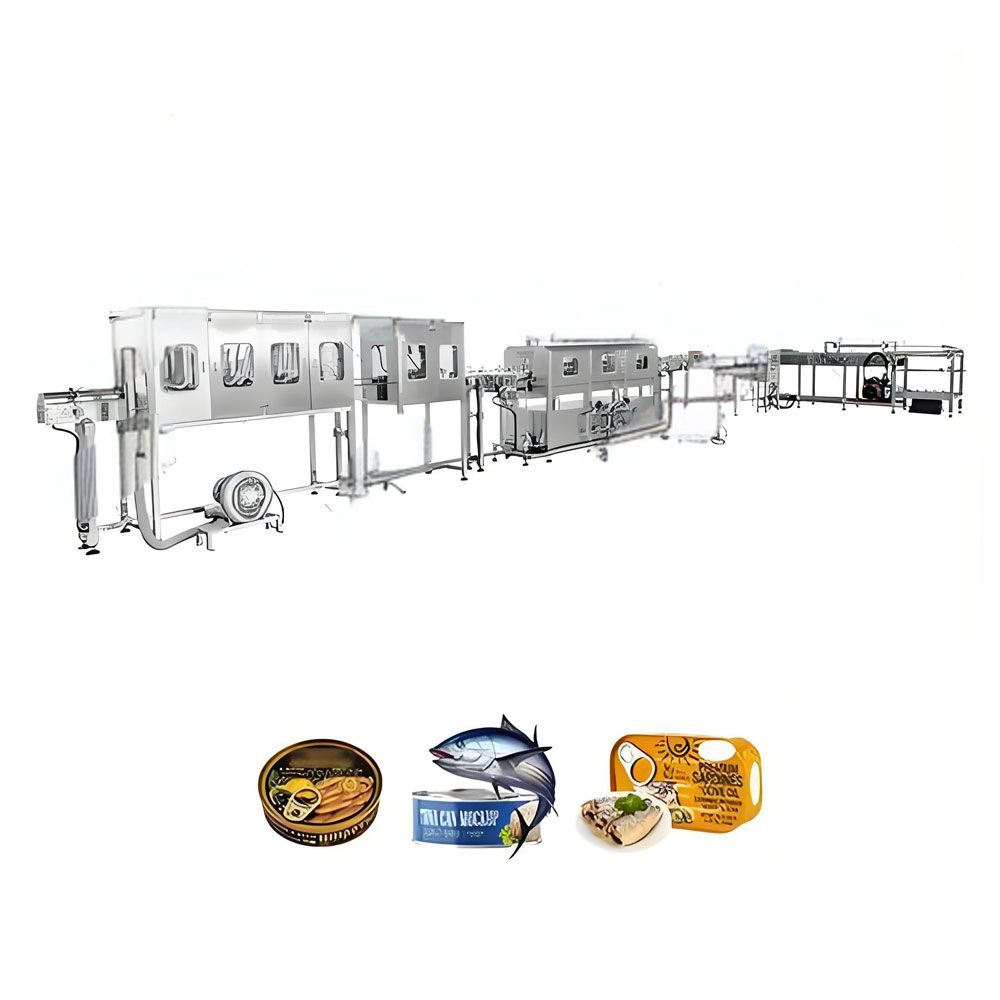 Blackfish Canning Production Line
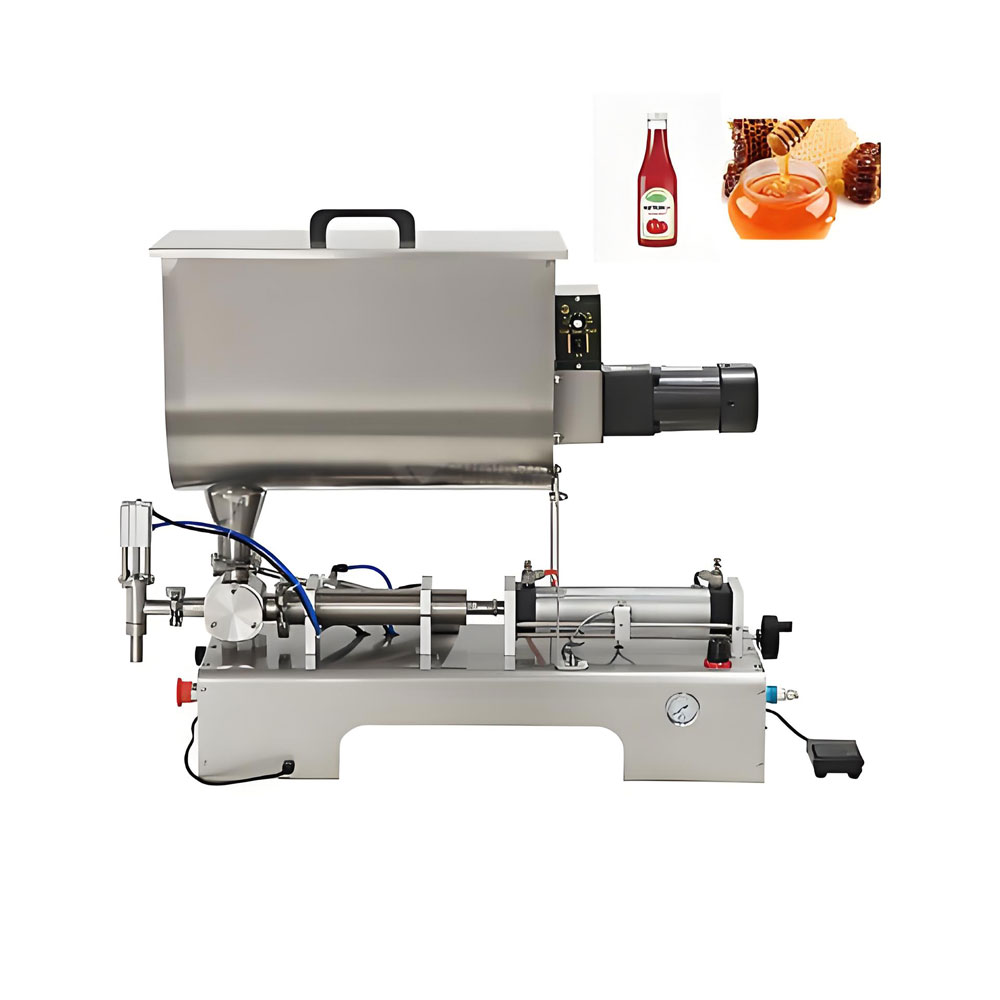 Sauce Filling Machine
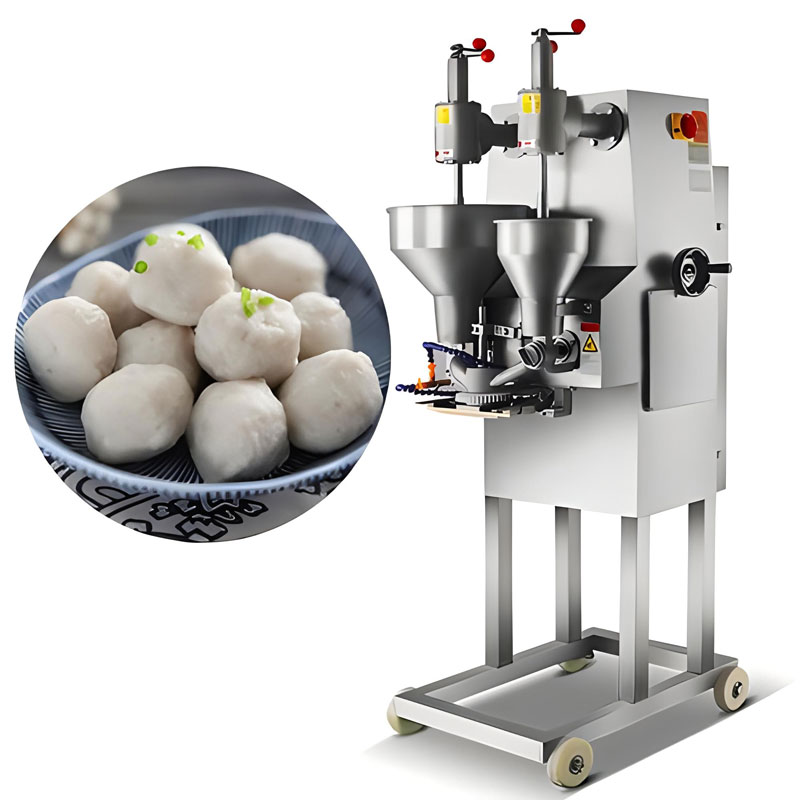 Automatic Meatball Making Machine
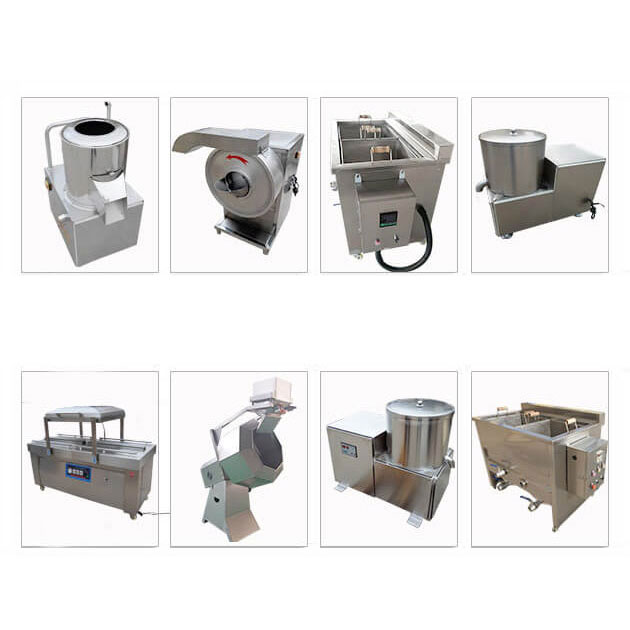 Small Scale French Fries Production Line
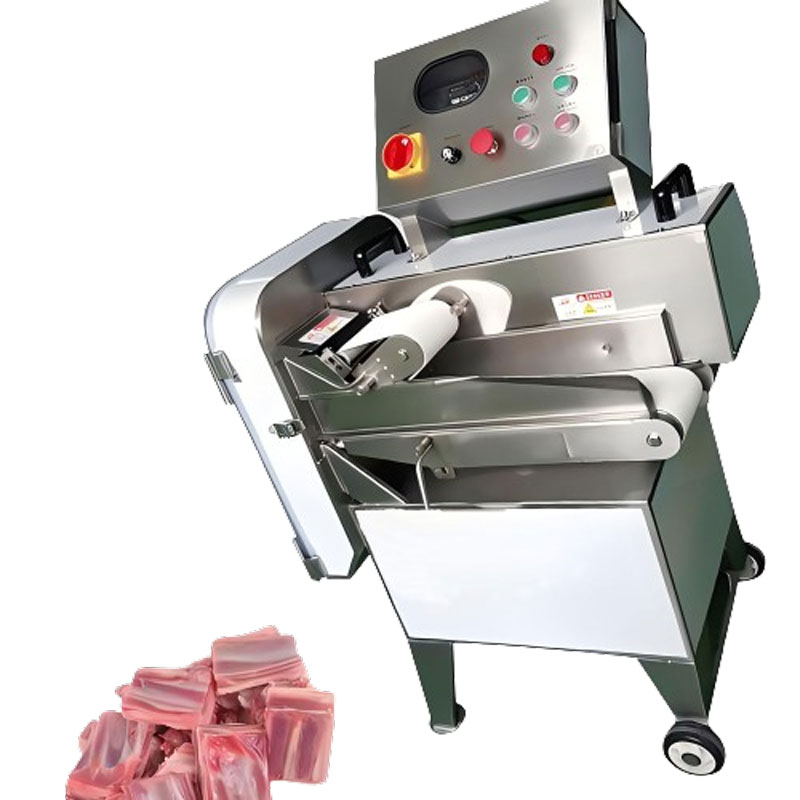 Frozen Meat Ribs Dicing Machine
 Hard Candy Production Line
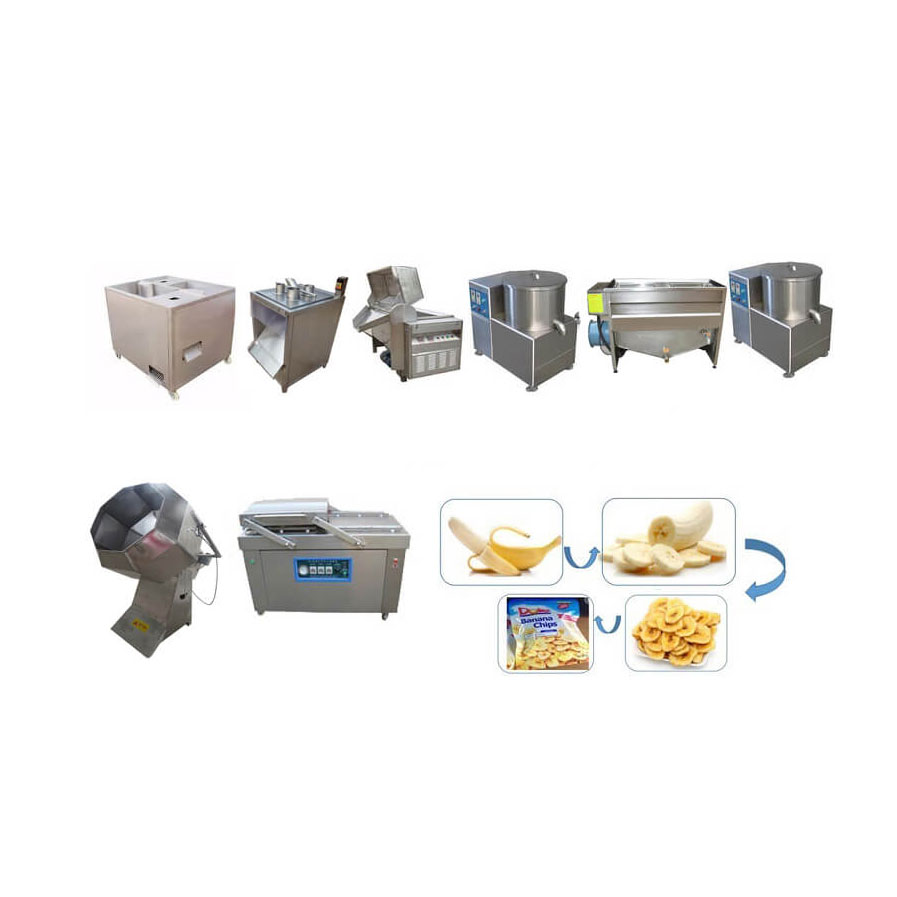 Small Scale Banana Chips Production Line